
Reviewed · UENO & YANAKA WALKS
Tokyo: Ramen, Gyoza and Veggie Side Dish Class Near Yanaka
The best part of this Tokyo cooking class is that it teaches the home-style side of Japanese food. You will make ramen broth and soup from scratch, prepare chashu pork, mix a gyoza filling, fold dumplings, and pan-fry them until the bottoms turn crisp. The noodles and wrappers are store-bought, which keeps the class practical rather than turning lunch into a full-day kitchen project.
I like the small private format, which gives Yuki room to adjust the menu and work closely with your group. I also like the setting near Yanaka, about 10 minutes from JR Nishi Nippori Station, and the fact that you sit down to eat the meal you have made. The main drawback is dietary: vegetarian adjustments are possible, but the class is not suitable for a gluten-free diet.
In This Review
- Key points to know before booking
- A home kitchen lesson near Yanaka
- 10:00 a.m. arrival and a short look at Japanese home cooking
- Making ramen broth, soup, and chashu
- Folding gyoza and getting the crisp bottom right
- A seasonal vegetable side dish keeps lunch balanced
- Vegetarian changes are possible, but gluten-free is not
- Yuki’s teaching style and the mood of the class
- How the 2.5-hour schedule works
- Is $110.56 a fair price?
- Who will enjoy this class most
- Booking, cancellation, and practical details
- Should you book the YUZU WASHOKU STUDIO class?
- FAQ
- Where does the Tokyo ramen and gyoza class meet?
- What time does the class begin and end?
- What food is included?
- Are vegetarian options available?
- Is the class suitable for a gluten-free diet?
- Do I make ramen noodles and gyoza wrappers from scratch?
- What happens if I need to cancel?
Key points to know before booking
- Yuki leads a hands-on class: She teaches cooking, hosts the meal, and explains Japanese home cooking and daily life.
- The broth is made from scratch: You learn the dashi and ramen soup process, not just how to assemble toppings.
- Gyoza technique is part of the lesson: You prepare the filling, fold the dumplings, and pan-fry them for a golden, crisp base.
- The menu includes more than noodles: Your lunch also includes chashu, a seasonal vegetable side dish, green tea, and water.
- The class is private: Only your own group participates, making it a good fit for couples, families, or solo visitors booking with others.
- Plan around dietary limits: Vegetarian versions can be prepared, but gluten-free cooking is not available.
A home kitchen lesson near Yanaka
YUZU WASHOKU STUDIO sits at 1-chōme-58-4 Nishinippori in Arakawa City, close to the Yanaka area and roughly 10 minutes from JR Nishi Nippori Station. That location gives you an easy stop outside the busiest sightseeing routes, while still keeping you near public transport.
The class begins at 10:00 a.m. at the studio. You should arrive ready to start there, since hotel pickup and drop-off are not included. The activity ends at the same meeting point after lunch.
This is not a restaurant demonstration where you watch someone else handle the difficult parts. You work through the main tasks yourself, with Yuki guiding the process. Aprons and towels are provided, so you do not need to pack special cooking gear.
The private format matters here. Cooking can feel rushed in a large group, especially when several people need help folding dumplings or judging the color of a pan-fried base. With only your own group in the class, the pace can suit your party more closely. That is useful for children, first-time cooks, and anyone who wants to ask plenty of questions.
A few more Tokyo tours and experiences worth a look
10:00 a.m. arrival and a short look at Japanese home cooking
After meeting at the studio, the class starts with a lecture from about 10:15 to 10:30 a.m. This short introduction covers Japanese home cooking and includes a Tokyo guide.
I like this opening because it gives the cooking some context before the work begins. Ramen and gyoza are familiar names outside Japan, but home-style cooking is not only about the final bowl. The class also touches on dashi, table setting, and the way a simple meal comes together.
Do not expect a long food history talk. The schedule allows about 15 minutes for the lecture, followed by two hours of cooking and tasting. That balance favors people who want to cook rather than sit through a formal presentation.
The table-setting lesson is a small but useful touch. It helps you understand how the meal is arranged, not just how each dish is prepared. You also get green tea and water during the meal, adding a simple Japanese dining element without turning the class into a ceremony.
Making ramen broth, soup, and chashu
The ramen portion is the heart of the class. You learn how to make dashi broth and ramen soup from scratch, using ingredients and methods described as simple enough to repeat at home.
That is a more useful skill than learning a highly specialized restaurant recipe that depends on hard-to-find equipment. The class focuses on a home-style bowl, so you can take the basic method back to your own kitchen. You will also learn how to prepare chashu pork, the tender sliced topping that gives the ramen a fuller meal-like character.
It is important to know exactly what from scratch means here. You do not make egg noodles from flour, and you do not make the gyoza wrappers yourself. The lesson centers on the broth, soup, toppings, filling, folding, and cooking. For most people, that is a sensible choice within a 2.5-hour class, but anyone seeking a complete noodle-making workshop should choose a different experience.
The ramen lesson also gives you a chance to understand the parts of the bowl separately. Broth provides the base, soup brings seasoning, and toppings add texture and substance. You are not simply following a recipe card with the end result hidden until lunch. The process shows how each part contributes.
Folding gyoza and getting the crisp bottom right
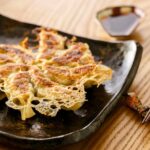
Gyoza can look easy until you try to fold a neat row of them. The class covers the handmade filling and the folding technique, then shows you how to pan-fry the dumplings so the underside becomes golden and crisp.
This is one of the most practical parts of the experience. Gyoza is a dish you can make again without special machinery, but the folding and frying steps benefit from someone correcting your technique. The private setting lets Yuki give direct help rather than leaving you to copy a demonstration from across a crowded table.
The aim is a contrast of textures: a crisp bottom with a juicy filling. You learn the key pan-frying stage rather than merely boiling or reheating prepared dumplings. That makes the lesson useful after you return home, especially if you want to recreate a Japanese meal for family or friends.
The class combines ramen and gyoza in one sitting, so expect a busy kitchen period before lunch. The schedule gives roughly two hours for cooking and tasting, which is enough room for several dishes but does not promise a slow, leisurely workshop. If you prefer one dish taught in great technical detail, the two-part menu may feel broad. If you want a complete Japanese lunch, it is a good use of the time.
A seasonal vegetable side dish keeps lunch balanced
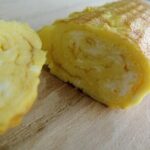
The meal includes a seasonal vegetable side dish, with the exact vegetables changing through the year. The menu description does not promise one fixed recipe, so you should see this as a flexible part of the class rather than a dish you can plan around.
That changing element is useful because Japanese home cooking often depends on what is available in the season. It also adds a vegetable course to a lunch built around ramen and dumplings. One example of a prepared version is sesame-dressed vegetables, and green beans have been used in a meat-free menu.
This side dish may be especially welcome if you find a bowl of ramen and several dumplings too heavy on their own. It also gives the instructor room to show a different seasoning style from the ramen broth and gyoza filling.
Other cooking classes in Tokyo
Vegetarian changes are possible, but gluten-free is not
The menu can be adapted for vegetarians. A meat-free version has included vegan ramen, gyoza, and sesame-dressed vegetables, showing that the adjustment can cover the full meal rather than only removing one topping.
You should still state your dietary needs when booking. The supplied information confirms vegetarian adaptations, but it does not provide a full list of substitute ingredients or promise a vegan menu for every date. Ask clearly about your requirements before the class.
The gluten-free limitation is firm. This experience is not suitable for a gluten-free diet, so the presence of ramen and gyoza wrappers makes it a poor fit for anyone who must avoid gluten. Allergies and special needs should be raised in advance rather than explained for the first time at the studio.
For everyone else, the menu is straightforward: home-style ramen, gyoza, a seasonal vegetable dish, green tea, and water. Lunch is included, as are the apron and towel.
Yuki’s teaching style and the mood of the class
Yuki is both the instructor and host. Her teaching style comes through in the way she guides the cooking, keeps the class engaging, and talks about Japanese homes and everyday life.
The strongest praise centers on her friendliness, clear teaching, and ability to create a relaxed atmosphere. She has been described as inspiring and engaging, with plenty of laughter during the cooking. That matters in a hands-on class because a mistake with a dumpling fold should be part of the fun, not a source of pressure.
She has also shown flexibility when a couple arrived with a meat-free preference that had not been understood in advance. The dishes were changed to vegan ramen, gyoza, and sesame-dressed vegetables. I would not rely on last-minute adjustments, but this does show that the cooking is not locked into one unchangeable plate.
The private arrangement adds to the personal feel. You are not sharing the session with unrelated participants, and only your group takes part. It should suit couples seeking a shared activity, families who want something more active than sightseeing, and solo visitors who have arranged a private booking.
How the 2.5-hour schedule works
The published timing is:
- 10:00 a.m.: Meet at YUZU WASHOKU STUDIO
- 10:15 to 10:30 a.m.: Lecture on Japanese home cooking and a Tokyo guide
- 10:30 a.m. to about 12:30 p.m.: Cooking and tasting
The final time is written as 12:30 a.m. in the schedule, but the stated duration is about 2 hours and 30 minutes, and the experience is described as lunch. The practical reading is a finish around 12:30 p.m.
That timing works well for a morning activity. You cook before the hottest sightseeing hours, eat lunch at the studio, and finish with the rest of the day open. Since the class ends where it begins, you can continue exploring around Nishi Nippori or Yanaka without arranging a separate return transfer.
The class requires a minimum number of participants to operate. If that minimum is not met, the provider offers a different date or experience, or a full refund. Poor weather can also lead to a new date or full refund under the stated conditions.
Is $110.56 a fair price?
At $110.56 per person, this is not a cheap lunch. You are paying for more than the food itself, though. The fee includes a private, instructor-led lesson, ramen and gyoza preparation, a vegetable side dish, green tea, water, and the use of aprons and towels.
The value is strongest if you want to learn techniques you can repeat. Making broth, preparing chashu, mixing a gyoza filling, folding dumplings, and pan-frying them are skills with life beyond this one meal. You also save the effort of finding ingredients, setting up a kitchen, and working out the method alone.
The price is less appealing if you mainly want to eat ramen. Tokyo has many places to buy a bowl for far less, and this class does not make every component from scratch. You are not preparing the noodles or wrappers, so the cost reflects instruction, access to the home-style process, and the private setting rather than a full artisan noodle workshop.
Because the class is private, the comparison also depends on group size. A couple pays more in total than a larger private party splitting the per-person price, while a family may value having the lesson shaped around its own pace. I would book it for the cooking experience, not as a bargain meal.
Who will enjoy this class most
I would recommend this experience to you if you want a practical food activity in Tokyo and enjoy learning by doing. It is especially well suited to:
- Couples looking for a shared morning activity
- Families who can take part in hands-on cooking
- Solo visitors booking a private session
- Ramen and gyoza fans who want repeatable home recipes
- People curious about Japanese home cooking and table setting
- Vegetarian diners who confirm their needs in advance
It is not the right pick for a gluten-free diet. It is also not ideal if you want to make noodles and wrappers entirely from flour. The class gives you a home-style ramen and gyoza lesson, not a specialist noodle-making course.
Booking, cancellation, and practical details
Confirmation is provided when you book, and mobile tickets are accepted. The meeting point is near public transport at 1-chōme-58-4 Nishinippori, Arakawa City, Tokyo 116-0013.
Free cancellation is available up to 24 hours before the 10:00 a.m. start for a full refund. Changes or cancellations made inside that 24-hour window are not accepted and are not refunded. The cut-off follows Tokyo local time, so check the clock carefully if you are booking from another time zone.
The experience does not include transportation from your hotel. You need to make your own way to the studio and return from the same place. Since the class averages booking about 39 days ahead, reserve early if your Tokyo dates are fixed, particularly if you want a private morning slot.
Should you book the YUZU WASHOKU STUDIO class?
Book this class if you want to leave Tokyo with more than food photos. Yuki’s warm, hands-on teaching, the private group setup, and the focus on broth and gyoza technique make it useful as well as enjoyable.
I would skip it if you need gluten-free food, want to make noodles and wrappers from scratch, or are only looking for the least expensive ramen lunch. For everyone else, $110.56 buys a focused 2.5-hour lesson, a full homemade meal, and recipes you can try again at home. That is a fair price for a personal cooking activity near Yanaka.
FAQ
Where does the Tokyo ramen and gyoza class meet?
The class meets at YUZU WASHOKU STUDIO, 1-chōme-58-4 Nishinippori, Arakawa City, Tokyo 116-0013, Japan. It is about 10 minutes from JR Nishi Nippori Station and near public transportation.
What time does the class begin and end?
You meet at 10:00 a.m. The cooking and tasting portion runs until about 12:30 p.m., making the total experience approximately 2 hours and 30 minutes.
What food is included?
The meal includes home-style ramen, gyoza, a seasonal vegetable side dish, green tea, and water. The vegetables in the side dish change with the season.
Are vegetarian options available?
Yes. The menu can be adapted for vegetarians, and vegan versions have been prepared. Tell the provider about your dietary needs when booking.
Is the class suitable for a gluten-free diet?
No. The class is not suitable for a gluten-free diet.
Do I make ramen noodles and gyoza wrappers from scratch?
No. The class uses prepared ramen noodles and gyoza wrappers. You do make the dashi broth, ramen soup, chashu topping, gyoza filling, and folded dumplings from scratch.
What happens if I need to cancel?
You can cancel up to 24 hours before the start time for a full refund. Cancellations or changes made less than 24 hours before the experience are not accepted or refunded.
More Cooking Classes in Tokyo
More Cooking Classes in Tokyo
More Ueno & Yanaka Walks in Tokyo
More tours in Tokyo we've reviewed











Ueno & Yanaka Walks, compared.
 ★ 5.0Eat and Drink Like a Local: Tokyo Ueno Food Tour-Taverns&RamenFrom $95
 ★ 4.5The Old Quarter of Tokyo – Yanaka Walking TourFrom $40
 ★ 5.0Yanaka Walking Tour: Historic and Traditional District of TokyoFrom $72
 ★ 4.8Tokyo: Old Quarter Yanaka Walking TourFrom $323 hours
 ★ 5.0Tokyo: Food Tour in Ueno with 10+ Tastings of Japanese ClassicsFrom $142
 ★ 4.9Tokyo:Stroll in Old traditional culture towns~Yanaka & NezuFrom $293h 30m