
Reviewed · WALKING TOURS
Tokyo: Private Walking Tour with a Local Guide
Tokyo is too large for a one-size-fits-all sightseeing day. This private walk lets you choose the pieces that matter most, from Senso-ji and Meiji Shrine to Tsukiji, Akihabara, or a quiet neighborhood alley. I like the local guidance and the practical help with trains, tickets, food, and daily life.
I also like the pre-tour planning. Guides such as Momo, Miwa, Rika, Hina, and Kanako contact you through WhatsApp, ask what you want to see, and adjust the pace as you go. The main catch is distance: you cannot sensibly cover all 13 listed areas in a short tour, and a day with too much walking or packed trains can wear you out.
In This Review
- Key points at a glance
- What this private Tokyo tour really offers
- Planning the route before you arrive
- Senso-ji and Asakusa: the best traditional starting point
- Ueno and Ameya-Yokocho: markets, food, and everyday Tokyo
- Akihabara: Tokyo’s pop culture district
- Shibuya and Harajuku: famous sights with very different moods
- Meiji Shrine: a calmer change of pace
- Tsukiji Outer Market: a strong choice for food lovers
- Ginza and the Imperial Palace: polished Tokyo and national history
- Shinjuku: city scale, shopping, and orientation
- How the guides shape the experience
- Walking, trains, and the real cost of convenience
- Is $53 per person good value?
- Who should book this Tokyo experience?
- Should you book the Tokyo Vibes private walking tour?
- FAQ
- How long is the private Tokyo walking tour?
- Is the tour private?
- Where does the guide meet me?
- Can I choose which Tokyo sights to visit?
- Are all the listed Tokyo attractions visited?
- Are train fares included?
- Are meals and drinks included?
- Are temple and shrine entrance fees included?
- What should I bring?
- Is the tour suitable for wheelchair users?
Key points at a glance
- A genuinely private day: You travel with your own guide rather than a large group.
- Tokyo by train and on foot: Your guide helps you handle the city’s public transport between districts.
- You set the priorities: Choose temples, markets, shopping, food, modern districts, or lesser-known local places.
- Strong first-day choice: The tour can help you get oriented, learn the rail system, and plan the rest of your stay.
- Guides with different strengths: Momo, Miwa, Rika, Hina, Yossy, Kanako, and others have been praised for warmth, clear English, flexibility, and local insight.
- Best with sensible planning: A 4 or 6 hour route usually gives you more time to enjoy places without racing across Tokyo.
What this private Tokyo tour really offers
The main product here is not a fixed route. It is a local companion who helps you make good choices in a city that can swallow a day in transit.
You meet your guide at your central Tokyo hotel or another preferred place in Tokyo. From there, you walk and use public transportation together. Your guide explains what you are seeing, helps with station navigation, and can offer advice for the rest of your trip.
The experience is offered for two to eight hours, with the available length and starting time shown when you book. The advertised price is $53 per person, though you should check the price for your chosen date, duration, and group size. At that rate, the value is strongest if you use the tour to solve a real problem: deciding what to see, learning how to get around, or finding local places you would probably miss alone.
You get a private English-speaking guide, accommodation pickup and drop-off, public transport assistance, and temple and shrine entrance fees. Meals, drinks, train fares, taxis, private cars, airport transfers, and extra attraction tickets are not included.
Other walking tours we've reviewed in Tokyo

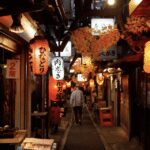
Planning the route before you arrive
Within 24 hours before the tour, your guide contacts you on WhatsApp. Download the app and keep an eye out for that message. You should send a clear wish list, not just say that you want to see Tokyo.
Tell the guide if you care most about old Tokyo, Japanese religion, anime, shopping, food, photography, gardens, local neighborhoods, or transport. Also mention your walking ability, dietary needs, and how much time you want for meals or shopping.
The final route is agreed with your guide shortly before the tour. The places listed below are examples of possible stops, not a promise that all of them will fit into your day. That distinction matters. Two hours may suit a focused visit to Asakusa or Shibuya and Meiji Shrine. Six or eight hours gives you room to link several districts, but even then Tokyo’s size makes choices necessary.
I would avoid trying to combine far-apart areas simply because they appear on a wish list. One traveler found that Shibuya Crossing was less rewarding than expected, while other guests loved the famous districts. Your guide can help you decide if a popular stop deserves your limited time.
Senso-ji and Asakusa: the best traditional starting point
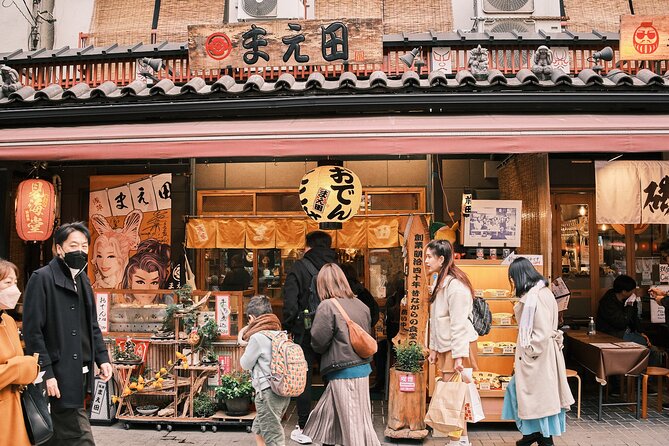
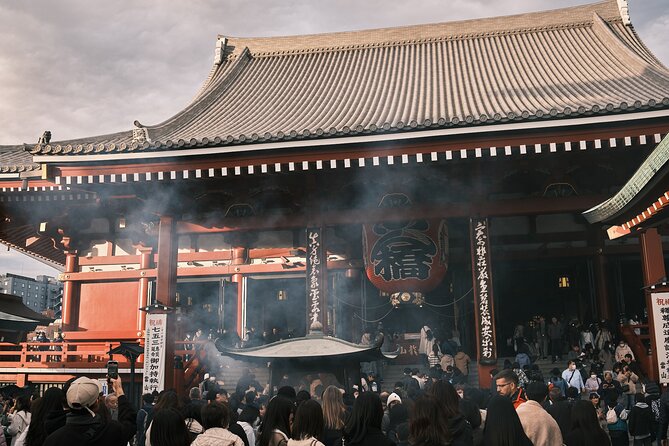
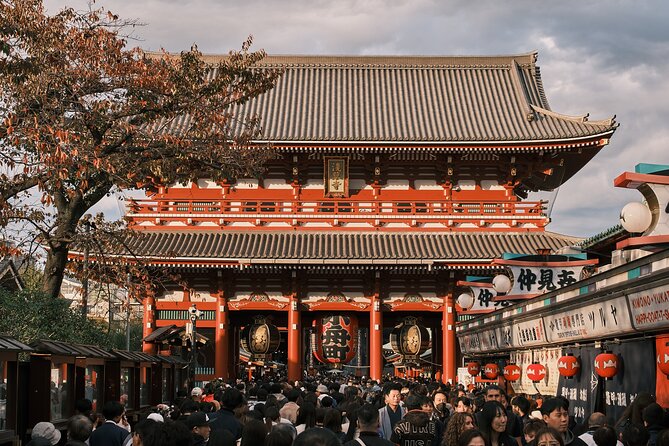
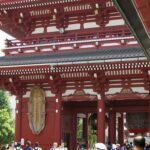
Senso-ji Temple in Asakusa is one of the clearest introductions to old Tokyo. You can expect a guided visit around the temple grounds, followed by time in Asakusa itself.
This area works well if you want shrines, Buddhist customs, souvenirs, traditional streets, and an explanation of how religious sites fit into daily Japanese life. The tour can also pair Asakusa with nearby local lanes rather than treating the temple as a quick photograph.
The tradeoff is crowds. Senso-ji is a major attraction, so it is not a quiet discovery. Still, a guide adds value by explaining what you are looking at and how to behave at a temple or shrine. That context is more useful than simply walking through the gate and moving on.
Ueno and Ameya-Yokocho: markets, food, and everyday Tokyo
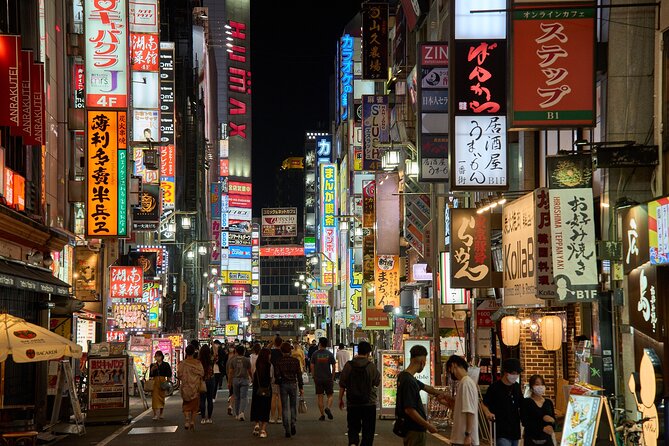
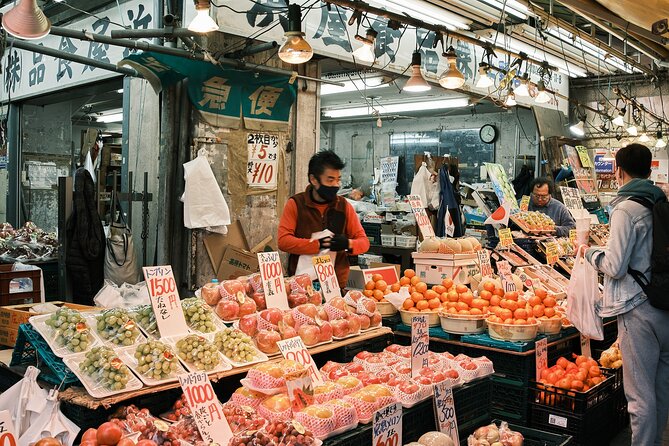
Ueno gives the tour a different feel. The area is paired with Ameya-Yokocho, a lively market street where you can look at food, small shops, and ordinary city commerce.
This is a good choice if you want a less polished side of Tokyo and enjoy stopping to taste or browse. One guide brought a group through Tsukiji and arranged free samples, while other guides have taken people to food stops based on their interests.
Food is not included, so bring cash or a card for anything you buy. You should also tell the guide in advance if you have dietary restrictions. If you choose to eat a full lunch or dinner during the tour, you are expected to cover the guide’s meal too, so agree on that point before sitting down.
Akihabara: Tokyo’s pop culture district
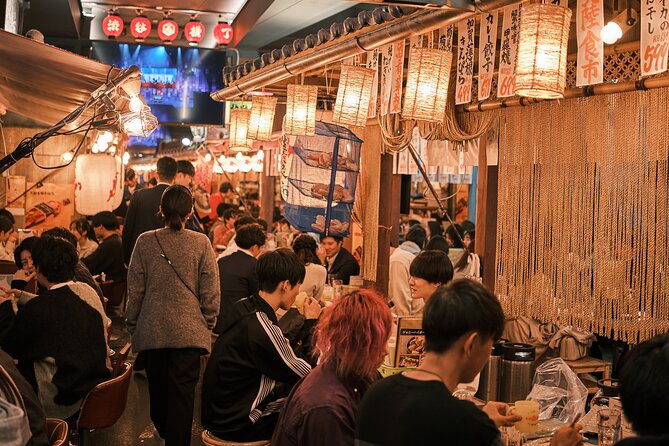
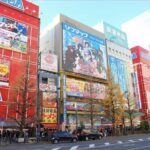
Akihabara is the obvious choice for electronics, anime, manga, arcades, and modern Japanese pop culture. Your guide can help you understand the area rather than simply lead you through its bright shop fronts.
It is especially useful if you are curious about a part of Tokyo that has little connection to temple visits or historic neighborhoods. Ask for Akihabara if modern entertainment is high on your list.
This stop can consume time quickly. Shopping and browsing have no natural finish, and the district may not be a priority if you want gardens, markets, or older Tokyo. Discuss whether you want a short look or enough time to shop before the day begins.
Other guided tours in Tokyo


Shibuya and Harajuku: famous sights with very different moods
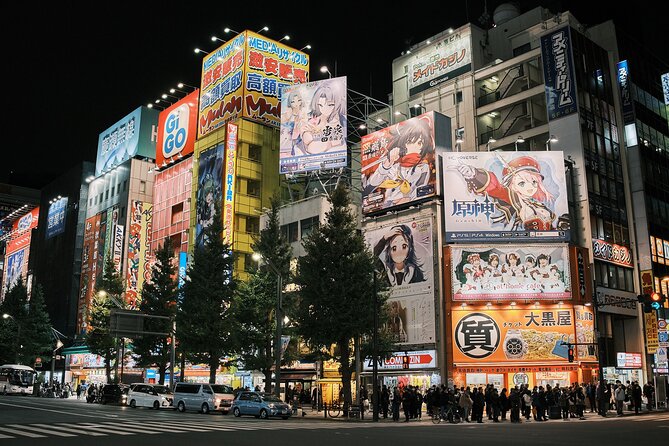
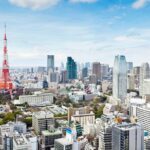
Shibuya Crossing is Tokyo’s most recognizable modern scene. Your guide can show you the crossing, explain the surrounding district, and help you get a sense of the area’s shopping and entertainment center.
It is an easy photo stop, but it is also a place where expectations can exceed the experience. You may find the crossing exciting for a few minutes and less memorable than a local street or market. I would not give it too much time unless you specifically want the iconic view.
Harajuku offers a contrast, with youth style, shops, food, and access to Meiji Shrine. It can fit naturally with Shibuya if you want a modern district followed by a major Shinto site.
Meiji Shrine: a calmer change of pace
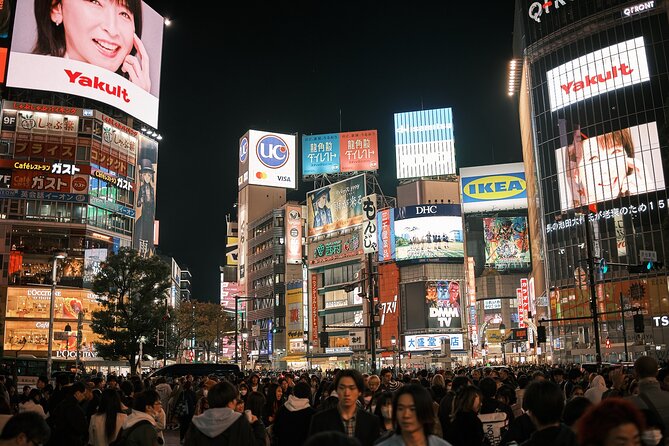
Meiji Shrine gives the day a pause from Tokyo’s traffic and advertising. Your guide can explain Shinto customs, the role of the shrine, and the respectful way to approach the grounds.
This is one of the strongest pairings in the available route. Harajuku supplies modern city energy, while the shrine shows a more formal spiritual setting close by. You can see both without spending the day crossing the whole city.
As with Senso-ji, listen to your guide’s advice about shrine etiquette. Entrance to listed temples and shrines is covered, but special attractions elsewhere may require separate admission for you and your guide.
Tsukiji Outer Market: a strong choice for food lovers
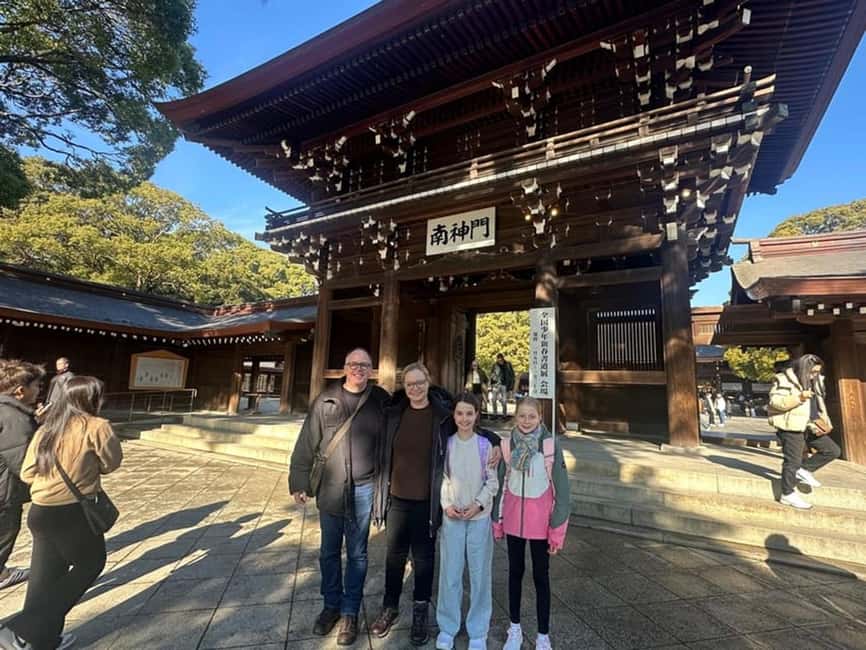
Tsukiji Outer Market is among the most practical choices for a customized morning or midday tour. You can browse stalls, sample food, and ask your guide what is worth trying instead of wandering without a plan.
The market is particularly useful for people who want to understand Japanese food culture through small, direct experiences. Your guide may point out local specialties and help with ordering or communication, but your purchases are your responsibility.
You will need cash and a card because the tour recommends bringing both. Crowds, standing, and food smells are part of the market experience. If you want a relaxed meal, allow enough time rather than trying to squeeze Tsukiji between too many distant districts.
Ginza and the Imperial Palace: polished Tokyo and national history
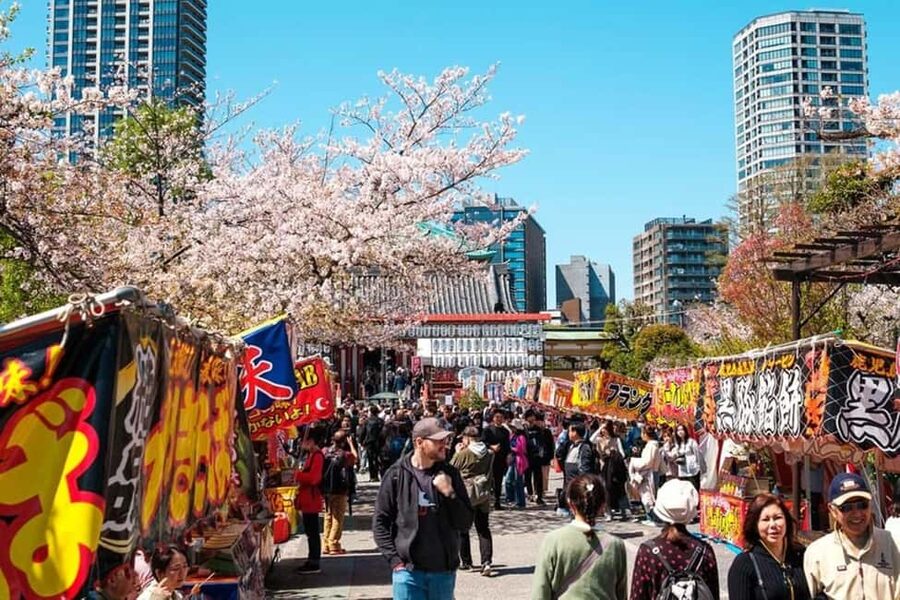
Ginza is the choice for department stores, luxury shopping, major streets, and a more formal side of central Tokyo. It works well if you want shopping or a look at one of the city’s best-known commercial districts.
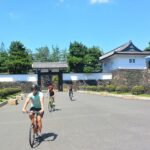
The Imperial Palace offers a different kind of stop, with a focus on Tokyo’s political and national past. A guide can provide the background that makes the grounds more than a pleasant walk and photo stop.
Do not assume that every palace-related attraction is covered by the basic fee. The tour includes temple and shrine entrance fees, but additional attractions and special requests may require tickets for both you and the guide.
Shinjuku: city scale, shopping, and orientation
Shinjuku is a strong ending point for a first look at Tokyo. The district shows the city at full scale, with major transport connections, shopping, dining, and entertainment.
A guide is especially useful here because the station and surrounding streets can feel confusing at first. Several guides have helped people become more comfortable using Tokyo’s rail and subway networks, which can pay off for the rest of your trip.
If you want nightlife or shopping, say so when planning the route. If you are tired, Shinjuku may be better as a shorter orientation stop rather than one more long walk after a full day.
How the guides shape the experience
The guide is the reason to book this rather than simply download a map. Momo is repeatedly praised for warmth, clear explanations, good pacing, and taking photographs. Miwa is known for careful preparation, cultural context, and helping people feel confident with trains. Rika receives praise for organization, photos, and efficient rail navigation.
Hina is a good fit if you want history and local perspective delivered at an easy pace. Kanako has shown patience with older visitors and has switched to taxis when walking or trains were not suitable. Yossy, Yoshie, Nao, Saya, and other Tokyo Vibes guides bring their own interests and personalities.
You cannot select every detail of the guide match from the information provided, so use your pre-tour message to explain what kind of day you want. A first-time visitor may need transport instruction and broad orientation. A return visitor may prefer smaller streets, food, shopping, or a less familiar neighborhood.
The strongest pattern is personal attention. Guides ask if you are hungry or tired, adjust the route, answer questions about Japanese life, and sometimes continue helping with practical suggestions after the tour. That makes the activity more than a chain of famous photo stops.
Walking, trains, and the real cost of convenience
This is called a walking tour, but it is really a walking and public transport tour. You will walk between sights and ride trains or subways between districts. Tokyo’s rail network is efficient, but stations can involve long corridors, stairs, crowds, and standing.
A Suica card or other usable transport card can speed up the day. One visitor specifically recommended having a metro pass or Suica card ready before the tour. Your own fares are not included.
Taxis can be arranged when needed, but they cost more and are not included. One guest found that too much walking and packed trains made the day harder than expected, and wished for a mix of trains and taxis. Be honest about your energy level before the route is finalized.
The activity is not suitable for wheelchair users or people with mobility impairments. Baby strollers and baby carriages are also not allowed. Wear comfortable shoes, bring water, and keep some flexibility in your schedule.
Is $53 per person good value?
At $53 per person, this can be a good buy if you are new to Tokyo and want to use your limited time well. A private guide who helps with language, customs, food choices, rail connections, and route planning can prevent several small mistakes from becoming a lost afternoon.
The price is less attractive if you only want a short escort to one famous sight, since you can reach many central attractions alone. It also does not cover meals, trains, taxis, airport transfers, or extra tickets. Those costs can add up.
The best value comes from a focused 4, 6, or 8 hour day. Use the guide’s local judgment to group nearby places and leave enough time to stop, ask questions, and enjoy the setting. Do not treat the longest option as a race to collect districts.
Who should book this Tokyo experience?
I would recommend it most strongly for first-time visitors, families who want a private pace, couples with a specific wish list, and anyone nervous about Tokyo’s rail system. It is also useful at the start of a longer Japan trip because your guide can help you get oriented and suggest places to visit later.
It suits active visitors who are comfortable walking and using trains. Older visitors can still enjoy it, but should say clearly that they need rest stops or taxis. Food lovers should consider Tsukiji or Ameya-Yokocho. Pop-culture fans should ask about Akihabara. People drawn to tradition should focus on Asakusa, Senso-ji, Meiji Shrine, and possibly the Imperial Palace.
I would skip it if you dislike flexible plans, want a fixed historical lecture, or prefer to explore entirely on your own. The value depends on conversation and adaptation, not simply transport from one landmark to another.
Should you book the Tokyo Vibes private walking tour?
Book it if you want a friendly local guide, practical city help, and a route built around your interests. The 4.9 rating from 469 reviews reflects especially strong praise for guide warmth, clear English, cultural explanations, transport help, flexibility, and photo-taking.
Before booking, decide on two or three priorities and tell your guide how much walking you can handle. Ask for a sensible route rather than every famous district. With that preparation, this is a useful and personal way to get your bearings in Tokyo without spending your first day staring at a rail map.
FAQ
How long is the private Tokyo walking tour?
The tour lasts from 2 to 8 hours. Available starting times and duration choices are shown when you check availability.
Is the tour private?
Yes. It is offered as a private group experience with a live English-speaking guide.
Where does the guide meet me?
Your guide meets you at your hotel in central Tokyo or at another preferred meeting place in Tokyo. Pickup and drop-off are included.
Can I choose which Tokyo sights to visit?
Yes. You should share your interests and preferred places after booking. The final route is agreed with your guide about 24 hours before the tour.
Are all the listed Tokyo attractions visited?
No specific set of attractions is guaranteed. The listed places are sample options, and the final locations depend on your chosen duration and preferences.
Are train fares included?
No. You are responsible for trains and other transport costs. The tour includes help using convenient public transportation.
Are meals and drinks included?
No. Meals and beverages are not included. If you eat lunch or dinner during the tour, you are expected to cover the guide’s meal as well.
Are temple and shrine entrance fees included?
Entrance fees for temples and shrines are included. Tickets for additional attractions or special requests are not included, and you may need to pay admission for both yourself and your guide.
What should I bring?
Bring your passport or ID card, comfortable shoes, a credit card, and cash. A Suica card or other transport payment option can also help you move between districts quickly.
Is the tour suitable for wheelchair users?
No. The activity is not suitable for wheelchair users or people with mobility impairments. Baby strollers and baby carriages are also not allowed.
More Private Tours in Tokyo


More Guided Tours in Tokyo
More Walking Tours in Tokyo

More tours in Tokyo we've reviewed










Walking Tours, compared.
 ★ 5.0Tokyo Tsukiji Fish Market Food and Culture Walking TourFrom $99
 ★ 5.0Tokyo: Imperial Palace and Shogun Historical Walking TourFrom $22
 ★ 4.9Tokyo: Shinjuku Local Bar and Izakaya Guided Walking TourFrom $343 hours
 ★ 5.0Tokyo: Tsukiji Fish Market Food and Walking tourFrom $30
 ★ 4.8Tokyo: Asakusa Walking Tour with Sensoji Temple VisitFrom $222 hours
 ★ 4.9Tokyo: Tsukiji Fish Market Guided Walking TourFrom $222 hours