
Reviewed · COOKING CLASSES
Tokyo: Private Japanese Cooking Class with a Local Chef
Tokyo food usually means crowded counters, glowing signs, and dishes arriving faster than you can ask what is in them. This private class with Chef Sato gives you the other side of Japanese cooking: you meet at Shinjuku Station, walk to his small apartment, and help prepare a seasonal home meal from start to finish. It feels less like a formal demonstration and more like being welcomed into someone’s kitchen.
I especially like the hands-on work, since you chop, season, shape, and cook rather than watch from the sidelines. I also like the chance to learn why seasonal ingredients matter in Japanese cooking, then sit down to eat the meal you helped make. The main consideration is the apartment setting: this is an intimate home visit, not a large, polished cooking studio, so the experience suits people who enjoy personal contact and a relaxed pace.
In This Review
- Key points to know before booking
- A home kitchen in the middle of Shinjuku
- The menu changes with the calendar
- What you actually cook during the three-hour visit
- Seasonal cooking is the real lesson
- Sitting down to eat what you made
- The optional Shinjuku and Nakano walk
- Why the private format changes the experience
- Is $120 per person good value?
- Who should book this class
- Practical timing and meeting advice
- Should you book Chef Sato’s Tokyo cooking class?
- FAQ
- Where does the cooking class meet?
- Where does the cooking take place?
- Who teaches the class?
- How long does the activity last?
- What food will I cook?
- How many dishes will I prepare?
- Is food and drink included?
- Can I take a walking tour after the class?
Key points to know before booking
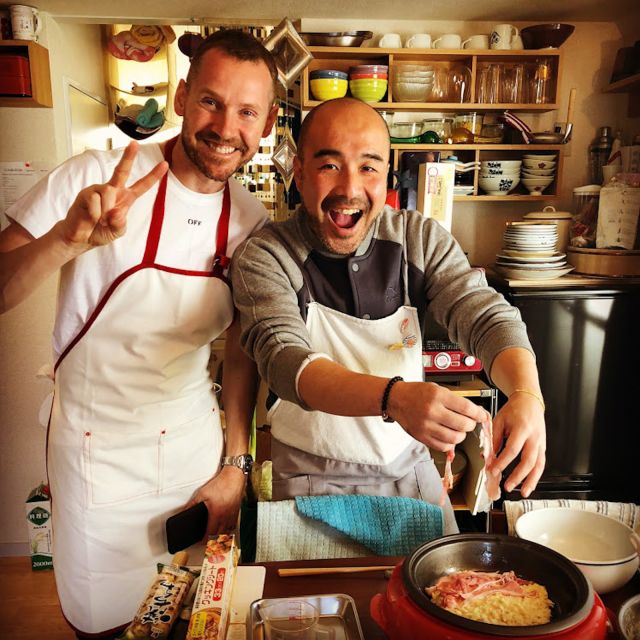
- Chef Sato teaches in English and explains ingredients, preparation, presentation, and the place of each dish in Japanese home cooking.
- The menu depends on the day, with traditional meals on Saturday through Tuesday and popular Japanese foods from Wednesday through Friday.
- You cook 2 to 4 dishes, with past menus including ramen, gyoza, katsu curry, teriyaki chicken, miso soup, salads, and seasonal side dishes.
- The class takes place in Sato’s Shinjuku apartment, giving you a look at ordinary Tokyo home life that a restaurant meal cannot provide.
- Morning participants can add a short trip from 1 PM to 3:30 PM through places in Shinjuku and Nakano that may not appear in standard guidebooks.
- The private format works well for couples, families, and small groups who want conversation, questions, and a menu that can sometimes reflect food preferences.
A home kitchen in the middle of Shinjuku
The meeting point is the police box at the east exit of Shinjuku Station, at 3-38-38-1, Shinjuku, Shinjuku-ku. From there, Chef Sato leads you to his apartment. That short walk matters. You move from one of Tokyo’s busiest station areas into the quieter, more ordinary side of the neighborhood.
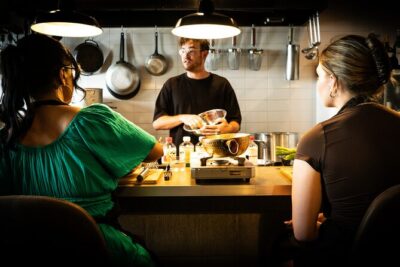
The apartment is described as small and cute, and that is part of the appeal. You are not entering a purpose-built school with rows of identical workstations. You are cooking in a real home, surrounded by the host’s personal setting and stories. For me, that gives the class a warmer feel, though anyone expecting a spacious kitchen should adjust expectations.
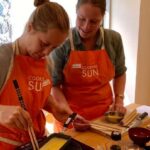
Sato welcomes you, explains the plan, and gets you involved. Past menus have included chopping vegetables, preparing fillings, seasoning meat, working with fishcakes, making soup, and arranging the finished food attractively. You are not simply handed a recipe and left alone. Sato guides the work and answers questions as you go.
His English is described as excellent, and the class is conducted in English. That makes a real difference when you are learning small details such as how to trim an ingredient, how to balance seasoning, or how to present several dishes together. Cooking terms can be hard to understand from a printed recipe alone. Here, you can ask at the moment the question occurs.
Other cooking classes in Tokyo
The menu changes with the calendar
The weekly schedule is one of the most important things to check before you reserve. Saturday, Sunday, Monday, and Tuesday are standard traditional meal days. Wednesday, Thursday, and Friday focus on popular Japanese foods.
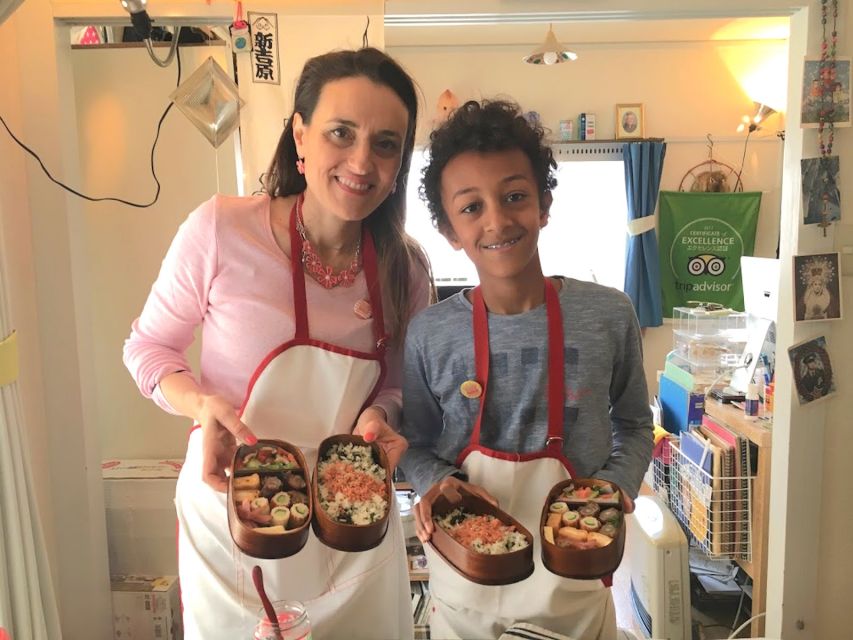
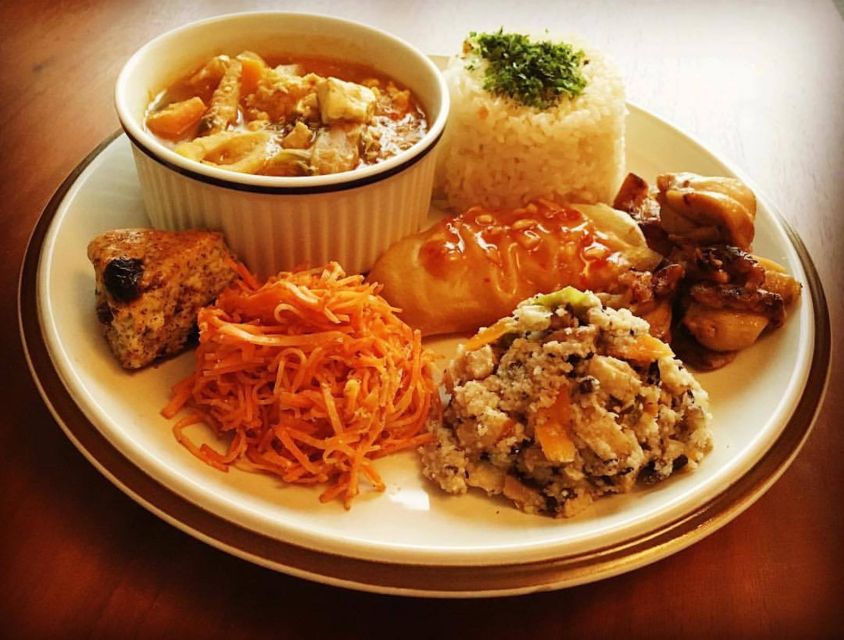
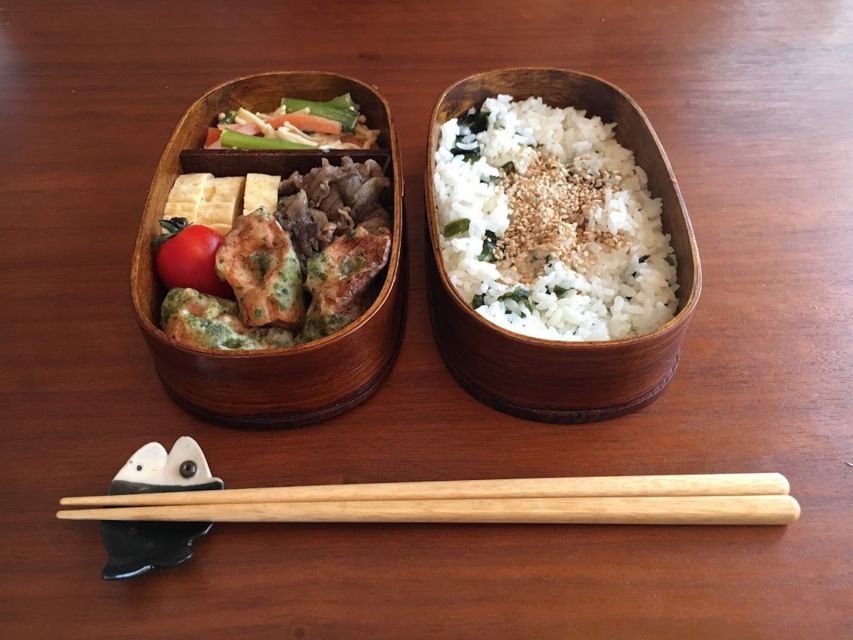
On the traditional days, you might prepare a teishoku, or set meal. This usually includes rice, a seasonal main dish, and two seasonal side dishes. Other possible meals include donburi, obento, tonjiru, and rice balls.
A teishoku gives you a useful picture of everyday Japanese eating. Instead of one large centerpiece, the meal brings together rice, soup, a main item, and smaller vegetable dishes. You learn how the parts relate to one another, and why Japanese cooking often values balance, season, color, and presentation.
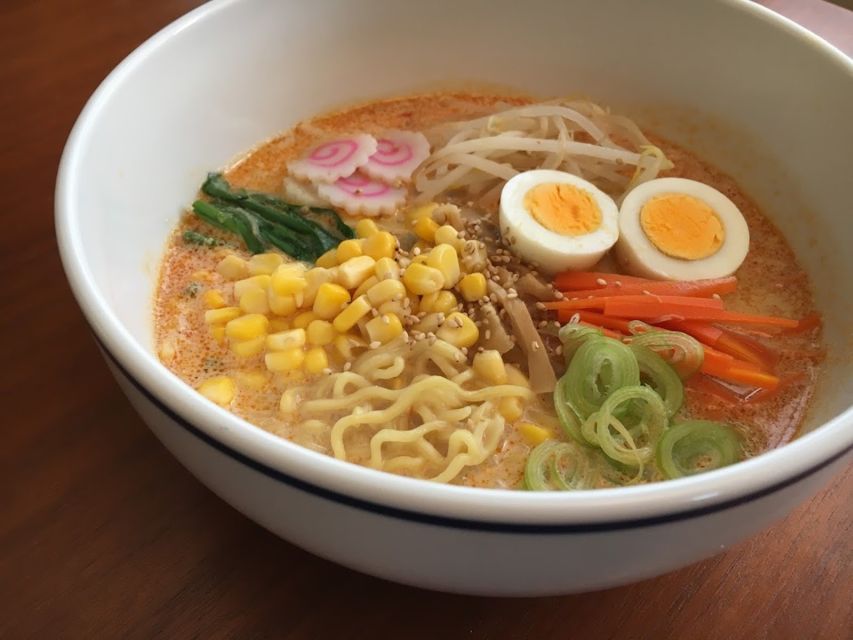
The popular-food days offer a different angle. Possible menus include curry rice, okonomiyaki, gyoza, ramen, rice burgers, kara-age, and yakisoba. This is the better choice if you want to tackle dishes you have probably seen on menus around Tokyo and would like to recreate them at home.
The menu is not fixed for every booking. That can be a benefit, since you may get something suited to the season or to the day you visit. It also means you should not book Wednesday expecting ramen unless the available menu confirms it. If a particular dish matters to you, ask about it before booking rather than assuming it will be served.
What you actually cook during the three-hour visit
The cooking portion is designed around two to four items. That range gives Sato room to build a complete meal without turning the class into a frantic race through a long list of recipes.
Examples from previous classes show the variety. One menu paired katsu curry over rice with a fresh spring tofu salad and chikuwa vegetable appetizers. Another included teriyaki chicken with rice, miso soup, salad, and stuffed fishcake. Ramen and gyoza have also been prepared from scratch, a combination that works especially well for first-time cooks because you learn both a soup-based dish and a filled dumpling.
You may also see how homemade miso changes a dish. Sato has shared his family’s homemade miso, and his teaching includes the family influence behind his cooking. He learned traditional Japanese food from his parents from a very young age, so the class is not limited to restaurant technique. It includes the habits and practical choices used in a home kitchen.
The class lasts about three hours according to the experience details, though the published morning and evening class times each cover two and a half hours, from 10:30 AM to 1 PM or from 6 PM to 8:30 PM. The activity is also listed as 270 minutes. Because these time descriptions do not match perfectly, check the exact booking slot and allow enough time around it.
The pace appears relaxed rather than stiff. You can take part in the preparation, stop to ask questions, and talk with Sato while the food cooks. That makes the class a good choice for beginners, but it may also suit confident home cooks who want to understand Japanese ingredients and habits rather than learn basic knife skills alone.
Seasonal cooking is the real lesson
The most useful idea running through the class is the importance of seasonal ingredients. In Japanese cooking, seasonality is not just a decoration on the menu. It shapes what is selected, how it is prepared, and how the meal is arranged.
You may learn why a particular vegetable appears at a certain time of year, how it is cleaned, or how to use an ingredient without wasting it. One small but practical lesson involved cutting dark spots from potatoes, the kind of tip you can actually use back home.
This attention to season also keeps the class from feeling like a fixed international cooking course. The meal changes with the calendar, and side dishes can shift around the main item. That gives you a better sense of Japanese home cooking than preparing the same famous dish in every month.
Sato also explains the background and meaning of dishes. You learn not only what to do, but why the food is assembled in a particular way. The class can touch on family traditions, Japanese food culture, and the role of presentation. Those details are valuable because the finished meal then makes sense as a whole.
Sitting down to eat what you made
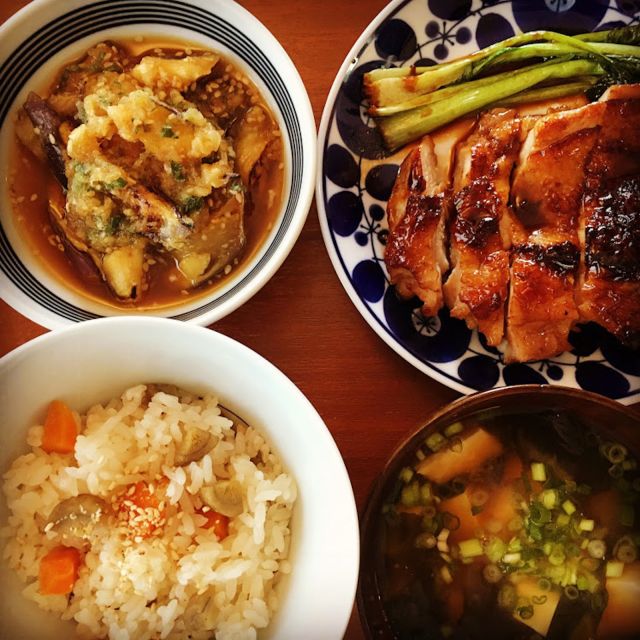
Once the food is ready, you sit at the table and eat together. This is not an afterthought. It is the point at which you see how the separate preparations work as one meal.
The free drink is Japanese barley tea, and meals are included. Barley tea is a familiar everyday drink in Japan, served cold or warm depending on the setting, and it fits naturally with a home meal. You will not need to arrange a separate lunch or dinner after the class unless you are still hungry.
Several menus produce a full meal rather than a single snack. A ramen and gyoza session gives you a substantial pairing. A traditional class may include rice, soup, a main dish, and side dishes. Portion sizes and exact ingredients are not specified, so you should not assume the class replaces a large restaurant dinner for every appetite.
The shared meal also gives the experience its social value. Sato talks about his life, his family, and his connection to cooking. You can discuss your own trip and ask for food or sightseeing suggestions. The atmosphere is intended to feel like time spent in a friend’s home, but you should remember that this is a private activity with a host, not an entirely independent cooking session.
Other private tours in Tokyo




The optional Shinjuku and Nakano walk
If you take the morning class, an optional short trip runs from 1 PM to 3:30 PM. It is not included as part of the core cooking description, so confirm availability and any details when you book.
The walk visits several places described as being outside the usual guidebook circuit. The precise stops are not specified, which gives the outing a local and flexible quality but makes it harder to plan around. You should treat it as an extra neighborhood walk, not as a substitute for Tokyo’s major sights.
Past participants have been taken through parts of Shinjuku and Nakano and shown places they might otherwise miss. That is a useful pairing with the class. First you see how food is prepared in a local home, then you spend time with a local guide in nearby neighborhoods.
The timing is convenient if you want to keep your afternoon open after a morning activity. It is less useful for someone with a fixed museum reservation or a long cross-city transfer. Since the walk finishes at 3:30 PM, leave room in your schedule rather than assuming you can reach another distant appointment immediately.
The evening class does not list the same afternoon trip. If the neighborhood walk is important to you, choose the morning session and ask for confirmation.
Why the private format changes the experience
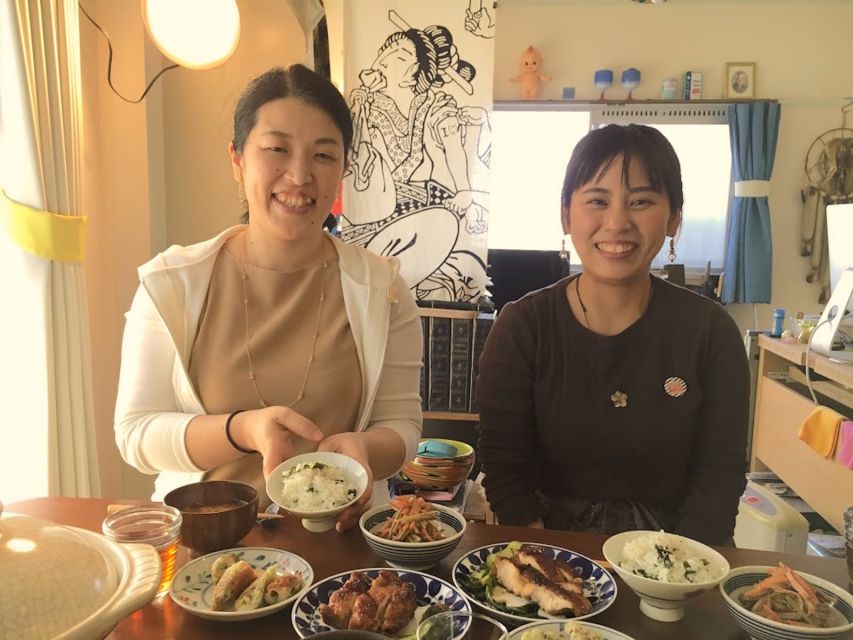
The group is private, which is one of the strongest reasons to choose this class over a cheaper group lesson. You can ask direct questions about ingredients, adjust the pace, and have a longer conversation with Sato. Couples and families can enjoy the class without worrying about interrupting a large room.
The private format may also help with food preferences. Before one class, Sato contacted the couple to ask about preferences and tailored the menu. That does not guarantee a custom menu for every booking, but it is sensible to share dietary needs and strong dislikes ahead of time.
There is a tradeoff. A private home class depends heavily on the connection between you and the host. If you want a slick production with professional equipment, timed stations, and a large selection of dishes, this may feel too informal. If you like personal instruction, stories, and practical cooking, the same informality is the reason to go.
Sato’s teaching style is patient and encouraging. He explains the work, invites participation, and keeps the setting relaxed. His friendliness is repeatedly described as a major part of the experience, so book this for the host interaction as much as for the food.
Is $120 per person good value?
At $120 per person, this is not a bargain meal. You can eat ramen, curry, or gyoza in Tokyo for far less. The price makes more sense when you count the private English instruction, the ingredients, the meal, the home setting, and the time spent with Sato.
You are paying for access to a personal kitchen and for lessons you can carry home. Recipe handouts have been provided in past classes, and several menus are practical enough to repeat, including ramen, gyoza, teriyaki chicken, miso soup, curry, and rice dishes.
The value is strongest if you enjoy cooking or want more than a restaurant memory. You leave with techniques, ingredient knowledge, and a better idea of how Japanese meals are put together. It is weaker value if you are mainly looking for a cheap dinner or a quick photo opportunity.
The private nature also makes the rate easier to justify for a couple or small family sharing a focused session. Solo participants should think about how much they value personal instruction and conversation, since the cost is still per person.
Free cancellation up to 24 hours before the activity and the option to reserve now and pay later make planning less risky. Those policies are useful when your Tokyo schedule is still moving, though you should still check the exact terms shown at booking.
Who should book this class
I would choose this experience for:
- First-time cooks who want patient guidance and a complete Japanese meal.
- Home cooks who want recipes and methods they can repeat outside Japan.
- Couples and families looking for a private activity with time to talk.
- Food-focused visitors who want to understand seasonal ingredients and meal structure.
- People who value local contact more than a formal tourist attraction.
- Morning participants who want to add a neighborhood walk afterward.
You may want another type of food activity if you have strict accessibility needs that require a purpose-built venue, since this takes place in a private apartment and no accessibility details are provided. You should also ask about allergies, dietary restrictions, and the exact menu before committing.
Practical timing and meeting advice
Meet at the Shinjuku Station east exit police box. Shinjuku Station is large, so give yourself time to reach the east exit and find the meeting point without rushing. Pickup is provided at the stated meeting point, meaning you meet Sato there rather than expecting door-to-door hotel transport.
Morning classes run from 10:30 AM to 1 PM, and evening classes run from 6 PM to 8:30 PM. The optional afternoon trip follows the morning session from 1 PM to 3:30 PM.
Wear clothes that are comfortable for cooking, and avoid planning a tight appointment immediately afterward. The class is social as well as practical, and the meal and conversation are part of the value. The exact menu depends on the day, so check the schedule before choosing your time.
Should you book Chef Sato’s Tokyo cooking class?
Book it if you want to see ordinary Japanese food from the inside, learn several dishes in a small private setting, and spend time with a host who enjoys sharing family traditions. The strongest parts are the hands-on cooking, the seasonal focus, the relaxed English instruction, and the chance to eat a meal you helped prepare.
Choose the morning class if you also want the Shinjuku and Nakano walk. Choose your day based on the food style: Saturday through Tuesday for traditional set meals and Wednesday through Friday for popular dishes such as ramen, gyoza, curry, or okonomiyaki.
At $120, the class is best viewed as a cultural lesson with dinner or lunch included, not as a way to save money on food. If that sounds worthwhile, this is a personal, useful addition to a Tokyo visit. If you only want to sample Japanese cuisine, spend the money on several restaurant meals instead.
FAQ
Where does the cooking class meet?
You meet at the Shinjuku Station east exit police box, at 3-38-38-1, Shinjuku, Shinjuku-ku, Tokyo, 160-0022, Japan.
Where does the cooking take place?
The class takes place in Chef Sato’s small apartment in Shinjuku.
Who teaches the class?
Chef Sato teaches the class in English. Some descriptions of him use the name Satoru Sato.
How long does the activity last?
The activity is listed as three hours, or 270 minutes. The published morning and evening class times each run for two and a half hours, so check the exact time shown for your booking.
What food will I cook?
The menu changes by day. Possible dishes include teishoku set meals, donburi, obento, tonjiru, rice balls, curry rice, okonomiyaki, gyoza, ramen, rice burgers, kara-age, and yakisoba.
How many dishes will I prepare?
You will cook between two and four items, depending on the menu selected for the day.
Is food and drink included?
Yes. Meals and a free drink of Japanese barley tea are included.
Can I take a walking tour after the class?
An optional short trip is available every day after the morning class, from 1 PM to 3:30 PM. It visits places described as being outside standard guidebooks, including areas around Shinjuku and Nakano.
More Cooking Classes in Tokyo

More Private Tours in Tokyo
More Cooking Classes in Tokyo
More tours in Tokyo we've reviewed











Cooking Classes, compared.
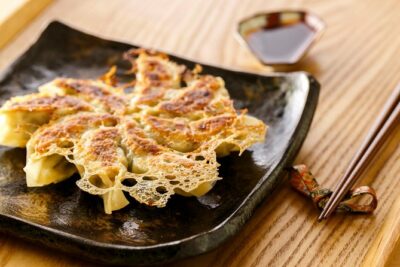 ★ 5.0Ramen & Gyoza Cooking Class in Tokyo with Local Supermarket VisitFrom $122
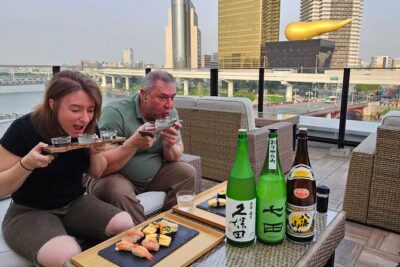 ★ 5.0Ramen and Sushi Cooking Class with Sake Pairing Set in TokyoFrom $79
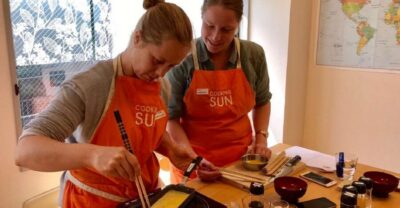 ★ 4.9Tokyo: Wagyu and 7 Japanese Dishes Cooking ClassFrom $673 hours
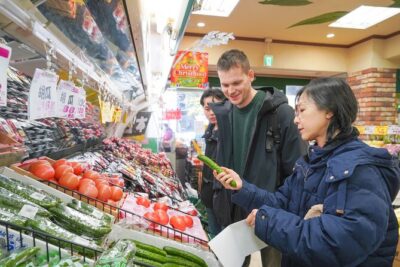 ★ 5.0Tokyo Washoku 4-hour Cooking Class: From Market to TableFrom $79
 ★ 5.0Professional Ramen & Gyoza with Ramen Chef in a restaurant!From $159
 ★ 5.0Small-Group Wagyu Beef and 7 Japanese Dishes Tokyo Cooking ClassFrom $72