
Reviewed · CITY TOURS
Tokyo: City Tour B
Tokyo City Tour B links Tokyo’s old customs with its loudest modern districts in one ambitious day. You begin at the wooded Meiji Shrine, walk through Harajuku’s youth-fashion center, ride to Akihabara, pass through polished Ginza, visit Odaiba on Tokyo Bay, and finish at Shibuya Scramble Crossing.
I like the clear Spanish guidance and the way this route helps you get your bearings fast. I also like the public-transport format, since you move through Tokyo as people actually do rather than watching the city from a tour bus. The drawback is the pace: six major areas in eight hours leaves limited time for browsing, shopping, or lingering over lunch.
In This Review
- Key points to know before booking
- A big Tokyo sampler in eight hours
- Meeting at Meiji Shrine’s wooden torii
- Harajuku’s fashion pulse on Takeshita Street
- Akihabara, with 80 minutes for Tokyo’s pop culture district
- Ginza, where Tokyo turns polished and expensive
- Odaiba and the open space of Tokyo Bay
- Finishing at Shibuya Scramble Crossing
- What the public transport format means
- The Spanish guide can shape the day
- Who should book Tokyo City Tour B?
- Should you book it?
- FAQ
- Is this tour conducted in Spanish?
- How long does Tokyo City Tour B last?
- Where does the tour meet?
- What time should I arrive?
- Is hotel pickup included?
- Is transportation included in the price?
- Is lunch included?
- Can I bring luggage or a large bag?
- Is the tour wheelchair accessible?
Key points to know before booking
- Six very different Tokyo districts: Move from Meiji Shrine and Harajuku to Akihabara, Ginza, Odaiba, and Shibuya in one day.
- Spanish throughout: The tour is led in Spanish, with guide Ismael specifically praised for being friendly, enthusiastic, and helpful.
- Public transport is part of the experience: Budget ¥1,160 for trains and other transport, in addition to the $96 tour price.
- A useful first-day orientation: The route gives you a quick sense of how Tokyo’s neighborhoods differ before you return to your favorites on your own.
- A full eight-hour schedule: Expect about 1.5 hours at Meiji Shrine, 80 minutes in Akihabara, 70 minutes for lunch, and shorter visits elsewhere.
- Shibuya is the finale: The tour ends at the famous crossing, giving you a natural place to continue exploring independently.
A big Tokyo sampler in eight hours
This is not a slow, single-neighborhood walk. It is a city sampler built for you if Tokyo feels too large to organize on your own. In one day, you see sacred grounds, teen fashion, Japanese pop culture, luxury shopping, reclaimed waterfront space, and one of the world’s best-known pedestrian crossings.
That range is the main reason to consider it. Tokyo can feel like several cities stitched together, and moving between districts helps you understand that contrast. The day also gives you practical ideas for the rest of your trip. If Akihabara catches your attention, you can return with more time. If Ginza feels too polished, you know not to give it another half-day.
The $96 price is reasonable for an eight-hour guided experience in Tokyo, especially if you value Spanish explanations and help with the city’s train system. Still, transportation is not included, and you pay an additional ¥1,160. Food and drinks are also extra. The value is strongest for first-time visitors who want structure, cultural context, and a guide who can offer suggestions for later.
The tour is offered as a group experience, with a private group option available. Hotel pickup can be added for a supplement or selected with the private option. In that case, the guide meets you at your accommodation and uses public transport with you, so pickup does not turn the day into a private car tour.
Other city tours we've reviewed in Tokyo


Meeting at Meiji Shrine’s wooden torii
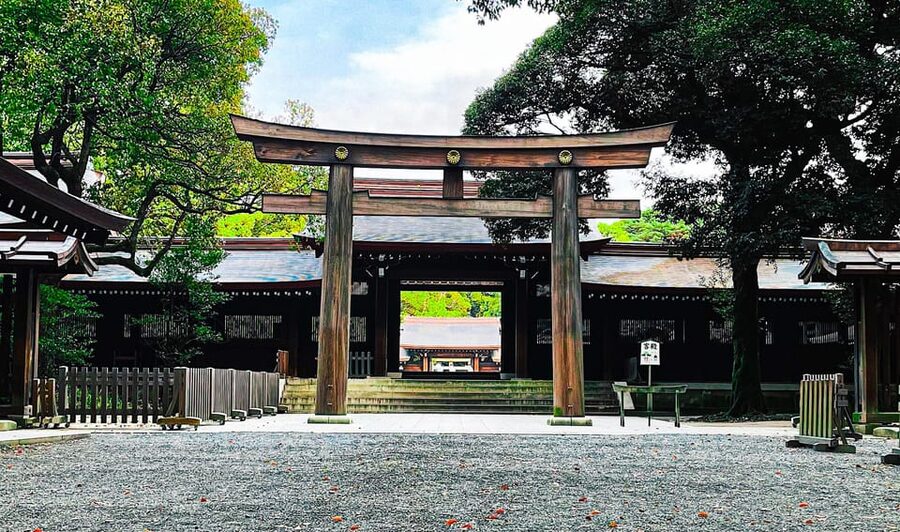
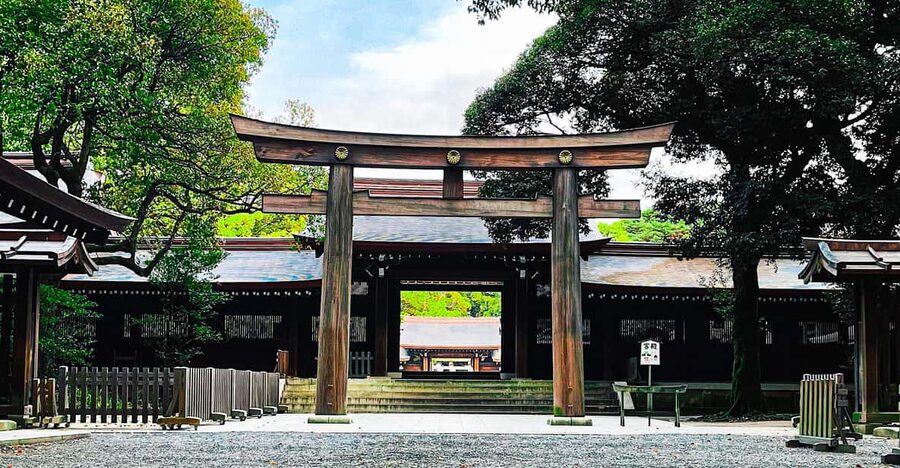
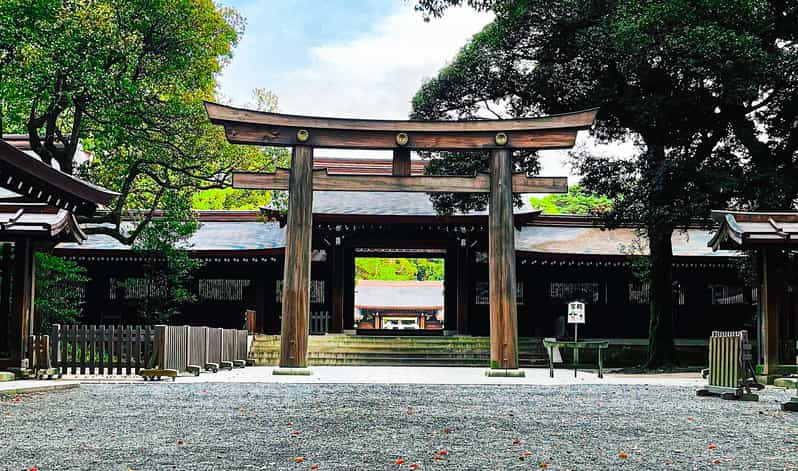
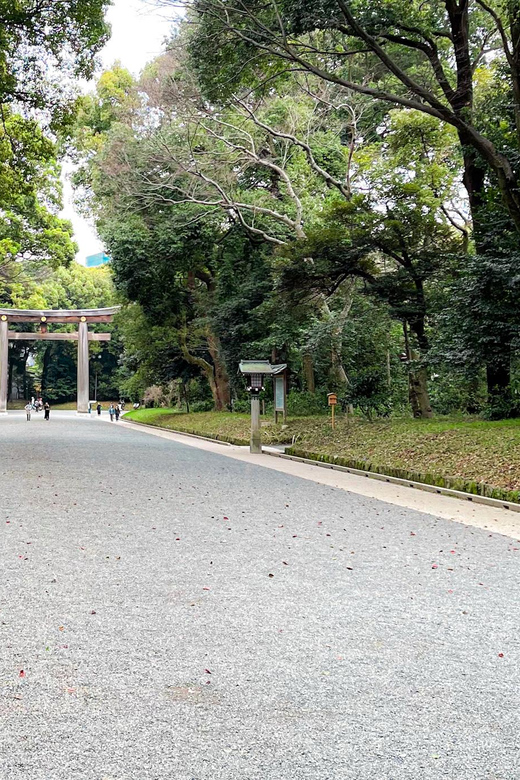
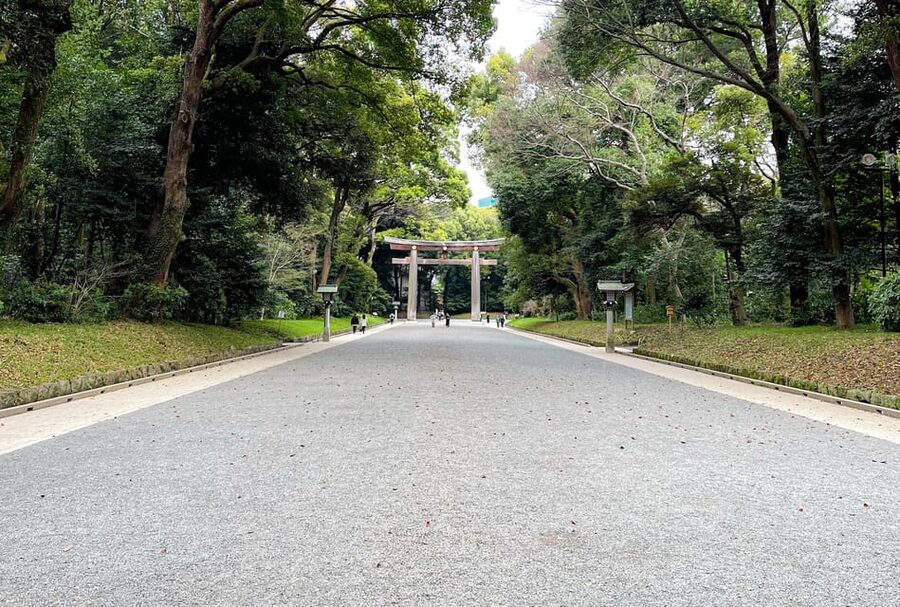
The meeting point is in front of the large wooden torii at the West Exit of Harajuku Station. Your NIPONEANDO guide waits there with an identification badge and a name tag marked NIPONEANDO. Arrive five minutes early. That small cushion matters in Tokyo, where station exits and crowds can cause confusion even when the directions look simple.
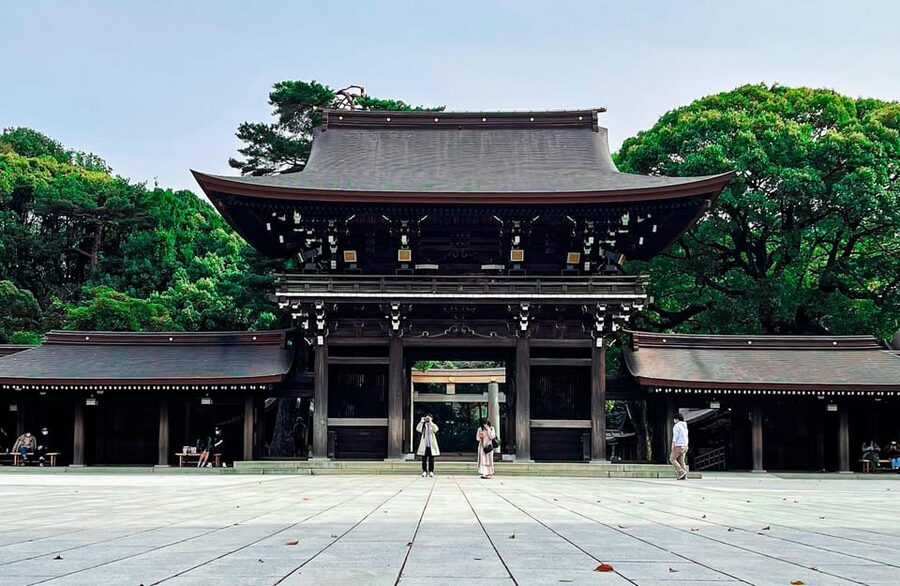
The first stop is Meiji Shrine, reached through Yoyogi Park. The setting offers a calm opening to a busy day. Instead of beginning among neon signs and department stores, you start with a major Shinto shrine dedicated to Emperor Meiji, the ruler associated with Japan’s move away from feudal rule and toward a modern state.
You have about 90 minutes here with a guide. That is the longest sightseeing stop, which makes sense. Meiji Shrine is not just a quick photo stop. The grounds, approach, and religious customs give you an early look at how traditional practices fit into present-day Tokyo.
A guided visit also helps you know how to behave at a shrine. You can ask questions as you go instead of trying to decode every custom alone. The supplied information does not promise a special ceremony or entry to restricted areas, so expect a guided visit around the shrine rather than an elaborate religious event.
Harajuku’s fashion pulse on Takeshita Street
From Meiji Shrine, you walk for about 10 minutes to Takeshita Street. The short connection is useful because you see two sharply different sides of Harajuku without needing another train.
Takeshita Street is known as a birthplace of youth trends and has helped define Harajuku’s style for decades. The street visit lasts about 40 minutes, enough to see the character of the area and hear how it fits into Tokyo’s fashion culture.
You should treat this as an introduction, not a serious shopping session. Forty minutes can disappear quickly among shops, signs, and crowds. If you want to browse every store, sample food, or return for a longer look, plan another visit. The guide’s role here is especially useful for giving the area context, since a quick walk can otherwise become little more than a parade of storefronts.
This stop also shows why the route works as a city overview. Meiji Shrine represents ceremony and continuity. Takeshita Street represents youth culture, fashion, and change. They sit close together, yet the mood shifts almost at once.
Akihabara, with 80 minutes for Tokyo’s pop culture district
The next train ride takes about 25 minutes, bringing you to Akihabara. This is the day’s longest modern neighborhood stop, with an 80-minute guided visit followed by a 70-minute lunch break.
Akihabara is widely known for technology and Japanese geek pop culture. The tour presents it as a district to understand, not simply a place to buy electronics. Your guide can help explain why the neighborhood matters to fans of games, anime, manga, and related popular culture, while also pointing out the parts most worth your attention.
The 80-minute visit is a useful middle ground. You get time to look around and ask questions, but not enough to explore every shop or make careful purchases. If Akihabara is one of your main reasons for visiting Tokyo, you will likely want to return on your own.
Lunch follows in Akihabara for about 70 minutes. Food is not included, so budget separately. The long break is welcome after a morning of walking and train travel. It also gives you a chance to choose your own meal rather than accept a fixed restaurant.
Because the schedule is tight, keep an eye on the meeting time after lunch. The day continues through several districts, and a late return could reduce time at later stops. Large bags and luggage are not allowed, so arrive ready for a walking day with only what you need.
Ginza, where Tokyo turns polished and expensive
After Akihabara, you take another train for about 10 minutes to Ginza. The guided visit lasts 40 minutes.
Ginza is Tokyo’s luxury district, known for its upscale shopping and refined city streets. You will notice a very different side of Tokyo here than in Harajuku or Akihabara. The point is not necessarily to shop. At $96 for the tour, you should not think of the Ginza stop as a shopping package. It is a chance to see how Tokyo presents wealth, design, and modern city life.
Forty minutes gives you an overview, but not a deep look at individual stores. That is fine if you want a broad introduction. If you have a particular department store or brand in mind, save it for another day and return with your own shopping list.
I like the placement of Ginza after Akihabara. The contrast is immediate. Akihabara’s identity comes from technology and pop culture, while Ginza offers a more formal, luxury-focused image. Seeing both in one day makes Tokyo’s range easier to grasp.



Odaiba and the open space of Tokyo Bay
A 15-minute train ride brings you to Odaiba, where you spend about an hour with the guide. Odaiba is the waterfront portion of the tour and adds a different kind of setting to the day.
The area is associated with Tokyo Bay and modern redevelopment. After shrine grounds, narrow shopping streets, electronics culture, and luxury retail, the waterfront gives you a broader sense of the city’s scale. You can expect an organized visit with explanations and views rather than a long free period for attractions.
The provided schedule does not specify particular museums, buildings, or rides in Odaiba, so do not book this tour expecting admission to a named attraction there. The value lies in seeing the district as part of Tokyo’s modern face and in reaching the bay before the final stop.
The hour should be enough for an introduction. It is not enough to cover every part of Odaiba at a relaxed pace. If waterfront attractions are high on your list, return separately.
Finishing at Shibuya Scramble Crossing
From Odaiba, the final train journey takes about 20 minutes. The tour ends with a 20-minute guided visit in Shibuya, finishing at Shibuya Scramble Crossing.
This is a smart ending. The crossing is one of Tokyo’s most recognizable sights, and the surrounding district gives you an energetic final impression after the quieter opening at Meiji Shrine. You will also see the famous Hachiko dog statue, a popular meeting point and a small but meaningful part of Shibuya’s identity.
Twenty minutes is enough to understand the layout and cross the intersection with the group. It is not enough for a relaxed evening in Shibuya. The good news is that the tour ends here, so you are free to stay in the district afterward. You can watch the crossing again, find dinner, or continue into Shibuya without needing to return to the starting point.
This ending makes the tour practical as well as scenic. You finish in a major district with plenty of options, rather than spending the last part of the day retracing your route to a hotel or station.
What the public transport format means
The tour uses public transport for both group and private options. Transport costs about ¥1,160 and are not included in the advertised price. You should factor this into the real cost before booking.
Using trains is a good fit for Tokyo. It lets you see how the city connects and gives you a preview of routes you may use later. A Spanish-speaking guide can also make the process less stressful, especially during a first visit when station names and exits can blur together.
The tradeoff is that you must walk through stations and keep up with the group. The tour is not designed for luggage, large bags, or a slow pace. Wear comfortable shoes and carry only a small day bag. The tour is listed as wheelchair accessible, but the amount of walking and station movement still makes it sensible to confirm your needs when booking.
The experience is not suitable for hearing-impaired people. It is conducted in Spanish, and some content may be presented in its original language. Unaccompanied minors are not allowed.
The Spanish guide can shape the day
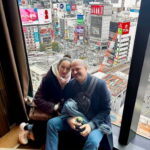
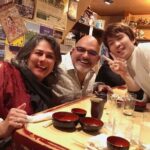
The strongest personal detail available about the guiding is the mention of Ismael, described as friendly, enthusiastic, and helpful. Those qualities matter on a route with so many changes. A guide who keeps the mood relaxed and offers practical help can make a packed schedule feel more manageable.
The tour promises close, friendly guidance rather than a distant lecture. You also receive tips and recommendations for continuing your trip. That feature adds real value because the formal tour ends after the Shibuya crossing, while the advice can help you decide where to spend the next few days.
The route is conducted in Spanish, making it a strong choice if you prefer to ask questions and receive cultural explanations in that language. It is not the right fit if you need an English-language tour or if you want a self-guided day with no fixed timing.
Who should book Tokyo City Tour B?
I would recommend this tour to a first-time Tokyo visitor who wants a broad overview in one day. It suits you especially well if Spanish is your preferred tour language, you want help using public transport, and you like comparing neighborhoods rather than spending all day in one place.
It also works for visitors with limited time. Six areas in eight hours gives you a useful map of Tokyo’s major personalities. You can then choose which districts deserve a return visit.
I would hesitate if your main goal is shopping, photography, or slow exploration. Takeshita Street, Akihabara, Ginza, Odaiba, and Shibuya each deserve more than the scheduled visit if you want to browse carefully. This tour introduces them; it does not fully explore them.
Families should note that unaccompanied minors are not allowed, and large luggage is prohibited. The wheelchair-accessible designation is helpful, but the public-transport format means you should discuss specific mobility requirements before booking.
The tour offers free cancellation up to 24 hours before departure and a reserve-now, pay-later option. Those policies make it easier to fit into a changing Tokyo schedule, though you should still check the available starting times before committing.
Should you book it?
Book Tokyo City Tour B if you want a Spanish-guided orientation to Tokyo’s contrasts and are comfortable with a full day of trains, walking, and short visits. The route is well chosen: Meiji Shrine, Harajuku, Akihabara, Ginza, Odaiba, and Shibuya give you a broad first look at the city.
Skip it if you prefer a slow pace or already know which neighborhoods you want to explore in detail. For the right person, the $96 cost buys more than sightseeing. It buys structure, local guidance, and a practical sense of where to spend the rest of your Tokyo trip.
FAQ
Is this tour conducted in Spanish?
Yes. The tour has a live Spanish-speaking guide and is conducted in Spanish.
How long does Tokyo City Tour B last?
The tour lasts eight hours.
Where does the tour meet?
The meeting point is in front of the large wooden torii gate at the entrance to the park, near the West Exit of Harajuku Station. Look for the NIPONEANDO name tag and identification badge.
What time should I arrive?
Arrive five minutes before the scheduled meeting time.
Is hotel pickup included?
Hotel pickup is included only if you add the supplement or select the private tour option. For the private option, the guide meets you at your hotel or accommodation and travels by public transport with you.
Is transportation included in the price?
No. Public transportation costs about ¥1,160 and is paid separately.
Is lunch included?
No. Food and drinks are not included. The itinerary provides a 70-minute lunch break in Akihabara.
Can I bring luggage or a large bag?
No. Luggage and large bags are not allowed on the tour.
Is the tour wheelchair accessible?
Yes, the activity is listed as wheelchair accessible. It is not suitable for hearing-impaired people, and unaccompanied minors are not allowed.
More City Tours in Tokyo



More tours in Tokyo we've reviewed







City Tours, compared.
 ★ 4.8Tokyo: Private City Highlights Tour with Local GuideFrom $1064 - 8 hours
 ★ 4.7Tokyo: Asakusa, Skytree & Akhihabara Go-Kart City ExperienceFrom $961h 10m
 ★ 4.8Tokyo: 3-Hour Bike or E-Bike City Highlights TourFrom $453 hours
 ★ 4.8Tokyo: Sumo Morning Practice Tour at Sumida CityFrom $1162 hours
 ★ 4.5Private Haneda Airport (HND) to Central Tokyo City TransferFrom $119
 ★ 4.8Tokyo: 3-hour Guided E-Bike Tour of the City’s Hidden GemsFrom $65