
Reviewed · PHOTOGRAPHY SESSIONS
Tokyo: Photography Masterclass – Private Photo Lesson
Tokyo can feel impossible to photograph well at first. There is too much happening: giant screens, packed crossings, fashion, signs, trains, and people moving in every direction. This private three-hour lesson gives you a local guide and photography instructor who can help turn that visual overload into usable pictures.
I like two things right away. First, you can shape the session around your level, from first-time camera users to semi-professionals. Second, the guide is not simply showing you famous views. You can work on camera settings, focal length, shutter speed, and timing while exploring Shibuya, Harajuku, and nearby streets. The main consideration is clear: this is not a portrait session, and the guide will not take photos of you.
In This Review
- Key points at a glance
- Why a private lesson makes sense in Tokyo
- Meeting Hachiko and getting your camera ready
- Shibuya Crossing: timing the famous shot
- Shibuya’s back streets and the value of local direction
- Harajuku and Tokyo’s youth style
- Day sessions, night sessions, and the six-hour option
- What the strongest instruction looks like
- Who gets the best value from $323
- Practical details before you book
- Should you book this Tokyo photography lesson?
- FAQ
- Where does the photography lesson meet?
- How do I reach the Hachiko meeting point by train?
- How long does the experience last?
- Is the tour private?
- What language does the guide speak?
- Is a camera included?
- Can I rent a tripod?
- Is this a portrait photography session?
- Is the lesson suitable for beginners?
- What is included in the price?
- How much does the experience cost?
- Can I cancel for a refund?
Key points at a glance
- Start at Hachiko in Shibuya: Meet beside Tokyo’s famous loyal-dog statue, close to the crossing and several major train lines.
- Choose day, night, or both: Book a three-hour daytime lesson, a three-hour night session, or a six-hour combination.
- Build the route around you: Spend more time on Shibuya Crossing, Harajuku fashion, street scenes, landmarks, or less obvious local corners.
- Get practical camera help: The lesson can cover settings, focal lengths, slow shutter work, time-lapse ideas, and how to anticipate a shot.
- Work privately with an English-speaking guide: The price is $323 for a group of up to two, so you are not sharing the instructor with a large group.
- Bring your own equipment: A camera is not provided, and a tripod is available to rent if requested in advance.
Why a private lesson makes sense in Tokyo
A standard sightseeing walk can show you Tokyo, but it may not teach you how to photograph it. This experience combines both jobs. You move through some of the city’s most photogenic areas while receiving direct advice on how to use your own camera.
That matters in Tokyo because the best image is often less about finding a famous building and more about reacting quickly. A good guide can help you decide when to use a fast shutter, when to slow things down, and which focal length fits the scene. One past session with Ivan included advice on the focal lengths needed for particular shots, along with suggestions for slow shutter work and time-lapse techniques.
The private format is the real advantage. If you are still learning, you can ask basic questions without holding up a group. If you already know your way around a camera, you can spend the full session on more precise work. You also avoid being pushed through a fixed route when you would rather wait for the right moment at one location.
The price is $323 per group of up to two people. That is not a low-cost walking tour, but it becomes more reasonable when shared by two people who both want photography instruction. You are paying for a personal instructor, a local guide, and a route adjusted to your interests, rather than simply paying for transportation between sights.
Other private tours in Tokyo

Meeting Hachiko and getting your camera ready
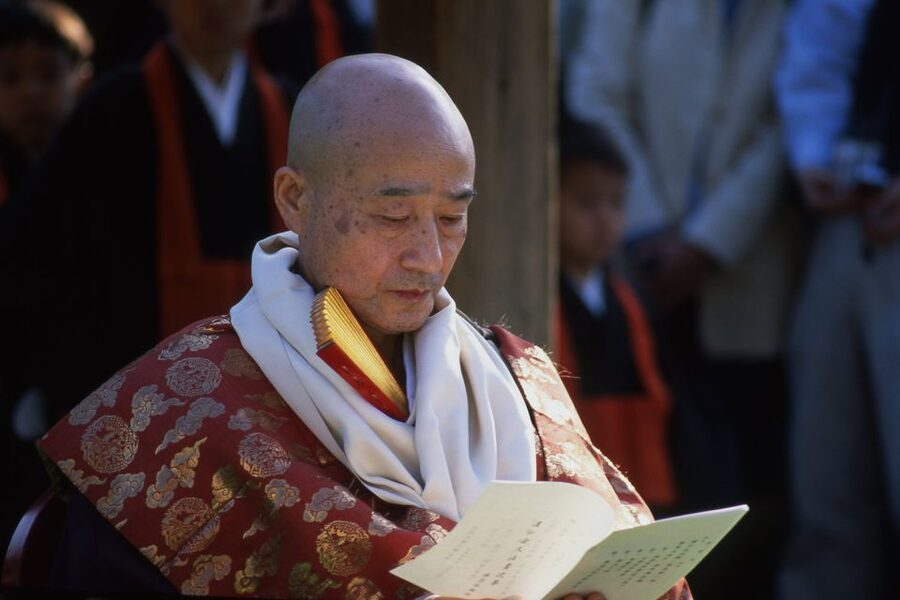
The lesson begins at the Hachiko Memorial Statue in Shibuya. Hachiko was an Akita dog remembered for his loyalty, and the bronze statue is one of Shibuya’s best-known meeting points.
Getting there is straightforward, but Shibuya Station is large and can be confusing. Use the Hachiko exit. The station serves JR East’s Yamanote, Saikyo, and Shonan-Shinjuku lines, as well as the Keio Inokashira Line, Tokyo Metro’s Ginza, Hanzomon, and Fukutoshin lines, and the Tokyu Den-en-toshi and Toyoko lines.
The opening coffee is useful rather than decorative. It gives you time to explain your experience, show the guide your camera, and say what you want from the session. The instructor also goes through technical sheets and checks that you have a comfortable feel for your equipment.
I like this beginning because it avoids a common problem with photography tours: starting at full speed before the guide knows what you can do. If you are using a camera for the first time, this is when you can ask about basic controls. If you are more experienced, you can tell the instructor that you want help with composition, night exposure, or capturing movement.
Bring the camera you actually plan to use in Japan. The experience does not include a camera. A tripod is also not included, though one can be rented by request.
Shibuya Crossing: timing the famous shot
From Hachiko, the lesson can move into the area around Shibuya Crossing. This is the obvious image, but obvious does not mean easy. The crossing fills with people, traffic lights change, and the scene shifts in seconds.
The value of having an instructor here is not simply knowing where the crossing is. It is learning how to make your picture more deliberate. Your guide can help you think about framing, timing, shutter speed, and the focal length needed for the view you want.
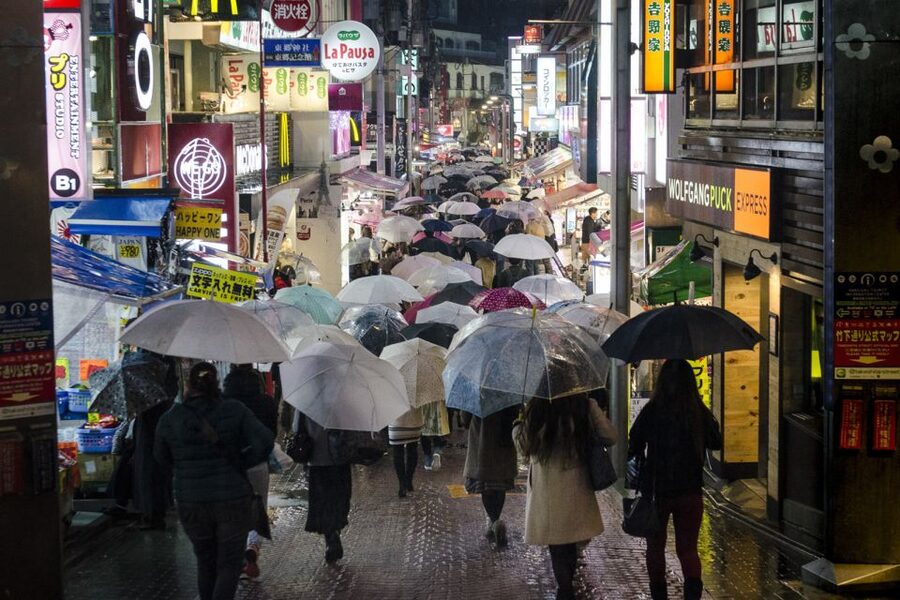
You may want a broad image that shows the full sweep of the crossing. You may prefer a tighter frame focused on movement, umbrellas, signs, or a single figure. The right approach depends on your camera, lens, and taste, so a private session gives you room to test several options.
Do not expect the guide to take a photo of you at Hachiko or pose you for a personal portrait. The purpose is to teach you how to photograph Tokyo. If your main goal is a polished holiday portrait, this is the wrong product.
The crossing can also be the busiest part of the session. If you dislike crowded public spaces, you may find the area tiring. The upside is that you can tell the guide how much time you want to spend there. One of the strengths of a private route is the ability to move on once you have the type of image you wanted.
Shibuya’s back streets and the value of local direction
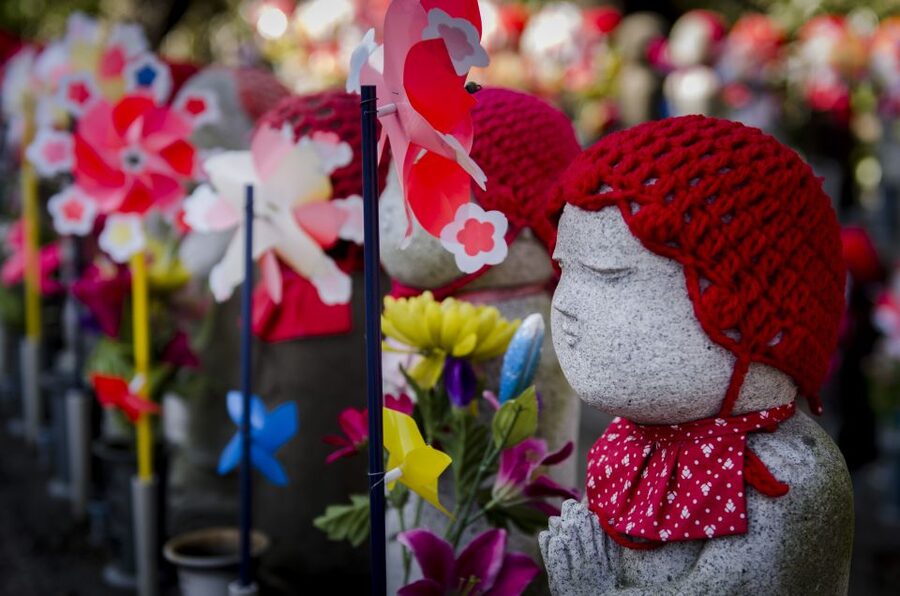
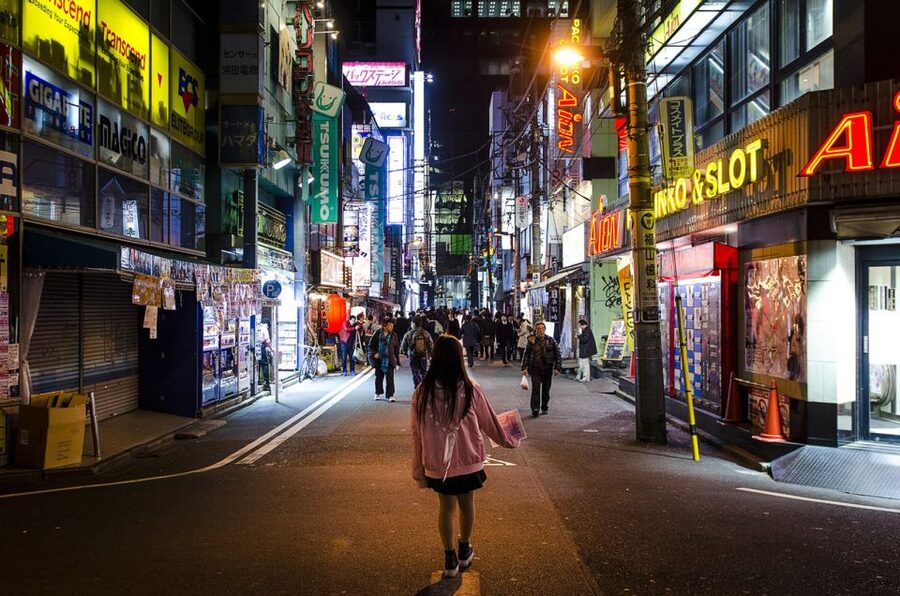
After the crossing, the route can continue into Shibuya’s back streets. These areas provide a change from the large, instantly recognizable view. Instead of one famous landmark, you work with smaller scenes, changing light, architecture, signs, and everyday movement.
This is where local guidance can save time. A guide who knows the area can point you toward places that fit your interests, rather than leaving you to wander with your camera while the clock runs down. Karl, Tim, and Ivan have all led earlier sessions, and the feedback connected them with strong location choices and careful attention to what each person wanted to photograph.
Ivan was especially praised for knowing locations down to the square foot. That detail is important for photography. A spot can be technically close to a landmark but still offer a poor angle, awkward background, or flat light. Exact positioning can change the whole picture.
You should also use this section to practice the lesson’s technical advice. Try a few compositions instead of accepting the first frame. Ask why one focal length works better than another. If the guide suggests a slow shutter or a time-lapse approach, ask what effect it should produce and what camera settings are involved.
The main limit is that no fixed list of stops is promised. The exact back-street route depends on your interests and the guide’s plan for your session. That flexibility is helpful, but it means you should explain your priorities clearly at the start.
Harajuku and Tokyo’s youth style
The route can include Harajuku, known here for its eclectic youth fashion. For a photographer, this provides a different subject from Shibuya’s crossing and signs. You may find opportunities to work with color, clothing, street movement, and the contrast between individual style and the surrounding city.
This section suits anyone interested in street photography. You are not simply collecting landmark pictures. You are looking at how people, buildings, signs, and public space come together in a fast-changing scene.
Respect matters. The supplied information makes clear that this is a lesson in photographing Tokyo, not a portrait service. Your instructor can help you frame street scenes, but you remain responsible for behaving thoughtfully and following local expectations. If you are uncomfortable photographing people, say so at the start and ask to focus more on architecture, signage, and wider scenes.
Harajuku also works well for a lesson because your guide can adjust the level of challenge. A beginner might focus on keeping images sharp and finding clean compositions. An experienced photographer might work on anticipating gestures, layering subjects, or controlling a busy background.
Other photography tours in Tokyo
Day sessions, night sessions, and the six-hour option
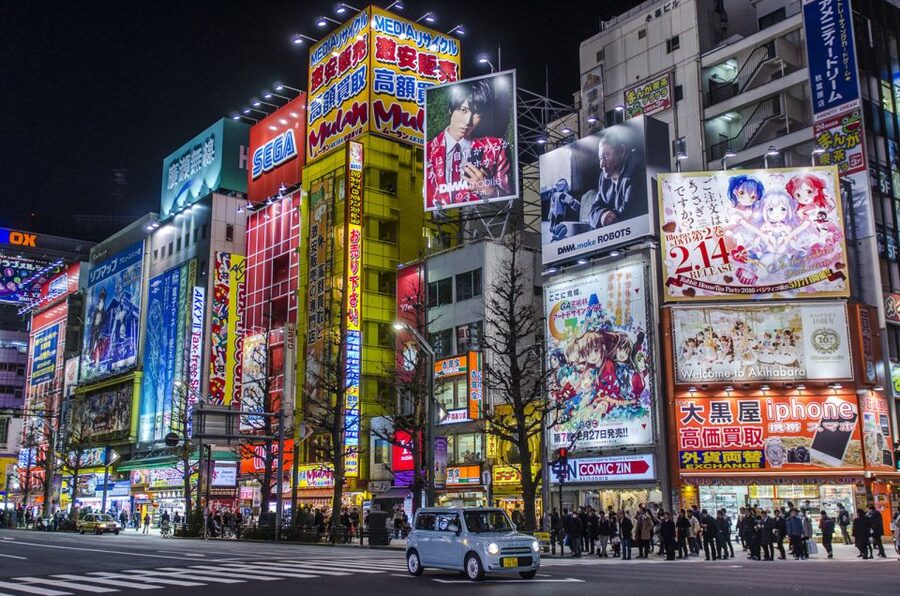
You can choose a three-hour day tour, a three-hour night tour, or a six-hour combined day and night tour. The best choice depends on both your photography goals and your energy.
A daytime session gives you time to work on street scenes, landmarks, and Harajuku’s fashion. It may be the simplest choice for a first camera lesson because you can concentrate on composition and settings without also managing low light.
The night tour suits photographers who want neon, illuminated streets, and more difficult exposure decisions. One booking with Tim focused on night photography, with advice on camera settings and carefully chosen locations. Night work can produce striking results, but it also demands more control. You may need to think harder about shutter speed, brightness, and keeping the image sharp.
The six-hour option lets you split the experience between day and night. That gives you a better sense of how Tokyo changes as the light shifts. It also costs more than the three-hour option, and six hours with a camera can be tiring. I would choose it only if photography is one of the main purposes of your Tokyo visit.
Starting times depend on availability. If you want a particular light condition, especially for a night session, check the available time before booking.
What the strongest instruction looks like
The best part of this experience is the chance to ask questions at the exact moment they matter. Instead of reading a general camera guide later, you can ask why a particular setting fits the scene in front of you.
The technical help described from earlier sessions is specific. Ivan worked with focal-length choices, slow shutter techniques, time-lapse possibilities, and anticipating what would happen in each location. That is more useful than vague advice about taking better pictures.
You can also expect the guide to communicate in English. The instruction is intended for all levels, including people who have only just picked up a camera and semi-professional photographers who want to develop their street work.
Still, your results will depend partly on how actively you take part. Bring questions. Tell the instructor what you find difficult. If you want to improve night exposure, say that. If you are trying to make stronger compositions, ask for direct feedback. A private lesson gives you access to the instructor, but you need to use that access.
The opening coffee also helps the personal side of the session. Earlier experiences were led by Karl, Tim, and Ivan, and the comments about those guides repeatedly focused on communication, location planning, and practical camera help. Your guide may be different, but the intended format is personal instruction rather than a scripted lecture.
Who gets the best value from $323
At $323 for up to two people, this is best for someone who places real value on improving photographs. If you are happy to point your phone at famous places and move on, you will probably find the cost hard to justify.
For two people, the price can work well. You share the instructor but still have a private group, and both participants can ask questions. It is especially useful if you and a partner or friend use similar cameras and want to practice together.
For one person, the price is harder to assess. You receive more individual attention, but the full amount is yours to pay. That may still be worthwhile if photography is a serious hobby, if Tokyo is a major photographic goal, or if you have expensive equipment and want focused advice on using it in the city.
I would also see this as a good first-day activity for a photographer. The opening discussion lets you set goals, and the local route can introduce you to several useful areas. Afterward, you may feel more confident returning to Shibuya or Harajuku on your own.
It is less suitable for a large family or a group with mixed interests. The price covers only two people, and the experience is built around concentrated photography instruction rather than general sightseeing.
Practical details before you book
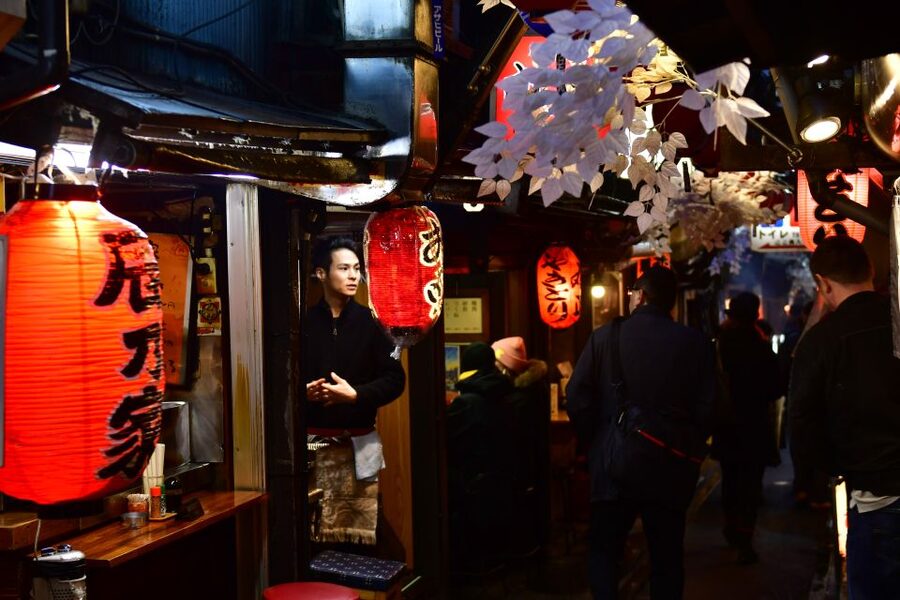
The meeting point is the Hachiko Memorial Statue. If you take a taxi, the suggested Japanese phrase points the driver toward Hachiko Crossing near Shibuya Station.
The guide speaks English, and the group is private. The local guide and professional personal photography instructor are included. Your camera is not included, and you should request a tripod rental if you need one.
You can cancel up to 24 hours ahead for a full refund. You can also reserve now and pay later, which helps if your Tokyo schedule is still changing.
Plan to arrive with a charged camera and enough storage. The supplied details do not specify camera models, lenses, or required equipment, so bring the setup you know how to operate. Most important, arrive ready to explain what you want to photograph and what you want to learn.
Should you book this Tokyo photography lesson?
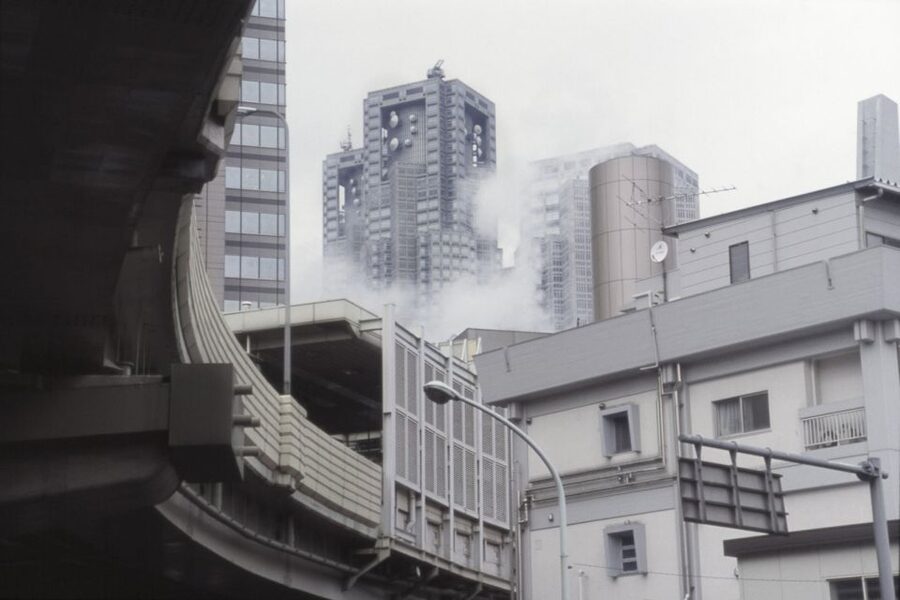
Book it if you want more than a route through Tokyo. The private format, flexible focus, and practical help with settings give you a real chance to improve while photographing Shibuya, Harajuku, and the surrounding streets.
I would choose the night option for neon and exposure practice, the day option for a first lesson or street photography basics, and the six-hour version only if photography is a central part of your trip. The cost is fair for two people who will use the instruction, but it is a poor match for anyone mainly seeking portraits or a quick sightseeing walk.
The best reason to book is the chance to work with an instructor who can adjust the lesson to your camera, your level, and your preferred subjects. Just remember the practical boundary: you take the pictures, and you need to bring the camera.
FAQ
Where does the photography lesson meet?
The meeting point is the Hachiko Memorial Statue in Shibuya.
How do I reach the Hachiko meeting point by train?
Get off at Shibuya Station and leave through the Hachiko exit. The station is served by several JR East, Tokyo Metro, Keio, and Tokyu lines.
How long does the experience last?
The standard lesson lasts three hours. You can choose a three-hour daytime session, a three-hour night session, or a six-hour combined day and night session.
Is the tour private?
Yes. It is a private group experience for up to two people.
What language does the guide speak?
The live tour guide and photography instruction are provided in English.
Is a camera included?
No. You must bring your own camera.
Can I rent a tripod?
Yes. A tripod is available to rent by request.
Is this a portrait photography session?
No. This is a lesson on taking better photos of Tokyo with your own camera. The guide will not take photos of you.
Is the lesson suitable for beginners?
Yes. It is designed for all levels, from people using a camera for the first time to semi-professional photographers.
What is included in the price?
The price includes a local guide and a professional personal photography instructor. It does not include a camera or tripod rental.
How much does the experience cost?
The price is $323 per group of up to two people.
Can I cancel for a refund?
You can cancel up to 24 hours in advance for a full refund.
More Workshops & Classes in Tokyo



More Photography Tours in Tokyo
More Private Tours in Tokyo
More tours in Tokyo we've reviewed

Photography Sessions, compared.
 ★ 5.0Best Go Kart Experience in Shibuya Crossing with Iconic PhotosFrom $106
 ★ 4.8Tokyo Go-Karting Experience: Shibuya Crossing with PhotosFrom $901 hour
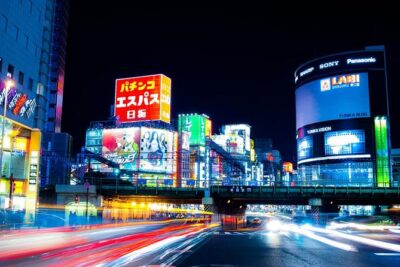 ★ 5.0Tokyo Cyberpunk Street Photo TourFrom $184
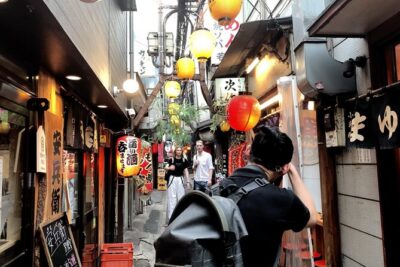 ★ 5.0Tokyo by Night Photography Tour (Private Option Available)From $105
 ★ 5.0Tokyo Shinjuku Night Photo Tour with Pro GotaFrom $85
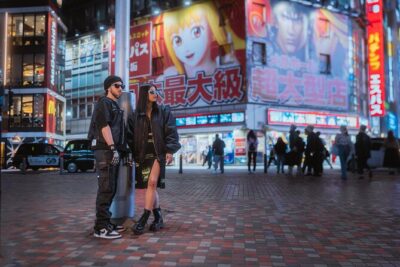 ★ 5.0Tour with Pro Tokyo Photographer and take Edgy Unique PortraitsFrom $145