
Reviewed · MT FUJI DAY TRIPS
Tokyo: Mt. Fuji, Owakudani, Hakone Shrine, & Open-Air Museum
Hakone packs art, volcanoes, mountain scenery, and Shinto tradition into one busy day. This tour takes you from Tokyo to the Hakone Open-Air Museum, steaming Owakudani, and the red torii gate of Hakone Shrine beside Lake Ashi, with a chance to see Mt. Fuji if weather cooperates.
I like the smart mix of indoor and outdoor stops, especially the sculpture gardens and the raw volcanic valley. I also like having a guide and vehicle, since Hakone’s attractions are spread out and traffic can make independent planning awkward. Guides such as Juna, Icchi, and Yuichi have shown flexibility, changing the order when rain or crowds made another plan wiser.
The trade-off is time. This is a full sightseeing day, not a slow Hakone retreat, and traffic can force changes under Japan’s 10-hour vehicle rule. Mt. Fuji is not guaranteed, and the optional ropeway and pirate ship cost extra.
In This Review
- Key points at a glance
- Why Hakone works as a day trip from Tokyo
- The Hakone Open-Air Museum: art with room to breathe
- Owakudani and the smell of a live volcano
- Hakone Shrine and the red torii on Lake Ashi
- Mt. Fuji views depend on the sky
- Transport, guides, and the value of a fixed route
- Food, footwear, and what to bring
- Weather, traffic, and the limits of a packed day
- Who should book this Hakone outing?
- FAQ
- What does the Hakone tour include?
- Is Mt. Fuji guaranteed to be visible?
- Are meals included?
- Is the Hakone Ropeway included?
- Is the pirate ship included?
- What languages does the guide speak?
- Can I bring a baby stroller?
- What happens if traffic or weather causes delays?
Key points at a glance
- Three very different Hakone stops: Pair modern sculpture, volcanic activity, and a lakeside shrine in one day.
- Owakudani is the most dramatic setting: See steam vents and sulfurous springs in an active volcanic valley.
- The Open-Air Museum deserves real time: Henry Moore, Joan Miró, Picasso, gardens, and interactive works make this more than a quick photo stop.
- Lake Ashi adds calm to a busy day: Hakone Shrine offers forest paths, mountain views, and the famous torii gate in the water.
- Your guide can adjust the route: Rain, traffic, and crowds may change the order, as happened when guides took groups to the shrine first or rearranged stops to seek clearer Mt. Fuji views.
- At $79, convenience is the main value: Transport, guide service, and admission are included, while meals, ropeway rides, and the pirate ship are separate.
Why Hakone works as a day trip from Tokyo
Hakone is close enough to visit from Tokyo, yet it feels like a sharp change of pace. Instead of city streets and tall buildings, you get mountain roads, Lake Ashi, hot volcanic ground, and art placed among trees and open lawns.
The appeal of this outing is variety. You are not spending the whole day at one shrine or one viewpoint. The schedule moves between culture, geology, and scenery, so a stop that feels crowded or cloudy does not define the entire experience.
I especially like this format if you have limited time in Japan. Hakone can involve several transport connections, and the attractions are not all gathered around one station. A vehicle and guide remove much of that planning work. You can focus on the places rather than figuring out each transfer.
Still, you should treat the schedule as weather-sensitive. The road route and order may change, and the guide may need to make practical choices to keep the day within the legal 10-hour driving limit. That flexibility is useful, but it means you should not expect every day to follow the same sequence.
A few more Tokyo tours and experiences worth a look
The Hakone Open-Air Museum: art with room to breathe
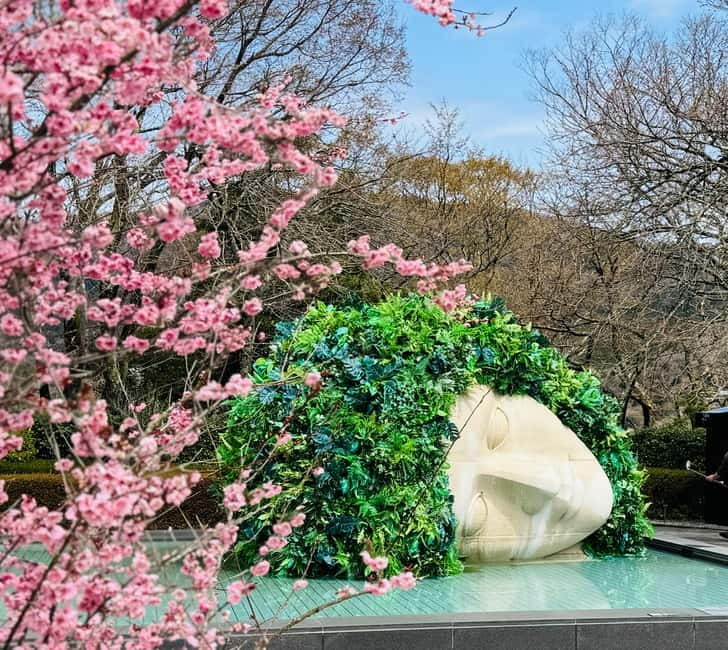
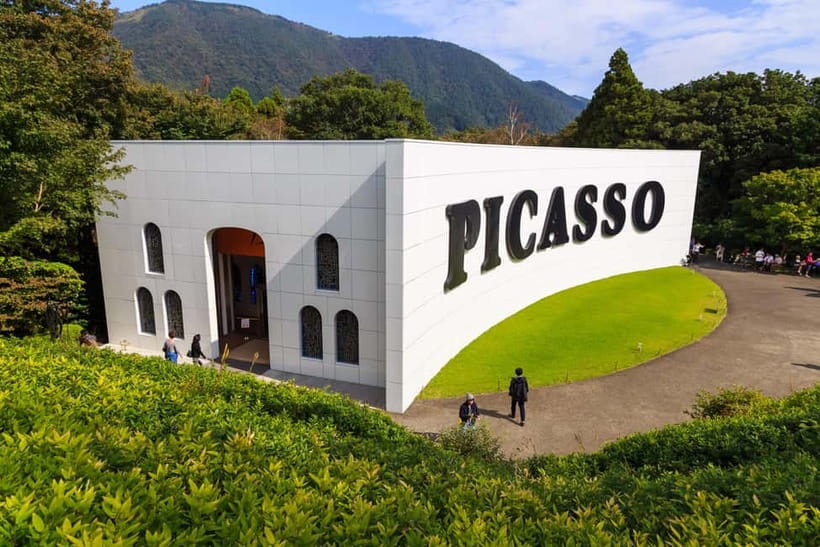
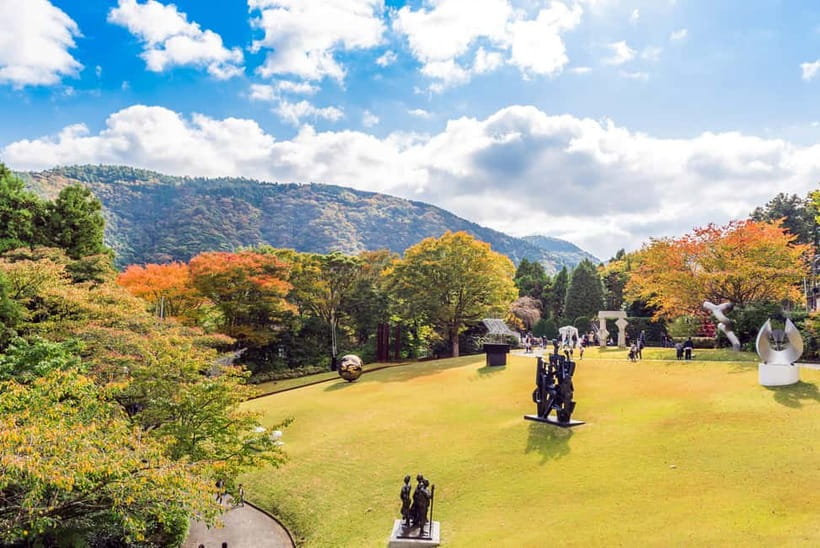
The Hakone Open-Air Museum is an excellent first or last stop because it gives the day a cultural anchor. Japan’s first open-air art museum places large sculptures and installations in gardens, with mountains forming the setting around them.
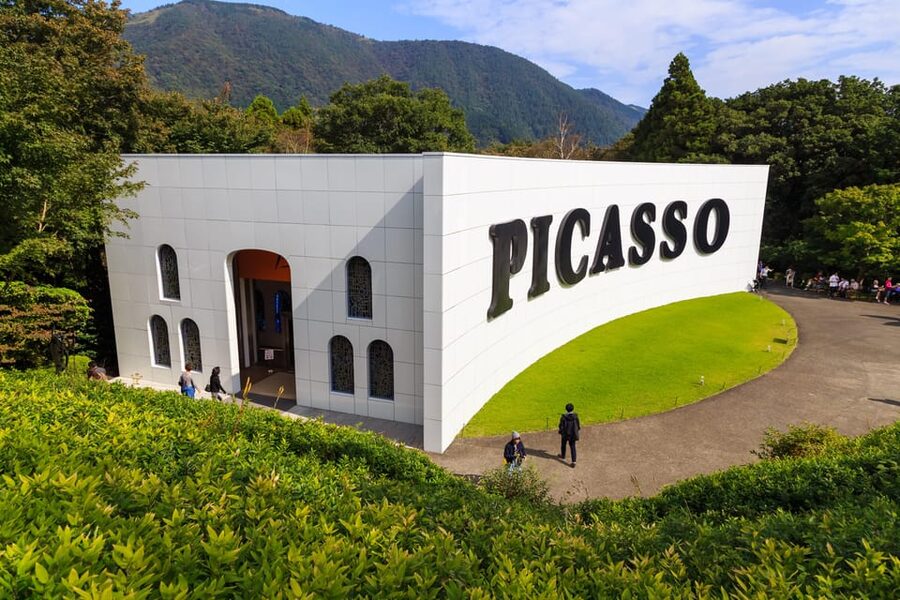
You can see works associated with Henry Moore and Joan Miró, along with a dedicated Picasso gallery. The mix gives you several ways to enjoy the museum. If modern art is your thing, you can study the artists and forms. If it is not, the open lawns, paths, and changing views make the visit pleasant even when a particular sculpture does not speak to you.
The outdoor setting matters. You are not moving from one white gallery room to another. A sculpture changes as you walk around it, and the surrounding gardens give you space to pause. Interactive works add interest for families and anyone who prefers art that invites a response rather than a long label.
I would not rush this stop. It is easy to think of a sculpture park as a short photo break, but the museum has enough variety to reward a proper visit. At the same time, the overall day includes several major sights, so your guide will need to balance museum time with the other stops.
If rain arrives, the museum still has indoor areas, including the Picasso gallery. That makes it a useful part of a day when mountain views are hidden. Pack comfortable shoes, since you will be walking between outdoor works and along garden paths.
Owakudani and the smell of a live volcano
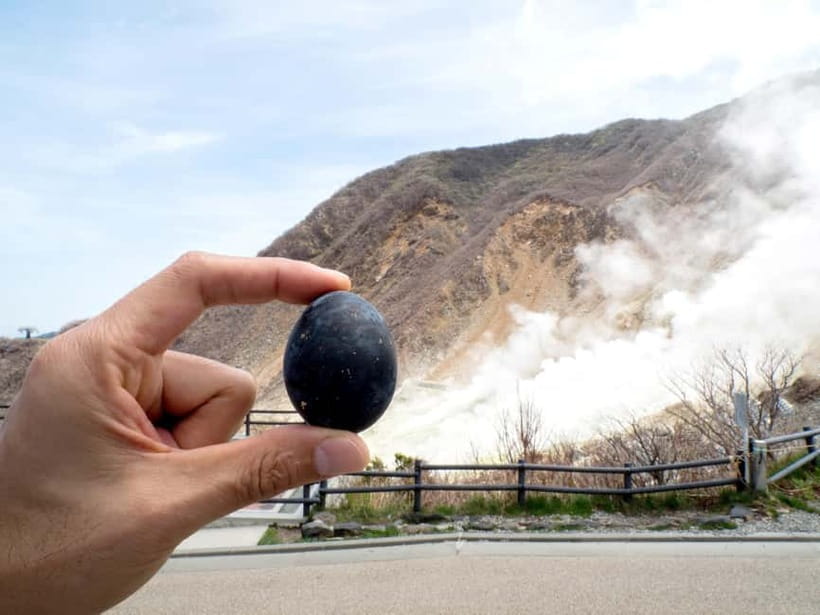
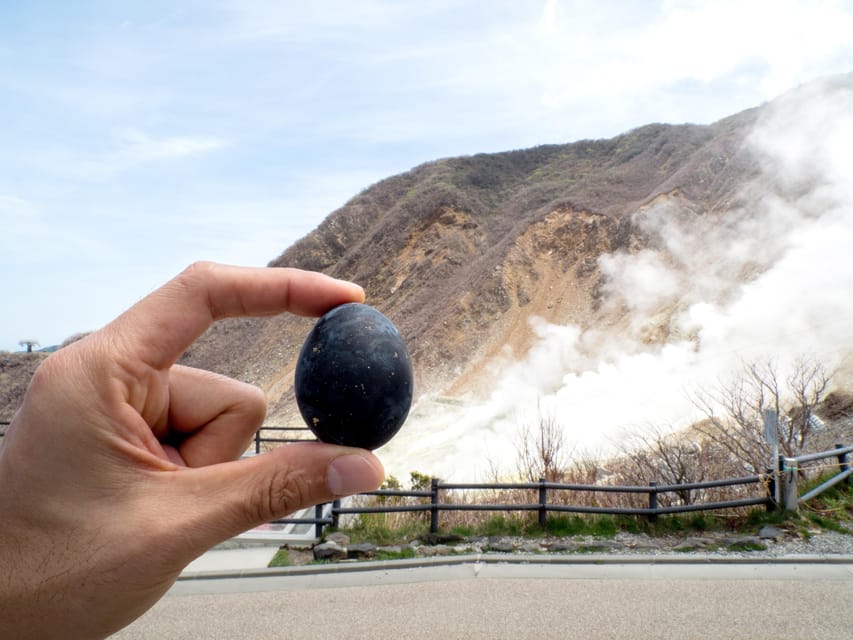
Owakudani is the most unusual stop on the route. This active volcanic valley is marked by steam vents, sulfurous springs, and ground shaped by volcanic activity. It does not feel like a polished garden or a quiet temple. The appeal comes from seeing the earth at work.
The air may carry a sulfur smell, and steam rises from the valley in places. That direct sense of heat and geology gives the stop a stronger character than a standard mountain viewpoint. You are not just looking at a distant volcano. You are seeing evidence of activity close to the paths and viewing areas.
Weather can affect what you see here. Rain, cloud, and local conditions may change access or the time available. The optional Hakone Ropeway may be offered when conditions allow, but its ticket is not part of the $79 price. Your guide can help you decide how to add it on site.
The ropeway can make the volcanic section more memorable, but do not assume it will operate on your particular day. The tour is designed to function without that extra ride, and the guide may adjust the plan if weather or local conditions interfere.
Owakudani can also be a good place for a short snack break, although meals are not included. Bringing a small snack or light lunch is sensible, especially because the schedule covers several sites and the vehicle may be your easiest place to eat.
Hakone Shrine and the red torii on Lake Ashi
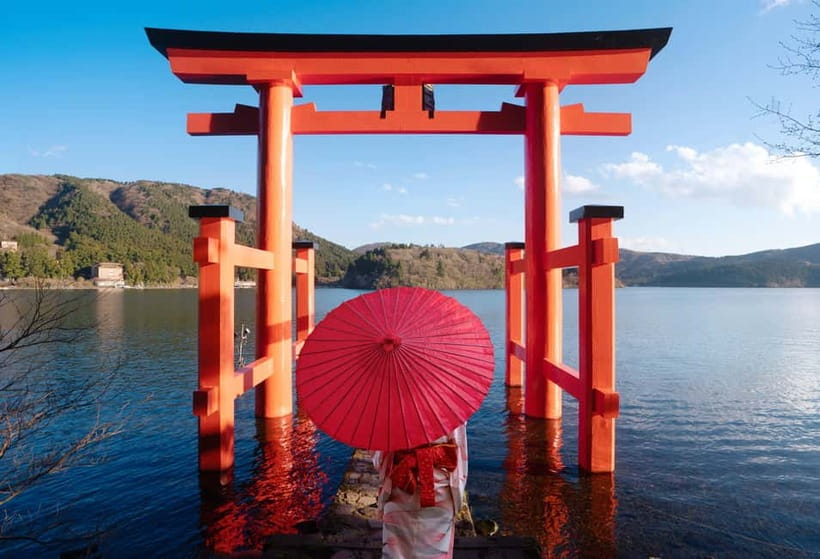
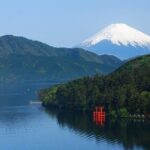
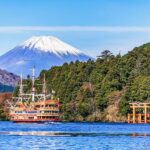
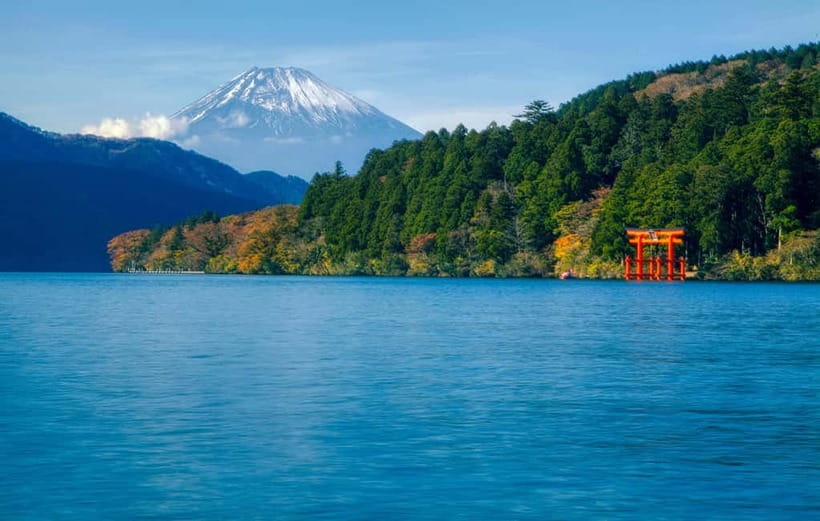
Hakone Shrine offers a different mood after the volcanic valley. The shrine sits at the foot of Mount Hakone, among forest, with Lake Ashi nearby. Its best-known feature is the red torii gate positioned in the lake, an image closely tied to Hakone.
This is the place to slow down for a few minutes. The setting combines water, trees, mountain air, and traditional religious architecture. You can take photographs, enjoy the lake views, and notice the change from Owakudani’s steam and sulfur to the shrine’s quiet atmosphere.
The order of the stops can make a real difference. One guide took a small group to Hakone Shrine first during heavy rain, partly to avoid having the shrine experience compete with loud crowds later. That is a useful example of why a flexible guide matters. The shrine can feel more peaceful when you arrive before large groups gather.
You may also want a small bottle for mineral water at the shrine, based on practical advice given during one outing. A five-yen coin is traditionally considered an auspicious offering, so carrying one can add a small cultural detail to the visit. These are optional touches, not required parts of the tour.
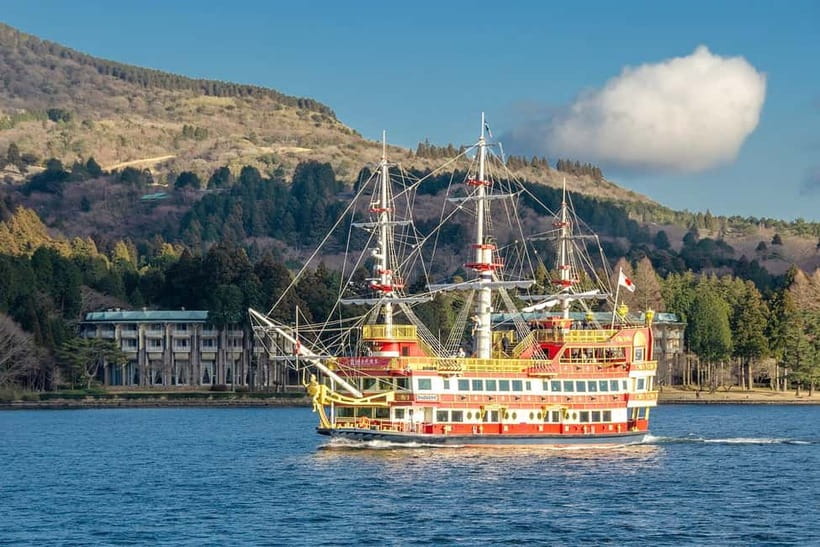
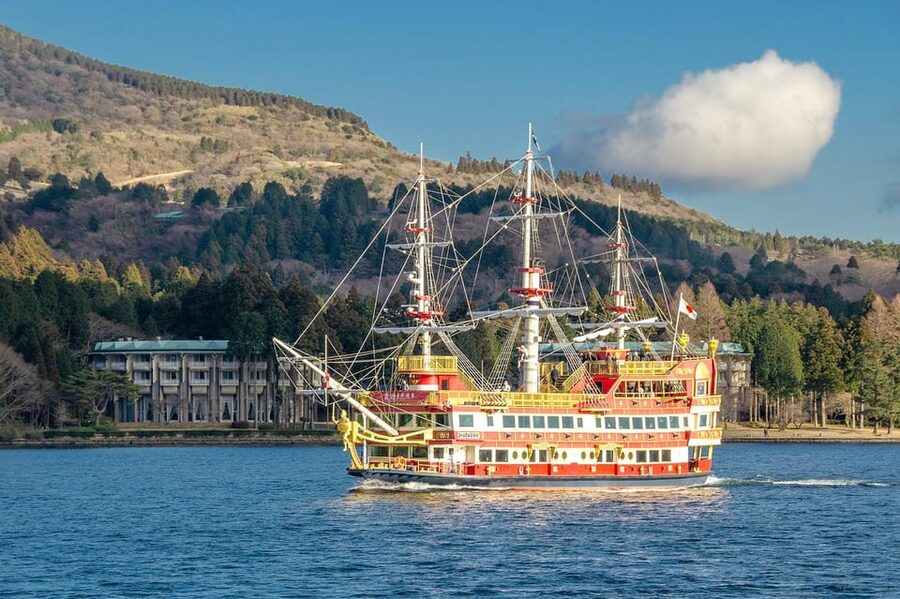
The lakeside area is also where the optional pirate ship may enter your plans. If weather and local conditions allow, your guide can assist with arranging the ride, but the ticket is purchased separately. The ship is not included, so budget for it only if you decide the lake crossing is worth adding.
Mt. Fuji views depend on the sky
Mt. Fuji appears in the tour title, but you should read that as a viewing opportunity rather than a promise. Clouds and rain can hide the mountain completely. One outing ended without a Fuji view because of wet, cloudy weather, while another guide changed the route in an effort to give the group a better chance of seeing it.
This is normal for the region. The tour still has plenty to offer when Fuji disappears, particularly the museum, Owakudani, and the shrine. I would book this day for Hakone as a whole, not only for one mountain photograph.
If Fuji is visible, the lake and mountain setting can make the day feel especially rewarding. Your guide may reverse the itinerary or change the timing to seek better conditions. During peak periods, heavy traffic can also cause the order to be reversed, so flexibility works both for weather and road conditions.
A small Mt. Fuji origami keepsake has been given at the end of at least one outing. It is a thoughtful touch when clouds block the real mountain, though you should treat it as a possible extra rather than a guaranteed inclusion.
A few more Tokyo tours and experiences worth a look

Transport, guides, and the value of a fixed route
The strongest practical reason to choose this tour is the transport. Hakone’s attractions are spread across a mountain area, and the route can involve roads, ropeways, lake transport, and local connections. A guided vehicle lets you cover the main sights without building the day around a complicated series of transfers.
The service includes transportation, admission tickets, and an English or Korean-speaking guide. Meals and personal expenses are separate. The ropeway and pirate ship are also optional purchases, so the advertised price covers the core outing rather than every possible Hakone activity.
At $79 per person, that is a fair price if you value time and simplicity. You are paying for access to several major sights in one day, along with a guide who can handle route changes. The value is less compelling if you prefer to linger for hours at one place or already feel comfortable planning Hakone’s transport yourself.
Group size may vary. One particularly small outing had six people, which allowed the guide to drive efficiently and offer personal help. You should not assume every departure will be that small, but a smaller group can make route changes and questions easier.
The guides named in the feedback were a clear strength. Juna was attentive to individual needs, Icchi drove safely through heavy rain and made the shrine-first decision, and Yuichi adjusted the plan to seek Mt. Fuji and arrange a lake crossing and cable-car ride. The important point is not any single name. It is the guide’s role in making sensible choices when the original plan meets real traffic or weather.
Food, footwear, and what to bring
Meals are not included, and the schedule may not leave you with a long restaurant stop. Bring snacks or a light lunch that you can eat at an attraction site or in the vehicle.
Wear comfortable shoes. The Open-Air Museum involves outdoor paths, and the shrine area requires walking. Owakudani may also involve time on uneven or exposed paths, so practical footwear is more useful than anything stylish.
A small bottle can be handy for mineral water at the shrine. A five-yen coin is useful if you want to make a traditional offering. You should also be ready for changing weather, though the supplied information specifically requires comfortable shoes rather than a particular type of clothing.
If you plan to bring a baby stroller, tell the operator in advance. Infants ride free but do not receive their own seat, an important detail for families planning the vehicle portion of the day.
Weather, traffic, and the limits of a packed day
The main weakness is outside anyone’s control: Hakone traffic can be heavy, especially in peak season. Rain may also affect the views, ropeway, pirate ship, and the order of the itinerary.
The vehicle cannot operate for more than 10 hours under Japanese law. If roads are slow or conditions change, the guide may shorten, reorder, or adjust parts of the day. That is better than forcing an unsafe or illegal schedule, but you should accept that the exact timing is not fixed.
This is not the right choice if your ideal Hakone day means lingering beside Lake Ashi, taking long walks, or spending half a day at the museum. It is a better fit if you want to sample several sights and return to Tokyo with the major highlights covered.
The 4.7 rating from 25 reviews reflects a strong overall response, with repeated praise for punctual transport, smooth driving, useful logistics, and attentive guides. I would place the most weight on those practical strengths because they matter greatly on a route where weather and roads can quickly disrupt independent plans.
Who should book this Hakone outing?
I would choose this tour if you are staying in Tokyo and want one organized day outside the city. It suits first-time visitors, families who prefer a guided route, and anyone who wants art, nature, and Japanese religious culture without arranging every connection.
It is also a good choice for photographers, with the warning that Fuji and the lake views depend on visibility. Art lovers will find the Open-Air Museum more substantial than a simple stopover, while anyone interested in geology will likely remember Owakudani most vividly.
You may want another plan if you dislike fixed schedules, extra-ticket decisions, or riding in a vehicle for much of the day. Independent transport gives you more control, but it requires more planning and may take longer.
Book it if your priority is efficient sightseeing with a guide who can adapt to rain, crowds, and traffic. Skip it if you want a slow, single-area visit. At $79, the tour offers solid value for a broad introduction to Hakone, provided you see Mt. Fuji as a bonus rather than the main product.
Cancellation is flexible up to 24 hours before departure for a full refund, and you can reserve now and pay later. Meeting points vary by the option booked, and the activity returns to the starting meeting point.
FAQ
What does the Hakone tour include?
The tour includes transportation, admission tickets, and an English or Korean-speaking guide.
Is Mt. Fuji guaranteed to be visible?
No. Mt. Fuji views depend on weather and cloud conditions. The guide may adjust the route when conditions offer a better chance of seeing it.
Are meals included?
No. Meals are not included, so bringing snacks or a light lunch is recommended.
Is the Hakone Ropeway included?
No. The Hakone Ropeway is an optional activity and requires a separate ticket purchased on site, subject to weather and local conditions.
Is the pirate ship included?
No. The pirate ship is optional and requires a separate ticket. Your guide can assist if the ride is available.
What languages does the guide speak?
The tour provides an English or Korean-speaking guide.
Can I bring a baby stroller?
You should inform the operator in advance if you plan to bring a baby stroller. Infants are free but do not have a seat.
What happens if traffic or weather causes delays?
The guide may change the order or adjust the itinerary. Vehicles cannot operate for more than 10 hours under Japanese law, and the route is subject to traffic and weather conditions.
More Temples & Meditation in Tokyo

More Hakone Day Trips in Tokyo
More Mt Fuji Day Trips in Tokyo
More tours in Tokyo we've reviewed





Mt Fuji Day Trips, compared.
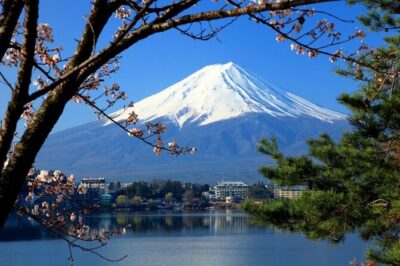 ★ 5.0Mt Fuji and Hakone 1-Day Bus Tour Return by Bullet TrainFrom $163
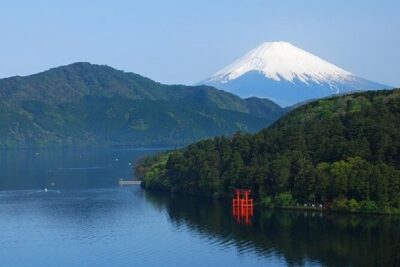 ★ 4.0Mt Fuji & Hakone Cruise, Drum Show Bullet Train 1 Day from TokyoFrom $149
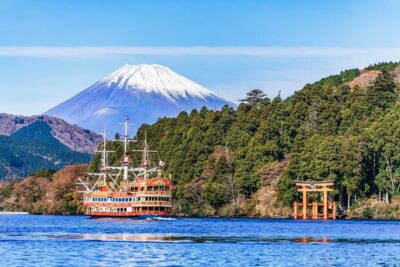 ★ 4.4Tokyo Mt Fuji 5th St & Hakone Cruise Bus Tour w/Bullet TrainFrom $15410 hours
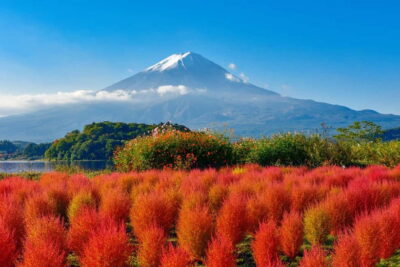 ★ 4.5From Tokyo: Mount Fuji Full-Day Sightseeing TripFrom $6810 hours
 ★ 4.7Tokyo: Mt. Fuji Tour, Hakone Ropeway, Owakudani, Lake AshiFrom $5410 hours
 ★ 4.4Tokyo:Mt.Fuji,Kawaguchiko Oishi Park,Arakurayama Sengen ParkFrom $5410 hours