
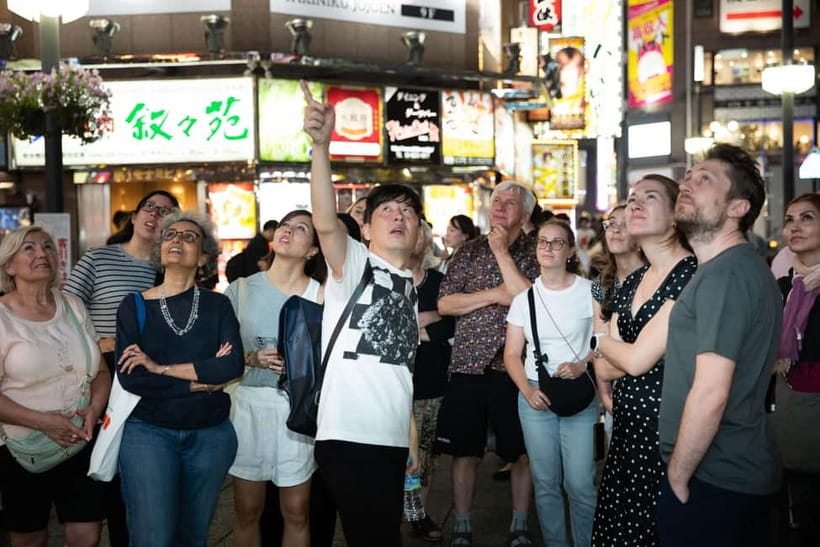
Reviewed · SHINJUKU TOURS
Tokyo: Dark Side of Tokyo Shinjuku Red Light Walking Tour
Kabukicho is Tokyo with the polite lid lifted. Neon signs glare from every direction, narrow lanes squeeze between tiny bars, and the old red-light district sits beside sleek towers and giant entertainment complexes. This two-hour Shinjuku walk gives you a useful map of that after-dark world without asking you to figure it out alone.
I like the route for two clear reasons: it connects famous places such as Omoide Yokocho, Golden Gai, and Hanazono Shrine, and it adds cultural background instead of treating the district as a photo backdrop. I also like the practical food advice, which can turn the end of the walk into a ramen, okonomiyaki, or izakaya stop. The main drawback is the meeting point, which can be confusing inside one of Tokyo’s enormous stations, so arrive early and do not expect the guide to wait for late arrivals.
In This Review
- Key points at a glance
- Why Shinjuku works so well after dark
- Meeting at Shinjuku Station without losing your group
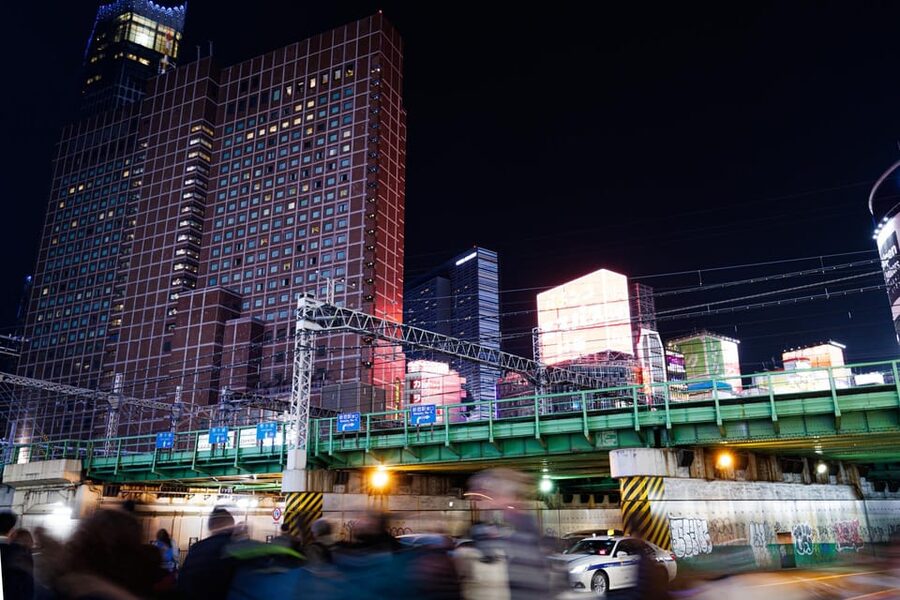
- Omoide Yokocho: old Tokyo beside the railway
- Kabukicho, where the neon story gets darker
- Golden Gai: tiny bars and a very particular atmosphere
- Hanazono Shrine, a quiet pause in the city
- 2 Chome and Tokyo’s LGBTQ district
- The guides make the biggest difference
- What two hours gets you for $29
- Who should book this walk
- A few practical cautions for a respectful night out
- Should you book the Shinjuku Dark Side tour?
- FAQ
- How long is the Tokyo Shinjuku Red Light Walking Tour?
- How much does the tour cost?
- Where does the tour meet?
- Is the meeting point easy to find?
- Does the tour include a guide?
- Is food or alcohol included?
- Which places does the tour visit?
- Can children join the tour?
- Can I cancel the booking?
Key points at a glance
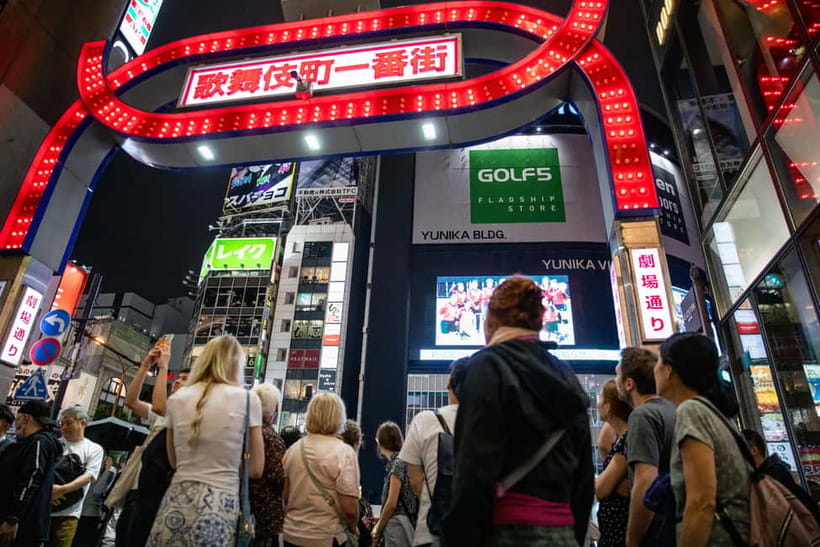
- Kabukicho after sunset: See Shinjuku’s best-known entertainment district when its signs, bars, arcades, and clubs are operating at full speed.
- Four very different stops: Move from the food stalls of Omoide Yokocho to Golden Gai’s tiny bars, Hanazono Shrine, and LGBTQ-focused 2 Chome.
- History behind the neon: Learn how Kabukicho changed from a red-light district into a broad entertainment center.
- Good first-night orientation: The route helps you decide where to return for dinner, drinks, photos, or further exploring.
- Strong guide format: Guides including Dani, Danny, Gray, Loc, Polina, Huy, Shota, and Daichi are praised for humor, clear explanations, and useful local suggestions.
- Adults only: The tour is not suitable for anyone under 18, and alcohol and drugs are not allowed during the activity.
Why Shinjuku works so well after dark
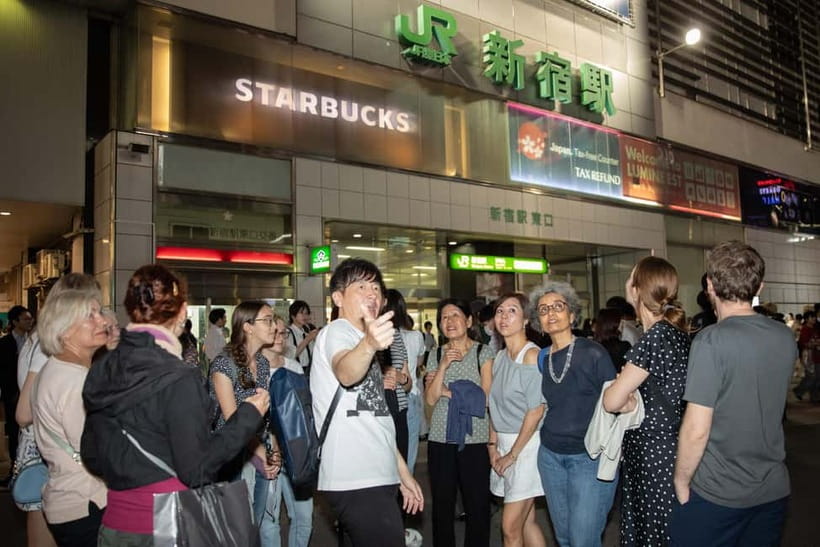
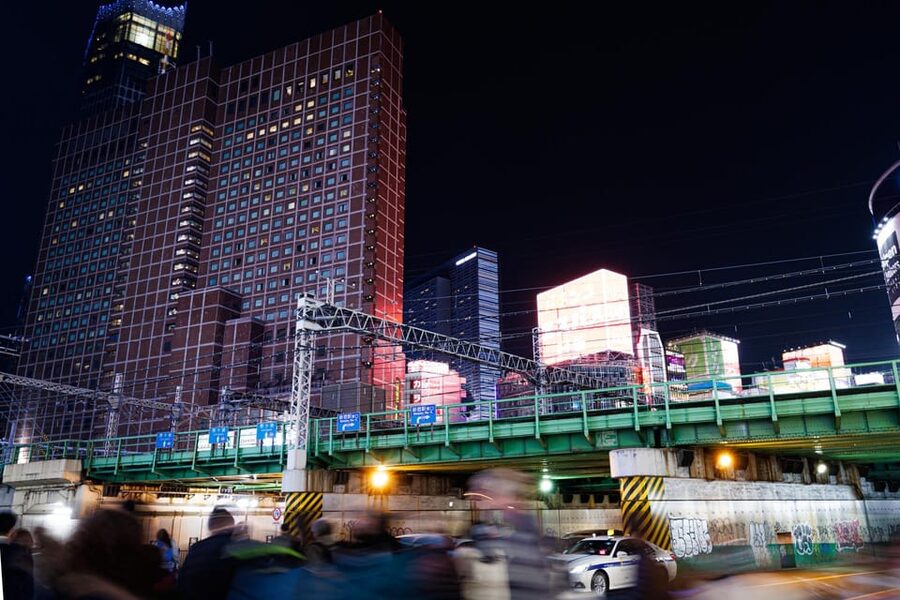
Shinjuku can feel like several cities pressed together. At street level, you have food counters, bars, restaurants, and signs competing for your attention. Above them rise office towers and entertainment buildings, while quiet religious spaces and old lanes survive only a few minutes from the station.
The tour focuses on the eastern side of Shinjuku, where Kabukicho and its neighboring districts tell a particularly complicated story. This is not simply a parade of neon. Your guide explains how the area developed, how nightlife fits into Japanese city life, and why certain streets attract particular kinds of entertainment.
That context matters. Without it, you may see a wall of signs and assume every door welcomes casual visitors. With a guide, you get a better sense of what the lanes are for, what kind of place you are looking at, and which recommendations suit your budget and mood.
A few more Tokyo tours and experiences worth a look

Meeting at Shinjuku Station without losing your group
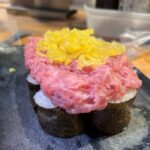
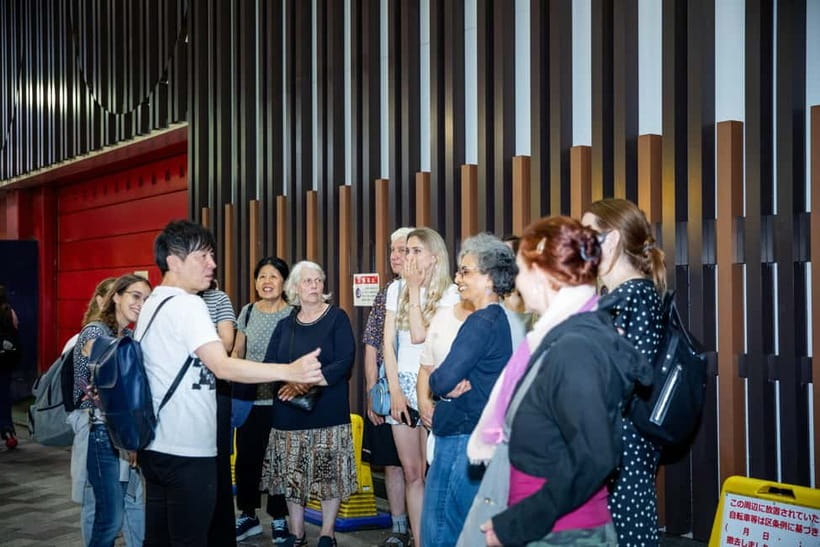
You can begin at either the Shinjuku Tourist Information Center or the police box at the East Exit of Shinjuku Station, depending on the option you book. The station is famously large and busy, and the meeting area can be hard to identify if you have just arrived in Japan.
I would treat the meeting point as part of the tour challenge. Give yourself extra time, confirm the exact option on your booking, and find the East Exit before the meeting hour. Several tour companies may gather in the same general area, so look for your guide rather than assuming the first group you see is yours.
This is one place where the activity’s no-late-waiting policy matters. You are walking through crowded streets, not joining a bus with a fixed curbside pickup, so a delayed arrival can mean missing the whole group.
Omoide Yokocho: old Tokyo beside the railway
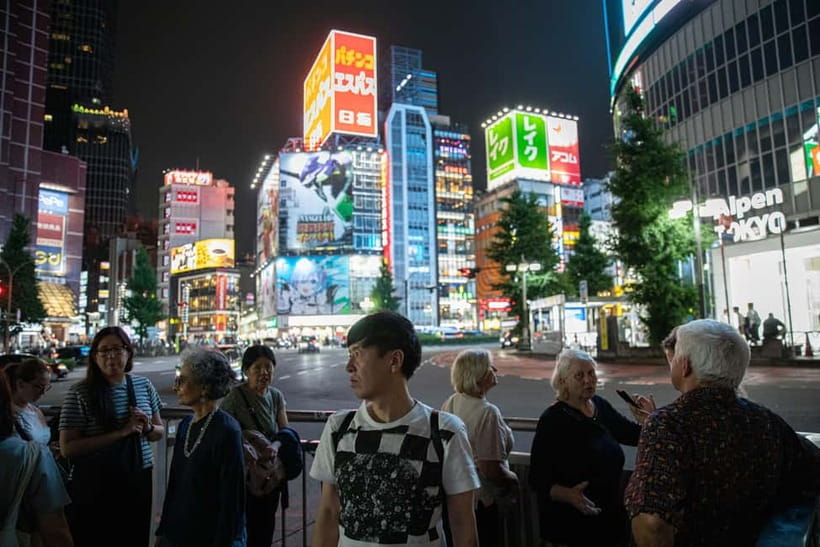
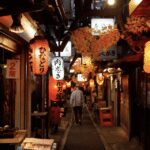
The first substantial stop is Omoide Yokocho, a narrow restaurant lane near Shinjuku Station. Its name is often translated as Memory Lane, and the setting gives you an early contrast with the huge station and nearby towers.
Here, your guide spends about 20 minutes explaining the area and pointing out the small eateries packed close together. You get a look at the kind of compact dining space that makes Tokyo’s food districts so distinctive, with the railway and high-rise city close at hand.
The value is not just visual. A guide can help you understand how these small lanes fit into Shinjuku’s working nightlife, and can suggest places to eat later. You should not expect a full meal as part of the tour. Food recommendations are a key benefit, but dinner and drinks are paid separately.
Kabukicho, where the neon story gets darker
Kabukicho receives the longest stop, about 40 minutes, and that is sensible. This is the center of the walk, both in size and subject matter.
You pass bars, izakayas, entertainment venues, and streets filled with signs. The district can feel noisy and crowded, but the route is designed to make sense of that visual overload. Your guide talks about Kabukicho’s past as a red-light district and its present role as one of Tokyo’s main entertainment centers.
The phrase dark side should not lead you to expect a theatrical horror show. The more useful experience is a frank look at the less polished parts of urban Japan: adult entertainment, the business of nightlife, social customs, and the way a district changes over time. The tour offers a safer framework for observing the area, but it does not turn Kabukicho into a museum exhibit.
You will see plenty of activity from the street, yet you are not promised entry into private venues or a nightclub experience. That is a plus for anyone who wants cultural context without being pressured to buy a drink or enter an unfamiliar business.
Golden Gai: tiny bars and a very particular atmosphere
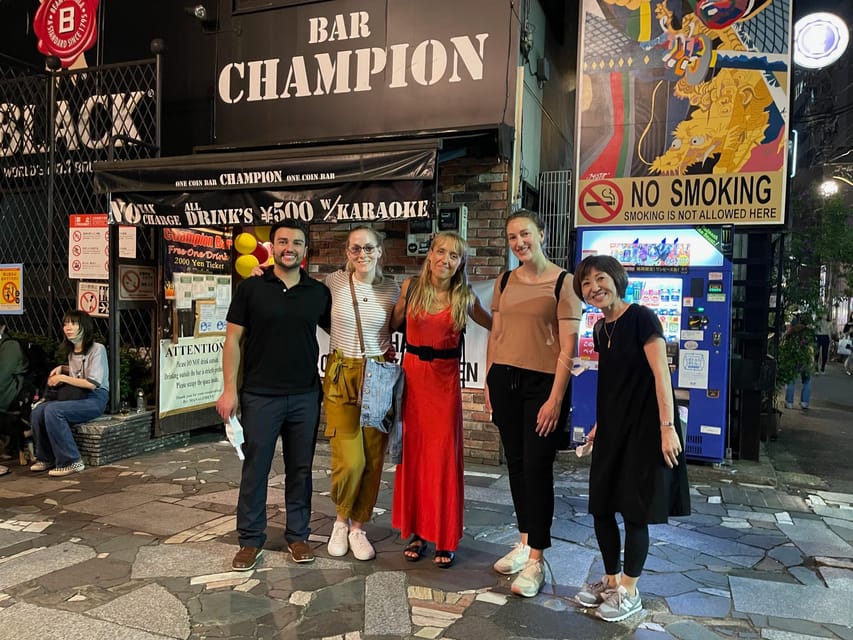
Golden Gai gets about 20 minutes. The district is made up of narrow lanes and unusually small bars, many with only a handful of seats. It is one of the most distinctive corners of Shinjuku, and it feels far removed from the broad avenues and tall buildings nearby.
Your guide explains how the area works and helps you read the signs and street layout. This is especially useful if you plan to return later, since a first visit can feel like wandering through a maze of doorways.
Do keep your expectations in check. A walking tour through Golden Gai is not the same as a bar crawl. Alcohol is not allowed during the activity, and the tour price does not include drinks. Think of this stop as an introduction, then decide later if you want to return for a quiet drink at your own expense.
The small scale also means you should be considerate. Stay with the group, avoid blocking lanes, and remember that these are working businesses rather than staged attractions.
Other walking tours we've reviewed in Tokyo



Hanazono Shrine, a quiet pause in the city
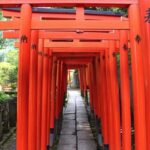
Hanazono Shrine receives another 20 minutes, offering a sharp change of mood. After the signs, crowds, and bar lanes of Kabukicho and Golden Gai, the shrine gives the walk a calmer setting.
The stop also supports the tour’s central idea: traditional and contemporary Japan are not separate worlds here. A historic religious site can sit close to entertainment streets, office towers, and restaurants. Your guide places the shrine within the surrounding neighborhood rather than presenting it as an isolated cultural stop.
This is likely to be one of the walk’s best moments for photos and for catching your breath. The tour is still moving, though, so you should not treat the stop as an extended shrine visit or a full lesson in Japanese religious practice.
2 Chome and Tokyo’s LGBTQ district
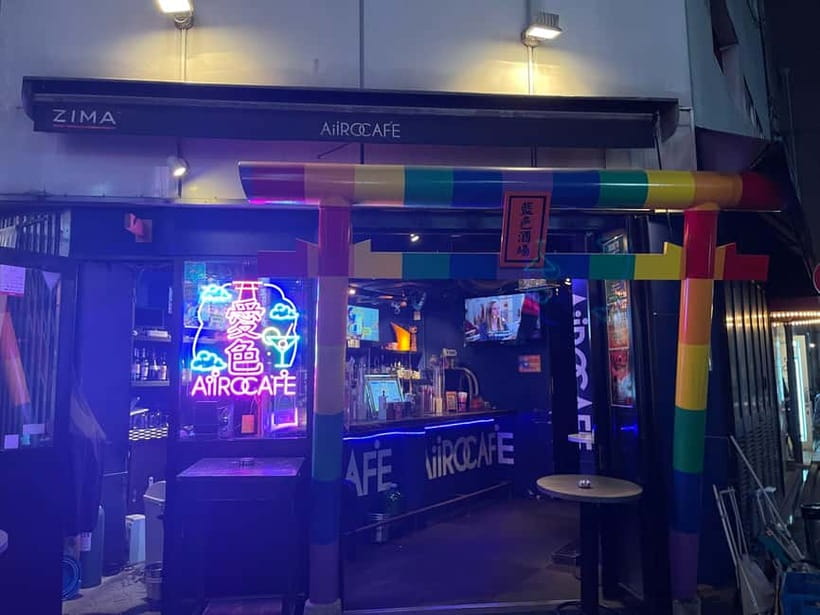
The final neighborhood is 2 Chome, known for its LGBTQ nightlife. The route gives you about 20 minutes here, with the guide discussing the district and its place in Shinjuku’s entertainment scene.
This makes the tour broader than a standard Kabukicho walk. You are not seeing only the famous red-light streets or the most photographed alleys. You are also learning how different communities and types of nightlife shape the district.
The tone of the stop depends partly on your guide and group. The strongest guides make room for questions and explain local customs without reducing the area to a curiosity. You should approach it respectfully, avoid intrusive photos, and remember that people are enjoying their evening rather than performing for sightseers.
The walk ends around Shinjuku Golden Gai or 3 Chome, depending on the booking option. That is a practical finish because you are already close to more places to eat and explore.
The guides make the biggest difference
This activity uses different English- and Spanish-speaking guides, so the experience will not be identical every night. Names attached to especially strong tours include Dani or Danny, Gray, Loc, Polina or Paulina, Huy, Shota, and Daichi.
The consistent strengths are easy to identify: clear explanations, humor, patience with questions, and specific suggestions for food and drinks. Loc is praised for storytelling and restaurant advice. Gray is described as funny and well prepared, with a strong ability to explain Japanese customs. Dani and Danny are repeatedly associated with friendly delivery and a wider view of modern Japanese culture.
One guide recommendation led to okonomiyaki, another to ramen, and another to a local ramen restaurant after the walk. That is the sort of small, practical help I value in a neighborhood tour. You can ask where to eat next, what to avoid, or which area deserves a return visit.
A guide cannot guarantee a particular person when you book. Still, the repeated praise for several guides suggests that the provider has a solid bench rather than relying on one star performer.
What two hours gets you for $29
At $29 per person, this is a reasonable orientation tour rather than a complete Shinjuku night out. You are paying for a guide, local explanation, route planning, and the confidence to walk through areas that can be confusing on a first visit.
The price is particularly fair if you use the tour early in your Tokyo stay. You can return to Omoide Yokocho for food, Golden Gai for a drink, Kabukicho for more street photography, or 2 Chome for further exploration. The tour may save you from spending an evening aimlessly circling the station.
The value drops if you want a long meal, included drinks, or access to nightlife venues. None of those are included. It is also worth noting that a few participants experienced a walk lasting around two and a half hours, although the advertised duration is two hours. Allow some flexibility if you have a dinner reservation afterward.
Who should book this walk
I would choose this tour for an adult visiting Tokyo for the first time, especially if Shinjuku feels exciting but hard to decode. It suits solo visitors, couples, and small groups who want local context before exploring on their own.
It is also a good match if you like urban history, street scenes, food suggestions, and frank discussion of nightlife. The walk does not require you to drink or enter bars, which makes it useful for people who want to observe rather than party.
You may want something else if you dislike crowds, have difficulty walking through narrow streets, or want a quiet cultural tour. The subject matter includes adult entertainment, and the district can be intense after sunset. Children under 18 cannot join.
Wear comfortable shoes and keep your phone ready for directions and meeting-point messages. I would also avoid scheduling a tight dinner reservation immediately afterward, since the group pace and final timing can vary.
A few practical cautions for a respectful night out
The tour is not a license to treat Kabukicho as a playground. Follow your guide’s instructions, do not photograph people without permission, and avoid wandering into businesses that do not clearly welcome you.
Alcohol and drugs are not allowed during the activity. That rule also keeps the walk focused: you are there to understand the streets, not to turn the guide into a drinking escort.
The route covers several distinct neighborhoods in a short period. You will get an introduction rather than a full investigation of each area, so take note of places that interest you and return later at your own pace.
Free cancellation is available up to 24 hours before the start for a full refund, and you can reserve now and pay later. Those terms help if your Tokyo schedule is still shifting, but the meeting-point warning remains important.
Should you book the Shinjuku Dark Side tour?
Book it if you want a lively, adult look at Tokyo’s entertainment culture with enough history to make the streets meaningful. At $29, the combination of Kabukicho, Golden Gai, Omoide Yokocho, Hanazono Shrine, and 2 Chome offers good value, especially on your first evening in Shinjuku.
I would be less keen if you want an included food or drink experience, a private tour, or a slow visit inside the nightlife venues. For most curious adults, though, this is a smart way to get your bearings, learn the rules of the area, and collect restaurant ideas from guides such as Dani, Gray, Loc, Polina, or Huy. Arrive early, keep an open mind, and let the tour show you more than the neon.
FAQ
How long is the Tokyo Shinjuku Red Light Walking Tour?
The advertised duration is two hours. Some experiences may run longer, so allow a little extra time if you have plans afterward.
How much does the tour cost?
The price is $29 per person.
Where does the tour meet?
The available starting points are the Shinjuku Tourist Information Center and the Shinjuku Station East Exit Police Box. The exact meeting point depends on the option booked.
Is the meeting point easy to find?
It can be difficult to find, especially on your first day in Tokyo. Shinjuku Station is very large and busy, so arrive early and confirm the precise meeting point before setting out.
Does the tour include a guide?
Yes. A live guide leads the walk, with English and Spanish available. Guides may include Dani, Danny, Gray, Loc, Polina, Paulina, Huy, Shota, or Daichi, depending on the departure.
Is food or alcohol included?
No food or alcohol is included. The guide can provide food and drink recommendations, but alcohol and drugs are not allowed during the activity.
Which places does the tour visit?
The route includes Omoide Yokocho, Kabukicho, Golden Gai, Hanazono Shrine, and 2 Chome. It begins near Shinjuku Station and ends around Shinjuku Golden Gai or 3 Chome, depending on the option.
Can children join the tour?
No. The activity is not suitable for children under 18.
Can I cancel the booking?
Yes. You can cancel up to 24 hours in advance for a full refund. You can also reserve now and pay later.
More Walking Tours in Tokyo
More Shinjuku Tours in Tokyo

More tours in Tokyo we've reviewed




Shinjuku Tours, compared.
 ★ 5.0Tokyo: Shinjuku Food Tour (13 Dishes at 4 Local Eateries)From $86
 ★ 5.0Tokyo Bar Hopping Tour in Shinjuku (All-You-Can-Drink + Dinner)From $106
 ★ 4.9Tokyo: Shinjuku Food Tour (15 Dishes and 4 Eateries)From $853 hours
 ★ 5.0Best of Shinjuku: Izakaya Food Tour (4 Stops, 14+ Tastings)From $92
 ★ 4.9Tokyo: Shinjuku Local Bar and Izakaya Guided Walking TourFrom $343 hours
 ★ 5.0Tokyo Shinjuku Chopsticks Making ClassFrom $20