
Reviewed · TRAIN EXPERIENCES
From Tokyo: Hiroshima and Miyajima Day Trip by Bullet Train
The most striking part of this day is the sharp contrast between Hiroshima’s Peace Memorial Park and the calm beauty of Miyajima. In one day, you move from the Atomic Bomb Dome and solemn memorials to a ferry ride, a famous shrine, free-roaming deer, and maple-leaf pastries.
I like the efficient mix of high-speed rail and ferry travel, and I like that a guide adds context at the sites rather than leaving you to piece together their meaning alone. The main drawback is simple: this is a very long day, with about four hours on the train each way from Tokyo and limited free time in Miyajima.
In This Review
- Key points
- Is a Tokyo day trip to Hiroshima worth the long ride?
- The Shinkansen turns a distant city into a day trip
- What the bus and ferry connections add
- Arriving on Miyajima and seeing Itsukushima Shrine
- Making the most of 100 minutes on Miyajima
- Hiroshima Peace Memorial Park requires a different pace
- A guide can make a compressed day clearer
- The biggest tradeoff is time
- What to bring and how to prepare
- Who should book this Hiroshima and Miyajima tour?
- Should you book it?
- FAQ
- Does the tour include the bullet train from Tokyo?
- Where does the tour start?
- Where does the tour finish?
- How long does the activity last?
- Is the ferry to Miyajima included?
- Is admission to Itsukushima Shrine included?
- Are meals included?
- What languages are available?
- Is the tour suitable for wheelchair users?
- Can I cancel for a full refund?
Key points
- Tokyo to Hiroshima by Shinkansen: The optional round-trip bullet train makes a distant city possible as a single-day outing.
- Atomic Bomb Dome with a guide: You visit one of Hiroshima’s most important memorial sites and hear the story behind it.
- Miyajima by ferry: The crossing adds a pleasant change of pace before the shrine and island walk.
- Itsukushima Shrine admission included: You can enter the famous shrine complex without paying an extra admission fee.
- Local food and deer: Use your free time for oysters, momiji manju pastries, and a walk through the island streets.
- English or Spanish guiding: Some departures are led by Alex, who has been praised for switching easily between both languages.
Is a Tokyo day trip to Hiroshima worth the long ride?
At $104 per person, this experience can offer good value if the Tokyo to Hiroshima bullet train is included in the option you choose. A round-trip rail journey over this distance normally represents a major part of the day’s cost, and the tour also includes the Miyajima ferry and admission to Itsukushima Shrine.
Still, you should look closely at the selected option before booking. The description says the round-trip Shinkansen is included if that option is selected, and the meeting point may change with the booking. Some arrangements list Shinagawa Station as the starting and ending point, while others begin or finish at Hiroshima Station.
The real question is not only price. It is pace. You will spend roughly eight hours on trains if you start in Tokyo and return there, then add a bus ride, two ferry segments, guided sightseeing, and free time. I would choose this tour when Hiroshima is a priority but your schedule does not allow an overnight stay.
If you have more time in Japan, an overnight visit would let you slow down. This day trip is for seeing the major sights in a tight window, not for lingering over every museum, shrine, or shopping street.
A few more Tokyo tours and experiences worth a look
The Shinkansen turns a distant city into a day trip
The journey from Tokyo takes about four hours by train. That sounds long, but the Shinkansen is the right tool for covering this distance. You can settle in, watch the countryside pass, and conserve energy for the walking ahead.
The train is also what makes the tour practical for someone based in Tokyo. You avoid arranging several separate tickets, working out the Hiroshima to Miyajima connection, and finding your way back to the correct station at the end of a packed day.
You should arrive ready for a full schedule. Bring water, sunscreen, a hat, and comfortable shoes. The tour involves a moderate amount of walking, and the combination of stations, buses, ferries, shrine grounds, and memorial sites adds up quickly.
The exact starting time depends on availability and the option booked. Keep your station instructions close at hand, since Shinagawa Station and Hiroshima Station are both listed as possible meeting or drop-off points.
What the bus and ferry connections add
After the train, the tour uses a bus for about 50 minutes before the ferry to Miyajima. Later, another bus ride of about an hour connects the island and Hiroshima’s central sights, followed by a shorter 40-minute bus ride before the return train.
These transfers are not just filler. They give you a break from walking and keep the day organized. A guide can also help you move between each part of the route, which matters when a missed connection could cut into your short time on Miyajima.
The ferry crossing to the island takes about 30 minutes on the outward journey and about 10 minutes on the return segment listed in the schedule. Ferry times can change in bad weather, so pack a raincoat or umbrella and expect the plan to adjust if conditions require it.
Smoking is not allowed during the activity. The tour is also not suitable for wheelchair users, an important point to consider before booking because of the transport changes and walking involved.
Arriving on Miyajima and seeing Itsukushima Shrine
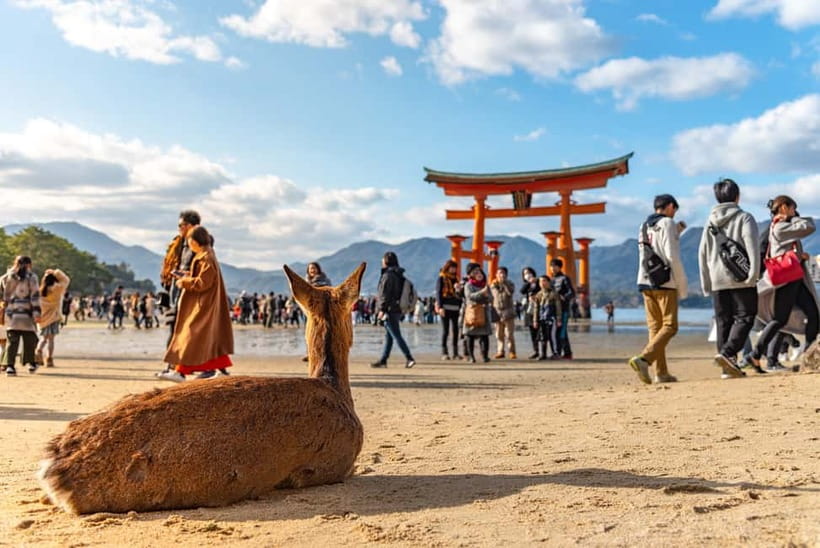
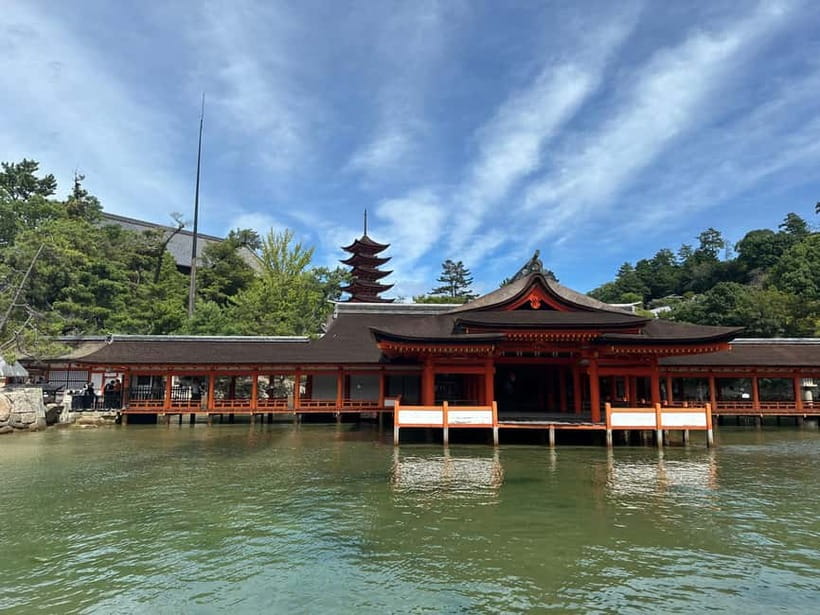
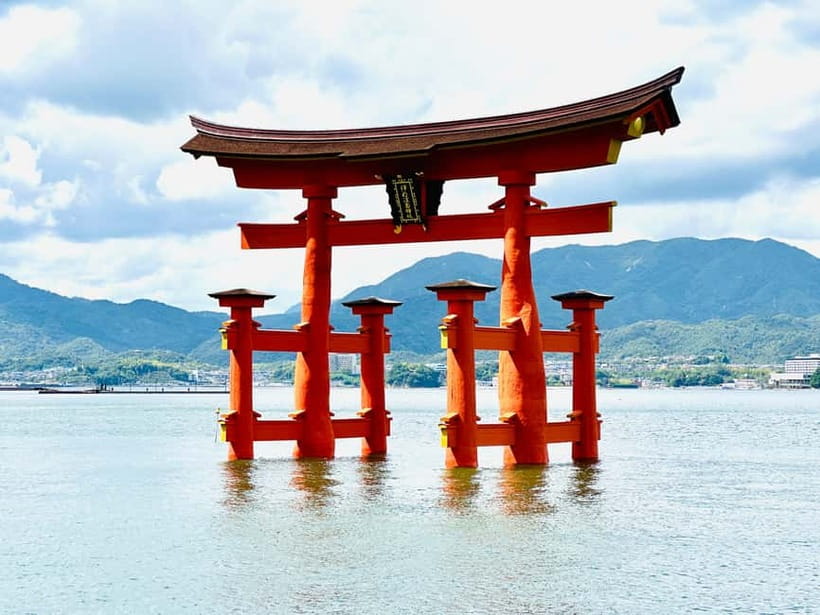
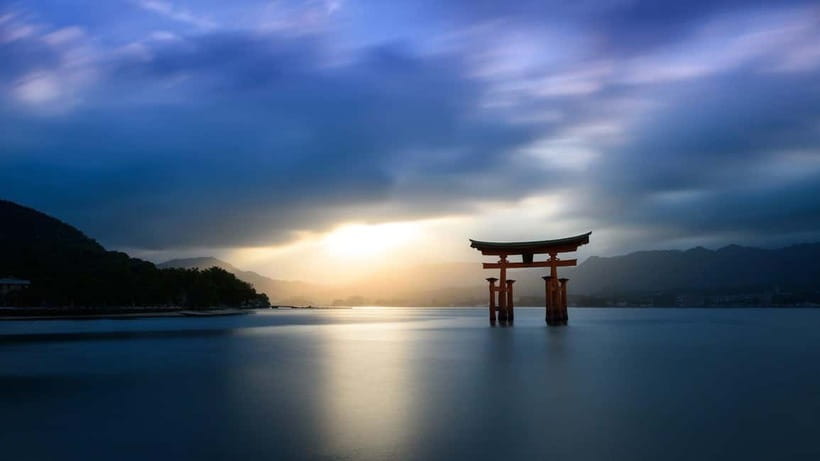
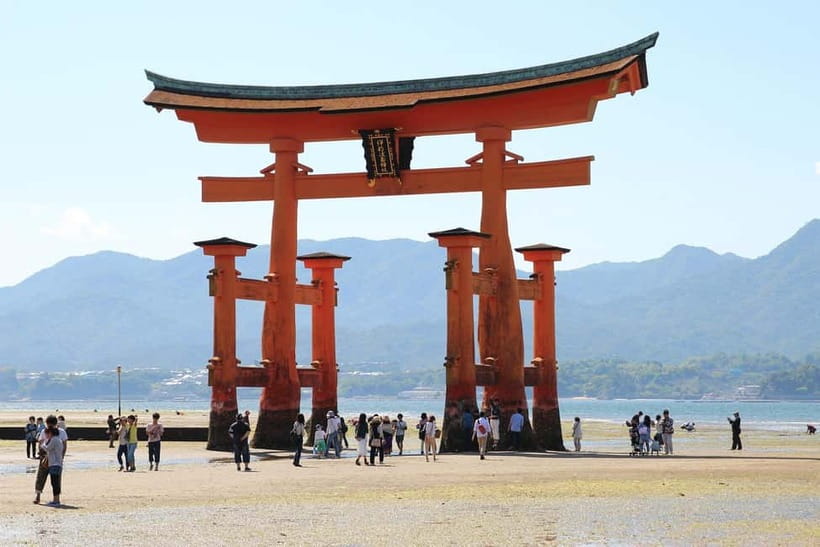
Miyajima is best known for Itsukushima Shrine and its large torii gate, which appears to float in the water at high tide. The view is one of Japan’s most recognizable scenes, but the setting is more than a photo stop.
The shrine’s relationship with the sea gives the visit its special character. Your guide provides a short guided visit of about 30 minutes, and admission is included. That keeps this part of the day focused, though it also means you will not have unlimited time inside the complex.
The floating gate may look different depending on the tide, weather, and light. The supplied information does not promise a particular tide level, so treat the view as a natural feature rather than a guaranteed postcard scene. Bring your camera, but remember that this is also a working religious site.
After the guided shrine visit, you get about 100 minutes of free time on Miyajima. That is enough for a purposeful walk and a snack, but not enough to explore every corner of the island.
Making the most of 100 minutes on Miyajima
I would use the free time for three simple pleasures: walk the charming streets, look for local food, and keep an eye out for the island’s deer. The deer roam freely and add a memorable touch to the visit, though you should still give them space and avoid treating them like props.
Miyajima is known for oysters, so this is the place to try them if you want a local specialty. The island is also famous for momiji manju, maple-leaf shaped pastries that make an easy snack during a short stop.
You might find shops and food stalls along the streets, but the tour does not include meals. Carry some water and plan to pay separately for anything you eat. With only 100 minutes, do not let a long meal consume the entire island visit.
Historic temples are also part of Miyajima’s appeal, but the schedule does not promise admission or a guided visit to a specific temple beyond Itsukushima Shrine. If a temple is high on your list, ask the guide what fits on the day rather than assuming there will be time.


Hiroshima Peace Memorial Park requires a different pace
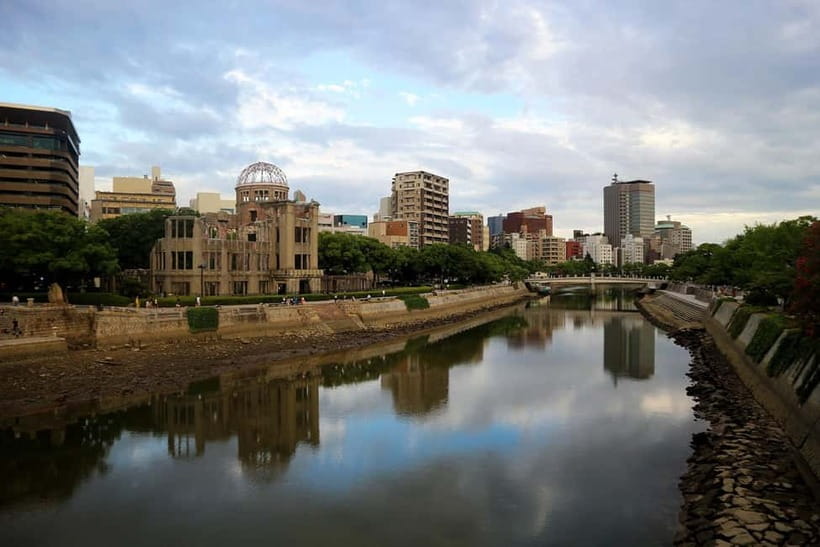
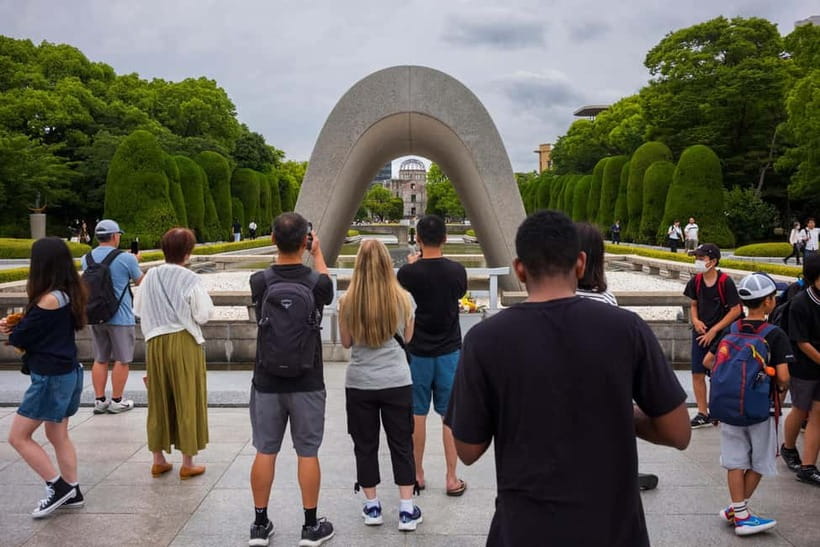
After Miyajima, the tour returns toward Hiroshima for about two hours at Hiroshima Peace Memorial Park. This is the emotional center of the day.
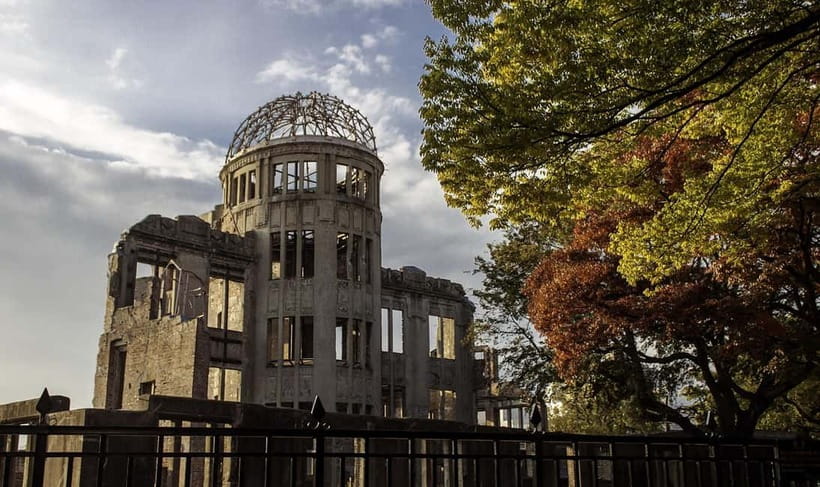
The park contains the Peace Memorial, the Atomic Bomb Dome, and other monuments dedicated to those affected by the 1945 bombing. The guide helps place these sites in context, but no guide can remove the weight of standing in a place connected to such a devastating event.
You should expect a quiet, reflective visit. Photography is allowed, but use care around memorial areas. A camera can record the architecture and surroundings, yet the best approach is to give yourself time to look, listen, and consider what the monuments are asking you to remember.
The Atomic Bomb Dome is a UNESCO World Heritage Site and one of Hiroshima’s defining landmarks. Its damaged structure remains visible as a direct reminder of the bombing. Seeing it with a guide is useful because the building’s meaning is not obvious from its walls alone.
The two-hour block includes guided time and free time. That balance lets you hear the main explanation, then move at your own pace through the park. If you prefer a museum-heavy visit, check the schedule carefully, since the supplied route specifically names the park, memorial, and dome rather than promising admission to a particular museum.
A guide can make a compressed day clearer
This experience depends heavily on good explanations and orderly transfers. The guide covers Hiroshima and Miyajima in English or Spanish, and the tour uses a mix of guided visits and free time.
Alex is named as a guide on some departures. One bilingual participant specifically praised Alex for moving between English and Spanish with ease and making the information clear. That detail matters if you want to ask questions in either language or are traveling with a mixed-language group.
The same account praised OE, the driver, for being respectful and pleasant during the ride. You should not assume the same people will lead every departure, but Alex and OE are useful examples of the kind of staff involved in the operation.
A guide is especially helpful on a day with several moving parts. The value is not only historical information. It is also knowing where to go next, when to return, and how to make the most of short stops.
The biggest tradeoff is time
The schedule gives you a broad look at two major destinations, but it does not give you much spare time. Miyajima receives about 100 minutes of free exploration, while Hiroshima Peace Memorial Park receives about two hours of guided and independent time.
That arrangement favors first-time visitors who want an organized introduction. You see the signature torii gate, enter Itsukushima Shrine, walk the island streets, visit the Atomic Bomb Dome, and spend time in the park without having to plan every connection.
The cost is flexibility. You cannot easily add a long meal, an extended temple visit, or an unplanned side trip. If you enjoy moving slowly, stopping often, or waiting for ideal photography conditions, the pace may feel rushed.
The train ride also makes the day physically demanding. Four hours outbound and four hours back leaves little room for delays. I would avoid scheduling another major activity in Tokyo that evening.
What to bring and how to prepare
Wear comfortable walking shoes. The tour includes stations, buses, ferry terminals, shrine grounds, streets, and memorial paths, so soft footwear will matter more than dressing for photographs.
Bring:
- Water
- Sunscreen
- A hat
- A camera
- An umbrella or raincoat
- Comfortable shoes
Prepare for changing weather. Ferry schedules may shift because of conditions, and the itinerary can be affected by those changes. The ferry is an important part of the route, not an optional extra, so flexibility helps.
The tour does not include hotel pickup or drop-off. You need to reach the designated meeting point yourself, and that point may vary depending on the option booked. Confirm the exact location before leaving your accommodation.
Free cancellation is available up to 24 hours before departure for a full refund, and you can reserve now while paying later. Those policies help if your Japan schedule is still moving, but they do not change the need to confirm the rail option and meeting point.
Who should book this Hiroshima and Miyajima tour?
I would recommend it to someone staying in Tokyo who has one open day and wants Hiroshima included in a broader Japan trip. It is also a good match for visitors who prefer a guide, want transport arranged, and would rather see the main sights than spend hours planning routes.
The tour suits people who can handle a long day and moderate walking. It is less suitable for anyone who needs wheelchair access, wants a relaxed pace, or hopes to explore Miyajima in depth.
The $104 price is attractive if your chosen option includes the round-trip bullet train. It is less straightforward if you are comparing options with different inclusions, so check whether the Tokyo rail segment is part of the booking before deciding.
Should you book it?
Book this tour if Hiroshima and Miyajima are high on your list, your base is Tokyo, and you accept that the day will be fast and tiring. The combination of Shinkansen travel, a ferry crossing, Itsukushima Shrine, local food, the Atomic Bomb Dome, and Peace Memorial Park gives you a strong first look at both places.
Skip it if you can spare an overnight stay or want long, quiet hours on Miyajima. For a single day, though, the route is purposeful, the included transport can be valuable, and the guide adds useful meaning to sites that deserve more than a quick photograph.
FAQ
Does the tour include the bullet train from Tokyo?
The round-trip high-speed bullet train from Tokyo is included if you select the option that includes it. Check the exact booking option before paying.
Where does the tour start?
The possible starting locations are Shinagawa Station and Hiroshima Station. The meeting point may vary depending on the option booked.
Where does the tour finish?
The possible drop-off locations are Shinagawa Station and Hiroshima Station.
How long does the activity last?
The listed duration is between 8 and 16 hours, depending on the selected option and starting time.
Is the ferry to Miyajima included?
Yes. The ferry ride to Miyajima is included.
Is admission to Itsukushima Shrine included?
Yes. Admission to Itsukushima Shrine is included.
Are meals included?
No. Meals are not included, so you should budget separately for food such as Miyajima oysters or momiji manju.
What languages are available?
The live tour guide is available in English or Spanish.
Is the tour suitable for wheelchair users?
No. The activity is listed as not suitable for wheelchair users.
Can I cancel for a full refund?
Yes. You can cancel up to 24 hours in advance for a full refund. You can also reserve now and pay later.
More 1-Day Tours in Tokyo


More tours in Tokyo we've reviewed









Train Experiences, compared.
 ★ 5.0Mt Fuji and Hakone 1-Day Bus Tour Return by Bullet TrainFrom $163
 ★ 4.0Mt Fuji & Hakone Cruise, Drum Show Bullet Train 1 Day from TokyoFrom $149
 ★ 4.4Tokyo Mt Fuji 5th St & Hakone Cruise Bus Tour w/Bullet TrainFrom $15410 hours
 ★ 4.2From Tokyo: Mt. Fuji & Hakone Tour w/ Return by Bullet TrainFrom $11711 hours
 ★ 4.0From Tokyo 1-Day Kyoto English-guided Tour by Bullet TrainFrom $452
 ★ 4.0Mt. Fuji and Hakone Day Trip From Tokyo with Bullet Train OptionFrom $97