
Reviewed · TEMPLES & MEDITATION
Tokyo: Meiji Shrine Walking Tour — Shintoism & Imperial System
Meiji Shrine gives you something rare in central Tokyo: a quiet forest path leading to a major Shinto shrine. I like that the tour explains Shinto rituals in plain language, and I like the personal feel of a group capped at 15 people. The guide-led walk also adds meaning to details you could easily miss, from sake barrels to the shrine’s unusual omikuji fortune slips.
The main drawback is time. At about 90 minutes, this is a focused introduction rather than a slow, full exploration of every corner. The garden and shrine grounds can deserve extra time, so you may want to return on your own if you prefer to linger.
In This Review
- Key Things to Know Before You Book
- Why Meiji Shrine Feels So Far From Tokyo
- Walking Under the Giant Cypress Torii
- Learning Shinto Customs Along the Forest Path
- At Meiji Jingu, Prayer and Personal Wishes
- The Imperial Connection Behind the Shrine
- Meiji Jingu Garden and the Quiet Finish
- How Much Value Do You Get for $21.22?
- Who Will Get the Most From This Walk?
- Timing, Group Size, and Practical Details
- Should You Book the Meiji Shrine Tour?
- FAQ
- How long does the Meiji Shrine walking tour last?
- Where does the tour begin?
- Where does the tour end?
- Is admission to Meiji Shrine Garden included?
- What is the maximum group size?
- Can I choose between different tour times?
- Is the tour available by mobile ticket?
- What is the cancellation policy?
Key Things to Know Before You Book
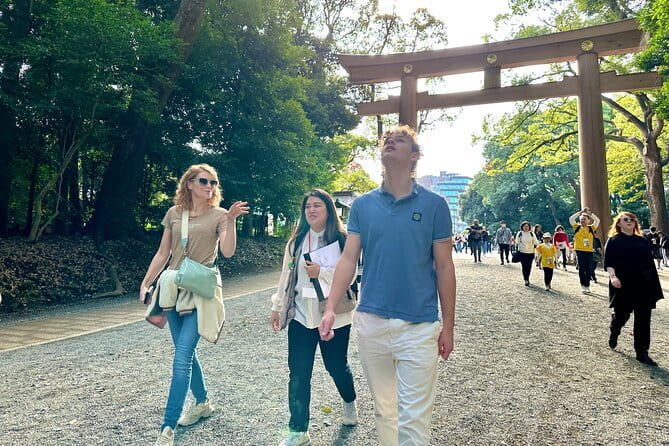
- A forest walk in the middle of Tokyo: Enter near Harajuku Station and follow broad paths beneath a thick canopy toward the shrine.
- A huge wooden torii: The tour pauses at one of Japan’s largest wooden torii gates, made from ancient cypress brought from Taiwan.
- Clear cultural context: Your guide explains Shinto beliefs, purification, prayer, omikuji, ema plaques, omamori charms, and the imperial system.
- Small-group format: The maximum group size is 15, giving you a better chance to ask questions than on a large bus tour.
- Guides with strong personal praise: Yuuki, Nana, Keiko, Nonoka, and Nanami are specifically praised for friendly, patient, enthusiastic English-language guidance.
- A modest price: At $21.22 per person, the tour offers a low-cost way to add structure and context to a major Tokyo sight.
Why Meiji Shrine Feels So Far From Tokyo
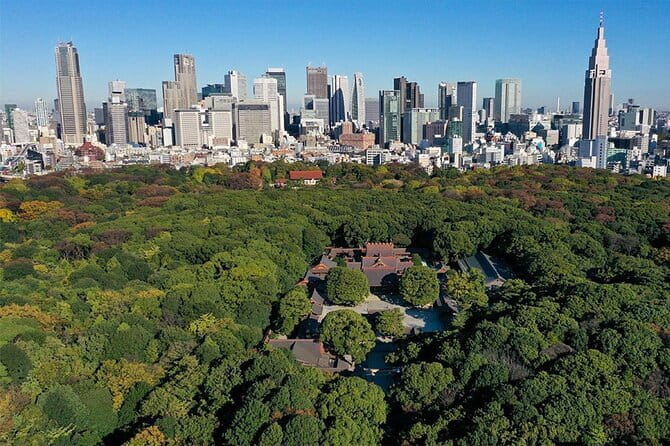
The first surprise is the change in atmosphere. Harajuku is one of Tokyo’s busiest shopping areas, yet the entrance to Meiji Shrine leads into a wide, quiet path shaded by trees. Within minutes, the city feels distant.
That contrast is the heart of the experience. You are not simply walking from a station to a religious building. You are moving through a deliberately calm setting designed to prepare you for the shrine ahead. A guide helps you understand that transition instead of treating it as just a scenic shortcut.
The route begins at the Harajuku gate near Harajuku Station, at 1 Chome-18 Jingumae. Since the meeting point is close to public transportation, this is a practical tour to fit into a Tokyo day. You finish back at the same meeting point, which makes it easy to continue toward Harajuku or nearby parts of Shibuya after the walk.
Two tour times are available. The exact times are not provided here, so check the booking calendar when you choose. A morning or later visit can change the feel of the forest, but the tour’s main value remains the same: you receive an organized introduction without giving up much of your day.
A few more Tokyo tours and experiences worth a look

Walking Under the Giant Cypress Torii
The large torii is one of the tour’s most memorable features. This traditional gate marks the entrance to sacred shrine grounds, and its scale gives you an immediate sense that Meiji Shrine is not a small neighborhood sanctuary.
The gate was made from ancient cypress brought from Taiwan. That detail is easy to miss if you walk through quickly, but it gives the structure a wider story. The material itself traveled a long way before becoming part of one of Tokyo’s most important religious sites.
Your guide pauses here for about five minutes. That may sound brief, but it is enough to explain how torii function and why you should adjust your behavior after passing through one. The pause also gives you time to appreciate the gate without turning the visit into a long lecture.
The path beyond the torii is broad and peaceful. You will pass through more gates and continue under the trees toward the main shrine. Wear comfortable shoes because the experience is a walking tour, and the route is more enjoyable when you can pay attention to the setting rather than your feet.
Learning Shinto Customs Along the Forest Path
Shinto can seem mysterious if you only see people bowing, clapping, and placing coins at a shrine. This tour gives those actions a practical explanation. You learn how purification works, why visitors pause at the fountain, and how a shrine visit differs from simply entering a historic building.
The purification fountain is an important stop. You may see people rinse their hands and mouth before approaching the shrine. Your guide can explain the meaning behind the steps, helping you take part respectfully rather than copying the motions without context.
You will also pass displays of sake barrels. These colorful arrangements are not random decoration. They connect the shrine to offerings and the role of sake in Shinto practice. A guide’s explanation turns a photo stop into a small lesson about how religion appears in everyday Japanese culture.
This is where the small group matters. With no more than 15 people, the guide can point out details, answer questions, and keep the group together without the strained pace of a very large party. The exact number may be smaller, but the stated limit gives you a reasonable expectation of personal attention.
At Meiji Jingu, Prayer and Personal Wishes

The main shrine is the central stop and receives about 30 minutes. You have time to pay your respects, observe the architecture and activity around the shrine, and ask about the customs you have seen along the way.
You can offer a prayer at the shrine. The guide explains the basic process, so you do not need to arrive already familiar with Shinto etiquette. This is useful for first-time visitors who want to participate without feeling awkward.
One distinctive feature is the omikuji. These are fortune slips, but Meiji Jingu uses a unique type connected with poems and guidance rather than a standard fortune format. That gives this shrine a character of its own and makes the explanation more interesting than a generic discussion of fortune papers.
You can also write a wish on an ema, a wooden plaque, and look at omamori charms. The charms come in different forms and are linked with hopes such as protection or good fortune. The tour does not force you to buy anything, but it helps you understand what you are seeing in the shop area.
The best part of this stop is the balance between explanation and free attention. You receive the cultural background, then have room to look around and decide how you want to take part. A guide who can answer questions in English is especially useful here, since the details of prayer and shrine customs are easy to misunderstand from signs alone.
The Imperial Connection Behind the Shrine
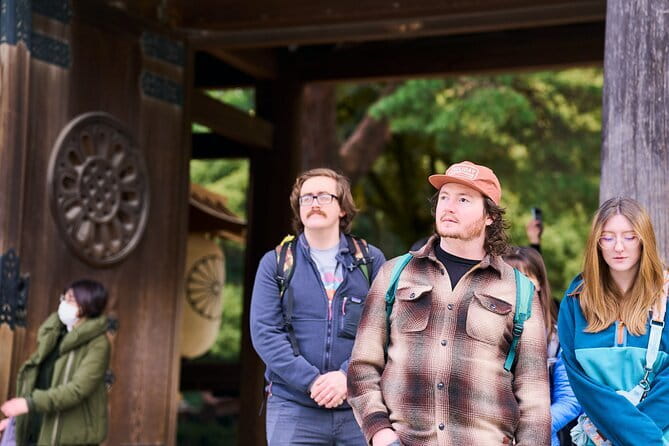
The tour is not only about religion. It also covers the Japanese Imperial system and the reason Meiji Shrine matters in modern Japanese history.
The shrine is dedicated to Emperor Meiji and Empress Shoken. The supplied tour information does not give a full historical timeline, so your guide’s explanation will shape how much detail you receive. The key point is that this is both a working Shinto shrine and a place tied to Japan’s imperial past.
That combination makes Meiji Shrine more complex than a simple sightseeing stop. You can appreciate the quiet setting while also learning how religion, national identity, and the Imperial household connect here. The guide-led format is valuable because those links are not always obvious when you walk through alone.
Guides named Yuuki, Nana, Keiko, Nonoka, and Nanami receive especially warm praise for their friendly manner, patience, English ability, and enthusiasm. Yuuki is described as patient and thorough. Nana is praised for making Shinto rituals and history understandable. Keiko is noted for her personal affection for the shrine and Japanese culture, while Nonoka is described as friendly and enthusiastic.
Those details matter because the success of a short cultural tour depends heavily on the guide. You are not booking a long academic seminar. You need someone who can explain a sensitive subject clearly, respond to questions, and keep the walk moving. The repeated emphasis on patient, personal guiding suggests this experience is strongest when you engage with the guide rather than simply follow along silently.
Other walking tours we've reviewed in Tokyo




Meiji Jingu Garden and the Quiet Finish

The tour includes admission to the Meiji Shrine Garden. That inclusion adds value because you are not limited to the main approach and shrine buildings. The garden gives the visit a second mood and extends the experience beyond the most photographed areas.
The information provided does not specify the garden’s exact route, plantings, or seasonal highlights, so you should not expect a detailed botanical tour. Still, access is part of the price, and a guide can place the garden within the wider shrine setting.
At the end, Café Mori no Terrace and a gift shop sit near the shrine grounds. The café offers light meals and drinks in a quiet forest setting. This is useful if you want a short rest after the walk, though the tour itself is not described as including food or drink.
The shop sells charms, traditional goods, and Meiji Jingu exclusive items. You can browse after the guided portion, pick up an omamori, or simply use the stop as a convenient place to pause. The scheduled time here is about 15 minutes, so treat it as a brief finish rather than a long shopping session.
How Much Value Do You Get for $21.22?
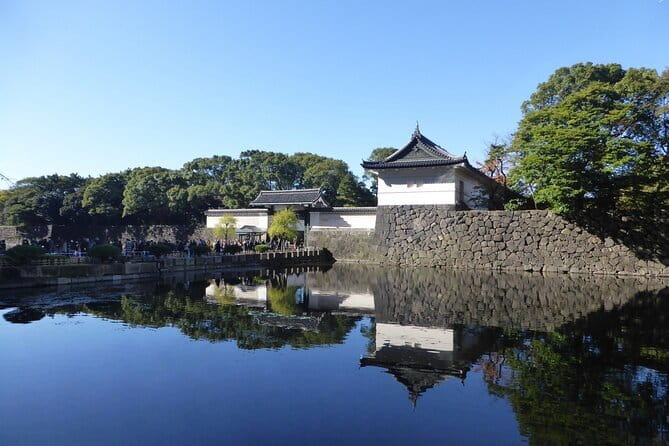
At $21.22 per person, this is a fairly inexpensive guided activity for central Tokyo. The price includes admission to the Meiji Shrine Garden, a local guide, and a small-group walk lasting about an hour and a half.
The value comes less from expensive inclusions and more from saved effort. Meiji Shrine is easy to reach, but its meaning is not always easy to read. You might recognize the torii, sake barrels, purification fountain, prayer area, fortune slips, plaques, and charms, yet miss how these pieces fit together.
For the price of a casual meal or a few Tokyo souvenirs, you receive a structured cultural introduction. That is a good deal if you are visiting Japan for the first time or want a clear explanation of Shinto practice. It is less useful if you already know shrine customs and prefer to wander at your own pace.
There are no listed food inclusions, hotel transfers, or special skip-the-line benefits. Keep your expectations practical. You are paying for a guided walk and garden admission, not a full-day private tour.
Who Will Get the Most From This Walk?

I would recommend this tour to first-time visitors who want context without committing half a day. It also suits solo visitors, couples, and small family groups who prefer questions and conversation over a recorded audio guide.
It is a good choice if you are interested in Japanese religion, imperial history, architecture, or the quieter side of Tokyo. The walk also works well for people who want to combine Harajuku with a cultural stop, since the meeting point is near Harajuku Station.
The tour may be less suitable for you if you dislike fixed pacing. You have about 30 minutes at the opening shrine approach, 5 minutes at the large torii, 30 minutes at the main shrine, and 15 minutes near the café and shop. Those times provide a useful outline, but they do not allow unlimited lingering.
The forest also offers some relief in hot weather. One person specifically found the foliage made the shrine feel cool even during summer. That does not remove the need to dress for Tokyo’s weather, but the shaded route is a welcome feature on a warm day.
Timing, Group Size, and Practical Details
The total duration is approximately 1 hour and 30 minutes. That makes it easy to place before lunch, after a visit to Harajuku, or alongside other stops in Shibuya.
The meeting point is Harajuku Station, 1 Chome-18 Jingumae, Shibuya, Tokyo 150-0001. The tour ends back at the meeting point. Since the activity is near public transportation, you do not need to build a complicated transfer into your plans.
The maximum group size is 15 people. Most people can participate, according to the supplied information, but the activity is still a walking experience, so comfortable footwear is sensible. Admission to Meiji Shrine itself is listed as free, while admission to the Meiji Shrine Garden is included.
You receive confirmation when booking, and mobile tickets are supported. Free cancellation is available if you cancel at least 24 hours before the start time. Within 24 hours, the amount paid is not refunded, and changes are not accepted. The cut-off follows local Tokyo time.
Should You Book the Meiji Shrine Tour?
Book it if you want Meiji Shrine to make sense, not just look beautiful. The walk gives you a calm introduction to Shinto, explains the Imperial connection, includes the garden, and keeps the time commitment short.
I especially like it for first-time visitors and solo visitors who want a friendly guide. The repeated praise for Yuuki, Nana, Keiko, Nonoka, and Nanami points to a strong personal element, with patience and clear English appearing again and again.
Skip it if you already understand Japanese shrine customs or want complete freedom to set your own pace. Otherwise, $21.22 is a sensible price for a focused walk through one of Tokyo’s most meaningful green spaces. You can learn the customs, see the main shrine, visit the garden, and still have most of the day ahead of you.
FAQ
How long does the Meiji Shrine walking tour last?
The tour lasts approximately 1 hour and 30 minutes.
Where does the tour begin?
It begins at Harajuku Station, at 1 Chome-18 Jingumae, Shibuya, Tokyo 150-0001, Japan.
Where does the tour end?
The activity ends back at the meeting point near Harajuku Station.
Is admission to Meiji Shrine Garden included?
Yes. Admission to the Meiji Shrine Garden is included in the tour price.
What is the maximum group size?
The tour can have a maximum of 15 participants.
Can I choose between different tour times?
Yes. Two tour times are available, subject to the options shown when booking.
Is the tour available by mobile ticket?
Yes. The experience offers a mobile ticket.
What is the cancellation policy?
You can cancel for a full refund up to 24 hours before the experience starts. Cancellations or changes made less than 24 hours before the start time are not refunded or accepted.
More Walking Tours in Tokyo
More Temples & Meditation in Tokyo


More tours in Tokyo we've reviewed









Temples & Meditation, compared.
 ★ 4.7Tokyo: Meiji Shrine, Asakusa, Skytree Bus Tour and CruiseFrom $12210 hours
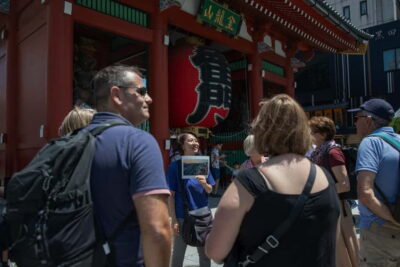 ★ 4.8Tokyo: Asakusa Walking Tour with Sensoji Temple VisitFrom $222 hours
 ★ 4.6Nikko: Kegon Falls, Lake Chuzenji & Toshogu TempleFrom $8911 hours
 ★ 4.5Tokyo: Kamakura & Enoshima Day Trip including Temple TicketsFrom $589 hours - 570 minutes
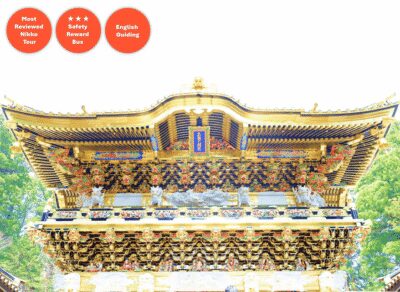 ★ 4.5Tokyo: Nikko Toshogu Shrine and Kegon Waterfall TourFrom $8410h 30m
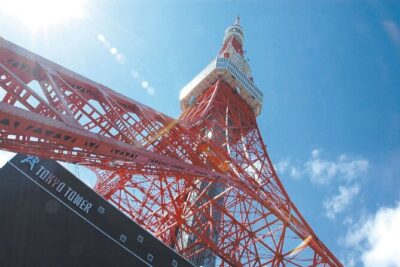 ★ 4.5Tokyo Panoramic 1 Day: Meiji Shrine, Asakusa, Odaiba and SKYTREE®From $85