
Reviewed · TEMPLES & MEDITATION
Kimono Photo Session Experience Japanese Culture Inside a Shrine
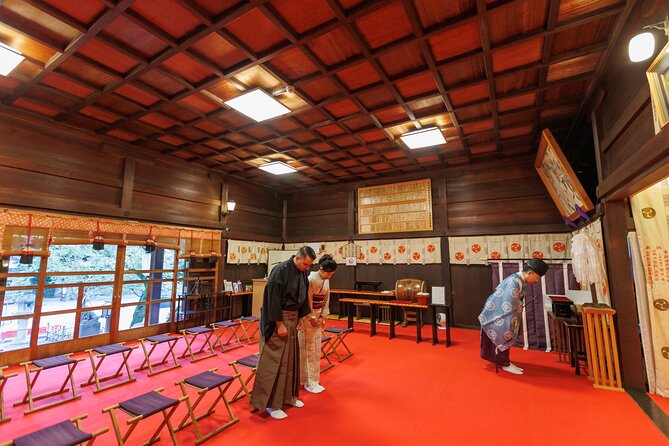
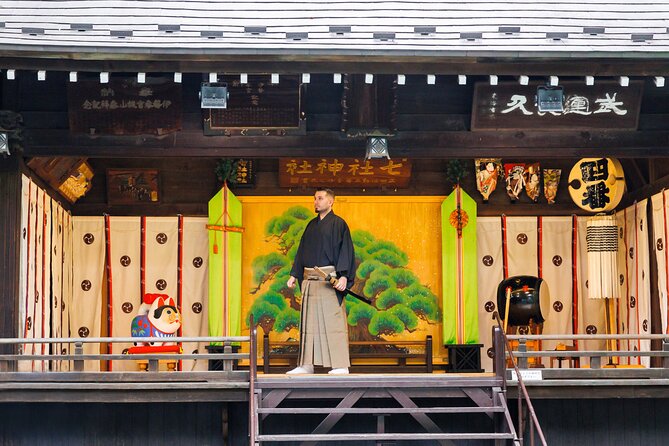
The most unusual part of this Tokyo experience is the chance to have professional photographs taken inside a working shrine, where photography normally requires permission. You dress in a kimono, learn shrine manners, enjoy tea and sweets with live Gagaku music, and receive a blessing for a safe journey.
I like the small maximum of six people, which should keep the session calm and personal. I also like that the photo session includes both indoor and outdoor locations, giving you more than a quick costume snapshot. The main drawback is the price: at $858.41 per person, this is a premium cultural outing, not a casual add-on.
- Professional shrine photography: Photographing inside shrines is often restricted, making this arranged session unusual.
- Kimono and hair styling: The experience includes the clothing rental and preparation, not just the photo shoot.
- Tea, sweets, and Gagaku: A traditional refreshment break comes with live music played on one of Japan’s oldest instruments.
- Small group size: No more than six people take part, which matters during dressing, instruction, and photography.
- A real shrine setting: The meeting point is Shasha Shrine in Nishigahara, Kita City, rather than a studio.
- All-weather operation: The session proceeds as scheduled in rain or shine, so clothing and footwear need planning.
In This Review
- A shrine setting far from Tokyo’s postcard crowds
- What the $858.41 price really covers
- Dressing in a kimono before the camera comes out
- Photographing inside a shrine with permission
- Tea, sweets, and the sound of Gagaku
- Learning shrine manners and receiving a blessing
- A small group helps, but the tour is not private
- Weather planning for a 1:00 p.m. start
- The cancellation rule and booking details
- Who will get the most from this experience
- Should you book the shrine kimono session?
- FAQ
- Where does the kimono shrine experience begin?
- What time does the activity start?
- How long does the experience last?
- Does the experience end at the shrine?
- Is kimono rental included?
- Are the photographs included?
- Is transportation included?
- What happens if the weather is bad?
A shrine setting far from Tokyo’s postcard crowds
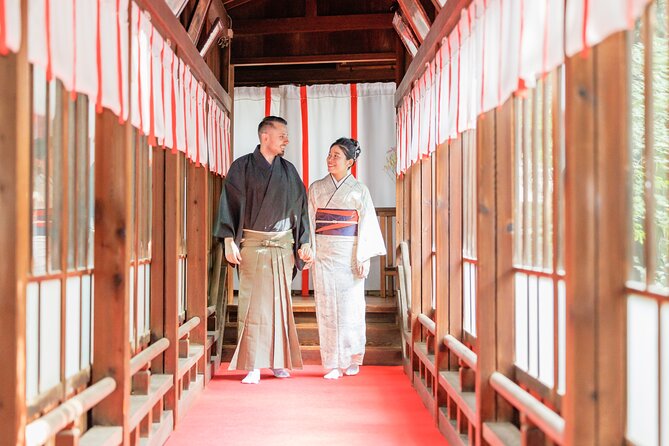
This experience takes place at Shasha Shrine, at 2-11-1 Nishigahara in Tokyo’s Kita City. It offers a quieter setting than the capital’s most famous sightseeing areas, while remaining near public transportation and within easy reach of Shinjuku Station.
That change of pace is a big part of the appeal. You are not being rushed through a major landmark with a line of people behind you. Instead, the focus is on the details of shrine etiquette, traditional clothing, photography, and a short cultural performance.
The meeting time is 1:00 p.m., and the full session lasts about three hours and 30 minutes. You meet at the shrine and return there when the activity ends. Private transportation is not included, so you need to make your own way to Nishigahara.
The location also gives this experience a more local feel. It is not designed as a grand tour of Tokyo. It is a focused visit to one shrine, with time to slow down and pay attention to customs that can be easy to miss during ordinary sightseeing.
What the $858.41 price really covers
The price is high, so you should look closely at what is bundled into it. You receive kimono rental, a photo session with a professional photographer, digital photo files, tea and Japanese sweets, the shrine admission fee, a Gagaku performance, a lesson in shrine history and manners, and a shrine blessing for a safe journey.
That is a sizeable package for one afternoon. The value depends on what you want from Tokyo. If you only want to wear a kimono for a few minutes, the cost will feel hard to justify. If you want a carefully arranged cultural session with photography and access to a shrine setting where ordinary photography is restricted, the calculation is different.
The digital files matter, too. You are not paying only for the clothing and the time on site. You also leave with professional images that can become a lasting record of the experience. The exact number of files and delivery details are not provided, so I would confirm those points before booking.
The fee also includes the cost associated with receiving a blessing. In Japan, blessings at shrines commonly involve a separate fee, and this experience builds that part into the package rather than leaving it as an extra decision at the end.
A few more Tokyo tours and experiences worth a look

Dressing in a kimono before the camera comes out
The session begins with kimono dressing. The supplied information also notes hair styling, interpreting, and professional assistance as part of the team supporting the experience. No individual staff names are provided, but the arrangement is designed for international visitors and includes English support from the photographer according to the available participant account.
This preparation is not just a costume change. A kimono changes how you walk, sit, and hold your body, so the dressing process helps set the tone for the rest of the visit. You will want to allow time for the outfit to be arranged properly rather than expecting to put it on in a few minutes.
The clothing rental is included, which removes one major practical worry. You do not need to arrange a separate rental shop or carry the outfit across Tokyo. Hair styling is also an important inclusion because it helps the finished photographs look considered rather than improvised.
Still, traditional dress can be less forgiving than ordinary sightseeing clothes. Since the activity runs in all weather, wear sensible clothing underneath and plan for conditions outside. The information does not specify the kimono styles, footwear, or changing-room details, so ask the provider if you have particular clothing needs.
Photographing inside a shrine with permission
The photo session is the centerpiece. Professional photography is generally not allowed at shrines without permission, and even Japanese-style weddings held at shrines can face limits on where and how photographs are taken. This arrangement gives you access to a controlled photo session at several locations within the shrine grounds.
That distinction is important. You are not simply taking a few phone pictures at the entrance. A professional photographer guides the session, and the photographs take place both indoors and outdoors. The setting supplies a sense of place that a studio cannot provide.
An English-speaking photographer is specifically noted, which should make posing and movement easier for international participants. Good direction is especially helpful in a kimono, since natural posture may not come automatically.
The exact photo locations and session length are not specified. You should therefore think of this as a cultural portrait session rather than a fixed list of famous backdrops. The shrine itself is the setting, and the experience is built around respectful access rather than a race to collect images.
You also need to remember that the shrine remains a religious site. The photography is arranged with permission, but normal shrine conduct still matters. That is why the manners lesson is more than filler. It helps you understand why some actions are appropriate and why photography can be limited in the first place.
Tea, sweets, and the sound of Gagaku
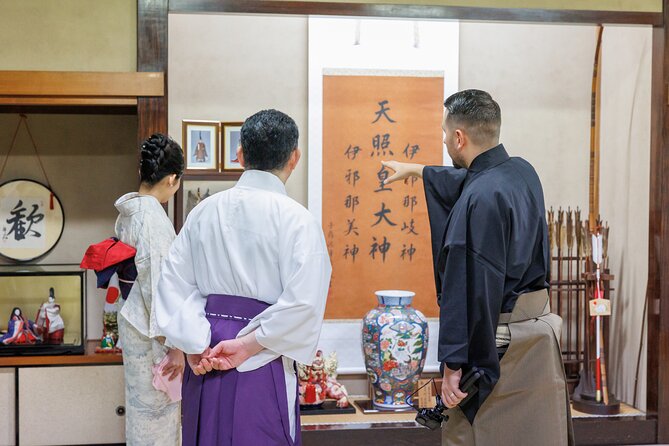
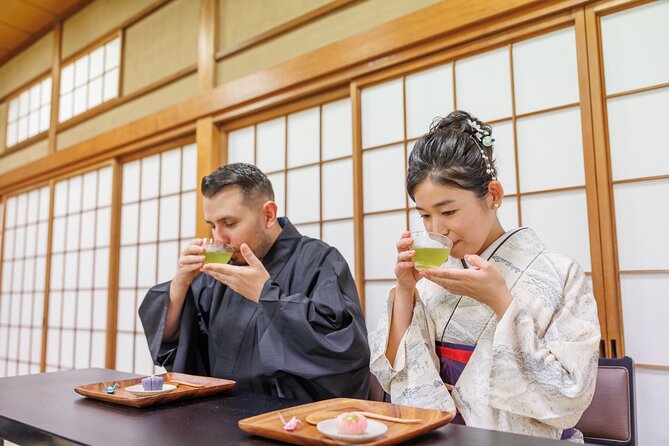
After the photographs, you enjoy tea and Japanese sweets with live Gagaku music. Gagaku is one of Japan’s oldest forms of instrumental music, so this portion adds a ceremonial note to the afternoon.
Tea and sweets give you a chance to sit down after the dressing and photography. That pause matters. A kimono session can involve more standing and careful movement than a normal café stop, and the break keeps the afternoon from feeling like one long photo appointment.
The musical performance also changes the pace. Instead of treating Japanese culture as a display of objects, you hear a traditional form performed in the shrine setting. The information does not specify the instrument, performance length, or number of musicians, so you should not expect a full concert. Think of it as a short live cultural presentation included within the wider visit.
Tea and sweets are included, but the exact menu is not given. If you have allergies or dietary restrictions, check with the provider ahead of time. The experience promises Japanese sweets, not a full meal, so eat beforehand if you need something substantial.
Learning shrine manners and receiving a blessing
The program includes instruction about shrine history and proper manners when visiting. This is one of the more useful parts for first-time visitors to Japan, since shrine customs can be subtle and easy to copy incorrectly.
You learn in the same place where the customs apply. That makes the lesson more practical than a general lecture given away from a shrine. The setting gives you a chance to connect behavior, architecture, prayer, and religious practice.
The final step is a shrine blessing for a safe journey. This is a distinct feature, not simply a photo opportunity with a religious backdrop. It gives the afternoon a formal ending and explains why the shrine admission and blessing fee are included in the price.
The blessing may be meaningful if you value the spiritual side of Japanese culture. If you prefer to keep your sightseeing strictly secular, this element may feel more ceremonial than necessary. The tour is clearly intended to present the shrine as a place of worship as well as a beautiful setting.
Other photography tours in Tokyo




A small group helps, but the tour is not private
The maximum group size is six people. That is a useful limit for a session involving dressing, photography, translation, and movement through a shrine property.
A smaller group should mean less waiting and a better chance to hear instructions. It also makes the tea and music portion feel more orderly than it would with a large bus group. For photography, fewer people in the session can make it easier to keep the focus on each person.
Do not confuse a six-person maximum with a private booking. The information does not say that the experience is private, and other participants may be present. If exclusive use is important to you, ask the provider before paying.
The activity is described as suitable for most people, but specific accessibility details are not supplied. Kimono dressing and photography may involve standing, walking, and movement within the shrine grounds. Contact the provider if you need adjustments.
Weather planning for a 1:00 p.m. start
The session proceeds regardless of weather. This is convenient because rain does not automatically cancel your plans, but it also means you should prepare carefully.
The outdoor part of the photo session will look and feel different in clear weather, rain, or cold conditions. Your clothing under the kimono, footwear, and route to the shrine should all suit the forecast. The provider has not stated whether every outdoor photograph can be replaced with an indoor one during poor weather.
A 1:00 p.m. start gives you the morning free for other Tokyo plans. Be cautious about booking a distant attraction immediately beforehand. You need enough time to reach Nishigahara without arriving flustered, especially since the meeting point is not at Shinjuku Station itself.
The exact public transportation route is not supplied, though the meeting point is near public transportation. Use the full address when planning your journey: Shasha Shrine, 2-11-1 Nishigahara, Kita City, Tokyo, postal code 114-0024.
The cancellation rule and booking details
Confirmation arrives within 48 hours of booking, subject to availability. The group limit is six, so do not assume that a preferred date is secured until confirmation comes through.
Free cancellation is available up to 24 hours before the local start time. Cancel earlier than that cutoff for a full refund. Cancellations or changes made less than 24 hours before the start are not accepted, and the amount paid is not refunded.
That policy is fair for an experience requiring staff, clothing, photography, and a shrine appointment, but the price makes the deadline especially important. Check your Tokyo schedule before booking, and avoid placing this on a day when train connections or weather-sensitive plans could cause trouble.
The activity is offered by Kimono-Capture/Japan Experience and uses a mobile ticket. Keep the ticket accessible on your phone when you make your way to the shrine.
Who will get the most from this experience
I would recommend this for someone who wants a polished cultural memory, not a quick sightseeing stop. It suits couples, families, solo visitors, and small groups who care about photographs and want more context around shrine customs.
It is also a strong choice for people who have already seen Tokyo’s famous districts and want a calmer afternoon. The quiet shrine setting, tea, music, and blessing create a different kind of city experience.
You may want to skip it if your budget is tight, if you dislike posed photography, or if you want a broad tour covering several Tokyo sights. The itinerary stays focused on one shrine and one cultural theme.
The supplied participant comments highlight the professional kimono preparation, hair styling, interpretation, comfortable photography experience, and strong digital images. Those are exactly the areas where this outing earns its premium price. The photographer’s English ability is another practical advantage.
Should you book the shrine kimono session?
Book it if you want authorized shrine photography, professional digital portraits, traditional dress, and a respectful introduction to shrine customs in one carefully planned afternoon. The small group and included blessing, tea, sweets, and Gagaku performance add substance beyond the photographs.
Skip it if $858.41 is more than you want to spend on a three-and-a-half-hour activity, or if your main goal is simply to rent a kimono and take your own pictures. For the right person, this is a special cultural appointment. For a budget-focused visitor, it is an expensive way to spend an afternoon.
FAQ
Where does the kimono shrine experience begin?
It begins at Shasha Shrine, Japan, 〒114-0024 Tokyo, Kita City, Nishigahara, 2-chōme-11-1.
What time does the activity start?
The scheduled start time is 1:00 p.m.
How long does the experience last?
The activity lasts approximately three hours and 30 minutes.
Does the experience end at the shrine?
Yes. The activity ends back at the meeting point.
Is kimono rental included?
Yes. Kimono rental is included in the price.
Are the photographs included?
Yes. The photo session and digital photo data are included.
Is transportation included?
No. Private transportation is not included. The meeting point is near public transportation.
What happens if the weather is bad?
The tour proceeds as scheduled regardless of weather conditions.
More Photography Tours in Tokyo
More Temples & Meditation in Tokyo
More tours in Tokyo we've reviewed










Temples & Meditation, compared.
 ★ 4.7Tokyo: Meiji Shrine, Asakusa, Skytree Bus Tour and CruiseFrom $12210 hours
 ★ 4.8Tokyo: Asakusa Walking Tour with Sensoji Temple VisitFrom $222 hours
 ★ 4.6Nikko: Kegon Falls, Lake Chuzenji & Toshogu TempleFrom $8911 hours
 ★ 4.5Tokyo: Kamakura & Enoshima Day Trip including Temple TicketsFrom $589 hours - 570 minutes
 ★ 4.5Tokyo: Nikko Toshogu Shrine and Kegon Waterfall TourFrom $8410h 30m
 ★ 4.5Tokyo Panoramic 1 Day: Meiji Shrine, Asakusa, Odaiba and SKYTREE®From $85