
Reviewed · TEMPLES & MEDITATION
Tokyo: Meiji Jingu Cultural Walking Tour with Japanese Historian
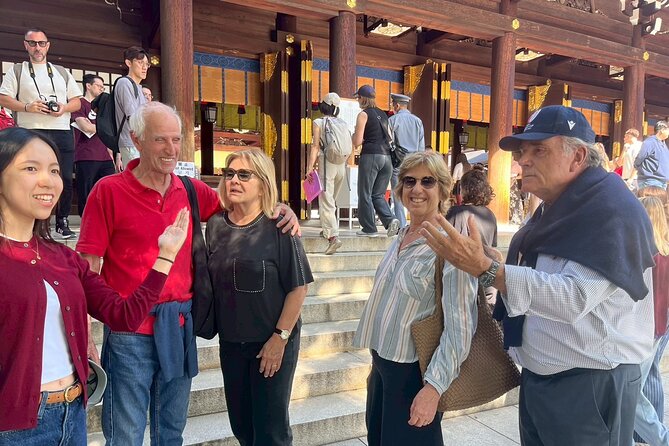
Meiji Jingu can look like a quiet patch of forest beside Harajuku, but this tour explains why it matters far beyond its peaceful paths. Japanese student historians guide you through Shinto ideas, sacred spaces, shrine rituals, and the story of Emperor Meiji. I especially like the clear English and the chance to ask questions as you walk. The small-group or private format also keeps the pace personal.
The price is a strong point. At $19.55 per person, you get about two hours of focused cultural explanation at one of Tokyo’s best-known sites, with admission included. The main consideration is that this is an interpretation-focused walk, not a sightseeing sprint. If you mainly want quick photos, some of the explanation may feel like more than you need.
In This Review
- Key points to know before booking
- Why Meiji Jingu makes a good first cultural stop
- Meeting Japanese guides who explain Japan in English
- Walking through the shrine grounds
- Shinto explained through kami, nature, and ancestors
- Emperor Meiji and the shrine’s modern story
- Details that reward a slower pace
- Is $19.55 good value?
- Who will get the most from this walk?
- Practical details for planning your visit
- Should you book the Meiji Jingu cultural walk?
- FAQ
- How long does the Meiji Jingu tour last?
- What is the price?
- Is admission to Meiji Jingu included?
- What language is the tour conducted in?
- Who leads the tour?
- Is this a private tour?
- Where does the tour start and end?
- Is the tour near public transportation?
- Can I cancel for a full refund?
Key points to know before booking
- Japanese student historians lead the walk: Guides such as Noriko and Shota bring a local, personal approach to Meiji Jingu and Japanese culture.
- Shinto is explained in plain terms: You learn about kami, nature, ancestors, rituals, and the purpose of a shrine.
- The tour connects the shrine to modern Japan: It covers Emperor Meiji, the reason the shrine was built, and how Shinto ideas shape daily values.
- The main shrine visit lasts about 1 hour 30 minutes: The full experience is listed at approximately two hours.
- Private or small-group format: Only your group participates, giving you room to ask questions and set a comfortable pace.
- The meeting point is in Jingumae: The walk begins and ends at 1-chōme-14-30 Jingūmae, near public transportation.
Why Meiji Jingu makes a good first cultural stop
Tokyo offers temples, shrines, museums, gardens, and grand city streets at every turn. Meiji Jingu gives you a useful starting point because it introduces a living part of Japanese culture without requiring you to know much in advance.
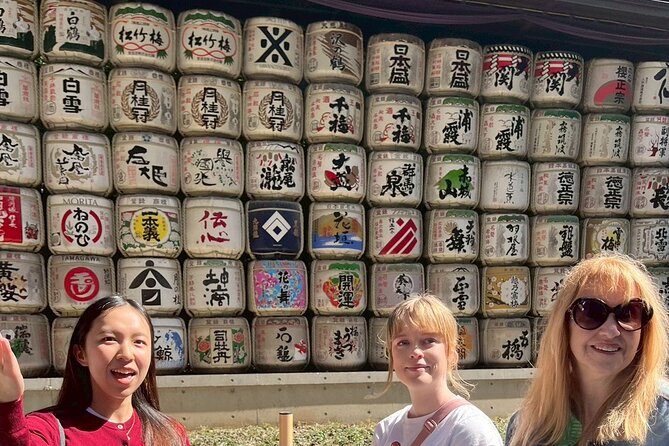
The shrine is dedicated to Emperor Meiji and Empress Shoken. That alone makes it different from a much older religious site. Meiji Jingu was created to honor a modern imperial couple and their place in Japan’s history. The tour helps you connect the shrine to the wider changes of the Meiji period, rather than treating it as just another attractive gate and courtyard.
I like that the emphasis is on meaning. You are not simply told where to stand for a photograph. You learn what a Japanese shrine is, why people visit one, and how the physical setting supports the spiritual purpose of the site.
The setting helps. The shrine grounds offer a quiet break from the busy streets around Harajuku. The contrast is part of the experience. You begin near one of Tokyo’s energetic shopping districts, then enter a calmer space where the sound, pace, and visual details change.
A few more Tokyo tours and experiences worth a look

Meeting Japanese guides who explain Japan in English
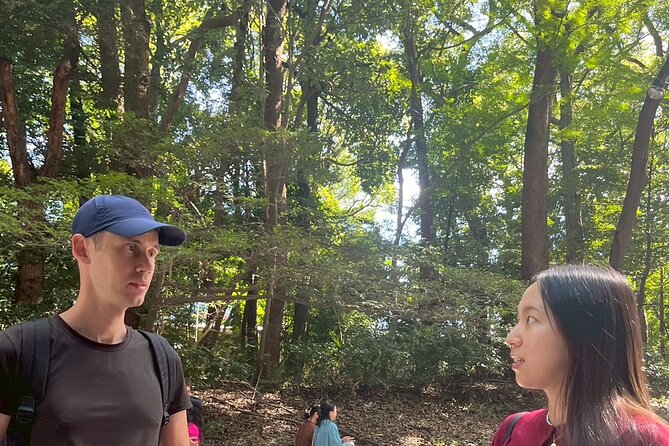
The tour is led by Japanese student historians in English. That combination is useful. You get historical background from people who have studied Japan, while the conversation can remain relaxed and direct.
The guides named in the experience include Noriko and Shota. They are described as sharing information in both Japanese and English, and their friendly style is an important part of the walk. Other guide names may apply to your booking, so you should not assume Noriko or Shota will lead every departure.
The student-guide format also gives the tour a different feel from a formal lecture. You can ask about points that catch your attention, and the private or small-group structure means your questions do not have to compete with a large crowd.
Several useful details come through in the guide approach. You may hear about the shrine itself, the surrounding Harajuku area, Emperor Meiji, and broader Japanese customs in one connected conversation. That makes the walk more useful than a narrow explanation of architecture alone.
The clear-English aspect matters, especially when discussing words that do not translate neatly. Terms such as kami and Shinto can be flattened into simple labels if they are explained too quickly. Here, the goal is to show how these ideas relate to nature, ancestors, places, and everyday conduct.
Walking through the shrine grounds
The main portion of the experience takes place at Meiji Jingu Shrine and lasts about 1 hour 30 minutes. The full tour is advertised at approximately two hours, so allow the extra time for the meeting, movement, and discussion.
You can expect a walking route through the shrine grounds, with explanations along the way. The tour includes admission to the shrine, so you are not paying a separate entry charge for the main visit.
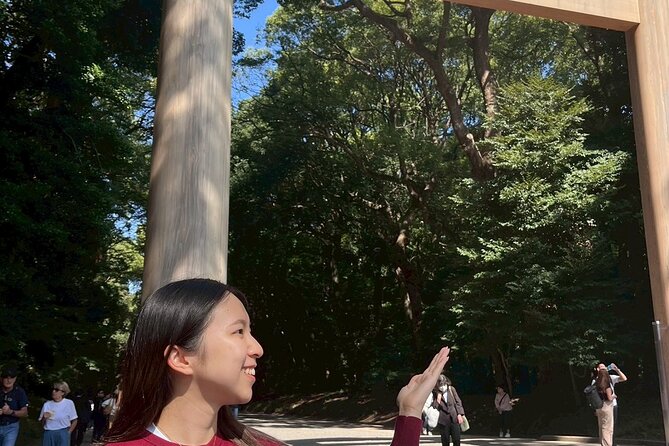
The grand torii gate is one of the visual markers covered during the experience. A torii signals the entrance to sacred ground, and understanding that basic idea helps you read the site differently. Instead of seeing the gate only as a dramatic frame for photographs, you begin to notice the change from ordinary city space to a place with special rules and meaning.
The guide also discusses pure water and shrine customs. Water is not just a decorative feature at a shrine. It relates to preparation and cleanliness before approaching the sacred area. The point of the explanation is practical: you learn what people are doing and why, instead of copying a ritual without understanding it.
You may also hear about the layout of the shrine and the role of its separate spaces. The tour description highlights architecture and sacred areas, but it does not promise a fixed list of every building or display. The exact route can depend on the guide, timing, and the questions your group asks.
That flexibility is a plus for curious people. It also means you should not book this expecting a tightly timed checklist of every photo stop.
Shinto explained through kami, nature, and ancestors
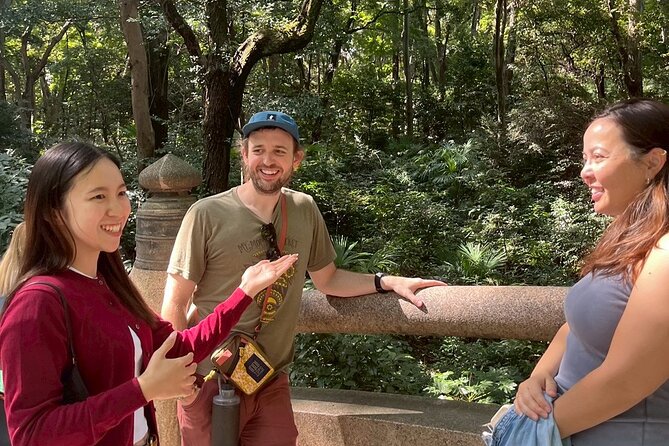
The strongest part of this tour is its basic introduction to Shinto. You learn about kami, the role of nature, and the connection with ancestors. These ideas can be difficult to explain in a short visit, but they give you a better frame for later experiences in Japan.
The tour treats Shinto as more than a formal religion. It looks at how Shinto ideas can shape values and habits in daily Japanese life. That is a useful distinction. You do not need to decide whether you are religious to understand why shrines remain important and why people continue to visit them.
Kami is another term that benefits from careful explanation. A simple translation can miss the way the word relates to sacred presence and forces associated with the natural world, people, and places. Your guide can explain the concept in context, using the shrine grounds around you rather than giving you a list of abstract definitions.
The discussion of ancestors also adds perspective. Meiji Jingu’s purpose is tied to the imperial couple it honors, so the site offers a direct way to consider remembrance, national identity, and ritual.
You should expect an educational walk rather than a formal religious service. The focus is on understanding symbols, customs, and history. Questions are welcome, which makes the experience a good fit if you want to test your assumptions and ask how these traditions relate to present-day Japan.
Emperor Meiji and the shrine’s modern story
Meiji Jingu is not an ancient shrine in the same sense as some of Kyoto’s famous religious sites. Its importance comes from its connection to Emperor Meiji and Empress Shoken and from the national changes associated with their era.
The guide explains why the shrine was built and whom it enshrines. That context keeps the visit from becoming a vague lesson about old Japan. You are looking at a site tied to a period when Japan changed in major ways and when the imperial institution took on a new public role.
The walk also places the shrine in relation to the surrounding area. Harajuku is now known for fashion, youth culture, and shopping, yet Meiji Jingu offers a very different kind of space nearby. Hearing about both sides helps you understand Tokyo as a city where old customs and modern life sit close together.
One guide may spend more time on political history, while another may focus on rituals, design, or social customs. The available information promises coverage of Emperor Meiji and the shrine’s cultural importance, but not a fixed academic lecture. If you want a detailed study of the Meiji government or imperial politics, this tour may be an introduction rather than a full history course.
For most first-time visitors, that level is useful. You get enough background to understand the site, then you can decide if you want to read more later.
Other walking tours we've reviewed in Tokyo



Details that reward a slower pace
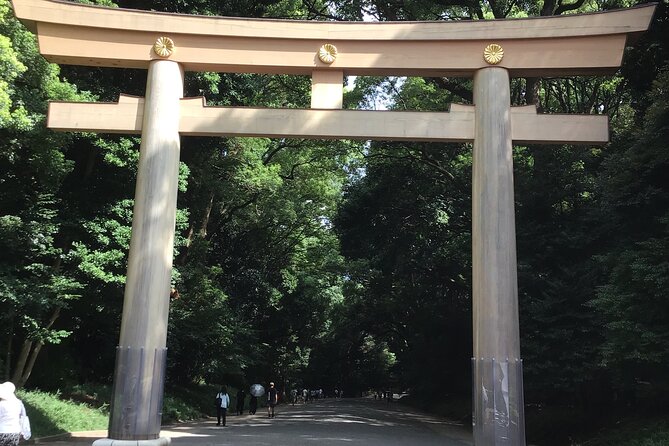
The tour’s appeal is easy to miss if you rush through Meiji Jingu alone. A large torii, a long approach, water for purification, and shrine buildings can all look familiar after you have seen a few Japanese sites. The guide gives each feature a reason to matter.
You may also hear about rare museum exhibits connected with the shrine. The information does not promise a separate museum admission or a guaranteed museum visit, so treat this as part of the cultural discussion rather than the main reason to book.
The natural setting is another strong point. The grounds feel calm and refreshing compared with the streets near the entrance. The walking pace gives you time to notice that contrast, though you should still expect to be on your feet for most of the experience.
Because the tour is private or limited to your group, you can ask for clarification when a custom seems unfamiliar. That is more valuable here than on a standard sightseeing circuit. Shinto rituals often make sense only after someone explains the sequence and purpose.
The small format also helps if your interests are specific. You can ask about Japanese history, society, identity, or religious practice instead of receiving the same short speech delivered to a large crowd.
Is $19.55 good value?
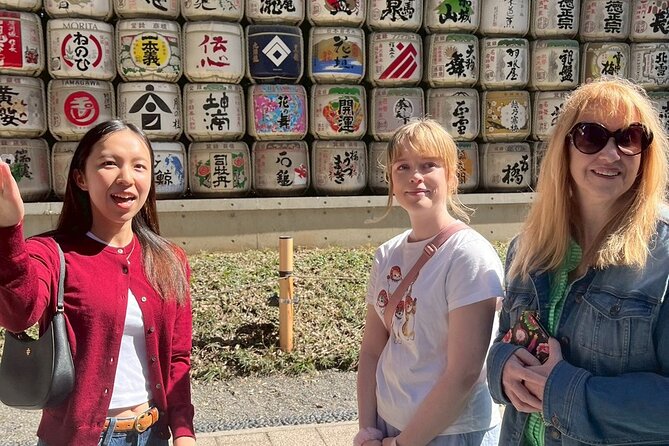
At $19.55 per person, this is inexpensive for a guided cultural visit in central Tokyo. Admission to the shrine is included, and the experience lasts approximately two hours, with about 1 hour 30 minutes spent exploring the shrine grounds.
The real value depends on what you want from Meiji Jingu. If you would otherwise walk through, take photographs, and leave without knowing why the site was built, the guide adds a useful layer of context for a modest cost.
The price is also easier to justify because the activity is private or limited to your own group. You are not simply joining a large crowd and listening from the back. You can have a conversation, ask questions, and request more explanation when a subject interests you.
Still, this is not a bargain for every kind of visitor. If you already know Shinto basics, Meiji history, and shrine etiquette, you may find the material introductory. The tour is aimed at first-time visitors and people interested in culture, tradition, and history, so experienced Japan students may want something more specialized.
At an average booking lead time of 42 days, it is sensible to reserve ahead if your schedule is fixed. The activity offers free cancellation up to 24 hours before the start time, which gives you some flexibility. A cancellation made less than 24 hours before the start time is not eligible for a refund.
Who will get the most from this walk?
I would recommend this experience to a first-time Japan visitor who wants a clear explanation of what they are seeing. It is especially useful if you are uneasy about shrine rituals and want to participate respectfully rather than copy other people without context.
It also suits you if Japanese history and identity interest you. The tour links a specific site to Emperor Meiji, Shinto, the surrounding neighborhood, and everyday values. That wider view is more useful than a string of dates.
Families and mixed-interest groups may also appreciate the conversational style, provided everyone is comfortable walking and listening for much of two hours. The private format can make it easier to adjust explanations to the group.
I would be less likely to recommend it if your priority is speed. You will not get the most from the experience by treating it as a quick stop between shopping and another attraction. The value comes from giving the guide time to explain and from asking your own questions.
Practical details for planning your visit
The meeting point is at 1-chōme-14-30 Jingūmae, Shibuya, Tokyo 150-0001, Japan. The activity ends back at the meeting point, so plan your next stop from there rather than assuming you will finish at another entrance.
The location is near public transportation. The exact station route is not specified in the available details, so check the meeting point carefully on your mobile ticket before setting out.
Confirmation is provided at booking, and the ticket is mobile. Keep the booking information easy to access on your phone.
Most people can participate, according to the activity information. No special accessibility details are provided, so if you have specific mobility or access needs, ask the provider before booking. The experience is a walking tour through shrine grounds, and the listed duration suggests you should be ready to spend substantial time on foot.
Wear comfortable shoes and allow enough time to reach the meeting point. That is simple advice, but it matters more here than on a vehicle tour.
Should you book the Meiji Jingu cultural walk?
Book it if you want Meiji Jingu to make sense, not just look beautiful. For $19.55, you get a personal English-guided introduction to Shinto, shrine customs, Emperor Meiji, sacred spaces, and the role of the site in Japanese culture.
The strongest reasons to choose it are the small format, clear English, student historians such as Noriko and Shota, and the open question-and-answer style. The main caution is that the tour favors cultural explanation over rapid sightseeing and may feel basic if you already have a strong background in Japanese religion and history.
For a first visit to Tokyo, I think it is a smart two-hour use of your time. It gives you ideas you can carry to every other shrine you visit in Japan.
FAQ
How long does the Meiji Jingu tour last?
The experience lasts approximately two hours. The main shrine exploration is listed as about 1 hour 30 minutes.
What is the price?
The listed price is $19.55 per person.
Is admission to Meiji Jingu included?
Yes. Admission to the shrine is included in the activity.
What language is the tour conducted in?
The walk is English-guided. The Japanese guides share explanations in English, and the experience information also notes Japanese and English communication.
Who leads the tour?
Japanese student historians lead the experience. Noriko and Shota are named among the guides associated with the tour, but a different guide may lead your booking.
Is this a private tour?
Yes. The activity is private, and only your group participates.
Where does the tour start and end?
It starts at 1-chōme-14-30 Jingūmae, Shibuya, Tokyo 150-0001, Japan, and ends back at the meeting point.
Is the tour near public transportation?
Yes. The meeting point is near public transportation.
Can I cancel for a full refund?
Yes, if you cancel at least 24 hours before the experience start time. Cancellations and changes made less than 24 hours in advance are not accepted for a refund.
More Walking Tours in Tokyo
More Temples & Meditation in Tokyo
More tours in Tokyo we've reviewed








Temples & Meditation, compared.
 ★ 4.7Tokyo: Meiji Shrine, Asakusa, Skytree Bus Tour and CruiseFrom $12210 hours
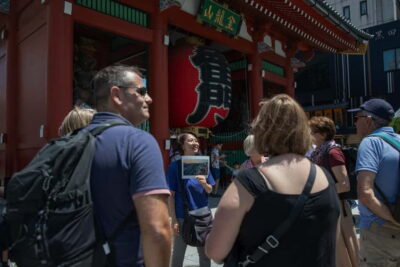 ★ 4.8Tokyo: Asakusa Walking Tour with Sensoji Temple VisitFrom $222 hours
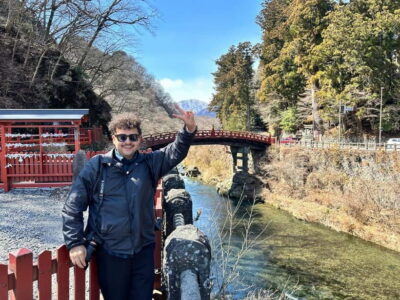 ★ 4.6Nikko: Kegon Falls, Lake Chuzenji & Toshogu TempleFrom $8911 hours
 ★ 4.5Tokyo: Kamakura & Enoshima Day Trip including Temple TicketsFrom $589 hours - 570 minutes
 ★ 4.5Tokyo: Nikko Toshogu Shrine and Kegon Waterfall TourFrom $8410h 30m
 ★ 4.5Tokyo Panoramic 1 Day: Meiji Shrine, Asakusa, Odaiba and SKYTREE®From $85