
Reviewed · TEMPLES & MEDITATION
Historic Temple・traditional Japanese garden& Eating around at a shopping strip
Ikegami Honmonji Temple gives you a calmer side of Tokyo almost at once. Set on a hill in Ota City, this late-13th-century temple has quiet paths, old buildings, and the soft sound of leaves instead of traffic. The tour then adds Ikegami Baien, a Japanese stroll garden, before ending among small shops and local food stalls on Togoshi Ginza.
I like the easy mix of culture and daily life. You get a historic temple and a garden, but you also spend two full hours walking a working shopping street where a beer at a local butcher shop can become one of the day’s most memorable moments. I also like that guide Miyuki leads the private English tour, giving you room to ask about Japanese customs and everyday life.
The main consideration is pace and weather. This is a four-to-six-hour walking tour with a hill at the temple and narrow shopping streets, so moderate fitness helps. Food and drinks are extra, and the experience can be canceled or moved if the weather is poor.
In This Review
- Key points to know before booking
- Why this route works for a quieter Tokyo day
- Ikegami Honmonji, a hilltop temple near the station
- Ikegami Baien and its 370 apricot trees
- The short train ride to Togoshi Ginza
- Two hours on Togoshi Ginza Shopping Street
- What the private guide changes
- Is $52.02 a fair price?
- Walking, weather, and practical planning
- Who should book this Tokyo experience?
- Final decision: a relaxed route with real local flavor
- FAQ
- Where does the tour begin?
- How long does the experience last?
- Is the tour private?
- Is the tour conducted in English?
- Are admission fees included?
- Is transportation included?
- Are lunch and drinks included?
- Can I cancel the tour?
Key points to know before booking
- Three different views of Tokyo: Visit a historic Buddhist temple, a seasonal Japanese garden, and a neighborhood shopping street in one outing.
- Guide Miyuki leads the tour: The private format gives your group a chance to ask about Japanese culture, Tokyo, and ordinary life.
- Ikegami Baien is seasonal: The garden is known for roughly 370 Japanese apricot trees, so its appearance changes with the time of year.
- Togoshi Ginza is the food stop: Two hours here lets you browse, snack, and see how a local shopping district works.
- Transportation is simple: The train cost between Ikegami and Togoshi is included, while lunch, drinks, and other food purchases are not.
- Plan for four to six hours: The tour begins at Ikegami Station and ends back at the meeting point, according to the activity details.
Why this route works for a quieter Tokyo day
Tokyo is often presented through huge crossings, department stores, and packed train stations. This outing takes a different route. You begin at Ikegami Station, walk up toward a historic temple, stroll through a garden, then ride a short train connection to a neighborhood shopping street.
That change of setting is the real strength of the experience. You are not simply checking off three unrelated sights. The route shows how a major city can contain old religious sites, carefully tended gardens, and ordinary commercial streets within a short distance of one another.
I would allow most of a morning or afternoon for it. The stated duration is approximately four to six hours, but the range matters. Your final timing may depend on how long your group spends at each stop, how many questions you ask, and how much time you take to eat or browse at Togoshi Ginza.
The tour is private, so only your group participates. That is useful here because the day has no fixed shopping agenda. You can ask Miyuki to explain something at the temple, pause for a photograph in the garden, or spend more time looking at food and shops later in the route.
A few more Tokyo tours and experiences worth a look

Ikegami Honmonji, a hilltop temple near the station
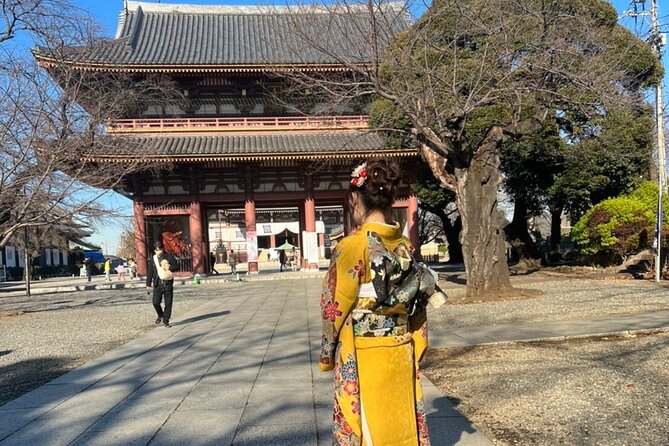
The first stop is Ikegami Honmonji, about a ten-minute walk from Ikegami Station. The temple complex dates from the end of the 13th century and sits on a hill in central Ota City.
The walk up is part of the visit. You are moving away from the station and into a quieter setting, rather than being dropped directly at a gate after a bus ride. The hill also means you should wear comfortable shoes and be ready for some uphill walking.
The atmosphere described for the temple is especially appealing to anyone who finds central Tokyo tiring. Inside the grounds, the sound of rustling leaves can replace the city’s usual noise. That does not mean the temple is empty or untouched by modern Tokyo, but it can feel far removed from the city’s busiest districts.
A guide adds value here because a temple complex can otherwise become a quick photo stop. Miyuki can provide context about the site and answer questions about Japanese religious practice and daily customs. The tour information does not specify every building or ritual you will see, so you should think of this as a guided introduction to the grounds rather than a promise of a particular ceremony.
Admission to Honmonji is free. That keeps the first part of the day straightforward, with no extra ticket purchase required. You should still budget time for the walk and for the hill, especially if you are visiting in warm weather.
Ikegami Baien and its 370 apricot trees
From Honmonji, Ikegami Baien is about a five-minute walk. The name is useful to know: Ikegami refers to the area, while Baien means apricot garden.
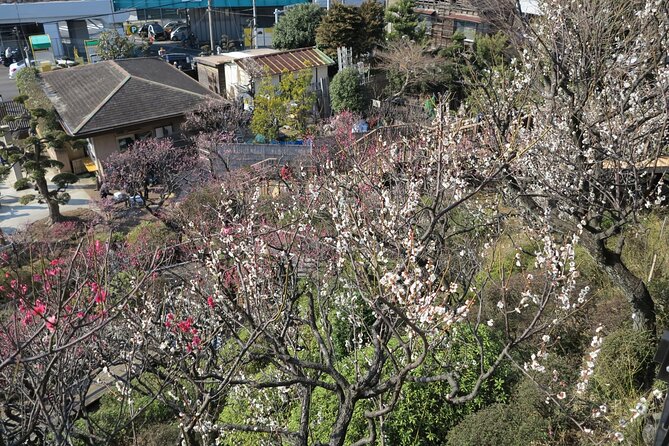
The garden is a Japanese stroll garden planted with about 370 Japanese apricot trees. Its character depends heavily on the season. When the trees are flowering, they are the obvious draw. At other times, the garden’s value comes from its paths and the way it offers a designed, slower setting after the temple visit.
I like the placement of this stop. You do not spend the day moving between distant attractions. The temple and garden are close enough to visit together, and the short walk gives the route a natural rhythm.
The entry fee is included. That is convenient, particularly for a private outing where you do not need to stop and organize separate tickets for your group.
Still, you should set realistic expectations. A garden famous for apricot trees will not look the same in every month. The provided information does not guarantee blossoms or specify the best flowering dates. If the garden is your main reason for booking, check the expected seasonal conditions before you reserve.
The garden also adds time on your feet. You will already have walked from the station and around the temple before arriving here. Comfortable shoes are more important than dressing for a formal sightseeing tour.
The short train ride to Togoshi Ginza
After the temple and garden, the tour uses public transportation to reach Togoshi Ginza Shopping Street. The transportation cost between Ikegami and Togoshi is included.
This is a small but useful feature. You get to see a slice of Tokyo’s rail network while moving from a historic area to a different kind of neighborhood. The route does not treat transport as a private transfer sealed off from the city. It is part of the local flow.
The details do not specify the exact train line, travel time, or number of stops, so I would not plan another appointment immediately after the tour. The overall duration is given as four to six hours, and the return arrangement is listed as ending back at the meeting point.
For many visitors, this connection is also a practical lesson in Tokyo geography. The city’s quieter districts are not isolated rural corners. They sit within the same urban system as the famous central neighborhoods, connected by ordinary trains and local streets.
Two hours on Togoshi Ginza Shopping Street
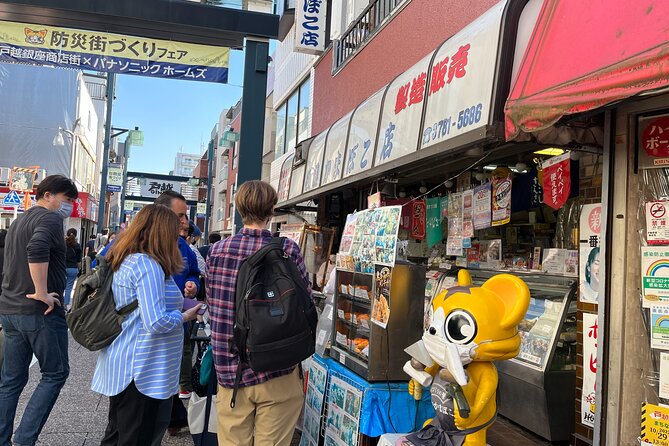
Togoshi Ginza is the most everyday part of the route. The tour spends about two hours walking through its narrow streets and shopping district, known for a working-class neighborhood feel.
This is not presented as a polished luxury shopping area. You are there to see local commerce, browse small businesses, and eat as you go. That difference matters. If you want major brands, grand department stores, or a list of famous Tokyo landmarks, this will not be the right final stop.
If you want a more ordinary view of city life, it can be rewarding. The long two-hour visit gives you time to move at a human pace. You might stop at a shop, examine unfamiliar food, or ask Miyuki how a particular type of business fits into Japanese daily life.
Food is not included, and that is both a cost and an advantage. You pay only for what you choose, rather than receiving a fixed meal that may not suit you. Bring extra yen or a payment method accepted by the shops, since the tour price covers the guide, admissions, and the train connection, not lunch, snacks, or drinks.
One detail makes this stop especially memorable: a beer at a local butcher shop. That kind of stop captures the appeal of Togoshi Ginza better than a standard restaurant meal might. It is informal, local, and tied to the character of the street. The activity does not promise that exact purchase for every group, so treat it as an example of the sort of small food experience you may encounter, not a guaranteed inclusion.
You should also tell Miyuki about dietary needs or strong food preferences before the tour if possible. The supplied details do not list a special food menu or allergy arrangements, so lunch planning remains your responsibility.
Other historical tours in Tokyo
What the private guide changes
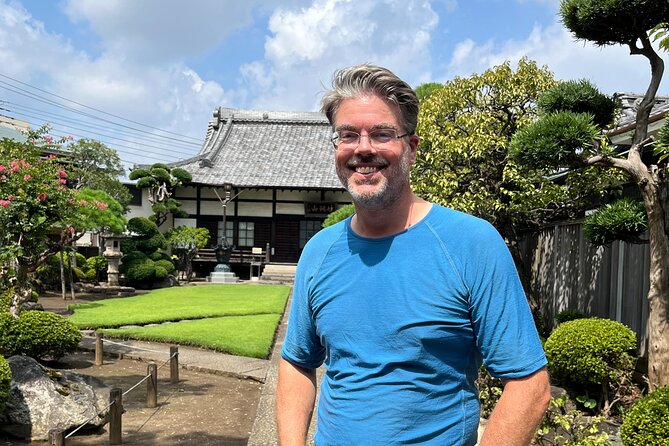
The guide is a central part of the experience. Miyuki is identified as the English-speaking guide, and the private setup means your group is not combined with strangers.
That can make a real difference on a route built around interpretation rather than headline attractions. At Honmonji, you can ask about the temple’s age and role. At Baien, you can ask how the garden fits into Japanese appreciation of seasons. At Togoshi Ginza, you can shift toward questions about food, shopping, and everyday life.
The supplied feedback presents Miyuki as friendly, professional, open, and able to discuss both Tokyo and Japanese daily life. Those qualities are especially useful for this route because the sights are not explained by a single famous viewpoint. The guide helps connect them.
No guide can remove every uncertainty. The exact amount of historical detail, the food stops, and the pace will depend on your group and the day. That is normal for a private tour, and it is one reason to arrive with a few questions ready.
Is $52.02 a fair price?

At $52.02 per person, the price is reasonable if you value a private English guide and want several hours of structured sightseeing without arranging the route yourself.
You are paying for guided visits to three distinct areas, admission to Ikegami Baien, transportation between Ikegami and Togoshi, and the convenience of a private group. Honmonji itself has no admission charge, while food and drinks remain separate.
The value is strongest for first-time visitors who want help understanding local places rather than only taking photographs. It is also useful if you have limited time in Tokyo and prefer one organized outing that combines history, gardens, trains, shopping, and food.
The value is weaker if you are comfortable navigating Tokyo alone or mainly want a food tour. Two hours at Togoshi Ginza does not include a meal, and your purchases can add to the price. Likewise, if apricot blossoms are your priority, the garden’s seasonal timing may affect how much you feel you received.
Because the tour is private, the per-person cost may feel better for a small group sharing one guide than for a solo visitor. The booking details do not list a sliding price by group size, so check the final total for your party before committing.
Walking, weather, and practical planning
You should expect a moderate level of physical activity. The route includes a walk from Ikegami Station, a hilltop temple, garden paths, transfers by train, and two hours on foot around narrow shopping streets.
Wear shoes you can comfortably use for several hours. The activity does not list special equipment, but a small bottle of water and room for food purchases would make sense. The tour information does not specify luggage storage, so avoid bringing bags you do not want to carry.
The experience requires good weather. If poor weather causes cancellation, you are offered another date or a full refund. You can also cancel for a full refund up to 24 hours before the start time. Changes or cancellations within 24 hours are not accepted for a refund, and cut-off times use local Tokyo time.
The meeting point is Ikegami Station in Ota City, at the stated address in Ikegami, Tokyo. Confirmation is normally provided at booking. If you book within two days of travel, confirmation can take up to 48 hours and remains subject to availability.
Service animals are allowed, and the route is near public transportation. The activity still calls for moderate physical fitness, so allowed does not mean every part of the route will be effortless for every visitor.
Who should book this Tokyo experience?
I would recommend this tour to you if you want a gentler day away from Tokyo’s most crowded attractions. It fits couples, families, friends, and small private groups who prefer conversation and local context over a fast checklist.
It is also a good choice for a first day in Tokyo if you want an introduction to several parts of the city. The temple gives you historic context, the garden shows seasonal Japanese design, and Togoshi Ginza puts you among ordinary shops and food businesses.
You may want to skip it if you dislike walking, need a guaranteed meal, or want major monuments. The tour is not designed around Tokyo Tower, Shibuya, or the city’s best-known central sights. Its appeal is quieter and more local.
The route could also suit you before a cruise or another major trip segment. One review describes using it before a Japan cruise, which makes sense: the four-to-six-hour format gives you a substantial Tokyo outing without committing to a full day.
Final decision: a relaxed route with real local flavor
Book this tour if you want a private guide, a peaceful temple, a seasonal garden, and an unhurried look at a neighborhood shopping street. The combination is well chosen, and the train connection helps you see how these parts of Tokyo fit together.
My main advice is to book for the overall route, not only for the apricot trees. The garden may be at its best in blossom season, but the temple and Togoshi Ginza give the experience value at other times too.
Bring comfortable shoes, leave room in your budget for food and drinks, and give yourself the full time window. If that sounds like your kind of Tokyo day, $52.02 is a fair price for a private English-guided outing with several distinct stops.
FAQ
Where does the tour begin?
The tour begins at Ikegami Station in Ota City, Tokyo. The listed meeting address is in Ikegami, near the station.
How long does the experience last?
The tour lasts approximately four to six hours.
Is the tour private?
Yes. Only your group participates in this private activity.
Is the tour conducted in English?
Yes. Guided tours in English are included, and the guide named in the activity information is Miyuki.
Are admission fees included?
Yes. Admission is included. Ikegami Honmonji has no admission charge, while admission to Ikegami Baien is included in the tour price.
Is transportation included?
Yes. The transportation cost between Ikegami and Togoshi is included.
Are lunch and drinks included?
No. Lunch, food, and drinks are not included, so you should budget separately for anything you buy at Togoshi Ginza.
Can I cancel the tour?
You can cancel up to 24 hours before the experience start time for a full refund. Cancellations or changes made less than 24 hours before the start time are not accepted for a refund.
More Shopping Tours in Tokyo





More Historical Tours in Tokyo
More Temples & Meditation in Tokyo
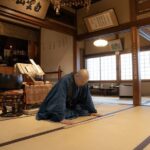
More tours in Tokyo we've reviewed









Temples & Meditation, compared.
 ★ 4.7Tokyo: Meiji Shrine, Asakusa, Skytree Bus Tour and CruiseFrom $12210 hours
 ★ 4.8Tokyo: Asakusa Walking Tour with Sensoji Temple VisitFrom $222 hours
 ★ 4.6Nikko: Kegon Falls, Lake Chuzenji & Toshogu TempleFrom $8911 hours
 ★ 4.5Tokyo: Kamakura & Enoshima Day Trip including Temple TicketsFrom $589 hours - 570 minutes
 ★ 4.5Tokyo: Nikko Toshogu Shrine and Kegon Waterfall TourFrom $8410h 30m
 ★ 4.5Tokyo Panoramic 1 Day: Meiji Shrine, Asakusa, Odaiba and SKYTREE®From $85