
Reviewed · TEMPLES & MEDITATION
Join a Unique Cultural Ceremony at Tokyo’s Meiji Shrine
The rare heart of this experience is the chance to watch a gokito, a traditional Shinto prayer ceremony, inside a sacred hall at Meiji Shrine. You walk through the shrine forest, sit quietly as priests chant with flute and drum music, and see a side of Tokyo sightseeing that most people miss.
I like the small group, capped at six, and the access to sacred areas not usually open to the public. I also like the practical extras: handmade onigiri made with premium Japanese rice and more than 30 photographs taken during important moments.
The main consideration is the price, $198.81 per person. That is a serious sum for two and a half hours, and you should book it for the ceremony, guide, access, and photography, not simply for a walk around Meiji Shrine.
In This Review
- Key points at a glance
- Why the Shinto ceremony is the real attraction
- Walking the forest path from Yoyogi Station
- Entering the wooden hall for gokito
- What the guide adds to a self-guided visit
- The onigiri break and why it matters
- More than 30 photos from the shrine visit
- Is $198.81 a fair price?
- Timing, weather, and simple planning advice
- Who will appreciate this Meiji Shrine visit?
- Should you book this Meiji Shrine ceremony?
- FAQ
- How long does the Meiji Shrine ceremony tour last?
- Where does the tour start?
- Where does the tour finish?
- What is included in the price?
- Are shrine offerings included?
- How many people can join the tour?
- Is an English-speaking guide provided?
- Do I need a high level of fitness?
- Can I cancel for a full refund?
Key points at a glance
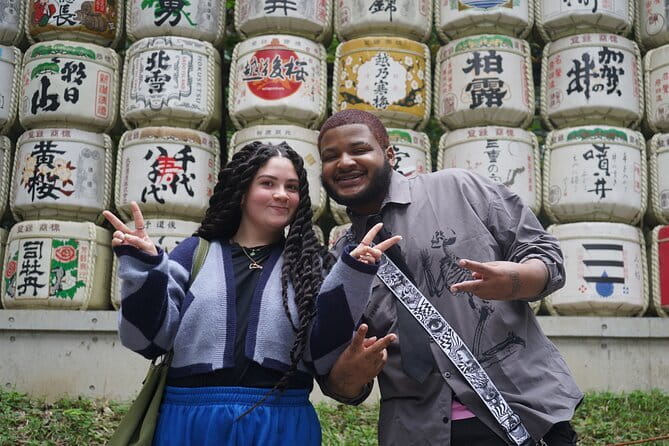
- Witness a gokito prayer ceremony: Sit inside a wooden ceremonial hall while priests chant and traditional court music plays.
- Walk through Meiji Shrine’s forest: Begin with a quiet approach to one of Tokyo’s best-known spiritual sites.
- Keep 30-plus professional photos: A photographer accompanies the group and records key moments of the visit.
- Enjoy handmade onigiri: The rice balls are made with premium Japanese rice, not the standard convenience-store version.
- Travel in a group of six or fewer: The size allows for questions and a calmer pace.
- Meet near Yoyogi Station: The tour starts and ends at 1 Chome-34 Yoyogi, Shibuya, with public transportation nearby.
Why the Shinto ceremony is the real attraction
Meiji Shrine is easy to visit on your own. You can walk through the forest, pass through the shrine grounds, and observe the usual public rituals without paying for a guide. This tour needs to offer more, and its main value lies in the ceremonial access.
The gokito is a formal Shinto prayer ritual. Inside a high-ceilinged wooden hall, priests chant ancient prayers while flutes and drums provide the music. You are not expected to understand the words. The point is to sit, listen, and notice the quiet rhythm of the ceremony.
That makes this different from a standard sightseeing stop. You are not simply looking at a building or taking a quick photograph at the entrance. You are given time to observe a religious custom in its proper setting, with the guide explaining what you are seeing before and after the ritual.
The ceremony may feel solemn, still, or even moving. The tour description rightly frames it as a cultural experience rather than a test of religious belief. You do not need to share the faith to appreciate the care, sound, silence, and formal movement involved.
You should also understand the limits. This is an observation experience, not a private ceremony designed around your personal interests. Quiet behavior and respect are essential. The ritual is the center of the visit, so anyone looking mainly for lively entertainment or a long list of Tokyo sights may find the pace too restrained.
A few more Tokyo tours and experiences worth a look

Walking the forest path from Yoyogi Station
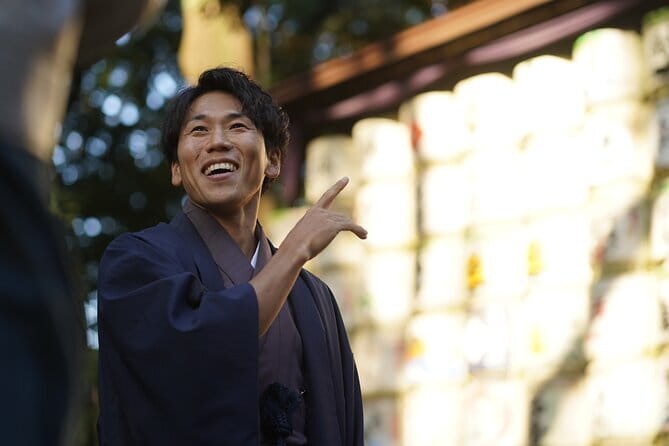
The meeting point is near Yoyogi Station at 1 Chome-34 Yoyogi, in Shibuya. The exact starting area matters because Meiji Shrine is large, and arriving at the wrong entrance can waste time. You receive confirmation when you book, so check the meeting instructions before leaving your hotel.
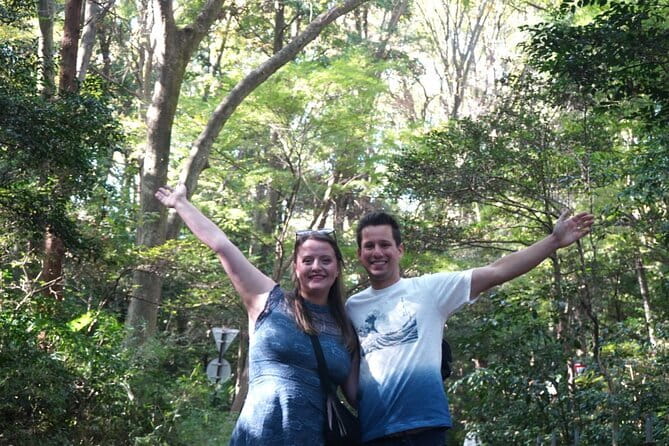
From there, the group heads toward the shrine through its forest paths. The walk gives the experience a useful change of pace. Tokyo can be noisy and crowded, but the approach to Meiji Shrine is quiet, shaded, and designed to make you slow down.
The forest is not an untouched wilderness. It is part of a major urban shrine complex. Still, the contrast with the surrounding city is striking. The walk gives your guide room to explain customs, shrine etiquette, and the role Meiji Shrine plays in Japanese life.
You may find the route physically easy compared with a mountain hike, but this is not a seated tour. The information says you should have a moderate level of fitness. Allow for walking and standing, and wear shoes you can use comfortably for two and a half hours.
A guide with official Meiji Jinguu membership leads the visit. Kohei is named in the tour feedback, and his cultural knowledge and passion received particular praise. The guide has also lived abroad, which can help when Japanese customs are difficult to explain without a point of comparison.
That background is useful. Shrine etiquette can seem simple at first, but small actions carry meaning. A fluent English-speaking guide can tell you when to pause, where to stand, and how to observe without turning a sacred place into a photo stop.
Entering the wooden hall for gokito
The tour’s most unusual moment comes when you enter a ceremonial hall. The setting is described as a wooden room with high ceilings and a cypress scent. Once inside, priests perform the prayer ceremony with chanting, flutes, and drums.
Sound does much of the work here. The forest is quiet before you enter, then the hall fills with measured voices and traditional music. The shift can make the ritual feel more powerful than a written explanation ever could.
You do not need translation for every prayer to follow the scene. Watch the movement, listen to the instruments, and let the guide provide context around the ceremony. This is one of those occasions when trying to record everything on your phone could make you miss the reason you came.
The tour calls the area exclusive and not usually open to the public. That is an important distinction from an ordinary Meiji Shrine visit. You are paying for access that most independent visitors will not have, along with someone who can explain the custom in English.
Still, access does not mean complete privacy. The group can include up to six people, and the ceremony follows the shrine’s schedule and rules. You should not expect to direct the ritual, interrupt it, or treat the hall as a studio.
The strongest part of the visit is its calm. Several descriptions emphasize the silence of the forest and the feeling of being closer to Japanese sensibilities. That is a more modest promise than instant cultural understanding, but it is a fair one. Two and a half hours will not explain all of Shinto. It can, however, give you a memorable example of how place, sound, ritual, and courtesy work together.
What the guide adds to a self-guided visit
The guide is not just there to lead you from the station. The tour is built around interpretation. You learn about Meiji Shrine’s customs and history, then receive help understanding a ceremony that would otherwise be easy to watch without context.
Kohei’s name comes up in the feedback, especially for making the experience feel genuine and personal. The guide’s time abroad is also relevant because Japanese traditions can be explained in ways that make sense to people from different backgrounds.
A small group improves this part of the tour. With no more than six people, you should have a better chance to ask questions than you would on a large coach excursion. The guide can respond to individual curiosity, whether you want to know about the prayer, the shrine’s customs, or what you are seeing along the path.
The tone appears thoughtful rather than theatrical. That matters at a religious site. You are not being asked to perform a costume role or copy a staged ceremony for entertainment. You are being shown how to observe respectfully.
The English-speaking guide is especially helpful if this is your first visit to a Shinto shrine. You can certainly enter Meiji Shrine independently, but you may not know which parts are ordinary public access and which are special to this tour.
The onigiri break and why it matters

The tour includes a traditional onigiri, a Japanese rice ball, as a pre-tour breakfast or post-tour snack. The rice balls are handmade with premium Japanese rice, rather than being the usual packaged convenience-store option.
This is a small feature, but it gives the morning a local feel. Onigiri is simple food, yet the quality of the rice and the care in preparation can make a difference. It also gives you something practical before or after the walk.
Do not mistake this for a full meal. The description calls it a breakfast or snack, not lunch. If you need a substantial meal, plan for one separately.
The timing may depend on how the tour is arranged that day, so treat the onigiri as a pleasant addition rather than the reason to book. Its real value is that it connects the visit to an everyday Japanese food tradition, not just the formal ceremony.



More than 30 photos from the shrine visit
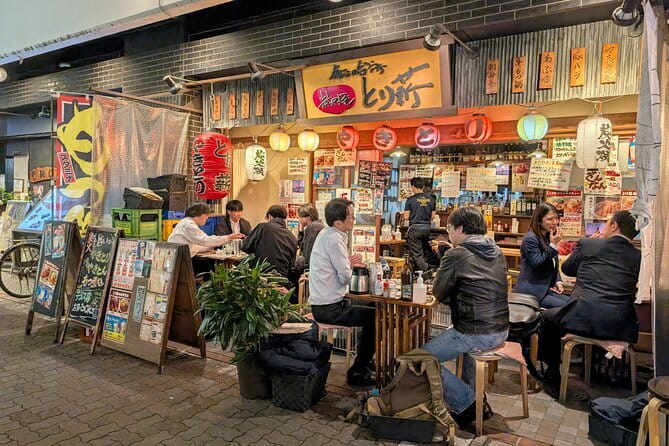
A professional photographer accompanies the group and takes more than 30 photographs at significant moments. This is a major part of the price calculation, especially if you are visiting Japan with family or friends and do not want one person left out of every picture.
The photos can also record moments that are hard to capture yourself. Inside a sacred hall, during a formal ritual, or while walking through the shrine grounds, your attention is better spent observing than adjusting camera settings.
The photography is not completely free of tradeoffs. You should confirm how and when the photographs are delivered, since that detail is not given here. Also remember that the photographer will be working around a religious ceremony. The final images depend on the shrine’s rules, the light, and what can be photographed respectfully.
Even so, the package has clear practical value. More than 30 images can provide a fuller record than the handful of rushed snapshots most people take during a busy Tokyo day. If you are celebrating a special trip, traveling as a couple, or rarely have good photographs together, this feature may matter more to you than the snack.
Is $198.81 a fair price?
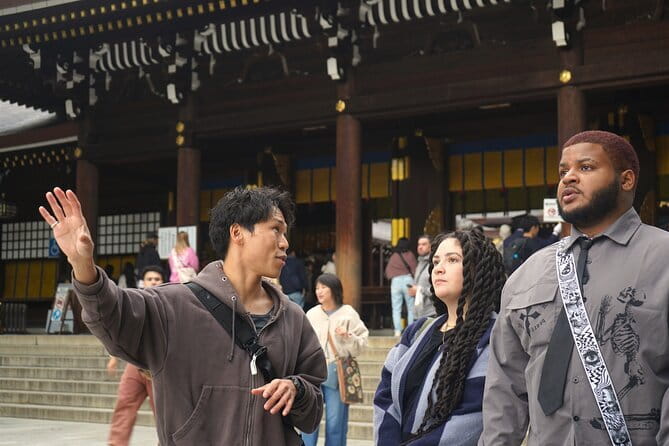
At $198.81 per person, this is not a budget introduction to Meiji Shrine. You can visit the public grounds for far less, so the tour needs to be judged as a specialist cultural experience.
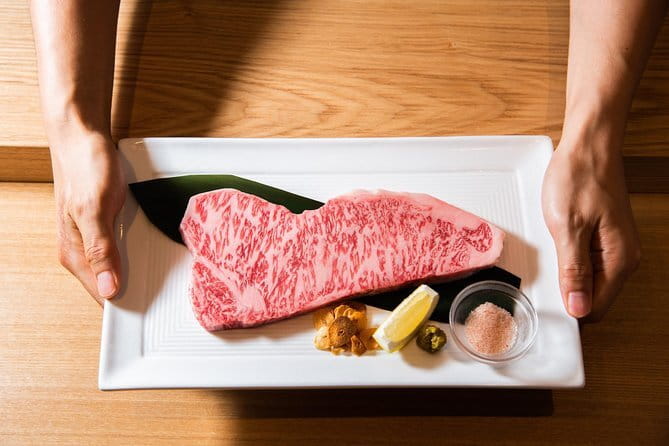
The price includes all fees and taxes, the fee for the traditional prayer ritual, a fluent English-speaking guide, the small group format, professional photography, and handmade onigiri. Coins for the offering box and money for shrine goods are not included.
I would consider the price reasonable for the right person. You are paying for access, interpretation, a rare ceremony, and a substantial set of photographs. Those elements are difficult to arrange independently, particularly the ceremonial access.
I would not recommend it to someone who only wants to see the shrine quickly. It is also less suitable if you are watching every dollar or if your schedule allows plenty of time for free sightseeing but not for a quiet, structured ritual.
The tour is booked about seven days in advance on average. That suggests you should not leave it until the last morning of your Tokyo stay, particularly if your dates are fixed. The group limit of six also helps explain why availability may be narrower than for a large walking tour.
Timing, weather, and simple planning advice

The tour lasts about two hours and 30 minutes and returns to the meeting point near Yoyogi Station. That makes it easy to fit into a morning or early part of a Tokyo day, though you should avoid scheduling an important timed attraction immediately afterward.
The experience requires good weather. If poor weather causes cancellation, you are offered another date or a full refund. That protection is useful, but it also means you should keep some flexibility in your itinerary.
Free cancellation is available until 24 hours before the start time. Canceling or changing the booking inside that window is not accepted for a refund, and the cut-off follows local Tokyo time.
Bring a small amount of cash if you want to make an offering or buy shrine goods. Those costs are separate from the tour price. A mobile ticket is provided, and the meeting point is near public transportation.
Wear comfortable shoes and choose clothing that lets you sit and walk without fuss. The information does not set out detailed accessibility arrangements, but the moderate fitness requirement and forest paths mean you should ask the provider directly if you have mobility concerns.
Who will appreciate this Meiji Shrine visit?
I would choose this for a first or second trip to Tokyo when you want one carefully explained cultural experience, not another fast-moving list of sights. It is particularly well suited to people interested in religion, music, customs, photography, or the quieter side of Japan.
Couples and families may value the professional photos. Solo visitors may appreciate having a guide and a small group for questions and pictures. Anyone who wants a calm start to a Japan trip should find the forest walk and ceremony a good change from Tokyo’s busy commercial districts.
It may not suit young children who cannot sit quietly during a formal ritual. The description does not give a minimum age, so ask the provider if you are booking for children.
You should also skip it if you want a highly active tour, extensive sightseeing, or a chance to handle sacred objects. The strength of the visit is observation. You listen, watch, and allow the setting to set the pace.
Should you book this Meiji Shrine ceremony?
Book it if the gokito ceremony and special access are the main reasons you want to visit Meiji Shrine. Add the small group, Kohei’s thoughtful guiding style, handmade onigiri, and 30-plus photographs, and the high price has a clear purpose.
Skip it if you only want the standard shrine grounds, prefer to explore alone, or need a cheap activity. You can visit Meiji Shrine independently and save a great deal.
For the right audience, this is a rare chance to see Japanese tradition at close range without turning it into a stage show. Plan for a quiet, respectful morning, bring cash for optional offerings, and keep your schedule flexible in case of weather.
FAQ
How long does the Meiji Shrine ceremony tour last?
The experience lasts approximately two hours and 30 minutes.
Where does the tour start?
It starts near Yoyogi Station at 1 Chome-34 Yoyogi, Shibuya, Tokyo 151-0053, Japan.
Where does the tour finish?
The activity ends back at the meeting point.
What is included in the price?
The price includes all fees and taxes and the fee to experience the traditional Japanese prayer ritual. The tour also provides handmade onigiri and more than 30 professional photographs as part of the described experience.
Are shrine offerings included?
No. Coins for the offering box and money for purchasing shrine goods are not included.
How many people can join the tour?
The group has a maximum of six people.
Is an English-speaking guide provided?
Yes. The tour is led by a fluent English-speaking guide. Kohei is identified as one of the guides associated with the experience.
Do I need a high level of fitness?
You should have a moderate level of physical fitness. The tour includes walking through the shrine forest and time inside the ceremonial hall.
Can I cancel for a full refund?
Yes. You can cancel at least 24 hours before the start time for a full refund. Changes or cancellations made less than 24 hours before the start time are not accepted for a refund. If poor weather cancels the experience, you are offered another date or a full refund.
More Temples & Meditation in Tokyo
More tours in Tokyo we've reviewed






Temples & Meditation, compared.
 ★ 4.7Tokyo: Meiji Shrine, Asakusa, Skytree Bus Tour and CruiseFrom $12210 hours
 ★ 4.8Tokyo: Asakusa Walking Tour with Sensoji Temple VisitFrom $222 hours
 ★ 4.6Nikko: Kegon Falls, Lake Chuzenji & Toshogu TempleFrom $8911 hours
 ★ 4.5Tokyo: Kamakura & Enoshima Day Trip including Temple TicketsFrom $589 hours - 570 minutes
 ★ 4.5Tokyo: Nikko Toshogu Shrine and Kegon Waterfall TourFrom $8410h 30m
 ★ 4.5Tokyo Panoramic 1 Day: Meiji Shrine, Asakusa, Odaiba and SKYTREE®From $85