
Reviewed · ASAKUSA TOURS
Tokyo Asakusa Half Day Walking Tour with Local Guide
Asakusa gives you old Tokyo in a compact, walkable package. This small-group tour moves from Kaminarimon Gate to Senso-ji, Nakamise Shopping Street, and the old Shitamachi streets, with a local guide explaining the customs and stories that are easy to miss on your own. I like the tiny group size, capped at five, and the freedom to request places that matter to you. The main catch is that the $61.78 price covers the guide, not lunch, snacks, drinks, or other experience fees.
I also like the morning start. At 9:30 a.m., you can get your bearings before spending the rest of the day in Tokyo. Guides named Hana, Shino, and Kurumi have led past tours, and the strongest praise centers on their patience, friendly manner, and clear explanations of temple customs and local culture. Allow for two and a half hours on foot, and wear shoes you can walk in.
In This Review
- Key points to know before booking
- Why Asakusa works so well for a half-day walk
- Meeting at Kaminarimon Gate at 9:30 a.m.
- Nakamise Shopping Street: snacks, fans, and souvenir browsing
- Senso-ji and the customs behind a temple visit
- Walking through old Shitamachi streets
- Monja-yaki lunch is a separate expense
- What $61.78 buys you
- Guide style and the value of a small group
- Timing, walking, and practical planning
- Who will get the most from this Asakusa tour
- Should you book the Tokyo Asakusa walking tour?
- FAQ
- Where does the tour begin?
- What time does the tour start?
- How long does the tour last?
- Where does the tour end?
- How many people can join the tour?
- Is lunch included?
- Is transportation included?
- Can the itinerary be changed?
- What happens if the tour is canceled because of weather?
Key points to know before booking
- Small group of up to five: You get a more personal walk than on a large city tour, with room to ask questions.
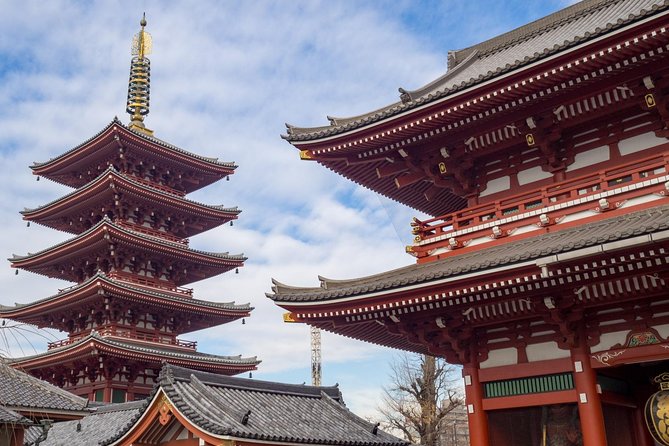
- Kaminarimon to Senso-ji: The route covers Asakusa’s best-known sights and explains how to worship at the temple.
- Nakamise food and crafts: You can sample age-manju, kibidango, ningyo-yaki, matcha, and Kaminari Okoshi, while browsing fans and leather goods.
- Flexible route: You can request places you want to see, and the guide will shape the walk around your interests.
- Old Shitamachi atmosphere: The walk includes the area around Kamiya Bar, Hoppy Street, and nearby Asakusa lanes.
- Lunch is extra: Monja-yaki is part of the suggested experience, but food, drinks, and the meal cost are not included.
Why Asakusa works so well for a half-day walk
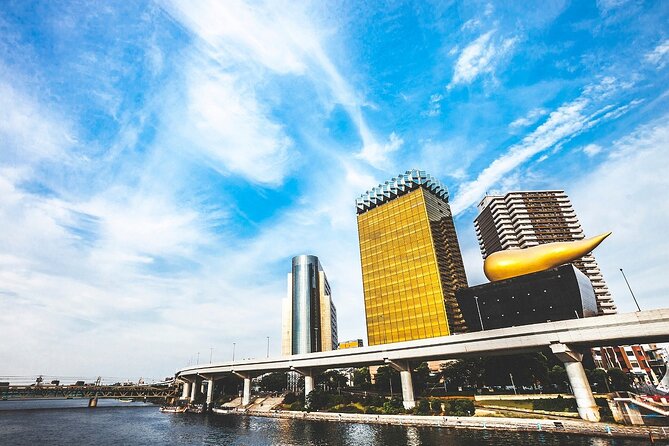
Tokyo can feel huge and scattered. Asakusa is different. Many of its main sights sit within an easy walking area, so a guide can give you a useful introduction without spending the morning on trains.
This is not a tour built around rushing from one distant attraction to another. It is a neighborhood walk. You start at the Asakusa Culture Tourist Information Center, move through the Thunder Gate, follow Nakamise Shopping Street, visit Senso-ji, and then wander through older Shitamachi streets before returning to the same meeting point.
That simple shape matters. You do not have to work out where the temple entrance is, guess which street leads to the shopping arcade, or worry about missing the meeting point at the end. The guide handles the route while you pay attention to the sights, smells, food, and small details around you.
I would consider this a good first activity in Tokyo, especially if you are staying near Asakusa. It gives you cultural context early in your visit, and the guide can help you understand what you are seeing rather than leaving you with a stack of photos and no idea why the rituals matter.
A few more Tokyo tours and experiences worth a look

Meeting at Kaminarimon Gate at 9:30 a.m.
The tour begins at the Asakusa Culture Tourist Information Center, at 2-chome-18-9 Kaminarimon, near Kaminarimon Gate. The meeting point is convenient for public transportation and easy to recognize because the gate is the main symbol of Senso-ji.
Kaminarimon means Thunder Gate. Its large lantern and dramatic entrance make it one of Asakusa’s most familiar sights. It is also a useful place to begin because the gate immediately tells you that this is not modern office-district Tokyo. The temple approach, traditional shops, and religious customs begin here.
Your guide can set the tone at this first stop by explaining what you are looking at and how the temple complex fits into Asakusa. That is where the small group helps. With only up to five people, you should have a better chance to ask a quick question without holding up a coachload of people.
The tour ends back at the same meeting point. This is practical if you want to continue exploring Asakusa afterward, return to your hotel, or use the nearby transit system. It also means you are not left trying to find your way back from an unfamiliar side street.
Nakamise Shopping Street: snacks, fans, and souvenir browsing
From Kaminarimon Gate, the route continues along Nakamise Shopping Street toward Senso-ji. This is the traditional approach to the temple, lined with shops selling food, small gifts, and Japanese crafts.
You may sample age-manju, a deep-fried sweet bun, or kibidango, small millet dumplings. Ningyo-yaki, doll-shaped waffles, matcha tea, and Kaminari Okoshi, a sweet rice cracker, are also part of the food selection mentioned for the walk. These are small tastes rather than a full meal, so keep some room and some yen available if you want to try more than one.
I like this part because it connects sightseeing with ordinary shopping. You are not just looking at a historic street from a distance. You can stop at a food stall, compare traditional sweets, and see the kinds of items sold to people who come to Asakusa for both worship and souvenirs.
The craft shops add another layer. Bunsen-do sells folding fans, while Bunkoya-Ozeki deals in leather goods. These shops give you better options than generic airport souvenirs, although the tour does not promise a shopping discount or include purchases. If you want something useful and distinctly Japanese, a fan or a small leather item may be more appealing than another mass-produced trinket.
There is one practical point to keep in mind: Nakamise is a shopping street, not a quiet museum. You may find crowds, active storefronts, and a steady flow toward the temple. Your guide’s role is most useful here when you want to know what a snack is, which items are traditional, or how the street relates to Senso-ji.
Senso-ji and the customs behind a temple visit
Senso-ji is one of Tokyo’s oldest temples and the central cultural stop on the walk. Many people know it from photographs of Kaminarimon and the red temple buildings, but the visit is more meaningful when you understand what to do before you enter.
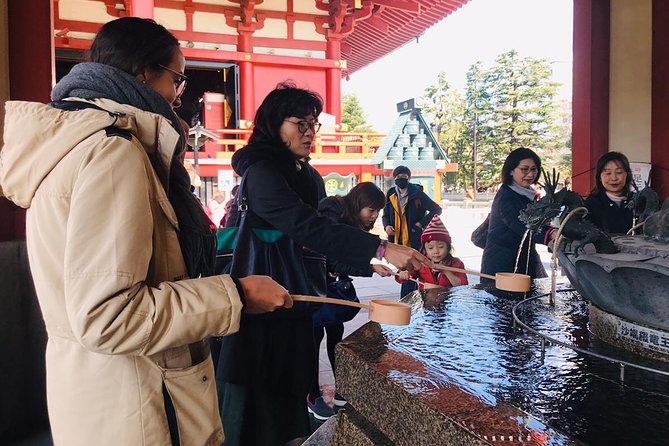
The guide explains how to worship before you approach the temple. That can include the basic order of the visit and the proper use of the temple facilities, details that are easy to copy incorrectly if you are simply following the crowd. I value this kind of instruction because it lets you take part with respect rather than treating a religious site as a photo backdrop.
You can also draw a fortune and make a prayer at Senso-ji. The fortune adds a small personal moment to the visit. If the result is not favorable, the temple tradition gives you a way to leave the bad fortune behind, though the supplied tour details do not specify the exact procedure, so ask your guide to explain it on the day.
The temple stop is likely the most structured part of the tour. It gives you a clear look at Japanese Buddhist practice, but it is still an active place of worship. Keep your voice low, follow the guide’s directions, and avoid treating every ceremony as a performance for your camera.
The guide’s explanations are a major reason to book rather than wander alone. Past guides Hana, Shino, and Kurumi were specifically praised for being informative, pleasant, patient, and good at explaining cultural meaning. Those qualities matter at Senso-ji, where a few simple actions can seem mysterious without context.
Walking through old Shitamachi streets
After Senso-ji, the route turns toward Shitamachi, the older downtown area of Tokyo. The name is often used for the low-lying traditional districts that preserve a more local, lived-in feel than the city’s newer commercial centers.
The walk includes the area around the oldest Kamiya Bar, Hoppy Street, and Asakusa’s surrounding lanes. The supplied route description is an example rather than a fixed promise, so your exact path can change. You can request places you want to see, and the guide will arrange the route where possible.
This flexibility is one of the tour’s strongest features. If you care about food, you can ask for more time around local eating streets. If you prefer temples and customs, you can keep the focus there. If you want traditional shopping, tell the guide at the start. The group limit makes those requests more realistic than they would be on a rigid large-group tour.
Kamiya Bar and Hoppy Street also show a different side of Asakusa from the temple approach. Here, the visual language shifts from religious gates and souvenir stalls to older drinking and dining culture. The tour does not include a bar visit or drinks, so think of these stops as part of the neighborhood walk unless your guide confirms otherwise.
The Shitamachi portion helps prevent the tour from becoming a standard Kaminarimon-to-Senso-ji photo loop. You get a sense of how Asakusa works as a district, with food, commerce, religion, and local streets close together. That broader view is especially useful if this is your first time in the area.
Other walking tours we've reviewed in Tokyo



Monja-yaki lunch is a separate expense
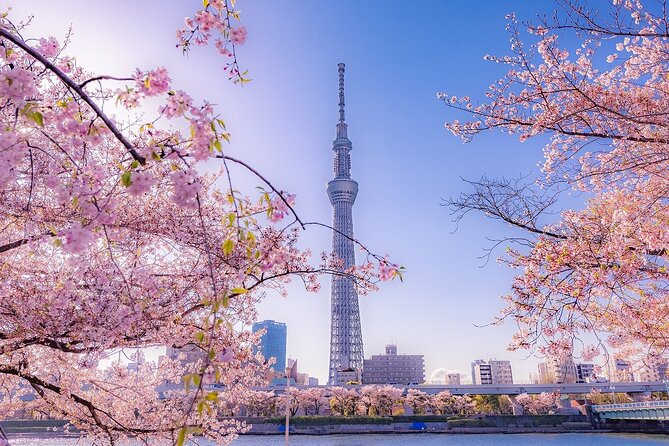
The experience includes the chance to enjoy a savory Monja-yaki pancake, but lunch is not included in the $61.78 price. Food and drink fees are also separate, as are any other experience fees.
Monja-yaki is a Tokyo specialty cooked on a hot griddle. It has a softer texture than the familiar okonomiyaki-style pancake, which makes it a fun local meal if you want something tied to the city rather than a standard restaurant lunch.
Because the tour lasts about two and a half hours and begins in the morning, lunch may come near the end or be suggested as part of the route. Ask your guide how the timing will work. The important point is to budget for it. The advertised price pays for the guide, while the food itself is yours to purchase.
I prefer this arrangement to a forced meal included in the ticket. You can decide how much to spend and whether you want a full meal, a snack, or no food at all. Still, if you are comparing this tour with another experience that includes lunch, add your likely food cost before deciding which offers better value.
What $61.78 buys you
At $61.78 per person, this is not the cheapest way to walk around Asakusa. You can reach Kaminarimon and Senso-ji without paying a guide fee. The value comes from having a local person explain the place, keep the route efficient, and adjust the walk to your interests.
The group cap of five makes the price easier to justify. You are not paying for a large bus or a general speech delivered to dozens of people. You are paying for a focused introduction with room for questions and personal attention.
I would see the cost as reasonable for a first visit if you care about history, customs, and food culture. It is less compelling if you already know Asakusa well or prefer to explore at your own pace with a guidebook. The experience does not include transportation, lunch, food, drinks, or other experience fees, so those costs belong in your budget.
The mobile ticket is useful for keeping the booking on your phone. Confirmation is provided within 48 hours of booking, subject to availability. Most people can participate, but remember that this is a walking tour, not a vehicle-based sightseeing trip.
Guide style and the value of a small group
The strongest personal quality in this experience is the guide. Hana was described as sweet and informative, Shino as delightful and attentive, and Kurumi as good at explaining the story behind what you see. One guide was also praised for patience, which matters if you have questions about Japanese customs or need a slower explanation.
Those names come from past departures, so you should not assume a particular guide will lead your date. Still, they give you a useful picture of the intended style: friendly, patient, and focused on history and culture rather than simply pointing out landmarks.
A group of no more than five lets the guide respond to your curiosity. You can ask why a ritual is done, what a snack contains, or where a certain street leads. You can also request changes to the example route. That personal contact is the main difference between this walk and a self-guided visit.
The tradeoff is that flexibility depends on communication. Tell the guide early what you want to see. If you say nothing, the guide may follow the standard highlights. If you have a strong interest in crafts, food, temples, or neighborhood history, make that clear at the beginning.
Timing, walking, and practical planning
The tour starts at 9:30 a.m. and lasts about two hours and thirty minutes. That leaves most of the day open, which is a real advantage in Tokyo. You can combine the morning with another Asakusa attraction, a separate neighborhood, or an afternoon meal.
Plan for steady walking. The route includes several outdoor areas, a shopping street, a temple complex, and old neighborhood roads. Comfortable shoes will make the experience more pleasant, especially if you stop often or spend extra time browsing.
The tour requires good weather. If poor weather causes cancellation, you are offered another date or a full refund. The tour also requires a minimum number of participants, and if that minimum is not met, you are offered another date or experience, or a full refund.
The standard cancellation terms are strict: the experience is non-refundable and cannot be changed for any reason after booking. That makes it important to check your schedule before paying. The weather and minimum-participant exceptions are the main protections described for the booking.
Who will get the most from this Asakusa tour
I would recommend this walk to first-time Tokyo visitors who want a quick, guided introduction to one historic district. It suits people who enjoy asking questions and prefer cultural explanation over simply collecting landmarks.
It is also a good fit for families or small parties who want a private-feeling experience without booking a fully private tour. The maximum of five keeps the group manageable, and the flexible route can help match different interests.
Food lovers will enjoy the chance to sample traditional snacks and consider Monja-yaki for lunch, though they need to pay separately. Shoppers who want folding fans, leather goods, or other traditional items may also find the Nakamise portion useful.
I would be more cautious if you dislike walking, want a completely fixed schedule, or have already spent significant time in Asakusa. The tour is short and focused. It introduces the district well, but it cannot cover every temple, shop, street, and food stop in one morning.
Should you book the Tokyo Asakusa walking tour?
Book it if you want a compact cultural introduction with a local guide, a very small group, and a route that can respond to your interests. Senso-ji, Nakamise Shopping Street, Kaminarimon Gate, and Shitamachi make a strong half-day combination, and the guide adds the context that signs and photographs cannot provide.
Skip it if you are happy to explore independently or need every cost included in the ticket. At $61.78, the value rests in the guide’s time and personal attention, not in admissions or a provided meal.
For most first visits, I think the best reason to book is the balance of structure and freedom. You get a clear route, a 9:30 a.m. start, and a return to the same convenient meeting point, while still having the chance to request the Asakusa sights you care about most.
FAQ
Where does the tour begin?
The tour begins at the Asakusa Culture Tourist Information Center, located at 2-chome-18-9 Kaminarimon, Taito City, Tokyo 111-0034, Japan.
What time does the tour start?
The scheduled start time is 9:30 a.m.
How long does the tour last?
The tour lasts approximately two hours and thirty minutes.
Where does the tour end?
The activity ends back at the original meeting point in Asakusa.
How many people can join the tour?
The tour has a maximum of five participants.
Is lunch included?
No. Lunch is not included. The suggested Monja-yaki meal, food, and drinks are paid for separately.
Is transportation included?
No. Transportation is not included in the tour price.
Can the itinerary be changed?
Yes. The listed route is an example, and you can request places you would like to visit. The guide will arrange the itinerary around your requests where possible.
What happens if the tour is canceled because of weather?
If poor weather causes cancellation, you are offered a different date or a full refund.
More Guided Tours in Tokyo

More Walking Tours in Tokyo
More Asakusa Tours in Tokyo
More tours in Tokyo we've reviewed









Asakusa Tours, compared.
 ★ 4.8Tokyo: Japanese Dance Cabaret Theater Asakusa-Kaguwa TicketFrom $492 hours
 ★ 4.7Tokyo: Meiji Shrine, Asakusa, Skytree Bus Tour and CruiseFrom $12210 hours
 ★ 4.9Tokyo: Roll and Authentic Sushi Making Class in AsakusaFrom $581h 40m
 ★ 4.8Tokyo: Asakusa Walking Tour with Sensoji Temple VisitFrom $222 hours
 ★ 5.0Tokyo Asakusa Rickshaw TourFrom $42
 ★ 4.5Tokyo Panoramic 1 Day: Meiji Shrine, Asakusa, Odaiba and SKYTREE®From $85