
Reviewed · TEMPLES & MEDITATION
Tokyo Harajuku Walking Tour Meiji Jingu Yoyogi Park and More
Harajuku gives you Tokyo in a neat three-hour package: a forest shrine, a city park, a youth-fashion street, and a polished shopping avenue. I like the sharp change of mood between Meiji Jingu’s quiet paths and Takeshita Street’s colorful noise. I also like the small group limit of nine, which gives a guide room to answer questions and help with small local tasks.
The tour includes a guide and takes you from Harajuku Station to Omotesando for $42 per person. That is fair if you want context and a smooth route, but it is not the cheapest way to see these places. You should also note the 1:00 pm start, the three hours on foot, and the fact that meals and shopping are on your own.
In This Review
- Key points at a glance
- Why this Harajuku route works
- Entering Meiji Jingu after the 1:00 pm start
- A short green pause in Yoyogi Park
- Takeshita Street, snacks, and youth fashion
- Omotesando’s polished finish
- What $42 gets you
- The walking demands and timing
- Who will get the most from this walk
- Should you book the Harajuku walking tour?
- FAQ
- How long does the Harajuku walking tour last?
- What time does the tour begin?
- Where does the tour meet?
- Where does the tour finish?
- What places are included?
- Is an English-speaking guide included?
- Are food and drinks included?
- Can I cancel for a full refund?
Key points at a glance
- Four very different Tokyo settings: Visit Meiji Jingu, Yoyogi Park, Takeshita Street, and Omotesando in one outing.
- A maximum of nine people: The small group can make it easier to hear the guide and ask questions.
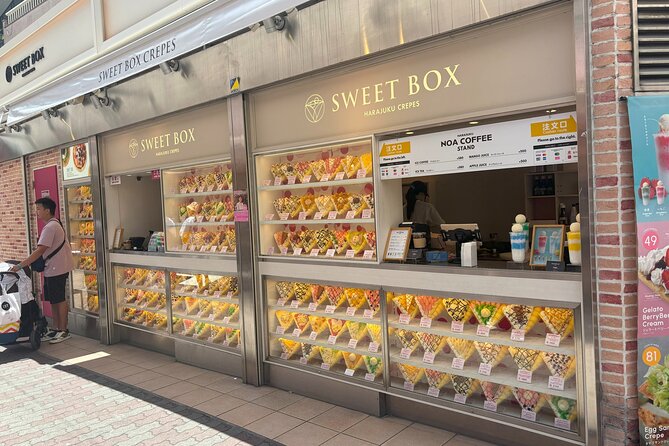
- A useful local touch: Guide Aska helped one guest buy capsule toys and find Sweet Box crepes on Takeshita Street.
- A free-entry route: No admission tickets are included because the listed stops have no entry charge.
- A practical afternoon plan: The tour begins at Harajuku Station at 1:00 pm and finishes on Omotesando Avenue.
- Good cultural contrast: You move from Shinto worship and wooded paths to street snacks, fashion, boutiques, and modern design.
Why this Harajuku route works
Harajuku can feel confusing on a first visit. The station area spreads into several different zones, and the experience changes quickly from quiet shrine grounds to crowded shopping lanes. This walking tour gives that change a clear order, without asking you to work out the route yourself.
You begin at Harajuku Station and finish on Omotesando Avenue. That direction makes sense: start with the calmest stop, then move toward shopping and food. By the end, you are free to keep exploring Omotesando at your own pace.
I especially like the cultural range. You are not spending three hours looking at shops alone. The route shows how Tokyo places old religious customs, public green space, teen fashion, cafés, and high-end design within a short walk of one another.
The guide is an important part of the value. An English-speaking local guide can explain what you are seeing and help you handle small practical moments. Aska, one guide named in the tour feedback, helped with capsule toy purchases and pointed out the Sweet Box crepe shop. That sort of help is modest, but useful when you are navigating a busy district.
A few more Tokyo tours and experiences worth a look

Entering Meiji Jingu after the 1:00 pm start
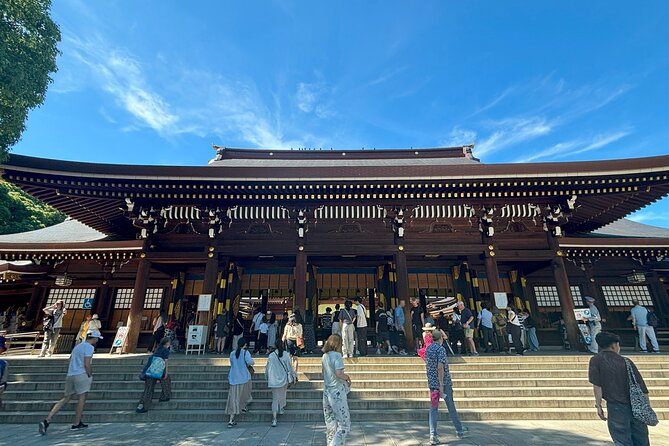
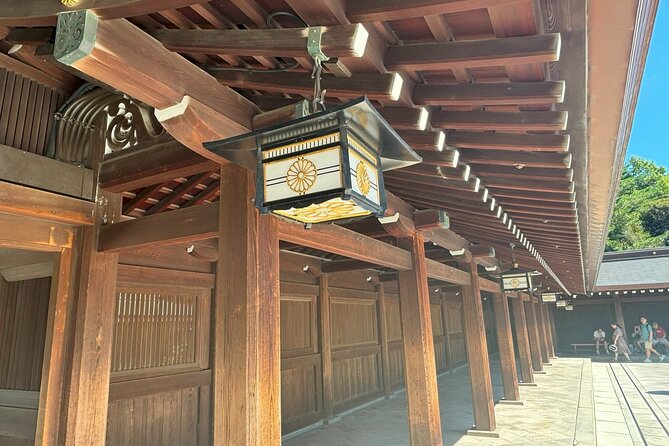
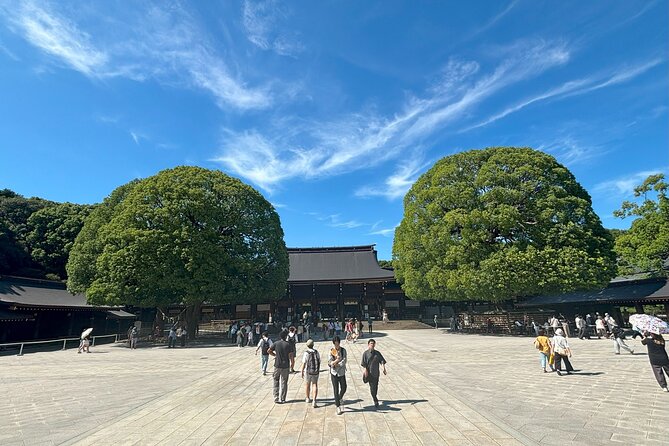
The first stop is Meiji Jingu, with about 45 minutes set aside. This is the longest stop, and rightly so. The shrine is one of Tokyo’s best places to see Shinto traditions in a setting that feels far removed from nearby shopping streets.
You can expect a forested approach and a quieter pace than the city streets outside. The guide explains the shrine’s background, customs, and role as a spiritual place in central Tokyo. If you have not visited a Shinto shrine before, this introduction helps you understand what you are seeing rather than treating the visit as a quick photo stop.
The tour does not charge an admission fee here. That keeps the $42 price focused on guiding rather than tickets. Your guide can also provide useful context around shrine etiquette and the meaning of the site, though the supplied details do not promise a particular ceremony or special event on your date.
Forty-five minutes is enough for an introduction, but not enough for every corner of the grounds. That is a fair trade on a short tour. You get the main feel of Meiji Jingu, then have time for three more parts of Harajuku.
The forest setting is also a welcome first step after reaching the station. If you are arriving from another part of Tokyo, this slower beginning gives you time to settle into the walk before the street crowds arrive.
A short green pause in Yoyogi Park
Next comes Yoyogi Park, with about 20 minutes for a stroll. This is a brief stop, so you should think of it as a change of pace rather than a full park visit.
The park offers open air, trees, seasonal scenery, and a look at everyday local life. Its value on this tour is contrast. Meiji Jingu gives you a formal shrine setting, while Yoyogi Park feels more casual and public.
Twenty minutes will not let you cover much ground. That is the main limitation. Still, a short park walk can break up the more crowded parts of the route and give your feet a rest before Takeshita Street.
The tour does not include an entry charge here. You are simply walking with the guide and taking in the surroundings. If you want a long, quiet park visit, you will need to return separately after the tour or plan extra time in the area.
Takeshita Street, snacks, and youth fashion
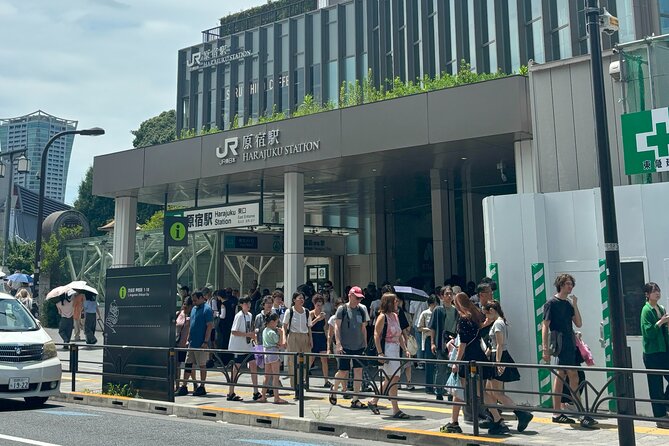
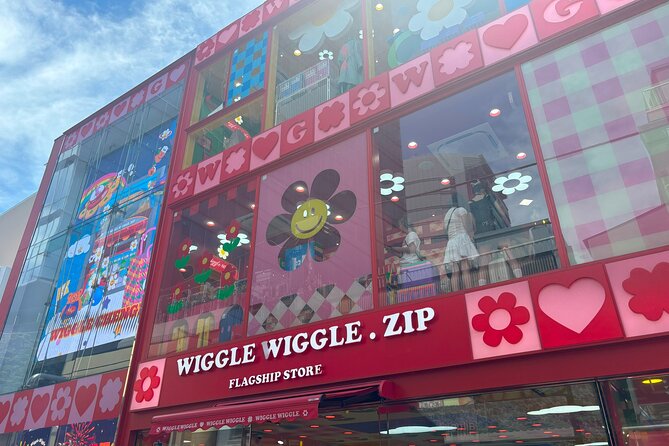
The tour then turns toward Takeshita Street for about 30 minutes. This is where the mood changes fast. The street is known for youth fashion, quirky shops, colorful goods, and fun snacks, making it one of Harajuku’s most recognizable addresses.
The time is short, so you should not expect a full shopping session. Instead, the guide helps you read the street and points out the sorts of places that make Harajuku distinctive. You can look at current fashion trends, browse unusual shops, and choose a snack if the pace allows.
Crepes are a natural choice here. One guest specifically enjoyed the crepes from Sweet Box, calling them excellent. That gives you a useful tip, though food is not included in the $42 price. Bring extra money if you want a crepe, drink, capsule toy, or small purchase.
Another practical detail is the help with capsule toys. Aska assisted with a capsule purchase, which shows how a guide can make a simple activity easier, especially if you are unsure how the machines work or which shop to use. The tour does not promise Aska by name, so regard this as a helpful example rather than a guaranteed part of your booking.
Takeshita Street can be crowded, and 30 minutes may feel rushed if you see several shops you want to enter. That is the trade-off for covering four areas in one tour. You get an introduction and local direction, not an open-ended shopping afternoon.
I would keep your spending plans flexible here. The tour includes no meals, beverages, or personal expenses. If you know you want a proper lunch or a serious shopping session, schedule it before or after the walk rather than trying to fit it into the guided route.
Omotesando’s polished finish
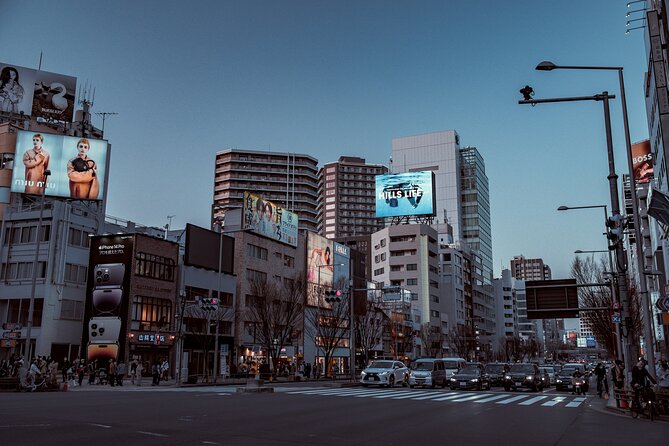
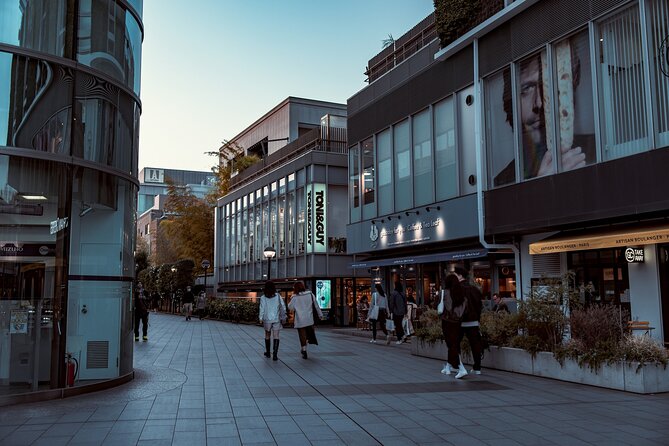
The final stop is Omotesando, with about 30 minutes planned. This broad avenue offers a different side of Harajuku, with stylish shops, modern architecture, lifestyle stores, and upscale cafés.
The shift from Takeshita Street to Omotesando is one of the route’s strongest features. You see two very different shopping cultures close together. Takeshita Street is playful and youth-focused, while Omotesando has a more refined feel and a stronger emphasis on design.
The tour concludes around Omotesando Avenue near 4-chōme-12 Jingūmae. This is a smart finish because you are not sent back to the starting point. You can continue shopping, find a café, or make your own way to the next Tokyo sight.
The 30-minute stop gives you an introduction to the avenue rather than a detailed architecture tour. You might find a shop or café that deserves more time, so treat the end of the walk as a starting point for your own afternoon.
Other walking tours we've reviewed in Tokyo



What $42 gets you
At $42 per person, this is a paid introduction to Harajuku rather than a ticket-based attraction. The four main stops do not require admission, so the price pays for the English-speaking guide, the planned route, and the ability to ask questions during a small-group walk.
That can be good value if you are new to Tokyo or prefer not to manage directions, shrine customs, and the busiest streets yourself. The group limit of nine matters here. A guide can speak to a small circle more easily than to a large crowd, and you have a better chance of getting help with questions or purchases.
The value is weaker if you already know Harajuku well or mainly want time to shop. The itinerary gives only 30 minutes to Takeshita Street and 30 minutes to Omotesando. You are paying for orientation and interpretation, not hours of free browsing.
There are no meals or drinks included. You should also budget for any crepe, capsule toy, shopping item, or café stop. Since the entry charges at the listed sights are free, your extra costs depend entirely on what you choose to buy.
Group discounts are available, which may improve the price for larger bookings. The tour uses a mobile ticket, and confirmation is received when you book.
The walking demands and timing
The experience lasts about three hours and begins at 1:00 pm. You meet at Harajuku Station, at 1-chōme-18 Jingūmae in Shibuya. From there, the route proceeds on foot through the four stops and ends in Omotesando.
The supplied details do not give a total walking distance or a precise number of breaks. You should therefore expect a continuous city walk with several stops, rather than a seated sightseeing experience. Most people can participate, but comfortable shoes remain a sensible choice.
The afternoon timing has advantages. You avoid an early start, and the route finishes with time left to enjoy Omotesando. The drawback is that popular Harajuku streets may be busy, and a 1:00 pm start leaves little room for a long meal beforehand if you arrive hungry.
The experience requires good weather. If poor weather causes cancellation, you are offered another date or a full refund. Otherwise, you can cancel for a full refund up to 24 hours before the local start time. A cancellation made less than 24 hours before the start is not refunded, and late changes are not accepted.
The tour allows service animals and is near public transportation. Hotel pickup is not included, so you need to reach Harajuku Station yourself.
Who will get the most from this walk
I would recommend this tour to first-time Tokyo visitors who want a clear introduction to Harajuku without spending half a day planning routes. It also suits you if you enjoy switching between culture, green space, food, and shopping rather than focusing on one subject.
Families and small friend groups may like the nine-person limit, especially if they want a guide who can help with capsule toys and snack choices. The route also works for solo visitors who prefer a social setting while exploring.
It may not suit you if your priority is serious shopping. The schedule is fixed, and each street stop is short. It is also not the right choice if you want an in-depth shrine study, a long park walk, or a food-focused tour.
The walk is conducted in English. Most people can participate, and service animals are allowed, but the available information does not provide a detailed accessibility assessment or promise step-free access throughout the route. If that matters to you, confirm the route details before booking.
Should you book the Harajuku walking tour?
Book it if you want a well-shaped first look at Harajuku, with a guide to connect Meiji Jingu’s customs to the shops, snacks, and style of the surrounding streets. The route’s best feature is its variety, and the small group size gives the experience a personal feel.
Skip it if you would rather set your own shopping pace or visit the shrine and park independently. Those places are free, and you can explore them without paying for admission.
For many visitors, the strongest plan is to use this tour as an orientation. Take the guided route in the afternoon, note the shops and cafés that interest you, then stay in Omotesando or return to Takeshita Street after the group finishes. At $42, that makes the most sense when you value local guidance, a compact route, and help with the small details that can make Harajuku easier to enjoy.
FAQ
How long does the Harajuku walking tour last?
The tour lasts approximately three hours.
What time does the tour begin?
The tour starts at 1:00 pm local time.
Where does the tour meet?
The meeting point is Harajuku Station at 1-chōme-18 Jingūmae, Shibuya, Tokyo 150-0001, Japan.
Where does the tour finish?
The tour ends on Omotesando Avenue near 4-chōme-12 Jingūmae, Shibuya, Tokyo. You can continue exploring the area after the guided walk.
What places are included?
The route includes Meiji Jingu Shrine, Yoyogi Park, Takeshita Street, and Omotesando Avenue.
Is an English-speaking guide included?
Yes. An English-speaking tour guide is included.
Are food and drinks included?
No. Meals, beverages, and personal expenses are not included.
Can I cancel for a full refund?
Yes, if you cancel at least 24 hours before the experience start time. Cancellations made less than 24 hours before the start are not refunded. If poor weather cancels the tour, you are offered another date or a full refund.
More Walking Tours in Tokyo
More Temples & Meditation in Tokyo
More tours in Tokyo we've reviewed





Temples & Meditation, compared.
 ★ 4.7Tokyo: Meiji Shrine, Asakusa, Skytree Bus Tour and CruiseFrom $12210 hours
 ★ 4.8Tokyo: Asakusa Walking Tour with Sensoji Temple VisitFrom $222 hours
 ★ 4.6Nikko: Kegon Falls, Lake Chuzenji & Toshogu TempleFrom $8911 hours
 ★ 4.5Tokyo: Kamakura & Enoshima Day Trip including Temple TicketsFrom $589 hours - 570 minutes
 ★ 4.5Tokyo: Nikko Toshogu Shrine and Kegon Waterfall TourFrom $8410h 30m
 ★ 4.5Tokyo Panoramic 1 Day: Meiji Shrine, Asakusa, Odaiba and SKYTREE®From $85