
Reviewed · MT FUJI DAY TRIPS
3 Day Japan Highlights Tour: Tokyo, Mt.Fuji, Nara, Kyoto, Osaka
The remarkable thing here is the sheer sweep: in three very full days, you go from Tokyo or Narita through Kamakura, Hakone, Mt. Fuji, Nagoya, Nara, Kyoto, and Osaka. You get sea views, volcano scenery, shrines, temples, deer, bamboo, and neon-lit Dotonbori without having to plan every train and hotel.
I like the mix of famous sights and smaller stops, especially the Hakone ropeway and Lake Ashi cruise and the old villages around Mt. Fuji. I also like the personal touch promised by guide Matt, whose flexible approach can help you spend more time on temples, culture, countryside, or food.
The tradeoff is simple: this is a whirlwind, not a slow Japan visit. Driving between regions saves planning time, but several stops are brief, and entrance fees, lunches, and dinners are extra. You will need to be comfortable with early starts, long touring days, and changing hotels.
In This Review
- Key points at a glance
- Why this tour covers so much ground
- Day 1: Kamakura temples, Enoshima, and volcanic Hakone
- Day 2: Mt. Fuji villages, caves, and countryside
- Day 3: Nara deer, Kyoto temples, and Osaka after dark
- The pace, vehicle, and group size
- Guide style and flexibility
- Who should book this Japan highlights tour
- Should you book it?
- FAQ
- Where does the tour start?
- Where does the tour end?
- How long is the tour?
- What destinations are included?
- Is transportation included?
- Is accommodation included?
- Are meals included?
- How large is the group?
- What is the cancellation policy?
Key points at a glance
- Seven major destinations in three days: Move from the Tokyo area to Osaka while seeing Kamakura, Hakone, Mt. Fuji, Nagoya, Nara, and Kyoto.
- A strong Mt. Fuji day: Oshino Hakkai, Lake Kawaguchi, a thatched-roof village, lava caves, Aokigahara Forest, and Shiraito Falls fill Day 2.
- Small-group travel: The vehicle holds no more than 23 people, with WiFi, air conditioning, road tolls, and parking included.
- Flexible guiding: English-speaking guide Matt can tailor the experience to your interests, according to the tour details.
- Several costs are separate: Budget for listed temple and attraction fees, the Hakone ropeway and cruise, meals, and an optional tea ceremony.
- Best for first-time visitors: You see a great deal quickly, but the pace leaves little room for wandering or long meals.
Why this tour covers so much ground
At $1,310.55 per person, this is not a budget sightseeing day. It is a packaged three-day journey with transportation, three-star accommodation, two breakfasts, parking, tolls, and guiding included.
The value depends on how you like to travel. If arranging intercity trains, choosing hotels, and working out local transportation sounds tiring, the price buys convenience. You can sit back while someone handles the route between the Tokyo area and Osaka, with countryside views along the way.
If you already understand Japan’s rail system and prefer to choose your own hotels, the cost may feel high. You will also pay separately for lunch and dinner, plus several admissions. The listed extras include 2,000 yen for the Hakone ropeway, 1,700 yen for the pirate ship, 800 yen for Todaiji, 500 yen for Kiyomizu-dera, 500 yen for Saiko Iyashi no Sato Nemba, and 300 yen for Fugaku Wind Cave. A tea ceremony at Entoku-in costs another 1,300 yen.
The best way to judge the price is to count the time saved. This route links several places that are awkward to combine on your own in only three days. You are paying for a moving base, an English-speaking guide, and a carefully packed route as much as for the sights themselves.
If you're still narrowing it down, here are other tours in Narita we've reviewed.



Day 1: Kamakura temples, Enoshima, and volcanic Hakone
The first day begins from Narita Airport Terminal 2 or 3 Station, or from a hotel or port of entry in Tokyo or Narita. Confirm your exact pickup details before departure, since the advertised meeting point is at Narita and the tour also offers Tokyo-area pickup.
Kamakura makes a fine first stop. At Kotoku-in, you see the Great Buddha, an 11-meter bronze figure dating from 1252, when Kamakura served as Japan’s capital. The visit is scheduled for about 30 minutes, so expect a quick look rather than a long temple visit. Admission is not included.
Next comes Hasedera Temple, where a nine-meter wooden statue of the goddess of mercy is the main religious treasure. The gardens give you a quieter change of pace, with ocean views and an underground section in the temple complex. Allow about 40 minutes. Bring shoes that are easy to remove if the route includes temple interiors.
Enoshima adds a coastal note to the day. You have about an hour to see part of the shrine complex, watch surfers, visit sea caves, or choose a seafood lunch. The island has enough character to reward a longer stay, but this itinerary only gives you a taste. Lunch is not included, so this is one of the clearest points where your food choice affects the schedule.
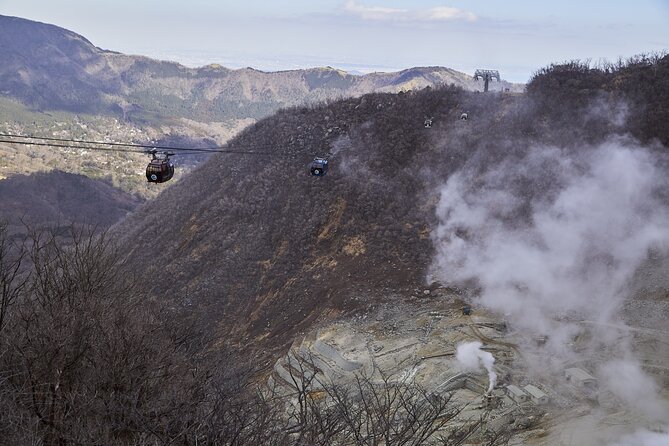
Hakone shifts the mood from seaside Japan to mountain Japan. The ropeway offers views from the gondola and includes a relaxing foot bath before boarding, according to the route description. The ride has a separate 2,000-yen admission charge. At Owakudani Valley, sulfur steam rises from the crater area, and you can try a black egg boiled in the hot springs. The stop lasts only about 15 minutes, so buy one quickly if you want to sample it.
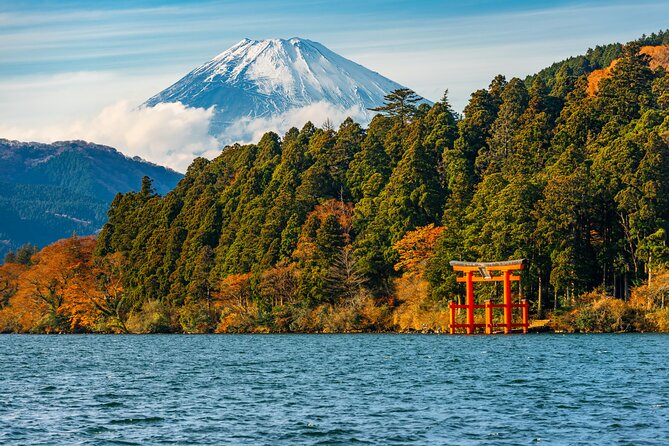
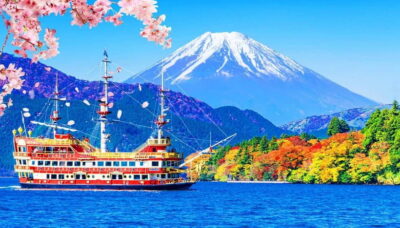
The Hakone Pirate Ship then crosses Lake Ashi, an old volcanic crater lake. The cruise takes about an hour and costs 1,700 yen. On a clear day, you may see Mt. Fuji, though mountain views always depend on weather. Do not judge the day harshly if clouds hide the peak. Hakone still offers forest, lake, shrine, and volcanic scenery.
At Hakone Shrine, you can walk among the tall cedar trees or see the torii gate by the lake. The shrine dates from 757, and the forest setting gives it a more solemn feel than the busier sightseeing stops. The final drive along the Lake Ashi Skyline includes views of the Pacific, Lake Ashi, and Mt. Fuji when conditions are clear.
This is a long day with frequent changes. You will see a lot, but you may not have time to linger at any one temple or take a leisurely bath in Hakone. The payoff is variety, especially for someone who wants both cultural sites and outdoor scenery.
Day 2: Mt. Fuji villages, caves, and countryside
Day 2 is the most scenery-heavy part of the tour. It begins around Fuji, with time to taste local specialties and see tea plantations. The stop is only about 20 minutes, so think of it as a short regional introduction rather than a food tour.
Oshino Hakkai follows, with eight clear ponds and small shops selling local products. The village is a good place to see the traditional side of the Mt. Fuji region, though shops and crowds can make it feel more commercial than a remote country village. One hour gives you time to walk around and buy a snack.
Kitaguchi Hongu Fuji Sengen Jinja sits in a cedar forest at the foot of Mt. Fuji. Dating to around 100, it was traditionally the starting point for climbing the mountain. The shrine gives useful cultural context: Mt. Fuji is not just a scenic peak, but also a sacred place tied to pilgrimage and worship.
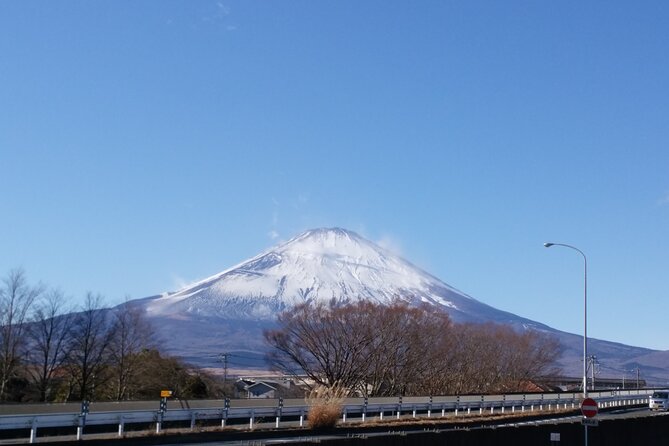
At Oishi Park, you have a short stop for views across Lake Kawaguchi. Clear mornings offer the best chance of seeing Mt. Fuji. The 20-minute schedule means you should be ready to take your photos quickly.
Saiko Iyashi no Sato Nemba is one of the more distinctive stops. Its thatched-roof homes recreate a traditional village, and you can dress in a kimono or samurai armor. Admission is 500 yen. This is a good place to slow down for an hour, even within a packed day, because the buildings and costumes give you something more hands-on than another photo stop.
The route then goes underground at Fugaku Wind Cave, a lava tube at Mt. Fuji’s base. The cave stays cold enough to hold ice for much of the year. Admission is 300 yen. Expect uneven ground and a short walk, so comfortable shoes matter.
A brief walk through Aokigahara Forest follows. The forest is often discussed for its dark reputation, but the tour presents it as part of the natural setting around Mt. Fuji. You have only about 10 minutes here, so this is a quick introduction rather than a forest hike.
Shiraito Falls provides a strong finish to the Fuji region. A short walk leads to two waterfalls, with local snacks nearby. The 40-minute stop gives you more time than Oishi Park, but still not enough for a long trail walk.
The day ends in Nagoya’s Sakae district, where you have about an hour to explore colorful shops and restaurants. Dinner is on your own. That hour is useful for a quick meal and a look at Nagoya nightlife, but it is not enough to cover the city’s major museums, castle, or food culture in depth.
You should also keep your expectations realistic about Mt. Fuji. The route includes many excellent viewpoints, but clear views are never guaranteed. The itinerary works best if you appreciate the places themselves, not just the hope of one perfect peak photograph.
Day 3: Nara deer, Kyoto temples, and Osaka after dark
The final day begins in Nara Park, where a guided walk takes about two hours. The park’s deer are famously comfortable around people and can be very forward when food is present. Keep your belongings secure and follow the guide’s advice around the animals.
Todaiji is the major cultural stop. Founded in 738, the temple houses the world’s largest bronze Buddha statue inside an enormous wooden building. The scale is the point: even visitors who have seen many Japanese temples may find the hall memorable. Admission is 800 yen, and you have about an hour inside the complex.
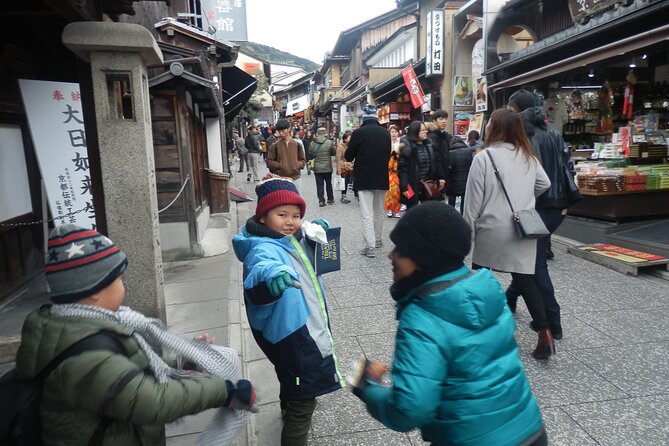
Kyoto follows with Kiyomizu-dera, a World Heritage temple overlooking the city. The tour uses routes intended to avoid the worst crowds, which is useful in a city where narrow lanes can become packed. You also have time to browse the traditional shops near the temple. Admission is 500 yen.
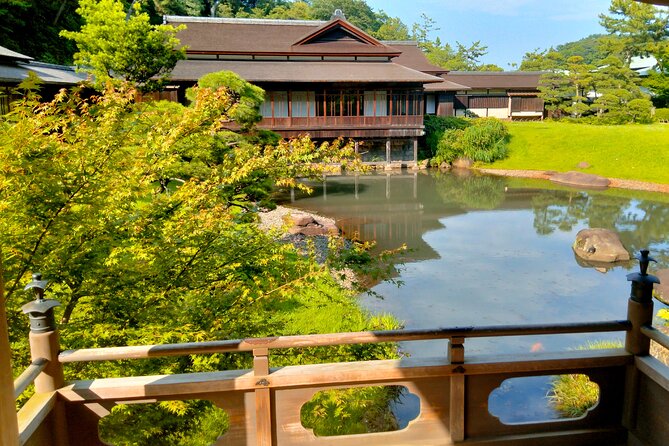
Entoku-in offers a smaller, calmer experience. It was the family home and garden of Nene, the wife of Toyotomi Hideyoshi, and was built in 1605. The gardens are the main reason to stop. A short tea ceremony is available for an additional 1,300 yen. I would consider adding it if you want a cultural activity that is more personal and slower than a quick temple inspection.
Arashiyama Bamboo Forest is next, with about an hour for a walk. The famous grove can be busy, and the schedule does not leave much room for exploring the wider Arashiyama district. If time is short, the route may substitute a less crowded bamboo grove at Kotoku-in Temple. That flexibility is helpful, since the famous path is attractive but not always peaceful.
Fushimi Inari-taisha is one of Kyoto’s signature sights. More than 10,000 orange torii gates form tunnels up the mountain. The shrine’s main structure dates from 1499 and began as a place connected with rice and agriculture. You will not walk the entire mountain route in 40 minutes, but even a short section gives you the classic view.
The final stop is Dotonbori in Osaka. Its back lanes, signs, restaurants, and entertainment make a lively ending after three days of temples and countryside. One hour is enough to get a taste and choose dinner, but dinner is not included. If you want Osaka specialties, use your time wisely and ask the guide for a practical suggestion.
The pace, vehicle, and group size
The group has a maximum of 23 people, which is small enough to feel more manageable than a large coach tour. It is still a group, so you should expect fixed departure times and some waiting when everyone returns to the vehicle.
The air-conditioned vehicle includes WiFi, parking fees, and road tolls. These details matter on a route with many hours on the road. You avoid the effort of moving luggage through several train stations, although road traffic can affect the schedule.
The tour includes three-star accommodation and two breakfasts. The exact hotels are not specified in the supplied details, so check the booking confirmation for names, room arrangements, and the location of each overnight stay.
Most people can participate, and service animals are allowed. Still, the route includes temple grounds, stairs, uneven paths, cave visits, and repeated walking. The tour is suitable for many ages and fitness levels, but it is not a restful holiday.

Guide style and flexibility
The tour is led in English, and Matt is the guide specifically identified in the available information. The experience is described as adaptable to your interests, with the option to focus more on culture, scenery, food, or particular attractions when timing allows.
That flexibility is one of the tour’s strongest features. Ask early if a tea ceremony, a longer temple visit, or a particular regional specialty matters most to you. On a route this packed, the guide cannot give every stop extra time, but clear priorities may help shape the day.
The tour can also be extended with extra time in Tokyo, continued to Hiroshima, or arranged as a return to Tokyo through the Japan Alps. Those options are not part of the basic three-day price, so treat them as possible add-ons rather than included features.
Who should book this Japan highlights tour
I would choose this tour if you are visiting Japan for the first time and want a broad introduction without arranging a complicated route. It is also a good fit if you value a guide who can explain customs, temples, and local culture while you watch the countryside pass by.
Families and mixed-age groups may appreciate the variety. Deer, waterfalls, caves, boats, gardens, shrines, and food districts give each day a different feel. The route also suits visitors who want to finish in Osaka rather than return to Tokyo.
I would hesitate if you prefer slow travel, long meals, independent rail journeys, or detailed exploration of one city. Kyoto alone can fill several days, and this tour gives it only a handful of stops. The same is true of Hakone, Nara, Nagoya, and Kamakura.
The tour is booked an average of 115 days ahead, so popular dates may need planning well in advance. Confirmation is normally provided at booking, subject to availability for reservations made within one day of departure. Cancellation brings a full refund six or more full days before the start, a 50 percent refund two to six days before, and no refund within two days.
Should you book it?
Book this tour if your priority is maximum coverage with minimum planning. In three days, you get a useful first look at Japan’s old capitals, sacred sites, Mt. Fuji country, and Osaka nightlife, with transport and guiding bundled together.
Skip it if you want to settle into one region or make your own schedule. The price is fair for the amount of ground covered and the included transport, lodging, breakfasts, tolls, and parking, but the route is demanding. Go in ready for short visits, extra admission fees, and long days, and you will get a memorable overview rather than a leisurely deep look at Japan.
FAQ
Where does the tour start?
The listed meeting point is Narita Airport Terminal 2 or 3 Station in Narita. Pickup is also offered from a hotel or port of entry in Tokyo or Narita, so confirm the exact arrangement when booking.
Where does the tour end?
The activity ends in a different location from the starting point. The route finishes in Osaka at Dotonbori, but the supplied details do not provide a specific final meeting address.
How long is the tour?
The tour lasts approximately three days.
What destinations are included?
The route includes Kamakura, Hakone, Mt. Fuji, Nagoya, Nara, Kyoto, and Osaka. The overview also describes travel through the Tokyo area and along the coast near Yokohama.
Is transportation included?
Yes. An air-conditioned vehicle, WiFi, parking fees, and road tolls are included. The Hakone ropeway and pirate ship have separate admission charges.
Is accommodation included?
Yes. Three-star accommodation and two breakfasts are included. The specific hotels are not identified in the supplied information.
Are meals included?
Two breakfasts are included. Lunch and dinner are not included, so you should budget for both during the three days.
How large is the group?
The group has a maximum of 23 participants.
What is the cancellation policy?
You receive a full refund if you cancel at least six full days before the start time. Cancellation two to six full days before the start receives a 50 percent refund. Cancellations within two days are not refunded.
More tours in Narita we've reviewed
Mt Fuji Day Trips, compared.
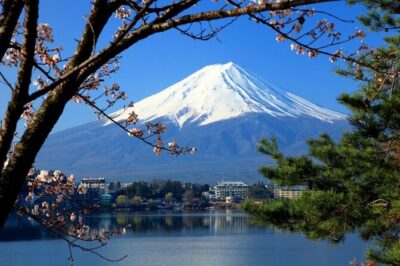 ★ 5.0Mt Fuji and Hakone 1-Day Bus Tour Return by Bullet TrainFrom $163
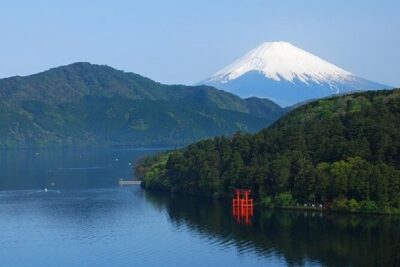 ★ 4.0Mt Fuji & Hakone Cruise, Drum Show Bullet Train 1 Day from TokyoFrom $149
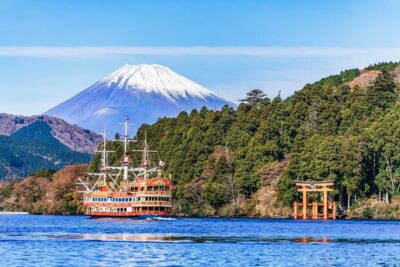 ★ 4.4Tokyo Mt Fuji 5th St & Hakone Cruise Bus Tour w/Bullet TrainFrom $15410 hours
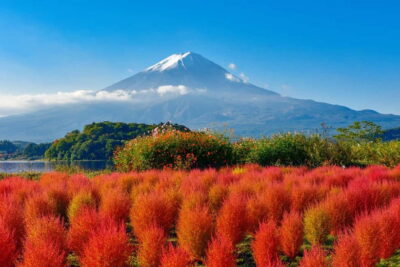 ★ 4.5From Tokyo: Mount Fuji Full-Day Sightseeing TripFrom $6810 hours
 ★ 4.7Tokyo: Mt. Fuji Tour, Hakone Ropeway, Owakudani, Lake AshiFrom $5410 hours
 ★ 4.4Tokyo:Mt.Fuji,Kawaguchiko Oishi Park,Arakurayama Sengen ParkFrom $5410 hours