
Reviewed · TEA CEREMONY & MATCHA
Tokyo: Practicing Zen with a Japanese Tea Ceremony
The most rewarding part of this Tokyo experience comes after the demonstration: you prepare the tea yourself. An English-speaking tea master shows each movement, explains why it matters, and then guides you through your own ceremony. You are not simply watching a polished performance.
I like the small group, limited to 10 people, and the thoughtful seating options. I also like the clear link between tea, Zen Buddhism, Japanese art, and architecture. The main consideration is the setting. One participant heard activity next door, so the room may not always deliver complete quiet, and the Zen exercise itself may feel brief.
In This Review
- Key points to know before booking
- A quiet lesson in the middle of Tokyo
- What happens during the first tea ceremony
- Why the utensils and movements matter
- Zen explained through tea, art, and architecture
- Your turn at the tea table
- Seating, comfort, and access
- Is $63 good value for 75 minutes?
- Who will enjoy this experience most?
- Practical advice for making the most of it
- Should you book this tea ceremony?
- FAQ
- Where does the Japanese tea ceremony take place?
- What should I do if I cannot find the instructor?
- How long does the activity last?
- Is the activity conducted in English?
- Is matcha included?
- Are Japanese sweets included?
- Do I get to prepare tea myself?
- Can I take part if I cannot sit on the floor?
- Are young children allowed?
Key points to know before booking
- You practice after watching: The second ceremony is performed by you with step-by-step guidance.
- Matcha comes with a traditional sweet: The confection is specially paired with the green tea.
- Zen is explained in plain English: The session covers the meaning behind the movements, utensils, and room.
- The group is small: A maximum of 10 people makes it easier to see, hear, and ask questions.
- You do not have to sit on the floor: Chairs are available, and the activity is wheelchair accessible.
- The meeting point is easy to spot: Meet at the main entrance of Kikai Shinko Kaikan, directly opposite Tokyo Tower.
A quiet lesson in the middle of Tokyo
Tokyo can be a noisy, fast-moving city. This 75-minute session asks you to slow down and pay attention to small things: the way a bowl is held, how tea is whisked, and why a guest receives a sweet before drinking matcha.
That simple change of pace is the heart of the experience. You are not signing up for a long religious retreat or a formal Zen course. You are taking part in a short cultural lesson that uses the tea ceremony to explain Japanese ideas about attention, respect, restraint, and peace of mind.
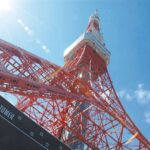
The location helps with the practical side. Kikai Shinko Kaikan is directly opposite Tokyo Tower, so you can combine the class with sightseeing in the area. The activity does not include transportation, but the meeting point is specific: go to the building’s main entrance on the first floor. If you cannot find your instructor, visit True Japan Tour in Room B109 on the basement level.
Allow a little extra time to find the building and settle in. A calm arrival matters here. Rushing in from another attraction would work against the mood the class is trying to create.
A few more Tokyo tours and experiences worth a look
What happens during the first tea ceremony
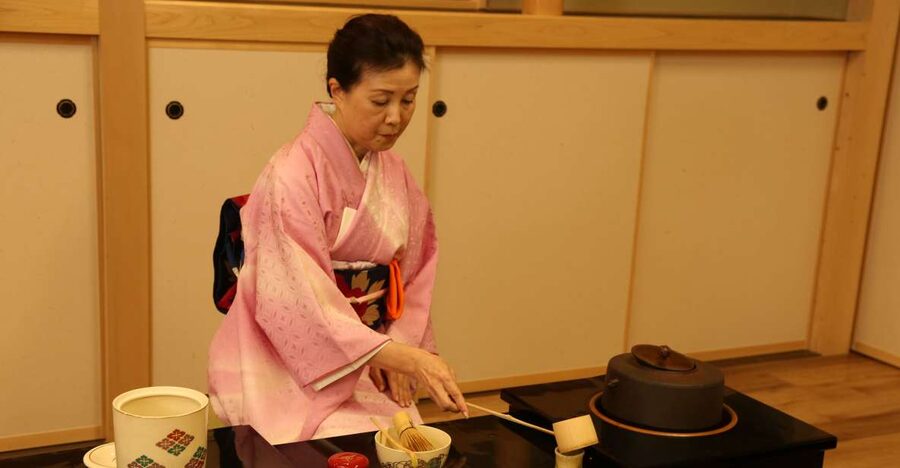
Your instructor begins by demonstrating the ceremony. The pace is deliberate, and the movements are part of the lesson. You watch the handling of the utensils, the preparation of matcha, and the sequence used to serve the tea.
The point is not just to see a traditional performance. The instructor explains the reasons behind the actions. That context makes the ceremony easier to follow and gives you something more useful than a series of unfamiliar gestures.
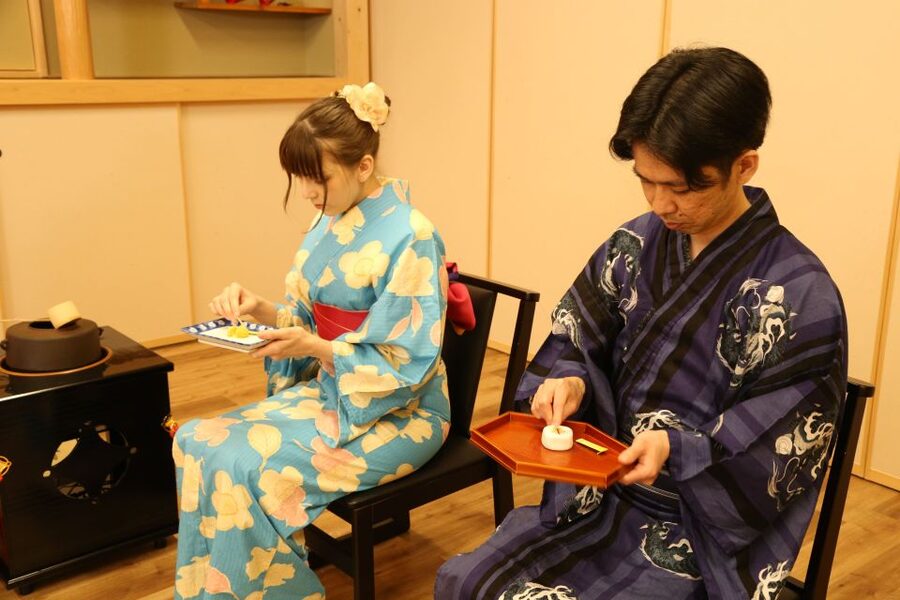
You receive a traditional Japanese confection before tasting the matcha. This pairing is not a random snack choice. The sweetness prepares your palate for the strong, grassy flavor of the tea, making the cup easier to appreciate.
The drink is matcha green tea, prepared in the traditional style. If you have only had sweetened green tea drinks, expect something different. Matcha has a firm, earthy taste, and the ceremony gives you a chance to consider the drink as part of a larger practice rather than treating it as a quick refreshment.
The demonstration is also your chance to watch closely. You will get more from the session if you pay attention to the order of the actions and the way the tea master handles each object. The small group helps here. With no more than 10 participants, you should have a reasonable view of the demonstration and hear the explanations.
Why the utensils and movements matter
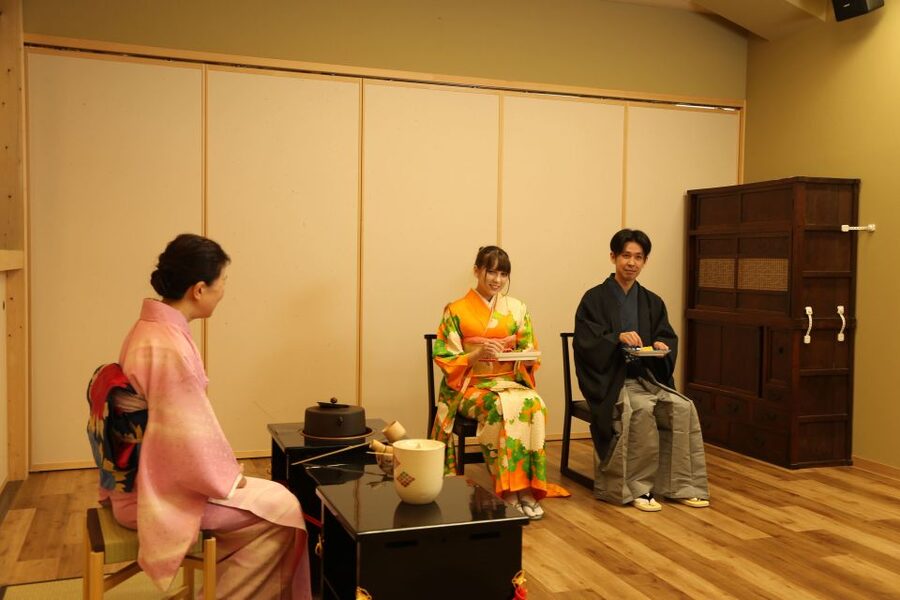
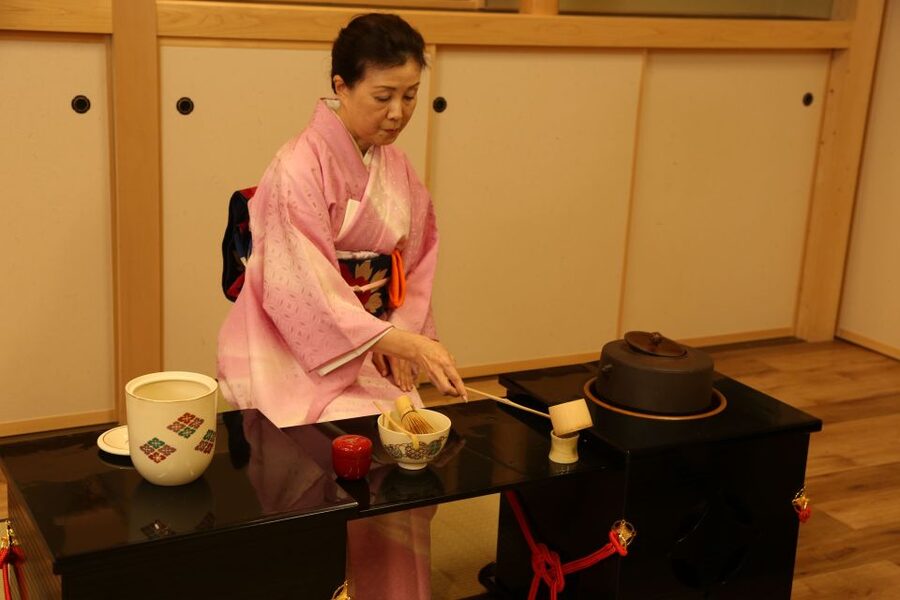
A tea ceremony can look mysterious if you see only the finished performance. The instructor helps remove that mystery by introducing the objects used during the preparation and explaining the role of each one.
You learn that the ceremony is built from many small choices. The utensils are not just tools for making a drink. Their use, placement, and handling form part of the communication between host and guest.
That is where the class earns its price. You are not only tasting matcha. You are learning how a Japanese cultural practice turns ordinary actions into a careful exchange. The lesson gives you a way to notice details you might otherwise miss in a museum, historic building, or formal tea room.
The movements may seem precise at first. This is not a problem. You are not expected to arrive with experience, and the second part of the session is designed to let you try the process yourself.
Zen explained through tea, art, and architecture
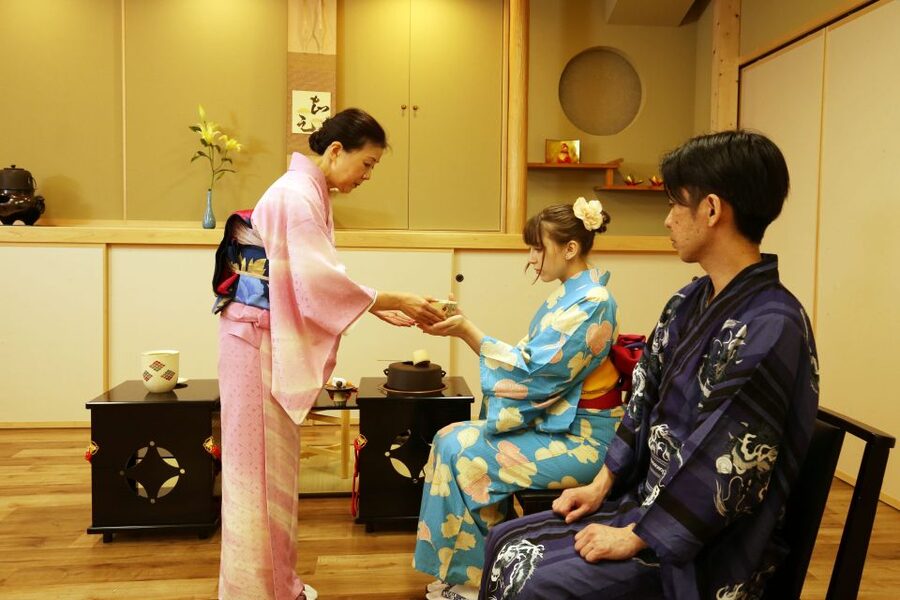
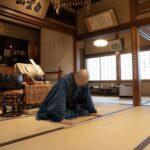
The tea ceremony is closely tied to Zen Buddhism, and the instructor explains that connection during the session. You learn how the practice expresses ideas about focus and calm, and how the setting, objects, and movements support those ideas.
This discussion is one of the strongest reasons to choose this activity over a simple matcha tasting. A tasting gives you a flavor and a photo. This class gives you some background for understanding why the ceremony looks and feels the way it does.
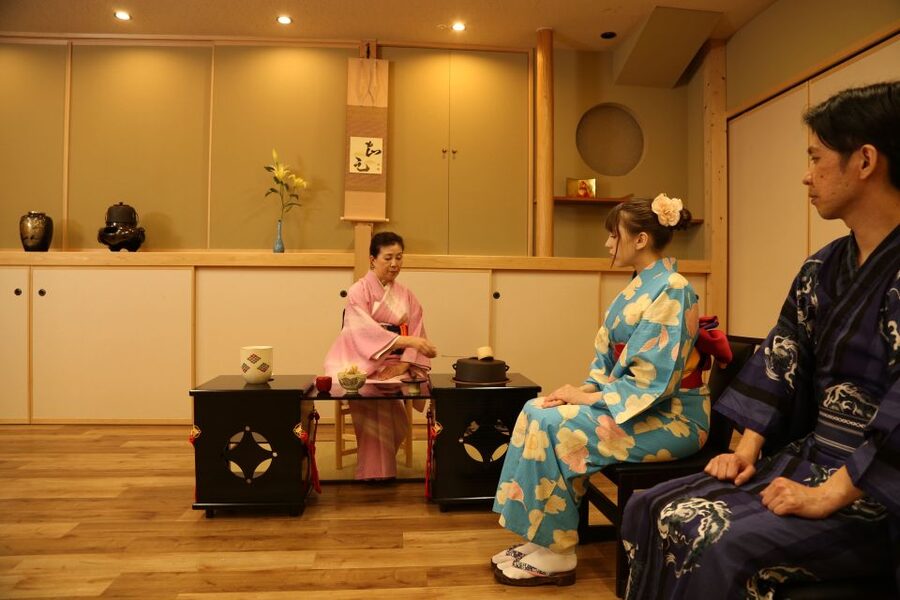
The experience also connects Zen with Japanese art and architecture. The room is treated as part of the lesson, not just a place where chairs and tea equipment happen to be arranged. The atmosphere encourages quiet attention, although you should keep your expectations realistic. One participant found that sound from an activity next door disturbed the calm.
Noise is also specifically discouraged during the activity. That rule makes sense, since the ceremony depends on listening and concentration. Still, the surroundings may not be perfectly silent at every moment.
The Zen element is present, but it is not the main length of the program. One participant felt the Zen exercise was too short. If you want sustained meditation or a serious Buddhist study session, this is probably not the right choice. If you want a clear introduction to how Zen ideas appear in tea practice, the format should suit you well.
Your turn at the tea table
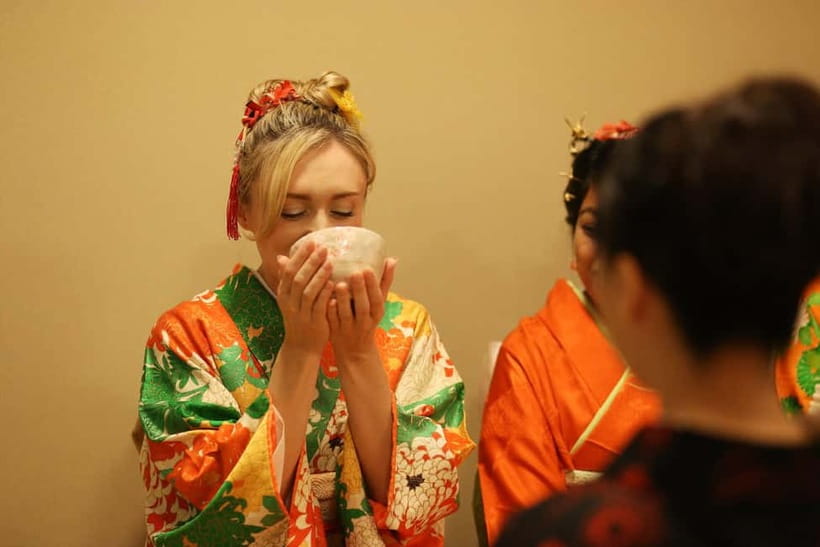
After watching the tea master, you conduct a second ceremony yourself. The instructor guides you through the process, so the session becomes hands-on rather than purely observational.
This is the most useful part for many people. When you perform the actions yourself, you understand why the demonstration was so exact. You also discover that remembering the order of the steps is harder than it looks, which is part of the fun.
The teacher’s role is supportive rather than intimidating. Several instructors have led this activity, including Junko, Ken, and Midori, and the feedback consistently highlights friendly, patient teaching. The exact instructor depends on the session you book, but the format calls for expert guidance throughout.
The practice is suitable for beginners with no prior knowledge. You do not need to understand Zen Buddhism, know the names of tea utensils, or have taken part in a Japanese ceremony before. The instructions are given in English, and the teachers are described as clear and easy to follow.
There is also a social benefit to the practice. A small group gives you the chance to watch other participants try the movements, while still keeping the session personal. The class has been described as intimate, and the limited size helps the instructor give attention to each person.
A few more Tokyo tours and experiences worth a look

Seating, comfort, and access
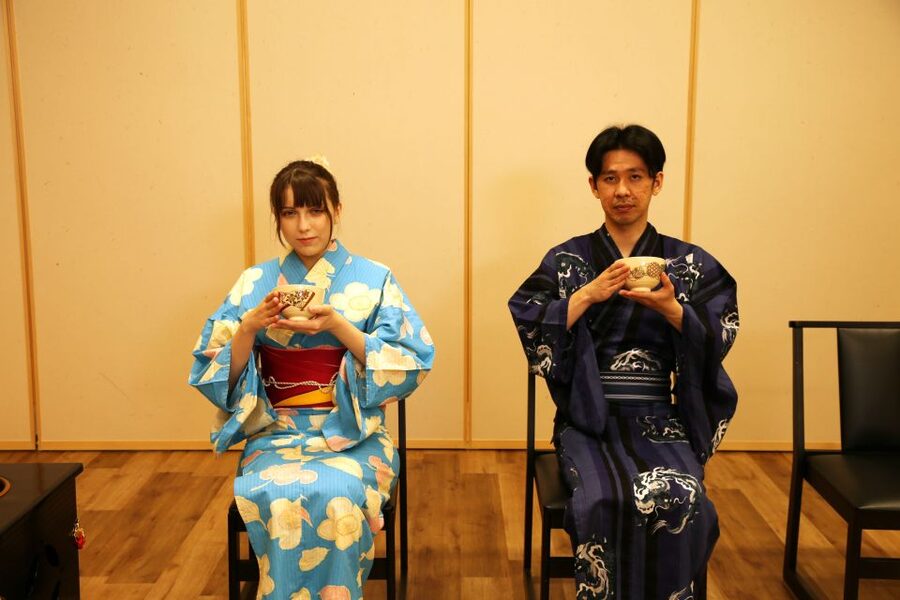
Traditional tea ceremonies are often associated with sitting on the floor. That can be uncomfortable or impossible for some people, but this experience provides chairs for participants who prefer not to sit that way.
That detail matters more than it may seem. You can focus on the tea and the instruction instead of worrying about your knees, balance, or getting back up. The activity is also wheelchair accessible.
Children under 4 are not permitted. The quiet format and careful movements are best suited to older children and adults who can follow instructions and respect the no-noise rule. The supplied information does not specify an older minimum age, so check the booking details if you are planning to bring a young child.
The room itself is arranged to feel like a tea room, according to one participant. It is not necessarily a historic temple or traditional garden setting, so you should book this for the teaching and practice rather than for grand architecture or an outdoor setting.
Is $63 good value for 75 minutes?
At $63 per person, this is not the cheapest way to drink matcha in Tokyo. You can find tea and sweets elsewhere for far less. The value here comes from the instruction, the cultural explanation, and the chance to make the tea yourself.
I consider the price reasonable for someone who wants more than a photo opportunity. You receive the demonstration, matcha, a traditional sweet, an explanation of Zen and the ceremony’s details, and a second ceremony performed with your guidance.
The small group also affects the value. A maximum of 10 participants gives the instructor a better chance to correct your movements and answer questions. A large performance may look impressive, but it would not offer the same chance to participate.
The 75-minute duration is another advantage. It fits neatly into a day of sightseeing near Tokyo Tower, yet it gives enough time for explanation and practice. You should not expect a full afternoon of study. This is a compact introduction, and the short Zen exercise may disappoint if that is your main reason for booking.
The activity receives a rating of 4.7 from 105 reviews, with especially strong praise for the instructors, the clear explanations, and the hands-on format. I would treat that as a sign that the teaching style is the main strength, not as a promise of perfect silence or a grand traditional venue.
Who will enjoy this experience most?
I would recommend it to first-time visitors who want a manageable introduction to Japanese culture. It gives you useful context without requiring a full day or a specialist interest in Buddhism.
It is also a good fit if you enjoy learning by doing. Watching the tea master is interesting, but the real memory comes from preparing your own matcha and trying to repeat the sequence.
The class should suit you if:
- You want an English-language cultural activity near Tokyo Tower.
- You are curious about Zen Buddhism but do not want a formal religious lesson.
- You prefer a small group to a large demonstration.
- You want to taste matcha with a traditional Japanese sweet.
- You need a chair instead of floor seating.
- You value explanation and participation more than a historic venue.
You may want to skip it if you are looking for a long meditation session, a temple visit, or a ceremony held in a perfectly silent setting. The program is indoors, transportation is not included, and the Zen exercise is fairly brief.
Practical advice for making the most of it
Arrive at Kikai Shinko Kaikan’s main entrance on the first floor, opposite Tokyo Tower. If the instructor is not there, go to True Japan Tour, Room B109 on the B1 floor.
Keep your phone quiet and avoid unnecessary conversation during the demonstration. Noise is not allowed, and the ceremony depends on hearing the explanations and noticing the movement of the utensils.
Wear something that allows you to sit comfortably, even if you plan to use a chair. The information does not require floor seating, but you may still want clothing that does not restrict movement when you try the procedure.
Pay attention to the reasons behind each step. It is easy to focus only on the visual details, but the instructor’s explanation of the why is what turns the class into a cultural experience.
Also, leave room in your schedule for the area around Tokyo Tower. Since no transportation is provided, you are responsible for reaching the meeting point, but the central location makes it practical to pair the tea ceremony with nearby sightseeing.
Free cancellation is available up to 24 hours before the activity for a full refund. You can also reserve now and pay later, which helps if your Tokyo schedule is still changing.
Should you book this tea ceremony?
Book it if you want a friendly, hands-on lesson that explains the meaning behind Japanese tea rather than simply serving you a cup. The instructors, including teachers such as Junko, Ken, and Midori, receive especially warm praise for making beginners comfortable and explaining the ceremony clearly.
The strongest feature is the chance to perform the ceremony yourself. The matcha and sweet are welcome, but the real value is understanding the sequence, the utensils, and the connection with Zen.
Keep your expectations measured. This is a 75-minute introduction, not an extended meditation retreat. The venue may have occasional noise from next door, and the Zen exercise could feel short. For most visitors seeking a practical cultural activity near Tokyo Tower, though, the price is fair and the experience offers far more than a standard tea tasting.
FAQ
Where does the Japanese tea ceremony take place?
Meet at the main entrance of the Kikai Shinko Kaikan building on the first floor. The building is directly opposite Tokyo Tower.
What should I do if I cannot find the instructor?
Visit True Japan Tour in Room B109 on the B1 floor of the Kikai Shinko Kaikan building.
How long does the activity last?
The tea ceremony experience lasts 75 minutes.
Is the activity conducted in English?
Yes. The instructor speaks English, and English is the listed activity language.
Is matcha included?
Yes. Traditional matcha green tea is included in the experience.
Are Japanese sweets included?
Yes. You receive a traditional Japanese confection specially paired with the green tea.
Do I get to prepare tea myself?
Yes. After watching the instructor’s ceremony, you take part in a second ceremony yourself with expert guidance.
Can I take part if I cannot sit on the floor?
Yes. Chairs are available for participants who prefer not to sit on the floor, and the activity is wheelchair accessible.
Are young children allowed?
Children under 4 are not permitted to take part.
More Temples & Meditation in Tokyo
More Tea Ceremony & Matcha in Tokyo

More tours in Tokyo we've reviewed





Tea Ceremony & Matcha, compared.
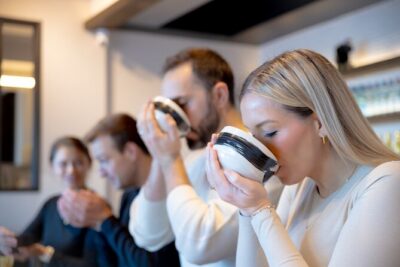 ★ 5.0Matcha Making Class in Tokyo with Authentic Japanese Sweets SetFrom $21
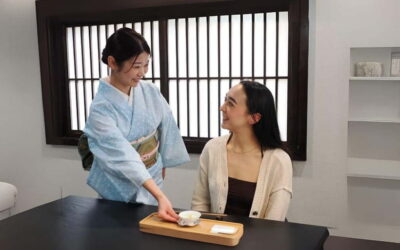 ★ 5.0Tokyo: Traditional Tea Ceremony with a Tea MasterFrom $381 hour
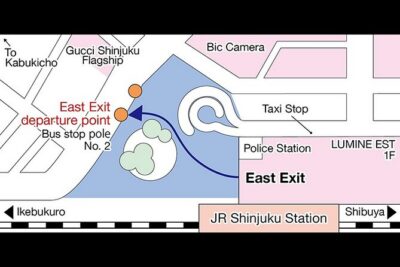 ★ 4.5Dynamic Tokyo: Tokyo Tower, Tea Experience, Bay Cruise Day TourFrom $99
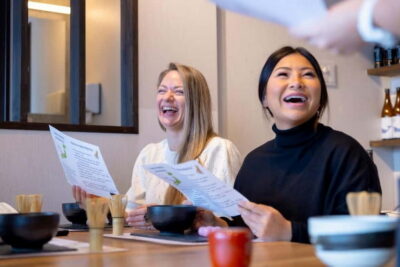 ★ 4.9Tokyo: Matcha Making Experience with Mochi Sweets in AsakusaFrom $221 hour
 ★ 4.7Tokyo: Matcha and Kimono ExperienceFrom $57
 ★ 5.0Tea Ceremony Workshop in Tokyo by the Experienced InstrucorFrom $38