
Reviewed · CRAFT WORKSHOPS
Craft Your Own Elegant Handmade Chopsticks from Scratch
Making chopsticks sounds simple until you see how much thought goes into the taper, weight, and tip. In a quiet Sasazuka workshop, you shape hinoki cypress wood with craftsmen’s tools, sand it smooth, and finish it with camellia oil for a pair made to suit your hands and favorite foods.
I like two things here: the work is genuinely hands-on, and the small group size means the artisan can help without rushing you. I also like the English support, especially Amy’s patient translation and explanations of chopstick design. The main consideration is price: at $97.98, this is a premium souvenir, and the session requires at least two participants.
In This Review
- Key details before you book
- Why this small Tokyo workshop feels different
- Meeting at Sasazuka Station
- At Kakehashi, chopsticks become more than souvenirs
- Shaping hinoki wood with craftsmen’s tools
- Sandpaper and camellia oil finish the pair
- The optional lacquer session adds a second craft
- What the $97.98 price really includes
- Who will enjoy this experience most
- Practical booking advice for a smooth afternoon
- Should you book these handmade chopsticks?
- FAQ
- Where does the chopstick-making experience take place?
- What time does the experience start?
- How long does the activity last?
- What do I make during the workshop?
- Are the finished chopsticks included?
- Is the lacquer activity required?
- Is English assistance available?
- How many people can join?
- Can I cancel for a full refund?
Key details before you book
- Shape chopsticks from raw hinoki wood: You decide the form rather than simply decorating a ready-made pair.
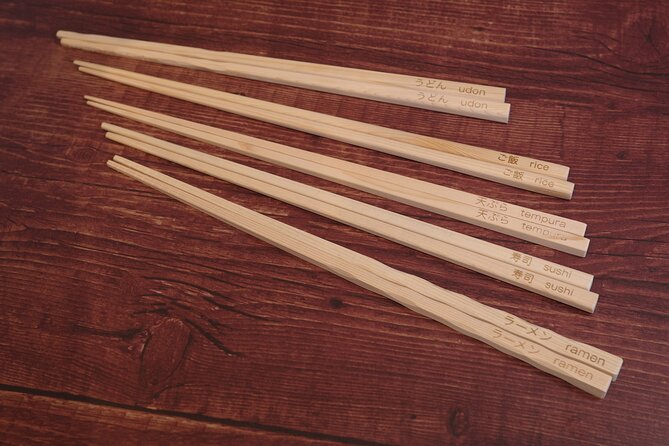
- Learn why chopsticks differ: The workshop connects shape and finish with foods such as sushi, tempura, and ramen.
- Visit a working lacquer area: The optional lacquer segment offers access to a normally off-limits part of the workshop.
- Get careful English support: Amy has helped with translation, instruction, and background on Japanese craft.
- Keep the pair you make: Your custom chopsticks are included in the price.
- Expect a small, focused group: The minimum is two people and the maximum is six.
Why this small Tokyo workshop feels different
Tokyo offers plenty of polished cultural activities, but this one asks you to make something useful with your own hands. You are not just watching a demonstration or adding your name to a souvenir. You start with wood, make choices about its shape, and leave with a pair that carries the marks of your own work.
The setting matters. Kakehashi is in Sasazuka, a short train ride from Shinjuku, in a quieter part of Tokyo rather than in the middle of the city’s main sightseeing zones. That gives the afternoon a calmer rhythm. You meet at Sasazuka Station at 1:00 pm, walk about 10 minutes to the shop and workshop, and then settle in for the craft session.
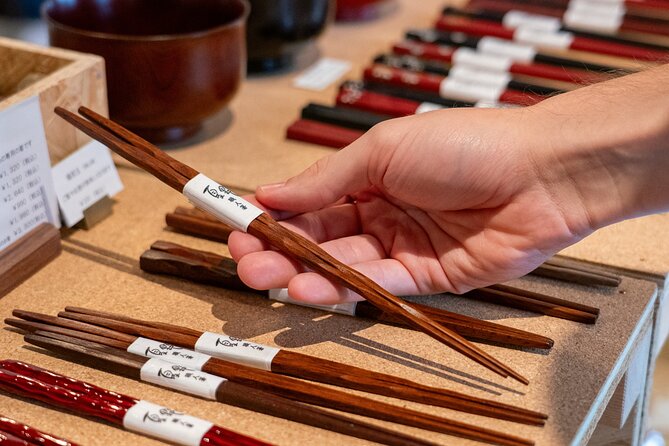
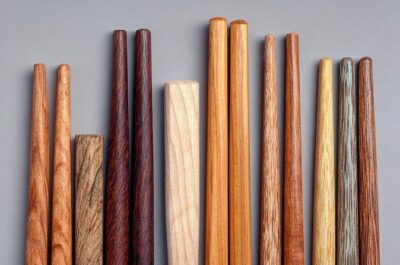
The space also functions as a specialty chopstick shop. Before or after your workshop, you can look at many finished styles and see how much variety exists in an object most people use without thinking about it. Some are designed with particular foods in mind, and that display helps explain why a pair for sushi may not feel or perform exactly like one intended for ramen or tempura.
I would choose this experience for a curious couple, a family with older children, or anyone who prefers a hands-on afternoon to another major Tokyo attraction. It is also a good choice if you want a souvenir that is light, useful, and tied to a traditional skill.
A few more Tokyo tours and experiences worth a look

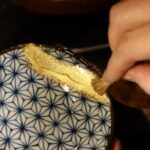
Meeting at Sasazuka Station
Your meeting point is Sasazuka Station, at 1 Chome-57 Sasazuka, Shibuya, Tokyo. The guide takes the group from the station to Kakehashi, a walk of roughly 10 minutes.
That short walk is part of the appeal. You do not need to arrange a private car or hotel pickup, and the activity is close to public transportation. Private transport, hotel travel, and other transportation expenses are not included, so you should plan your route to the station yourself.
The experience ends back at the venue rather than at a separate downtown drop-off point. From there, you can continue exploring or return by train. Since the start time is fixed at 1:00 pm, allow enough time to reach Sasazuka and find the meeting point without hurrying.
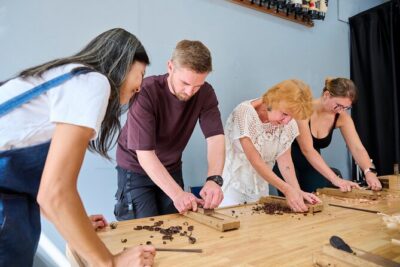
The group limit of six is especially useful here. A craft lesson can become frustrating if several people need help at once, but this format allows the instructor to watch your technique and step in when needed. The minimum of two also means a solo booking may not proceed unless another participant joins.
At Kakehashi, chopsticks become more than souvenirs
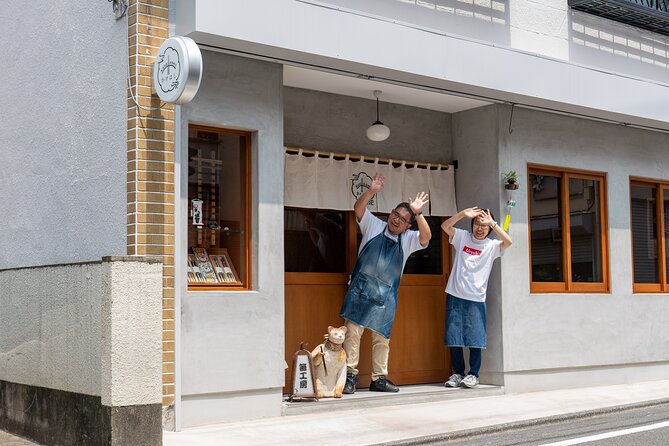
Kakehashi is both a shop and a workshop, so the first part gives you context before the tools come out. You learn about the background of chopsticks and see different types displayed around you.
This introduction is not filler. Japanese chopsticks are not one standard shape copied again and again. Length, thickness, point, and finish can vary according to the user and the food. The workshop explains the small design choices that make a pair easier to use.
That practical focus gives the activity a nice edge. You are not crafting an object only for a shelf. You are thinking about the size of your hand, the meals you eat, and the shape that feels natural when you hold the finished pair.
The shop also gives you a chance to compare your work with completed examples. If your first pair looks a little uneven, you will have a better sense of what makes handmade work special. The point is not factory-perfect symmetry. The point is learning how a craftsman brings a simple piece of wood into daily use.
Shaping hinoki wood with craftsmen’s tools
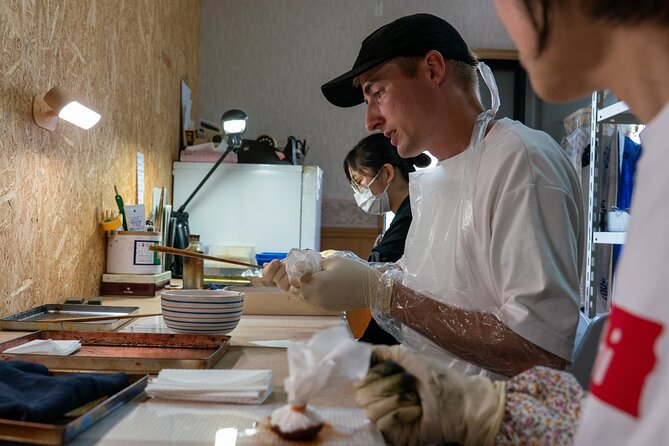
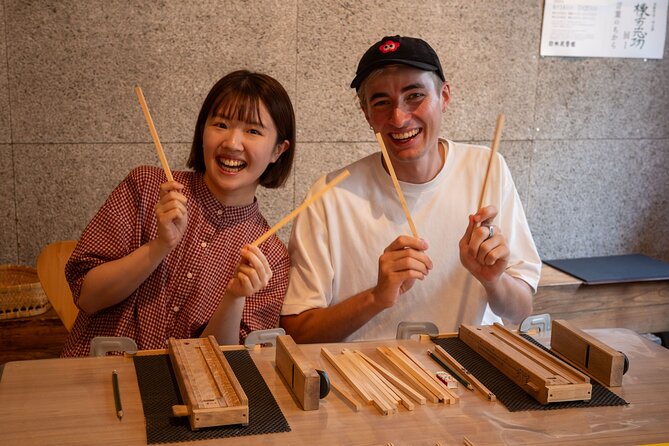
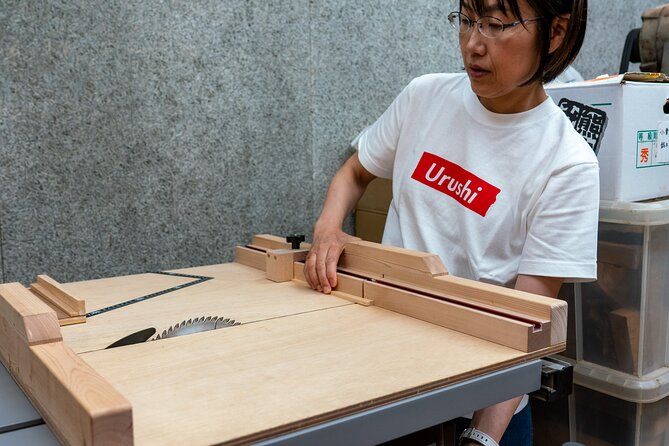
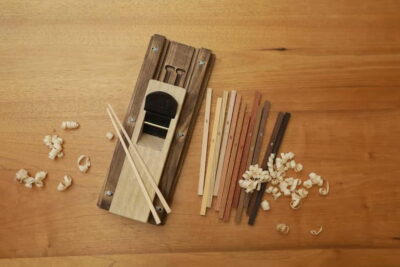
The main chopstick-making session lasts about 55 minutes. You begin with hinoki wood, also called Japanese cypress, and learn how to shape it using the workshop’s tools.
The process is guided step by step, but it leaves room for personal choices. You can create a form that suits your hand and the kinds of food you usually eat. That balance is important. Complete freedom could leave you unsure where to begin, while a rigid class would make every pair look the same.
You will gradually refine the wood rather than finish it in one dramatic move. The work requires attention and a light touch. This is where the lesson becomes more meaningful than a quick souvenir activity: you begin to notice how small changes affect balance and handling.
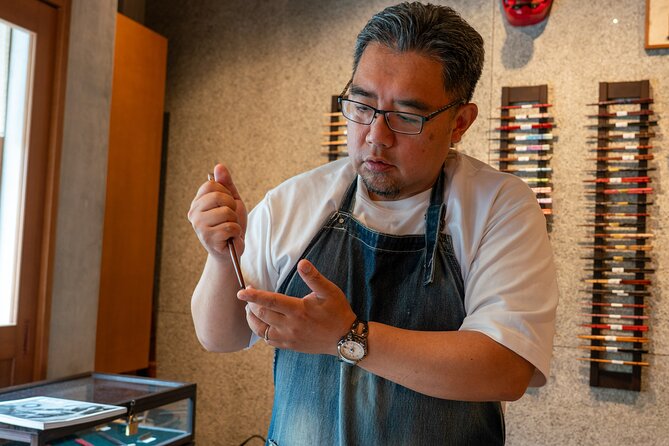
The staff’s manner is another strong point. Amy has provided English translation and helped explain both the technique and the history behind the chopsticks. The teaching is described as patient and supportive, with plenty of guidance while still allowing you to use your own judgment.
You should not expect to become a professional woodworker in under an hour. You will, however, gain a clear sense of the care involved in making an everyday Japanese object. The process can also be calming, especially if you enjoy repetitive handwork and prefer a quiet activity to a packed sightseeing schedule.
Sandpaper and camellia oil finish the pair
Once the general shape is ready, you refine the surface with sandpaper. This is the stage where rough edges become smoother and the form starts to feel like a finished utensil rather than a carved stick.
Take your time here. The shape may look good on the table but feel different in your hand, so this is a useful moment to check the balance and grip. The staff can guide you, but your comfort matters most because you will be the person using the chopsticks later.
The final treatment uses camellia oil. It gives the wood a finished feel and adds another connection to traditional Japanese craft. You leave with the custom-made chopsticks included in the booking, making the result both a keepsake and a working utensil.
That practical result is one reason I find the price easier to understand. You are paying for instruction, access to a functioning workshop, a small-group format, and a handmade object that you create yourself. At $97.98, it is not a low-cost activity, but it offers more lasting value than a generic souvenir if you care about process and personal meaning.



The optional lacquer session adds a second craft
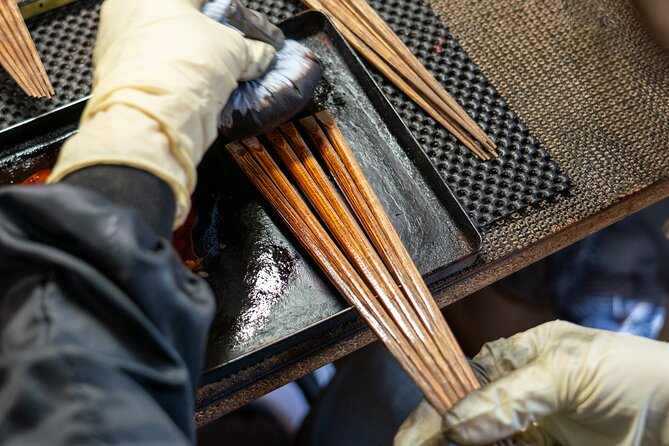
The listed program includes about 25 minutes for a lacquer-coating experience, and participants can opt to take part. This portion goes beyond chopstick shaping and introduces Japanese lacquerware.
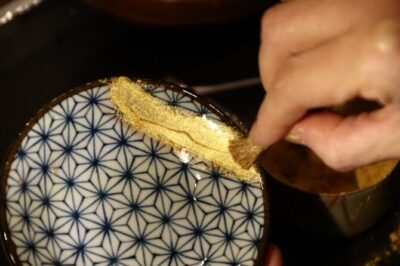
You can see the lacquer workshop, an area normally closed to the public, and learn how lacquer is used in traditional crafts connected with shrines, temples, and daily life. The setting lets you observe craftsmen at work and experience the distinctive scent of the material.
This is a valuable addition because lacquer is easy to admire without understanding. The session gives you a closer look at the material and the work behind finished lacquerware. It also broadens the lesson from one household object to a wider part of Japanese craft culture.
If the lacquer activity is important to you, confirm the exact participation details when booking, since the description presents it as optional. The chopstick-making portion remains the central activity, while the lacquer segment gives the afternoon an extra layer for people who want more than wood shaping.
What the $97.98 price really includes
The cost is $97.98 per person. Included is your custom-made pair of chopsticks, plus the guided workshop and the listed lacquer-coating experience.
Not included are private transportation, hotel travel, meals, and drinks. Since the meeting point is at Sasazuka Station, you will also need to cover your own route to and from the station.
I would judge the value in three parts. First, you get a useful item made specifically by you. Second, you receive close instruction in a small group rather than simply attending a large demonstration. Third, you gain access to a specialist shop and a normally restricted lacquer work area.
The value is strongest if you enjoy craft, design, and cultural context. If you only want a cheap souvenir or a quick photo opportunity, the price may feel high. The session also takes two hours, so it uses a good part of an afternoon, but that is a fair trade if you want a slower break from Tokyo’s crowded districts.
This experience is booked, on average, 58 days ahead. That does not guarantee it will sell out on your dates, but it is a useful signal to reserve early, especially if you need a particular afternoon during a short Tokyo visit.
Who will enjoy this experience most
I would recommend it to couples and friends who want a shared activity with a tangible result. The minimum of two makes it naturally suited to people booking together, while the six-person maximum keeps the session personal.
Families can also consider it, since most participants can take part. The available information does not specify a minimum age, so check before booking if you are bringing young children. The tools and careful shaping may be better suited to participants who can follow detailed instruction.
This is a good fit for anyone interested in Japanese daily life. Chopsticks are familiar, but the class shows how much design sits behind them. You learn why different meals call for different forms and why a handmade pair can feel more personal than an ordinary store purchase.
It is less suitable if you need a fast activity between major attractions. The workshop is in Sasazuka, requires a station meeting, and finishes at the venue. You should also be comfortable with a quiet, careful class rather than a high-energy group show.
Practical booking advice for a smooth afternoon
You receive confirmation when you book, and the activity accepts a mobile ticket. Bring the booking information on your phone and arrive at Sasazuka Station in time for the 1:00 pm start.
Wear something comfortable for handwork. The supplied information does not state a dress code, but shaping and sanding wood is easier when you can sit and work without fussing over your clothing or belongings.
Think ahead about the kind of chopsticks you want. You can tailor the shape to your hand size and preferred cuisine, so it helps to consider whether you prefer a lighter pair, a more substantial grip, or a form suited to foods you eat often.
The experience offers free cancellation if you cancel at least 24 hours before the local start time. Cancellations or changes made within 24 hours are not refunded, and the activity may be canceled if the minimum number of participants is not met. In that case, you are offered another date or experience, or a full refund.
Should you book these handmade chopsticks?
Book it if you want a quiet, personal Tokyo activity and like the idea of using a souvenir made with your own hands. The best parts are the small group, patient English support from Amy and the team, the freedom to shape the design, and the chance to see lacquer work that is usually off-limits.
I would skip it if your budget is tight, your schedule is packed, or you are looking for a broad city tour. At $97.98, this is a specialist craft session, not a bargain attraction. For the right person, though, the finished chopsticks will recall a specific afternoon in Tokyo every time they appear at dinner.
FAQ
Where does the chopstick-making experience take place?
The activity takes place at the Kakehashi shop and workshop in Sasazuka, Tokyo. You meet your guide at Sasazuka Station and walk about 10 minutes to the venue.
What time does the experience start?
The scheduled start time is 1:00 pm.
How long does the activity last?
The full experience lasts approximately two hours. The chopstick-making session takes about 55 minutes, followed by about 25 minutes for the lacquer-coating experience.
What do I make during the workshop?
You make your own pair of chopsticks from hinoki wood. You shape the wood, refine it with sandpaper, and finish it with camellia oil.
Are the finished chopsticks included?
Yes. Custom-made chopsticks are included in the experience.
Is the lacquer activity required?
No. Participants can opt to take part in the lacquer-coating experience. The session includes a look at the lacquer workshop and an introduction to lacquerware and traditional Japanese crafts.
Is English assistance available?
Yes. An English-speaking guide is available, and Amy has provided English translation and explanations during the workshop.
How many people can join?
The minimum number of participants is two, and the maximum is six.
Can I cancel for a full refund?
Yes, if you cancel at least 24 hours before the experience start time. Cancellations or changes made less than 24 hours before the start are not accepted for a refund.
More Craft Workshops in Tokyo
More tours in Tokyo we've reviewed





Craft Workshops, compared.
 ★ 5.0Tokyo Shinjuku Chopsticks Making ClassFrom $20
 ★ 4.8Chopstick Making Workshop in GinzaFrom $251 hour
 ★ 5.0Kintsugi Experience: Art of Golden Joinery in TokyoFrom $59
 ★ 5.0Tokyo Chopstick Making Workshop with ArtisanFrom $26
Tokyo: Shinjuku Chopstick Making ClassFrom $121 hour
Tokyo: Chopstick-Making WorkshopFrom $61 hour
★ 5.0Tokyo Chopstick Making Workshop with ArtisanFrom $26
Tokyo: Shinjuku Chopstick Making ClassFrom $121 hour
Tokyo: Chopstick-Making WorkshopFrom $61 hour