
Reviewed · TSUKIJI MARKET TOURS
Tokyo: Toyosu Tuna Auction &Tsukiji Market Gourmet Adventure
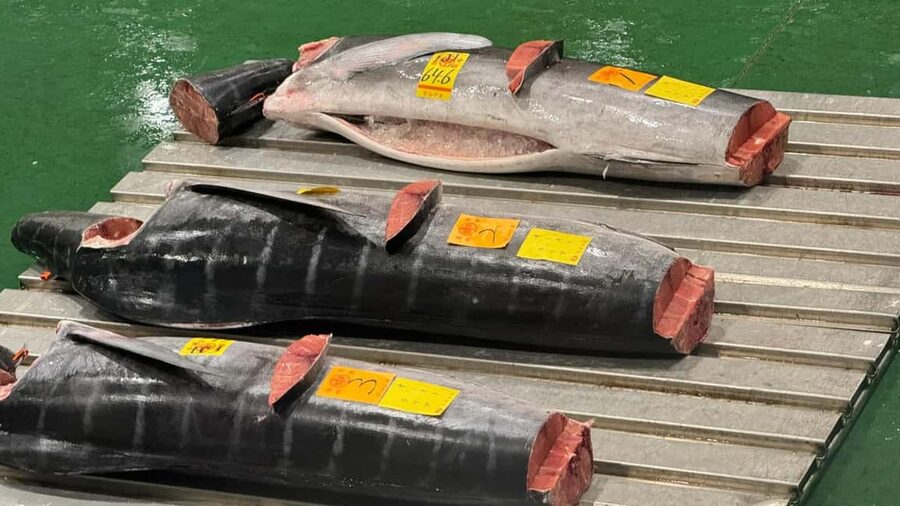
The morning begins with bluefin tuna lined up for grading, then moves to the rapid hand signals of the Toyosu auction. A personal audio guide helps you follow the action from the second-floor viewing deck, where the spectacle is clear but not especially close. I like the smart pairing of Toyosu’s modern market with Tsukiji’s older shopfronts, and I like having guides such as Tim, Lin, and Eon explain what you are seeing instead of leaving you to guess.
I also like the efficient timing: auction, breakfast, Toyosu processing areas, then Tsukiji before 8:30 AM. The catch is the hour and the viewing distance. You must reach Toyosu by 5:00 AM, usually by taxi or Uber, and the standard view is through glass from above. The first-floor close-up view is a lottery, not a promise.
In This Review
- Key points at a glance
- Why the 5:00 AM start is worth considering
- Toyosu’s tuna auction, seen from above
- The first-floor lottery is a bonus, not the plan
- A seafood breakfast at Toyosu
- Toyosu beyond the auction floor
- The short transfer from Toyosu to Tsukiji
- Tsukiji’s small shops and old-market feel
- Guides, audio equipment, and group rhythm
- Who gets the most from this $122 experience
- Booking and morning planning tips
- Should you book the Toyosu and Tsukiji morning tour?
- FAQ
- What time does the tour start?
- Where is the meeting point?
- Is hotel pickup available?
- Can I reach the meeting point by public transportation?
- Where do I watch the tuna auction?
- Can I enter the first-floor viewing area?
- How do I apply for the first-floor lottery?
- Are meals included in the price?
- What happens if the auction is not operating?
- Is the tour suitable for dietary restrictions?
Key points at a glance
- See the tuna auction from the second-floor public deck: Your guide uses a personal audio guide to explain grading, hand signals, and transactions in real time.
- Compare two very different markets: Toyosu is planned, modern, and controlled, while Tsukiji is a maze of small food and kitchenware shops.
- Expect an early start: Meet at Lawson Toyosu Market Senkyaku Banrai at 5:00 AM, with optional hotel pickup around 4:20 AM in selected areas.
- Breakfast brings the seafood story to the plate: Daily options may include sushi, seafood ramen, and samples of different tuna cuts, depending on supply and opening hours.
- Guides add practical value: Tim is often praised for clear explanations and food recommendations, while Lin and Eon are also noted for organization and market knowledge.
- Plan around closed auction days: Auctions do not operate on Wednesdays, Sundays, or Japanese public holidays.
Why the 5:00 AM start is worth considering
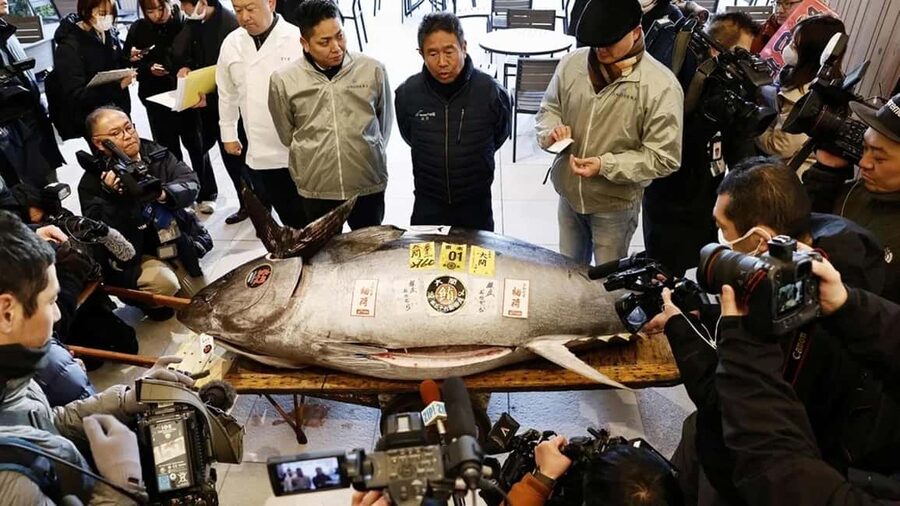
Tokyo’s fish trade is already moving before most of the city has had coffee. This tour places you at Toyosu during the key morning window, when tuna is inspected, graded, and sold to buyers. You are not simply walking through a market after the important work is over.
The early hour is also part of the price. At $122 per person, you are paying for access at a difficult time, a guide who interprets the auction, and the transfer to Tsukiji. You still need to budget for breakfast and any extra food or shopping, since meals are not clearly listed among the included services.
I see the tour as good value if you want context rather than a quick photo stop. A self-guided visit may cost less, but you would need to manage the early arrival, understand the auction signals, find the best public viewing position, and arrange the move to Tsukiji yourself.
The practical issue is sleep. The meeting point is not served by normal public transport at that hour, so a taxi or Uber is the sensible choice. Pickup can be arranged for selected hotels and inns in Chiyoda, Chuo, and Taito wards, usually around 4:20 AM, but you need to confirm that your accommodation qualifies.
A few more Tokyo tours and experiences worth a look

Toyosu’s tuna auction, seen from above
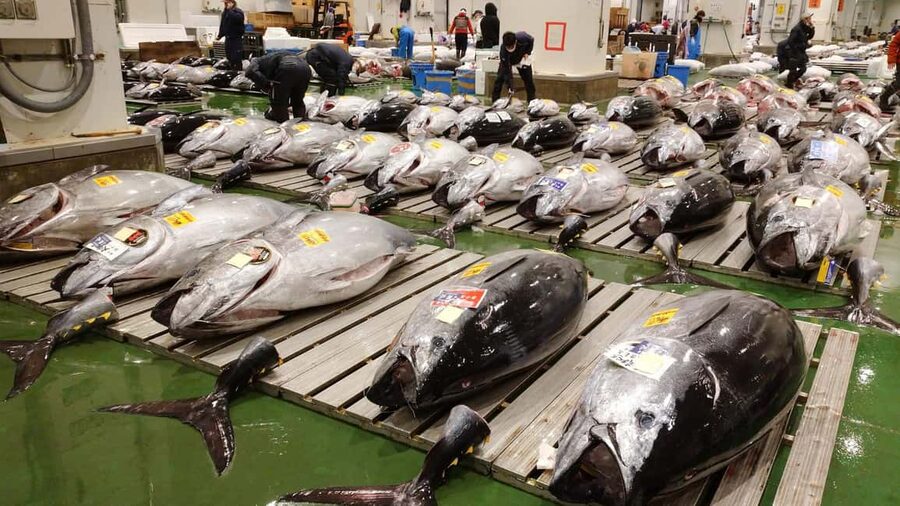
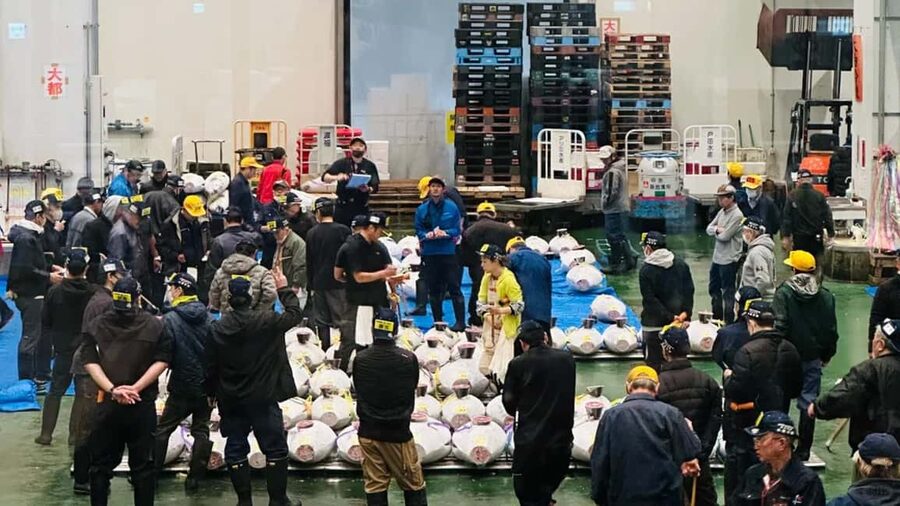
The main event runs from about 5:00 to 6:30 AM. From the public observation deck on the second floor, you look down toward the tuna trading floor. The building gives you a clean, organized view, but it also puts a layer of glass and distance between you and the action.
That distinction matters. If you picture yourself standing beside buyers and hearing every call directly, adjust your expectations. The standard experience is observation from above, supported by the tour’s personal audio guide. One device is provided per person, which helps you hear the explanation without straining to follow a group guide in a large market building.
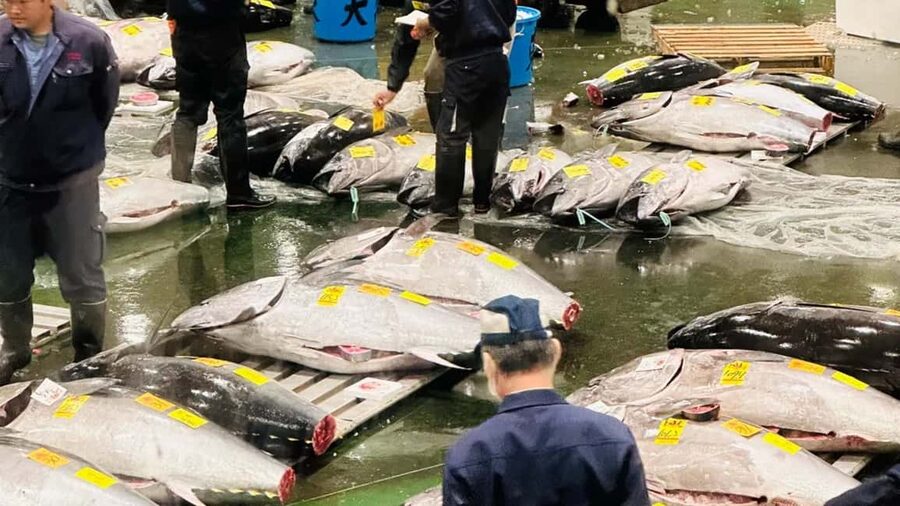
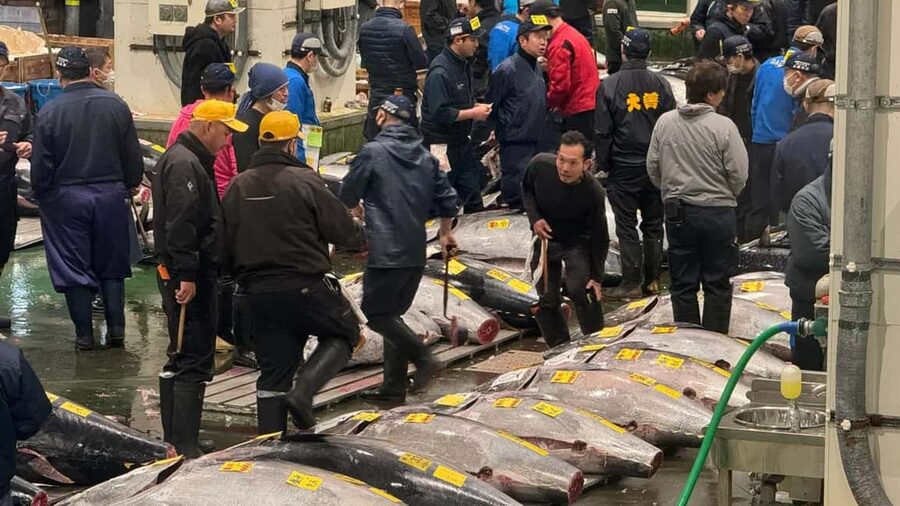
The auction itself can be hard to read at first. Buyers and auction staff use quick hand movements and fixed signals, while the tuna may look like a row of similar frozen shapes to an untrained eye. Your guide explains what the grading process means, how the signals work, and why the fish is handled with such care.
This is where the tour earns its keep. Instead of seeing only a busy floor, you get a working explanation of the seafood chain. The guide can also discuss seasonal auction patterns and suggest alternatives when certain fish are out of season.
Arriving early may help you claim a better position on the public deck. Several participants specifically valued guides who organized the group well and pointed out the best viewing windows. Still, the auction is not fully predictable. Market operations can change, and the guide makes the final decisions about the route and timing on the day.
Photography and loud conversation are not allowed. Bring your passport or another ID if you enter the first-floor viewing area after winning the lottery. For the normal second-floor viewing, the audio guide remains part of the experience regardless of lottery results.
The first-floor lottery is a bonus, not the plan
The tour can assist with registration for the first-floor viewing lottery, but you must complete your booking by the fifth day of the preceding month and supply the full names of everyone in your party. Spots are limited and selection is random.
This means you should book early if the closer view matters to you. It also means you should not buy the tour on the assumption that the lottery will succeed. Only selected participants enter the first-floor area, and the standard arrangement for everyone else is the second-floor public deck.
There is no lottery in December. During that month, all participants use the second-floor observation area with personal audio guides.
I would treat the lottery as an extra possibility rather than the reason to book. The guide’s explanations and the chance to see a working auction still give the morning purpose from above. If being near the tuna is your main goal, you may find the regular viewing less dramatic than expected.
A seafood breakfast at Toyosu
After the auction, the schedule allows about 45 minutes for breakfast at Toyosu. This is a useful change of pace. You have watched fish being sold, and now you can think about how it reaches the table.
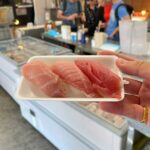
Daily menus depend on the ingredients available and on restaurant opening hours. Possible choices include sushi, seafood ramen, shrimp, octopus, and different cuts of bluefin tuna. One particularly appealing option is comparing frozen and fresh tuna, including cuts such as fatty otoro when available.
Do not expect a fixed tasting menu. The food is tied to the day’s supply, and the exact restaurant or dishes can change. You should also carry cash, as the tour specifically recommends it and food costs are not listed as included.
The breakfast stop is more than a meal, but it is not a long sit-down food tour. Forty-five minutes passes quickly, especially if the group must order, eat, and move on. If your priority is sampling several shops at length, you may wish the schedule allowed more time here.
Guides often add their own food advice. Tim, in particular, is praised for pointing people toward good tuna and sushi options, while other guides have helped with restaurant choices around both markets. That advice can be useful after the organized portion ends, when you may want to return for a second breakfast or a later meal.
Food restrictions need careful thought. The activity cannot accommodate vegetarian, halal, or gluten-free diets, and some tastings have age limits. It is also not suitable for people with food allergies unless you confirm arrangements in advance.
Toyosu beyond the auction floor
From about 7:15 to 7:45 AM, your guide takes you through parts of Toyosu and explains how ingredients are processed and moved through the market. This section gives you the working side of the building, not just the famous auction view.
Toyosu is designed around modern market operations. Its broad, controlled layout feels very different from Tsukiji, where small shops crowd close together. That contrast is one of the tour’s strongest ideas: first see a large-scale wholesale system, then visit the retail stalls where food culture feels more personal and informal.
The Toyosu walk also helps explain why the auction view can feel somewhat removed. The market is built to manage trade, hygiene, movement, and public access. You are observing a professional workplace, not entering every part of it.
The time is short, so the guide must keep the group moving. If you want to explore the shops around Toyosu in detail, you may feel that the tour gives more attention to the auction and the route than to independent browsing. That is a fair trade for a morning that also includes Tsukiji.
Other shopping tours in Tokyo
The short transfer from Toyosu to Tsukiji
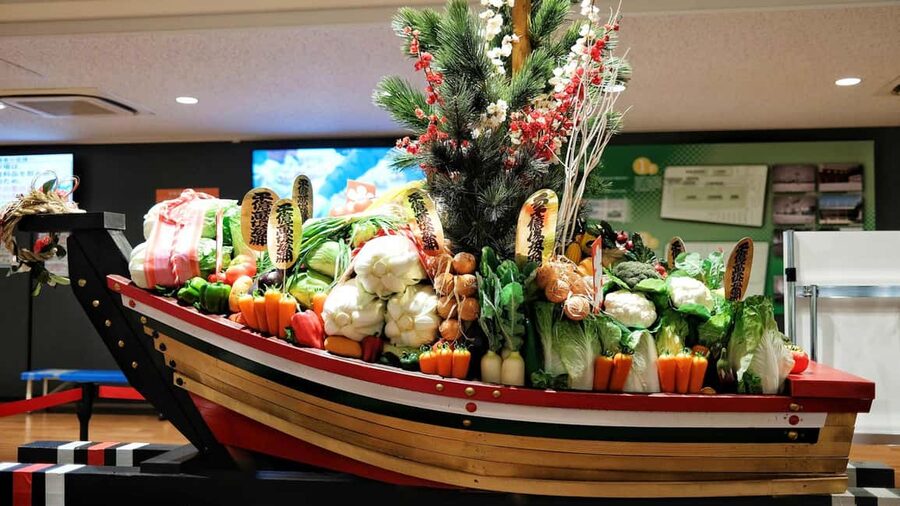
At about 7:45 AM, the group transfers to Tsukiji, with transportation arranged and costs included. This small detail matters at the end of an early morning. You do not have to work out the connection while carrying food, managing a tired group, or trying to read directions.
The guide coordinates the move, which keeps the schedule on track. The entire experience ends around 8:30 AM, so there is little room for delays. If you arrive late at the starting point, the tour cannot wait, and no refund is offered for late arrival or a no-show.
Tsukiji’s small shops and old-market feel
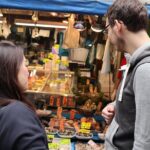
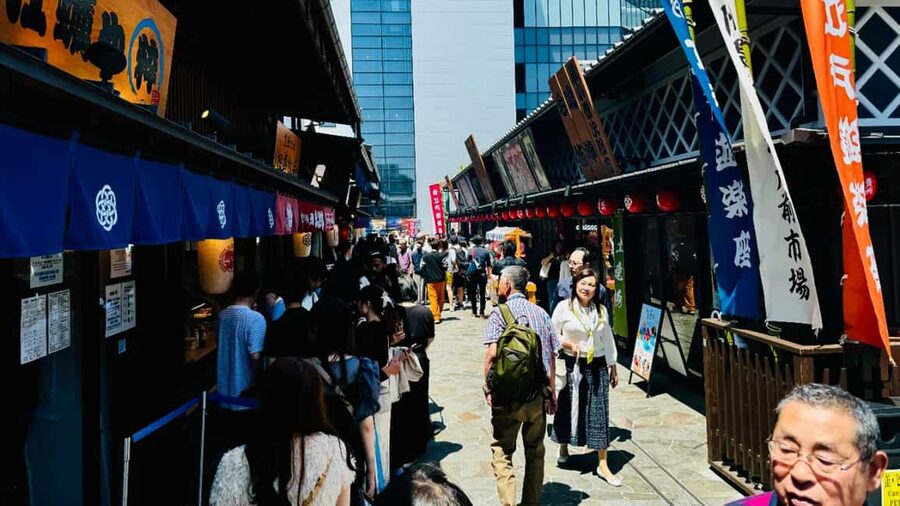
The final half-hour is spent at Tsukiji Market. The old wholesale market moved to Toyosu, but Tsukiji’s outer-market shops continue to offer seafood, snacks, cooking tools, and take-home items.
This is where the morning changes character. Toyosu is about systems, timing, and wholesale trade. Tsukiji is about browsing narrow shopfronts, looking at kitchenware, choosing food, and watching local commerce at close range.
Thirty minutes is enough for an introduction, not a full exploration. You can get your bearings, see the main types of stalls, buy a souvenir, and note places to return to later. You may not have enough time to study every food on offer or eat at several shops.
Some guides use part of this section for recommendations, which is valuable if you plan to stay in the area. If you prefer maximum free time, keep expectations modest. The group may pause for an organized photo or a small tasting, and those stops can reduce independent browsing time.
I would plan to return to Tsukiji later if you are serious about shopping or eating. The tour gives you a useful first look and saves you from missing the key areas, but it cannot give you the full market experience in half an hour.
Guides, audio equipment, and group rhythm
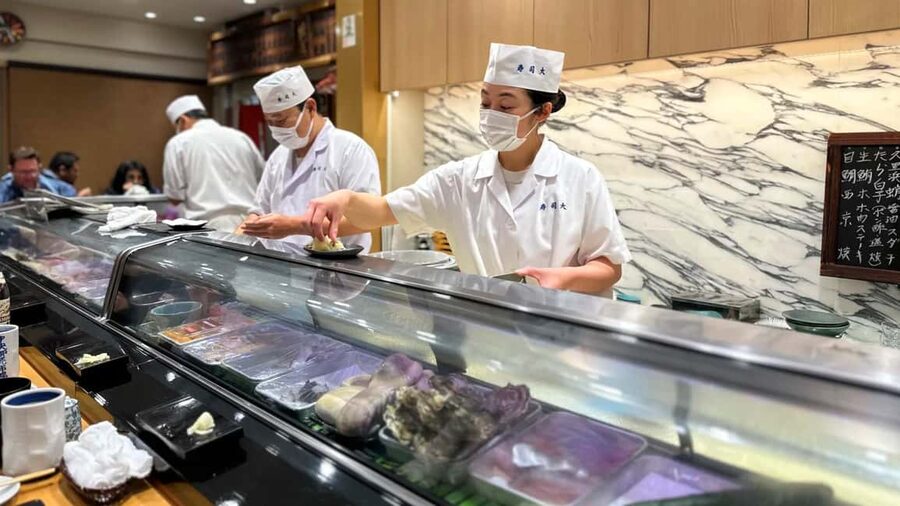
The guides are a major part of the value. Tim receives repeated praise for clear explanations, good timing, food suggestions, and friendly communication before the tour. Lin is noted for keeping groups organized and explaining Japanese culture and market customs, while Eon is praised for explaining the market system and helping with restaurants.
The exact guide depends on the date, so you should not assume a particular person is guaranteed. The stated languages are English and Chinese.
The personal audio guide is a practical feature, especially at the auction. It lets each person hear the commentary clearly while looking through the viewing windows. It also reduces the common problem of standing behind a group and missing half the explanation.
This remains a small-group walking tour with moderate walking sections. Wear comfortable shoes, bring warm or light layers depending on the season, and be ready to move promptly. The market is a working place, so no loud talking or photography is permitted in designated areas.
Who gets the most from this $122 experience
I would recommend this tour to you if you care about food and want to understand the path from auction to breakfast. It suits first-time Tokyo visitors who want a planned morning, solo visitors who prefer company at an awkward hour, and anyone who values practical explanations over simply taking pictures.
It is also a good fit if you want to compare Toyosu and Tsukiji in one outing. The two locations serve different purposes, and seeing both in sequence makes that difference easier to understand.
You may want to skip it if you dislike early mornings, have mobility limits, or need a strict vegetarian, halal, or gluten-free menu. The experience is not suitable for wheelchair users, people with mobility impairments, or people over 70 according to the stated conditions.
The auction may also disappoint you if you expect a close, noisy, theatrical scene. The public view is controlled and can feel distant. The audio guide improves the explanation, but it does not remove the glass or bring you onto the trading floor.
Booking and morning planning tips
Choose accommodation in Toyosu, Tsukiji, or Ginza if possible. These areas make the early taxi ride simpler, though pickup is only available for selected addresses in Chiyoda, Chuo, and Taito wards.
Send your WhatsApp number and contact the guide before the tour for transport advice. Public buses and trains may not be running when you need to leave, so do not rely on the subway without checking the early schedule.
Check the auction calendar before booking. There are no auctions on Wednesdays, Sundays, or Japanese public holidays, and the market can adjust its operations.
Bring:
- Passport or ID, especially if entering the first-floor lottery area
- Cash for food and purchases
- Comfortable walking shoes
- Warm or light clothing suited to the morning
- A charged phone for WhatsApp contact
The tour offers free cancellation up to 24 hours before departure and a reserve-now, pay-later option. Those terms help if your Tokyo schedule is still shifting, but they do not protect you from missing the 5:00 AM meeting time.
Should you book the Toyosu and Tsukiji morning tour?
Book it if you want a guided explanation of the tuna auction, a taste of market seafood, and a quick comparison of Tokyo’s new and old fish-market settings. The personal audio guide, included transfer, small-group format, and strong guide support make the $122 price reasonable for a carefully managed morning.
Go in with clear expectations: the regular auction view is from the second floor, breakfast costs may be extra, and Tsukiji receives only about 30 minutes. If you accept those limits, this is a well-planned way to see Tokyo’s seafood trade before the city fully wakes up.
FAQ
What time does the tour start?
The tour starts at 5:00 AM. You should arrive at Lawson Toyosu Market Senkyaku Banrai about five minutes early.
Where is the meeting point?
The meeting point is Lawson Toyosu Market Senkyaku Banrai. The provided location link identifies the exact spot.
Is hotel pickup available?
Optional pickup can be arranged around 4:20 AM for eligible hotels and inns in Chiyoda, Chuo, and Taito wards. You need to confirm that your accommodation is within the pickup area.
Can I reach the meeting point by public transportation?
Public transportation may not be running early enough. Taxi or Uber is recommended.
Where do I watch the tuna auction?
The standard viewing area is the second-floor public observation deck. A personal audio guide is provided for each participant.
Can I enter the first-floor viewing area?
Only participants selected through the first-floor viewing lottery can enter that area. Selection is random and not guaranteed.
How do I apply for the first-floor lottery?
Complete your booking by the fifth of the preceding month and provide the full names of all participants. There is no lottery in December.
Are meals included in the price?
Meals are not listed among the included services. The tour includes a breakfast stop, but you should bring cash and plan for food costs.
What happens if the auction is not operating?
Auctions do not operate on Wednesdays, Sundays, or Japanese public holidays. Market operations and auction times can also change, so check the schedule before booking.
Is the tour suitable for dietary restrictions?
The tour cannot accommodate vegetarian, halal, or gluten-free diets. Some tastings may also have age restrictions, so ask in advance if this affects your group.
More Markets in Tokyo
More Shopping Tours in Tokyo
More Tsukiji Market Tours in Tokyo
More tours in Tokyo we've reviewed











Tsukiji Market Tours, compared.
 ★ 5.0Tokyo Tsukiji Fish Market Food and Culture Walking TourFrom $99
 ★ 5.0Tokyo: Tsukiji Fish Market Food and Walking tourFrom $30
 ★ 4.9Tokyo: Tsukiji Fish Market Guided Walking TourFrom $222 hours
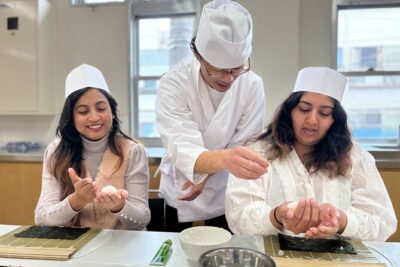 ★ 5.0Tokyo Sushi Making Class in Tsukiji with Professional ChefFrom $49
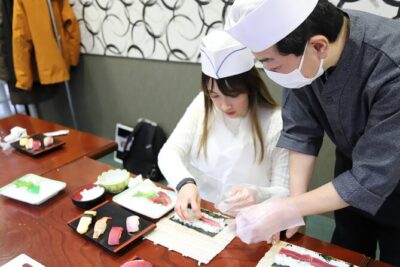 ★ 5.0Tsukiji Fish Market Guided Tour and Sushi Making with Pro ChefFrom $104
★ 4.7Tokyo: Tsukiji Fish Market Food and Culture Walking TourFrom $963 hours
★ 5.0Tsukiji Fish Market Guided Tour and Sushi Making with Pro ChefFrom $104
★ 4.7Tokyo: Tsukiji Fish Market Food and Culture Walking TourFrom $963 hours