
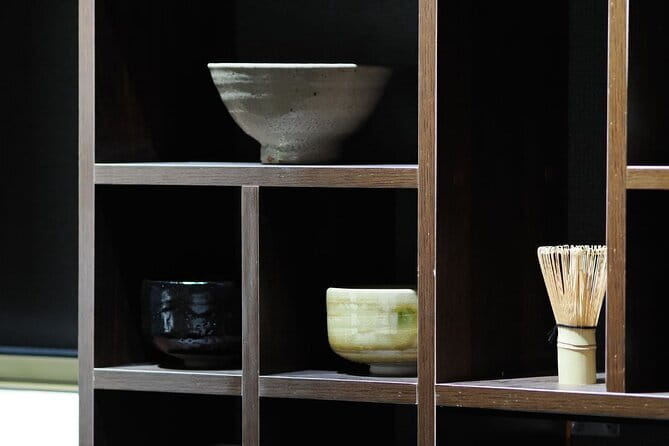
Reviewed · TEA CEREMONY & MATCHA
Tokyo Traditional Tea Ceremony with a Japanese Tea Master
The most interesting part of this Tokyo experience is that it treats tea as a lesson in flavor, temperature, tools, and custom, not just a cup handed to you in a pretty room. At Ocharu, across from Tokyo University, you taste several Japanese teas and prepare matcha yourself under a tea master’s guidance.
I like the small maximum group of 12, which leaves room for questions, and I like the variety: fruity wakocha, prized Gyokuro sencha, hands-on matcha, and comforting Genmaicha. The tea cake and seasonal wagashi add a welcome food pairing.
One point matters before you book: this is a relaxed tea-tasting and matcha-making class, not a long, formal ceremony with a geisha-style host and guests sitting silently on the floor. English delivery may also vary, so confirm the language arrangement if that is important to you.
In This Review
- Key points at a glance
- What this Tokyo tea experience really is
- Arriving at Ocharu in Bunkyo
- Wakocha and cake set the tone
- Gyokuro sencha and seasonal wagashi
- Making matcha with traditional tools
- Genmaicha provides an easy finish
- What you take home
- Is $33.03 a fair price?
- Who will enjoy this most?
- Practical details before you book
- Should you book the Ocharu tea experience?
- FAQ
- How long does the Tokyo tea experience last?
- Where does the tea activity take place?
- Does the activity return to the meeting point?
- What teas are included?
- Do I get to make matcha myself?
- Are food items included?
- How many people can join the activity?
- What souvenirs are included?
- Is transportation included?
- Can I cancel for a refund?
Key points at a glance
- Four distinct tea moments: Try wakocha, Gyokuro sencha, matcha, and Genmaicha, with explanations of how each is prepared.
- You make your own matcha: The class uses traditional tools and gives you direct practice rather than leaving you to watch.
- A compact one-hour format: You get a focused cultural activity that fits neatly into a busy Tokyo day.
- Tea and sweets are paired: Start with cake, then taste seasonal wagashi with Gyokuro.
- Near Tokyo University: The Ocharu room is in Hongō, Bunkyo, across from the university and near public transportation.
- Take-home mementos: You receive a certificate of completion and a group photograph.
What this Tokyo tea experience really is
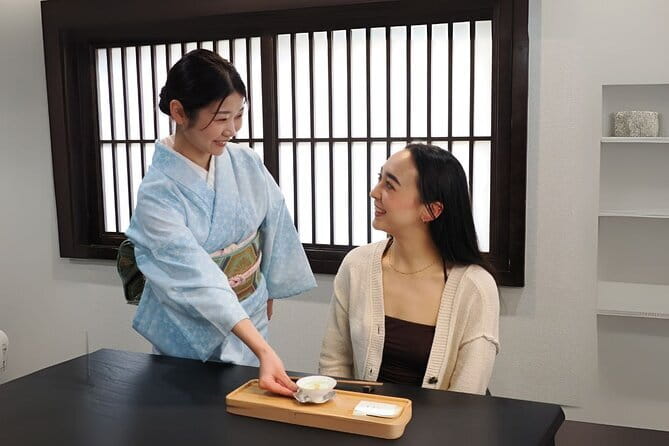
The title suggests a formal Japanese tea ceremony, but the actual format is more approachable and educational. You sit in a tea room, watch tea being prepared, taste several types, and learn to whisk matcha yourself.
That distinction is useful. A formal chanoyu ceremony can be highly prescribed, quiet, and lengthy, with careful attention to movements, utensils, seasonal details, and etiquette. This Ocharu session gives you a shorter introduction to the ideas behind tea culture. It is designed for visitors who want to understand what they are drinking and try the process with their own hands.
I would choose this experience if you enjoy food tastings, short cultural classes, or asking questions. I would not choose it if your main goal is a theatrical encounter with a kimono-clad performer in a traditional seated ceremony.
The experience lasts about one hour. That is long enough to cover several teas without turning into a half-day commitment. Families can fit it into a sightseeing schedule, and the compact format works well before or after visiting the Bunkyo area.
A few more Tokyo tours and experiences worth a look
Arriving at Ocharu in Bunkyo
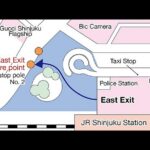
The meeting point is OCHARU, at 6-chōme-2-10 Hongō, Bunkyo City, Tokyo 113-0033. The room is directly across from Tokyo University, an easy landmark to use when finding the address.
The activity begins and ends at the same location. You arrange your own transportation to and from the tea room, but the venue is near public transportation. Since the supplied information does not give a precise station exit or walking time, check the mobile ticket and map carefully before setting out.
Bunkyo is a useful part of Tokyo for this sort of activity. It feels tied to education and neighborhood life rather than being only a shopping district. Pairing the tea class with other sights in northern central Tokyo can make better use of your day than crossing the city for a single hour.
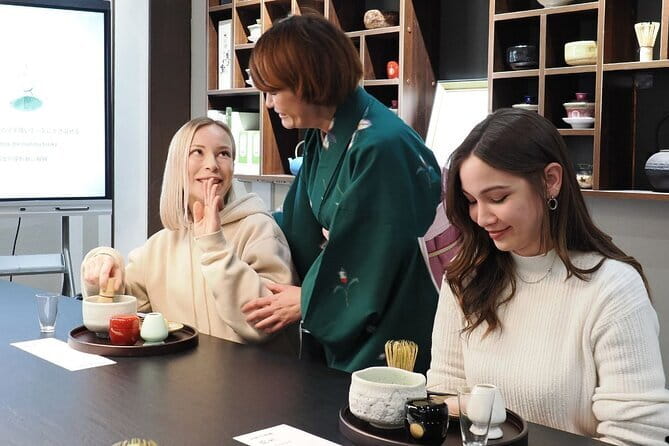
The group can include no more than 12 people. That is not a private lesson, but it is small enough for a hands-on activity to work. You should have a reasonable chance to ask about tea types, brewing temperature, and the tools being used.
Wakocha and cake set the tone
The first serving is wakocha, Japanese black tea from Shizuoka. Japanese tea is often associated with green tea, so this is a helpful opening. Wakocha gives you a different flavor profile, described in the experience as fruity and floral, and shows that Japanese tea production is not limited to one style.
You enjoy the tea with a slice of cake. This is a simple but effective start. Sweet food can make the tea’s fruit and flower notes easier to notice, and it gives the session a relaxed feel from the beginning.
I like this first step because it avoids throwing you straight into rules and ceremony. You get a familiar pairing, then move toward more specialized teas. If you are new to Japanese tea, that gradual order should make the later tastings easier to understand.
The tea master explains the teas as you go. The exact presentation may depend on the guide and the language used that day. One serious complaint described an English-language problem, with information shown on a screen instead of explained directly, while other experiences praised the clear instruction. If you need fluent spoken English, contact the operator before booking rather than assuming the class will be identical every time.
Gyokuro sencha and seasonal wagashi
Next comes Gyokuro sencha, presented as the highest grade of green tea. Gyokuro is valued for careful cultivation and a concentrated, savory flavor. Here, the point is not just to sip a premium tea, but to notice how its taste differs from the wakocha you have already tried.
The tea master prepares the Gyokuro for you. You also taste the leaves and receive seasonal wagashi from Ougiya, a confectioner that has made these sweets for generations. Wagashi are small Japanese sweets shaped and flavored to suit the season, and they are often served with tea because their sweetness balances green tea’s sharper or more savory notes.
Tasting the leaves is an unusual detail. It turns the tea from a drink into a plant product you can examine directly. You get a clearer sense of what has been brewed and what remains in the leaf.
This section may be the most useful for anyone interested in Japanese food. You learn that tea tasting involves more than asking if you like the flavor. The grade of tea, the water, the temperature, the brewing time, and the food served alongside it all affect the result.
The information does not specify which seasonal wagashi will be served, so you should not book expecting a particular shape or flavor. The sweets are part of the standard experience, but the selection can change.
Making matcha with traditional tools
The hands-on matcha session is the heart of the activity. Rather than only watching a tea master, you use traditional utensils to whisk your own matcha.
Matcha is powdered green tea. You do not steep and remove the leaves. Instead, you whisk the powder into water and drink the tea itself. That makes preparation technique especially important. The movement of the whisk, the amount of water, and the texture of the finished drink all matter.
The instructor guides you through the process. Past descriptions of the session highlight instruction on water temperature and how to brew the various teas, so pay attention to those practical details. They are more useful than memorizing a long list of ceremonial gestures because you can apply them when you buy Japanese tea later.
This is also where the experience earns its modest price. At $33.03 per person, you are not simply paying for admission to a room and a few samples. You receive several teas, sweets, access to the tea room, direct participation, a certificate, and a group photo.
Still, the matcha portion is a lesson, not a professional tea-training course. The class lasts roughly an hour, so the instruction must move at a steady pace. If you want a slow, highly formal ceremony with extensive etiquette, this will feel too brief and casual.

Genmaicha provides an easy finish
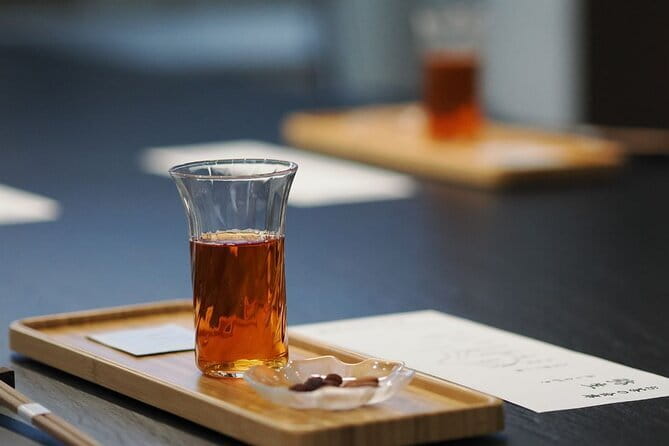
The final tea is Genmaicha, a blend of sencha and roasted rice from Niigata Prefecture. Its toasted rice character usually makes it feel softer and more familiar than some strongly flavored green teas.
Ending with Genmaicha is a smart choice. After the focused tasting of Gyokuro and the work of making matcha, a warm, roasted tea gives the class a comfortable close. It also reinforces the main lesson: Japanese tea has many styles, and each one suits a different mood and method.
The sequence gives you a useful range without becoming excessive. You move from black tea to high-grade green tea, then powdered matcha, then a rice-blended tea. The experience is not a complete survey of Japanese tea, but it offers enough contrast to help you recognize broad differences.
If you are sensitive to caffeine, keep in mind that several tea servings are included. The supplied information does not state the serving sizes or offer a caffeine-free alternative, so ask in advance if that is a concern.
What you take home
Before leaving, you receive a certificate of completion and a group photo. The certificate is a light souvenir rather than an official qualification, but it can be a fun reminder of the class.
The photo is included, not an extra purchase. That is useful for families and groups who want a shared record without arranging their own picture during the activity. Additional souvenirs and gifts are not included, so budget separately if you want to buy tea or other items.
The room itself is included with the experience. No special customizations or requests beyond the standard session are included in the price.
Is $33.03 a fair price?
For Tokyo, $33.03 is a reasonable price for a one-hour cultural class, especially when the fee includes several tastings, cake, wagashi, the matcha-making session, the room, a certificate, and a group photograph.
The value depends on what you want from the word ceremony. If you want a short, structured introduction with food and participation, the cost is easy to justify. You receive more than one tea and more than a passive demonstration.
If you are paying for a highly formal cultural performance, the value is weaker because this is not that type of event. You may leave disappointed if you expect a geisha, floor seating, or a silent ritual lasting several hours.
The 4.8 rating from 40 ratings and 95 percent recommendation rate fit the experience’s strongest qualities: it is fun, educational, intimate, and easy to fit into a day. The low ratings point to two practical risks, unclear expectations about the format and possible problems with English communication or meeting arrangements. Those are not small details, so read the description carefully and confirm language needs.
Who will enjoy this most?
I would recommend this class to:
- First-time visitors who want cultural context with their tea
- Families looking for an activity that is short and hands-on
- Food lovers who enjoy comparing flavors and sweets
- Visitors staying near Bunkyo or Tokyo University
- Anyone curious about preparing matcha at home
- People who prefer a relaxed introduction over a formal ritual
It suits children and adults better than a long, silent ceremony may, although the provided information does not give a minimum age. If you are booking for young children, confirm age rules with the operator.
It is less suitable for someone seeking a formal chanoyu presentation, a geisha encounter, or a completely private lesson. It may also be a poor fit if you cannot follow the guide’s language comfortably.
Practical details before you book
Your confirmation arrives at booking, and the experience uses a mobile ticket. Keep the ticket easy to open when you reach Ocharu.
Free cancellation is available if you cancel at least 24 hours before the local start time. Cancellations or changes made within 24 hours are not accepted for a refund. That policy is fairly standard, but Tokyo plans can change quickly, so do not wait until the last day if your schedule is uncertain.
The activity ends at the meeting point. Transportation is not included, and neither are extra souvenirs or special requests. The group limit is 12 people.
Most important, set the right expectation. Think of this as a tea culture workshop with a ceremonial setting, not as a staged performance. You will taste, listen, ask questions, and prepare matcha.
Should you book the Ocharu tea experience?
Book it if you want a friendly, one-hour introduction to Japanese tea that gives you several flavors and a chance to make matcha yourself. The Shizuoka wakocha, Gyokuro with wagashi, hands-on matcha, and Niigata Genmaicha create a well-paced tasting menu, while the small group keeps the class personal.
I would be cautious if your main goal is a formal tea ceremony or if spoken English is essential and unconfirmed. Check the language arrangements before paying, then arrive with the expectation of a practical tea lesson.
For most visitors who want an accessible cultural activity near Tokyo University, the $33.03 price is a sound buy. You leave with more than a cup of tea: you gain a better sense of how Japanese tea is made, served, tasted, and enjoyed.
FAQ
How long does the Tokyo tea experience last?
The experience lasts approximately one hour.
Where does the tea activity take place?
It takes place at OCHARU, 6-chōme-2-10 Hongō, Bunkyo City, Tokyo 113-0033, Japan, across from Tokyo University.
Does the activity return to the meeting point?
Yes. The experience ends back at the Ocharu meeting point.
What teas are included?
The standard experience includes wakocha, Gyokuro sencha, matcha, and Genmaicha. The description also refers to learning about a range of Japanese teas.
Do I get to make matcha myself?
Yes. You take part in a matcha-making session and whisk your own matcha using traditional tools with guidance from the tea master.
Are food items included?
Yes. The experience includes a welcome tea with cake and seasonal wagashi served with the Gyokuro tasting.
How many people can join the activity?
The group has a maximum of 12 participants.
What souvenirs are included?
You receive a certificate of completion and a group photo. Additional souvenirs and gifts are not included.
Is transportation included?
No. Travel to and from the Ocharu Tea Ceremony Room is not included.
Can I cancel for a refund?
Yes, if you cancel at least 24 hours before the experience start time. Cancellations and changes made less than 24 hours before the start time are not refunded.
More Tea Ceremony & Matcha in Tokyo

More tours in Tokyo we've reviewed




Tea Ceremony & Matcha, compared.
 ★ 5.0Matcha Making Class in Tokyo with Authentic Japanese Sweets SetFrom $21
 ★ 5.0Tokyo: Traditional Tea Ceremony with a Tea MasterFrom $381 hour
 ★ 4.5Dynamic Tokyo: Tokyo Tower, Tea Experience, Bay Cruise Day TourFrom $99
 ★ 4.9Tokyo: Matcha Making Experience with Mochi Sweets in AsakusaFrom $221 hour
 ★ 4.7Tokyo: Matcha and Kimono ExperienceFrom $57
 ★ 5.0Tea Ceremony Workshop in Tokyo by the Experienced InstrucorFrom $38