
Reviewed · SUSHI MAKING CLASSES
Sushi-Making Experience
Tokyo sushi is not only something to order at a counter. In this two-hour workshop opposite Tokyo Tower, you learn how three classic styles are built, then sit down and eat the results. The class covers nigiri zushi, gunkan maki, and hosomaki zushi, so you get more than one way to shape rice and fillings.
I like the small group of up to 10 people, since that gives you a fair chance to ask for help. I also like the two sushi-making kits included in the price, a useful touch if you want to repeat the lesson at home. The main consideration is cost: at $106 per person, this is best for visitors who value instruction and cultural context, not simply a quick meal.
In This Review
- Key points to know before booking
- Why this sushi class is worth your two hours
- Finding Kikai Shinko Kaikan opposite Tokyo Tower
- Starting with sushi culture and preparation
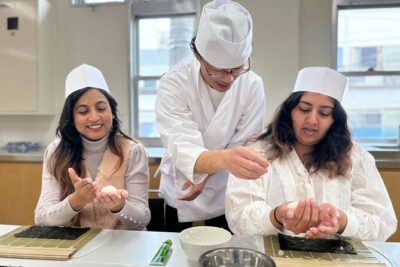
- Making nigiri, gunkan, and hosomaki
- Sitting down to eat your own sushi
- Japanese dining etiquette at the table
- What the two take-home kits add
- Group size, language, and accessibility
- Is two hours enough?
- Who should book this experience?
- Should you book the sushi-making workshop?
- FAQ
- Where does the sushi-making class meet?
- What should I do if I cannot find the instructor?
- How long does the workshop last?
- Is the class taught in English?
- How many people can join the class?
- What types of sushi will I learn to make?
- Are ingredients and a meal included?
Key points to know before booking
- Three sushi techniques: Make nigiri, gunkan, and hosomaki with help from an accredited instructor.
- Eat what you prepare: The workshop ends with a sushi meal, sauces, and a lesson in Japanese dining etiquette.
- Two kits to take home: Keep practising after your time in Tokyo.
- Small English-speaking class: The group is limited to 10 participants.
- Easy landmark meeting point: Find the instructor at the main entrance of Kikai Shinko Kaikan, opposite Tokyo Tower.
- Flexible planning: Cancellation is free up to 24 hours before the activity, and you can reserve without paying immediately.
Why this sushi class is worth your two hours
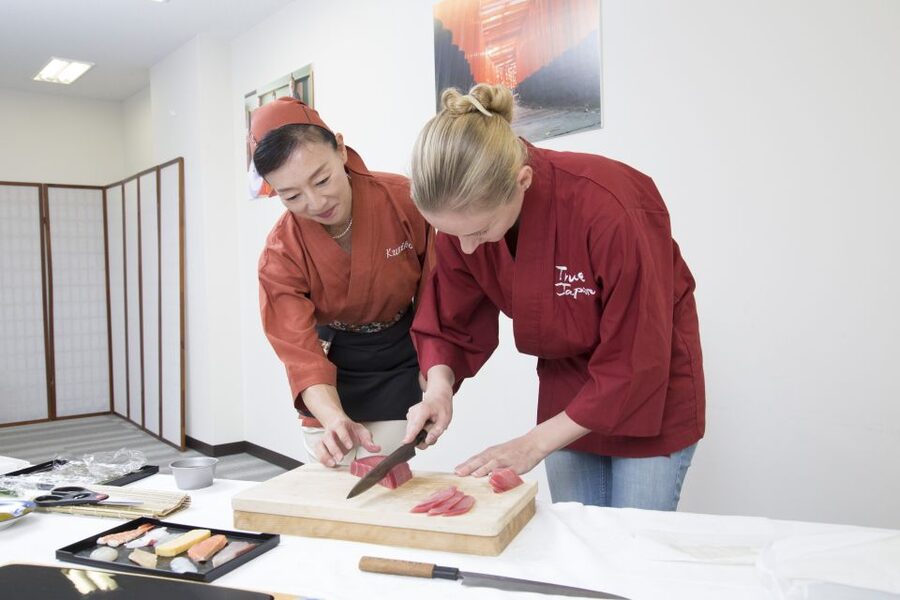
Many visitors experience sushi from the diner’s side of the counter. You point, order, and eat. This class lets you see the practical work behind those neat pieces, from preparing ingredients to shaping rice and arranging toppings.
That difference matters. Sushi can look simple, but the finished pieces depend on proportion, pressure, and presentation. The workshop gives you a friendly introduction without asking you to commit to a long cooking course.
The class is taught in English by a nationally accredited sushi instructor. That makes it a good fit if you want explanations as you work, rather than a demonstration that you simply copy in silence. The supplied information does not name the instructor, so do not book expecting a particular chef.
The group limit of 10 is another strong point. A larger cooking class can leave you waiting for attention or trying to see a demonstration from the back. Here, you should have a better chance to follow the steps and ask for assistance. One practical account of the class described the instructors as good at explaining and helping, which matches the format well.
A few more Tokyo tours and experiences worth a look

Finding Kikai Shinko Kaikan opposite Tokyo Tower
Your meeting point is the main entrance on the first floor of the Kikai Shinko Kaikan building. The building is directly opposite Tokyo Tower, giving you a clear visual marker in an area where city buildings can otherwise look much alike.
Meet the instructor at the entrance rather than heading straight into the workshop room. If you cannot find the instructor, go to True Japan Tour in Room B109 on the basement level. That backup location is worth saving on your phone before you arrive.
Hotel pickup and drop-off are not included, so you handle your own way to the building. Allow enough time to identify the correct entrance. The Tokyo Tower location makes this class easy to pair with other sightseeing, but the activity itself lasts two hours, and you should not plan it as a rushed stop between fixed appointments.
The meeting location also gives the class a pleasant sense of place. You are not learning a generic cooking lesson in an anonymous room. You are near one of Tokyo’s best-known landmarks, with a direct link to Japanese food and dining customs.
Starting with sushi culture and preparation
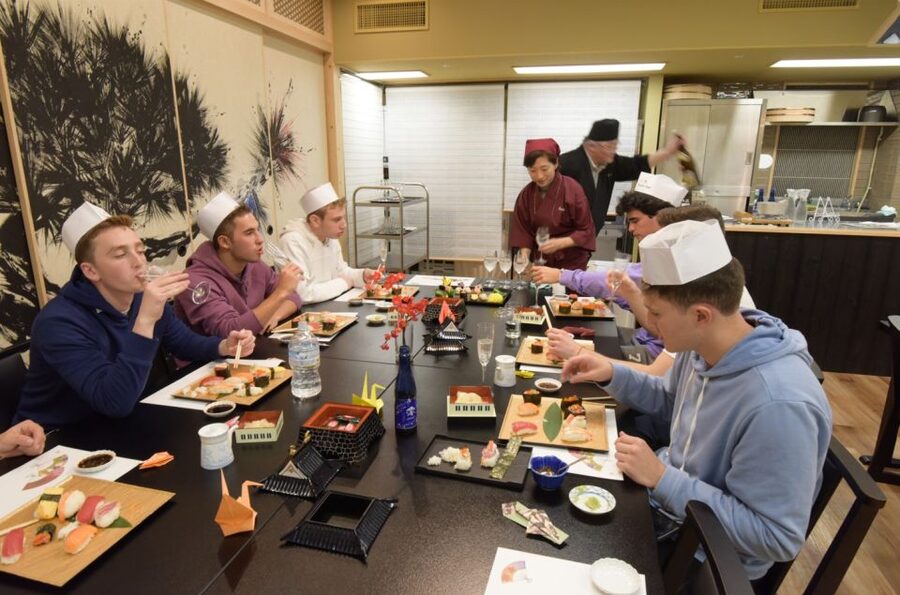
The workshop begins with a short introduction to sushi in Japanese culture. This opening gives the techniques some context before you start handling ingredients.
The historical material is described as a brief overview, not a long lecture. That is a good balance for a hands-on class. You get enough background to understand why the food is treated with such care, then move on to the part most people are waiting for: making it yourself.
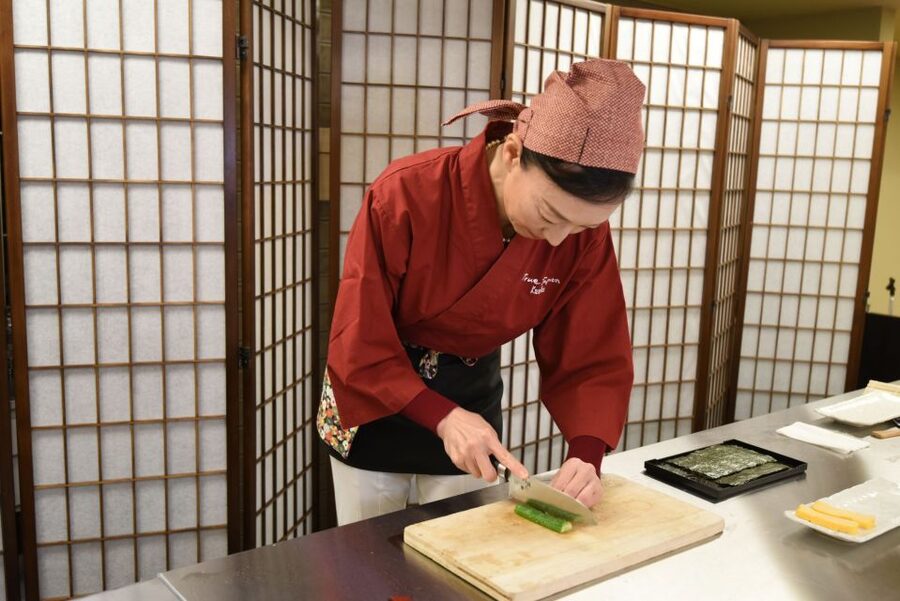
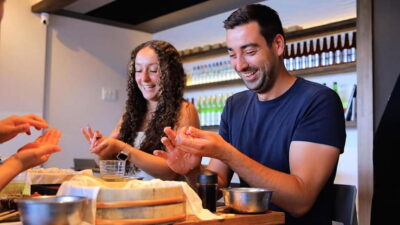
Next, the ingredients are prepared. You watch a quick demonstration of the basic methods, then practise with guidance from the instructor. The order is sensible. You first see how the process works, then try it while the instructions are fresh.
You should expect the focus to be on basic methods rather than professional-level knife work or restaurant training. That makes the lesson approachable for beginners, including people who have never shaped sushi before. If you already make sushi at home, the class may feel introductory, but the range of styles and the etiquette lesson still give it a clear purpose.
Making nigiri, gunkan, and hosomaki
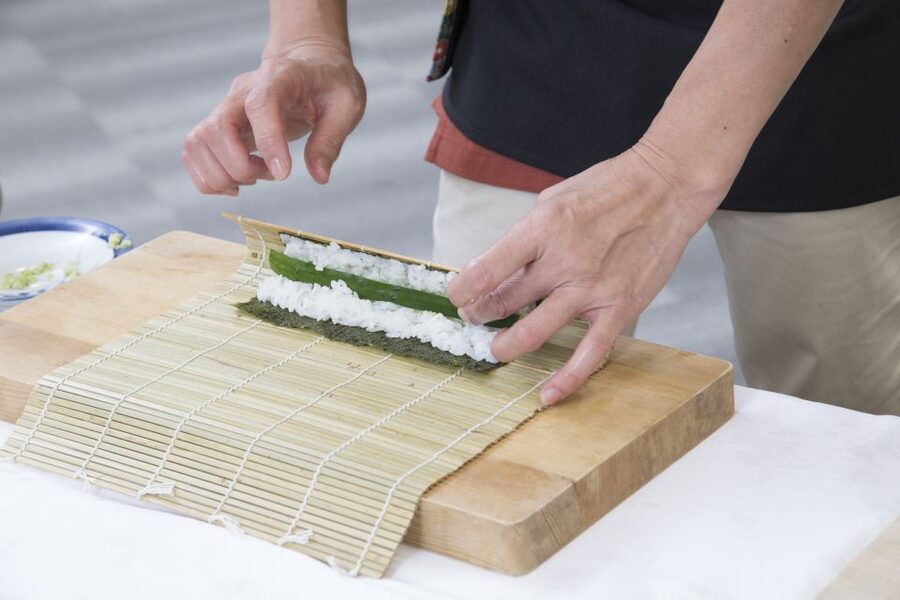
The class covers three distinct forms of sushi. Each teaches you something different about texture, shape, and control.
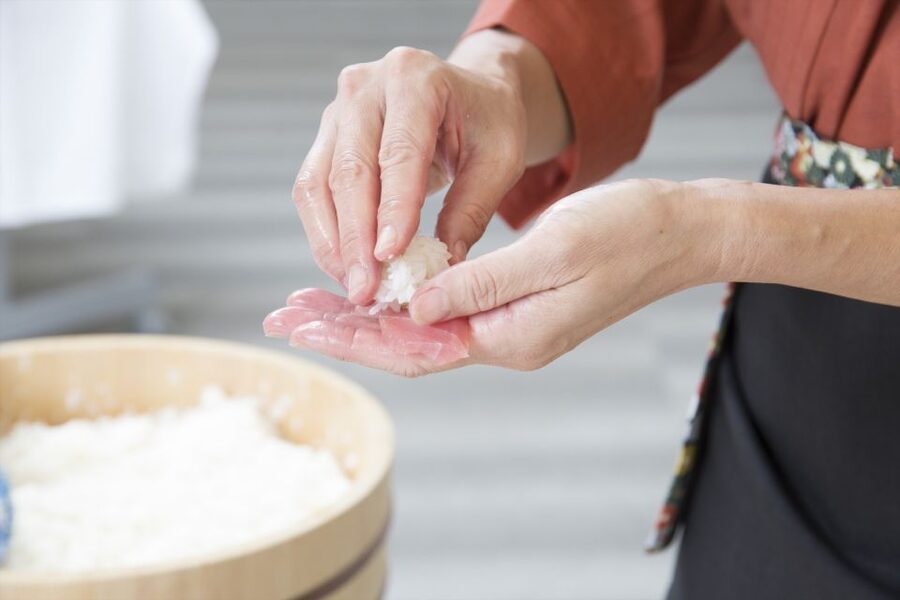
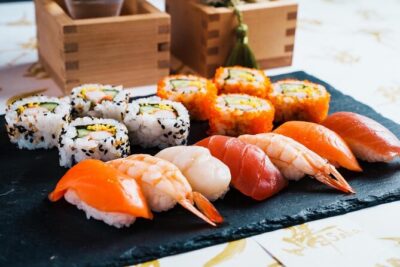
Nigiri zushi is the familiar hand-formed style: a piece of rice topped with an ingredient. The key lesson is likely to be shaping the rice without crushing it. You want a piece that holds together but does not become a dense block.
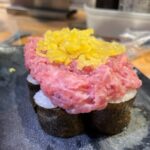
Gunkan maki has a different structure. The rice is wrapped so it can hold a topping, creating a small vessel-like form. This is a useful contrast with nigiri because the seaweed plays a more active role in supporting the ingredients.
Hosomaki zushi is a thin rolled sushi style. Here, you work with rice and filling inside a seaweed wrapper, then aim for an even roll and clean slices. It is the kind of technique that looks straightforward until you try to keep the filling centered.
Learning all three in one sitting gives you a better sense of sushi’s range. You are not just repeating the same motion several times. You move from hand-shaped rice, to a wrapped form with a topping, to a narrow roll.
The dishes are also photo-friendly. You finish with pieces you have shaped and arranged yourself, so the meal feels tied to the work you just completed. Keep your expectations sensible, though. Your first pieces may not look like those prepared by a seasoned sushi chef. That is part of the fun, and the instructor is there to help you improve the basic form.
Sitting down to eat your own sushi
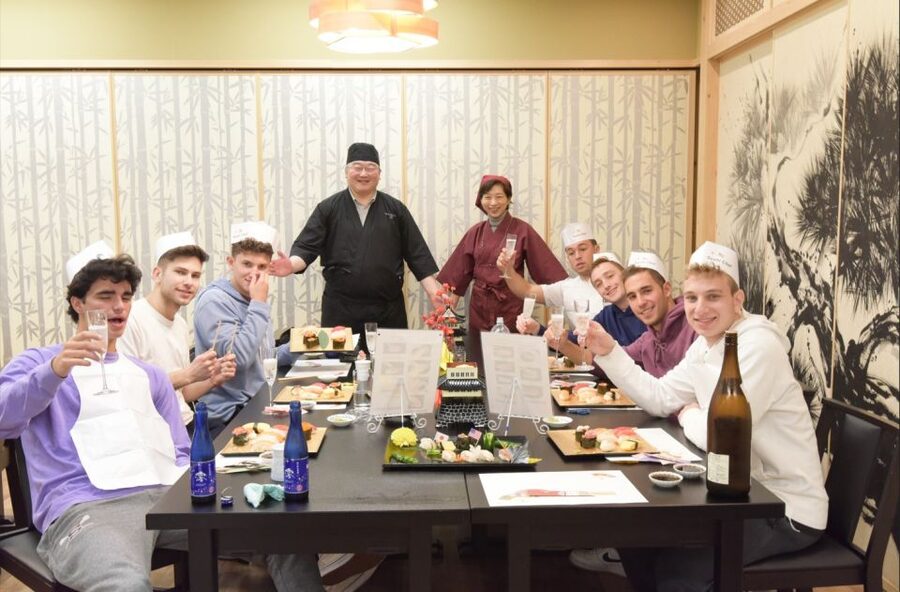
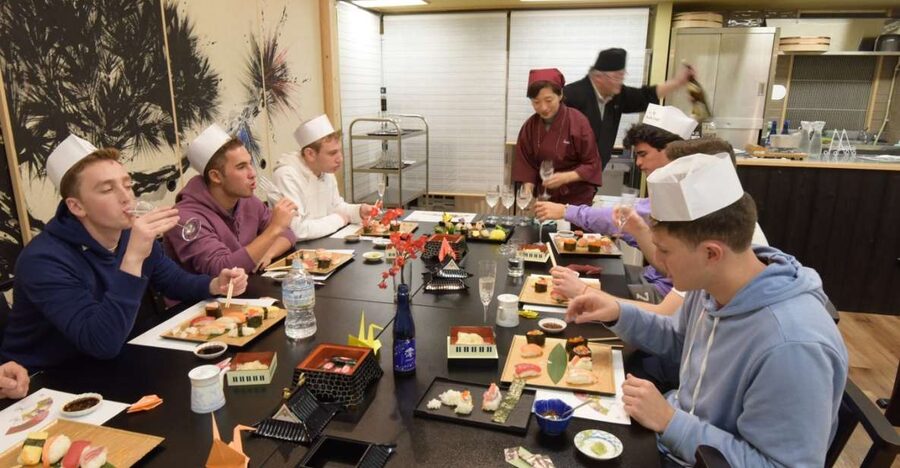
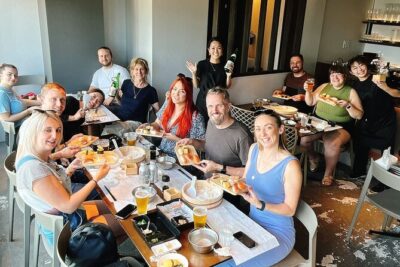
After the making session, you sit at the table and enjoy the sushi you prepared. This meal gives the workshop a satisfying finish. You do not spend two hours making food and then leave without trying it.
You also get a variety of sauces traditionally paired with sushi. The sauces let you compare flavors and see how condiments affect the food. This is a small but useful part of the lesson because it moves you beyond the idea that every piece should be treated in exactly the same way.
The meal is included in the $106 price, along with the ingredients and instruction. That helps the value calculation. You are paying for a guided cultural activity, the food you make, and two take-home kits, not only for a plate of sushi.
Still, the price is not low. If your only goal is to eat sushi, you can spend less at many restaurants. The workshop earns its price through personal help, structured instruction, cultural explanation, and the chance to continue practising at home. I would book it for the learning experience, not as a budget dining option.




Japanese dining etiquette at the table
The final part covers Japanese dining etiquette while you eat. This is one of the more meaningful elements of the class because it connects the food to everyday customs.
Etiquette lessons can sometimes feel formal or intimidating. Here, they follow the making and eating of the sushi, so you have an immediate reason to pay attention. You learn how the meal is approached in a traditional setting rather than receiving a detached list of rules.
For you, this can improve the rest of your time in Japan. Dining customs are easier to remember when you have just prepared the food yourself and are using the sauces and table setting in front of you.
The class does not promise a full guide to every Japanese dining custom, so expect a focused introduction related to the sushi meal. That is enough to add cultural value without turning the activity into a lecture.
What the two take-home kits add
The two sushi-making kits are an unusually practical inclusion. Many cooking activities end when you leave the room. These kits give you a way to repeat at least some of the methods later.
They also make the class more useful for families, couples, and food-minded visitors who want a souvenir connected to a skill rather than a shelf ornament. You can use the lesson as a starting point for practising nigiri, gunkan, and hosomaki after your trip.
The kits do not remove the need for ingredients or guarantee restaurant-quality results at home. Their value is that you leave with tools and a clearer understanding of the basic shapes. The instructor’s demonstration should make the equipment easier to use than if you bought a kit without any guidance.
If you are packing light, check how easy the kits will be to carry with your other purchases. The supplied details confirm that two kits are included, but do not specify their size or exact contents.
Group size, language, and accessibility
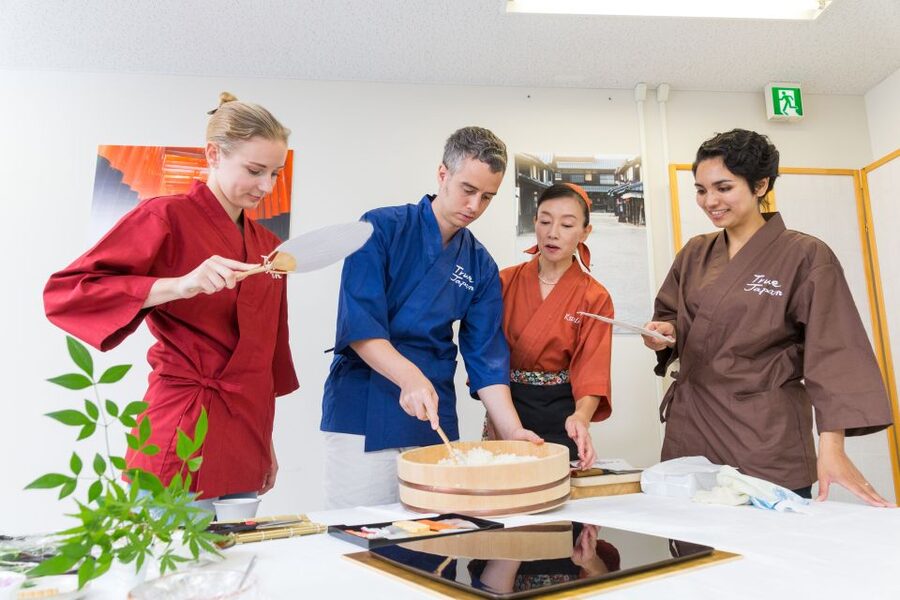
The class is conducted in English, which makes the explanations accessible to English-speaking visitors. You can ask questions as the instructor demonstrates and practises the techniques with you.
The maximum group size is 10. That is small enough to keep the lesson personal while still giving the activity a social feel. If you prefer a completely private class, this is not described as a private experience, so you should expect to share the session with other participants.
The activity is wheelchair accessible. If you need a particular arrangement, it is sensible to confirm details when booking, since the supplied information does not describe the exact room layout or facilities.
The instructors’ helpful approach is important here. A cooking class can become frustrating when the teacher moves too quickly. The available comments describe the class as good and the instructors as clear and helpful, which suggests the teaching style is a major strength.
Is two hours enough?
Two hours is a good length for this format. It gives you time for the introduction, preparation, demonstration, three sushi styles, the meal, and etiquette without taking half a day from your Tokyo plans.
The tradeoff is that the lesson must stay focused. You will learn the basics of three forms, not every detail of sushi preparation. There may not be time for extended experimentation or repeated attempts at each style.
I see that as a benefit for most first-time participants. You get variety and a complete meal in a compact session. If you want a serious culinary course with advanced technique, this class is probably too short.
Plan to arrive ready to concentrate. The sushi may be tasty, but the real value comes from watching carefully and practising while the instructor is nearby.
Who should book this experience?
I would recommend this workshop to first-time visitors who want a direct food connection to Japan. It is also a good choice for families and small groups looking for an activity that is more active than sightseeing and more structured than eating at a restaurant.
Food lovers who enjoy learning basic skills will get the most from the two kits. You can keep working on your technique after the trip, which gives the experience a longer life than a standard meal.
The class may suit you if you are curious about etiquette but do not want a formal cultural seminar. The customs are introduced at the table, alongside food you have just prepared.
I would think twice if you are comparing the activity only by the amount of food included. At $106 per person, the cost is significant for a two-hour session. It makes sense when you value instruction, English-language help, a small group, and the take-home equipment.
Booking is also easier for a flexible schedule. You can reserve now and pay later, and cancellation is free up to 24 hours in advance. Starting times vary, so check availability against your Tokyo plans before committing.
Should you book the sushi-making workshop?
Book it if you want to do more than order sushi. The combination of three techniques, a complete meal, etiquette guidance, and two kits gives you a well-rounded introduction in a compact two-hour format.
The small group and English-speaking instructor make the lesson easier to follow, while the location opposite Tokyo Tower is simple to identify. The main weakness is the price, especially if you are interested only in eating.
For a visitor who wants a practical cultural activity and a skill to take home, I think the workshop earns consideration. For a budget-minded diner, spend the money at a sushi counter instead. That is the clear choice: pay for instruction and participation here, or pay less for a meal elsewhere.
FAQ
Where does the sushi-making class meet?
Meet the instructor at the main entrance of the Kikai Shinko Kaikan building on the first floor. The building is directly opposite Tokyo Tower.
What should I do if I cannot find the instructor?
Visit True Japan Tour in Room B109 on the basement level of the Kikai Shinko Kaikan building.
How long does the workshop last?
The sushi-making experience lasts two hours.
Is the class taught in English?
Yes. The instructor language is English.
How many people can join the class?
The activity is a small-group experience limited to 10 participants.
What types of sushi will I learn to make?
You will learn three techniques: nigiri zushi, gunkan maki, and hosomaki zushi.
Are ingredients and a meal included?
Yes. Ingredients, the sushi meal, instruction from a nationally accredited sushi instructor, and two sushi-making kits are included. Hotel pickup and drop-off are not included.
More Sushi Making Classes in Tokyo
More tours in Tokyo we've reviewed





Sushi Making Classes, compared.
 ★ 5.0Sushi Making Tokyo Roll and Authentic Japanese Sushi ClassFrom $59
 ★ 4.9Tokyo: Roll and Authentic Sushi Making Class in AsakusaFrom $581h 40m
 ★ 5.0Make Sushi and Create Unforgettable Memories in TokyoFrom $79
 ★ 4.9Tokyo: Sushi Making Class in a Happi Coat near a Famous SpotFrom $421h 30m
 ★ 5.0Tokyo Sushi Making Class in Tsukiji with Professional ChefFrom $49
 ★ 5.0Tokyo Night Foodie Tour in Shinjuku – Seasonal Sushi, Wagyu BeefFrom $111