
Reviewed · SUSHI MAKING CLASSES
Private Sushi Making Tokyo Roll and Authentic Japanese Sushi
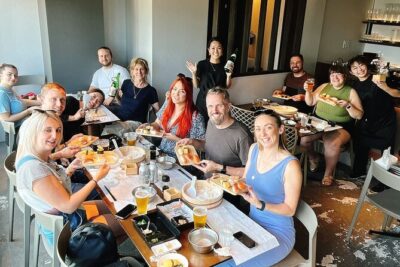
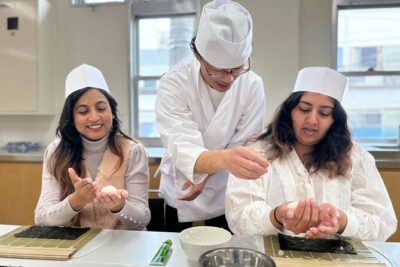
Tokyo gives you plenty of ways to eat sushi, but this hands-on Asakusa class lets you make it yourself just steps from Sensoji Temple. An English-speaking instructor guides you through roll sushi and authentic nigiri, then you sit down to eat the meal you prepared.
I like the private format, since your group gets the activity to itself, and I like the friendly teaching style reported from Yui, Masaki, and Ayu. The fresh fish and clear English instruction are strong points. The main drawback is price: $1,300.72 per group is a serious spend unless you can fill most of the 15-person limit.
In This Review
- Key points at a glance
- Making sushi in the heart of Asakusa
- What you make during the 100-minute class
- Yui, Masaki, and Ayu bring different strengths
- Why the private format matters
- Eating what you prepare
- Pairing the class with Sensoji and the Sumida River
- Who will get the most from this experience
- Timing, booking, and cancellation
- The main tradeoff: price versus a private memory
- Should you book Sushi Making Tokyo?
- FAQ
- Where does the sushi-making class meet?
- How long does the experience last?
- What types of sushi will I learn to make?
- Is the class taught in English?
- Is the activity private?
- Is cancellation free?
Key points at a glance
- Sushi beside Sensoji Temple: The class meets at 2-chōme-17-9 Kaminarimon in Asakusa, a convenient base for exploring one of Tokyo’s best-known traditional areas.
- Rolls and authentic nigiri: You learn more than one sushi style, with step-by-step help for beginners.
- Private group setting: Only your party takes part, with capacity for up to 15 people.
- English-speaking instruction: Yui, Masaki, and Ayu are among the instructors named for this class.
- Fresh fish and a meal included: Ingredients and the sushi you make are part of the experience.
- A compact 1 hour 40 minutes: The class fits neatly into a day of sightseeing, though it is not a long cooking workshop.
Making sushi in the heart of Asakusa
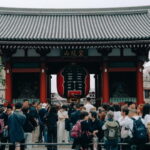
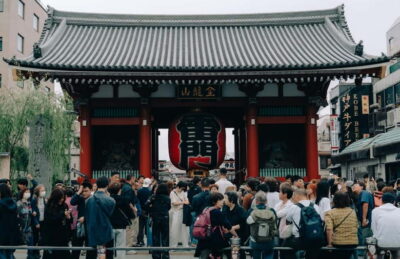
The setting does much of the work here. The meeting point is on Kaminarimon, only a short walk from Sensoji Temple, so you can pair the class with one of Tokyo’s most atmospheric sightseeing areas.
Asakusa is a useful choice for a food activity because it gives you a strong sense of old Tokyo around the class. You can visit Sensoji before or after, then move on to the Sumida River area. One participant specifically enjoyed the view toward the river, which adds a pleasant visual touch to a class that might otherwise feel like an indoor stop.
This is not a large cooking school where you disappear into a crowd. It is a private activity for your own group, with a maximum of 15 people. That makes it a practical choice for families, friends, or a larger party that wants one shared activity rather than splitting up.
The class lasts about 1 hour and 40 minutes. That is long enough to learn several techniques and eat the result, but short enough to fit between temple visits, shopping, and dinner. You should think of it as a focused cultural activity, not a full afternoon devoted to Japanese cuisine.
A few more Tokyo tours and experiences worth a look

What you make during the 100-minute class
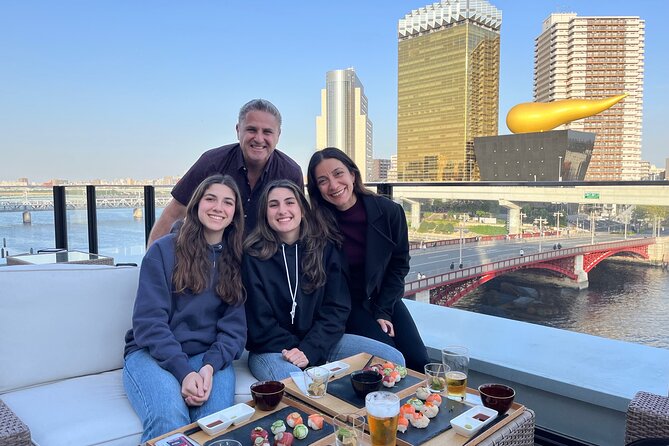
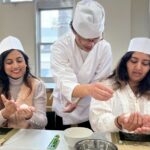
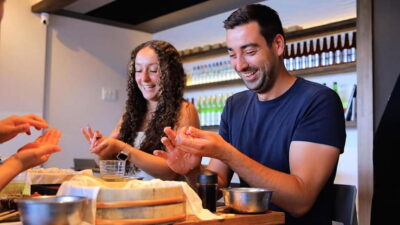
The central appeal is simple: you do not just watch sushi being prepared. You make sushi with guidance from an English-speaking instructor, then eat it yourself.
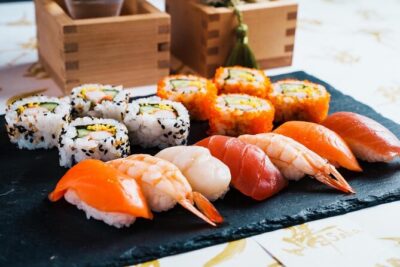
The class covers sushi rolls and authentic nigiri. Roll sushi gives beginners a friendly starting point because you work with a clear shape and a familiar preparation method. Nigiri requires a different touch, and learning how the rice and topping come together gives you a better feel for the craft behind a plate of sushi.
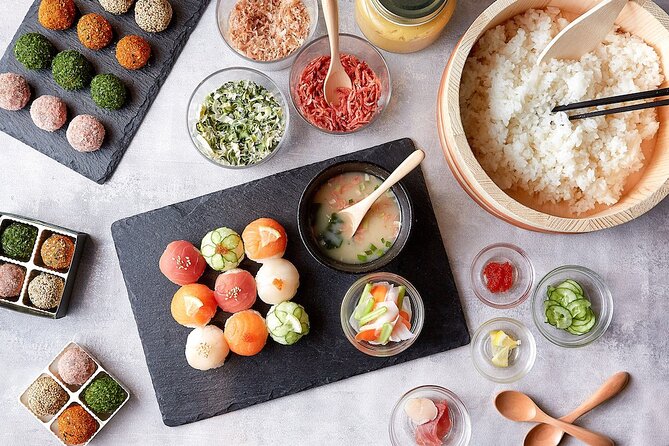
Temari sushi is also mentioned as part of the cooking experience. Its rounded shape makes it especially appealing for families and anyone who wants to make something that photographs well. You may find this style easier to shape than traditional nigiri, though the instructor remains available to guide you through each stage.
The available information does not give a precise list of fish, fillings, or the number of pieces you make. That is worth keeping in mind if you have a specific sushi preference or dietary concern. What is clear is that the ingredients for the class and the meal are included, and the fish has been praised for being fresh and tasty.
You will also receive cultural context while learning the techniques. The class is designed to explain the process in a relaxed way, so you do not need previous cooking experience. The instruction is aimed at international visitors, and the English support matters here. Sushi making can be harder to follow if you are only copying hand movements, so clear explanations are useful.
Yui, Masaki, and Ayu bring different strengths
Three instructor names come through clearly in the feedback: Yui, Masaki, and Ayu. Each is associated with a slightly different part of the class experience.
Yui is described as fun to talk with and helpful when it comes to making the sushi look attractive. That is a useful skill, since sushi is part meal and part presentation. If you enjoy taking food photos, practical advice on shaping and arranging the pieces can make the final plate more satisfying.
Masaki is praised for patience, enthusiasm, and a joyful approach. That sounds particularly helpful if someone in your group is nervous about handling the rice or fish. A patient teacher can keep the session pleasant for children and first-time cooks rather than making the class feel like a test.
Ayu is connected with making temari sushi and with the setting near the Sumida River. If your group likes a more playful style of sushi, ask about the temari preparation during the class.
The instructor names may not guarantee who teaches your particular session. Still, they give you a sense of the personal nature of the activity. You are not signing up for a faceless demonstration. The class depends on direct support, simple explanations, and a good deal of interaction.
Why the private format matters
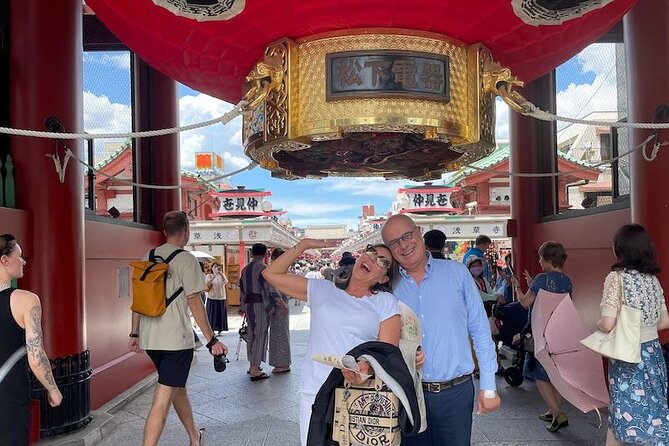
A private class gives you control over the mood. A family with young children can work at its own pace. A couple can treat the lesson as a shared date activity. A group of friends can laugh over uneven rolls without worrying about strangers at the same table.
The private format also makes the $1,300.72 price easier to assess. The fee covers up to 15 people, which works out to about $86.71 per person if you fill every place. For a full family group or a large party, that can be reasonable for a private cooking class, meal, instruction, and a central Tokyo location.
For two people, however, the same total becomes expensive. At that size, you are paying for exclusivity rather than simply for food. I would compare it with the value of other Tokyo cooking classes before booking, especially if your main goal is an inexpensive meal.
The activity has a perfect overall rating from four supplied ratings, but that is a small sample. I would take the consistent praise for the instructors, fresh fish, easy English instruction, and family appeal seriously, while avoiding the assumption that every class will feel identical.
Eating what you prepare
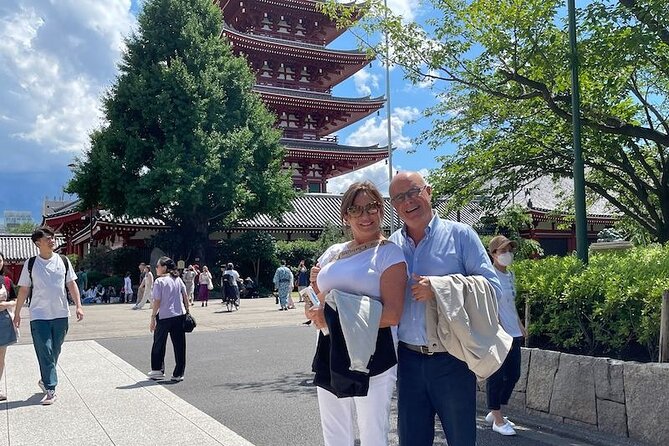
The meal at the end gives the class a clear payoff. You learn the techniques, see your sushi take shape, and then eat the finished food. That makes the activity more memorable than a cooking demonstration where the instructor prepares everything for you.
The supplied comments describe the fish as fresh and the finished sushi as very good. One family found the class easy to follow in English, and another enjoyed learning temari sushi. These details suggest that the food is not merely a prop for the lesson. You should expect to eat the sushi you make as part of the scheduled experience.
There is also a small psychological benefit to making the meal yourself. Even a simple roll feels different when you have shaped it, corrected it, and arranged it on the plate. That is especially true for children, who may be more willing to try sushi after taking part in its preparation.
Still, this is not the right pick if you want a long tasting menu or a detailed study of fish varieties. The stated format is a short class followed by your meal. It focuses on participation, basic technique, and shared memories rather than on a large amount of food.
Other private tours in Tokyo




Pairing the class with Sensoji and the Sumida River
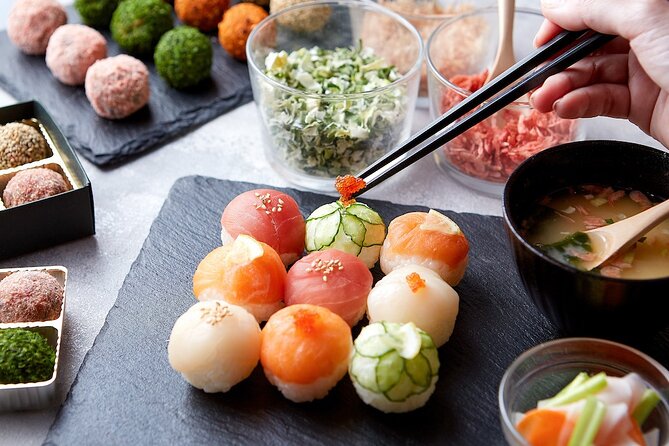
The location is one of the strongest practical features. Sensoji Temple is just steps away, so you can build a half-day around the class without spending much time crossing Tokyo.
You might visit Sensoji first, then attend the cooking class, or schedule the class before exploring the temple grounds. The best order depends on your booking time and the rest of your day. Either way, the class gives you an indoor activity in the same district as one of Tokyo’s major cultural sights.
The Sumida River is another useful nearby reference point. A supplied comment specifically notes the river view, so you may find the surroundings add interest beyond the cooking table. The listing does not promise a particular window, terrace, or guaranteed view, so treat this as a possible feature rather than the main reason to book.
The class ends back at the meeting point. That is convenient if you want to continue sightseeing in Asakusa, but there is no hotel pickup or drop-off. You are responsible for reaching the class and continuing on afterward.
Who will get the most from this experience
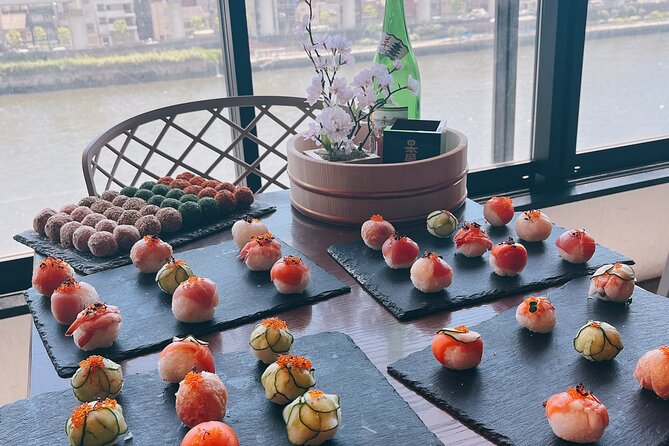
I would put this near the top of the list for families. The activity is beginner-friendly, interactive, and short enough to hold attention. Children can take part in shaping sushi, while adults get a cultural activity that feels more personal than simply sitting in a restaurant.
It also suits couples and small groups who value a private setting. The class gives you something to do together, and the finished food creates a natural shared meal without requiring a separate restaurant reservation.
Solo visitors are welcome as well. The private setup may be less cost-effective for one person, since the price is charged per group, but the activity itself does not require you to arrive with companions.
You should be comfortable with the basic idea of sushi preparation before booking. The class includes fish and ingredients, and the available details do not explain substitutions, allergies, vegetarian options, or the exact menu. If you have dietary restrictions, confirm what can be accommodated before paying.
Service animals are allowed, and the meeting point is near public transportation. Those details make access simpler, though no further accessibility information is provided.
Timing, booking, and cancellation
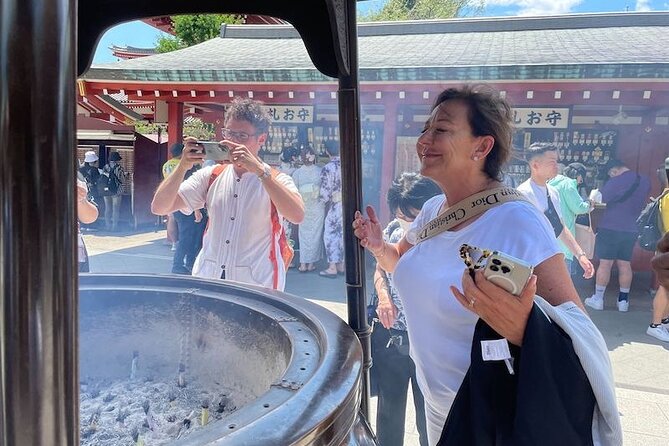
The activity is often reserved well ahead of time, with an average booking lead of 44 days. That is a useful warning if you want a particular date during a busy Tokyo visit. I would arrange it early, especially for a private group or a tight itinerary.
You receive confirmation when you book, and the ticket is mobile, so you do not need to print a paper voucher. The meeting point is Sushi Making Tokyo No1 Cooking Class in Japan, at 2-chōme-17-9 Kaminarimon, Taito City, Tokyo 111-0034.
Cancellation is free up to 24 hours before the local start time. Canceling within 24 hours brings no refund, and changes inside that window are not accepted. The activity also requires a minimum number of participants. If the operator cancels because that number is not reached, you are offered another date or experience, or you receive a full refund.
The main tradeoff: price versus a private memory
The cost is the question you need to answer honestly. At $1,300.72 per group of up to 15, the class may make financial sense for a large party. Divide the fee among 10 or 15 people and you get a private lesson, ingredients, a meal, and an Asakusa location for a manageable per-person figure.
For a couple or solo visitor, the math is much less friendly. The 1 hour 40 minute duration also means you are paying for a compact activity, not an all-day culinary course. The value comes from the private arrangement, the English instruction, and the personal memory you take away, not from a large quantity of food.
I like that the experience offers real participation rather than a staged food presentation. I also like that the class can connect naturally with Sensoji and the Sumida River area. The strongest practical caution is to check the final group price against your party size before booking.
Should you book Sushi Making Tokyo?
Book this class if you want to make your own sushi in Asakusa, prefer an English-speaking instructor, and are traveling with enough people to share the private-group fee. Families should find the format especially easy to enjoy, while couples can treat it as a hands-on cultural outing.
I would skip it if you are mainly looking for the cheapest sushi meal in Tokyo, a long professional cooking lesson, or a menu tailored to specific dietary needs that have not been confirmed. For the right group, though, the combination of instruction, fresh ingredients, your own finished meal, and a location near Sensoji makes this a memorable way to spend part of a Tokyo day.
FAQ
Where does the sushi-making class meet?
The meeting point is Sushi Making Tokyo No1 Cooking Class in Japan, at 2-chōme-17-9 Kaminarimon, Taito City, Tokyo 111-0034, Japan.
How long does the experience last?
The class lasts approximately 1 hour and 40 minutes.
What types of sushi will I learn to make?
You will learn to make roll sushi and authentic Japanese nigiri. Temari sushi is also included in the described cooking experience.
Is the class taught in English?
Yes. An English-speaking instructor guides you through the class.
Is the activity private?
Yes. Only your group participates, and the private activity can accommodate up to 15 people.
Is cancellation free?
You can cancel for a full refund up to 24 hours before the local start time. Cancellations made less than 24 hours before the start time are not refunded.
More Private Tours in Tokyo
More Sushi Making Classes in Tokyo
More tours in Tokyo we've reviewed





Sushi Making Classes, compared.
 ★ 5.0Sushi Making Tokyo Roll and Authentic Japanese Sushi ClassFrom $59
 ★ 4.9Tokyo: Roll and Authentic Sushi Making Class in AsakusaFrom $581h 40m
 ★ 5.0Make Sushi and Create Unforgettable Memories in TokyoFrom $79
 ★ 4.9Tokyo: Sushi Making Class in a Happi Coat near a Famous SpotFrom $421h 30m
 ★ 5.0Tokyo Sushi Making Class in Tsukiji with Professional ChefFrom $49
 ★ 5.0Tokyo Night Foodie Tour in Shinjuku – Seasonal Sushi, Wagyu BeefFrom $111