
Reviewed · TICKETS
Tokyo: Ashikaga Flower Park with Entry Ticket
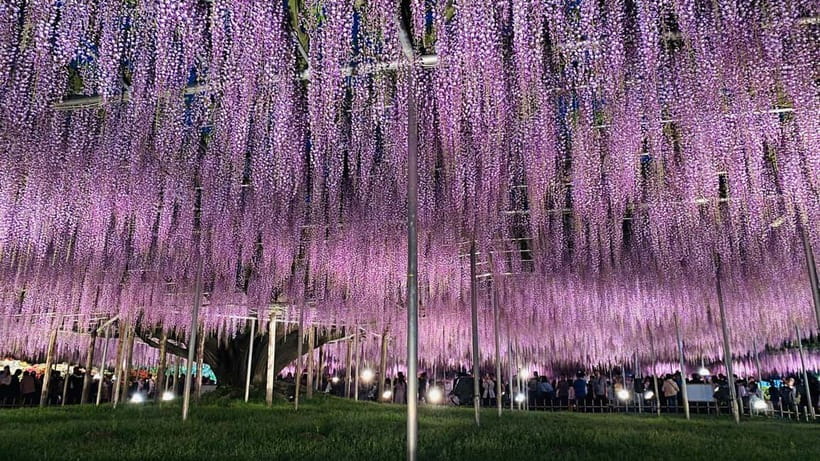
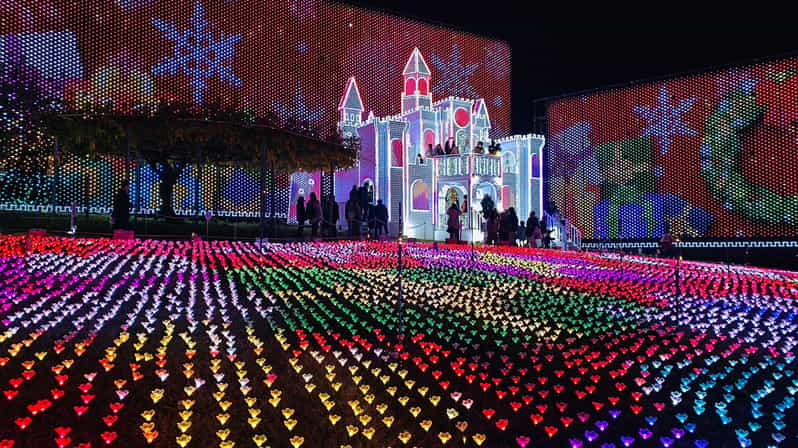
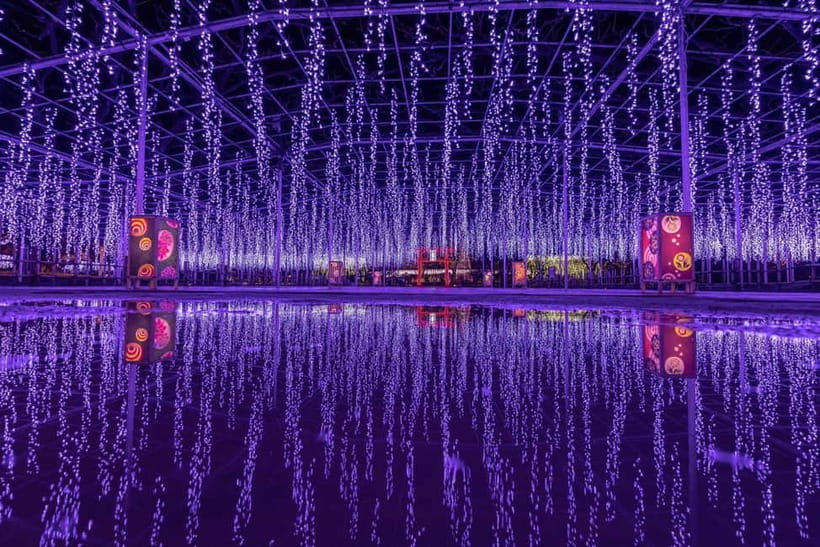
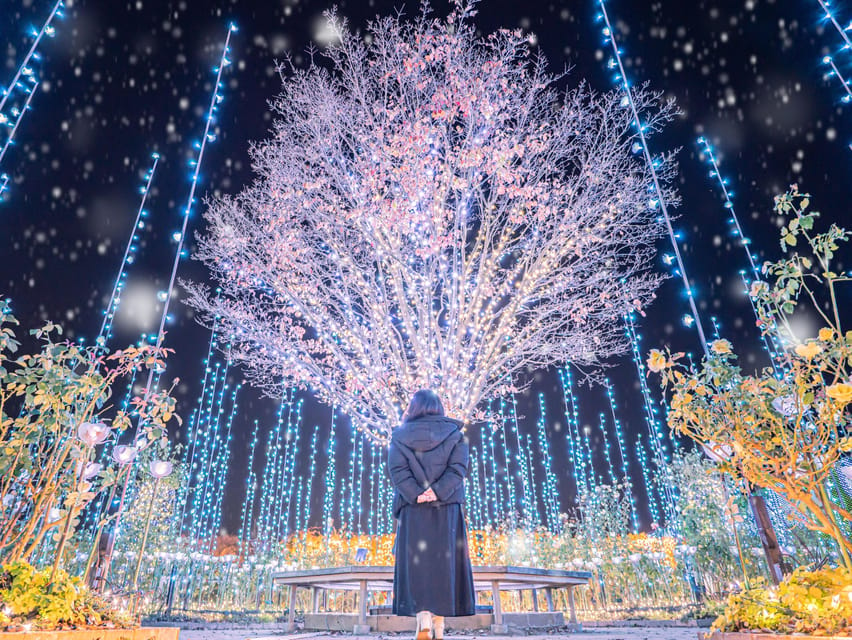
Ashikaga Flower Park gives you a full day built around flowers, not a rushed photo stop. In spring, the Great Wisteria forms a huge flowering canopy. In summer, roses take the lead. In winter, hundreds of lights turn the paths into a bright evening display. You get about three hours in the park, enough time to walk, take pictures, and enjoy the gardens at an unhurried pace.
I like two things here. First, the seasonal changes give you a clear reason to visit at different times of year. Second, the transport plan takes some work off your plate: entry, parking, express tolls, and the return train from Oyama Station to Shinjuku are included. The main drawback is the price, $206 per person, which is a serious spend for a park visit and does not include food or drinks.
In This Review
- Key points to know
- Why Ashikaga Flower Park makes a strong day trip
- Choosing the best season for your visit
- Three hours among flowers, trellises, and winding paths
- The Great Wisteria and the value of seeing it in person
- Winter illumination turns the visit into an evening-style outing
- How the transport plan works
- What the guide adds to the day
- Is $206 good value?
- Who will enjoy this Ashikaga day trip?
- Practical details before you reserve
- Should you book it?
- FAQ
- Where is Ashikaga Flower Park?
- How long do I spend at the park?
- What flowers can I see at Ashikaga Flower Park?
- What is the Great Wisteria?
- Does the park have a winter illumination event?
- Where can I be picked up?
- Where does the activity finish?
- Is the return train to Tokyo included?
- Are food and drinks included?
Key points to know
- The Great Wisteria is the spring showpiece: Visit during wisteria season for the park’s most famous floral display.
- Winter brings hundreds of lights: The illumination event offers a very different experience from a daytime flower garden.
- You get three hours inside the park: That allows time for a gentle walk, photos, and seasonal displays without filling the whole day with sightseeing.
- The return train goes from Oyama Station to Shinjuku: This gives you a clear end point after the park visit.
- Ali may be your guide and photographer: His help with photos and videos was a major part of the experience for Sabrina, while Lan praised his care and safety guidance.
- Pickup options cover Tokyo, Tochigi, and Ibaraki: Confirm the exact pickup point and start time before booking.
Why Ashikaga Flower Park makes a strong day trip
Ashikaga Flower Park is in Tochigi Prefecture, north of Tokyo, and its appeal changes with the calendar. This is not a place where one visit tells the whole story. The park is known for wisteria in spring, roses in summer, and winter illumination events, so the date of your trip matters as much as the destination.
I like that the visit is centered on simple pleasures. You walk winding paths, stop under flowering trellises, and take pictures with flowers or lights behind you. There is no long sightseeing checklist to race through. The park itself is the point.
The experience also suits people who want help with the practical side of a day outside Tokyo. You do not need to arrange park entry, parking, express tolls, and the return train separately. That convenience carries a cost, but it may be worth it if you prefer a guided outing to working out each transport step alone.
Choosing the best season for your visit
Spring is the obvious choice if the Great Wisteria is your goal. This enormous vine trellis is the park’s signature feature, forming a canopy of blossoms when the wisteria is in season. The supplied information does not give exact bloom dates, so check the available date carefully and confirm what is flowering before you commit.
Summer shifts the focus to roses. If you enjoy photographing individual blooms and garden beds, this season may suit you better than the larger wisteria display. The park’s carefully maintained planting areas give you plenty of color to frame in pictures, although the exact flowers on display will depend on timing.
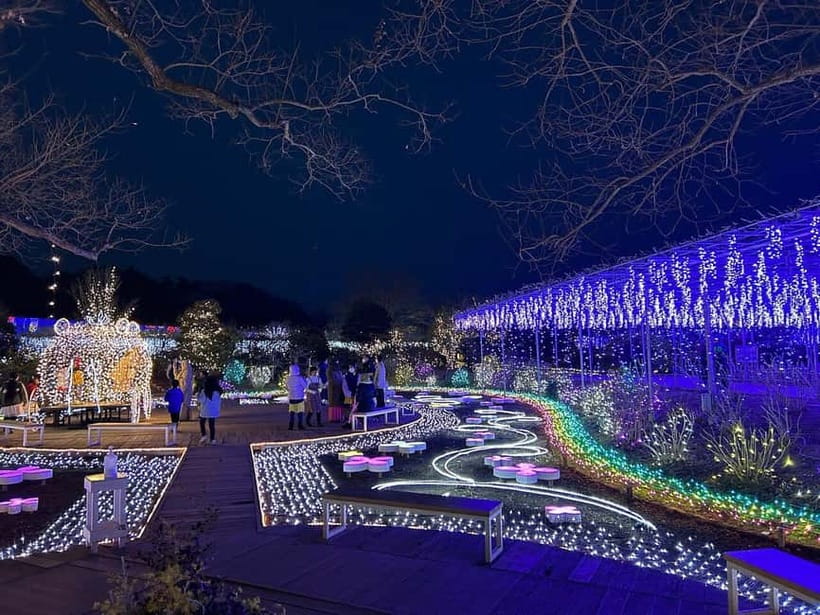
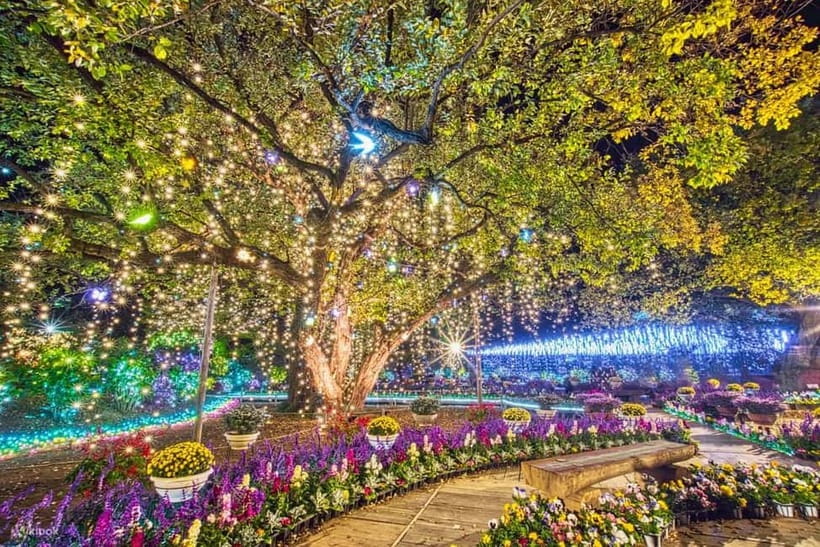
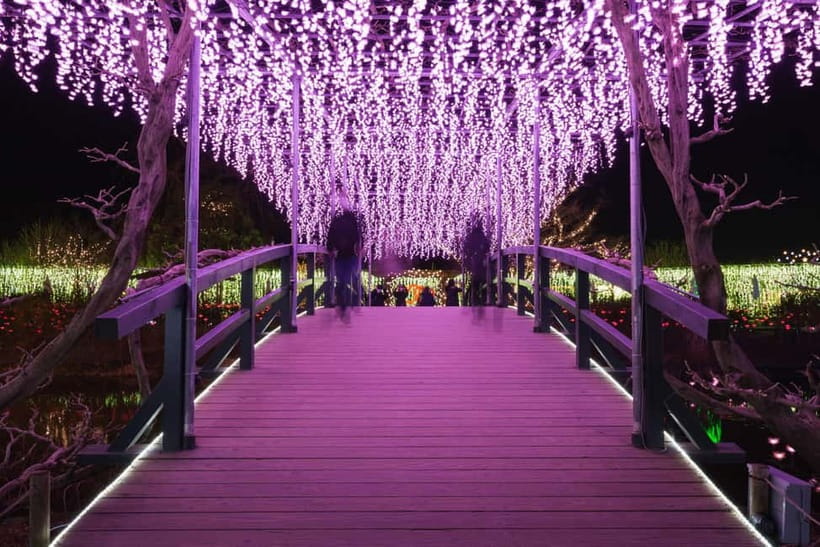
Winter offers the most dramatic change. Instead of relying on daylight and flowers, the park fills with hundreds of lights. The pathways become part of the show, and the bright installations give you a different reason to keep your camera ready. The listing describes a winter illumination experience, but it does not state the exact operating dates or starting time, so check availability before reserving.
A useful rule is simple: choose spring for the Great Wisteria, summer for roses, and winter for lights. Do not book on the assumption that every seasonal feature will be present at once.
Three hours among flowers, trellises, and winding paths
The planned sightseeing time at Ashikaga Flower Park is about three hours. That is a sensible middle ground. You have enough time to stroll through the grounds, pause for photographs, and enjoy the displays without turning the visit into an exhausting all-day march.
The paths are described as peaceful and gently winding. That matters because the best way to see a flower park is at walking pace. You can look up at the wisteria canopy, turn toward a carefully planted bed, and stop when you find a good backdrop. A rushed hour would make the entrance fee and long journey feel less worthwhile.
Still, three hours is not unlimited. If you take many photographs, you will need to manage your time. You might want to spend the first few minutes getting your bearings, then choose your main subject: the wisteria, roses, winter lights, or general garden views. Leave time for a final walk before meeting the guide or leaving the park.
The park is especially well suited to photography. You can take pictures with flowers behind you, and Ali’s help adds a useful personal touch. Sabrina specifically valued the many photographs and videos he took for her. That suggests this trip may work well if you want more than quick self-timer shots, though you should confirm exactly what photography help is offered when booking.
The Great Wisteria and the value of seeing it in person
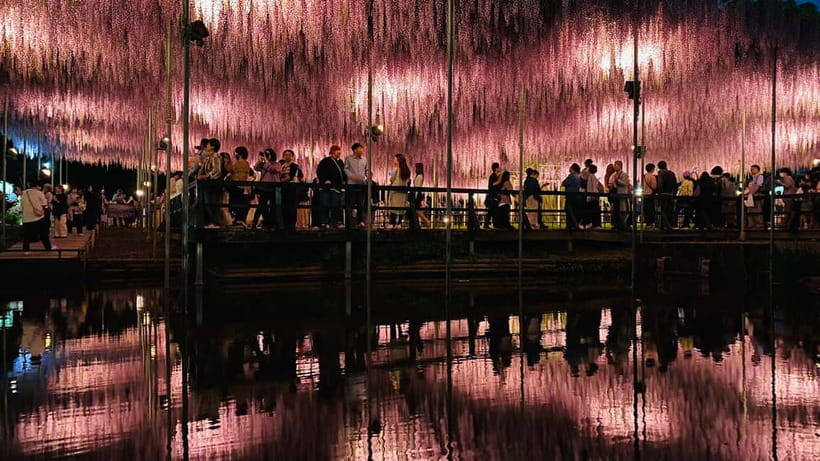
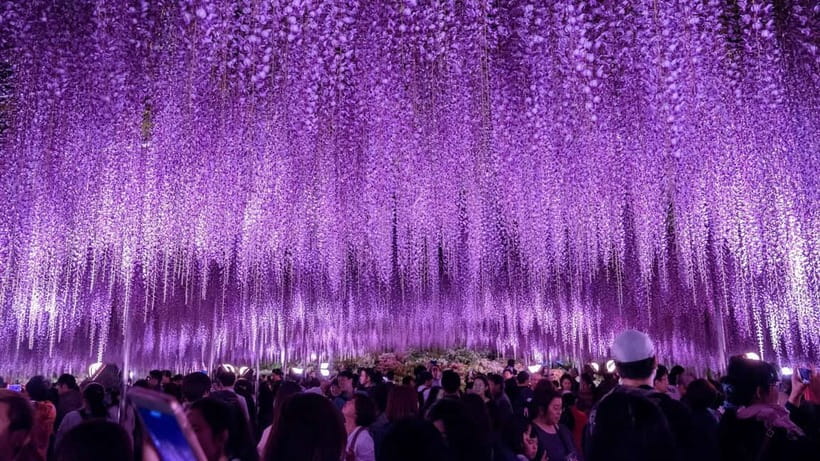
The Great Wisteria is more than another flower bed. It is a massive vine trellis that creates a canopy of blossoms during the proper season. That overhead effect is what makes the display memorable. You are not simply looking at flowers planted in rows. You are walking beneath them.
This is also the part of the visit most tied to timing. If you travel outside wisteria season, the centerpiece will not have the same display. The park remains a year-round attraction, but the famous spring scene depends on nature rather than a fixed indoor exhibit.
For photographers, the trellis offers several kinds of pictures: close views of blossoms, wider shots of the canopy, and portraits framed by the flowers. For people who prefer a quiet walk, it gives the park a clear focal point without forcing you into a formal tour lecture.
The information provided does not specify whether the tour date is selected around peak bloom. Treat that as something to verify. If the Great Wisteria is the main reason you are going, the season should guide your booking, not the other way around.
Winter illumination turns the visit into an evening-style outing
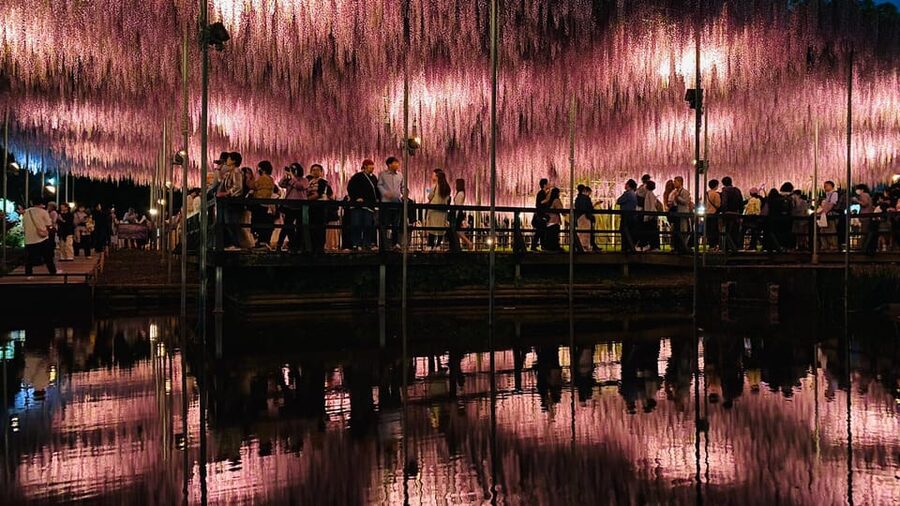
The winter event changes the mood completely. Hundreds of lights brighten the park, with installations placed along the paths and around the garden areas. You lose the soft detail of flowers, but you gain reflections, color, and a more theatrical setting for photographs.
This option may appeal to you if you have already seen Japanese gardens in daylight and want something different. The walk becomes less about identifying plant varieties and more about enjoying the glow as you move from one display to the next.
One practical point matters: the supplied schedule does not state the exact departure or illumination hours. The activity lasts one day, but your precise start time depends on availability. Check that the timing gives you enough time at the park after the lights are on. A winter visit made mostly in daylight would not deliver the experience described in the highlights.
How the transport plan works
The experience offers three pickup area options: Tochigi, Ibaraki, and Tokyo. The exact pickup location is important, especially if you are staying in Tokyo and hoping for a simple start. Confirm the meeting point and time rather than assuming the tour leaves from your hotel.
The included parking fee and express tolls show that part of the outing uses road transport to reach the park. This can save you the trouble of comparing routes and handling road costs yourself. It also means the day depends on the transport schedule, so keep your plans flexible around the stated starting time.
The trip finishes at Oyama Station. From there, the return train ticket to Shinjuku Station is included. This is a useful arrangement because it gives you a defined route back to Tokyo after the park visit. It also means the experience does not necessarily return you directly to your accommodation.
For some people, ending at a major station is convenient. For others, it adds one final transfer at the end of a long day. Think about where you are staying and how easy Shinjuku is for your onward journey.
What the guide adds to the day
AD Travels provides an English and Japanese host or greeter. Ali is named in the supplied information, and his role appears to be more hands-on than simply pointing out the entrance. Sabrina valued his photography and video help, while Lan highlighted his resourcefulness, politeness, explanations, and attention to participant safety.
That combination matters on a day trip. A guide can help you keep track of the schedule, explain what you are seeing, and make the route feel less uncertain. Photography help is a bonus if you are traveling alone or want pictures that include you rather than only flowers.
The experience is not presented as a specialist botanical lecture. If you want detailed plant science, ask what commentary is included. The stronger fit is for someone who wants a pleasant guided visit, help with logistics, and a few good memories recorded along the way.
A Japanese comment from Yoko describes the day as careful and reassuring, with enjoyable conversation during the drive. That points to a friendly, attentive style. Still, personal guiding styles vary, so consider the host language and the amount of conversation you prefer.
Is $206 good value?
At $206 per person, this is not a bargain park admission with a simple train ride. You are paying for a full-day arrangement that includes entry, road costs, parking, and a return train ticket from Oyama to Shinjuku. The value rests mainly in convenience and guided support.
I would compare the price with the effort of arranging the day independently. You would otherwise need to work out transport to the park, account for express tolls if using a car, buy admission, and plan the return from Oyama. If you are comfortable doing all that, the tour may feel expensive.
If you value a prepared route, an English or Japanese host, and help with photographs, the calculation changes. Ali’s photo and video assistance could be particularly useful for solo visitors. The outing also gives you three hours at the park rather than leaving you to judge how much time to allow.
Food and drinks are not included. Plan for that separately, although the provided details do not specify dining options or meal arrangements. The safest approach is to budget for refreshments and treat the $206 as the cost of transport, entry, and guiding rather than a complete day package.
Free cancellation up to 24 hours before the activity and the option to reserve now and pay later make the commitment easier. These terms are useful when flower timing or winter illumination dates are important, but you should still confirm the exact conditions at checkout.
Who will enjoy this Ashikaga day trip?
I would recommend it most strongly to:
- Solo visitors who want help with photos and transport
- Couples looking for a relaxed flower-focused day
- Garden lovers choosing a trip around wisteria, roses, or winter lights
- Visitors who dislike planning several transport legs
- Anyone who wants a quieter break from central Tokyo
Families may also like the bright winter displays and open walking space, though no child-specific details are provided. People with limited time should note that this is a full-day outing for about three hours in the park, not a quick nearby stop.
You may want to skip it if you are mainly interested in Tokyo’s museums, food, or historic neighborhoods. You may also find the price hard to justify if you are happy to arrange public transport and take your own photos.
Practical details before you reserve
Pick your season first. Then confirm the available starting time, pickup point, and expected route. The activity can begin from an option in Tokyo, Tochigi, or Ibaraki, but the exact meeting details are not supplied here.
Allow room in your plan for a long day. The park visit itself is about three hours, but the activity is listed as lasting one day because of the journey. Wear shoes suitable for walking on park paths, and bring a phone or camera if photographs are important to you.
Remember that the trip finishes at Oyama Station, while the included train ticket takes you to Shinjuku Station. This is convenient for many Tokyo visitors, but it is not the same as door-to-door hotel return.
The activity is offered with English and Japanese support. If you need a specific language or want to know how much guiding is provided inside the park, confirm that before booking.
Should you book it?
Book this experience if you want Ashikaga Flower Park without piecing together the transport, entry, road costs, and return train yourself. It makes the most sense when the timing matches your chosen feature, especially the Great Wisteria in spring or the winter lights after dark.
The strongest reason to choose it is the combination of a managed day and personal help from Ali, including photography and safety support. The main reason to hesitate is the $206 price, plus the fact that food and drinks are extra.
My advice: book for a specific seasonal display, not simply for a generic garden visit. If the date lines up with the flowers or illumination you want, the convenience may justify the cost. If your schedule is flexible and you are confident navigating Japan’s transport system, compare the independent price first.
FAQ
Where is Ashikaga Flower Park?
Ashikaga Flower Park is in Tochigi Prefecture on Honshu, Japan.
How long do I spend at the park?
The planned sightseeing and walking time at Ashikaga Flower Park is about three hours.
What flowers can I see at Ashikaga Flower Park?
The park is known for wisteria in spring and roses in summer. Seasonal displays vary by visit date.
What is the Great Wisteria?
The Great Wisteria is a massive vine trellis that forms a canopy of blossoms during the wisteria season.
Does the park have a winter illumination event?
Yes. The experience includes the chance to see hundreds of lights during the park’s winter illumination.
Where can I be picked up?
The available pickup areas are Tochigi, Ibaraki, and Tokyo. Confirm the exact pickup point when booking.
Where does the activity finish?
The activity finishes at Oyama Station.
Is the return train to Tokyo included?
Yes. A return train ticket from Oyama Station to Shinjuku Station is included.
Are food and drinks included?
No. Food and drinks are not included in the price.
Tickets, compared.
 ★ 4.5Tokyo: TOKYO SKYTREE® Admission ticketFrom $131 day
 ★ 4.6Tokyo: teamLab Planets TOKYO Digital Art Museum Entry TicketFrom $251 day
 ★ 3.9Tokyo: Hop-On Hop-Off Sightseeing Bus TicketFrom $301 - 2 days
 ★ 4.6Tokyo Tower: Admission TicketFrom $91 hour - 3 days
 ★ 4.8Tokyo: Japanese Dance Cabaret Theater Asakusa-Kaguwa TicketFrom $492 hours
 ★ 4.5Tokyo: Kamakura & Enoshima Day Trip including Temple TicketsFrom $589 hours - 570 minutes