
Reviewed · SUMO EXPERIENCES
Sumo Morning Training Watch in Tokyo,Hotel-pickup w/English guide
Professional sumo training is not a polished stage show. You sit close to the ring as real wrestlers work through leg exercises, drills, stretching, and hard practice bouts. The room stays quiet, so your guide explains the action before and after training, and often writes notes or answers questions on a board during the session.
I like the genuine stable setting and the fact that pickup removes the stress of finding an obscure facility. I also like the personal touch from guides such as Koichiro, Hiromi, Mari, Midori, and Yuka, who have helped visitors navigate trains, explain sumo customs, and sometimes add a shrine visit or local stop. The main catch is that the morning starts early, public transport may involve walking, and one uneven guide can make the silent viewing harder to follow.
In This Review
- Key points to know before booking
- Why a morning stable visit feels different from a sumo tournament
- The 7:30 am hotel pickup and trip to the stable
- Entering a real sumo stable
- What you see during the training session
- Learning sumo when nobody can talk
- The possible photo with the wrestlers
- How much value is there at $159.88?
- The dates and planning details that matter
- Who will enjoy this most
- Should you book the morning training watch?
- FAQ
- What time does the sumo morning training tour start?
- How long does the experience last?
- Is transportation to the sumo stable included?
- Is the tour conducted in English?
- Can I take photos with the sumo wrestlers?
- Is food or drink included?
- What is the cancellation policy?
Key points to know before booking
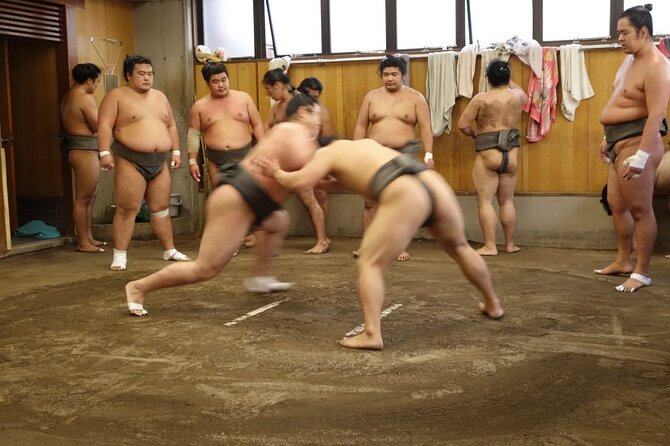
- Watch real training from very close range: You may sit only a few feet from the ring, close enough to hear the force of the bouts.
- Hotel pickup starts at 7:30 am: Your guide meets you at the hotel, then typically leads you by train, bus, and on foot to the stable.
- Silence matters inside the stable: Guides may use handouts, paper, pens, or a dry-erase board so you can ask questions without interrupting practice.
- The session includes more than matches: Expect basic exercises, strength work, traditional movements, and serious practice bouts.
- Photos may be possible afterward: A picture with wrestlers can be offered, but it depends on the stable and the day’s schedule.
- The $159.88 price buys access and help: You are paying for the stable visit, licensed English guide, hotel pickup, and transport guidance, not food or hotel return.
Why a morning stable visit feels different from a sumo tournament
A tournament gives you formal bouts, a crowd, ceremony, and a clear scoreboard. This experience gives you the working side of sumo. You see wrestlers repeat movements, build strength, test techniques, and respond to instruction from the stable.
That difference matters. Training can feel less tidy than a scheduled match. Several things may happen around the ring at once, and not every moment will be explained aloud. But you get a closer look at the discipline behind the public spectacle.
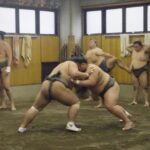
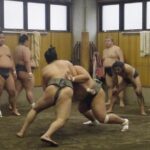
The training usually begins with basic sumo exercises. These focus on the legs, hips, and upper body, along with muscle-building routines. You may then see wrestlers face one another for practice bouts. The action can be surprisingly forceful, even during training, and the wrestlers around the ring may continue stretching or working on drills while a bout takes place.
The setting also helps you understand sumo as a traditional practice, not just a contest. The movements, rules, rituals, and respect shown in the stable are part of what makes the visit worthwhile. If you already know sumo, you can ask about technique and rank. If you are new to the sport, a good guide can give you enough context to follow what is happening quickly.
A few more Tokyo tours and experiences worth a look

The 7:30 am hotel pickup and trip to the stable
The morning begins at your hotel, with pickup included. That sounds simple, but it is one of the most useful parts of the package. Sumo stables are not always easy for a first-time visitor to locate, and the stable itself may be in a regular neighborhood rather than beside a major sightseeing stop.
Your guide then takes you by public transport and on foot. Past visitors have described subway and bus travel, with the exact route depending on the stable. Bring a loaded Suica card if you have one, or be prepared to buy a transit ticket. Good walking shoes are a smart choice, and you should allow extra energy for stairs and station corridors.
Guides such as Mari, Midori, and Midi have used the journey to explain sumo and answer questions about Japan. Some have also added a short visit to a nearby shrine or temple after the training, though this is not a fixed part of the program. Think of those stops as possible extras, not guaranteed itinerary items.
Hotel pickup does not include hotel drop-off. Your guide may help you reach a station or continue toward your next destination, but you should plan the rest of your morning yourself. This is useful if you want to continue sightseeing in the area, and less convenient if you expect to be returned directly to your accommodation.
Entering a real sumo stable
The stable is where this experience earns its price. You are not watching a demonstration arranged for tourists. You are observing professional wrestlers during their regular morning practice, with the stable’s own routines and schedule guiding the visit.
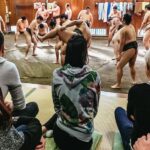
The atmosphere is quiet and respectful. Talking during training is not allowed, so do not expect a running commentary beside you. A strong guide prepares you first, then points out techniques or writes explanations while the wrestlers work. One especially useful approach described by visitors involved a dry-erase board, allowing the group to ask many questions without disturbing the room.
You may sit on cushions close to the ring. Low chairs can sometimes be brought in, but they remain close to the floor. If getting up from a low seat is difficult, tell your guide early. Most people can participate, but the combination of floor-level seating, walking, and public transport is worth considering before you book.
The stable may be small. That is good for closeness, but it can also mean limited room and a less predictable viewing position. You are entering a working place, not a museum with a carefully designed visitor path. Follow instructions, keep your voice down, and accept that the wrestlers’ routine comes first.
What you see during the training session
The morning generally follows three parts, although the order and length can change.
First come basic exercises and conditioning. You may see movements designed to strengthen the legs, hips, and upper body, along with repeated drills and muscle-building work. These exercises explain why a sumo bout depends on balance, explosive power, flexibility, and endurance.
Next come practice matches. Two wrestlers face off at a time, and the bouts can be serious. The point is not to entertain an audience, but to sharpen skills and test what the wrestlers have been working on. You may notice a stable master correcting a wrestler or speaking with him after a bout. That kind of instruction gives the session a practical, workmanlike feel.
Other wrestlers may train around the ring while matches continue. You could see stretching, pushing drills, or individual practice at the same time. Your guide can help you watch the right details, such as footwork, a technique used to force an opponent out, or the difference between a warmup and a full bout.
The training may last around 90 minutes or close to two hours, based on the day and stable. The overall tour lasts about three hours, including transport and explanation. If training is lighter during a tournament period, the session may feel different from a full practice morning. That does not make it pointless, but it does mean the amount of action is not fully predictable.
Learning sumo when nobody can talk
The English-speaking guide is more than a translator. The guide explains the rules, traditions, history, rituals, and terms that make the action easier to read. This is especially valuable if you have never watched sumo before.
Several guides have earned strong praise for this part of the work. Koichiro has been described as energetic and deeply interested in sumo, with the ability to explain small details and answer a long string of questions. Hiromi and Tadashi Umebayashi have been praised for care and punctuality, while Mari has helped first-time visitors handle trains and understand the sport from the moment of pickup.
Your experience can depend on how actively the guide explains things. Most of the feedback is very positive, but one poor experience involved little explanation beyond a sheet of stable rules. That is a fair warning: the stable itself is fascinating, but the guide makes the difference between simply watching large athletes move and understanding what you are seeing.
Ask questions before training begins and again afterward. During the session, expect to communicate quietly. Some guides use a board, notes, sketches, or gestures. A little preparation makes the no-talking rule feel like part of the experience instead of a limitation.
Other guided tours in Tokyo





The possible photo with the wrestlers
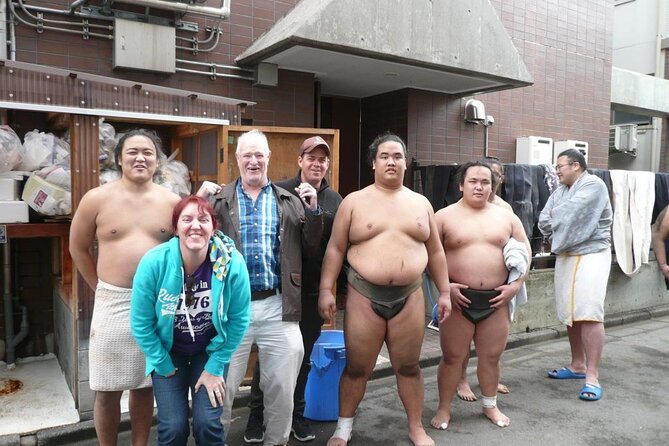
After practice, you may have a chance to take photos with some of the wrestlers. This is one of the most memorable parts for many people, but it is not guaranteed. The schedule, stable rules, and wrestlers’ availability control what happens next.
Keep your expectations polite and flexible. The wrestlers have finished a demanding training session, and the photo opportunity is a courtesy, not the main product. Some groups have been able to take pictures with more than one wrestler, while others have simply received a quick photo before leaving.
If you want a picture, listen carefully to your guide. Do not approach wrestlers on your own or interrupt their routine. The best guides handle the request for you and explain what is appropriate.
How much value is there at $159.88?
At $159.88 per person, this is not a cheap morning activity. You are paying for access to a genuine stable, a nationally licensed English-speaking guide, hotel pickup, and help with public transportation. Food, drinks, and hotel drop-off are not included.
The value depends on what you want from Tokyo. If you only need a picture of sumo wrestlers, this is an expensive way to get one. If you want to enter a real training environment and understand the customs while you are there, the price is easier to justify.
The guide matters most. Without help, the stable can be difficult to find, and the silence inside makes it hard to understand the action. A strong guide also helps you manage trains, timing, etiquette, and questions. Small groups are another plus, with a maximum of 15 people, though the actual group may be smaller.
This experience is often reserved well ahead of time, with bookings averaging 57 days in advance. That suggests you should not leave it until the last few mornings of a short Tokyo visit, especially if sumo is a priority.
The dates and planning details that matter
The program is not available during several listed periods in 2025:
- May 10 through June 5
- June 26 through August 6
- September 13 through October 8
- October 23 through December 3
Availability must be confirmed after booking, with confirmation expected within 48 hours. Since the start time is 7:30 am, check your hotel location and morning routine before committing. A hotel far from central Tokyo may make the pickup and transit portion longer, although the exact route is not specified.
The experience is near public transportation, and most people can take part. Still, you should be comfortable with walking, trains or buses, and low seating. Contact the provider before booking if you have mobility concerns, since the available information does not describe special accessibility arrangements.
Free cancellation is available up to 24 hours before the local start time. Changes or cancellations made within 24 hours are not accepted for a refund.
Who will enjoy this most
I would choose this for anyone with even a passing interest in sumo, especially if a tournament is not part of your Tokyo schedule. It suits first-time visitors because the guide explains the basics, and it also suits serious fans who want to see the daily work behind the official bouts.
It is a good match for people who enjoy cultural experiences that are quiet, local, and a little unpredictable. You will not get a polished show with a fixed script. You will get a working stable, a silent viewing period, and a guide who helps you read the room.
Families and athletic fans can enjoy the physical side of the practice. People who dislike early starts, public transport, floor-level seating, or strict quiet may prefer a tournament match instead.
Should you book the morning training watch?
Book it if you want close access to real sumo practice, not just a quick introduction. The combination of a genuine stable, English guidance, hotel pickup, and possible wrestler photos gives you a rare look at a sport that is difficult to understand from the outside.
I would book early, carry a Suica card, wear sturdy shoes, and leave room in your morning for the trip back. The guide quality is important, so use the chance to ask questions and make sure you understand the stable rules before training begins. At $159.88, the tour asks a lot, but for a culturally curious visitor who values access over convenience, it can be one of Tokyo’s most memorable mornings.
FAQ
What time does the sumo morning training tour start?
The tour starts at 7:30 am. Hotel pickup is included.
How long does the experience last?
The full experience lasts approximately three hours. The training session itself may run for around 90 minutes to nearly two hours, depending on the stable and day.
Is transportation to the sumo stable included?
Hotel pickup and guidance by public transportation are included. The journey may involve trains, buses, and walking. Hotel drop-off is not included.
Is the tour conducted in English?
Yes. The tour includes a nationally licensed English-speaking guide who explains sumo traditions, rules, rituals, and training.
Can I take photos with the sumo wrestlers?
You may have the opportunity to take photos with wrestlers after training, but this depends on the stable and the day’s schedule.
Is food or drink included?
No. Food and drinks are not included in the tour price.
What is the cancellation policy?
You can cancel at least 24 hours before the local start time for a full refund. Cancellations or changes made less than 24 hours before the start are not accepted for a refund.
More Morning in Tokyo

More Guided Tours in Tokyo
More Sumo Experiences in Tokyo

More tours in Tokyo we've reviewed






Sumo Experiences, compared.
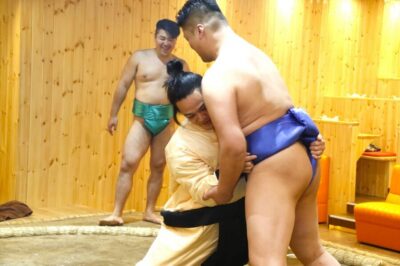 ★ 4.8Tokyo: Sumo Show Experience with Chicken Hot Pot and a PhotoFrom $1032 hours
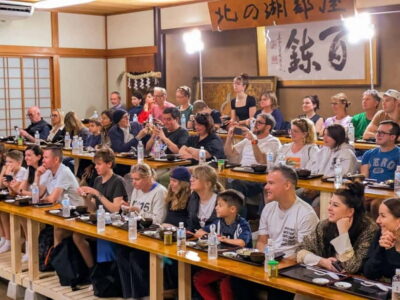 ★ 4.8Tokyo: Sumo Show and Dining ExperienceFrom $7990 minutes - 2 hours
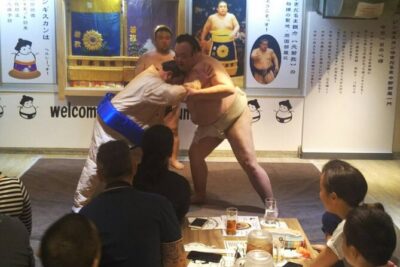 ★ 5.0the SUMO showFrom $89
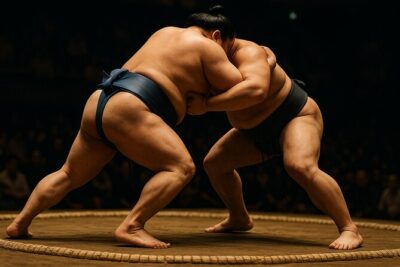 ★ 5.0Tokyo Shinjuku Sumo Show & Experience with PhotoFrom $79
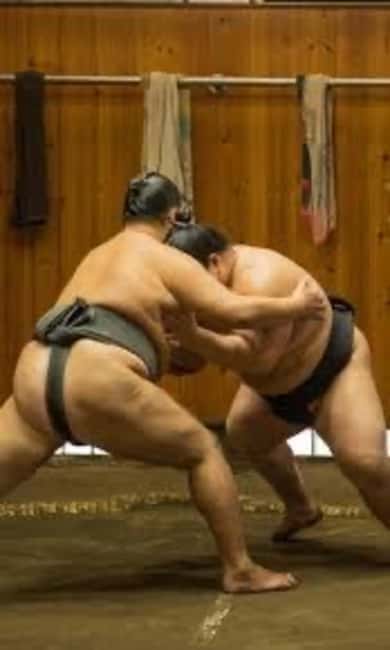 ★ 4.8Tokyo: Sumo Show and Experience in ShinjukuFrom $691h 30m
 ★ 4.6Tokyo: Sumo Tournament Tour with Chair Seat TicketsFrom $141