
Reviewed · WALKING TOURS
Tokyo: Kichijoji Walking Tour with Local Guide
The clever part of this Kichijoji walking tour is that the Ghibli Museum comes at the end, not the beginning. You first get a feel for the neighborhood through food streets, local stories, and Inokashira Park, so the museum visit feels like part of a Tokyo day rather than a stand-alone ticket.
I like the small group, limited to five people, and I like the relaxed handoff from guided walking to two hours of free time inside the museum. Guides such as Mina, Daiske, Yuma, and Shinjo have earned praise for being warm, flexible, and easy to talk with. The main drawback is price: at $88, you pay a sizeable premium over the museum ticket alone, and lunch is not formally included.
In This Review
- Key points to know before booking
- Why Kichijoji makes a good Tokyo half-day
- Meeting Hanako at Kichijoji Station
- Kichijoji Sunroad, Tokyo’s everyday shopping street
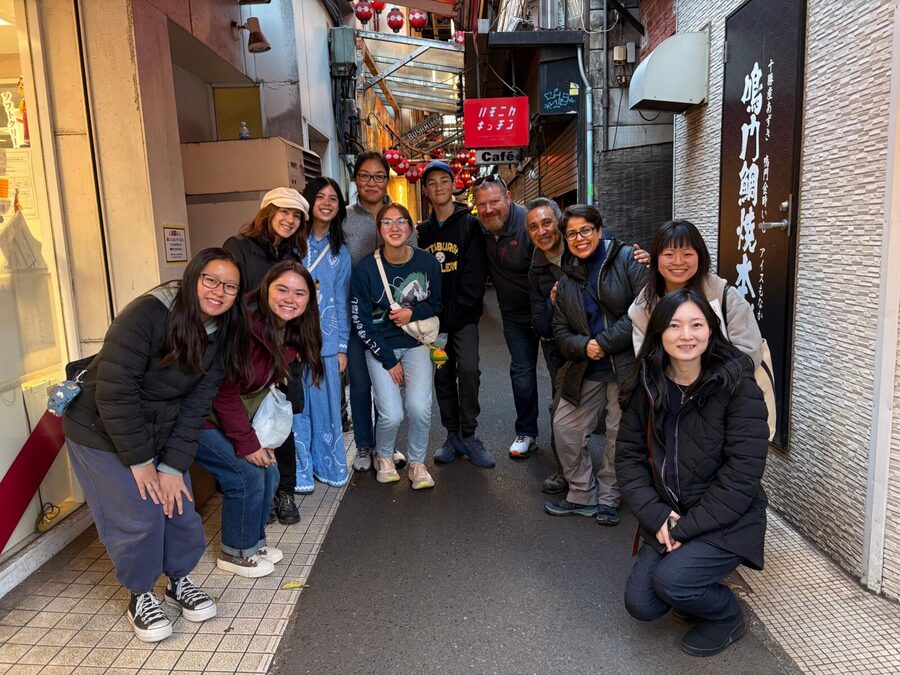
- Harmonica Yokocho and the appeal of narrow food lanes
- Inokashira Park, the tour’s quiet middle
- Walking to the Ghibli Museum
- Inside the Ghibli Museum: allow two unhurried hours
- What the guides add to the day
- Is $88 a fair price?
- Who should book this Kichijoji experience?
- My verdict: book it for access and local color
- FAQ
- How long does the Kichijoji walking tour last?
- Where is the meeting point?
- Is admission to the Ghibli Museum included?
- Is lunch included?
- What languages are available?
- How many people can join the tour?
- What should I bring?
- Can I take photos inside the Ghibli Museum?
- What happens if it rains?
Key points to know before booking
- The Ghibli Museum is the main prize: Admission is included, which matters because getting a ticket independently can be difficult.
- Kichijoji feels local: Sunroad, Harmonica Yokocho, and Inokashira Park offer a slower side of Tokyo away from the usual sightseeing circuit.
- The group is very small: With no more than five participants, you can ask questions and keep up a personal conversation with the guide.
- You walk before the museum: The route includes about 20 minutes of walking between stops, plus 30 minutes in the park, so wear comfortable shoes.
- The museum is self-guided: Your guide takes you there, but you explore the exhibits at your own pace for about two hours.
- Food may be part of the experience: A snack is included, while lunch is not. Some guides also arrange or suggest local meals, but you should budget separately.
Why Kichijoji makes a good Tokyo half-day
Tokyo can wear you out. Kichijoji gives you a useful change of pace without requiring a long trip from the city center. It has shopping streets, tiny food alleys, a well-used park, and enough local character to make the day feel different from a standard central Tokyo tour.
This is not a checklist of famous landmarks. You are here to see how people use a neighborhood. Sunroad is a practical shopping street, while Harmonica Yokocho is made up of narrow lanes lined with small food businesses and restaurants. The contrast tells you more about ordinary Tokyo than another polished observation deck would.
I especially like the way the route builds slowly. You start with streets and snacks, move into trees and open space, then finish in a museum designed around imagination. That sequence works well for families and couples who want something pleasant rather than a fast march between attractions.
The four-hour length is also sensible. You get enough time to understand Kichijoji, but the day does not become an exhausting full-day commitment. The walk itself is not extreme, though the route from the park to the museum can feel long for anyone with limited stamina.
Other walking tours we've reviewed in Tokyo

Meeting Hanako at Kichijoji Station
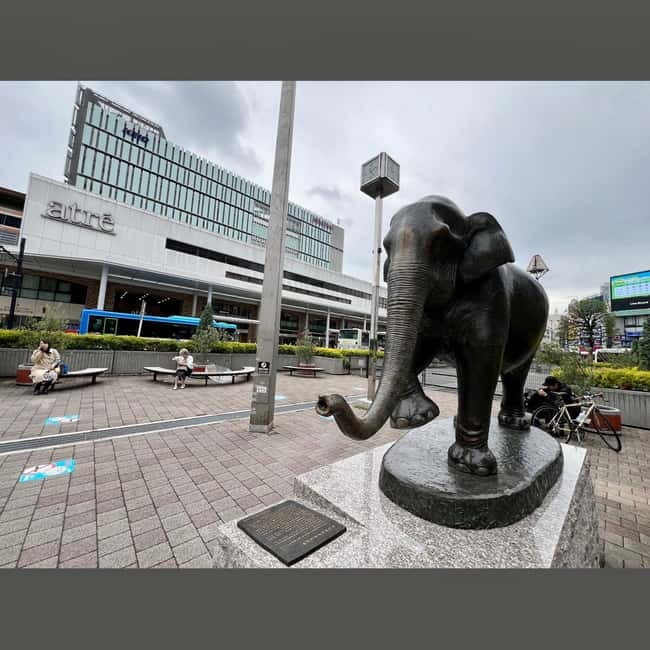
The meeting point is the Hanako Elephant Statue near the north exit of Kichijoji Station. Look for a guide wearing a lanyard. One practical tip is to leave a little time to find the statue, since station exits and surrounding streets can be confusing when you are unfamiliar with Tokyo.
Your guide will contact you through WhatsApp the day before to confirm the meeting details. That is useful, particularly if your arrival depends on a busy train connection. One guide has even waited for a couple who were five minutes late because of train delays, but you should still aim to arrive on time.
The tour operates in English or Japanese. The small group format makes language support easier, and guides have used translation apps when needed. Communication may not always be perfectly fluent, so this tour suits you best if you are comfortable with a relaxed conversation rather than expecting a formal lecture in polished English.
Kichijoji Sunroad, Tokyo’s everyday shopping street
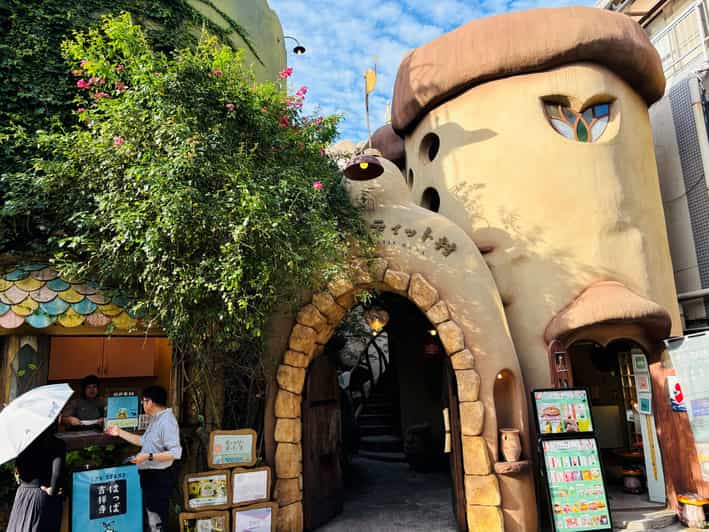
After a short walk of about 10 minutes, the first substantial stop is Kichijoji Sunroad. The guided portion lasts around 15 minutes, so do not expect a long shopping stop or time to browse every store.
What you get instead is orientation. Your guide can point out local shops, food options, and details you might pass without noticing. Danielle, who toured with Mimi, especially valued advice about local shops, restaurants, and manga. That kind of information is more useful here than a memorized list of dates.
Sunroad is also a good place to begin if you have just arrived in Kichijoji. It gives you a sense of the neighborhood’s daily rhythm before the route turns into the tighter lanes of Harmonica Yokocho.
Harmonica Yokocho and the appeal of narrow food lanes
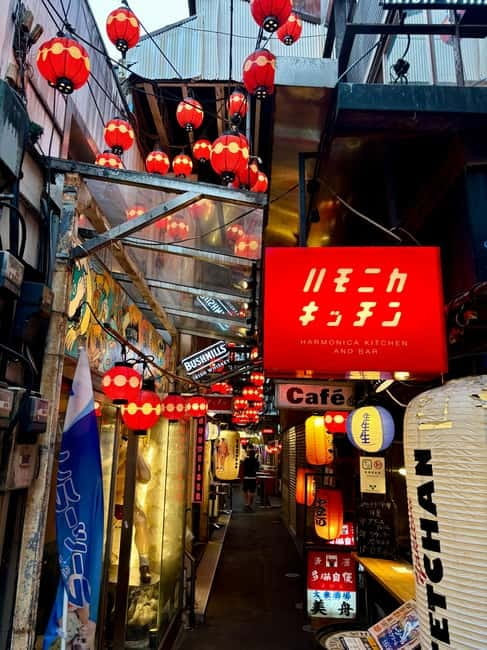
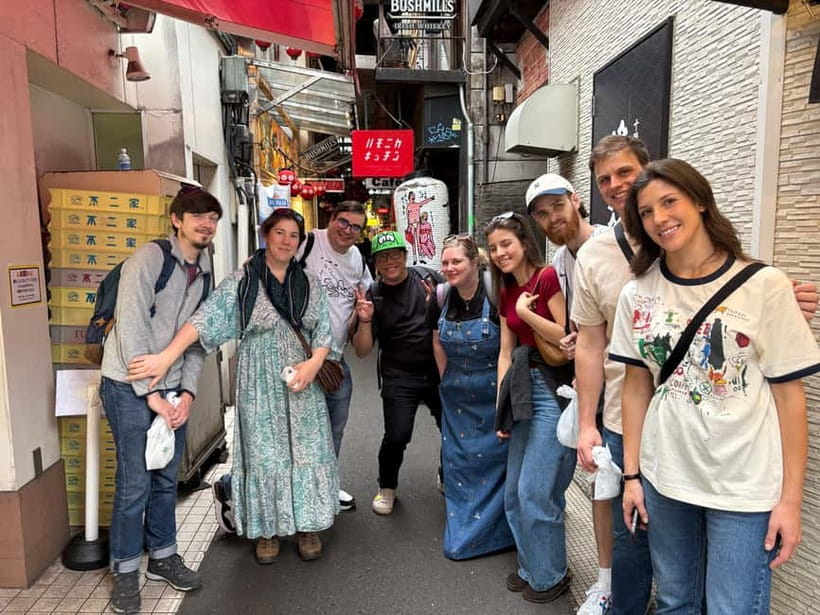
Harmonica Yokocho is one of the most memorable parts of the walk. Its narrow lanes are packed with small food places, and the smells change as you move along. The name fits the compressed, side-by-side layout, where the lanes feel more intimate than a regular shopping arcade.
Your guide spends about 15 minutes here, explaining the area and highlighting food choices. That time goes quickly, so think of it as a guided introduction, not a full food crawl. If you are hoping to sample many dishes, you may need to return later on your own.
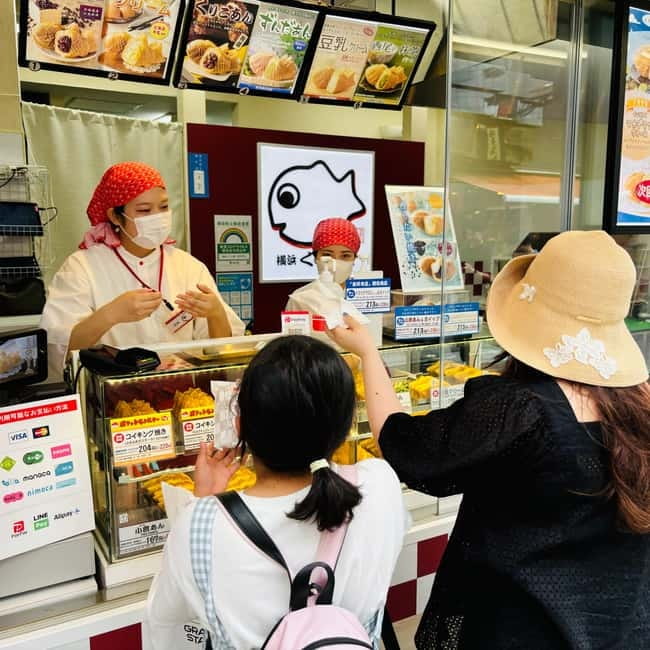
Food is a recurring theme in the experience. The included snack has been described as taiyaki or another Japanese sweet in some outings, and several guides have taken groups toward local restaurants. Fish, sushi, noodles, and other Japanese foods have all featured in the day. Still, the formal details say lunch is not included, so ask about any meal arrangements and dietary needs before ordering.
This is one place where the small group helps. In a group of five, you can ask what a food is, how it is usually eaten, or which dishes may suit you. Guides have also helped with vegetarian-friendly choices. If you have allergies or strict dietary rules, contact the provider ahead of time rather than relying on a last-minute translation.
Inokashira Park, the tour’s quiet middle
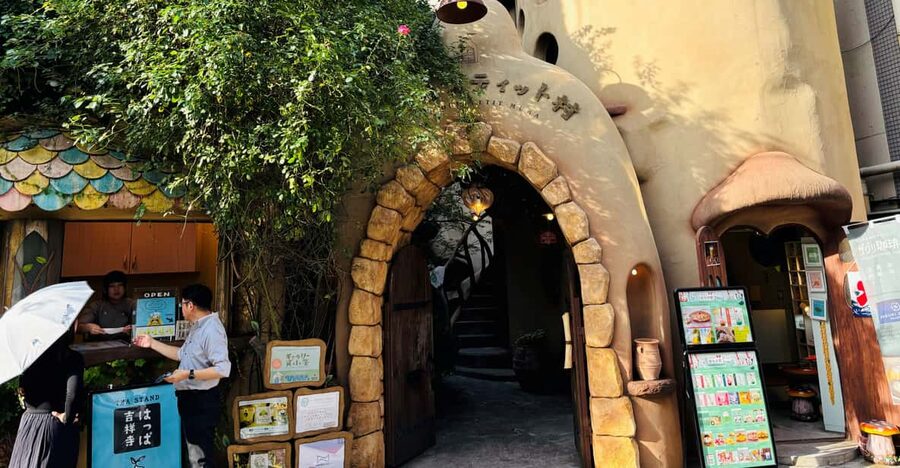
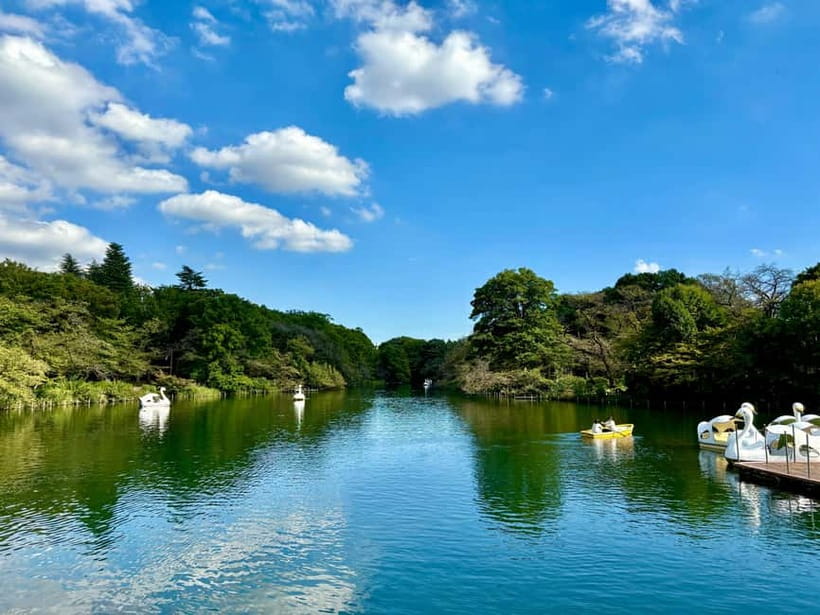
The route then reaches Inokashira Park for about 30 minutes of guided time. This is the tour’s breathing space. After the close lanes and shopfronts, the park gives you trees, paths, and a lake setting that feels far removed from the crowded center of Tokyo.
The park is popular with local residents throughout the year. A shrine and other scenic corners may be included along the way, depending on the guide and timing. Swan-shaped boats on the lake are another detail you might notice, and they add a touch of weekend fun to the setting.
I like this part because it prevents the tour from becoming only a food-and-museum transfer. You get a better sense of why Kichijoji is so loved. The neighborhood is not simply a place with a museum nearby. It is a place where shopping, eating, green space, and leisure fit together.
There is one practical caution. You walk through the park and continue toward the museum, and some people have found this portion tiring, particularly older adults. If you are traveling with senior parents or anyone who cannot walk comfortably for long periods, ask your guide about alternatives after the museum. Comfortable shoes are essential, and the tour runs in rain or shine.
Other guided tours in Tokyo




Walking to the Ghibli Museum
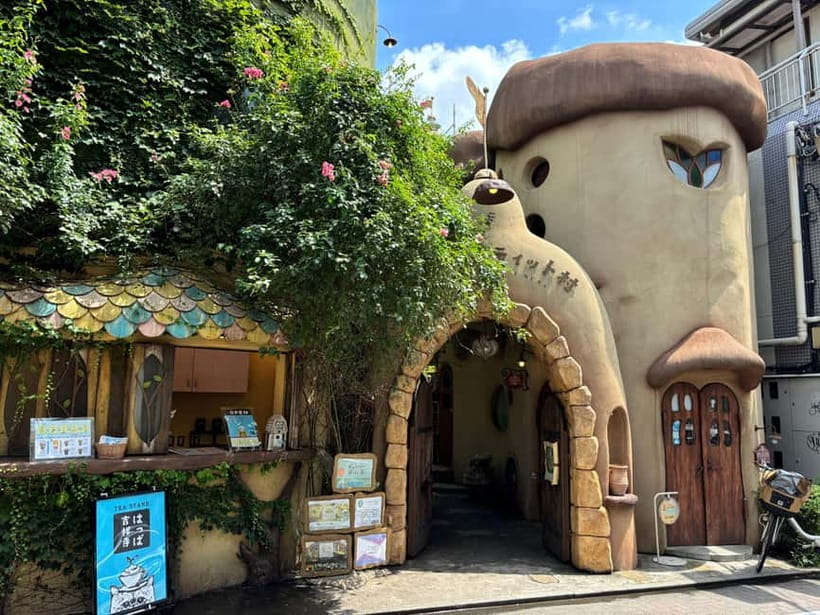
From Inokashira Park, the route continues on foot for about 10 minutes according to the schedule, although the overall park-to-museum experience can feel longer because of the paths and stops. The walk is part of the appeal, but it is not a simple taxi transfer.
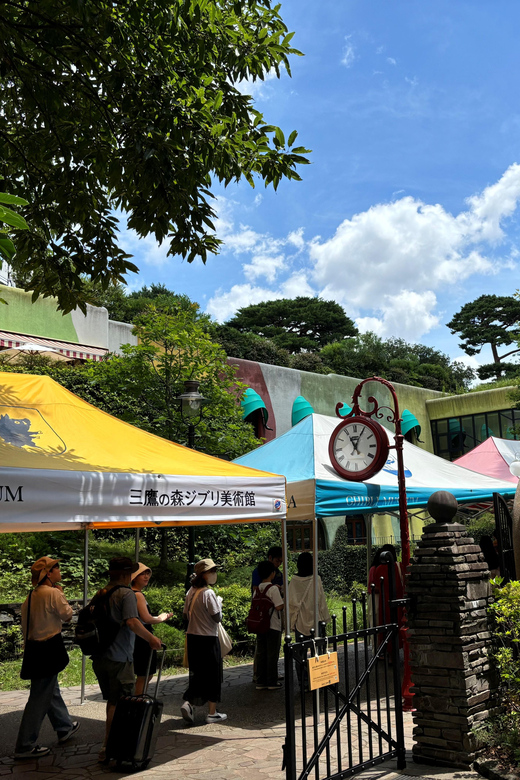
Your guide leads you to the museum and explains how the visit will work. Then you receive your admission and have about two hours to explore independently. This arrangement is well judged. The guide provides local context and handles the group’s arrival, but you are free to spend your museum time on the exhibits that interest you most.
For Ghibli fans, admission may be the decisive reason to book. Several people have turned to this experience after failing to secure tickets through the regular monthly release. Paying $88 is not cheap, but the organized route and reliable access can be worth it when a missed ticket would otherwise spoil a carefully planned Tokyo visit.
Inside the Ghibli Museum: allow two unhurried hours
The museum is relatively small, so two hours is generally a sensible amount of time. You can look around without racing, and you will still have time for the shop and other areas before leaving.
Photography may be limited inside, so keep your camera ready for the exterior instead. The building and outdoor details provide some of the better photo opportunities. One useful tip is to think about how you want to finish: the café can be a pleasant final stop, and some people prefer ending near the upper shop before making their way out.
The museum is best suited to people who already like Studio Ghibli or are curious about animation and the studio’s creative process. If you have no interest in Ghibli, two hours may feel like too much time in a compact museum. The experience is also not a broad Tokyo culture tour once you enter. The guide steps back, and the museum becomes your own visit.
That independence is a strength for families. Children can set the pace, couples can browse together, and serious fans do not have to stay with a guide through every room.
What the guides add to the day
The guides are a major part of the experience. Mina has been praised for her friendly, chatty manner and her enthusiasm for Ghibli. Daiske has helped with meeting arrangements, dietary concerns, and practical questions, while Yuma has been appreciated for explaining Kichijoji and making the walk feel personal.
Shinjo has been especially accommodating with families and used a translation app when English was still developing. Oishi, sometimes called Mr. Delicious by his groups, has focused on food and cultural details. These examples point to an informal guiding style rather than a scripted city tour.
That style will suit you if you want to ask questions and talk with a local. It may not suit you if you prefer a tightly timed lecture with a fixed list of historical facts. The guide names can change, and you should not book expecting one specific person unless the provider confirms it.
The group limit of five is a real advantage. You are less likely to get separated in the market streets, and your guide can adjust the pace when someone needs a break. It also makes the meal and snack stops more social without creating the noise of a large tour group.
Is $88 a fair price?
The answer depends on how much you value the museum access. If you compare the price only with a regular museum ticket, the tour is expensive. One participant made exactly that point, while also deciding the cost was worthwhile because independent tickets were unavailable.
For the $88, you receive:
- Ghibli Museum admission
- About two hours inside the museum
- A four-hour guided experience
- A local guide in English or Japanese
- A small group of no more than five
- A snack
- Help finding food and navigating the neighborhood
Lunch is not included, so keep money aside for that. Some outings have included a local lunch or helped groups choose restaurants, but you should clarify what is planned for your departure. If a meal is important to you, ask about the menu and price before ordering.
I see the tour as good value for a Ghibli fan who cannot get a ticket independently. For someone who already knows Kichijoji well and has secured museum admission, the extra cost is harder to justify. In that case, the walk through Sunroad and the park may not provide enough added value.
Who should book this Kichijoji experience?
I would recommend it to families, first-time Tokyo visitors, anime fans, and anyone who wants a calm neighborhood day. It is also a smart option for couples who prefer food streets and green space to major city sights.
You should be comfortable walking, standing, and moving through narrow market lanes. The tour is not suitable for smokers, and the route operates in all weather. Bring comfortable shoes and a rain layer when the forecast is uncertain.
The experience is less suitable if you want a private tour, a long museum visit, or a formal food tour with lunch clearly included. It is also not the best choice for someone who has no interest in Ghibli and mainly wants to see Kichijoji. The museum is the anchor, and the neighborhood walk supports it.
Cancellation is free up to 24 hours before the start, and you can reserve now and pay later. Those terms help if your Tokyo schedule is still moving around, though museum availability remains the central issue.
My verdict: book it for access and local color
I think this is a strong choice when the Ghibli Museum matters to you. The best parts are the small group, the personable guides, the food-filled lanes of Harmonica Yokocho, and the walk through Inokashira Park before your independent museum visit.
The price is the honest sticking point. You are paying for more than a ticket, but also for the chance to get that ticket, local help, and a pleasant route through Kichijoji. If you cannot obtain museum admission on your own, $88 can be a reasonable once-in-a-trip expense. If you already have a ticket, explore Kichijoji independently and save the money.
FAQ
How long does the Kichijoji walking tour last?
The experience lasts four hours. It includes guided time in Kichijoji, Inokashira Park, and about two hours to explore the Ghibli Museum independently.
Where is the meeting point?
Meet at the Hanako Elephant Statue near the north exit of Kichijoji Station. Look for a guide wearing a lanyard.
Is admission to the Ghibli Museum included?
Yes. Ghibli Museum admission is included in the $88 price.
Is lunch included?
No. Lunch is not included in the formal activity details. A snack is included, and some outings may include help finding or arranging a local meal, so confirm the plan before booking.
What languages are available?
The tour is offered in English and Japanese. Guides may use a translation app when needed.
How many people can join the tour?
This is a small-group experience limited to five participants.
What should I bring?
Bring comfortable shoes because the experience includes walking through shopping streets, Inokashira Park, and the route to the museum.
Can I take photos inside the Ghibli Museum?
Photography may be limited inside the museum. Outdoor areas offer photo opportunities.
What happens if it rains?
The tour operates rain or shine. Plan to walk outdoors in changing weather and bring suitable clothing.
More Guided Tours in Tokyo
More Walking Tours in Tokyo

More tours in Tokyo we've reviewed








Walking Tours, compared.
 ★ 5.0Tokyo Tsukiji Fish Market Food and Culture Walking TourFrom $99
 ★ 5.0Tokyo: Imperial Palace and Shogun Historical Walking TourFrom $22
 ★ 4.9Tokyo: Shinjuku Local Bar and Izakaya Guided Walking TourFrom $343 hours
 ★ 5.0Tokyo: Tsukiji Fish Market Food and Walking tourFrom $30
 ★ 4.8Tokyo: Asakusa Walking Tour with Sensoji Temple VisitFrom $222 hours
 ★ 4.9Tokyo: Tsukiji Fish Market Guided Walking TourFrom $222 hours