
Reviewed · SUMO EXPERIENCES
Tokyo: Sumo Morning Practice Viewing Tour at a Real Stable
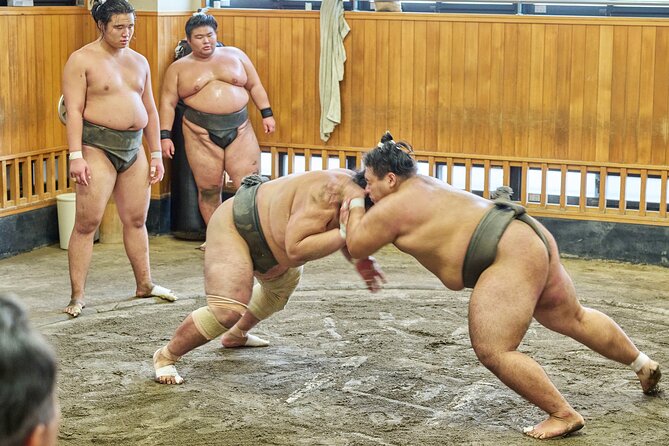
The most unusual part of this Tokyo experience happens before the city fully wakes up: you enter a working sumo stable and watch wrestlers train at close range. This is practice, not a staged show, so the quiet, repetition, and physical effort are part of the appeal. I like the access to a real training session, and I like that the guide explains the rules and customs as you watch.
I also appreciate the careful handling of questions. Since visitors must remain silent during training, guide Mao has used a WhatsApp group so people can ask questions without interrupting the wrestlers. The main consideration is that you must respect the stable’s quiet atmosphere, and a maximum group size of 50 means this may not always feel small or private.
In This Review
- Key points to know before booking
- Seeing sumo before the crowds arrive
- The meeting at Kiyosumi-shirakawa Station
- Inside a real sumo training stable
- Why the 90-minute practice period matters
- Learning the rules without doing homework
- The photo opportunity with sumo wrestlers
- What the atmosphere is really like
- Is $118.92 a fair price?
- Who will enjoy this morning most?
- Practical details for the morning
- Cancellation and planning flexibility
- My verdict on this sumo stable visit
- FAQ
- Where does the sumo morning practice tour start?
- What time does the activity begin?
- How long does the experience last?
- Does the tour include a guide?
- Can I take photos with sumo wrestlers?
- How large can the group be?
- Can I cancel for a refund?
Key points to know before booking
- Watch real morning practice: You see wrestlers train at an active sumo stable rather than attend a theatrical performance.
- Meet at 8:30 am: The experience begins at Kiyosumi-shirakawa Station and lasts about two hours in total.
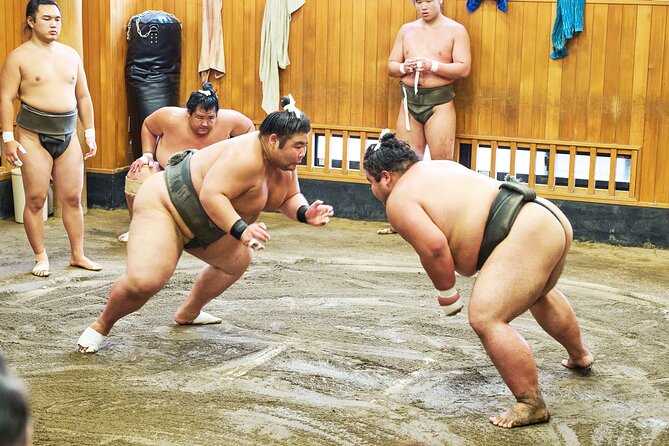
- Expect around 90 minutes of training: The central viewing period is long enough to understand the rhythm and discipline of practice.
- Learn while you watch: Guides such as Tomo and Mao explain sumo rules, rituals, and traditions.
- Silence matters: You must stay quiet during training, with questions handled separately through the guide.
- Photo opportunities are included: You have the chance to take pictures with sumo wrestlers.
Seeing sumo before the crowds arrive
Many first-time visitors encounter sumo through a tournament, a museum, or a short demonstration. This experience offers something different. You watch the athletes prepare and train in the morning at a real stable, where the work is the attraction.
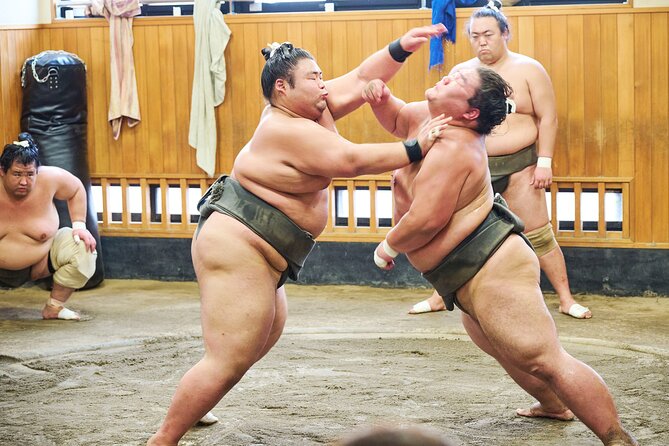
That distinction matters. A tournament is polished and public. A training session is repetitive, focused, and sometimes demanding to watch. You may see drills, bouts, and ritual movements without the formal setting of a competition. The result is a clearer look at the daily discipline behind the sport.
The session begins early, at 8:30 am. That start time is useful for anyone who wants to make good use of the rest of the day, but it does require planning. You need to arrive at the meeting point at Kiyosumi-shirakawa Station, at 1-chōme-6-13 Shirakawa in Koto City.
I would not treat this as a casual activity to squeeze in after a late night. The early start is part of the experience, and arriving calm and on time is especially important when entering a place where quiet behavior matters.
A few more Tokyo tours and experiences worth a look

The meeting at Kiyosumi-shirakawa Station
Your guide meets you at Kiyosumi-shirakawa Station and takes the group to the training stable. The meeting point is near public transportation, which keeps the first step fairly simple.
The guide’s role begins before you reach the stable. You receive instructions about what to expect, how to behave, and how sumo practice differs from a public match. This orientation is valuable because sumo has its own rules and customs, and much of the meaning can be missed if you only watch bodies pushing and grappling.
Guides named Tomo and Mao have received especially strong praise for making the morning easy to follow. Tomo is described as willing to answer questions and offer suggestions for places to eat in Tokyo. Mao has been praised for explaining the training and helping the group stay organized.
Your exact guide may vary, so I would focus less on a particular personality and more on the service provided: someone meets you, leads you to the stable, explains the setting, and helps you understand what you are seeing.
Inside a real sumo training stable
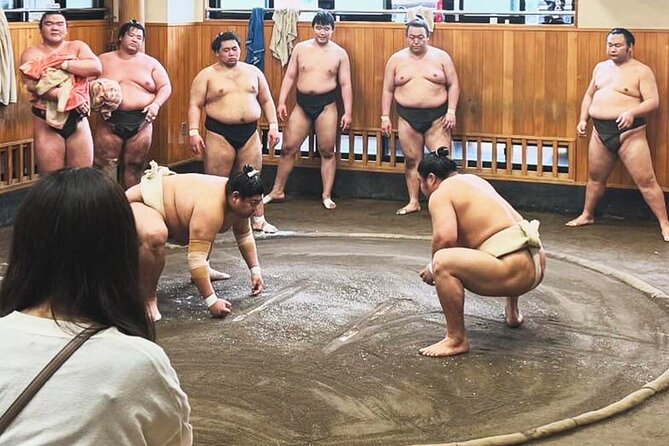
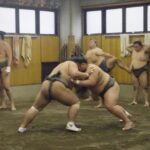
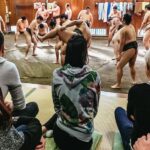
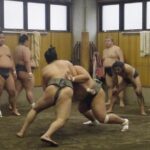
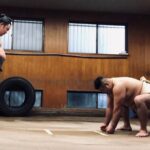
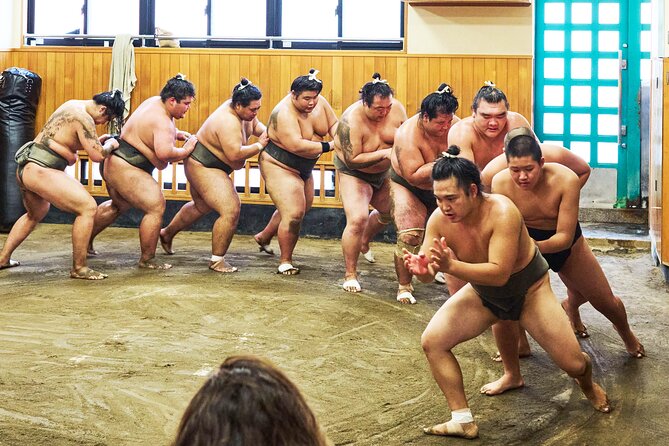
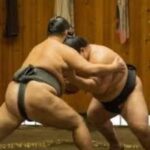
The stable is the heart of the activity. You are not watching a staged performance created for tourists. You are observing wrestlers during their regular training, which gives the visit its value and also sets limits on what you can do.
The most important rule is silence. You cannot speak during the training session, and that can feel unusual if you are used to guided sightseeing. It is also the right rule. The wrestlers are working, not entertaining an audience, and even a small amount of chatter would change the atmosphere.
This quiet creates a different kind of viewing experience. Instead of listening to a running commentary, you watch the movement and notice details for yourself. You see the preparation, the repetition, and the effort involved in training. The session can feel almost stark because there is no showy presentation to soften the work.
The guide’s explanations before or after the practice help fill in the gaps. Mao has arranged a WhatsApp group for questions, allowing people to ask about what they are seeing without interrupting the wrestlers. That is a practical solution, especially for anyone who wants more context but does not want to break the stable’s rules.
Why the 90-minute practice period matters
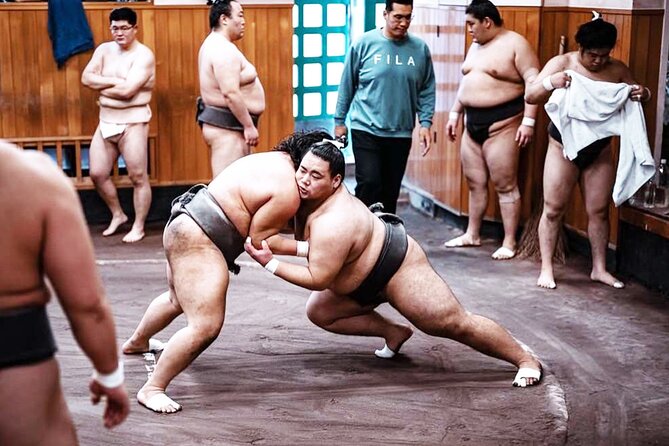
The main viewing period lasts about 1 hour and 30 minutes. That is a good length for this kind of visit. A much shorter session might give you only a quick glimpse, while a full morning could become tiring for people unfamiliar with sumo.
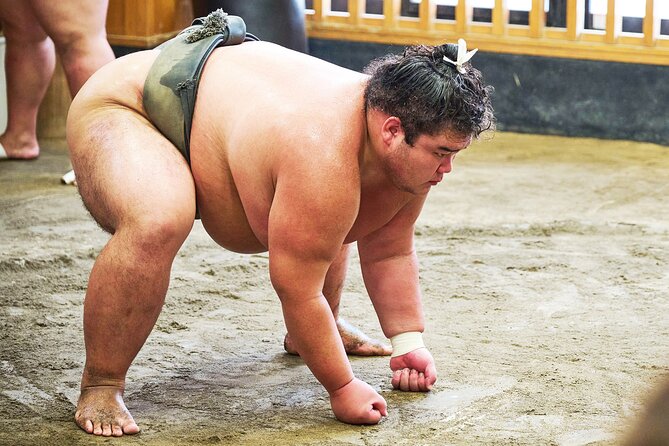
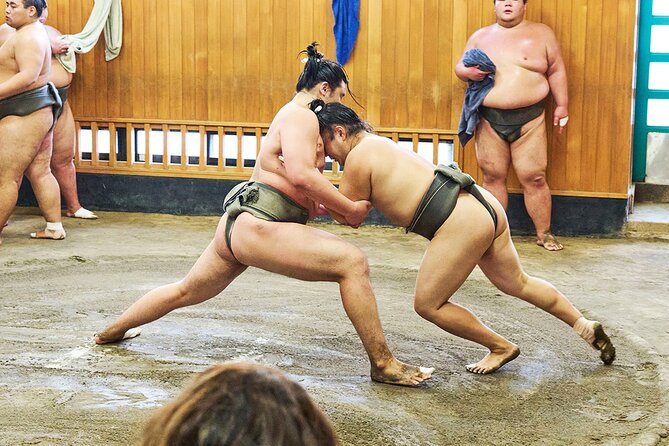
The longer viewing time lets you notice the difference between individual drills and bouts. You can watch how the wrestlers repeat movements, build strength, and test one another. You may also find that the quiet makes the session feel longer than a normal sightseeing stop, so the 90-minute length is worth considering before you book.
I like that the time is not padded with unrelated attractions. The activity centers on one unusual access point and gives you time to watch properly. You do not rush in, take a picture, and leave before you understand the setting.
At the same time, this is not an activity for anyone who needs constant explanation or entertainment. The central experience asks you to sit or stand quietly and pay attention. If you prefer a lively demonstration with a host speaking throughout, a tournament-related activity may suit you better.
Learning the rules without doing homework
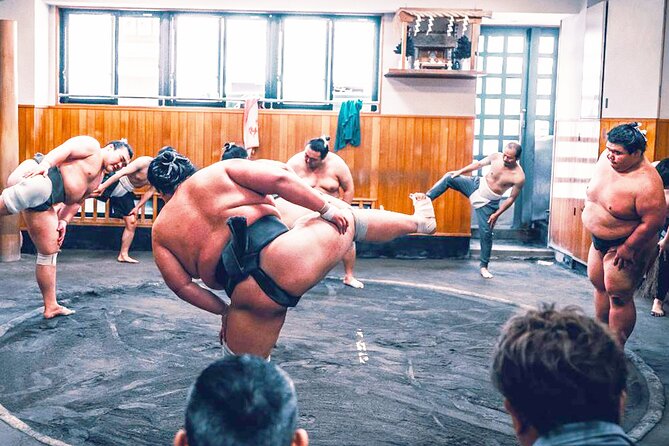
Sumo can be difficult to follow at first. The basic aim may seem simple, but the rituals, legal techniques, match structure, rankings, and training customs add layers that are not obvious from a distance.
The guide explains the rules and traditions so you do not need to research them before arriving. That makes a real difference. You can spend your attention on the wrestlers instead of trying to work out what each movement means.
The guide also helps explain why certain actions matter. Sumo is not only about strength. Ritual and discipline are built into the sport, and the training stable is where those habits take shape. A clear explanation gives you a better sense of what you are seeing without turning the session into a lecture.
Questions about the rules can be handled through the guide, including by WhatsApp when that option is used. This works particularly well for families or groups with different levels of interest. One person can ask about technique while another simply watches.
A few more Tokyo tours and experiences worth a look

The photo opportunity with sumo wrestlers
The experience includes an opportunity to take photos with sumo wrestlers. This can be a memorable part of the morning, especially for anyone who has followed the sport or wants a personal reminder of the visit.
You should treat the photo opportunity as a privilege rather than the main event. The stable is a place of work, and the training comes first. The most valuable part is seeing the athletes in their normal setting, not collecting a staged picture.
Because the information only promises an opportunity, I would not book this solely for a guaranteed individual photo or a particular wrestler. The exact timing and arrangements can depend on the stable’s routine. Come ready to watch respectfully, and consider the photo an added benefit.
What the atmosphere is really like
The strongest feature of this experience is its lack of performance. You are not being asked to cheer, clap, or follow a rehearsed presentation. You are there to observe.
That can make the visit feel more personal than a standard cultural attraction. You get a look at the athletes that a public match does not provide, including the work that happens before competition. The close viewing distance helps you understand the physical scale and intensity of sumo in a way that photographs cannot.
It also means the experience can feel serious. The stable is not designed around visitor comfort or constant explanation. The silence, early hour, and focus on training may be challenging for young children or anyone who finds quiet observation difficult.
One useful sign is that even energetic children can settle when the guide clearly explains the silence rule. Families should still prepare children in advance. Tell them this is a working practice session, not a noisy show.
Is $118.92 a fair price?
At $118.92 per person, this is not a low-cost sightseeing stop. You are paying for access to a setting that is difficult to visit independently, along with a guide who explains the sport and manages the visit.
The value depends on your interest in sumo. If you already follow the sport, the chance to watch morning practice at a real stable may justify the price on its own. You are getting a form of access that a regular sightseeing pass does not provide.
If you know little about sumo, the guide adds more value. Without explanation, you could watch the practice and understand only that the wrestlers are training hard. With the rules, rituals, and customs explained, the morning becomes a cultural experience rather than a quick look at athletes exercising.
The price also includes the convenience of meeting at a station and being led to the stable. You do not have to work out the route or research stable etiquette alone. Guides such as Tomo have also offered food suggestions, which can be useful if you want to continue exploring Tokyo after the visit.
The main limitation is group size. The activity can accept up to 50 people. That is a fairly large maximum for an experience built around quiet observation, so the atmosphere may feel less personal on a busy departure. The access remains unusual, but you should not assume a tiny private group.
Who will enjoy this morning most?
I would recommend this for several types of visitors:
- Sumo fans who want to see training rather than only a formal match
- First-time visitors who want a cultural experience with clear guidance
- People who enjoy observing everyday work and ritual
- Families whose children can follow a strict silence rule
- Photographers and culture-focused visitors who value a rare setting
It may be less suitable if you want a highly interactive activity. You cannot chat during the practice, and the experience is built around watching rather than participating.
It may also be a poor match if you are not comfortable with an early start. The activity begins at 8:30 am, and the meeting point is fixed. Missing the start could be especially awkward because the group is entering a working stable, not arriving at an attraction with an open entrance all morning.
Practical details for the morning
Confirmation is provided when you book, and the experience uses a mobile ticket. Keep the ticket accessible on your phone and allow enough time to reach Kiyosumi-shirakawa Station.
The activity begins and ends at the same meeting point. The stated duration is about two hours, with roughly 90 minutes devoted to viewing training. That leaves some time for the walk or transfer between the station and stable, plus the guide’s introduction and closing arrangements.
Most people can participate, and the meeting point is near public transportation. The information does not provide a specific stable name or detailed seating arrangement, so I would avoid assuming that you will have a particular type of seat or a guaranteed view from one exact position.
Wear and behave as you would for a quiet cultural visit. The most important preparation is mental: you are entering a place where the athletes’ routine comes first.
Cancellation and planning flexibility
You can cancel for a full refund up to 24 hours before the local start time. Cancellations made less than 24 hours before the start are not refunded, and changes inside that window are not accepted.
That policy is worth noting because this is an early morning appointment. Check your route and alarm before the deadline. If you are building a packed Tokyo schedule, leave enough room for the morning rather than treating the two-hour activity as something you can shift at the last moment.
My verdict on this sumo stable visit
I would book this if you want a close look at sumo as a working tradition, not simply a photo stop or a theatrical display. The real value is the access, the quiet training session, and the guide’s help with rules and customs.
I would hesitate only if you dislike early starts, silent observation, or group activities. The potential 50-person maximum also means you should keep your expectations realistic about personal space.
For a first Tokyo visit, this is a strong choice for a morning when you want something more distinctive than another major sight. Go for the training first, listen carefully to the guide, respect the stable’s silence, and treat the photo opportunity as a bonus.
FAQ
Where does the sumo morning practice tour start?
It starts at Kiyosumi-shirakawa Station, at 1-chōme-6-13 Shirakawa, Koto City, Tokyo 135-0021, Japan.
What time does the activity begin?
The start time is 8:30 am.
How long does the experience last?
The total duration is approximately two hours. About 1 hour and 30 minutes is set aside for watching sumo training.
Does the tour include a guide?
Yes. A sumo guide from the company accompanies the group and explains sumo rules, rituals, and traditions.
Can I take photos with sumo wrestlers?
The experience includes an opportunity to take photos with sumo wrestlers.
How large can the group be?
The activity can have a maximum of 50 participants.
Can I cancel for a refund?
Yes. You can cancel up to 24 hours before the local start time for a full refund. Cancellations or changes made less than 24 hours before the start are not accepted for a refund.
More Morning in Tokyo
More Sumo Experiences in Tokyo

More tours in Tokyo we've reviewed






Sumo Experiences, compared.
 ★ 4.8Tokyo: Sumo Show Experience with Chicken Hot Pot and a PhotoFrom $1032 hours
 ★ 4.8Tokyo: Sumo Show and Dining ExperienceFrom $7990 minutes - 2 hours
 ★ 5.0the SUMO showFrom $89
 ★ 5.0Tokyo Shinjuku Sumo Show & Experience with PhotoFrom $79
 ★ 4.8Tokyo: Sumo Show and Experience in ShinjukuFrom $691h 30m
 ★ 4.6Tokyo: Sumo Tournament Tour with Chair Seat TicketsFrom $141