
Reviewed · TOKYO FOOD TOURS
Shimbashi Tastes & Stories A Culinary Foodie Tour By Local Guide
Shinbashi is where Tokyo’s office-worker culture meets small eateries, railway history, and narrow local lanes. This four-hour walk takes you past old stations, a century-old shrine, and the New Shinbashi Building before settling in for sushi, seafood, Japanese wagyu, and dessert.
I like the mix of several food stops and neighborhood sightseeing, since you get more than a meal and more than a history walk. I also like the chance to see a less polished side of Tokyo, where the city’s salaryman culture is part of the scenery. The main drawback is the meeting point: one booking had trouble with the location, so double-check SL Square before setting out.
In This Review
- Key points to know before booking
- Why Shinbashi makes a good food-tour base
- Starting at Old Shinbashi Station
- SL Square and the railway story
- Karasumori-jinja, a local shrine stop
- New Shinbashi Building and Tanuki Alley
- Shiodome City Center and the NTV Plaza
- What you actually eat during the four hours
- Is $171 a fair price?
- Who will get the most from this walk?
- Timing, meeting point, and a few smart tips
- Should you book the Shimbashi Tastes & Stories tour?
- FAQ
- Where does the tour start?
- Where does the tour end?
- How long does the tour last?
- What food and drinks are included?
- Is alcohol included in the price?
- How many people can join the tour?
- Can I cancel for a full refund?
Key points to know before booking
- Shinbashi beyond the tourist circuit: You spend time south of Tokyo Station, away from the usual Shibuya and Shinjuku route.
- Food is spread across local eateries: Sushi, seafood, Japanese beef wagyu, soft drinks, water, and desserts are included.
- Railway history shapes the walk: Old Shinbashi Station and SL Square explain why this neighborhood became such an important transport and work district.
- A small-group format: The maximum group size is 15 people, with private-tour conditions possible if only one person books.
- English-speaking local guidance: Guides named Akira and Kaori received especially warm praise for their care, food choices, and help with photos.
- Alcohol costs extra: Beer and other alcoholic drinks are available to buy but are not part of the $171 price.
Why Shinbashi makes a good food-tour base
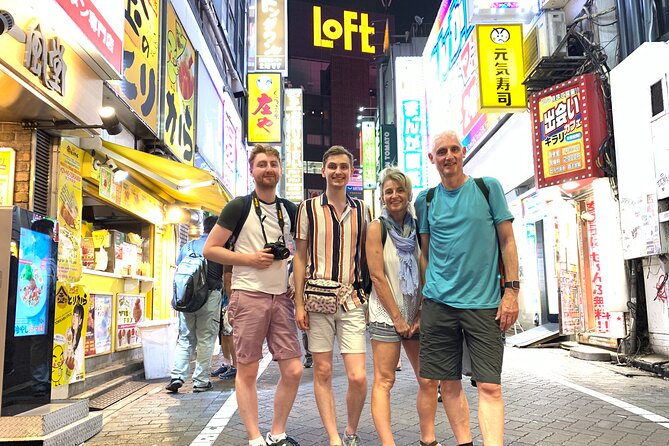
Many first visits to Tokyo orbit around Shibuya Crossing, Shinjuku’s neon streets, or Ginza’s department stores. Shinbashi gives you another picture of the city. It is a practical district tied to railways, offices, after-work dining, and compact restaurants rather than postcard sights.
That makes the area useful for a food walk. You are not simply moving from one famous attraction to another. The food and the neighborhood explain each other. The station brought workers and commuters here, and the local dining culture grew around them.
The tour also gives you a guide to interpret the setting. That matters in Shinbashi, where an ordinary-looking building may have a long connection to rail travel, postwar redevelopment, or the workday routines of Tokyo office employees. I would choose this experience if you want context with your meal instead of a string of anonymous restaurant visits.
The route lasts about four hours, so it is long enough for a proper introduction without taking an entire day. The pace includes several sightseeing stops and food stops, though the supplied details do not give exact restaurant names or the precise number of dishes. You should think of the food as a guided tasting across more than one venue, not a fixed restaurant meal with a published menu.
A few more Tokyo tours and experiences worth a look
Starting at Old Shinbashi Station
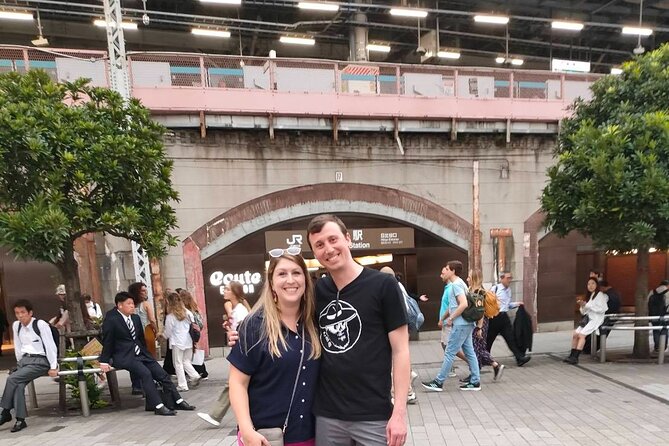
The walk begins around Shinbashi Station, a major interchange in Minato Ward. The station is about a 10-minute walk from Ginza and sits directly south of Tokyo Station, making it a practical meeting area if you are already visiting central Tokyo.
The old station setting gives the tour an immediate sense of place. Shinbashi was tied to the early railway connection between Tokyo and Yokohama, and that story helps explain the district’s importance. This is a useful first stop because the railway is not just background information. It shaped the movement of workers, the growth of commerce, and the reason food businesses found a steady audience here.
The stop is scheduled for about 30 minutes. You get time to orient yourself and hear the local story before the food portion gathers pace. I would arrive early, especially because the meeting point details have caused confusion for at least one booking. The stated starting point is SL Square, at 2-chōme-7-先 Shinbashi, Minato City, Tokyo 105-0004.
SL Square and the railway story
SL Square is one of the most recognizable meeting areas in Shinbashi. Its name refers to the steam locomotive displayed there, and the square was created in 1972 to mark 100 years of railway transport in Japan.
The district was the starting point for the railway line from Tokyo to Yokohama. That fact gives the square more weight than a simple photo stop. You can connect the locomotive, the station, and the neighborhood’s role in Tokyo’s working life.
The scheduled visit lasts about 45 minutes, making it one of the longer sightseeing portions. That gives your guide room to explain the area rather than rush you through for a quick picture. If you are mainly seeking food, this may feel like a delay at first, but it is the kind of context that makes the later streets easier to read.
It is also the meeting point, so pay close attention to the exact location. A mistaken meeting point created a rocky start for one solo booking, although a local woman helped the person contact the guide. That story suggests a practical lesson: save the meeting details on your phone and allow extra time to find the square.
Karasumori-jinja, a local shrine stop
Karasumori-jinja is presented as one of the oldest shrines in the area and a place mainly visited by local people. It offers a sharp change from the railway and office setting.
A shrine stop can be easy to overlook when you are focused on eating, but it gives the walk a quieter cultural pause. Your guide can explain what makes this shrine important to the neighborhood and how local religious sites fit into daily life in Tokyo.
The scheduled time is about 45 minutes, which is generous for a small shrine. The information provided does not specify particular buildings, festivals, or rituals, so you should not expect a full temple complex or a formal ceremony. The value here is the contrast: you move from transport infrastructure and commuter culture to a place with a local spiritual role.
I especially like this part for first-time visitors who want more than restaurant interiors. You see that Shinbashi is not only a place where people work and eat. It also has older layers that survive among modern buildings.
New Shinbashi Building and Tanuki Alley
The New Shinbashi Building tells the story of redevelopment. Before the building, the area was known as Tanuki Alley, a bar district. An urban restructuring project followed the 1964 Tokyo Olympics and created the building that is here today.
This is one of the most relevant stops for understanding salaryman culture. The building grew from a district built around drinking and after-work social life, and its very existence reflects the way Tokyo changed during a period of rapid modernization.
The stop is planned for about 30 minutes. You may find the building more interesting for its social history than its appearance. It is not presented as a grand architectural attraction, and the tour does not promise a particular bar crawl. Instead, the guide helps you connect the building to the working rhythms of the neighborhood.
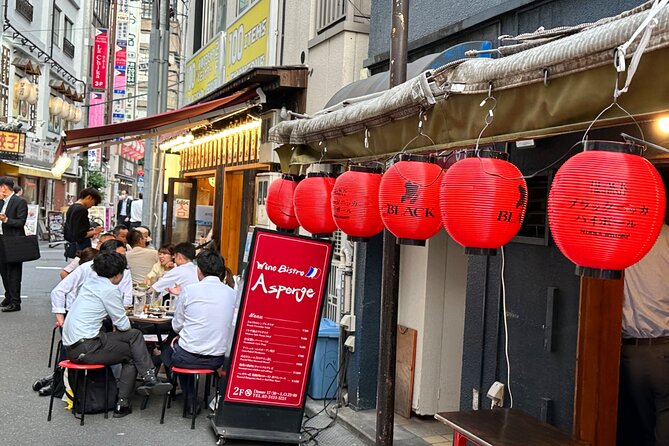
This is also where the food theme makes practical sense. Shinbashi’s compact eateries are part of a wider culture of meeting colleagues after work, eating quickly, and finding familiar places close to the station. The tour lets you see that culture without requiring you to work out the customs on your own.
A few more Tokyo tours and experiences worth a look



Shiodome City Center and the NTV Plaza
The route continues to Shiodome City Center and the NTV Plaza, the area in front of the Nippon Television tower. NTV is one of Japan’s major television broadcasters, with studios and offices in the tower.
The stop lasts about 30 minutes. Unless Japanese television is a particular interest, this may be the least compelling point for some people. Still, it adds another side of Shinbashi: the district is not only old railway history and small bars. It also includes major business and media offices.
For me, the value depends on how your guide handles the stop. A short explanation of NTV and the surrounding redevelopment can help you understand the contrast between the older station area and the newer Shiodome district. If the focus stays too much on the tower itself, you may find this part less memorable than the shrine or food stops.
The route then returns to Shinbashi for an overview of the station and its surrounding area. That final orientation is helpful because you leave with a clearer sense of how the separate stops fit together.
What you actually eat during the four hours
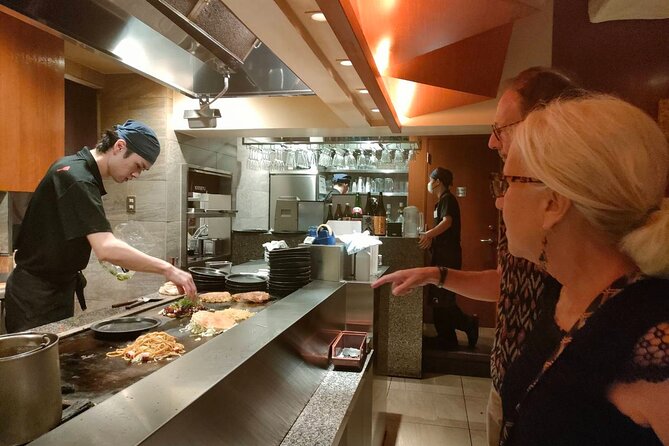
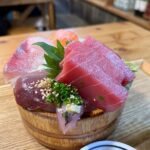
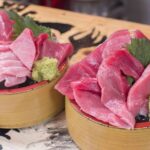
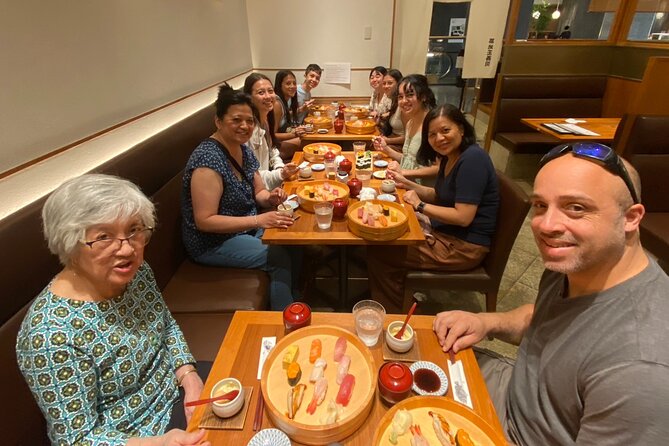
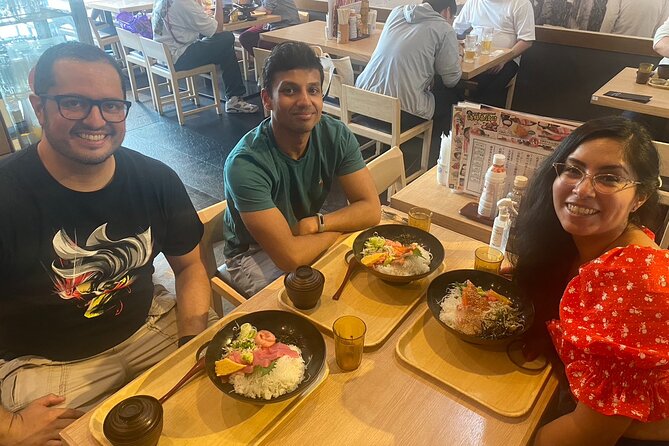
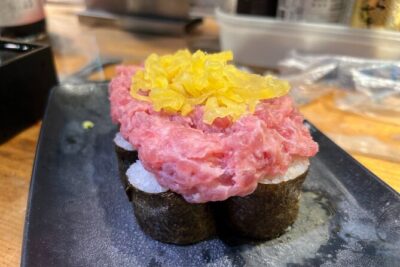
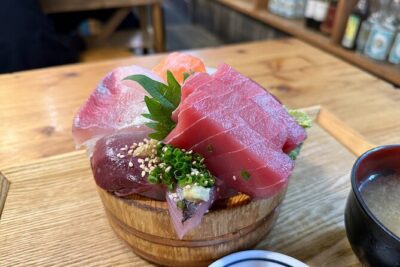
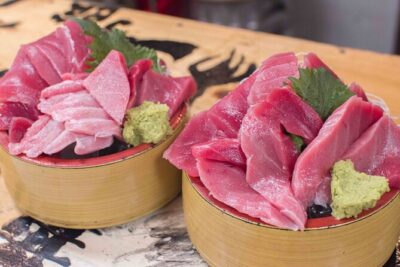
The included food is the strongest reason to book this experience. The package includes sushi, seafood, Japanese beef wagyu, desserts, two soft drinks, and water. Alcohol is not included, but you can purchase alcoholic drinks if you want them.
The food is served through different eateries, which is more interesting than spending the entire tour at one table. You get to compare settings and styles while learning how the guide approaches local dining. The exact dishes can vary, and no fixed menu is supplied, so I would not book this expecting a particular cut of fish or a named wagyu preparation.
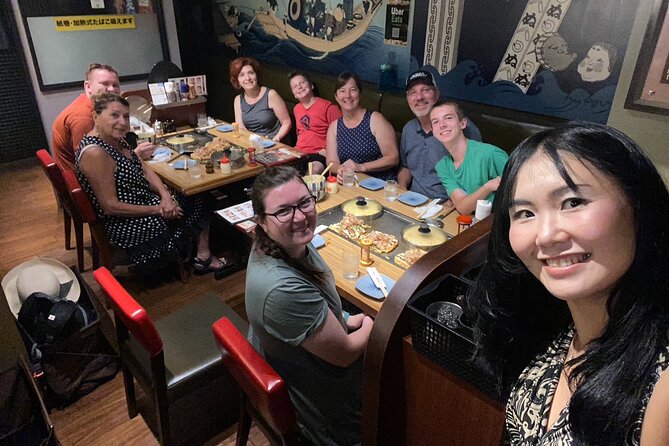
Several guide pairings received especially strong praise. Akira was singled out for taking people to excellent food places and helping with family photos. Kaori was praised for finding places that would be hard to locate alone and for making the experience comfortable. Those details matter because a food tour depends heavily on the person leading it. The guide is not just translating a menu. The guide is choosing the stops and helping you feel at ease in unfamiliar eateries.
Two substantial meals were mentioned in the supplied feedback, along with the walking portion. That suggests you should arrive hungry, but do not assume the tour is only a series of small bites. The combination of sushi, seafood, wagyu, and dessert can add up quickly.
The two included soft drinks and water are useful, particularly because alcohol is an extra cost. If you want beer or another alcoholic drink, budget beyond the $171 tour price.
Is $171 a fair price?
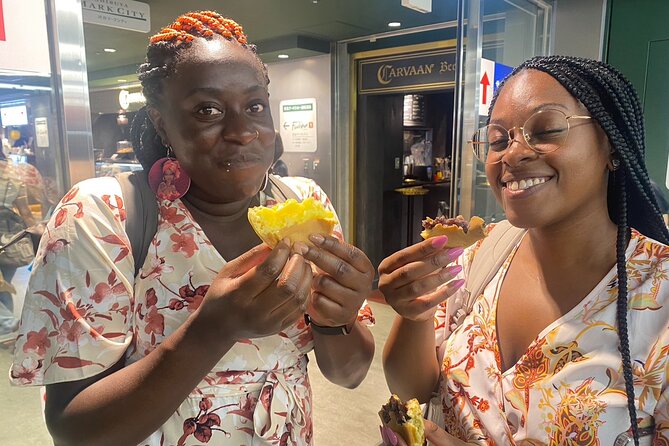
At $171 per person, this is not a cheap neighborhood stroll. You are paying for about four hours, an English-speaking Japanese guide, several food categories, drinks, dessert, and the work of finding places you might not discover on your own.
The value is strongest if you care about both food and explanation. A self-guided walk through Shinbashi would cost far less, but you would need to identify the eateries, order confidently, navigate the station area, and work out the cultural context yourself. The tour bundles those tasks into one experience.
The value is weaker if you only want a large, luxurious meal or if you already know Shinbashi well. The food selections are not listed in enough detail to judge the price by ingredients alone, and alcoholic drinks cost extra. I would compare the price with what you normally spend on several Japanese meals, then decide how much you value the local guide and neighborhood access.
A maximum of 15 people keeps the group from becoming enormous, though it is not the same as a guaranteed private tour. If only one person books, the experience may feel private, as happened with one booking. Otherwise, expect a small-group setting rather than one-on-one attention throughout.
Who will get the most from this walk?
I would recommend it most to first-time visitors who have already seen the main central Tokyo sights or want an alternative to them. You get food, railway history, a shrine, office-district culture, and a look at local dining habits in one outing.
It also suits solo visitors and parents with older children who want an organized way to try unfamiliar places. The guide can make ordering easier, and the walking route gives the meal a clear shape. The inclusion of water, soft drinks, and dessert helps keep the experience simple for people who do not want to manage every detail themselves.
Food-focused visitors should enjoy the range of sushi, seafood, wagyu, and sweets. History-minded visitors will appreciate the station and railway context. If your main goal is alcohol, late-night bar hopping, or a carefully published tasting menu, this may not be the right fit.
The experience is near public transportation, and most people can participate. The supplied details do not describe stairs, walking distance, dietary accommodations, or a specific accessibility plan, so ask the operator before booking if any of those points are important to you.
Timing, meeting point, and a few smart tips
The tour starts and ends at SL Square. Since Shinbashi Station is a major interchange, give yourself time to get oriented. Tokyo stations can have several exits, and the experience’s meeting instructions should be checked carefully before you leave your hotel.
The confirmation arrives at booking, and the tour normally sells about 16 days ahead of time. That booking pattern is a useful signal for planning: reserve before your preferred date fills, especially if you want a particular time during a short Tokyo stay.
Free cancellation is available until 24 hours before the start time. Cancel inside that window and you do not receive a refund, and changes made inside 24 hours are not accepted. Keep that cutoff in mind when building your Tokyo schedule.
Wear shoes suitable for four hours of walking and eating, though the supplied details do not give a precise route length. Arrive ready to eat, bring a phone with the meeting point saved, and decide in advance if you want to pay extra for alcohol.
Should you book the Shimbashi Tastes & Stories tour?
Book it if you want to connect Tokyo food with ordinary city life. The best parts are the range of food, the railway story, the local shrine, and the chance to see Shinbashi’s office-worker culture without having to decode it yourself.
I would skip it if you need a fixed menu, a private group guaranteed in advance, or alcohol included in the price. The meeting point deserves careful checking, and the $171 cost makes sense only if you value the guide and the neighborhood access as much as the meal.
For most first-time visitors seeking a less familiar side of central Tokyo, this is a thoughtful choice. It gives you a full stomach, a better map of Shinbashi, and enough local context to make the district feel like more than a station between Ginza and Tokyo.
FAQ
Where does the tour start?
The tour starts at SL Square, at 2-chōme-7-先 Shinbashi, Minato City, Tokyo 105-0004, Japan.
Where does the tour end?
The activity ends back at the meeting point in SL Square.
How long does the tour last?
The experience lasts approximately four hours.
What food and drinks are included?
Sushi, seafood, Japanese beef wagyu, desserts, two soft drinks, and water are included.
Is alcohol included in the price?
No. Alcoholic drinks are available to purchase separately.
How many people can join the tour?
The maximum group size is 15 people.
Can I cancel for a full refund?
Yes, if you cancel at least 24 hours before the experience starts. Cancellations or changes made less than 24 hours before the start time are not refunded or accepted.
More Guided Tours in Tokyo

More Food Experiences in Tokyo
More Tokyo Food Tours in Tokyo
More tours in Tokyo we've reviewed

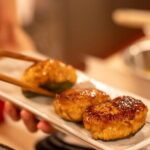




Tokyo Food Tours, compared.
 ★ 5.0Tokyo: Shinjuku Food Tour (13 Dishes at 4 Local Eateries)From $86
 ★ 4.9Tokyo: Shinjuku Food Tour (15 Dishes and 4 Eateries)From $853 hours
 ★ 5.0Best of Shinjuku: Izakaya Food Tour (4 Stops, 14+ Tastings)From $92
 ★ 5.0Tokyo Night Foodie Tour in Shinjuku – Seasonal Sushi, Wagyu BeefFrom $111
 ★ 5.0Eat and Drink Like a Local: Tokyo Ueno Food Tour-Taverns&RamenFrom $95
 ★ 5.0Tokyo: Shibuya Food Tour (13 dishes and 4 Eateries)From $77