
Reviewed · TOKYO FOOD TOURS
Kawaii Food Tour of Harajuku Tokyo
Harajuku’s food scene is not just about crepes and candy. This three-hour walk pairs kawaii culture with real local food, taking you from Omotesando’s polished design streets to Takeshita Street’s colorful shops and sweets. The most unusual moment is lunch inside a piece of pop culture art, where you also get to try making a traditional Japanese comfort food.
I like the small maximum of 10 people, which gives your guide room to answer questions and slow down for a child. I also like the mix of food: you get regional specialties and savory dishes, not only sugar. The main drawback is the price, $209 per person, which is a serious sum for three hours, especially if you are not keen on Japanese pop culture or sweet foods.
In This Review
- Key points to know before you book
- Why this Harajuku food walk feels different
- Meeting your guide near Nescafé Harajuku
- Omotesando, where polished streets meet regional food
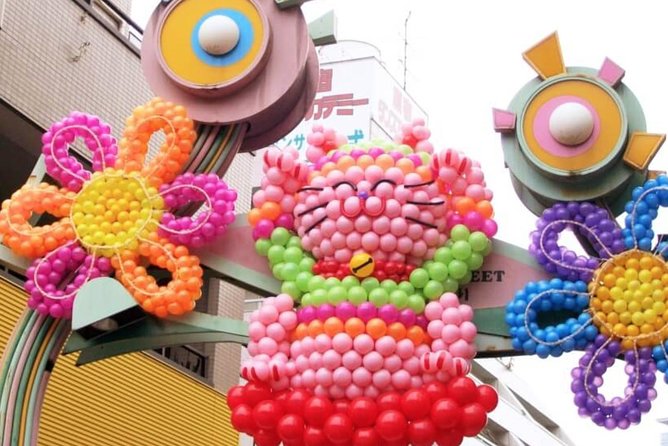
- Character shops and Harajuku’s playful side
- The food: more than colorful desserts
- Takeshita Street brings the tour to a sweet finish
- Is $209 a fair price for three hours?
- Who will enjoy this experience most
- Should you book the Kawaii Food Tour of Harajuku?
- FAQ
- How long is the Kawaii Food Tour of Harajuku?
- Where does the tour begin?
- Where does the tour finish?
- What food and drinks are included?
- Can I join with a vegan or vegetarian diet?
- How large is the tour group?
Key points to know before you book
- Five food stops plus lunch: Food samples, dessert, and one drink are included, so you are not paying only for a guided walk.
- A small group of up to 10: This suits families and makes it easier to hear your guide on busy Harajuku streets.
- Two very different Tokyo districts: Omotesando brings fashion, design, architecture, and regional food shops, while Harajuku brings character goods, candy, and youth style.
- A hands-on lunch: You do not simply sit down to eat. You can try making a traditional Japanese soul food famous with locals.
- Guides with a personal touch: Hannah has been praised for patience with a toddler, while Michie is known for combining food stops with stories about Harajuku.
- Plan for walking and crowds: The tour requires moderate physical fitness and ends at the top of Takeshita Street near Harajuku Station.
Why this Harajuku food walk feels different
Many food tours in Tokyo focus on markets, old neighborhoods, or formal meals. This one takes a brighter, younger route. You walk through Omotesando and Harajuku, two districts that sit close together but have very different personalities.
Omotesando is associated with fashion, architecture, design, and polished brand shops. Harajuku is louder and more playful, with character stores, candy shops, youth fashion, and Takeshita Street. The tour uses food to connect those two sides of the area.
I think that makes the experience especially useful on a first visit to Tokyo. You get a guide to explain what you are seeing, but you also get a meal and several small tastings along the way. The food gives the walk a purpose, rather than leaving you simply looking at shops and taking pictures.
The experience is family-friendly, and the maximum group size is 10. That matters here. Harajuku can be crowded, and a large group would make street crossings, shop visits, and food stops much harder. A smaller group also gives you a better chance to ask about ingredients, customs, and the local character of the neighborhood.
The focus is clearly on Japanese pop culture and creative presentation. If you enjoy cute design, unusual desserts, character shops, and colorful food, the theme should fit you well. If you prefer quiet temples, traditional gardens, or a serious culinary tour, this may feel too commercial and sweet-focused.
A few more Tokyo tours and experiences worth a look
Meeting your guide near Nescafé Harajuku
The tour begins at 11:30 a.m. in front of the parking sign at Nescafé Harajuku, at 1-chōme-22-8 Jingūmae. This is a useful midday start. You avoid an early morning meeting, and the timing leads naturally into lunch and afternoon sweets.
Give yourself extra time to reach the meeting point. The tour does not include hotel pickup, public transportation, or other transportation costs. You need to get to the start on your own, and your mobile ticket is used for the booking.
The opening five minutes are listed as a meeting and introduction before you begin exploring with your guide. Guides can vary, but Hannah and Michie are two names associated with this experience. Hannah has been praised for being patient with a toddler, which is worth noting if you are bringing young children. Michie is described as adding useful background about Harajuku alongside the food.
Do not expect a long formal orientation. The value of this opening is getting your bearings and meeting the person who will guide you through the streets. Since the route and food stops can change because of restaurant schedules, holidays, weather, or other unexpected issues, your guide may adjust the order or use a replacement stop.
Omotesando, where polished streets meet regional food
The Omotesando section lasts about an hour and is more than a walk between snack shops. Your guide introduces the district’s fashion, art, architecture, and design while also explaining Japan’s antenna shops.
An antenna shop is a store that represents a particular Japanese region outside its home area. These shops sell regional products and foods, giving you a quick way to see how different parts of Japan are represented in Tokyo. The tour includes a chance to try regional foods there.
This is one of the strongest parts of the experience for anyone who wants more than cute sweets. You may get a small taste of a specialty you would not have known to seek out, while your guide explains why these stores matter. It also gives you a wider view of Japan beyond Tokyo.
The route includes Omotesando Hills and Kiddyland. Omotesando Hills fits the district’s sleek design identity. Kiddyland gives the walk a clear pop culture turn, with character goods and Japanese toy culture. The stores themselves may be brief stops rather than extended shopping visits, so do not treat the tour as a dedicated shopping excursion.
The main limitation is time. An hour passes quickly when you are walking, eating, and listening. You will get an introduction to the area, not a full architectural tour or a detailed shopping session. If a particular shop catches your eye, you may need to return after the tour.
Character shops and Harajuku’s playful side
From Omotesando, the experience moves toward Harajuku. Listed points include the LINE FRIENDS flagship store, Cat Cafe Mocha, and Daiso Harajuku. These stops help show the range of the neighborhood, from character merchandise to a popular animal cafe concept and an inexpensive variety store.
The schedule does not give a long admission period for each of these places. Think of them as points along the route where your guide shares stories and helps you understand the area. The LINE FRIENDS store, in particular, fits the tour’s interest in character culture and the visual side of Harajuku.
Daiso adds a different note. It is less polished than Omotesando’s brand stores and more about the everyday appeal of inexpensive Japanese goods. The contrast is useful. Harajuku is not just an entertainment district; it is also a place where ordinary shopping and youth trends sit side by side.
Cat Cafe Mocha is listed as a stop, but the supplied schedule does not state that a cafe visit or cat interaction is included. Do not book this tour expecting a separate cat cafe session unless the guide confirms it. The same practical rule applies to the named stores: the route can change, and the exact amount of time at each stop is not guaranteed.
The food: more than colorful desserts
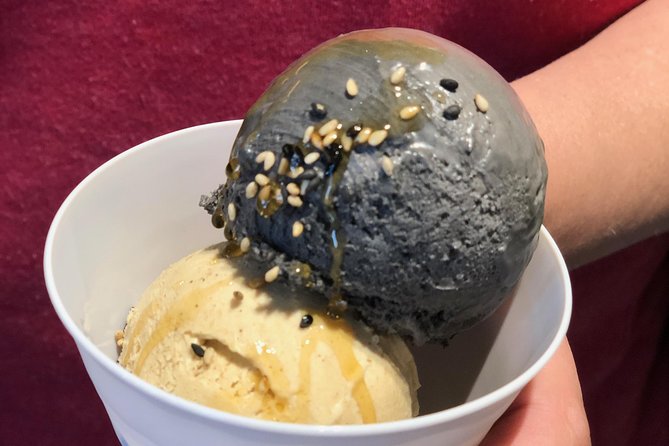
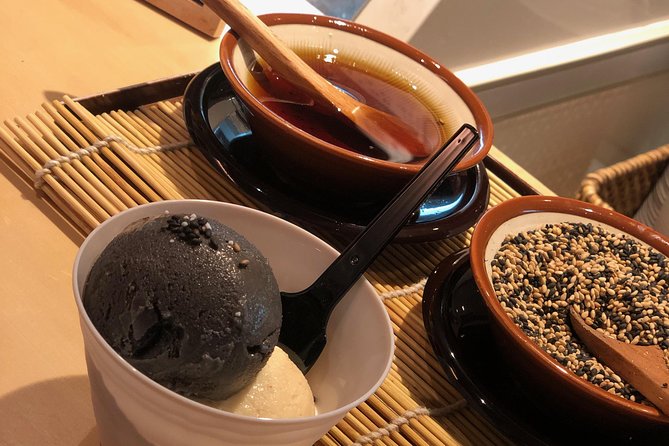
The tour includes food at five stops, dessert, and one drink. The samples may include creative pastries, colorful candy, regional foods, local specialties, and trendy sweets. Lunch is also part of the experience, so this should be more filling than a simple sweets crawl.
The food is presented as an important part of the neighborhood’s character. Harajuku is famous for photogenic treats, but the tour does not limit you to sugar. One of its better features is the balance between savory food and dessert.
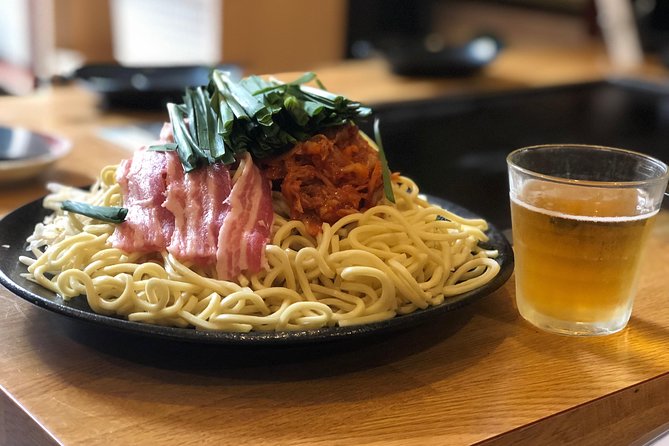
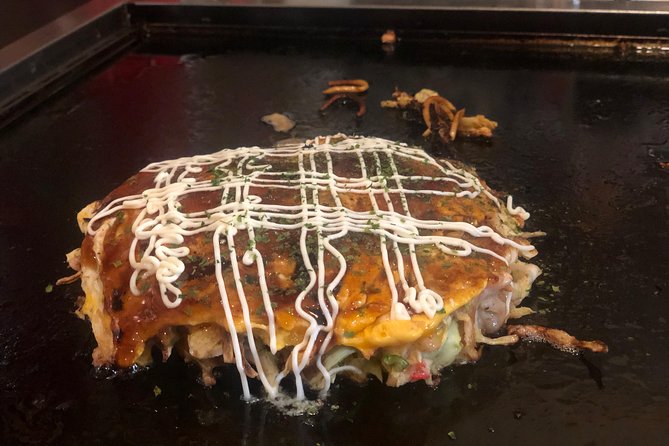
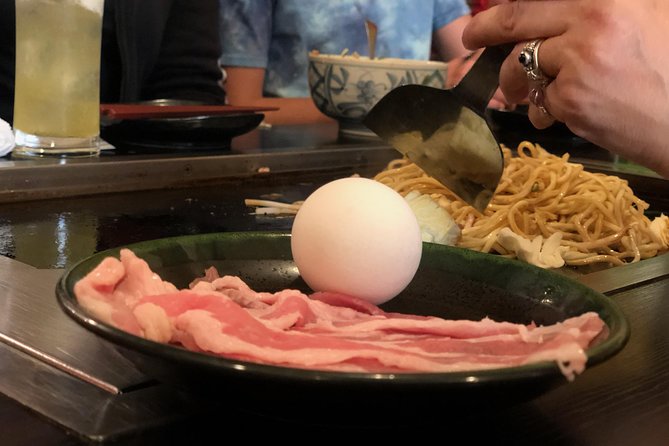
Lunch takes place at a colorful venue described as a work of pop culture art. That setting is a major reason to book this experience. You are not simply stopping at an ordinary restaurant for a standard meal. The room, presentation, and food all connect to the kawaii theme.
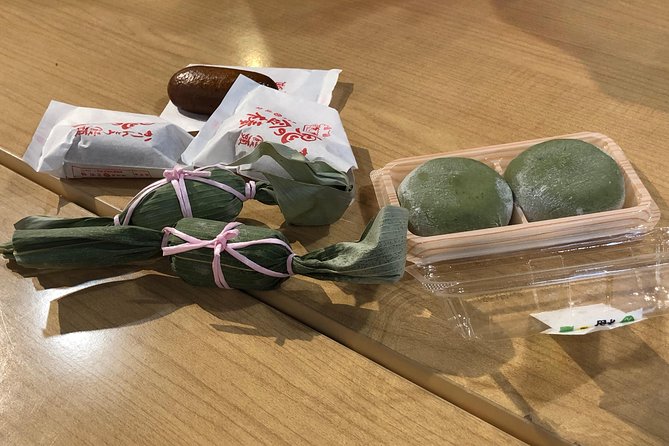
You can also try making a traditional Japanese soul food famous among locals. The exact dish is not specified, so I would not book based on a particular recipe. The important point is that lunch includes participation. You get to handle part of the preparation rather than watching your guide do everything.
The food choices suit families, especially children who enjoy bright colors and unusual shapes. They also work well for anyone who wants a playful introduction to Japanese eating culture. Still, keep your expectations sensible. This is not a high-end tasting menu, and the food is chosen partly for its visual appeal and cultural setting.
Vegetarian, vegan, and pescetarian diets are accommodated. Gluten-free diets are not recommended. If you have a serious allergy or strict dietary needs, ask the provider before booking rather than relying on substitutions during the walk.
A few more Tokyo tours and experiences worth a look



Takeshita Street brings the tour to a sweet finish
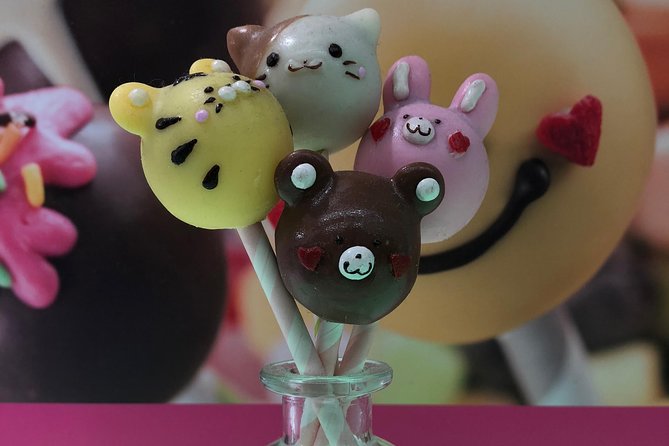
The final food stop is listed at Wolfgang Puck Express Harajuku Takeshita Street, with the tour finishing near the top of Takeshita Street. The stop is scheduled for about 10 minutes and focuses on trendy, colorful sweets.
Takeshita Street is the natural finale. It is one of Harajuku’s best-known shopping streets, and its youthful style makes a fitting backdrop for the final dessert. You can expect a picture-friendly treat and a last look at the district’s playful food culture.
The short timing is both useful and limiting. It keeps the tour moving and leaves you at an excellent place to continue exploring on your own. But you will not have much time to browse, sit, or make a second food choice during the official tour.
The end point is at the top of Takeshita Street, in front of the lower entrance to Harajuku Station. This is convenient for the rest of your day. You can continue down Takeshita Street, return to Omotesando, or take the train from Harajuku Station without arranging a separate ride.
Is $209 a fair price for three hours?
At $209 per person, this is not a budget food walk. The value depends on how much you want the guide, the small group, and the themed lunch.
You are paying for a local guide, five food stops, lunch, dessert, one drink, and a three-hour walk through two popular districts. A private meal and several purchases could add up quickly in Tokyo, but the price still sits high for a short experience. The included food makes the cost easier to understand, though not automatically inexpensive.
I would see the price as reasonable for a family that wants a planned introduction to Harajuku and does not want to figure out the food stops alone. It is also useful if you want explanations in English and prefer a small group to a large scheduled tour.
The value is weaker if you already know Harajuku, speak Japanese, or mainly want to shop. You could explore Takeshita Street and try colorful sweets on your own for much less. The guide’s local knowledge and the arranged lunch are the parts that justify the higher cost.
The tour has received a 4.9 rating from 49 reviews, with 96 percent recommending it. The strongest praise centers on guides who are patient, enthusiastic, and good at finding food stops that are easy to miss. One family of three found the tour manageable with a toddler, while another group called it a favorite part of their Japan trip. Those details point to the experience’s real strength: personal guidance, not simply a list of snacks.
Who will enjoy this experience most
I would recommend it most strongly to families with children, first-time visitors to Harajuku, and people who already like Japanese character culture. The small group makes it easier to manage children, and the mix of food and shops gives younger visitors plenty to notice.
It also works for adults who want a light, cheerful introduction to Tokyo’s youth culture. You do not need expert knowledge of anime or Japanese fashion. The guide provides context as you walk, and the food gives you a simple way into the subject.
People with moderate physical fitness should be comfortable with the tour. You will walk through city streets and crowded shopping areas for about three hours, with stops to eat. Wear shoes you can walk in and keep your hands free for food, photos, and shopping bags.
I would hesitate if you dislike sweet foods, crowded commercial areas, or food chosen partly for appearance. I would also be cautious if you need a strict gluten-free diet, since the tour is not recommended for that requirement.
Book with weather in mind. The experience requires good weather and may be canceled if conditions are poor. You can cancel for a full refund up to 24 hours before the start time, but changes or cancellations inside that window are not accepted. If the minimum group size is not reached, or bad weather stops the tour, you are offered another date or a full refund.
Should you book the Kawaii Food Tour of Harajuku?
Book it if you want a guided, family-friendly route through Harajuku and Omotesando with food built into every stage. The hands-on lunch, regional food stop, and final Takeshita Street sweets give the three hours a clear shape.
I especially like it for a first visit, when a guide can help you move between Omotesando’s design district and Harajuku’s character-filled streets without wasting time. Hannah and Michie are names worth requesting if the provider allows guide requests, though availability is not guaranteed.
Skip it if you want a low-cost food crawl, a traditional Japanese meal, or a quiet cultural walk. At $209, this is a specialty experience. For the right person, the price buys a colorful introduction to one of Tokyo’s most distinctive neighborhoods, with enough food to make the afternoon feel like more than sightseeing.
FAQ
How long is the Kawaii Food Tour of Harajuku?
The tour lasts approximately three hours and starts at 11:30 a.m.
Where does the tour begin?
It begins at 1-chōme-22-8 Jingūmae in Shibuya, Tokyo, in front of the parking sign at Nescafé Harajuku.
Where does the tour finish?
The tour ends at the top of Takeshita Street, in front of the lower entrance to Harajuku Station.
What food and drinks are included?
The experience includes local foods at five food stops, lunch, dessert, and one drink. Additional food and drinks are not included.
Can I join with a vegan or vegetarian diet?
Yes. Vegan, vegetarian, and pescetarian diets are supported. The tour is not recommended for gluten-free diets.
How large is the tour group?
The tour has a maximum of 10 participants. Children must be accompanied by an adult, and passport information is required for children aged 10 and above.
More Food Experiences in Tokyo
More Tokyo Food Tours in Tokyo
More tours in Tokyo we've reviewed




Tokyo Food Tours, compared.
 ★ 5.0Tokyo: Shinjuku Food Tour (13 Dishes at 4 Local Eateries)From $86
 ★ 4.9Tokyo: Shinjuku Food Tour (15 Dishes and 4 Eateries)From $853 hours
 ★ 5.0Best of Shinjuku: Izakaya Food Tour (4 Stops, 14+ Tastings)From $92
 ★ 5.0Tokyo Night Foodie Tour in Shinjuku – Seasonal Sushi, Wagyu BeefFrom $111
 ★ 5.0Eat and Drink Like a Local: Tokyo Ueno Food Tour-Taverns&RamenFrom $95
 ★ 5.0Tokyo: Shibuya Food Tour (13 dishes and 4 Eateries)From $77