
Reviewed · TOKYO FOOD TOURS
Flavors of Japan Food Tour in Tokyo
The best part of this three-hour Nihonbashi food walk is its range. Instead of filling you with one famous dish, it introduces the small building blocks of Japanese cooking: dashi, pickles, sweet potatoes, fish cakes, tea, and carefully made sweets. You finish with a full washoku lunch, not just a string of samples.
I like the tour’s regional focus, with food from different parts of Japan appearing in shops around one Tokyo neighborhood. I also like the practical lesson it gives you before lunch. After tasting the ingredients, you will have a better sense of what Japanese menus mean and why certain flavors keep appearing.
The main consideration is the price, $209 per person, which is a serious spend for three hours. The value depends on how much you want a guide, several tastings, and lunch arranged for you. Shops, restaurants, and stops can also change because of weather, holidays, or business schedules.
In This Review
- Key things to know before you book
- Why Nihonbashi is a smart place to learn Japanese food
- Your first tastes: dashi, pickles, and regional snacks
- Coredo Muromachi and the specialty shops
- Wagashi: Japanese sweets as small works of food
- Tamagoyaki, eel sushi, and the move toward lunch
- Choosing your washoku lunch
- The Depachika finish and time to browse
- Who will get the most from this food tour
- How the tour compares with exploring alone
- Booking, cancellation, and practical details
- Should you book the Flavors of Japan Food Tour?
- FAQ
- Where does the food tour start?
- What time does the tour begin?
- How long does the experience last?
- How many people can join the tour?
- Is lunch included?
- Are vegetarian or vegan choices available?
- What foods are included in the tastings?
- Can I cancel for a full refund?
Key things to know before you book
- Seven food stops and about nine shops: You sample regional foods rather than visiting one restaurant for the whole experience.
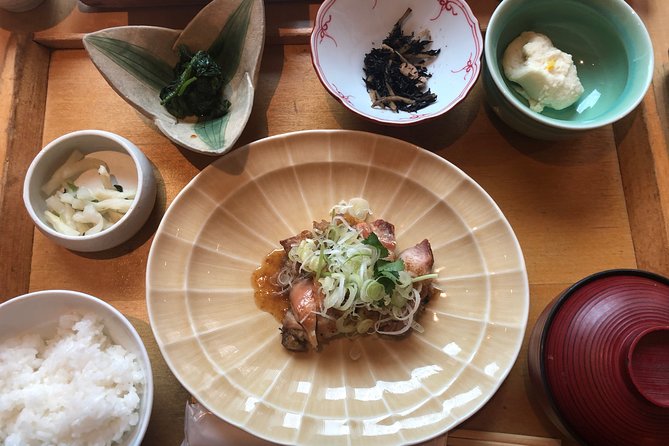
- A full Japanese lunch is included: Choose from options such as soba, tempura, sashimi, grilled fish, chicken, or sukiyaki when booking.
- Nihonbashi supplies the setting: The route includes Coredo Muromachi, Fukutoku Shrine, Nihonbashi Bridge, and the nearby Depachika market.
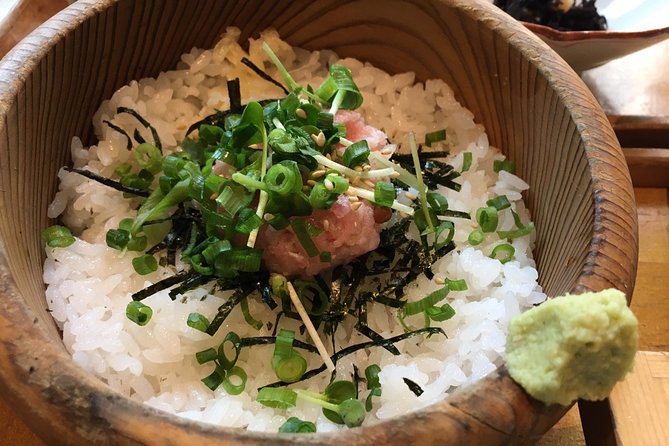
- The tasting list is unusually broad: Expect dashi, tamagoyaki, Kagoshima fish cakes, eel sushi, wagashi, pickled vegetables, fried sweet potato, and green tea.
- Small group format: The maximum is 10 people, which helps when you are tasting food in compact shops.
- Dietary choices are available: The tour is listed as pescetarian, vegetarian, and vegan friendly, with lunch choice made at booking.
Why Nihonbashi is a smart place to learn Japanese food
Nihonbashi is a useful starting point because this is not simply a restaurant neighborhood. The tour takes you through commercial food shops, department-store food halls, specialty stores, and nearby cultural sights. You get a look at how Japanese food is sold and presented, not only how it arrives on a plate.
You meet at the Starbucks Coffee in the Nihombashi Suruga Building, near Coredo Muromachi. The supplied details list a 10:30 a.m. start, while the tour description also refers to meeting at 10 a.m., so I would check your confirmation carefully and arrive early. The exact meeting point is between Coredo Muromachi 1 and Coredo Muromachi 2.
The guide leads the walk in English and explains the role of each tasting. This matters because many Japanese foods look familiar until you ask what they are made from, how they are seasoned, or which region they represent. A short explanation can make a pickled vegetable or soup stock far more useful when you later order alone.
The group limit of 10 is a good fit for this kind of outing. Small food shops are not built for large groups, and you will want to hear the guide while standing near a counter or display. It is still a walking tour, so wear comfortable shoes and expect some time on your feet.
A few more Tokyo tours and experiences worth a look
Your first tastes: dashi, pickles, and regional snacks
The early part of the walk introduces the foundation flavors of Japanese cooking. Dashi, the soup stock used in countless dishes, is especially important. Tasting it on its own helps you recognize the savory background in miso soup, noodle broth, simmered dishes, and sauces.
You also sample tsukemono, or Japanese pickled vegetables. These are not just side dishes added for color. They provide sharpness and contrast beside rice, fish, and grilled foods. Once you know that, a small dish of pickles at lunch makes more sense.
Satsuma imo, or fried sweet potato, brings a different lesson. It shows how regional snacks can be simple while still having a strong identity. The tour also includes regional snacks and fish cakes from Kagoshima, giving you a taste of southern Japanese food traditions without requiring a separate trip.
I appreciate this style of tasting because it avoids the usual Tokyo food-tour trap: eating several popular dishes without understanding how they fit together. Here, a bite of food is tied to a broader idea about seasonality, regional cooking, or the way Japanese meals balance flavors.
Coredo Muromachi and the specialty shops
Coredo Muromachi is one of the main anchors of the route. The tour visits shops connected to Japanese ingredients and food culture, including a fruit shop described as Japan’s oldest, a knife shop with roughly 300 years of history, and a distinctive tea shop.
The fruit shop offers a look at a side of Japanese food culture that can surprise first-time visitors. Fruit is often treated as a carefully presented specialty rather than a casual snack, and a dedicated shop makes that clear. This is a quick stop, but it adds variety to a tour otherwise centered on savory foods and sweets.
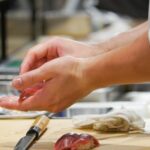
The knife shop is another useful pause. You may not be shopping for a Japanese kitchen knife, but the stop shows how tools fit into the country’s food traditions. It also gives the guide a chance to explain why preparation and presentation matter so much in Japanese cuisine. The tour does not promise a knife demonstration or a purchase, so think of this as a cultural stop rather than a shopping appointment.
The tea shop brings green tea into the story. You taste green teas and learn how tea works alongside sweets and meals. That pairing becomes especially clear later when you try wagashi, the small, artistic sweets traditionally designed to complement tea.
The route includes around nine shops, while the food details describe seven tasting stops. That difference likely reflects shops that offer context without a tasting, but I would not assume every shop means a separate full serving. The portions are meant to create a broad food lesson, followed by lunch.
Wagashi: Japanese sweets as small works of food
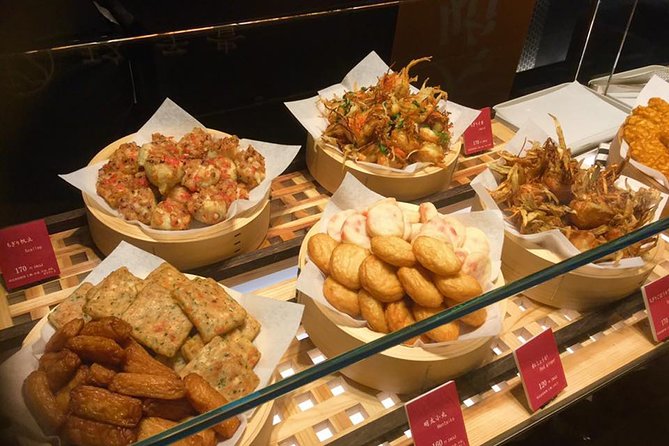
Wagashi is one of the more distinctive parts of the experience. These traditional Japanese sweets are often made with ingredients such as beans, rice, and seasonal elements, then shaped with care. You see how they are made and taste artistic wagashi with green tea.
This stop is valuable even if you usually prefer savory food. Wagashi shows how Japanese cooking can treat appearance, texture, season, and portion size as part of the meal. The sweet is not simply a large dessert at the end. It is a small, deliberate bite that works with tea.
The tour also includes an explanation of how Japanese sweets are made. The details provided do not promise that you will make wagashi yourself, so expect a demonstration or production view rather than a hands-on class. That distinction matters if you are comparing this with a dedicated confectionery workshop.
For me, wagashi gives the tour one of its strongest cultural moments. You are not just tasting sugar. You are seeing a food tradition that connects craft, hospitality, tea, and the changing seasons.
Tamagoyaki, eel sushi, and the move toward lunch
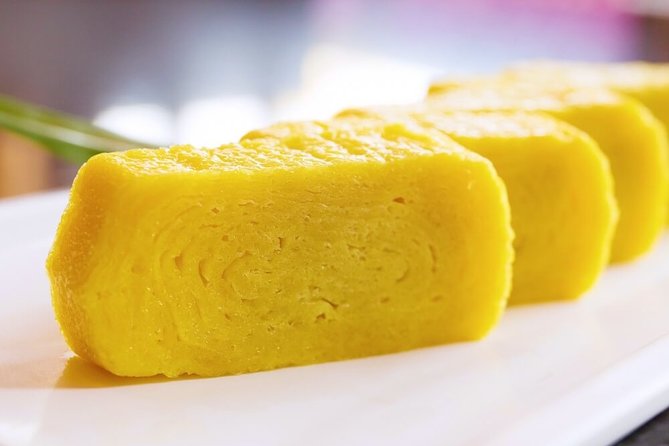
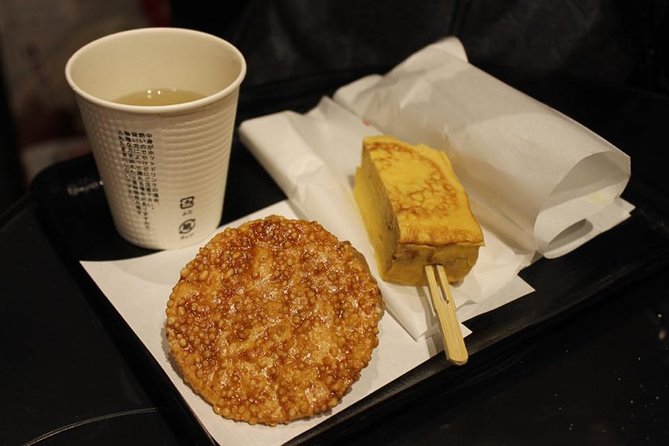
The savory tastings continue with tamagoyaki, the rolled Japanese egg dish. It may look humble, but its layered texture and gentle sweetness show the care that goes into everyday Japanese cooking. It is a useful food to recognize because you may find it in breakfast sets, bento boxes, sushi shops, and market displays.
Eel sushi adds a richer flavor. The tour presents it as another example of a traditional Japanese food that can appear in a compact, carefully prepared form. You will also try fish cakes from Kagoshima, which broaden the regional picture beyond the better-known foods of Tokyo and Kyoto.
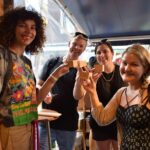
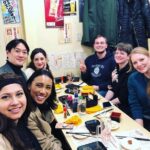
These tastings lead into the final meal. You are not expected to survive on samples, and that is an important advantage. The included lunch is a full washoku meal shared with the guide and group, where you can talk through what you have tasted.
A few more Tokyo tours and experiences worth a look

Choosing your washoku lunch
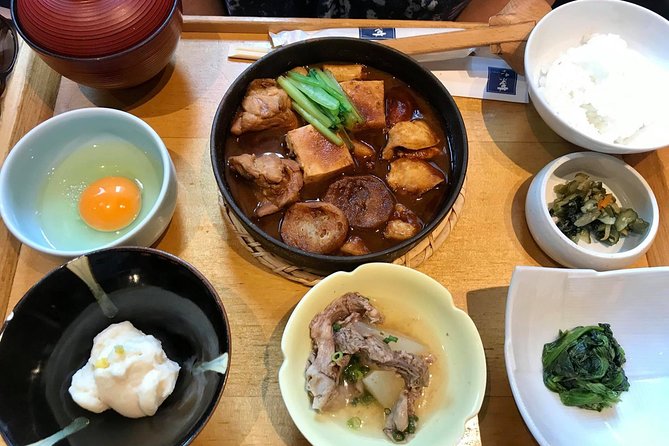
Lunch choice is made at booking, and the available options include soba, tempura and sashimi sets, grilled fish, chicken, and sukiyaki. This gives the tour a practical advantage over fixed-menu food walks. You can choose a meal that matches your appetite and dietary needs, though you should provide accurate information when booking.
The choices also let you compare different parts of Japanese cuisine. Soba shows the importance of buckwheat noodles and broth. Tempura focuses on a light coating and frying technique. Sashimi highlights raw fish and careful handling. Grilled fish keeps the meal simple, while sukiyaki offers a sweeter, richer style of cooking.
A full lunch makes the $209 price easier to assess, but it does not make the tour inexpensive. You are paying for the guide’s time, a small group, the organized tastings, the meal, and access to several specialty food settings in one morning. If you planned to buy lunch and browse Nihonbashi independently, the cost would be much lower.
I would consider the price reasonable only if you place a high value on explanation and structure. If you already know Japanese food well, or prefer to eat at your own pace, you may find the cost hard to justify. For a first visit, the guided progression can save you from guessing at unfamiliar menus and products.
One drink is included, along with the food tastings and lunch. Additional drinks or food cost extra, so do not treat the price as an all-you-can-eat arrangement.
The Depachika finish and time to browse
After lunch, the guide takes you into a Depachika, the underground food market found beneath a Japanese department store. This is a strong ending because it turns the morning’s lesson into a shopping guide. You can see prepared foods, sweets, snacks, and gift items in one place.
The guide points you toward good after-lunch snacks, then the organized portion of the experience ends in the Nihonbashi area. You are free to continue exploring on your own. That gives you useful flexibility. You can buy something for later, revisit a shop, or simply head to your next Tokyo sight.
The tour does not include hotel pickup, drop-off, or transportation costs. You make your own way to the meeting point and continue independently at the end. The route is near public transportation, which makes it practical for a morning in central Tokyo.
Who will get the most from this food tour
I would suggest this experience to a first-time visitor who wants a clear introduction to Japanese food without spending several days researching restaurants. The guide connects ingredients, regions, shops, and lunch, so you leave with a better base for ordering on your own.
It also suits families, since the activity is listed as family-friendly. Children must be accompanied by an adult, and a passport information copy is required for children age 10 and above. The group size is capped at 10, which is more manageable for a family than a large bus-style outing.
Vegetarians, vegans, and pescetarians can also consider it, since those options are listed. Still, lunch choice and dietary details should be settled at booking rather than left to the morning of the tour.
This is a good rainy-day plan because much of the route involves shops, covered commercial areas, and indoor food stops. The experience requires good weather, however, and poor conditions can lead to a new date or a refund. Stops can also change for weather, public holidays, restaurant schedules, or other problems.
The pace may not suit you if walking and repeated tastings are difficult. Most people can participate, but the tour is not a seated food class. You move between shops and sights for roughly three hours.
How the tour compares with exploring alone
You can certainly visit Nihonbashi on your own, browse Coredo Muromachi, enter a Depachika, and choose a restaurant. Doing so costs less and gives you more time. The tradeoff is that you will not necessarily know which foods represent another region, what to ask in a specialty shop, or how dashi connects the meal together.
The guide also provides a useful bridge through language and custom. Japanese food shops can be easy to admire and hard to interpret if you do not read Japanese. With an English-speaking guide, you can ask why a food matters and how it is normally eaten.
The organized route has limits. Restaurant schedules and holidays can force substitutions, and the three-hour format means you cannot linger everywhere. You also have little control over the exact order of stops. I would choose independent exploration if your main goal is shopping or hunting for one specific restaurant.
Booking, cancellation, and practical details
The experience costs $209 per person and is commonly booked about 29 days ahead. That advance pattern suggests you should reserve early if your Tokyo dates are fixed, especially since the group limit is 10.
Mobile tickets are provided, and confirmation is issued at booking. Free cancellation is available if you cancel at least 24 hours before the local start time. Cancellations or changes inside that window are not accepted for a refund.
The listed start time is 10:30 a.m., but the meeting instructions also refer to 10 a.m. I would rely on the time shown in your booking confirmation and reach the Starbucks meeting point early. The ending point is in the Nihonbashi area, not back at your hotel.
Should you book the Flavors of Japan Food Tour?
Book it if you want a guided introduction to Japanese cuisine that goes beyond sushi and ramen. The combination of dashi, pickles, tamagoyaki, regional fish cakes, eel sushi, wagashi, tea, specialty shops, and a full lunch gives you a broad first lesson in a short time.
I would be most likely to recommend it to first-time visitors, families, and people who feel unsure about Japanese menus. The strongest feature is the way the tastings build toward lunch, while the Depachika finish gives you a useful place to keep exploring.
Skip it if $209 feels high for a three-hour outing, if you prefer independent food hunting, or if you want a hands-on cooking class. For everyone else, the small group, regional food focus, and practical guide support make this a well-organized way to get oriented in Nihonbashi.
FAQ
Where does the food tour start?
It starts at Starbucks Coffee in the Nihombashi Suruga Building, at 1 Chome 7 in Nihombashimuromachi, Chuo City, Tokyo. The meeting area is between Coredo Muromachi 1 and Coredo Muromachi 2.
What time does the tour begin?
The meeting information lists a 10:30 a.m. start. Another part of the tour details refers to meeting at 10 a.m., so check your booking confirmation for the exact time and arrive early.
How long does the experience last?
The walking tour lasts approximately three hours.
How many people can join the tour?
The maximum group size is 10 people.
Is lunch included?
Yes. A local Japanese lunch is included, with choices such as soba, tempura and sashimi sets, grilled fish, chicken, or sukiyaki. You select your lunch when booking.
Are vegetarian or vegan choices available?
Yes. The experience is listed as suitable for pescetarian, vegetarian, and vegan diets. Provide your dietary choice when booking.
What foods are included in the tastings?
The tastings can include dashi, regional snacks, tamagoyaki, Kagoshima fish cakes, eel sushi, wagashi, green teas, pickled vegetables, and fried sweet potato.
Can I cancel for a full refund?
Yes, if you cancel at least 24 hours before the local start time. Cancellations or changes made less than 24 hours ahead are not accepted for a refund.
More Food Experiences in Tokyo
More Tokyo Food Tours in Tokyo
More tours in Tokyo we've reviewed


Tokyo Food Tours, compared.
 ★ 5.0Tokyo: Shinjuku Food Tour (13 Dishes at 4 Local Eateries)From $86
 ★ 4.9Tokyo: Shinjuku Food Tour (15 Dishes and 4 Eateries)From $853 hours
 ★ 5.0Best of Shinjuku: Izakaya Food Tour (4 Stops, 14+ Tastings)From $92
 ★ 5.0Tokyo Night Foodie Tour in Shinjuku – Seasonal Sushi, Wagyu BeefFrom $111
 ★ 5.0Eat and Drink Like a Local: Tokyo Ueno Food Tour-Taverns&RamenFrom $95
 ★ 5.0Tokyo: Shibuya Food Tour (13 dishes and 4 Eateries)From $77