
Reviewed · TOKYO
Tokyo: Learnt to cook Bento, Oyakodon and More!
Japanese home cooking is the heart of this two-hour Tokyo class, where you learn dishes such as oyakodon, miso soup, bento and the dashi broth that gives Japanese food its depth. The setting is small, limited to six people, so you can work at the counter, ask questions and get help instead of merely watching a demonstration.
I like the practical recipes, since the class focuses on simple ingredients you can use again at home. I also like the cultural side, including the meaning and customs connected with each dish. The main consideration is dietary: this class is not suitable for vegans, vegetarians, people with food allergies, gluten intolerance or nut allergies.
In This Review
- Key points to know before booking
- A Tokyo cooking class built around home food
- Finding Alleyway Gourmet Lab in central Tokyo
- What the two-hour lesson is like
- Why the six-person limit matters
- The cultural details make the recipes more useful
- What is included, and what is not
- Dietary rules and physical limits
- The teaching style and atmosphere
- Booking details that affect your decision
- Should you book this Tokyo cooking class?
- FAQ
- How long does the cooking class last?
- How much does the experience cost?
- What dishes will I learn to cook?
- Is the class taught in English?
- How many people are in the class?
- What is included in the price?
- Where is the meeting point?
- What should I bring?
- Can people with dietary restrictions join?
Key points to know before booking
- Cook oyakodon and miso soup from scratch: You may learn the dashi technique used in both dishes, an especially useful skill for Japanese cooking at home.
- Work in a group of no more than six: The small class makes it easier to ask questions and receive individual guidance.
- Meet Yuki or another English-speaking instructor: Yuki received particular praise for clear English, patient teaching and confident answers.
- Visit Alleyway Gourmet Lab in central Tokyo: Enter the gray four-story building through the right-hand door marked Alleyway Gourmet Lab, then go to the second floor.
- Take home recipes and a Japanese souvenir: The recipes help you repeat the dishes, while the souvenir is kept as a surprise.
- Plan for a food-focused two hours: Ingredients, equipment, apron, towel and slippers are supplied, but transport, extra food and personal cooking tools are not.
A Tokyo cooking class built around home food
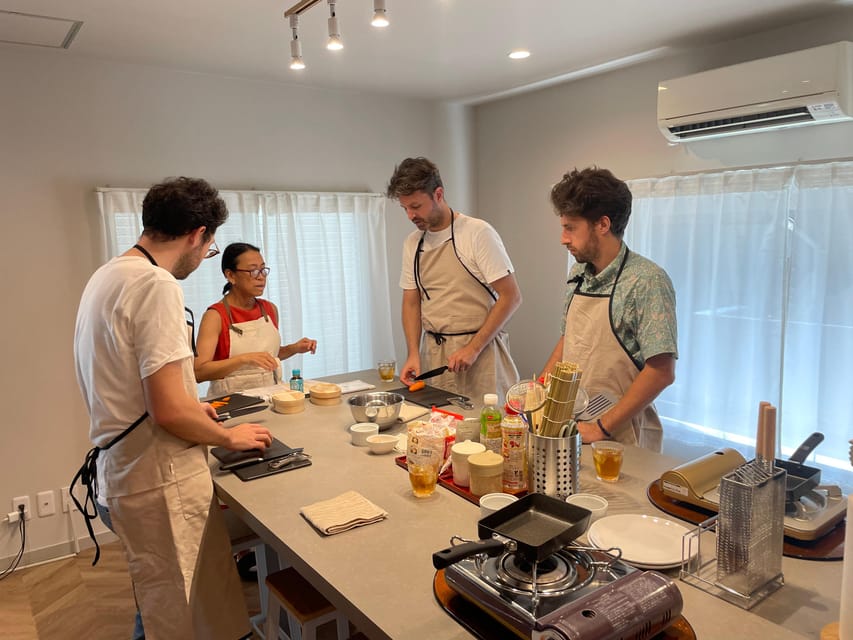
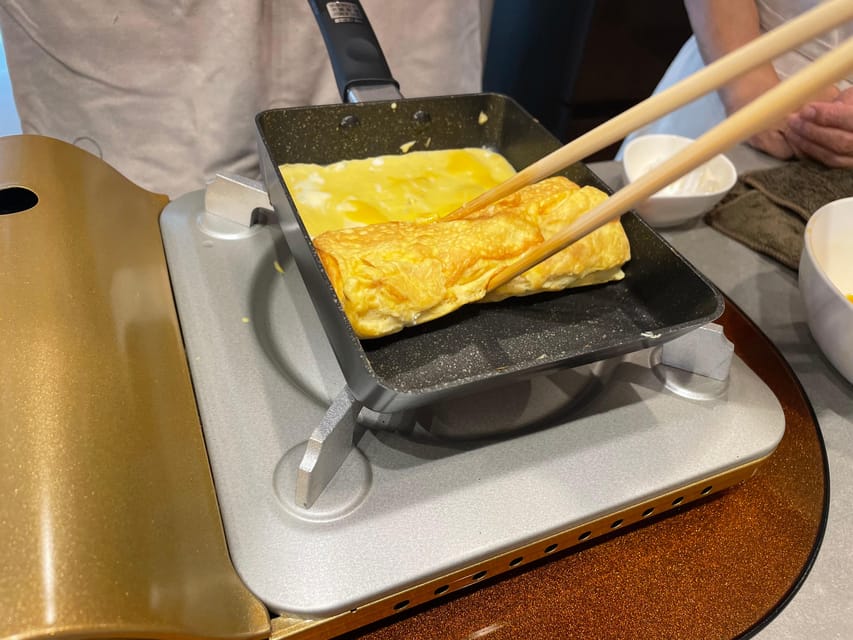
This is not a restaurant meal with a quick explanation added on. You take part in the cooking, step by step, with an instructor guiding the work. That makes the class useful for anyone who wants more than a photo and a plate of food.
The menu centers on familiar Japanese home dishes. Oyakodon, a bowl of chicken and egg over rice, is a good teaching dish because it brings together stock, seasoning, timing and texture in one simple preparation. Miso soup offers another lesson in balance, especially when you learn how dashi forms its base.
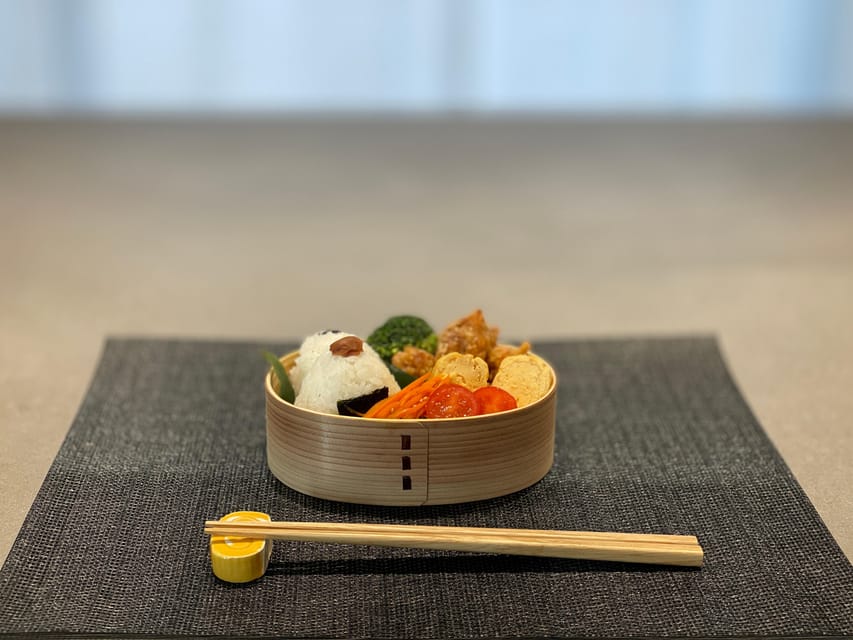
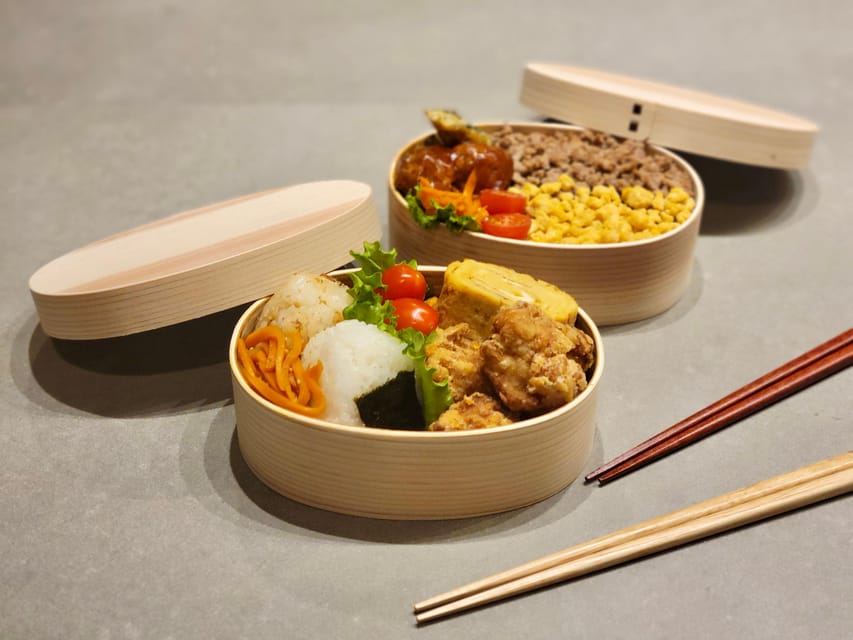
Bento is also part of the class title, though the exact menu can vary. You should check the available session details when booking if one particular dish matters most to you. The class may adapt to preferences, but the listed restrictions are firm and extensive.
The food prepared during the class is included in the activity itself. The price does not cover separate meals or snacks outside what you make, so do not treat this as a full day of eating. At two hours, it is best seen as a lesson followed by a freshly prepared meal or tasting.
If you're still narrowing it down, here are other tours in Tokyo we've reviewed.


Finding Alleyway Gourmet Lab in central Tokyo
The meeting instructions are simple, but you should read them before setting out. Turn into the alley and look for a four-story gray building on the right. At the front are doors on both sides. Use the right-hand door with the Alleyway Gourmet Lab sign, then go to the second floor.
Transportation is not included, so you arrange your own way to the meeting point. The venue is described as central and easy to reach for both visitors and local residents, but no station name or transfer instructions are supplied. I would allow a little extra time to locate the alley, especially if you are carrying luggage or arriving during a busy part of your day.
Inside, you receive an apron, towel and slippers. Shoes are not allowed indoors, so the supplied slippers are useful. Comfortable clothes are the only item you need to bring, though you should choose something that will not trouble you while working around a kitchen.
The venue is described as clean, modern and elegant. That matters in a hands-on class, since a tidy work area makes it easier to concentrate on knife work, broth and seasoning rather than on where to put your equipment.
What the two-hour lesson is like
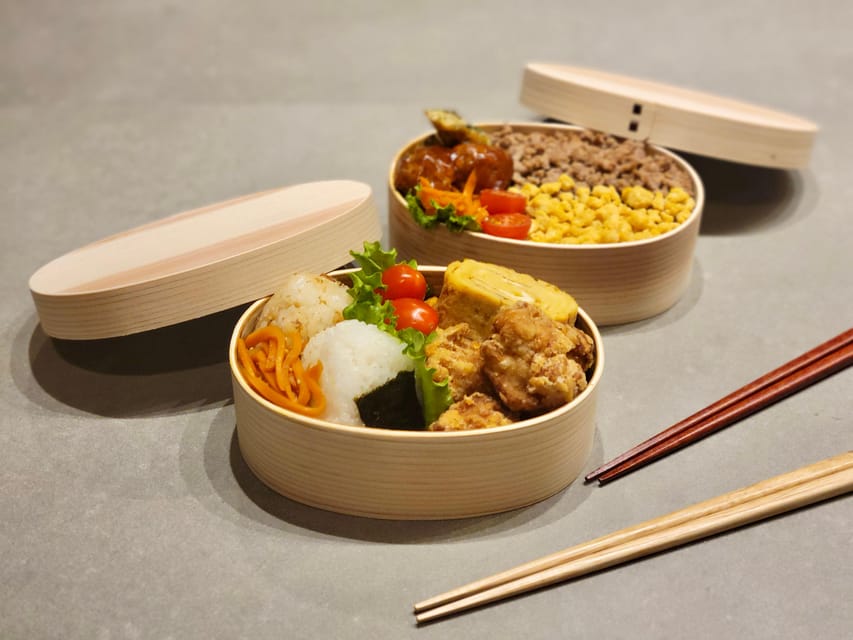
The class begins with an introduction to Japanese home cooking and the ingredients used in the dishes. You can expect the instructor to explain not only what to do, but why a dish is prepared in a certain way and how it relates to Japanese customs.
You then work through the recipes with guidance. The exact order can vary, yet the class is designed as active participation rather than a lecture. You handle ingredients, use the cooking equipment supplied at the venue and receive help as you go.
A particularly useful part is the preparation of dashi. One participant singled out the broth lesson because it was used for both miso soup and oyakodon. Dashi can seem like a small detail on a recipe card, but it often gives Japanese dishes their savory base. Learning the method in person makes it less mysterious when you try it later.
Oyakodon is another strong choice for a short class. It is approachable, but it still teaches you to manage the cooking of chicken and egg without losing the soft texture that makes the dish appealing. The instructor can correct your timing and answer questions while you work, which is more helpful than trying to copy a recipe at home without guidance.
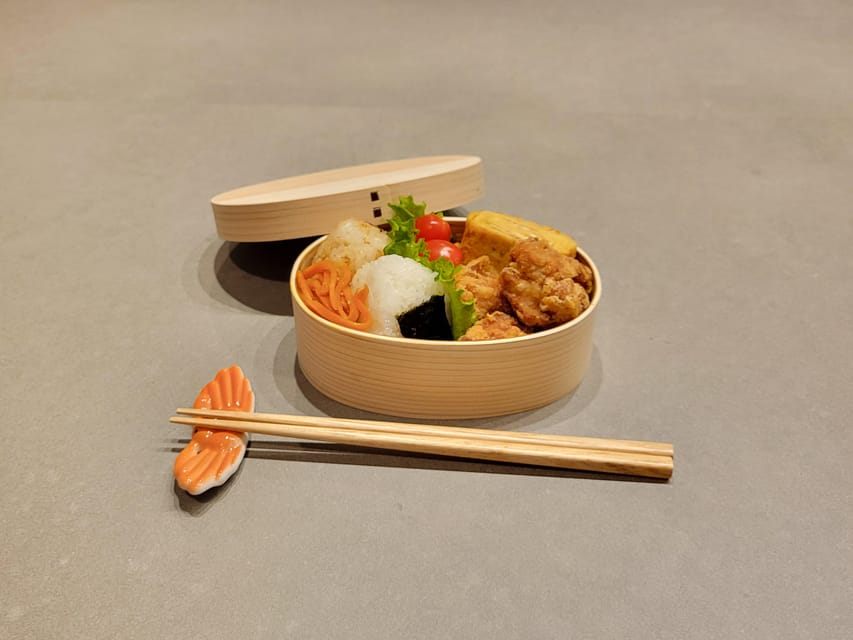
The class may also cover bento and other home dishes. Since the supplied information does not promise a fixed menu for every session, you should think of the listed dishes as an indication of the cooking style rather than a guaranteed course list.
At the end, you eat what you prepared during the session. The emphasis remains on the lesson, so the portion and format are likely to suit a class rather than a long restaurant lunch. If you have a large appetite, plan another meal afterward.
Why the six-person limit matters
A group of up to six is small enough for the instructor to keep an eye on each person. That is valuable when you are learning unfamiliar ingredients or trying a technique for the first time.
The class suits beginners, and experienced home cooks can still pick up useful details about dashi, seasoning and Japanese kitchen customs. I would especially recommend it for couples and friends who want a shared activity, since everyone takes part instead of sitting side by side while one person does all the work.
The group format also gives you room to ask direct questions. Yuki was praised for speaking excellent English, clear pronunciation and answering questions with confidence. The class is conducted in English, and Japanese instruction can be arranged upon request. Translation into other languages is not included.
You should not expect a private lesson unless you book a group that happens to fill the class in that way. The small-group promise is the practical middle ground: more personal than a large demonstration, but still a shared class with other participants.
The cultural details make the recipes more useful
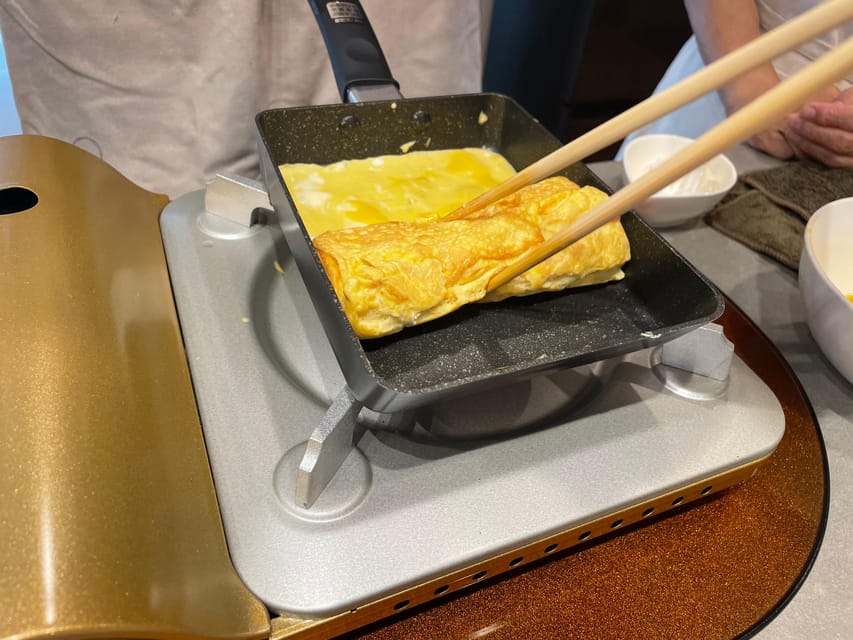
Japanese cooking is not only a list of ingredients and cooking times. The instructor explains the customs and significance connected with the dishes, helping you understand why the food is arranged, seasoned or served in a particular way.
That context gives the recipes a longer life. You are more likely to remember a technique when you understand its purpose. It also helps you avoid treating Japanese dishes as interchangeable versions of familiar Western meals.
The cultural discussion is an important reason to choose this class over simply ordering oyakodon at a restaurant. A restaurant can show you the finished dish. Here, you learn how a home cook approaches it, with simple ingredients and methods intended for practical use.
The class also avoids the pressure of a formal culinary school. You can ask basic questions, make mistakes and adjust your work with help. That friendly setting is well suited to people who enjoy food but do not have advanced cooking skills.





What is included, and what is not
The $83 price covers the hands-on class, ingredients, cooking equipment, apron, towel and slippers. You also receive detailed recipes and a Japanese souvenir. The contents of the souvenir are a surprise, so it is a small extra rather than something you can choose in advance.
The recipes are a real part of the value. Without them, a two-hour cooking class can fade into a pleasant memory. With them, you have a guide for repeating the dishes and showing friends or family what you learned.
The price does not include transport, additional meals, snacks outside the prepared food, cooking equipment for your home, extra ingredients or insurance. You also cannot count on translation beyond English or Japanese.
There are optional Japanese souvenirs for sale at the venue, with an average price of about ¥1,000. These are separate purchases, so you can ignore them if you prefer to keep the cost focused on the class.
At $83, this is not a bargain meal. It can be good value if you want instruction, cultural explanation, a small class and recipes to take home. If your only goal is to eat oyakodon cheaply, a restaurant will cost less. If you want to learn how to make it, the price is easier to justify.
Dietary rules and physical limits
The food restrictions deserve serious attention. The class is not suitable for vegans, vegetarians, people with food allergies, people with gluten intolerance or people with nut allergies. Do not assume the instructor can modify the menu unless the booking process clearly confirms it.
The activity is also not suitable for children under six, people under 120 centimeters tall, people over 80 years, people with colds or wheelchair users. Electric wheelchairs are specifically not allowed. Assistance dogs are allowed, although pets are not.
These rules may feel strict, but a cooking class involves shared equipment, food handling and limited space. If any restriction applies to you, ask before booking rather than hoping for an adjustment on the day.
You should also avoid strong fragrances. Smoking, vaping, alcohol, drugs, weapons, sharp objects and fireworks are not allowed. Shoes stay off indoors.
The teaching style and atmosphere
The instructor is the key to a class like this. Yuki was described as kind, highly capable and easy to understand in English. Clear pronunciation matters here, since cooking depends on small instructions about heat, timing and texture.
The kitchen has been described as clean, modern and elegant. That gives the session a polished setting, but the teaching remains focused on home cooking rather than restaurant showmanship.
I like that the class promises personal attention without making advanced skill a requirement. You can arrive as a beginner and leave with practical steps you can repeat. An experienced cook may find the basic dishes familiar, but the dashi method and cultural explanations add worthwhile detail.
The tone also appears friendly rather than formal. You are expected to participate, ask questions and enjoy the process. That makes it a good choice on a Tokyo trip when you want an indoor activity that feels social but still teaches you something useful.
Booking details that affect your decision
The activity lasts two hours, and starting times depend on availability. That makes it easy to fit into a Tokyo itinerary, but you should leave enough time for transport and finding the building.
You can reserve now and pay later, which helps if you are arranging several activities before your schedule is fixed. Cancellation is free up to 24 hours in advance for a full refund. Those terms give you some flexibility, but you should still check the exact booking conditions attached to your chosen date.
The language is English, with Japanese available if requested. No other translation service is included. If you are booking for a mixed-language group, confirm that everyone can follow the class comfortably.
The class has a rating of five from five verified bookings, with praise focused on the instructor, clear English, tasty food, the clean kitchen and the dashi lesson. Those are the areas I would weigh most heavily when deciding. The sample is small, so I would treat it as encouraging rather than as proof that every class will be identical.
Should you book this Tokyo cooking class?
Book it if you want to learn Japanese home cooking in a small, friendly setting and you enjoy taking practical skills home with you. It is especially suited to beginners, couples, friends and food-focused visitors who want to understand dashi, oyakodon, miso soup and related dishes instead of simply ordering them.
Skip it if you need a vegan or vegetarian menu, have a food allergy or gluten or nut intolerance, use a wheelchair, or want a substantial restaurant meal for the price. Also check the menu before booking if bento is your main reason for choosing the class, since the precise dishes may vary.
For the right person, the best value is not the food alone. It is the combination of a six-person group, a patient English-speaking instructor such as Yuki, hands-on practice, cultural context and recipes you can use after returning home.
FAQ
How long does the cooking class last?
The class lasts two hours.
How much does the experience cost?
The listed price is $83 per person.
What dishes will I learn to cook?
The experience focuses on Japanese home cooking and may include dishes such as bento, oyakodon and miso soup. Dashi broth is also taught in connection with the dishes.
Is the class taught in English?
Yes. Classes are conducted in English, and Japanese lessons can be arranged upon request.
How many people are in the class?
The group is limited to six participants.
What is included in the price?
The price includes the hands-on class, ingredients, cooking equipment, instructor guidance, recipes, a Japanese souvenir, an apron, a towel and slippers.
Where is the meeting point?
Go into the alley and look for the four-story gray building on the right. Enter through the right-hand door marked Alleyway Gourmet Lab and proceed to the second floor.
What should I bring?
Bring comfortable clothes. Aprons, towels and slippers are provided.
Can people with dietary restrictions join?
The class is not suitable for vegans, vegetarians, people with food allergies, people with gluten intolerance or people with nut allergies.
More tours in Tokyo we've reviewed









Tokyo, compared.
 ★ 5.0Mt Fuji and Hakone 1-Day Bus Tour Return by Bullet TrainFrom $163
 ★ 5.01-Day Tokyo Bus TourFrom $129
 ★ 4.6Tokyo: teamLab Planets TOKYO Digital Art Museum Entry TicketFrom $251 day
 ★ 4.0Mt Fuji & Hakone Cruise, Drum Show Bullet Train 1 Day from TokyoFrom $149
 ★ 5.0Tokyo: Shinjuku Food Tour (13 Dishes at 4 Local Eateries)From $86
 ★ 4.4Tokyo Mt Fuji 5th St & Hakone Cruise Bus Tour w/Bullet TrainFrom $15410 hours