
Reviewed · SAKE TASTING
Sake & Food Pairing with Sake Professional
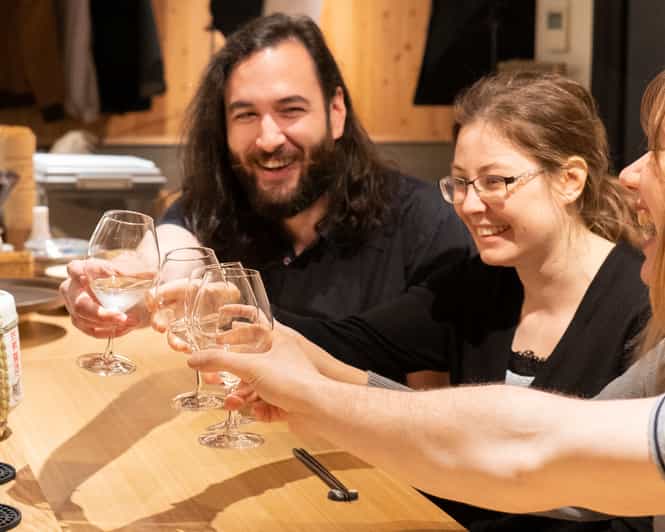
Sake is far more varied than the hot, strong drink many first-time visitors expect. In this small class, you taste five different styles from across Japan, then compare their flavors with Japanese snacks while an English-speaking sake professional explains what is in your glass.
I especially like the personal tasting chart, which gives you a useful way to remember what you enjoyed. I also like the chance to meet Japanese sake lovers and ask for local drinking tips. The main drawback is simple: the snacks are not a full meal, so eat before you arrive.
In This Review
- Key points
- Why this class changes your view of sake
- Five glasses, five ways to judge sake
- Japanese snacks, with one important warning
- The guide makes the difference
- Meeting at Ushinobi Sake Bar in Shinjuku
- Is $69 a fair price?
- Who will enjoy the 150-minute format?
- Practical tips for a better session
- Should you book this sake tasting?
- FAQ
- Where does the sake tasting take place?
- Which station is closest to the venue?
- How long does the activity last?
- How many people can join the group?
- Is the tour conducted in English?
- How many sakes will I taste?
- Is food included?
- Is transportation included?
- Can I share dietary restrictions before the activity?
- Can I cancel for a full refund?
- Is this activity suitable for pregnant women?
Key points

- Five sake styles in one sitting: Compare different bottles instead of judging sake from one familiar example.
- A tasting chart you make yourself: Record what you notice and leave with a better sense of your own preferences.
- English-speaking expert guidance: Hosts such as Tadashi, Max, Joe, and Andrea have led lively, accessible sessions.
- Japanese snack pairings: Small bites show how food can change the way a sake tastes.
- Ten-person maximum: The group size allows for questions and, on quiet dates, even a more personal class.
- Shinjuku location: Meet at Ushinobi Sake Bar near Okubo Station, but allow a little time to find the entrance.
Why this class changes your view of sake
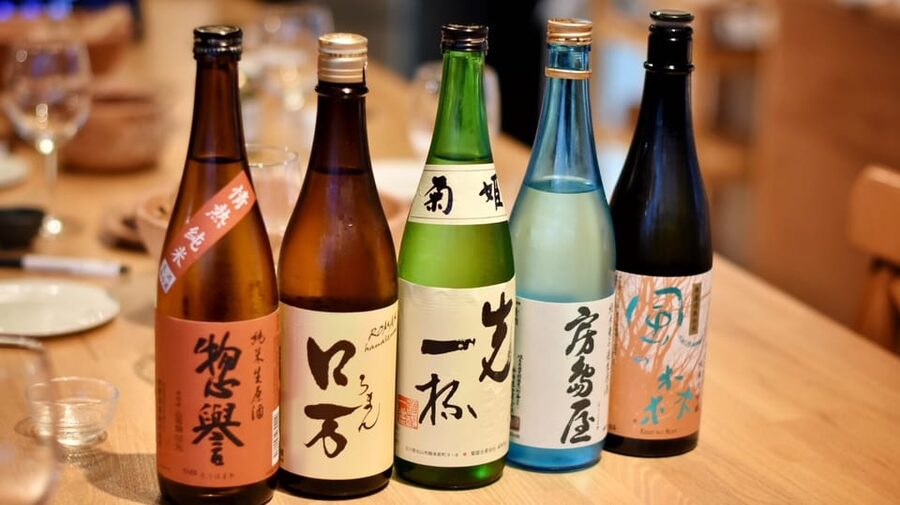
This is a good lesson for anyone who thinks sake has one fixed taste. That idea usually comes from trying one bottle, often served in a setting where no one explains what makes it different. Here, five selections give you a quick tour through the range of Japanese sake.
The goal is not to turn you into a brewer or a certified expert in 150 minutes. It is to give you enough vocabulary and experience to order with less guesswork. You can pay attention to aroma, sweetness, acidity, body, and finish, then note what works for you.
That comparison matters. A sake that tastes light and crisp beside one snack may seem fuller and sweeter with another. You start to see that pairing is not only for wine. The food on the table becomes part of the lesson.
The class also reflects a current change in Japan’s sake trade. Traditional breweries are still working with old methods and long-established names, but younger family members are bringing new ideas into the business. The result is a wider selection of styles, and this tasting is designed to show that range.
A few more Tokyo tours and experiences worth a look

Five glasses, five ways to judge sake
The central part of the session is the tasting of five different sakes from around Japan. The exact brands are not specified in advance, so you should think of the lineup as a guided comparison rather than a fixed bottle list.
Your guide explains each brewery and helps you consider what is in front of you. You are not expected to arrive with the right terms. The useful part is learning how to notice differences for yourself.
I would approach the tasting in three steps:
- Smell the sake before drinking it.
- Take a small sip and notice the first impression.
- Let the finish sit for a moment before deciding what you like.
You may prefer a clean, lighter style, or you may find that a richer and more rounded sake suits you better. Some people arrive with little interest in sake and end up surprised by how many styles they enjoy. That makes this a sound introduction for a couple or group with mixed levels of experience.
The tasting chart adds structure without making the class feel like school. You can write down what you notice and compare the bottles as you go. Later, that chart may help when you are choosing a sake in Tokyo, ordering at dinner, or looking for a bottle to take home.
Japanese snacks, with one important warning
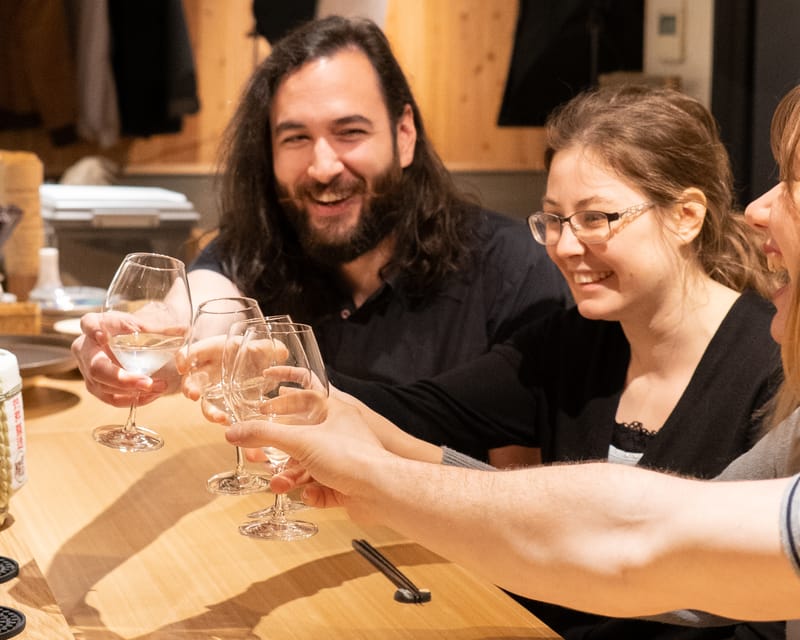
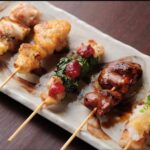
The sake is paired with local Japanese snacks. These small servings are useful because they let you test the drinks with food instead of tasting them in isolation. A sake that seems sharp by itself may feel softer alongside a savory bite, while another may hold its character better with a stronger flavor.
Do not mistake the snacks for dinner. Two separate accounts make this point clearly: you should eat before the class because there is plenty of sake, but not a substantial meal. I would plan a proper meal before or after the session, especially if you are not used to drinking several samples.
You should also tell the supplier in advance about any dietary restrictions. The provided information does not promise specific substitutions, so do not wait until you arrive to explain what you cannot eat.
Pregnant women should not book this activity. The class is built around alcohol tastings, and there is no nonalcoholic version stated in the details provided.
The guide makes the difference
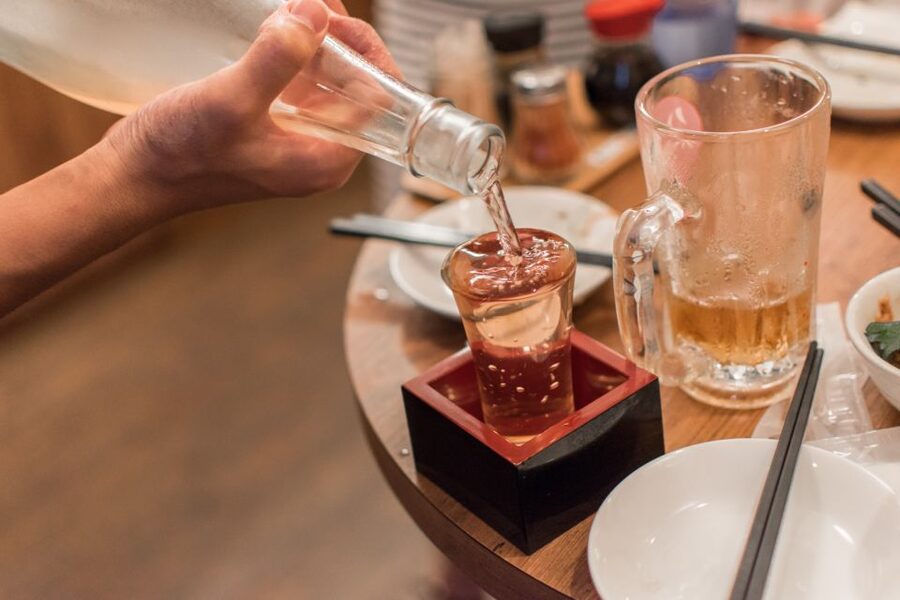
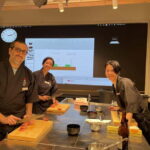
The strongest part of this activity is the person leading it. Several hosts are named in the feedback, including Tadashi, Max, Joe, and Andrea. Their styles may differ, but the common thread is clear: the guide is expected to explain sake in plain English and keep the pace social.
Tadashi received especially strong praise for both his English and sake background. Max was described as a capable host who handled the subject well. Joe also gave useful recommendations beyond the tasting itself, which can be valuable if you want to keep exploring sake during your time in Japan.
Andrea led sessions that mixed instruction with a relaxed atmosphere. One particularly useful detail is that a small booking can turn into a more personal class. When only two people attended one session, the format became almost private, with more room to ask questions and focus on individual tastes.
The group limit is 10 people. That is small enough to support discussion but not so small that you should expect a private lesson every time. If you want direct attention, a quieter departure may help, but the schedule and group size can vary.
Meeting at Ushinobi Sake Bar in Shinjuku
The meeting point is Ushinobi Sake Bar in Shinjuku, on the second floor. The closest station listed is Okubo Station, JB09, using the South Exit.
The entrance can be hard to spot. This is not a reason to avoid the class, but it is a reason to leave extra time. Check the provided location details before setting out, and look for the entrance information rather than assuming the bar will be obvious from the street.
Transport is not included. You make your own way to the venue, and the class begins there. That keeps the arrangement simple, but you need to handle your own route and allow time for finding the building.
The Shinjuku setting works well if you are already spending time in the area. It is also a practical place for a drink-focused class because you can arrange your own meal before or after. Just remember that the activity is held in the bar, not at a brewery, so this is a tasting and education session rather than a production tour.


Is $69 a fair price?
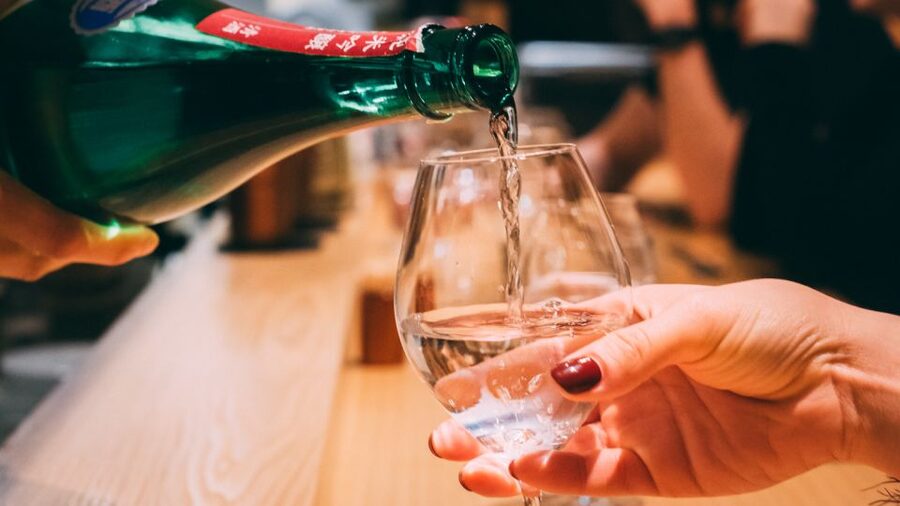
At $69 per person, the value depends on what you want from a sake activity. You receive 150 minutes of guided instruction, five sake tastings, Japanese snacks, a tasting chart, and the chance to ask questions in a group capped at 10 people.
I see the price as reasonable for a focused introduction, especially if you would otherwise spend money ordering several unfamiliar bottles without knowing what to expect. The guide helps you compare the drinks in a clear order and gives you context about the breweries.
The value is weaker if you are looking for a full meal, a brewery visit, or a long evening of drinking. None of those is included. You also pay for your own transport, and the snacks are light.
For a first sake class in Tokyo, the price makes sense. For a serious sake enthusiast who already knows the major styles, the five-bottle comparison may still be enjoyable, but the instruction could feel basic depending on the guide and lineup.
Who will enjoy the 150-minute format?
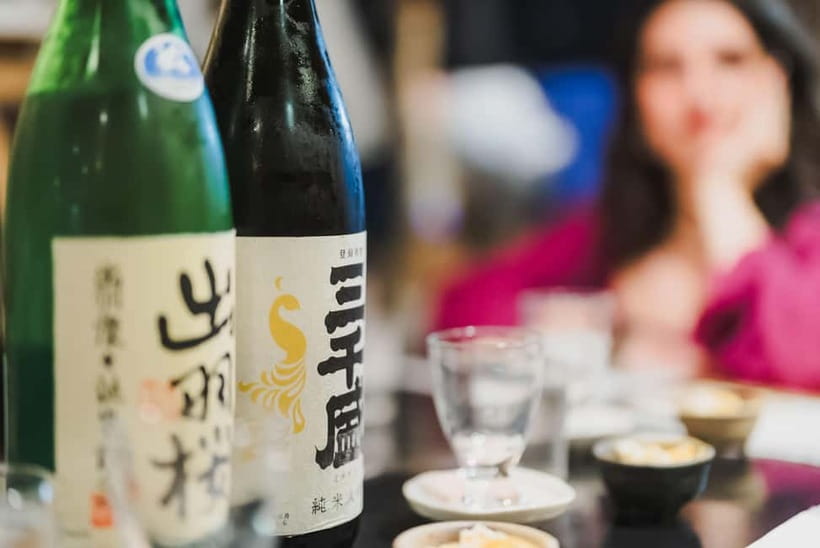
I would recommend this class most strongly to three types of people.
First, it suits beginners who have tasted little sake at home. You get enough examples to replace a vague first impression with a more useful sense of your preferences.
Second, it works well for couples or friends with different opinions. One person can arrive as the sake fan, while the other may be unsure or even convinced they do not like it. The side-by-side format gives both people something to evaluate.
Third, it suits curious food and drink fans who want practical advice. The local tips from the guide can help you decide what to order later, and the chart gives you a record of the styles you preferred.
I would be more cautious if you want a large meal, a brewery visit, or a completely alcohol-free activity. The format is also not suitable during pregnancy.
The 150-minute length is about right for an introductory class. It gives you time to taste five samples and ask questions without taking an entire day from your Tokyo plans. Still, schedule your next activity with some breathing room. You do not want to rush out immediately after a sake tasting.
Practical tips for a better session
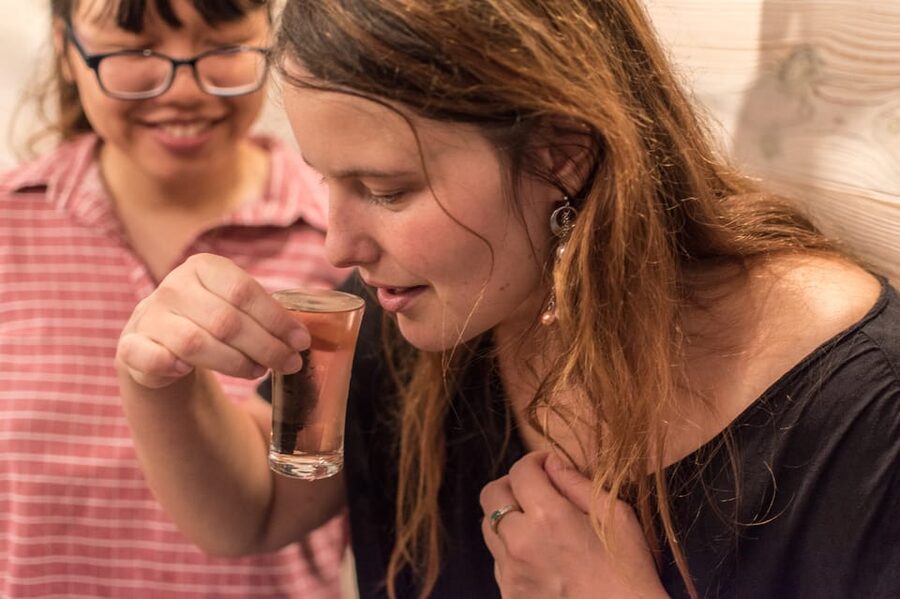
Eat first. This is the most useful advice from the available feedback, and it is especially important because the food is snack-sized.
Arrive early enough to find the second-floor entrance. The location is near Okubo Station, but the entrance is described as a little hidden. Looking at the supplied directions before leaving your hotel can prevent a needless scramble.
Tell the supplier about dietary restrictions in advance. The snacks are part of the tasting, so clear communication matters.
Come with an open mind rather than a preferred answer. You do not need to decide which sake is best. The better question is which one you would order again, and with what kind of food.
If you are booking with friends, compare your tasting charts at the end. The point is not to agree. Different choices make the class more useful because they show how personal sake preferences can be.
Cancellation is free up to 24 hours before the activity for a full refund. You can also reserve now and pay later, which helps if your Tokyo schedule is still changing.
Should you book this sake tasting?
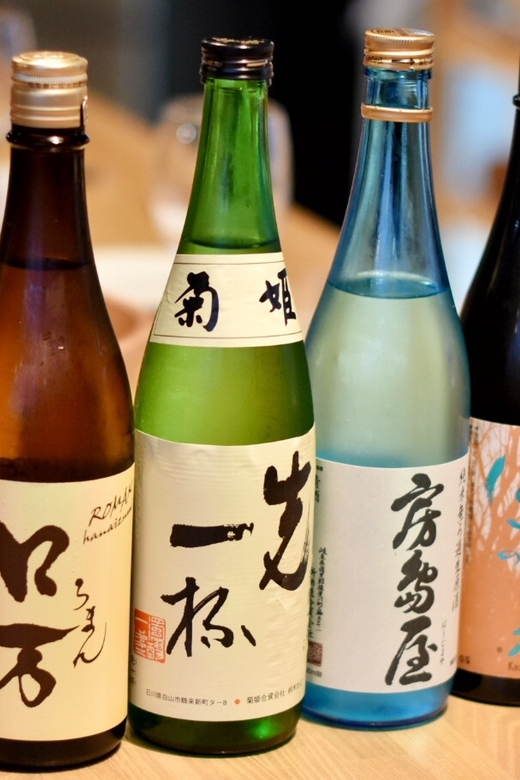
Book it if you want an easy, well-organized introduction to Japanese sake, especially if your past experience is limited to one strong-tasting bottle. The five samples, snack pairings, tasting chart, and small group create a useful lesson rather than a simple bar stop.
I would also book it for a couple with mixed enthusiasm. The class gives the sake lover something new to discuss, while the uncertain drinker gets a fair test of several styles.
Skip it if you need a full dinner, dislike alcohol tastings, or want to see sake being brewed. In those cases, the format will not match your plans.
For most curious visitors, this is a good-value Shinjuku activity. Eat beforehand, find the second-floor entrance early, and let the guide show you how broad sake can be.
FAQ
Where does the sake tasting take place?
It takes place at Ushinobi Sake Bar in Shinjuku, on the second floor.
Which station is closest to the venue?
The closest station listed is Okubo Station, JB09, using the South Exit.
How long does the activity last?
The tasting lasts 150 minutes, or two and a half hours.
How many people can join the group?
The group is limited to 10 participants.
Is the tour conducted in English?
Yes. The live tour guide language is English.
How many sakes will I taste?
You will taste five different types of sake from across Japan.
Is food included?
Japanese snacks are included, but they are not a full meal.
Is transportation included?
No. You are responsible for getting to the meeting point.
Can I share dietary restrictions before the activity?
Yes. You should tell the supplier in advance about any dietary restrictions.
Can I cancel for a full refund?
Yes. You can cancel up to 24 hours in advance for a full refund. Reserve now and pay later is also available.
Is this activity suitable for pregnant women?
No. The activity is not suitable for pregnant women because it includes sake tastings.
More Food Experiences in Tokyo


More tours in Tokyo we've reviewed




Sake Tasting, compared.
 ★ 5.0Ramen and Sushi Cooking Class with Sake Pairing Set in TokyoFrom $79
 ★ 5.0Sake Tasting Masterclass in Shinjuku (8+ Varieties with a Pro)From $72
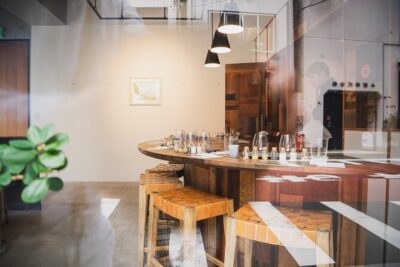 ★ 5.0Sake Omakase in Tokyo: Guided Tasting by Certified SommeliersFrom $79
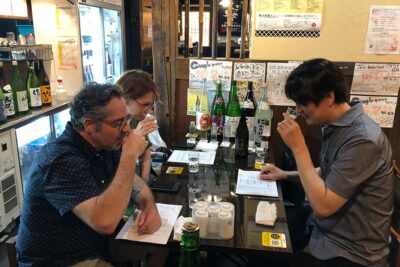 ★ 5.0Tasting All Types of Sake with SommelierFrom $62
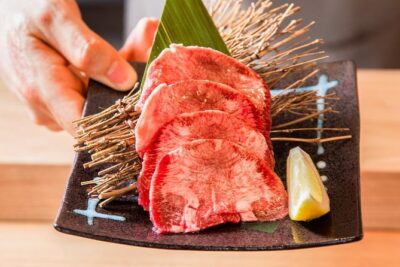 ★ 5.0Wagyu & Sake Pairing in Shinjuku – Steak, Shabu-Shabu & MoreFrom $148
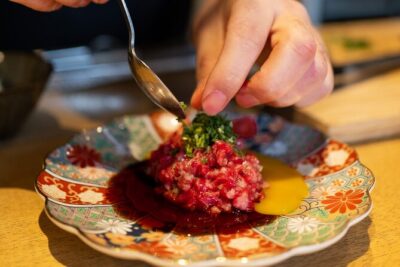 ★ 5.0Tokyo Wagyu & Sake Pairing Tasting Experience with Local FlavorsFrom $151