
Reviewed · TEA CEREMONY & MATCHA
Making Japanese desserts Nerikiri & drinking matcha in Tokyo
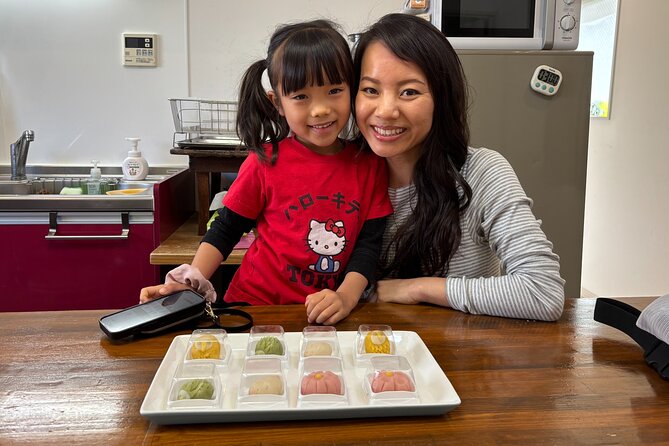
Japanese sweets are often as pretty as they are tasty, and nerikiri gives you a hands-on way to understand why. In this 90-minute Tokyo class, you shape three seasonal sweets from kneaded dough, learn how the confection is made, and finish with a cup of powdered matcha.
I like the small maximum of eight people, which should give you useful one-on-one help rather than a rushed demonstration. I also like the chance to eat your sweets with matcha or pack them for later. The main thing to watch is the meeting location: classes are usually in Shimokitazawa, but rental-space availability can move them to Toritsu Daigaku Station.
In This Review
- Key points to know before booking
- Why nerikiri makes a fine Tokyo food class
- Your 90 minutes, from kneaded dough to matcha
- Seasonal designs change with your visit
- What the small group changes
- Matcha adds context, not just caffeine
- Shimokitazawa gives you an easy after-class plan
- Is $65.69 a fair price?
- Who should book this class?
- Practical details that affect your decision
- Should you book the nerikiri and matcha class?
- FAQ
- How long does the nerikiri and matcha class last?
- How many people can join the class?
- Where does the class take place?
- What will I make during the class?
- Is matcha included?
- Can I take the sweets home?
- When can I cancel for a full refund?
Key points to know before booking
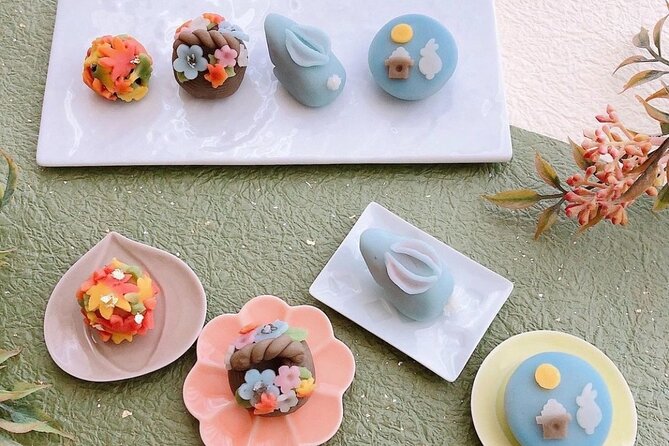
- Three seasonal nerikiri sweets: The designs and forms change with the season.
- A small class of up to eight: You get room to work with your hands and ask questions.
- Matcha served after the sweets: Your finished confections are paired with powdered green tea.
- Take-home packets included: Eat the nerikiri at once or carry them with you.
- Usually held in Shimokitazawa: The class can shift to Toritsu Daigaku Station.
- A focused 90-minute activity: It fits neatly into a Tokyo afternoon or evening plan.
Why nerikiri makes a fine Tokyo food class
Nerikiri is a traditional Japanese confection made from kneaded dough, shaped into seasonal forms. The appeal is not only the flavor. These sweets are designed to suggest flowers, plants, animals, or other images linked to the time of year.
That seasonal focus gives this class more substance than a generic dessert workshop. You are not simply mixing ingredients and taking home a snack. You learn how the confection is formed, then make three versions yourself with guidance from the instructor.
I like this kind of class for a first visit to Japan because it explains a small part of Japanese food culture through your hands. You see how much care goes into a sweet that might be eaten in only a few bites. The lesson also gives you something specific to remember from Tokyo, rather than another stop where you only take photographs.
The class is beginner-friendly. The supplied information does not require prior cooking experience, and the activity is built around the instructor explaining each step before you try it. A past participant described the experience as enjoyable, cultural, and suitable for people learning a new skill, with a warm welcome from the instructor.
A few more Tokyo tours and experiences worth a look

Your 90 minutes, from kneaded dough to matcha
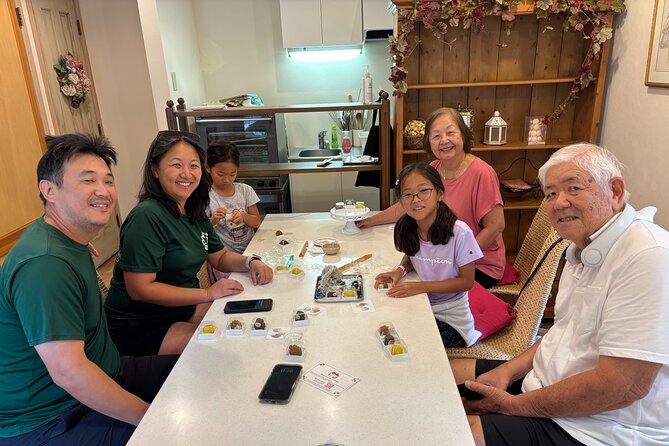
The session begins after you reach the meeting point provided by email. The listed address is 3-chōme-20-4 Kitazawa in Setagaya City, but the class is generally held in a kitchen in Shimokitazawa. If that space is unavailable, the instructor may arrange the session near Toritsu Daigaku Station instead.
That location note matters. Shimokitazawa and Toritsu Daigaku Station are not the same stop, so check the instructor’s message before setting out. Confirmation is sent within 48 hours of booking, subject to availability, and the exact location can affect the rest of your day.
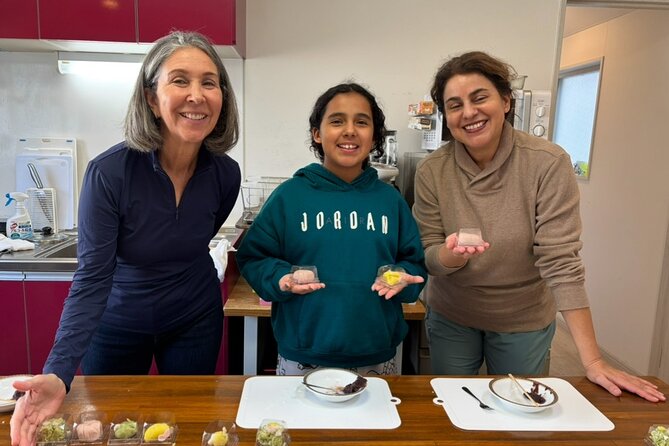
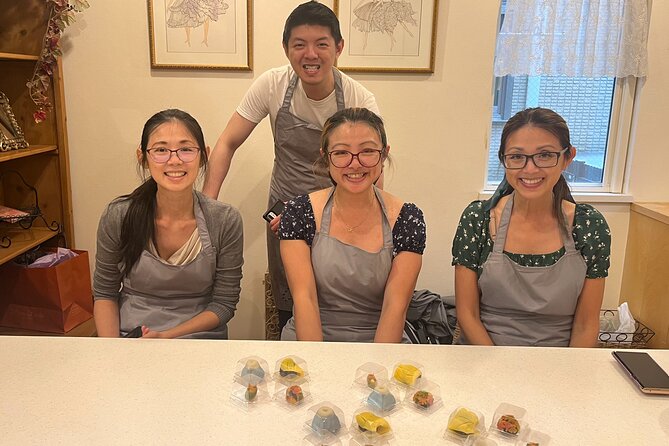
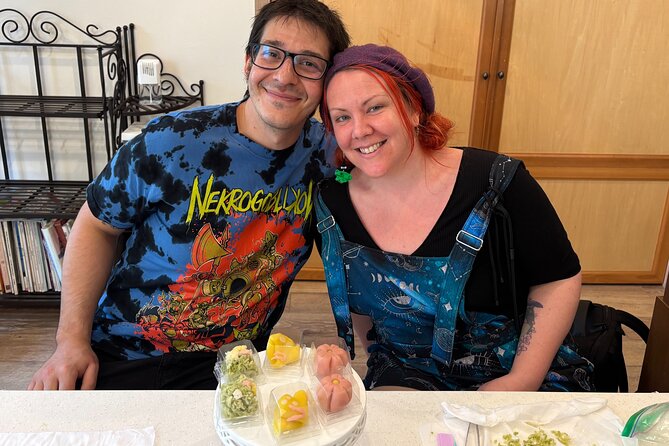
Once the group is ready, the instructor explains the process of making nerikiri. You then work through three types of seasonal kneaded dough. The key appeal is the hands-on part: you are not watching a professional make perfect sweets while you stand back. You shape the dough yourself and learn through the process.
The class lasts about one hour and 30 minutes. That is long enough to make several pieces without turning the activity into a half-day commitment. I would allow extra time around it for finding the kitchen, especially if you are unfamiliar with the neighborhood or receive the alternate location.
At the end, the instructor prepares matcha. You can eat the nerikiri you made on the spot with the tea, or place the sweets in the provided packets and take them home. This gives you a small choice that can matter on a full sightseeing day. If you are still hungry, eat them there. If you want a souvenir for later, pack them carefully.
Seasonal designs change with your visit
The three sweets are selected according to the season. That means the class is not exactly the same throughout the year, and you cannot assume the specific shapes shown in promotional material will be available on your date.
This is one of the better features of the activity. Seasonal Japanese sweets connect food with the calendar, and the changing designs give repeat visitors a reason to take the class again. The class is about learning a method, but the seasonal forms keep the result fresh.
You can also ask about making an owl and a needle mouse when you email the instructor. The request may not be possible, depending on when you apply, and the seasonal designs are used if no special request is made.
I would treat those animal shapes as a preference, not a promise. If you have children in your group or simply like character-shaped sweets, ask early. If your main goal is to learn the basic process and make attractive seasonal pieces, you should be content with the standard class plan.
What the small group changes
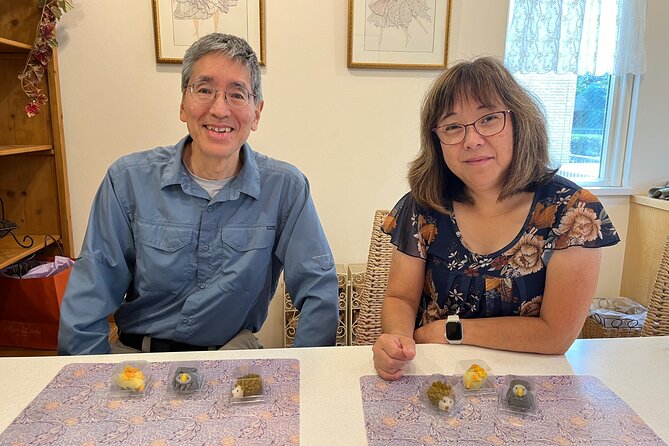
The maximum group size is eight people. That is small enough to make personal attention possible, especially during the shaping stage when a quick correction can help. Nerikiri is a delicate craft, and small differences in pressure and form can change the final look.
A group of eight is not a private lesson, so you should still expect to share the instructor’s attention. Even so, it is a better setup for asking questions and getting help than a large demonstration. The class also works well for friends and family because you can make the sweets side by side and compare the finished shapes.
The activity has a social side, but it does not depend on high energy or complicated cooking. You spend most of the time focused on the dough and the forms. That makes it a useful option for a quieter afternoon in Tokyo, particularly if you want a break from crowded sights.
The available feedback is especially positive about the class being welcoming and easy for beginners. That is important here. A dessert that looks precise and artistic could feel intimidating, but the format is designed to let you try the process yourself with instruction close at hand.
Matcha adds context, not just caffeine
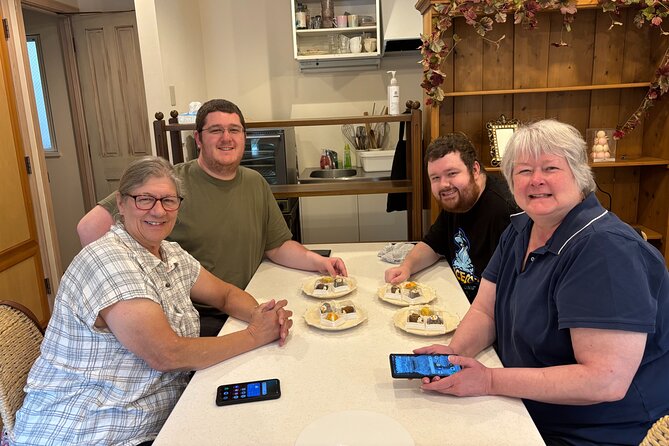
Matcha is powdered green tea, and it is prepared after you finish making the nerikiri. The tea gives you a traditional pairing for the sweets and brings the class to a calm close.
You should not expect a full tea ceremony from the details provided. This is a confectionery-making class with matcha included, not a formal ceremony lesson. Still, serving the tea with your handmade sweets helps show how nerikiri is commonly enjoyed as part of a deliberate food experience.
The pairing also makes the final few minutes feel complete. You have made the sweets, seen the result, and then tasted them with tea rather than simply putting them in a container. If you are curious about Japanese cuisine beyond sushi and ramen, this small moment adds useful context.
The class includes the ingredients and tools you need, so you do not have to shop for supplies or bring cooking equipment. That is a practical benefit for anyone staying in a hotel or moving around Tokyo with a tight schedule.




Shimokitazawa gives you an easy after-class plan
The usual venue is in Shimokitazawa, in Setagaya-ku. The class itself is the main event, but the neighborhood makes it easy to continue your afternoon after the sweets are packed away.
The information provided does not promise a particular walking route or attraction nearby, so I would not book the class for a specific side stop without checking a map. What you can count on is a location near public transportation and a chance to explore the area after the 90-minute session.
That flexibility is useful. You could schedule the class between other Tokyo plans rather than surrendering an entire day. Just keep the alternate Toritsu Daigaku Station location in mind. If the venue changes, your onward route may need adjusting.
The meeting point is sent by email after booking, so read that message carefully. This is one of those minor Tokyo details that can save you from arriving at the wrong station with only a few minutes to spare.
Is $65.69 a fair price?
At $65.69 per person, this is not a cheap snack stop. You are paying for an instructor-led class, ingredients, tools, three handmade sweets, matcha, and the use of a kitchen space. The maximum of eight also supports a more personal format than a mass-market demonstration.
The value depends on what you want from Tokyo. If you only want to taste a Japanese sweet, you can spend far less in a shop. If you want a short activity that teaches you how the sweet is formed and gives you something to carry away, the price is easier to justify.
I see the strongest value for people who enjoy practical cultural activities. You get a skill, a meal-related experience, and a small edible souvenir in 90 minutes. It also avoids the cost and planning involved in buying specialist ingredients and tools yourself.
Group discounts are available, which may improve the price for families or friends booking together. The class is often booked about 34 days ahead, so I would not leave it until the last week if your Tokyo dates are fixed. Confirmation remains subject to availability.
Who should book this class?
This experience suits first-time visitors who want a gentle introduction to a less familiar part of Japanese food culture. You do not need to know anything about nerikiri before arriving, and the process is explained as you go.
It is also a good match for families and friends. The activity is hands-on, short, and easy to share. The feedback specifically describes it as suitable for friends and family and friendly for beginners, which fits the structure of the class.
Food lovers should enjoy it, but you do not need to be a serious cook. The focus is on shaping and learning, not on producing a complicated meal. If you prefer long market tours, large tastings, or formal tea instruction, this may feel too narrow.
The class may also appeal to repeat visitors to Tokyo. A seasonal subject gives you something different from the usual sightseeing list, and the choice of special animal forms may add a personal touch if you request it early.
Practical details that affect your decision
The activity ends back at the meeting point. Ingredients and tools are included, and packets are provided if you want to take your nerikiri with you.
You must be prepared for the possibility of a venue change. The standard location is the kitchen in Shimokitazawa, but the class may take place at Toritsu Daigaku Station because of rental-space availability. The instructor will contact you by email, so check your inbox and any booking messages before the day.
The experience is near public transportation, but no exact train directions are provided. Use the confirmed address rather than relying only on the first location shown when planning your route.
Free cancellation is available up to 24 hours before the start time for a full refund. Cancellations or changes made less than 24 hours ahead are not accepted for a refund, so keep the local cut-off time in mind.
Should you book the nerikiri and matcha class?
Book it if you want a short, personal, hands-on food activity rather than another sightseeing stop. The combination of three seasonal sweets, matcha, take-home packets, and a group capped at eight gives the class a clear purpose and a fair amount to do in 90 minutes.
Think twice if your budget is tight or if you only want to sample Japanese desserts. You can taste sweets for less elsewhere, and the possible move from Shimokitazawa to Toritsu Daigaku Station requires a little planning.
For most visitors who enjoy making things, I think the class is a strong choice. It is beginner-friendly, culturally focused, and compact enough to fit into a busy Tokyo schedule. Ask early about the owl or needle mouse designs, then confirm the final meeting point before you leave for class.
FAQ
How long does the nerikiri and matcha class last?
The activity lasts approximately 1 hour and 30 minutes.
How many people can join the class?
The class has a maximum of eight participants.
Where does the class take place?
It is basically held in a kitchen in Shimokitazawa at 3-chōme-20-4 Kitazawa, Setagaya City, Tokyo. Because of rental-space availability, it may instead take place near Toritsu Daigaku Station. The instructor will confirm the location by email.
What will I make during the class?
You will make three types of seasonal kneaded dough used for nerikiri sweets. If you request an owl and a needle mouse by email, the instructor may be able to accommodate you, but the request is not guaranteed.
Is matcha included?
Yes. After you make the nerikiri, the instructor prepares matcha, or powdered green tea, for you to enjoy with the sweets.
Can I take the sweets home?
Yes. You can eat the nerikiri at the class or take it home. Packets are provided.
When can I cancel for a full refund?
You can cancel at least 24 hours before the experience start time for a full refund. Cancellations or changes made less than 24 hours before the start time are not accepted for a refund.
More Tea Ceremony & Matcha in Tokyo

More tours in Tokyo we've reviewed







Tea Ceremony & Matcha, compared.
 ★ 5.0Matcha Making Class in Tokyo with Authentic Japanese Sweets SetFrom $21
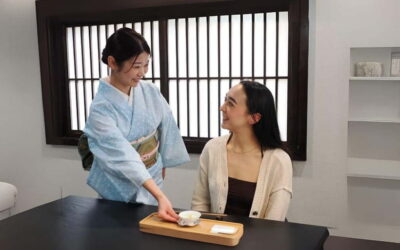 ★ 5.0Tokyo: Traditional Tea Ceremony with a Tea MasterFrom $381 hour
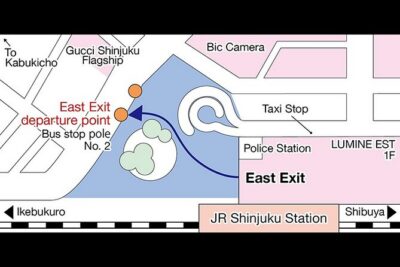 ★ 4.5Dynamic Tokyo: Tokyo Tower, Tea Experience, Bay Cruise Day TourFrom $99
 ★ 4.9Tokyo: Matcha Making Experience with Mochi Sweets in AsakusaFrom $221 hour
 ★ 4.7Tokyo: Matcha and Kimono ExperienceFrom $57
 ★ 5.0Tea Ceremony Workshop in Tokyo by the Experienced InstrucorFrom $38