
Reviewed · MT FUJI DAY TRIPS
Mt. Fuji and Hakone 1 Day Bus Tour + Kimono Experience
Mt. Fuji is the star, but the kimono photo session at Lake Kawaguchi gives this day trip its unusual charm. You change over your regular clothes, choose from colorful and antique-style designs, and pose with Fuji behind you. If clouds hide the mountain, the indoor photo setting keeps the moment from being a total washout.
I like the route’s mix of quiet and spectacle: Kawaguchi Asama Shrine offers cedar trees and a calm approach, while Owakudani gives you steaming vents and the smell of an active volcano. I also like the choice of ending at Kawaguchiko, Hakone-Yumoto, or Shinjuku by reserved Romancecar seat. The main drawback is the long road day, with roughly 11 hours on the go and possible traffic delays.
In This Review
- Key points to know before booking
- Why this $104.34 day trip can be good value
- The early start from Shinjuku
- Fujisan Plaza and the casual kimono session
- Kawaguchi Asama Shrine and its cedar approach
- Lunch at Tabi no Eki Kawaguchiko Base
- Oishi Park for flowers and Fuji views
- Owakudani Valley and the active volcano
- Choosing your ending: Kawaguchiko, Hakone-Yumoto, or Shinjuku
- The guide and the pace of the day
- Weather, clothing, and other practical concerns
- Who should book this Mt. Fuji and Hakone tour
- Should you book it?
- FAQ
- What time and where does the tour start?
- Is lunch included?
- Is the kimono worn over regular clothes?
- Can I return to Shinjuku after the tour?
- Can I end the tour somewhere other than Shinjuku?
- What happens if Mt. Fuji is hidden by clouds?
Key points to know before booking
- Kimono over your own clothes: The experience is casual and easy, but avoid sleeveless tops and check size availability if children are joining.
- A full Fuji and Hakone sampler: You see Lake Kawaguchi, a shrine, a flower park, and Owakudani in one organized day.
- Three possible endpoints: Choose Kawaguchiko Station, Hakone-Yumoto Station, or the reserved Odakyu Romancecar back to Shinjuku.
- Lunch is your responsibility: You get 50 minutes at Tabi no Eki Kawaguchiko, with local food, bakery items, and self-service dining.
- Weather matters: Fuji may be hidden, and the route can change because of traffic or road conditions.
- A guide makes the difference: The tour includes an English-speaking guide. Maki led one recent English departure with an engaging, helpful approach, though the guide is not guaranteed.
Why this $104.34 day trip can be good value
At $104.34 per person, this is not the cheapest way to reach Mt. Fuji. You are paying for a full day of transport, an English-speaking guide, the kimono dressing experience, and the option of a reserved Romancecar ride back to Tokyo. For a first visit, that package can make sense because you avoid piecing together several trains and buses across two popular areas.
The value depends on what you want from the day. If you want long walks, a slow lunch, or time at one Fuji viewpoint, this schedule will feel rushed. If you want a broad first look at Mt. Fuji and Hakone without handling transfers yourself, the price is easier to justify.
The tour is run by Odakyu Fuji Tour, part of the Odakyu Group, which has long experience in the Mt. Fuji and Hakone area. That matters most at the end of the day, when the trip connects with the Odakyu Romancecar. A reserved seat is a welcome comfort after hours on a bus.
The group can be as large as 40 people, and the vehicle may be a large bus, mid-size bus, minibus, or private vehicle depending on numbers. That flexibility helps the operator run the tour, but it also means the feel of the day can vary.
A few more Tokyo tours and experiences worth a look
The early start from Shinjuku
You meet at 8:20 a.m. outside the Odakyu Sightseeing Service Center, just beyond the South Exit ticket gates at Shinjuku Station. Shinjuku is enormous, so give yourself extra time to find the correct exit and meeting point. Arriving at the last minute is risky. Late arrivals may have their reservations canceled.
Use the restroom before gathering. After departure, the vehicle goes directly to Fujisan Plaza for about 1.5 hours without a scheduled restroom stop. This is a small detail, but it can shape the first part of your morning.
The air-conditioned vehicle saves you from managing the first long stretch on your own. You can watch Tokyo give way to the Mt. Fuji area, though traffic may affect the schedule. The operator can change the route or skip a stop if road conditions make the original plan impossible.
Fujisan Plaza and the casual kimono session
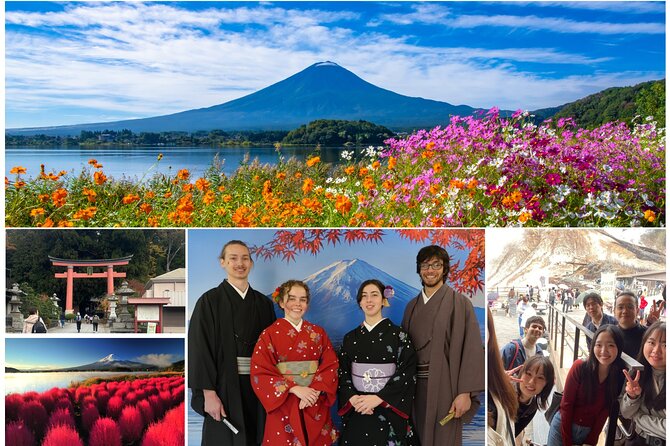
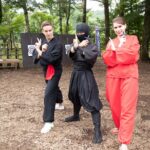
The first stop is Fujisan Plaza, where you choose a kimono from a selection of colorful and antique-style designs. The kimono is worn over your normal clothes, so this is a short cultural activity rather than a full formal dressing appointment.
That distinction is useful. You do not need to plan your entire outfit around it, and you are not expected to spend the day walking in traditional footwear. Still, dress with the kimono in mind. Sleeveless tops are discouraged, especially in summer, because your clothing can show at the neck and arms.
The stop lasts about 20 minutes, so expect a quick choice and a simple fitting. Kimono sizes are limited. If you are booking for children, include their height in the booking remarks so the operator can prepare as well as possible.
The photo session is one of the most memorable parts of the tour when Mt. Fuji is clear. Lake Kawaguchi and seasonal flowers provide the setting, and the kimono gives your photos a clear sense of place. On cloudy or rainy days, an indoor photo setting offers a backup, but you should still book with realistic expectations. No Fuji tour can promise a clear mountain.
Kawaguchi Asama Shrine and its cedar approach
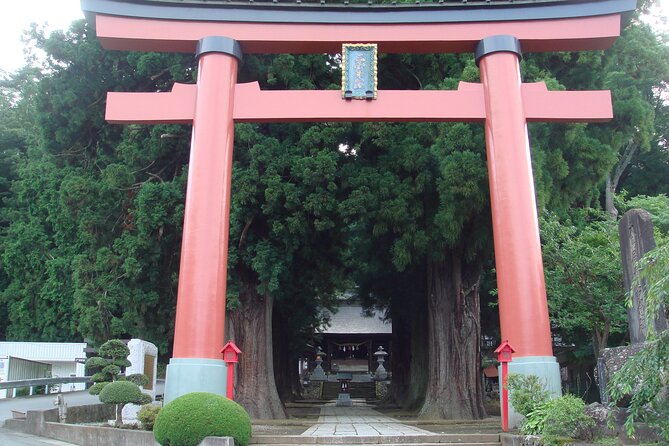
Kawaguchi Asama Shrine was founded to calm a major eruption of Mt. Fuji. The 30-minute visit gives you a very different mood from the photo stop. Instead of posing and sightseeing at speed, you walk into a quiet sacred area lined with cedar trees.
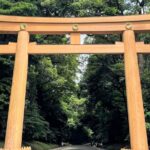
The shrine’s red torii gate provides a strong visual entrance, but the appeal is not only photographic. The approach feels slower and more restrained, which helps break up the day’s busy schedule. This is a good stop for anyone who wants a little cultural context rather than a string of scenic lookouts.
Thirty minutes is enough to see the grounds and take in the atmosphere, but not enough for an extended visit. You will want to keep an eye on the group and return to the vehicle on time. The tour gives you a taste of the shrine, not a deep temple and shrine circuit.
Lunch at Tabi no Eki Kawaguchiko Base
Lunch comes at Tabi no Eki Kawaguchiko Base, a roadside rest area with about 50 minutes to eat. You can choose local-ingredient dishes from a self-service restaurant or pick up something from a bakery for a quicker meal.
Lunch is not included in the tour price. That keeps the booking flexible, since you choose what and when to eat, but it also means you need to budget separately. Fifty minutes is enough for a straightforward meal. It is not a long restaurant stop where you can linger.
If you follow a vegan, vegetarian, halal, or gluten-free diet, or have food allergies, bring your own meal. Special dietary arrangements may not be available at the rest area. This is one of the more important practical warnings in the tour details, since food choices at a roadside stop can be limited.
A few more Tokyo tours and experiences worth a look
Oishi Park for flowers and Fuji views

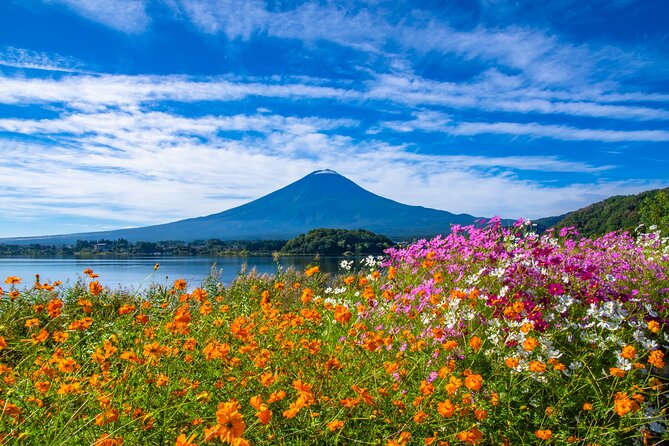
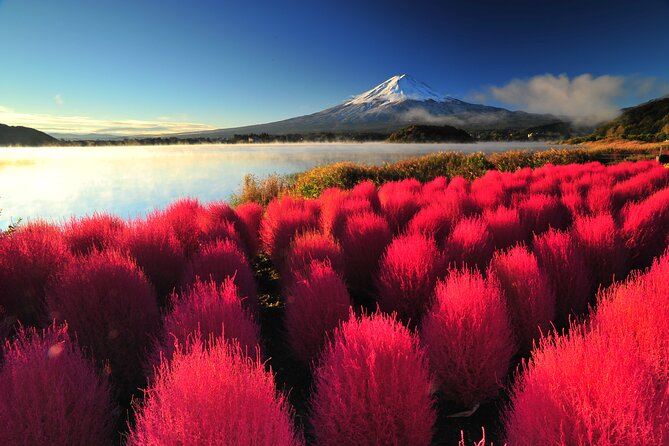
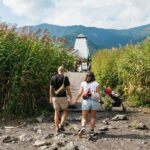
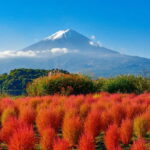
Oishi Park is one of the day’s main photo stops. The park is known for broad views across Lake Kawaguchi, seasonal flowers, and Mt. Fuji when the weather cooperates.
The 30-minute visit is short, but the setting gives you a chance to capture a different side of the mountain. At the kimono stop, your clothing is part of the picture. At Oishi Park, the lake, flowers, and open view take over.
Season makes a real difference here. Flowers frame the view at different times of year, while cloud cover can erase Fuji entirely. The operator does not offer a refund if Mt. Fuji is hidden, so think of the mountain as a welcome bonus rather than a guaranteed part of the product.
The temperature around Lake Kawaguchi can also be lower than in Tokyo. The supplied reference figures list average temperatures of 29.9°C in August, 27.3°C in September, and 20.4°C in October. Check the local forecast and bring a layer, even if Tokyo feels warm when you leave.
Owakudani Valley and the active volcano
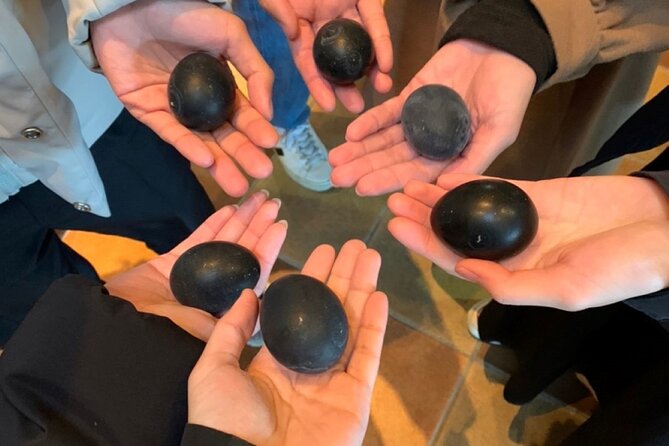
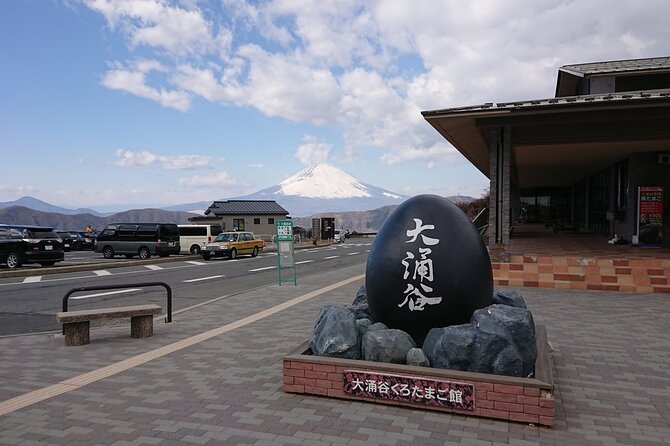
The trip then moves toward Hakone and Owakudani Valley. This is the day’s most dramatic stop in a natural sense. Steam rises from volcanic vents, hot springs bubble below, and sulfur gives the area a strong reminder that you are standing in an active volcanic zone.
You get about 30 minutes here. That is enough to see the steaming ground and take photos, but not enough for an extended exploration. Conditions can affect access, and the schedule may change if roads or local circumstances require it.
Owakudani is a useful contrast to Lake Kawaguchi. Fuji views are about the shape and beauty of a mountain. Owakudani is about heat, gas, rock, and the force below your feet. Seeing both in one day gives the trip more range than a simple Fuji photo excursion.
The stop may also offer another chance to see Mt. Fuji, but again, weather controls the view. Bring a warm layer and sensible shoes. The tour information specifically warns that some locations can be much colder than Tokyo.
Choosing your ending: Kawaguchiko, Hakone-Yumoto, or Shinjuku
One of the smartest features is the choice of endpoint. You can leave at Kawaguchiko Station, finish at Hakone-Yumoto Station, or select the plan that returns you to Shinjuku.
The Kawaguchiko and Hakone-Yumoto options may suit you if you are continuing an overnight stay in either area. Check your accommodation and onward transport before choosing. The tour ends at a different place from where it begins, so this is not a detail to leave until the morning.
For a return to Tokyo, the itinerary transfers you at Odawara Station to the Odakyu Romancecar. The reserved seat is included with the Return to Shinjuku plan. This gives you a more comfortable final leg than staying on a crowded bus through evening traffic.
The transfer at Odawara is listed as about 10 minutes in the schedule. Keep your belongings together and follow the guide’s instructions. The group arrives at Shinjuku Station at the end of the Romancecar journey.
The guide and the pace of the day
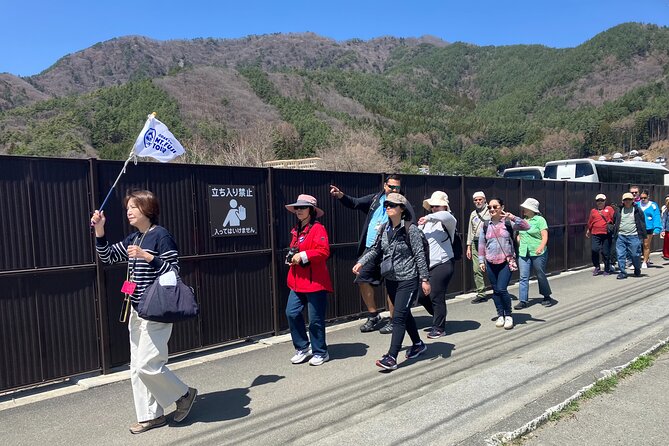
The tour includes a professional English-speaking guide. A recent departure was led by Maki, who was described as helpful, engaged, and passionate about the route. That personal touch matters on a schedule this tight, since clear instructions help you enjoy each stop instead of worrying about where to regroup.
Still, you should expect a group tour rather than a private outing. The maximum group size is 40, and stop times are fixed. You will not be able to linger at Oishi Park until the light changes or spend an hour at the shrine.
I would book this for a first visit when convenience matters. It is especially useful if you want Fuji, a small shrine visit, Hakone’s volcanic scenery, and a cultural activity in one day. It is less suitable if you dislike early starts, buses, fixed departure times, or changing locations often.
Weather, clothing, and other practical concerns
Mt. Fuji is famously changeable from a sightseeing point of view. You may have a perfect view at one stop and clouds at the next. Rain does not cancel the kimono photos because an indoor setting is available, but weather can still change the route and reduce the outdoor experience.
Wear layers and comfortable shoes. The kimono goes over your clothes, so avoid sleeveless tops. Bring any special-diet food you need, since lunch is not included and the roadside stop may not meet every dietary requirement.
Travel insurance is recommended in case of accidents or unexpected problems. The activity is near public transportation, and most people can participate, but the long day and several transfers may not suit everyone.
You can cancel for a full refund if you do so at least 24 hours before the 8:20 a.m. start time. Cancellations or changes made less than 24 hours before departure are not accepted for a refund.
Who should book this Mt. Fuji and Hakone tour
I would choose this tour if you have limited time in Tokyo and want a guided introduction to two major day-trip areas. The kimono session makes it more distinctive than a standard viewpoint tour, while the shrine and Owakudani stops keep the day from being only about photographs.
Families should check kimono sizing and provide children’s heights when booking. Anyone under 18 needs written parental consent, and children under 15, or those not yet in junior high school, must travel with a parent or guardian.
You should think twice if your top priority is a guaranteed view of Mt. Fuji. No operator can control clouds, and the tour clearly states that there is no refund when the mountain is hidden. You should also skip it if you need a fully customized lunch or want a slow, unstructured day.
Should you book it?
Book this tour if you want a well-organized sampler with three strong highlights: kimono photos, Lake Kawaguchi views, and Owakudani’s volcanic steam. The reserved Romancecar option adds real value if you want to return to Shinjuku without arranging the final journey yourself.
Do not book it expecting a relaxed Fuji retreat. The day is long, the stops are short, and traffic or weather can force changes. For a first look at Mt. Fuji and Hakone, though, the combination is appealing, practical, and unusually varied for one day.
FAQ
What time and where does the tour start?
The tour starts at 8:20 a.m. at the Odakyu Sightseeing Service Center outside the South Exit ticket gates of Shinjuku Station.
Is lunch included?
No. Lunch is taken at Tabi no Eki Kawaguchiko Base, where you can buy food from a self-service restaurant or bakery. Bring your own meal if you have special dietary needs.
Is the kimono worn over regular clothes?
Yes. The kimono experience is designed to be worn over your normal clothing. Avoid sleeveless tops, and provide children’s heights when booking because sizes are limited.
Can I return to Shinjuku after the tour?
Yes. Select the Return to Shinjuku plan. A reserved Odakyu Romancecar seat from Odawara Station to Shinjuku is included with that option.
Can I end the tour somewhere other than Shinjuku?
Yes. You can choose to disembark at Kawaguchiko Station or Hakone-Yumoto Station, depending on the plan you book.
What happens if Mt. Fuji is hidden by clouds?
The route may still visit the planned locations, and the kimono photos can use an indoor setting in rainy weather. No refund is provided if Mt. Fuji cannot be seen.
More 1-Day Tours in Tokyo



More Hakone Day Trips in Tokyo
More Mt Fuji Day Trips in Tokyo
More tours in Tokyo we've reviewed











Mt Fuji Day Trips, compared.
 ★ 5.0Mt Fuji and Hakone 1-Day Bus Tour Return by Bullet TrainFrom $163
 ★ 4.0Mt Fuji & Hakone Cruise, Drum Show Bullet Train 1 Day from TokyoFrom $149
 ★ 4.4Tokyo Mt Fuji 5th St & Hakone Cruise Bus Tour w/Bullet TrainFrom $15410 hours
 ★ 4.5From Tokyo: Mount Fuji Full-Day Sightseeing TripFrom $6810 hours
 ★ 4.7Tokyo: Mt. Fuji Tour, Hakone Ropeway, Owakudani, Lake AshiFrom $5410 hours
 ★ 4.4Tokyo:Mt.Fuji,Kawaguchiko Oishi Park,Arakurayama Sengen ParkFrom $5410 hours