
Reviewed · NIKKO DAY TRIPS
Nikko Private SightSeeing Day Tour With Guide (From Tokyo)
Nikko packs a great deal into one long day: a sacred bridge, gilded temple halls, a grand imperial villa, a nearly 100-meter waterfall, and a mountain lake high above the city. The smart part is having a private vehicle for the two-hour trip from Tokyo, since Nikko’s sights are spread across town and the highlands.
I like the private format, which lets your group spend more time at the places that matter most instead of following a fixed bus schedule. I also like the mix of nature and culture: Kegon Falls and Lake Chuzenji give the day fresh air and mountain views, while Toshogu Shrine and Rinno-ji explain Nikko’s spiritual importance. The main drawback is the schedule. Ten hours sounds generous, but Tokyo traffic can eat into your return, and entrance fees add up.
In This Review
- Key points to know before booking
- Why Nikko works so well as a Tokyo day trip
- Akechidaira gives you the big picture first
- Lake Chuzenji brings mountain scenery and quiet
- Kegon Falls is Nikko’s dramatic natural stop
- Tamozawa Imperial Villa shows Japan’s changing style
- Rinno-ji offers a calmer temple visit
- Toshogu Shrine is the cultural centerpiece
- Shinkyo Bridge closes the cultural circuit
- What the private vehicle adds to the day
- The guide can shape the whole experience
- Extra costs and the real price
- Who should book this Nikko outing
- Should you book it?
- FAQ
- How long does the Nikko tour last?
- How many people can join the private tour?
- Is pickup from Tokyo included?
- Is transportation included?
- Are entrance fees included?
- Is lunch included?
- Does the tour include a boat ride on Lake Chuzenji?
- Is the Akechidaira ropeway included?
- How far in advance is this tour usually booked?
- Can I cancel for a full refund?
Key points to know before booking
- A full Nikko sampler in one day: Visit Akechidaira, Lake Chuzenji, Kegon Falls, Tamozawa Imperial Villa, Rinno-ji, Toshogu Shrine, and Shinkyo Bridge.
- Private transport for up to five people: Your group travels together in an air-conditioned vehicle with Wi-Fi, bottled water, parking, and fuel included.
- Strong guide service: Guides including Imran, Moon, Khan, Zeeshan, and Faz Khan have been praised for clear English, local explanations, safe driving, and thoughtful service.
- A long but efficient outing: The tour lasts about 10 hours, including pickup and driving time, with roughly two hours each way between Tokyo and Nikko.
- Extra costs matter: The listed admissions total ¥4,270 per adult if you enter every paid stop, before lunch and any boat or ropeway costs.
- Leave your evening open: Return traffic to Tokyo can be unpredictable, so do not book a fixed-time dinner, show, or airport transfer immediately afterward.
Why Nikko works so well as a Tokyo day trip
Tokyo gives you neon, trains, department stores, and endless neighborhoods. Nikko gives you towering cedars, mountain air, old shrines, and a slower rhythm. The contrast is the point.
Nikko is about two hours from Tokyo by road under normal conditions, though the tour provider wisely counts travel and pickup time inside the 10-hour duration. That means you are not getting 10 hours at the sights. You are getting a full day from your hotel pickup to your return, with the vehicle doing the hard work between scattered stops.
I see the private vehicle as the biggest practical advantage. Nikko’s cultural center and mountain sights are not all clustered together, and public transport adds waiting, transfers, and the need to watch the clock. With a driver, you can carry on from the shrine area to the lake and waterfall without sorting out each connection.
The tradeoff is cost. The price is $751.19 per group of up to five, not per person. For five people, that is about $150 per person before admissions. For two people, the per-person cost is much higher. This makes the tour most attractive to families or small groups that value comfort, flexible attention, and a simple day over the lowest possible fare.
A few more Tokyo tours and experiences worth a look
Akechidaira gives you the big picture first
Akechidaira Observation Area is a strong opening to Nikko’s mountain section. From the lookout, you can see toward Lake Chuzenji, Kegon Falls, and Mount Nantai, giving you a useful sense of how the natural sights fit together.
The scheduled stop is about 30 minutes. That is enough for photographs and a quick look, but not a long walk or relaxed mountain pause. Admission is not included, and the listed price is ¥1,000 per person. The tour material also refers to a panoramic ropeway, and one guest specifically enjoyed the cable-car experience, but you should confirm the exact ropeway arrangement and fee when booking rather than assume it is included.
Weather will shape this stop. Clear conditions should give you the broadest views, while cloud or mist can soften the scene. Either way, Akechidaira helps break up the drive and puts the later lake and waterfall stops in context.
Lake Chuzenji brings mountain scenery and quiet
At 1,269 meters, Lake Chuzenji is described as Japan’s highest natural lake. It is the high point of the day in both altitude and mood, a broad body of water surrounded by mountain scenery.
You have about an hour here, which gives you time to look around at an unhurried pace. The tour overview also includes a boat trip on the lake, but the supplied details do not state whether that boat ride is included in the price or how long it lasts. Ask before departure if the boat is important to you.
This is one of the places where a private tour can adapt well. You might want photographs and a short stroll, or you might prefer to sit near the water and enjoy the change from Tokyo. The hour passes quickly if a boat ride is part of the plan, so make sure you understand how that activity fits with the day’s timing.
Lunch is not included. The tour information points to lunch options around Kegon Falls and Lake Chuzenji. I would plan to eat during this part of the route rather than wait until the return drive. Also carry cash, since several stops may accept cash rather than cards.
Kegon Falls is Nikko’s dramatic natural stop
Kegon Falls drops almost 100 meters and is counted among Japan’s three most beautiful waterfalls. It is also the best-known of Nikko’s many waterfalls, so this stop can be busy and weather conditions can affect the view.
The planned visit is about 30 minutes. That works for seeing the falls and taking photographs, but it is not a long nature walk. Admission is extra at ¥570 per person. Since the schedule is tight, ask your guide how much of the available viewing area fits comfortably into the stop.
The waterfall adds a welcome change after the cultural sites. You are not simply moving from one decorated building to another. You are moving between sacred architecture, a high mountain lake, and a powerful natural feature. That variety is one reason this day feels fuller than a standard shrine visit.
Tamozawa Imperial Villa shows Japan’s changing style
Nikko Tamozawa Imperial Villa Memorial Park offers a different kind of cultural visit. Its 106 rooms blend traditional Edo architecture with early modern Meiji design, and it is described as one of Japan’s largest wooden structures.
You have about 30 minutes here, with admission of ¥600 per person not included. Thirty minutes is enough for an introduction, but you may need to keep moving through the interior. If you care especially about architecture, tell your guide early. A private format is most useful when your guide knows what deserves your attention.
The villa also gives the day historical range. Toshogu is grand and ceremonial, while Tamozawa is connected to imperial life and domestic architecture. The contrast helps you see that Nikko is not just one famous shrine surrounded by scenery.
Other guided tours in Tokyo


Rinno-ji offers a calmer temple visit
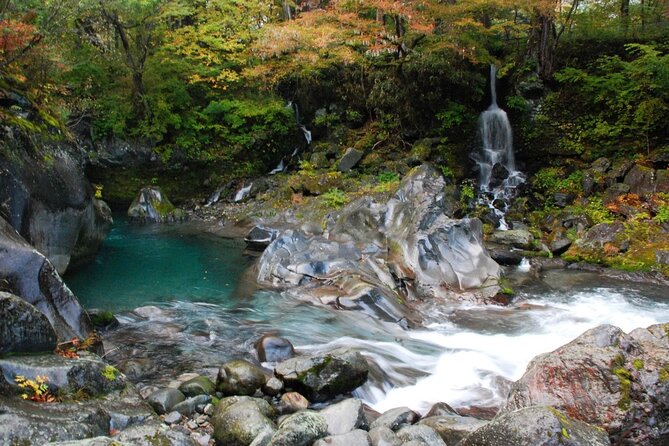
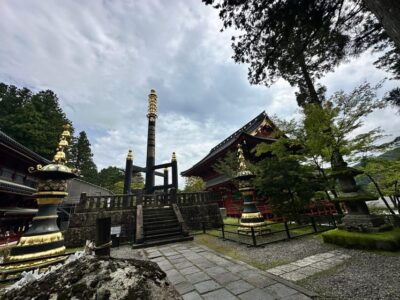
Rinno-ji is described as Nikko’s most important temple. It sits among tall cedar trees and forest, and its main interior draw is a set of three gilded Buddha statues.
The planned visit lasts 30 minutes. Admission is ¥500 per person, for both adults and children according to the supplied pricing details. That short window should be enough to see the principal feature, but it does not allow for a slow, reflective temple visit.
I would listen closely to the guide here. The three statues and the cedar setting are easy to appreciate visually, but context makes the stop more meaningful. Guides such as Moon, Imran, Khan, and Faz Khan have been praised for explaining Japanese history, culture, and religious traditions in clear English. The quality of that explanation matters most at places like Rinno-ji, where the buildings and statues can otherwise blur together during a packed day.
Toshogu Shrine is the cultural centerpiece
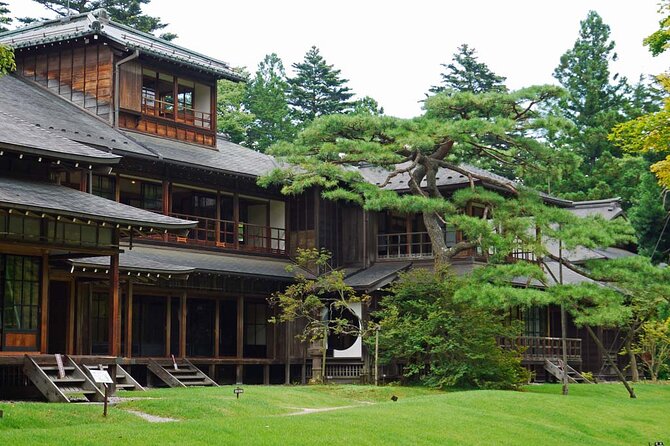
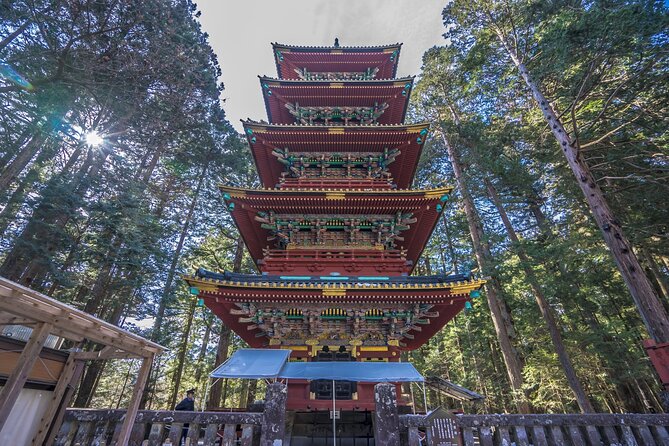
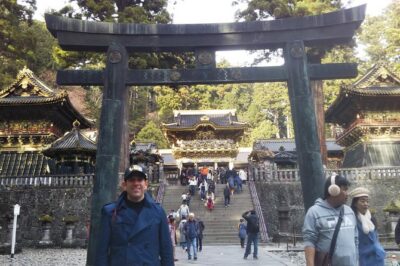
Nikko Toshogu is the memorial shrine to Tokugawa Ieyasu, the founder of the Tokugawa shogunate. It is the most elaborate cultural stop on the route, with richly decorated structures and a five-story pagoda that is one of the easiest features to spot.
The visit is scheduled for 45 minutes, and admission is ¥1,600 per person. That fee is the largest single admission on the day, but Toshogu is also the place most likely to justify the expense. You are seeing the shrine associated with one of Japan’s most powerful historical figures, not just a pretty religious building.
Forty-five minutes gives you a focused look rather than a complete exploration of every detail. If you want to linger over carvings, gates, or the pagoda, tell your guide. The itinerary has seven stops, so time at each site is measured.
This is also where the guide’s role can make or break the visit. Imran has been praised for explaining history and culture while remaining friendly and attentive. Moon has been described as funny, helpful, and good at keeping a family informed. Those personal qualities matter on a long day, especially when you are absorbing a large amount of information.
Shinkyo Bridge closes the cultural circuit
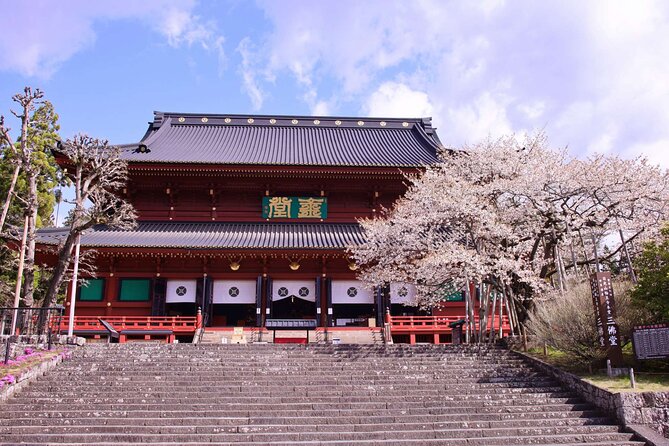
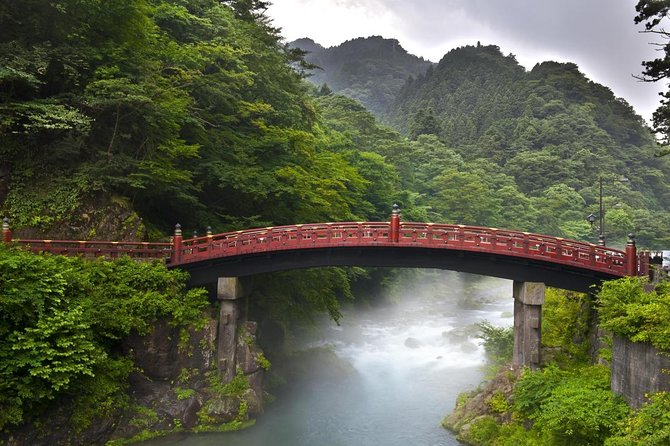
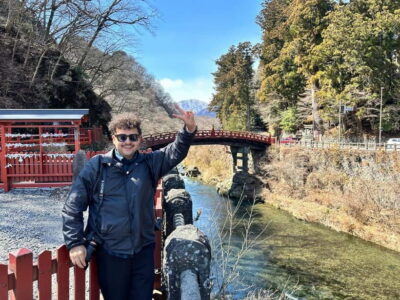
Shinkyo, or the Sacred Bridge, is described as the entrance to Futarasan Shrine and one of Japan’s three finest bridges. Its position gives the day a clear visual finish in the old Nikko area.
You have about 30 minutes here, and there is no admission fee. This is a straightforward photo and orientation stop, but it is not filler. The bridge helps connect the town’s religious sites with the wider sacred area.
Because it comes last in the listed route, it may also be the stop most affected by delays earlier in the day. If traffic or long lines have taken time away, your guide may need to keep the visit brief. The private setup gives you a better chance of making the most of the remaining time, but it cannot change the length of the drive back to Tokyo.
What the private vehicle adds to the day
The tour includes an air-conditioned vehicle, private transport, parking fees, fuel surcharge, bottled water, and Wi-Fi on board. Those details may sound ordinary, but they matter on a 10-hour outing with mountain roads and several stops.
The vehicle also gives your group a place to rest between visits. You can leave shopping bags in the car and avoid repeatedly finding lockers or carrying everything through the shrine district. The supplied feedback describes the vans as new, clean, spacious, deluxe, or luxury. That is especially useful for a family of five, though the listing officially sets the maximum group size at five.
Driving quality is another important point. Imran was specifically praised for careful, safe driving, while Zeeshan was described as accommodating and pleasant company. Khan was praised for going out of his way to make the day special. You should still remember that the driver-guide combination means one person may be handling both navigation and commentary. The precise balance can vary by guide.
The pickup service is convenient, but airport and port pickup is not included, and pickup near those locations is excluded. Confirm your pickup area before booking.
The guide can shape the whole experience
The strongest pattern in the available feedback is the human service. Guides named Khan, Moon, Imran, Zeeshan, and Faz Khan received praise for fluent or clear English, historical explanations, humor, patience, safe driving, and attention to family needs.
That does not mean every guide will conduct the day in exactly the same way. But the experience is clearly designed around a personal driver-guide rather than a recorded audio route. You can ask questions, request more explanation at a shrine, and share your interests.
One group had a guide added for an extra fee after initially arranging an English-speaking driver. That distinction is worth clarifying. Ask whether your booking includes a full guide, a driver who provides commentary, or an optional guide upgrade. The supplied tour description says the experience includes a guide, but the separate feedback shows that guide arrangements may differ.
Extra costs and the real price
The base price is $751.19 per group of up to five people. It includes transport-related costs, bottled water, and Wi-Fi, but not lunch or most admissions.
If you pay for every listed paid stop, the adult entrance fees total:
- Akechidaira: ¥1,000
- Kegon Falls: ¥570
- Tamozawa Imperial Villa: ¥600
- Rinno-ji: ¥500
- Toshogu Shrine: ¥1,600
That comes to ¥4,270 per adult, before lunch and any boat or ropeway charge. For a family, the total can rise quickly, so include these costs in your budget.
The value is strongest when you have three to five people, want door-to-door transport, and do not want to manage trains and buses. Solo visitors or couples focused mainly on saving money may find the price harder to defend. You are paying for time control, comfort, a private group, parking, and guide attention, not simply for admission to Nikko’s sights.
Who should book this Nikko outing
I would recommend it to families, first-time visitors to Japan, and small groups who want Nikko’s main sights without planning a complicated route. It also suits anyone who values a careful driver, a clean vehicle, and a guide who can explain the religious and political background behind the monuments.
It is less suitable if you want a slow temple day, a long hike, or complete freedom at each stop. Seven stops in 10 hours is efficient, but it is also busy. You will see a lot, yet you may not have time to linger everywhere.
Plan for a long return. One review gives the Tokyo to Nikko drive as about two hours, and traffic back to Tokyo can be unpredictable. Keep your evening free. The tour provider offers free cancellation up to 24 hours before the start time, but changes or cancellations inside that window are not accepted for a refund.
Should you book it?
Book this tour if you want to combine Nikko’s major religious sites with Lake Chuzenji and Kegon Falls in one private day. The guide service, comfortable vehicle, and direct transport solve the hardest parts of visiting Nikko from Tokyo.
Before paying, confirm the pickup location, whether a full guide or driver-guide is assigned, and whether the lake boat or ropeway is included. If your group has up to five people and values ease over the cheapest route, this is a strong choice. If you are a couple on a tight budget or prefer to explore at a slower pace, public transport and an overnight stay in Nikko may suit you better.
FAQ
How long does the Nikko tour last?
The tour lasts approximately 10 hours. Pickup time and travel time are included in that total.
How many people can join the private tour?
The tour is private for your group, with a stated maximum of up to five people.
Is pickup from Tokyo included?
Pickup is offered as part of the experience, but pickup from airports, ports, and nearby areas is not included.
Is transportation included?
Yes. The tour includes private transportation in an air-conditioned vehicle, fuel surcharge, parking fees, bottled water, and Wi-Fi on board.
Are entrance fees included?
No. Entrance fees are separate. Listed prices include ¥600 for Tamozawa Imperial Villa, ¥500 for Rinno-ji, ¥1,000 for Akechidaira, ¥1,600 for Toshogu Shrine, and ¥570 for Kegon Falls.
Is lunch included?
No. Lunch is not included. Lunch options are available around Kegon Falls and Lake Chuzenji.
Does the tour include a boat ride on Lake Chuzenji?
The tour description includes a boat trip on Lake Chuzenji, but the supplied details do not specify whether the boat fee is included. Confirm this before booking.
Is the Akechidaira ropeway included?
The supplied information refers to a panoramic ropeway, but it lists an Akechidaira admission fee of ¥1,000 per person and does not confirm that a ropeway ride is included. Ask the provider for the current arrangement.
How far in advance is this tour usually booked?
It is booked, on average, 66 days in advance.
Can I cancel for a full refund?
Yes. You can cancel up to 24 hours before the experience start time for a full refund. Cancellations or changes made less than 24 hours before the start time are not accepted for a refund.
More Private Tours in Tokyo

More Guided Tours in Tokyo
More Nikko Day Trips in Tokyo
More tours in Tokyo we've reviewed



Nikko Day Trips, compared.
 ★ 4.6Nikko: Kegon Falls, Lake Chuzenji & Toshogu TempleFrom $8911 hours
 ★ 4.5Tokyo: Nikko Toshogu Shrine and Kegon Waterfall TourFrom $8410h 30m
 ★ 5.0Nikko Full-Day Private Tour with Government-Licensed GuideFrom $155
 ★ 4.9From Tokyo: Nikko World Heritage Site Private Full-Day TripFrom $4831 day
 ★ 4.3Nikko: Edo Wonderland Edomura Cultural Theme Park TicketFrom $351 day
 ★ 4.8Tokyo: Nikko World Heritage Private Day Trip Hotel Pick-upFrom $39011 hours - 1 day