
Reviewed · MT FUJI DAY TRIPS
Mt. Fuji, Hakone Full-Day Private Tour with English Driver
The big appeal here is simple: you can see Mt. Fuji and Hakone in one long day without juggling trains, buses, and connection times. Your private driver collects your group in Tokyo, handles the roads, and can adjust the order when clouds, closures, or your own priorities get in the way.
I like the freedom to stop for family photos, lunch, or a short walk without waiting for strangers. I also like the comfortable air-conditioned vehicle, especially after the climb to Chureito Pagoda or a full day in the mountain air. The catch is that this route is very ambitious. You cannot count on visiting every listed stop at length, and Fuji views are never guaranteed in cloudy or rainy weather.
In This Review
- Key points to know before booking
- Why this private Fuji day trip works
- The road to Mt. Fuji 5th Station at 2,300 meters
- Lake Kawaguchiko, lunch, and the best Fuji angles
- Chureito Pagoda and its 400-step climb
- Oishi Park on Lake Kawaguchi
- Oshino Hakkai and its clear spring ponds
- Kitaguchi Hongu Fuji Sengen Shrine
- Lake Ashi and the pirate-style sightseeing boat
- Owakudani Valley and volcanic ground
- What $399 per group really buys you
- How to handle the 10-hour schedule
- Who will enjoy this tour most
- Should you book the Mt. Fuji and Hakone private tour?
- FAQ
- How long does the private Mt. Fuji and Hakone tour last?
- How many people can join the private tour?
- Is pickup available in Tokyo?
- Is the driver English-speaking?
- Is the Mt. Fuji 5th Station entrance fee included?
- Are meals included?
- Are the Lake Ashi boat and Kawaguchiko activities included?
- Can the tour visit the summit of Mt. Fuji?
Key points to know before booking
- Private transport for up to six people: The $399 group price can be good value when shared by a family or small group.
- A very full 10-hour route: Fuji 5th Station, five-lake viewpoints, shrines, Lake Ashi, and Owakudani make for a packed day.
- Flexible pacing: Drivers including Wahab, Ali, Sunny, Mustafa, Busal, Adeel, Bilal, and Rioki have been praised for adjusting stops and helping with photos.
- Weather matters: Rain and cloud can hide Fuji, and the 5th Station may close for safety.
- Extra costs are limited but real: The 5th Station fee is 2,100 yen per group. Boat rides, ropeway rides, lunch, and some admission fees cost extra.
- Chureito Pagoda requires effort: You climb about 400 steps for one of the area’s best Fuji photo settings.
Why this private Fuji day trip works
A trip from Tokyo to Mt. Fuji and Hakone is not hard to arrange on your own, but it can be tiring. You need to watch train schedules, change transport, and fit several sites into a region where roads can slow down. A private car removes much of that friction.
The driver meets you at your Tokyo starting point and stays with your group for roughly 10 hours. Gas, highway tolls, bottled water, and private transport are included. That matters most when you are traveling with four to six people, or when someone in your group prefers not to manage a long day of public transport.
The English-speaking driver is part chauffeur, part local helper. The strongest experiences come when the driver explains what you are seeing, recommends a place for lunch, or helps position your group for photos. Wahab was singled out for good conversation and food suggestions. Mustafa was described as courteous and helpful at several stops, while Ali and Sunny were praised for clear communication and patience.
Still, you should set your expectations correctly. This is not necessarily a formal walking tour with long explanations at every site. One account found the driver more of a chauffeur than a guide, and another noted that language skill can vary. If you want detailed cultural interpretation all day, confirm the guide arrangement before you pay.
A few more Tokyo tours and experiences worth a look
The road to Mt. Fuji 5th Station at 2,300 meters
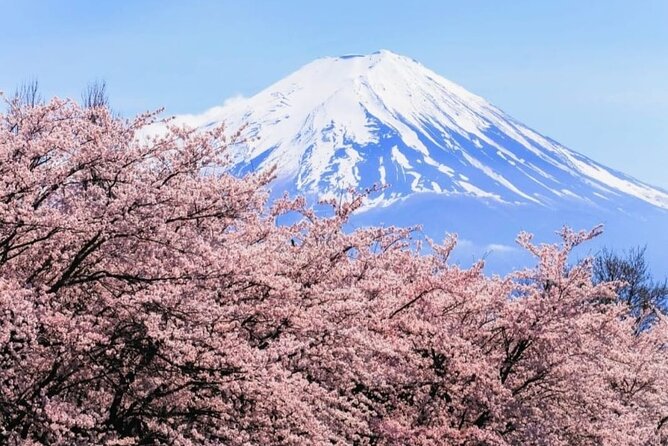
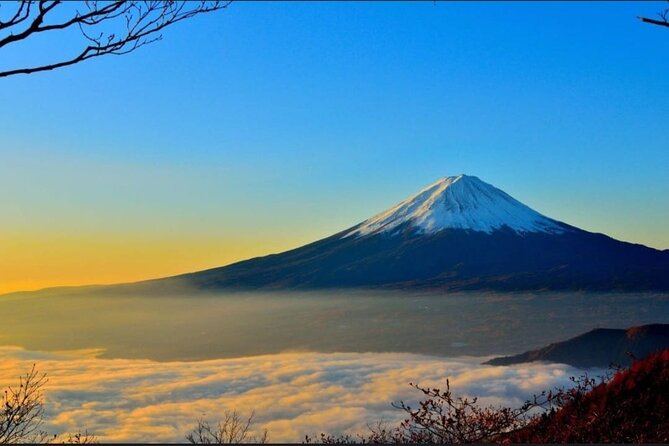
The Mt. Fuji 5th Station is the highest major stop in this plan, at about 2,300 meters. You do not need to climb Fuji to enjoy it. The station gives you a broad view toward the Fuji Five Lakes and offers a sense of the mountain’s scale before you head back down.
The itinerary allows about three hours here, including the suggested trek toward the Yoshida Trail and 7th Station at about 2,700 meters. The route is described as an easy-level walk, but you should still wear shoes with a firm sole and bring a layer. Weather at this height can be cooler and less predictable than in Tokyo.
There is an entrance fee of 2,100 yen per group, and it is not included. The wording around this charge is repeated in the tour details, so budget for it separately.
The larger issue is access. The 5th Station has been closed on some departures, sometimes because conditions were unsafe. Drivers have taken groups to check, only to be told to turn around. If the road is closed, you may be redirected to a lower viewpoint or given more time at another site. That is sensible, but it means you should not book this day solely for the 5th Station.
The proposed walk toward the 7th Station also deserves a reality check. The schedule gives only about an hour to the Fuji trekking stop, and the full summit is not part of this day’s normal plan. A summit climb would need separate arrangements and far more time.
Lake Kawaguchiko, lunch, and the best Fuji angles
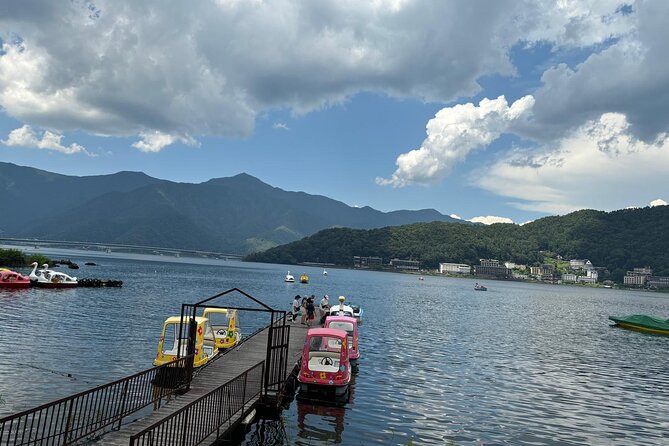
Lake Kawaguchiko sits at roughly 830 meters and usually feels cooler than Tokyo. Its shoreline gives you a softer view of Fuji, with water, open sky, and seasonal color adding variety to your photographs.
You have about an hour here, which is enough for a short walk, a drink, or lunch nearby. Restaurants around the lake make this an easy place to eat, and drivers have recommended places that suited their groups. Lunch is not included, so your choice of restaurant will affect both your budget and your timing.
If you want an activity on the lake, a boat cruise or the ropeway costs about 1,000 yen per person. These options are not included, and adding one may require giving up time at another stop. Ask your driver early in the day if the boat or ropeway is a priority.
I like Kawaguchiko because it gives you a calm break between mountain roads and shrine visits. The drawback is that one hour passes quickly. If you stop for lunch and add a ride, you may have little time left for the shoreline.
Chureito Pagoda and its 400-step climb
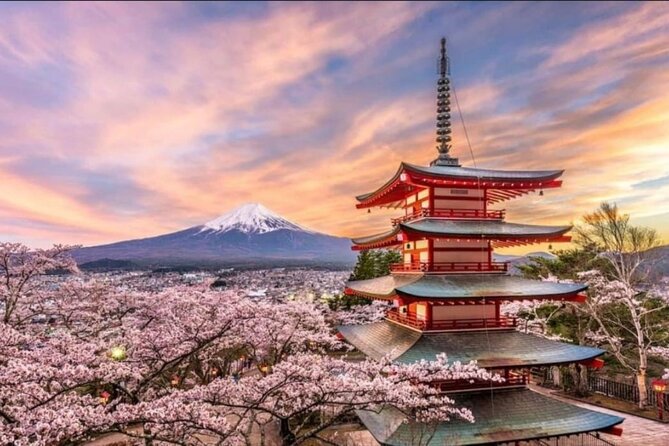
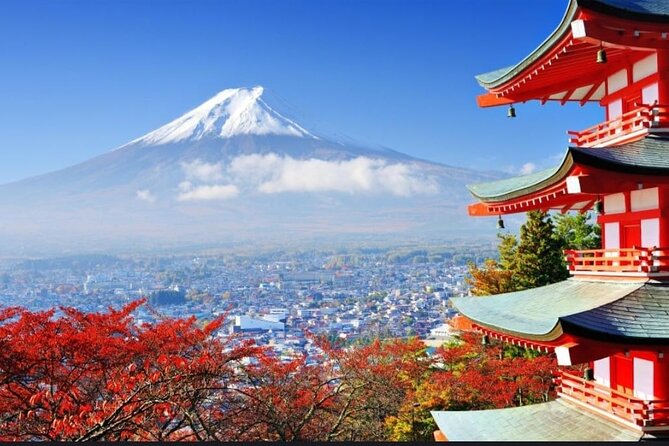
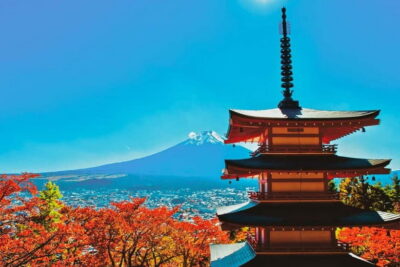
Chureito Pagoda is one of the most recognizable photo stops in the Fuji area. The five-story pagoda sits above Fujiyoshida City, with Mt. Fuji often visible behind it when the sky cooperates. It is part of Arakura Sengen Shrine and was built in 1963 as a peace memorial.
The price is right: admission is free. The effort comes in the form of roughly 400 steps up the mountainside. The climb is manageable for many people, but it is not a flat stroll. Take your time, especially if your group includes young children, older family members, or anyone who has already spent the morning walking.
The steps are part of the experience. You pass through the shrine setting and gain views as you rise, rather than simply arriving at a lookout by car. Plan for about an hour, including the climb, photographs, and time around the shrine.
For many people, this will be the day’s most satisfying Fuji photograph. It is also a good fallback if the 5th Station is closed, though clouds can still hide the mountain.
Oishi Park on Lake Kawaguchi
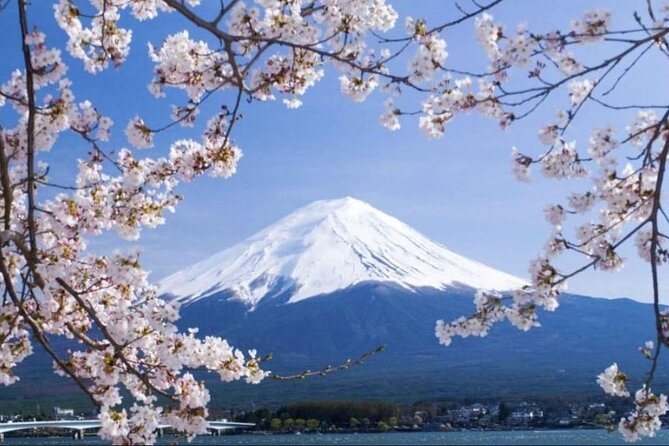
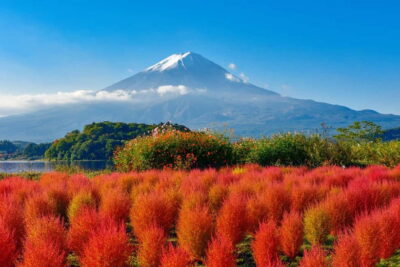
Oishi Park occupies the north shore of Lake Kawaguchi and gives you another broad view of the lake and Mt. Fuji. It is a peaceful stop, with open scenery and seasonal plants adding color to the foreground.
You get about an hour here, but you may not need all of it if the weather is poor. In clear conditions, it is an excellent place to slow down, take photographs, and enjoy the view without a strenuous walk.
The park also shows why this tour needs some flexibility. Fuji may appear clearly at one stop and disappear behind cloud at the next. A patient driver can watch conditions and adjust the order, but no private vehicle can control the weather.
A few more Tokyo tours and experiences worth a look

Oshino Hakkai and its clear spring ponds
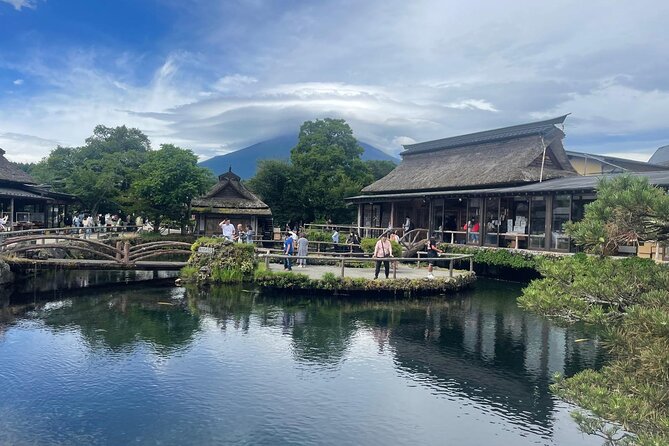
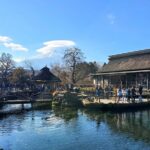
Oshino Hakkai is more than a quick Fuji photo stop. The village has eight ponds fed by snowmelt from Mt. Fuji. The water filters through layers of lava for more than 80 years before reaching the ponds, producing exceptionally clear springs.
You can drink the spring water and walk around the traditional village setting. With favorable weather, Fuji appears close behind the ponds, creating a very different picture from the open views at Oishi Park.
This is a good place to add a little context to the day. You see how the mountain affects the communities around it, not just the mountain’s famous cone. Admission is listed as free, though you will want to keep time for the rest of the route.
Kitaguchi Hongu Fuji Sengen Shrine
Kitaguchi Hongu Fuji Sengen Shrine brings a more spiritual side of the Fuji region into the trip. It is one of about 1,300 Asama shrines dedicated to Konohanasakuya-hime, the goddess associated with Mt. Fuji and volcanoes.
The shrine forms part of the Mt. Fuji UNESCO World Cultural Heritage site, recognized in 2013. Asama shrines are often placed where Fuji can be seen. When the mountain is hidden, miniature Fuji replicas made from rocks from the mountain may appear within the grounds.
This stop is especially worthwhile when clouds have ruined the big mountain views. The shrine still gives you a strong sense of place, and the quiet setting offers a welcome change from crowded photo points. Allow about an hour, though the exact pace should depend on your group’s interest.
Lake Ashi and the pirate-style sightseeing boat
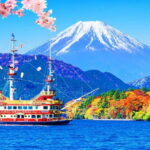
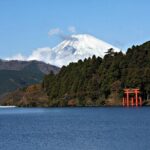
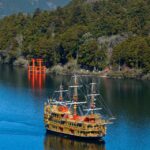
The Hakone portion shifts the mood from Fuji foothills to volcanic lake scenery. Lake Ashi is known for views from the water, including the torii gate of Hakone-jinja Shrine and, in clear conditions, Mt. Fuji.
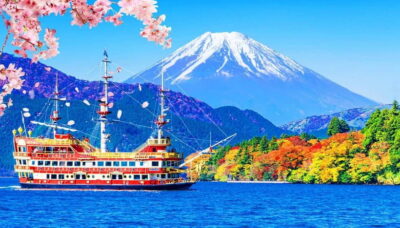
The sightseeing boat is designed like a pirate ship, with three different designs currently in service. Children often enjoy the ship’s pirate details and 3D art, while adults can focus on the lake views. The listed time is 30 minutes, and travel time is included in the itinerary.
The boat ticket is not included. More important, getting from the Fuji Five Lakes area to Hakone takes time. One group had to skip Lake Ashi because adding it would have pushed the day beyond 10 hours. You should decide in advance whether Lake Ashi is essential or simply a pleasant bonus.
If you want both the Fuji Five Lakes and Hakone in one day, accept that each stop will be shorter. If you prefer a slower visit, choose either the Kawaguchiko side or the Hakone side rather than trying to do everything.
Owakudani Valley and volcanic ground
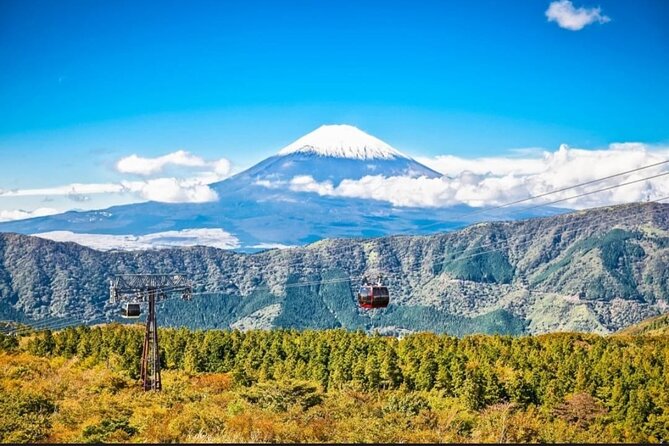
Owakudani Valley is a striking volcanic area where steam rises from sulfurous fumaroles and hot pools. The setting feels very different from the shrines and lakes earlier in the day. You can see signs of geothermal activity close to the walking areas, and scenic routes offer views toward Mt. Fuji and Lake Ashi when visibility is good.
The local specialty is the black egg, cooked in volcanic water. It is said to add years to your life, a bit of folklore that makes a fun snack during a busy day.
The scheduled visit is only about 30 minutes, and admission is not included. That is enough for a brief look, photographs, and perhaps a snack, but not a long hike. Conditions may also affect access, so treat this as another stop that can be shortened or changed.
What $399 per group really buys you
The listed price is $399 per group of up to six, not $399 per person. Six people would pay about $66.50 each before optional admissions and food. Four people would pay about $99.75 each, while a couple would pay nearly $199.50 per person.
That makes the tour most attractive for families and small groups. Splitting a private vehicle, tolls, fuel, and a driver among several people can compare well with buying separate transport and arranging every connection yourself. You also gain door-to-door convenience and do not have to return to Tokyo by a fixed public timetable.
For two people, the price is harder to justify unless you place a high value on privacy, flexibility, and not driving. The included bottled water and tolls are useful, but lunch, the Fuji 5th Station fee, the Lake Ashi boat, the Kawaguchiko boat or ropeway, and Owakudani admission are extra.
Also ask about parking before the day begins. One unhappy experience involved requests for extra private parking charges at two locations. Those charges are not listed among the included items, so clarify any possible parking cost with the provider.
How to handle the 10-hour schedule
The route lists enough places to fill more than a relaxed day once driving, meals, photographs, and tickets are counted. Think of the schedule as a menu of possible stops, not a promise that every location will receive a full hour.
At the start, tell your driver your top three priorities. For example:
- Fuji views and Chureito Pagoda
- Lake Kawaguchiko and Oshino Hakkai
- Lake Ashi and Owakudani
That conversation can prevent the day from drifting. Some drivers have helped groups stop for photographs, change the order, and find lunch. You should still take an active role in choosing what gets protected when time runs short.
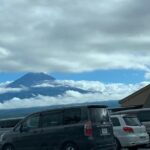
A rainy day can change the entire plan. You may see no Fuji at all, although temples, shrines, ponds, and volcanic sites can still make the outing worthwhile. On a clear day, allow extra time for photographs because the mountain may appear briefly through gaps in the cloud.
Who will enjoy this tour most
I would recommend this for families, groups of friends, and first-time Japan visitors who want a broad sample of the Fuji and Hakone regions without arranging the transport themselves. The private format lets you move at your own pace, take family photographs, and choose lunch without a bus full of strangers.
It also suits people who prefer sightseeing from a comfortable vehicle, with short walks rather than a full day of hiking. Chureito’s steps and the suggested Fuji trail add some exercise, but you can discuss your preferred level of walking with the driver.
I would be more cautious if your main goal is climbing Mt. Fuji, spending hours at a single lake, or receiving detailed guiding at every stop. The summit needs separate planning, and the listed route is too broad for deep time at each place.
Free cancellation is available up to 24 hours before the local start time. Cancellations or changes within 24 hours are not refundable, so keep weather and personal plans in mind.
Should you book the Mt. Fuji and Hakone private tour?
Book it if you want maximum coverage and minimum transport hassle, especially with a group of four to six. The strongest value comes from the private car, flexible routing, and the chance to combine Fuji viewpoints, shrines, lakes, and Owakudani in one day.
Before booking, accept three limits: Fuji may be hidden, the 5th Station may close, and the packed route may force you to skip Lake Ashi or another stop. Confirm the driver’s English ability, ask about possible parking charges, and agree on your priority stops at pickup.
For a small group that understands the day will be fast, this is a practical way to see a lot beyond Tokyo. For a slower, more focused experience, choose fewer sites and spend more time in one area.
FAQ
How long does the private Mt. Fuji and Hakone tour last?
The tour lasts approximately 10 hours, including travel between stops.
How many people can join the private tour?
Up to six people can participate in one private group.
Is pickup available in Tokyo?
Yes. Pickup is offered, and the tour starts in Tokyo, Japan.
Is the driver English-speaking?
Yes. The experience includes an English-speaking driver. Driver and guide names associated with departures include Wahab, Ali, Sunny, Mustafa, Busal, Adeel, Bilal, Rioki, and Zei.
Is the Mt. Fuji 5th Station entrance fee included?
No. The entrance fee is 2,100 Japanese yen per group and is paid separately.
Are meals included?
No. Lunch is not included. Restaurants are available around Lake Kawaguchiko.
Are the Lake Ashi boat and Kawaguchiko activities included?
No. The Lake Ashi sightseeing boat requires a separate ticket. A boat cruise or ropeway at Lake Kawaguchiko costs approximately 1,000 yen per person.
Can the tour visit the summit of Mt. Fuji?
The normal experience includes trekking from the 5th Station toward the Yoshida Trail and 7th Station. A full summit hike requires separate arrangements.
More Private Tours in Tokyo


More Hakone Day Trips in Tokyo
More Mt Fuji Day Trips in Tokyo
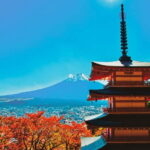
More tours in Tokyo we've reviewed











Mt Fuji Day Trips, compared.
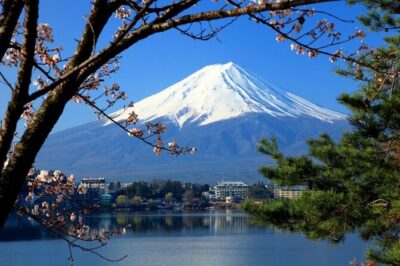 ★ 5.0Mt Fuji and Hakone 1-Day Bus Tour Return by Bullet TrainFrom $163
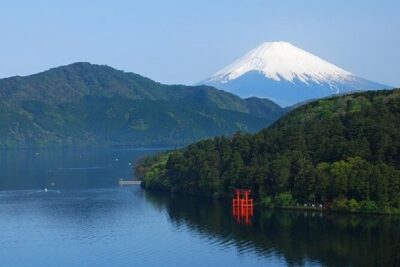 ★ 4.0Mt Fuji & Hakone Cruise, Drum Show Bullet Train 1 Day from TokyoFrom $149
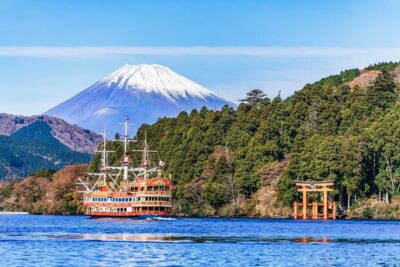 ★ 4.4Tokyo Mt Fuji 5th St & Hakone Cruise Bus Tour w/Bullet TrainFrom $15410 hours
 ★ 4.5From Tokyo: Mount Fuji Full-Day Sightseeing TripFrom $6810 hours
 ★ 4.7Tokyo: Mt. Fuji Tour, Hakone Ropeway, Owakudani, Lake AshiFrom $5410 hours
 ★ 4.4Tokyo:Mt.Fuji,Kawaguchiko Oishi Park,Arakurayama Sengen ParkFrom $5410 hours