
Reviewed · SHINJUKU TOURS
Wagyu & Sake 8 Course Tasting Dinner in Shinjuku
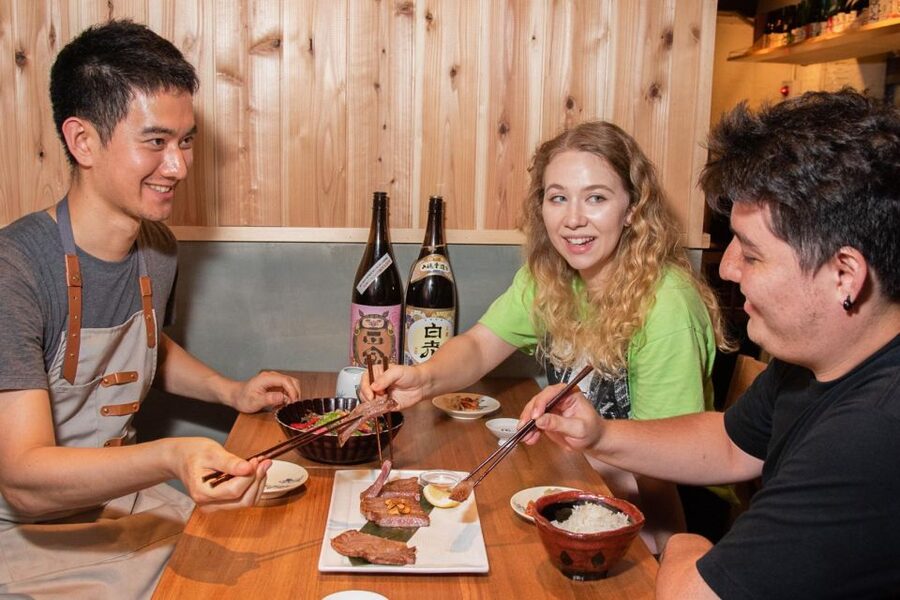
The clever part of this Shinjuku dinner is the pairing lesson: you do not simply eat high-grade wagyu and drink sake. You compare how different sake styles, serving methods, and even wagyu cocktails work with different foods. That turns dinner into a practical introduction to two of Japan’s best-known specialties.
I like the small group of eight, which gives you room to ask questions, and I like the mix of traditional preparations, appetizers, dessert, and several beef cuts. Hosts such as Joe and Chizuru have been praised for making the evening friendly and easy to follow. The main caution is value: one detailed account found only three or four courses were actually wagyu, while the rest were supporting dishes.
In This Review
- Key points to know before booking
- A wagyu dinner with a lesson built in
- Finding Ushinobi Sake Bar in Shinjuku
- The opening courses set up the evening
- Several beef cuts, several cooking styles
- Sake pairing beyond the usual pour
- The hosts make the difference
- Is $145 a fair price in Tokyo?
- Who should book this dinner?
- Practical details for a smooth evening
- Should you book the Wagyu and Sake 8 Course Tasting Dinner?
- FAQ
- Where does the wagyu and sake dinner take place?
- How long does the dinner last?
- How many courses are included?
- Is every course made with wagyu?
- What drinks are included?
- Are extra drinks included?
- Is the tour conducted in English?
- How large is the group?
- Can vegetarians, vegans, or pescatarians join?
- Can children join, and is the activity suitable during pregnancy?
Key points to know before booking
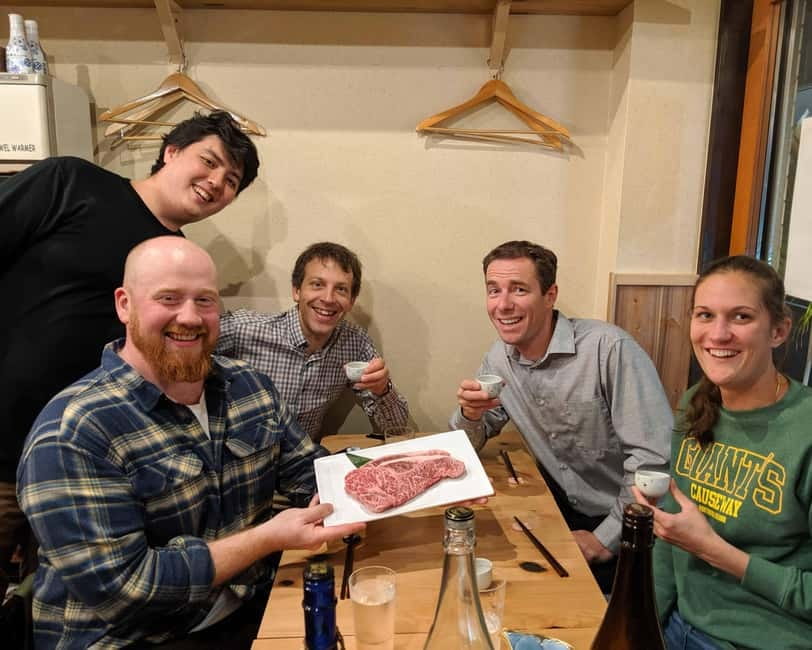
- Eight or more courses, with the menu shaped by Tokyo’s available beef: Expect several wagyu cuts, but not every plate is necessarily wagyu.
- Sake is part of the lesson, not just a drink pairing: You try craft sake in different forms, including cocktails made for beef.
- A small English-speaking group: The maximum is eight people, so the host can explain cuts, regions, and pairings without rushing.
- Hosts bring personality as well as facts: Joe and Chizuru are named by past participants as especially welcoming and clear.
- The dinner lasts 150 minutes: This is a full evening meal, not a quick tasting stop.
- The menu is not flexible for vegetarians: No vegetarian, vegan, or pescatarian option is offered, and children under 18 cannot join.
A wagyu dinner with a lesson built in
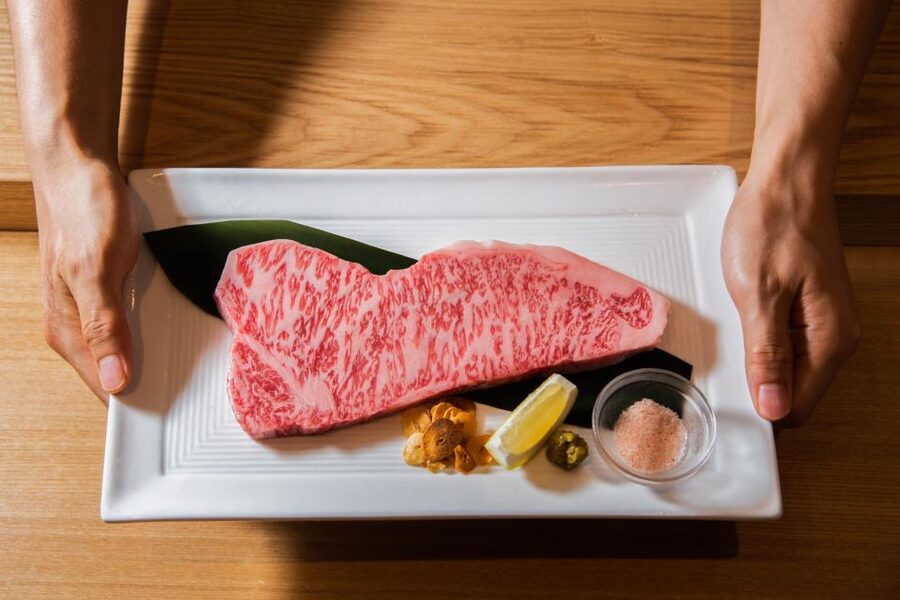
Wagyu can be easy to reduce to one idea: very tender beef with generous marbling. This dinner gives you a broader view. You taste more than one cut and see how preparation changes the meat’s flavor, texture, and richness.
That matters because wagyu is not one single product. Beef from different Japanese regions can vary in reputation and character, and cuts behave differently when prepared in traditional ways. The host explains those regional differences and the history behind Japan’s most prized beef while you eat it.
The same approach applies to sake. Instead of treating sake as a generic rice wine, the evening shows how it can be served in different ways and matched to food. Some pairings are designed to refresh your palate after fatty beef. Others are meant to echo or soften the flavor of the dish.
I would book this for someone who wants context with dinner. If you only want the largest possible steak portion, this is probably not the right format. If you want to understand why one drink suits one cut better than another, the format makes much more sense.
A few more Tokyo tours and experiences worth a look

Finding Ushinobi Sake Bar in Shinjuku
The meeting point is Ushinobi Sake Bar, on the second floor in Shinjuku. Okubo Station, South Exit, is the closest station, listed as JB09. You enter the venue directly on the second floor.
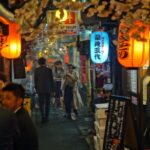
Allow extra time to find the door. The entrance is described as easy to miss, so check the supplied location information before leaving your hotel. This is the sort of small Tokyo detail that can cause needless stress if you arrive with only a few minutes to spare.
The location works well for a food-focused night in the Shinjuku area, but do not assume you can spot the restaurant from a wide, obvious street entrance. I would save the map pin and inspect the entrance image before setting out.
The opening courses set up the evening
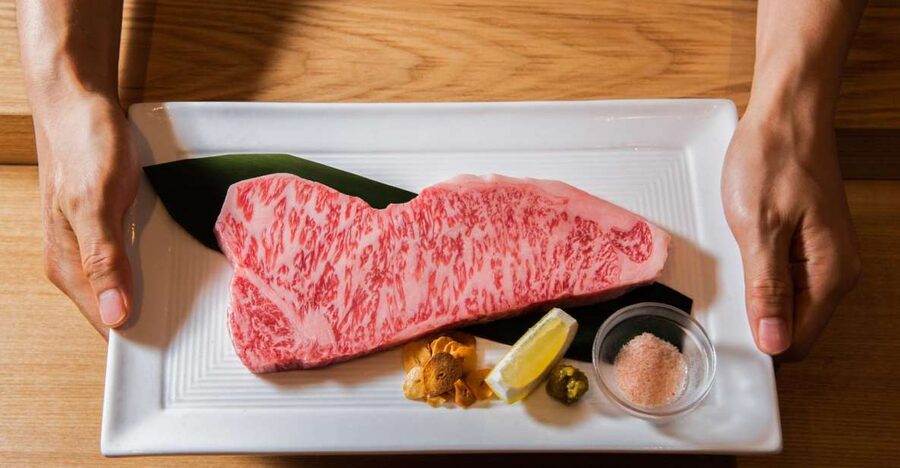
The meal begins with appetizers and an introduction to the evening’s theme. You get the basic vocabulary for wagyu and sake before the more notable beef cuts arrive. That early explanation is useful because it gives you something to look for instead of asking you to judge each plate only by tenderness.
The exact menu is not fixed. It is based on the best wagyu cuts available in Tokyo at the time, so the selection can change with market supply. That is good news if you like seasonal variation, though it means you should not book expecting a named list of cuts.
The first food courses also help prevent the dinner from becoming an unbroken run of rich beef. Smaller dishes, side preparations, and other ingredients create pauses between the heavier bites. A dessert finishes the meal, giving the 150 minutes a proper dinner shape rather than making it feel like a series of isolated samples.
Several beef cuts, several cooking styles
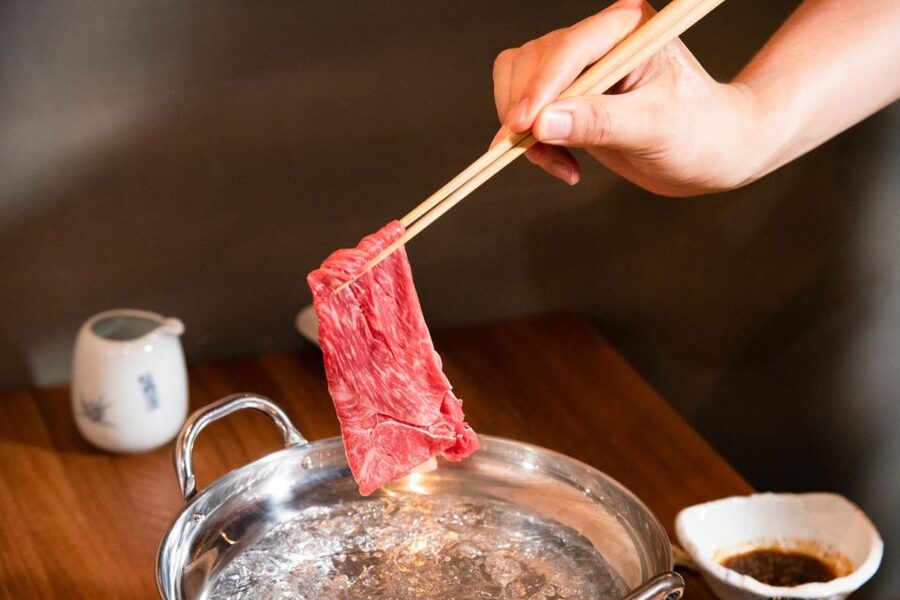
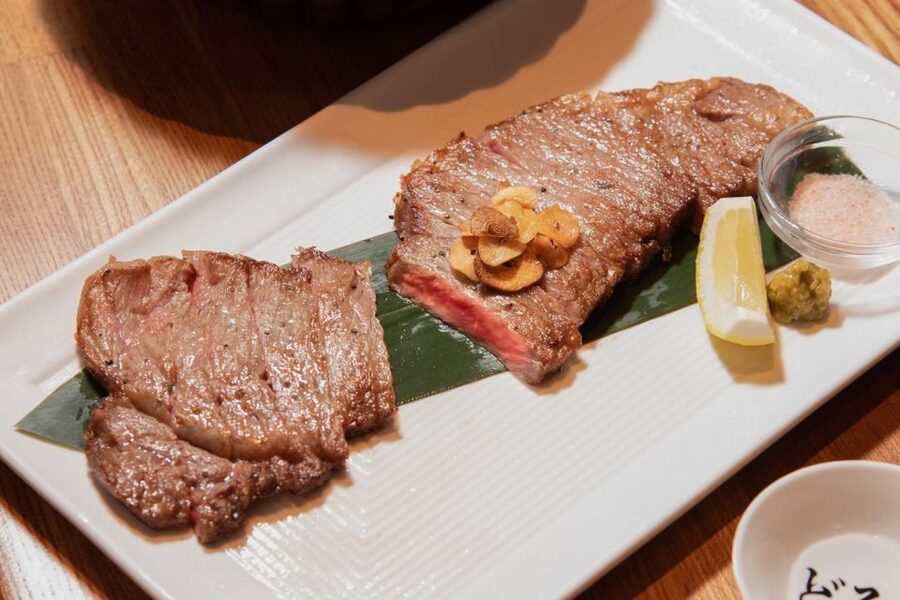
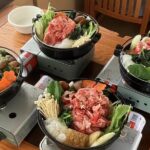
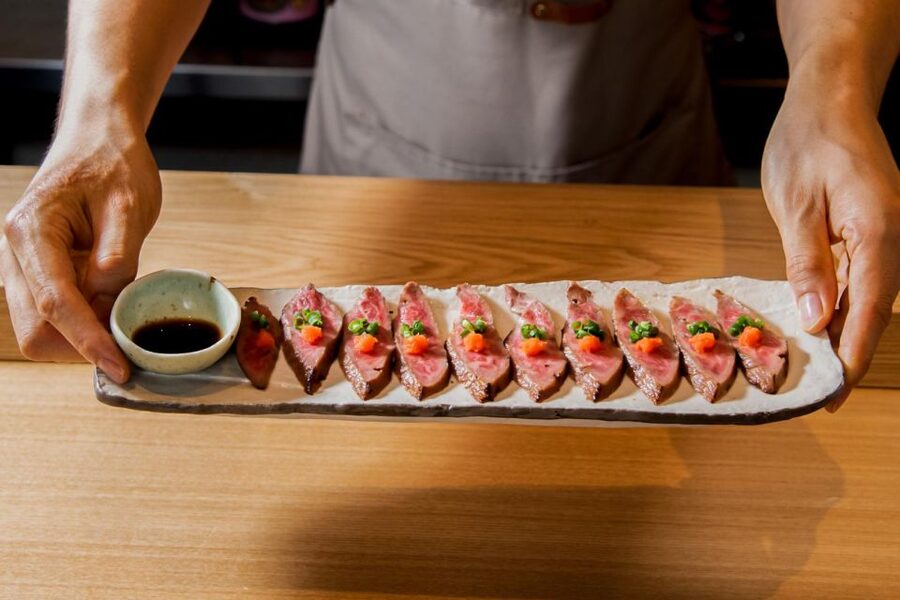
The central part of the dinner is the comparison of multiple wagyu cuts. You taste the beef in different preparations intended to bring out its natural flavor. The point is not only to ask which piece is most tender. You also consider fat, aroma, mouthfeel, and how the cooking method changes the result.
Some diners will love the fatty cuts. Others may find the richness tiring, especially if they are used to leaner beef. One detailed account specifically found some portions too fatty and felt that the meal included fewer wagyu courses than expected. That is a fair warning, particularly at this price.
The wording describes an eight-course meal showcasing wagyu, and the full menu is presented as eight or more courses. Still, the meal includes appetizers, supporting dishes, and dessert. Think of it as an eight-course wagyu-centered tasting dinner, not eight separate plates of premium beef.
That distinction helps set a sensible expectation. The smaller non-beef courses are not filler by default. They give the host a chance to show how sake works with other foods and give your palate a break. But if you are calculating value by the number of wagyu portions alone, you may feel the price is high.
Sake pairing beyond the usual pour
The sake pairing is one of the more useful parts of the evening. You sample Japanese craft sake in several forms and learn how serving style affects the match with food. The pairing is limited, so additional drinks are not included, but the included selection is meant to carry the lesson through the dinner.
You may also try original cocktails created to pair with wagyu. That is a nice touch for anyone who thinks sake is always served in one traditional manner. It gives you a gentler entry point if you are unsure about sake’s flavor or prefer a mixed drink.
I like this format because it treats pairing as a comparison rather than a rulebook. You can notice when a sake cuts through the richness of beef, when it brings out savory notes, and when it simply does not suit your taste. One person may love a particular pairing while another may prefer a different style. The host helps explain the reason without pretending there is only one correct answer.
Soft drinks are available, but the included package is built around sake. Extra drinks cost more. If you want something outside the planned pairing, budget for it separately.
A few more Tokyo tours and experiences worth a look

The hosts make the difference
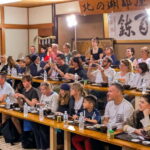
This is a guided dinner, and the host is central to its value. The tour is in English, with a maximum of eight participants. That size should make it easier to ask about a cut, a region, or a sake you do not recognize.
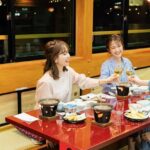
Joe has been singled out for his friendly manner, clear explanations, and ability to match sake with different foods and cuts of beef. His use of slides and notes has helped make the subject less mysterious. Chizuru has also been praised for making people feel welcome while sharing facts about wagyu and sake.
Hosts can change, so you should not assume Joe or Chizuru will lead every date. Their style gives you a useful picture of the evening, though: expect a social class over dinner rather than a formal lecture.
The strongest praise for this activity focuses on the host’s warmth, energy, and ability to answer questions. That is important because wagyu and sake can both feel intimidating when presented as luxury products. A good guide makes the meal more approachable and helps you notice details you might otherwise miss.
Is $145 a fair price in Tokyo?
The price is $145 per person. That is a serious dinner budget, even in Tokyo, so the value depends on what you want from the night.
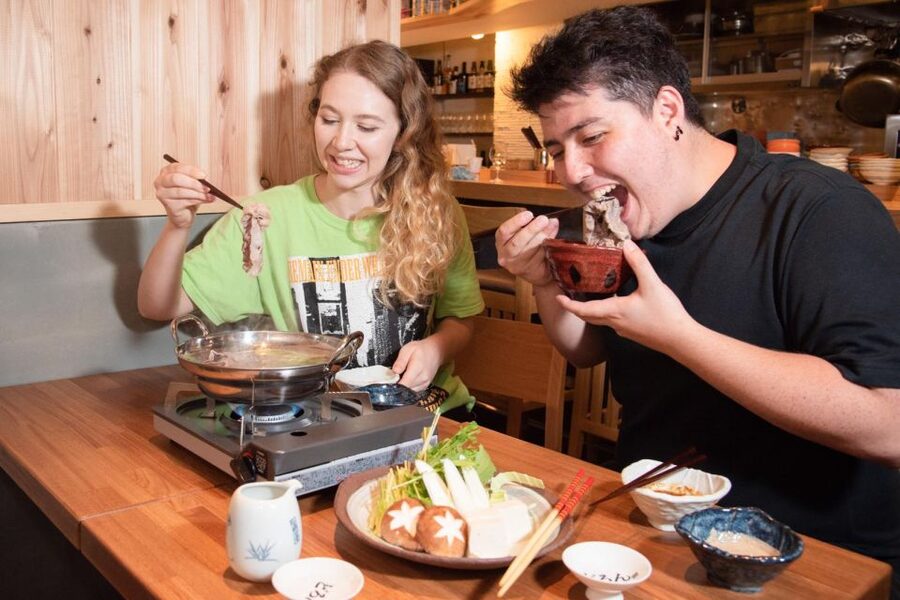
For the right person, the price covers more than food. You receive a 150-minute meal, several wagyu preparations, an included sake pairing, an English-speaking specialist, and a small group capped at eight. You are also paying for the chance to compare regional ideas and pairing choices in one sitting, rather than ordering individual dishes and trying to work out the differences alone.
The value is less convincing if you measure the cost against the amount of wagyu on the plate. The menu includes appetizers, non-beef courses, and dessert, and one detailed assessment found only three or four genuinely wagyu courses. Some cuts can also be very fatty, which will not suit every palate.
I would call it a good value for a food-focused visitor who wants instruction and interaction. I would call it expensive for someone who simply wants a premium beef dinner. Before booking, decide which of those two dinners you are actually seeking.
Who should book this dinner?
This suits adults who enjoy trying unfamiliar food and want a guided introduction to Japanese beef and sake. It is especially useful early in a Japan trip, when you can use what you learn at later restaurants and izakayas.
It also suits couples and small groups who want a structured evening without joining a large bus tour. With only eight places, the mood should be more personal, and the host has a better chance of adapting explanations to your questions.
You should think twice if you dislike fatty meat, avoid alcohol, or expect every course to feature wagyu. There are soft drinks, but the main design is a sake pairing. Vegetarians, vegans, and pescatarians cannot be accommodated, and the activity is not suitable for anyone under 18 or for pregnant women.
Practical details for a smooth evening
The dinner takes 150 minutes, so keep the rest of your evening light. You will get more from it if you arrive hungry but not rushed.
Book with the meeting point in mind. Ushinobi Sake Bar is on the second floor, and the entrance is not immediately obvious. Use the map link and entrance guide before you leave, particularly if you are walking from another part of Shinjuku.
The activity offers free cancellation up to 24 hours before the start for a full refund. You can also reserve now and pay later, which is useful if your Tokyo plans are still moving around. Check the available start times when selecting a date.
Should you book the Wagyu and Sake 8 Course Tasting Dinner?
Book it if you want an evening lesson wrapped inside a polished dinner. The small group, English guidance, regional beef discussion, and sake comparisons give you more than a standard restaurant meal. Joe and Chizuru have also set a high bar for friendly hosting.
Skip it if you want eight full wagyu portions, dislike rich beef, or consider $145 too much for a meal that includes several supporting courses. The safest expectation is an eight-course, wagyu-centered tasting with limited sake pairings, not a nonstop parade of premium beef.
For curious food lovers, I think the format is worth considering. Go for the explanations and comparisons as much as the meat. That is where this Shinjuku dinner earns its price.
FAQ
Where does the wagyu and sake dinner take place?
It takes place at Ushinobi Sake Bar in Shinjuku, on the second floor. The closest station is Okubo, South Exit, station code JB09.
How long does the dinner last?
The activity lasts 150 minutes.
How many courses are included?
The meal is described as an eight-course or more tasting dinner. It includes multiple wagyu cuts, appetizers, other food courses, and dessert.
Is every course made with wagyu?
No specific promise says every course is wagyu. The dinner showcases multiple wagyu cuts, but it also includes appetizers, supporting dishes, and dessert. One detailed account found roughly three or four courses were actual wagyu.
What drinks are included?
A limited sake pairing is included, with Japanese craft sake served in several ways. Soft drinks are available.
Are extra drinks included?
No. Drinks beyond the included sake pairing are not included.
Is the tour conducted in English?
Yes. The activity has an English-speaking live guide.
How large is the group?
The group is limited to eight participants.
Can vegetarians, vegans, or pescatarians join?
No. The meal does not offer vegetarian, vegan, or pescatarian options.
Can children join, and is the activity suitable during pregnancy?
Children under 18 cannot join, and the activity is not suitable for pregnant women.
More Dinner Experiences in Tokyo
More Dining Experiences in Tokyo
More Shinjuku Tours in Tokyo

More tours in Tokyo we've reviewed





Shinjuku Tours, compared.
 ★ 5.0Tokyo: Shinjuku Food Tour (13 Dishes at 4 Local Eateries)From $86
 ★ 5.0Tokyo Bar Hopping Tour in Shinjuku (All-You-Can-Drink + Dinner)From $106
 ★ 4.9Tokyo: Shinjuku Food Tour (15 Dishes and 4 Eateries)From $853 hours
 ★ 5.0Best of Shinjuku: Izakaya Food Tour (4 Stops, 14+ Tastings)From $92
 ★ 4.9Tokyo: Shinjuku Local Bar and Izakaya Guided Walking TourFrom $343 hours
 ★ 5.0Tokyo Shinjuku Chopsticks Making ClassFrom $20