
Reviewed · CRAFT WORKSHOPS
Tokyo: Kintsugi Art Repair Workshop
Broken pottery gets a second life in this compact Tokyo workshop. You repair ceramic with filler, sanding, and metallic paint, following the Japanese idea that a crack can become part of an object’s beauty rather than something to hide. The finished piece goes home with you.
I like the small groups of up to five, which gives the instructor time to guide each hand. I also like the quiet setting inside Nihonbashi Mutoh Main Store, with its own ceramics, lacquerware, and Japanese goods to browse afterward. The main consideration is time: 90 minutes is enough for a shortened workshop, not a complete traditional kintsugi restoration.
In This Review
- Key points to know
- Why kintsugi makes a good Tokyo souvenir
- What happens during the 90-minute session
- Choosing or examining the pottery
- Reattaching and filling
- Smoothing the repair
- Applying the metallic seam
- The teaching style and language support
- The atmosphere inside Nihonbashi Mutoh Main Store
- What the $125 price includes
- Bringing a treasured piece from home
- Who will enjoy this workshop most
- Practical booking advice
- Should you book the Tokyo kintsugi workshop?
- FAQ
- How long does the kintsugi workshop last?
- Where is the meeting point?
- Is the workshop taught in English?
- Can I bring my own pottery to repair?
- What should I bring?
- Can children take part?
Key points to know
- You work on real repair steps: Reattach pieces, fill chips, smooth surfaces, and apply metallic color along the seams.
- The group is limited to five: Instruction can be personal, and some sessions may feel almost private.
- English support is provided: The Japanese instructor demonstrates the craft, with English interpretation available.
- Bring your own ceramic only if it fits: The vessel must be no larger than 15 centimeters across and 15 centimeters high, with one or two cracks.
- The finished object is mainly decorative: It may hold dry food, but it is not intended as an everyday food-safe vessel.
- The shop adds cultural context: You can see and buy ceramics, lacquerware, tenugui, chopstick sets, table linens, and bento boxes.
Why kintsugi makes a good Tokyo souvenir
Many Tokyo souvenirs are easy to pack but quickly lose their connection to the place. A kintsugi piece has a different quality. You help repair it by hand, and the visible seam records the work you did in Japan.
Kintsugi traditionally uses lacquer and gold to repair cracked pottery. In this workshop, the 90-minute format uses a shortened approach suitable for visitors. You still practice the recognizable stages of repair, but you should not expect the long curing and polishing process of a professional restoration.
That distinction matters. Traditional kintsugi can take about a month, as one session explained, while this workshop creates a finished decorative object within a much shorter visit. The result is not a museum-quality restoration, but it is a personal piece of Japanese art and a useful introduction to the craft.
The workshop also gives you something that a standard sightseeing stop cannot: quiet, focused time. You sit down, listen to instructions, and work carefully with your hands. Several people found the process calming, almost like meditation, which makes this a good break from Tokyo’s crowded streets and packed train rides.
A few more Tokyo tours and experiences worth a look

What happens during the 90-minute session
The exact order can vary with the object and the instructor, but the practical flow follows the main repair stages.
You begin at Nihonbashi Mutoh Main Store, in the Nihonbashihoncho area of central Tokyo. The meeting address is 1-8-13 Nihonbashihoncho, Chuo City. The store itself sells Japanese craft goods, so allow a few minutes to locate the workshop area and settle in.
Arrive at least five minutes early. The class starts promptly, and the end time cannot be extended if you are still working. That is especially important if you bring your own damaged vessel. A large crack, several broken sections, or a complicated chip may take longer than the allotted session.
Choosing or examining the pottery
If you use a piece supplied at the workshop, you can choose from available options. The selection may include different shapes and repair possibilities, so ask the instructor what can realistically be completed during the session.
You may also bring your own ceramic vessel. It must be ceramic, no more than 15 centimeters in diameter and 15 centimeters high, with one or two cracks. Chipped or cracked mug handles cannot be repaired, so do not bring your favorite coffee mug if its handle is the problem.
A vessel with a simple crack is the safest choice for a first class. If the piece has broken into many fragments, extensive damage, or a large missing section, you may only complete part of the process. The workshop can still show you how the repair works, but you should not assume the item will be ready to take home in finished form.
Reattaching and filling
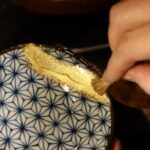
The hands-on work can include putting broken sections back together and securing them with the appropriate adhesive. You may use putty to fill a small gap or rebuild a chipped area.
This stage rewards patience. Pieces must line up properly, and a rushed repair can leave an uneven surface beneath the final metallic line. The instructors provide materials little by little, then refill them when needed. That keeps the work area manageable and helps you avoid wasting supplies.
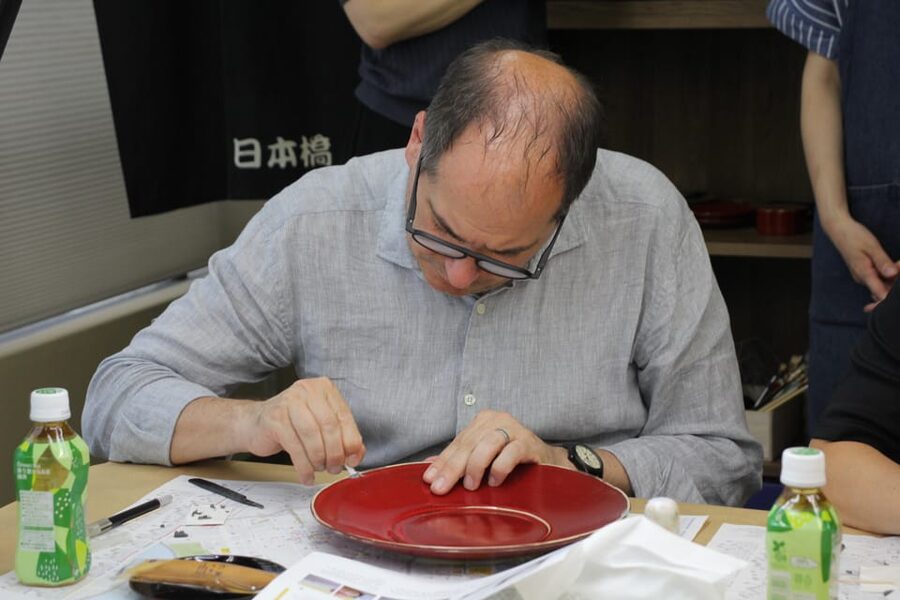
The teaching style is practical. The instructor demonstrates the step, then guides you as you try it. English interpretation is included, and the workshop has received particularly strong praise for patient explanations and careful assistance. One instructor named Hijiri was singled out for being kind, calm, and helpful, while other sessions used an English-speaking host alongside a Japanese craft instructor.
Smoothing the repair
Once the filler has been applied, you may sand the surface so the repair feels and looks smoother. This is a small but important part of the process. The gold or metallic color will draw attention to the seam, so rough edges can become more visible rather than less.
Do not expect a flawless factory finish. The point is to make a personal object whose repaired line remains visible. If you enjoy precise craft work, this stage may be the most satisfying part. If you prefer quick results, it may feel fiddly, especially if you are trying to finish within a tight time limit.
A few more Tokyo tours and experiences worth a look





Applying the metallic seam
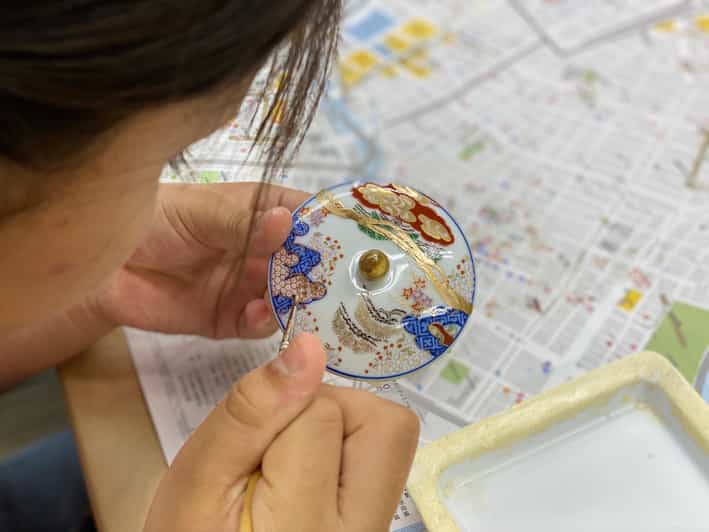
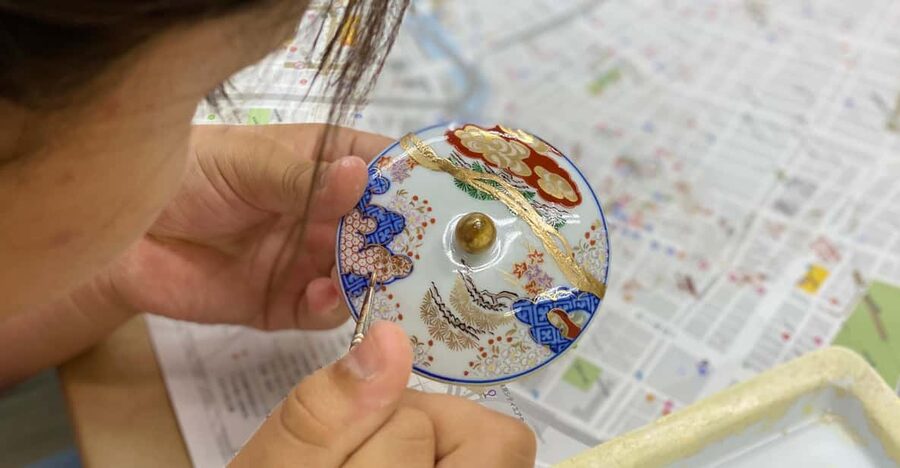
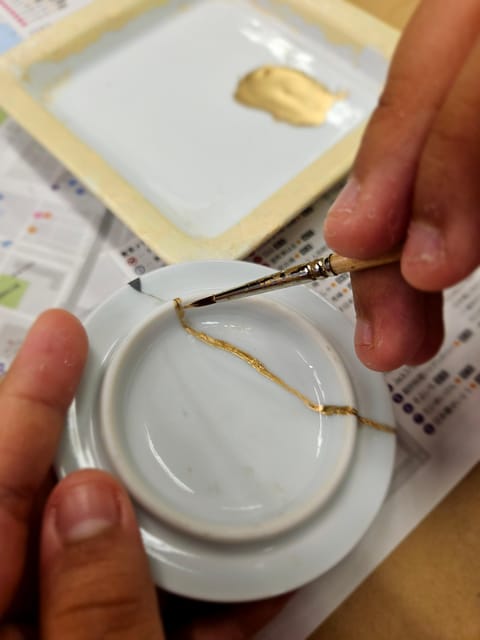
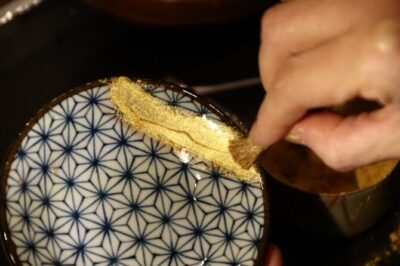
The final visual step is painting the repaired lines with a metallic color. This creates the familiar kintsugi effect, turning the break into the main design feature.
You are not simply covering damage with decoration. The metallic seam marks the place where the object was changed. That is why the finished bowl or vessel feels personal even when the original pottery was supplied by the workshop.
The class is designed so you can complete a piece during the visit, but the exact result depends on the vessel, the number of cracks, and your pace. Some participants have made two pieces, while others have repaired an item brought from home. Those outcomes are possible, not guaranteed, so I would plan around one completed piece.
The teaching style and language support
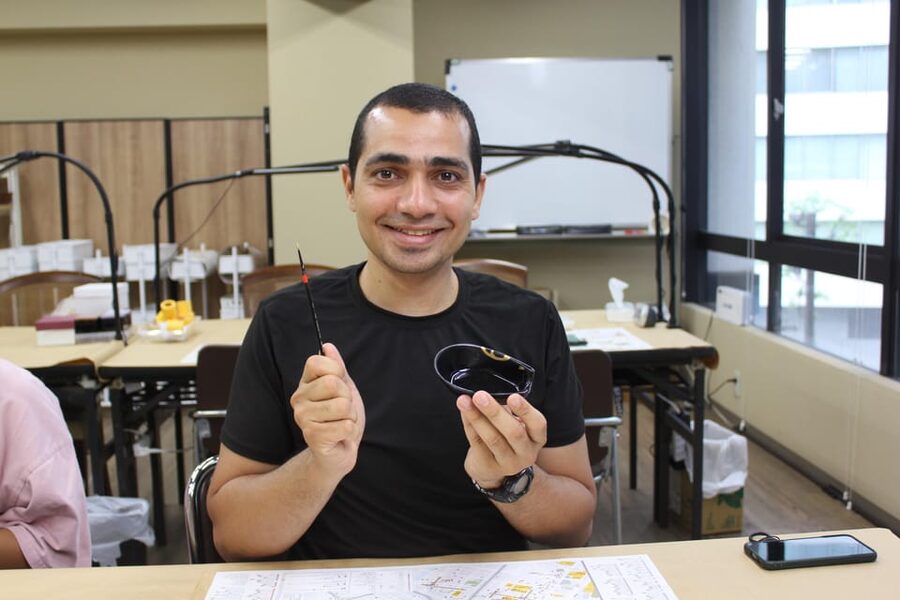
The workshop is conducted in English, with an English-speaking instructor or interpreter available. In some sessions, a Japanese instructor leads the practical demonstration while another person translates. This arrangement gives you direct access to the craft process while keeping the instructions clear.
The teaching is hands-on rather than lecture-heavy. You learn the history and meaning of kintsugi as you work through the repair. If your main goal is a long cultural talk about Japanese craft, this may feel brief. One participant found the workshop more focused on making than on theory and suggested reading about kintsugi beforehand.
That is useful advice. Spend a few minutes learning the basic idea before you arrive, then use the class to understand how the repair actually feels in your hands. You will get more from the instructor’s comments when you already know why the gold seam matters.
The small group limit is a real advantage. With no more than five participants, the instructor can watch how you handle each stage and step in before a mistake becomes permanent. Some classes have only two or three people, creating a quiet, almost private lesson. The experience can be less personal when the full group is present, but the cap still keeps it manageable.
The atmosphere inside Nihonbashi Mutoh Main Store
This is not a noisy, theatrical attraction. It takes place in a quiet shop and workshop in central Tokyo. That calm mood suits the craft. You need steady hands and a little concentration, and the setting gives you room to work without a crowd watching.
The shop is part of the appeal. After the class, you can browse finished kintsugi works, new ceramics, lacquerware, and practical Japanese gifts. Tenugui with seasonal designs, chopstick sets and rests, table linens, and bento boxes are among the kinds of items available.
I would not treat the store as a separate sightseeing destination unless you already enjoy Japanese craft shopping. Its value is that it extends the workshop. You see the difference between an object made by a professional and the piece you have just repaired, then you can look for a small gift without making another stop across town.
The location is also practical. The experience is described as about 15 minutes by subway from Asakusa, making it a reasonable addition to an Asakusa day or a central Tokyo itinerary. Check the route and allow time to find the correct building. Central Tokyo addresses can be confusing, and being five minutes early matters here.
What the $125 price includes
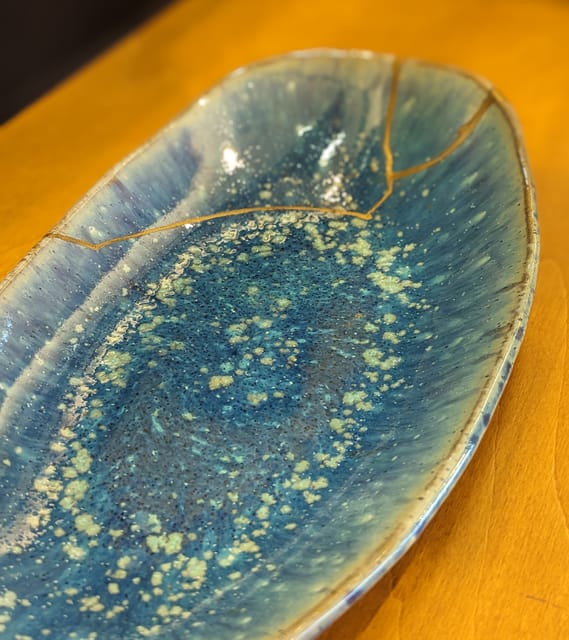
At $125 per person, this is not a bargain activity in the ordinary sense. You are paying for a professional instructor, workshop materials, interpretation, a small group, and a finished souvenir. The price makes more sense if you value personal instruction and want to make something rather than simply buy it.
All materials are provided, so you do not need to pack tools, filler, paint, or protective equipment. Wear comfortable clothes, since you will be seated and working with craft materials. The supplied information does not require special clothing beyond that.
The souvenir is part of the value. A shop-bought bowl may be cheaper, but it will not carry the memory of choosing a repair, handling the materials, and adding the metallic seam yourself. If you are comparing this with another cultural class, the compact length is useful: you can fit it into a day without giving up half your sightseeing schedule.
There are limits to what the price promises. This is a short visitor workshop, not professional training. You will not master every traditional technique in 90 minutes, and your piece may not have the durability or finish of a full traditional restoration. The completed item can hold dry food, but it is mainly for decoration, so do not plan to use it as an everyday serving bowl.
Bringing a treasured piece from home
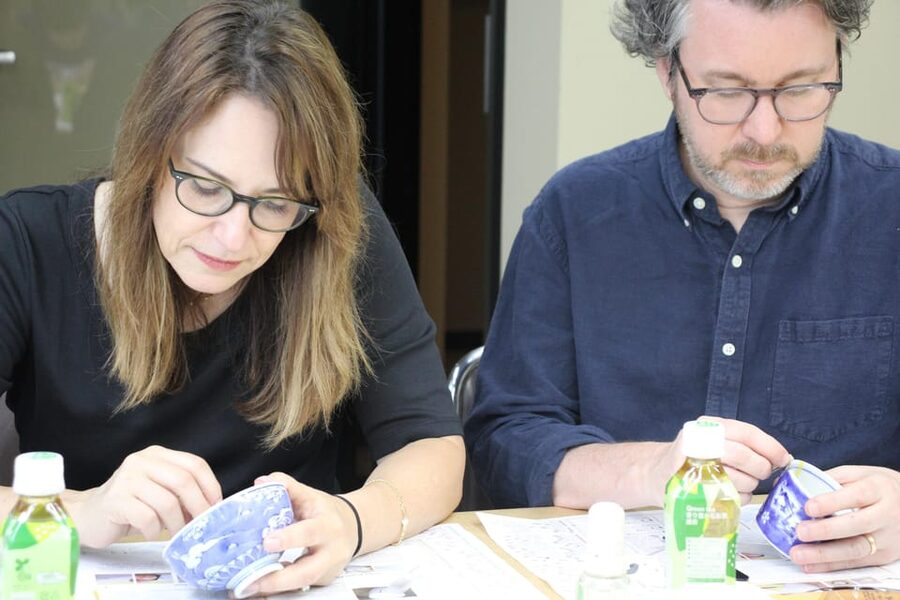
The option to bring your own vessel gives the class extra meaning, but it also adds risk. You may repair a ceramic object that matters to you, yet the workshop cannot promise completion if the damage is too extensive.
Use the size rules as a firm checklist:
- Ceramic vessels only
- Maximum diameter of 15 centimeters
- Maximum height of 15 centimeters
- One or two cracks
- No cracked or chipped mug handles
A small bowl, plate, or simple ceramic cup with a limited crack is more suitable than a large heirloom or a vessel broken into many pieces. If you are unsure, choose the provided pottery instead. You will still learn the process and leave with a finished keepsake.
If your own object requires more time, the workshop cannot run past its scheduled end. Some repaired pieces need additional curing time, and one class arranged protective boxing for work that needed a week before it was fully set. Ask the instructor about your piece at the start, rather than waiting until the final painting stage.
Who will enjoy this workshop most
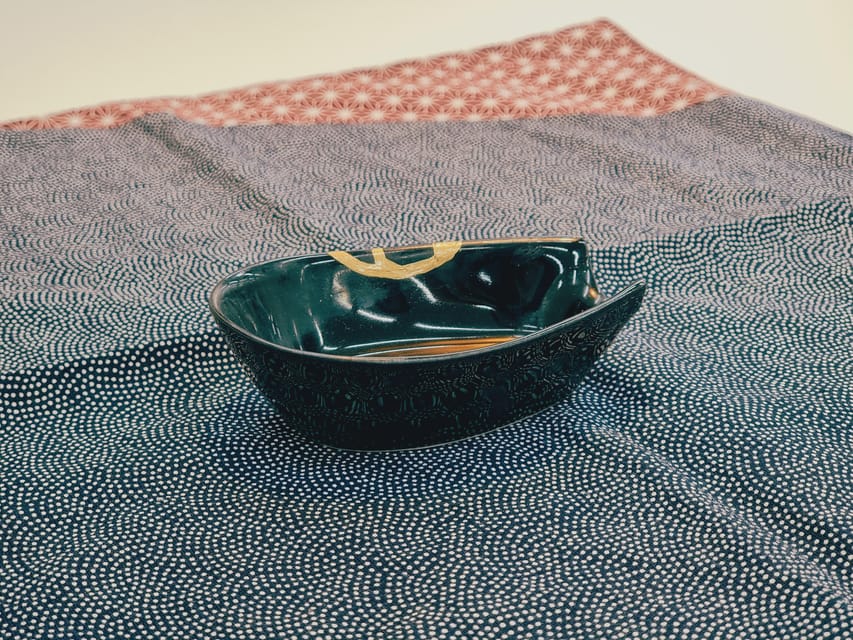
I would recommend it to adults and teenagers aged 13 and up who like craft, design, Japanese culture, or unusual souvenirs. Minors must be accompanied by a guardian, and children under 13 cannot take part.
It also suits couples, friends, and solo visitors. A pair may receive especially close attention when the group is not full, while solo participants can work at their own pace within the class schedule. The quiet format makes it a good choice when you need a slower activity between major Tokyo sights.
You will get the most from it if you enjoy learning by doing. The class gives you a basic explanation of kintsugi, then puts materials in your hands. It is less suitable if you want an extended history lesson, a full professional restoration, or a guaranteed repair of a complicated family heirloom.
People who dislike small, careful manual tasks should think twice. The work is relaxing for some and fiddly for others. You need to listen closely, follow the steps, and accept that the final object will show your hand in it.
Practical booking advice
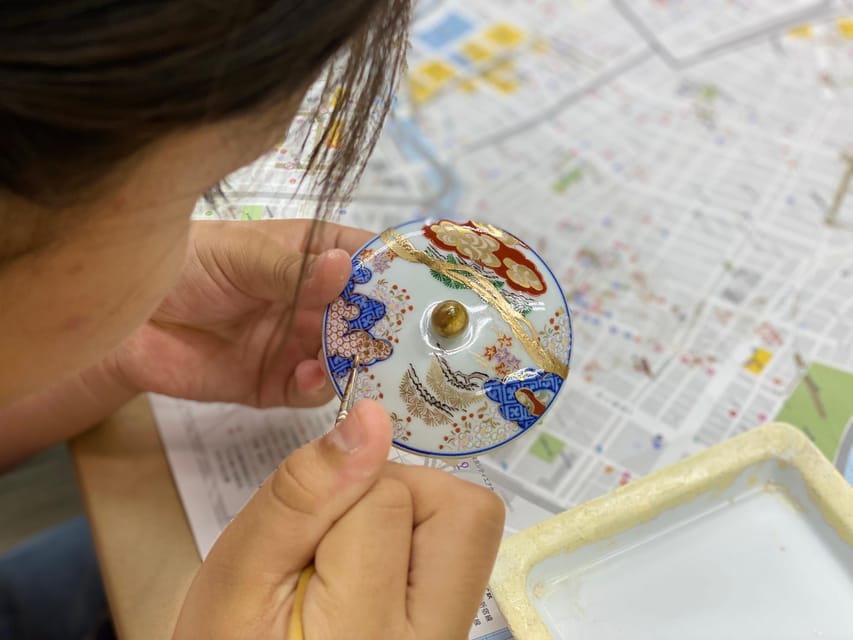
The activity lasts 90 minutes, with starting times based on availability. Book a time that leaves a little space afterward. You may finish on schedule, but browsing the shop, packing your piece, and finding your next train connection can take extra minutes.
Cancellation is free up to three days in advance for a full refund. That gives you some flexibility, but do not leave cancellation until the last minute if your Tokyo plans change.
Wear comfortable clothes and arrive five minutes early. You do not need to bring materials. If you bring pottery, wrap it carefully for the journey and confirm that it meets the size and damage limits before booking.
The activity has a 4.7 rating from 60 reviews, with the strongest praise directed at the instructors’ patience, the calm setting, clear English support, and satisfaction of taking home a handmade object. The one clear caution is that the short format may provide less traditional background than some people expect.
Should you book the Tokyo kintsugi workshop?
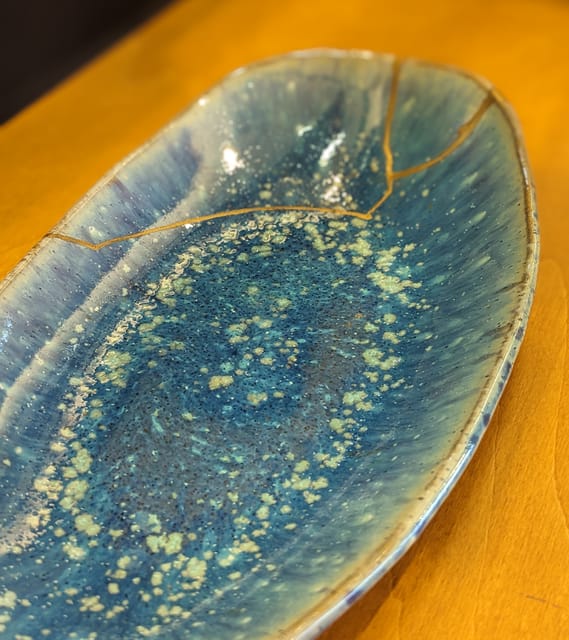
Book it if you want a quiet, hands-on cultural activity with a real object to take home. The small group, English support, central location, and 90-minute length make it easy to fit into a Tokyo schedule. I especially like it for people who have already seen the major sights and want an activity that slows the day down.
Think carefully before booking if your only goal is to restore a valuable or heavily damaged vessel. Bring a simple ceramic item within the stated limits, or use the workshop’s pottery. Also, set your expectations correctly: this is a compact introduction to kintsugi, not a month-long traditional restoration.
At $125, the class is best viewed as instruction plus a personal souvenir, not as a cheap craft project. If that combination appeals to you, this workshop offers a thoughtful way to spend 90 minutes in Tokyo and leave with something that cannot be duplicated in a gift shop.
FAQ
How long does the kintsugi workshop last?
The workshop lasts 90 minutes. It starts promptly at the scheduled time, and the end time cannot be extended for unfinished work.
Where is the meeting point?
The meeting point is Nihonbashi Mutoh Main Store, Nihonbashi Mutoh Main Store Building, 1-8-13 Nihonbashihoncho, Chuo City, Tokyo 103-0023, Japan.
Is the workshop taught in English?
Yes. English instruction or interpretation is provided. In some sessions, a Japanese craft instructor demonstrates the work while an English-speaking person translates.
Can I bring my own pottery to repair?
Yes, if the item is a ceramic vessel no larger than 15 centimeters in diameter and 15 centimeters in height, with one or two cracks. Chipped or cracked mug handles cannot be repaired.
What should I bring?
Bring comfortable clothes. All workshop materials are provided.
Can children take part?
The activity is for people aged 13 and older. Minors must be accompanied by a guardian, and children under 13 are not suitable for the workshop.
More Workshops & Classes in Tokyo
More Craft Workshops in Tokyo

More tours in Tokyo we've reviewed









Craft Workshops, compared.
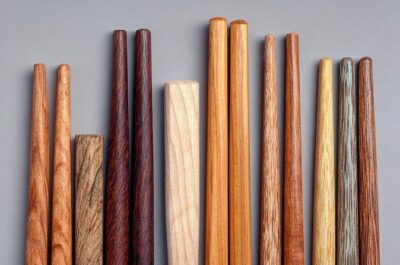 ★ 5.0Tokyo Shinjuku Chopsticks Making ClassFrom $20
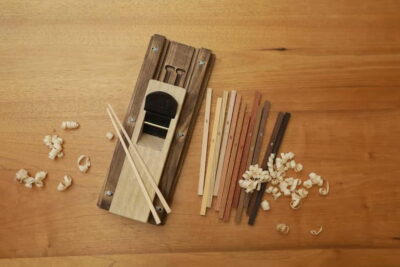 ★ 4.8Chopstick Making Workshop in GinzaFrom $251 hour
 ★ 5.0Kintsugi Experience: Art of Golden Joinery in TokyoFrom $59
 ★ 5.0Tokyo Chopstick Making Workshop with ArtisanFrom $26
Tokyo: Shinjuku Chopstick Making ClassFrom $121 hour
Tokyo: Chopstick-Making WorkshopFrom $61 hour
★ 5.0Tokyo Chopstick Making Workshop with ArtisanFrom $26
Tokyo: Shinjuku Chopstick Making ClassFrom $121 hour
Tokyo: Chopstick-Making WorkshopFrom $61 hour