
Reviewed · TEA CEREMONY & MATCHA
Tokyo: Tea Ceremony & Japanese Traditional Sweets
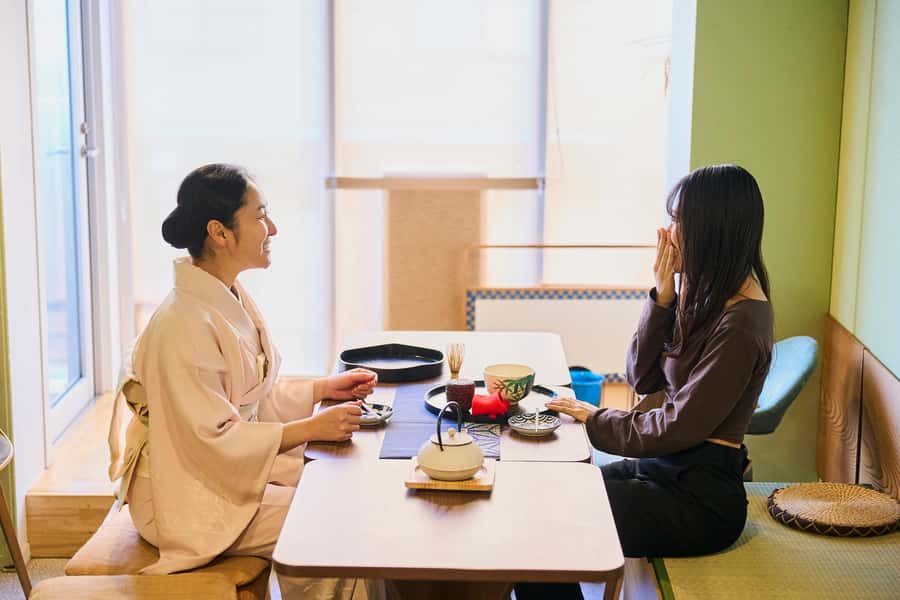
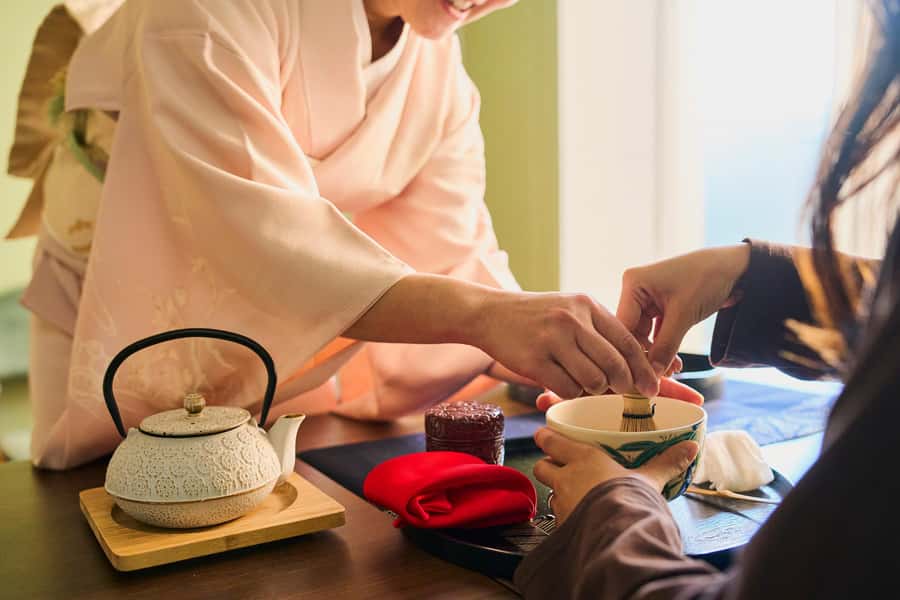
The most special part of this Tokyo experience is the chance to move from watching a tea ceremony to making one yourself. A licensed tea master first shows the graceful otemae process, then guides you as you whisk matcha and shape nerikiri, a seasonal Japanese sweet.
I like the hands-on format and the calm one-hour pace. I also like that the English host explains the meaning behind the gestures instead of asking you to copy them blindly. The main consideration is that this is conducted in English only, with no Japanese-language support.
In This Review
- Key points
- A quiet hour with matcha and handmade sweets
- What happens during the one-hour experience
- The otemae demonstration gives the ceremony its shape
- Making matcha is more satisfying than just drinking it
- Nerikiri turns a sweet into a seasonal lesson
- Why the small group matters
- English support is useful, but language limits apply
- A calm break from a packed Tokyo itinerary
- Getting to the Hakusan meeting point
- Is $27 a fair price?
- Who will enjoy this tea ceremony most?
- Should you book this Tokyo tea ceremony?
- FAQ
- How long does the tea ceremony experience last?
- How much does the activity cost?
- Where does the experience take place?
- How far is the meeting point from Hakusan Station?
- Is the activity conducted in English?
- What will I make during the session?
- How many people can join the group?
- Is the venue wheelchair accessible?
- Can I cancel for a full refund?
Key points
- Watch a formal otemae demonstration before trying the tea-making steps yourself.
- Whisk your own matcha and taste its strong, distinct flavor.
- Shape seasonal nerikiri sweets with colors and forms linked to flowers or other seasonal motifs.
- Learn from a tea master with more than 10 years of experience, assisted by an English-speaking host.
- Join a small group of no more than 10 people, which gives you room to ask questions.
- Reach the venue in about five minutes from Hakusan Station, on the Toei Mita Line.
A quiet hour with matcha and handmade sweets
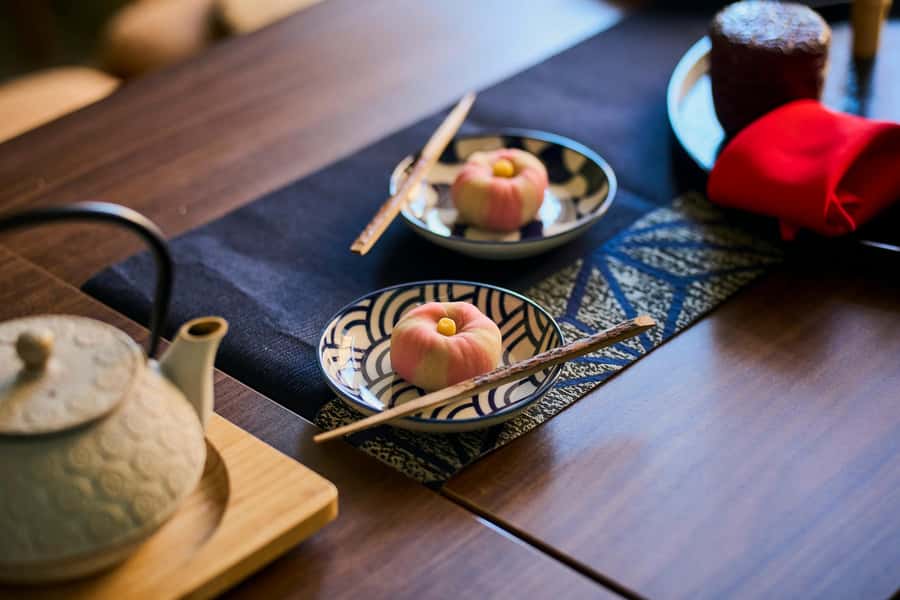
Tokyo can be noisy, crowded, and wonderfully intense. This tea ceremony offers a short pause from all that motion. You spend one focused hour learning a small set of traditional skills, tasting what you prepare, and paying attention to details that are easy to miss in a more formal performance.
The experience is not just a demonstration for you to watch from the side. You learn how to prepare matcha yourself, then pair it with a Japanese confection you have shaped with your own hands. That makes the activity more useful than a simple photo stop.
The setting is in Hakusan, in Bunkyo-ku, rather than in one of Tokyo’s busiest sightseeing districts. That location may appeal to you if you want a cultural activity away from the main crowds. It also means you should allow time to find the building, since the meeting point is on the second floor of Phil Park Hakusan Hills.
What happens during the one-hour experience
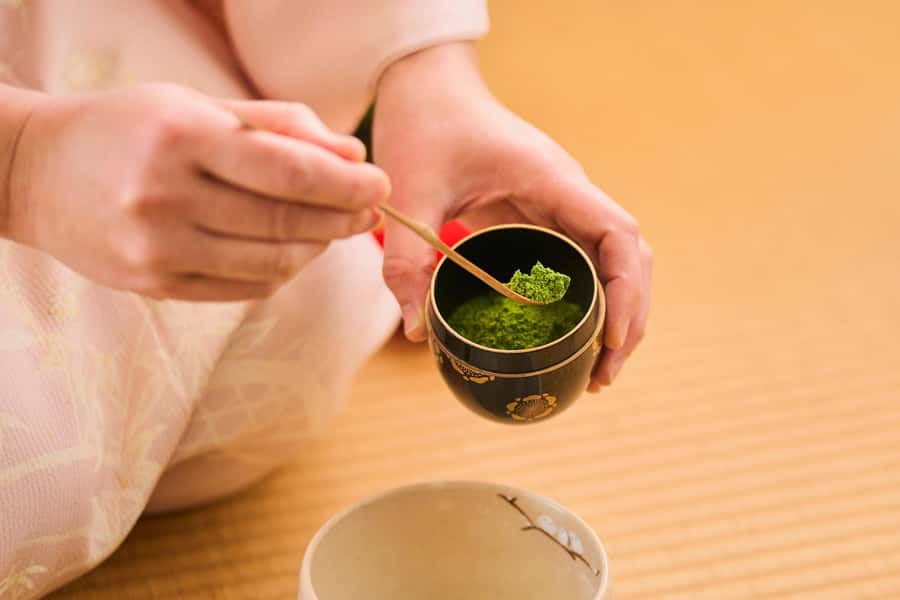
The session begins with instruction from a tea master who has more than 10 years of experience. You are introduced to the basic process of preparing matcha and given context for the ceremony itself.
You then watch an otemae demonstration, the formal preparation of tea. The movements are deliberate and controlled. The value here is not only seeing the finished performance, but also understanding the order and care behind each action.
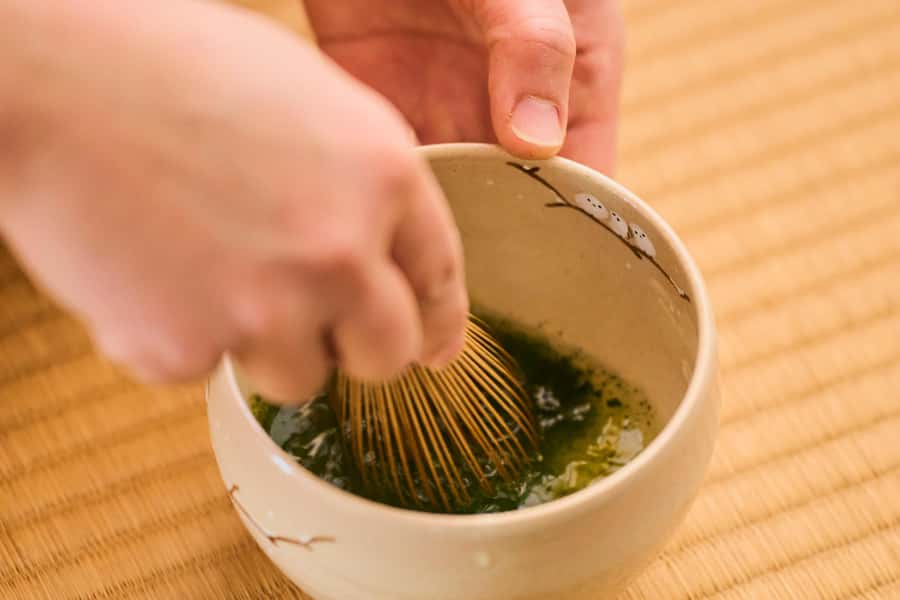
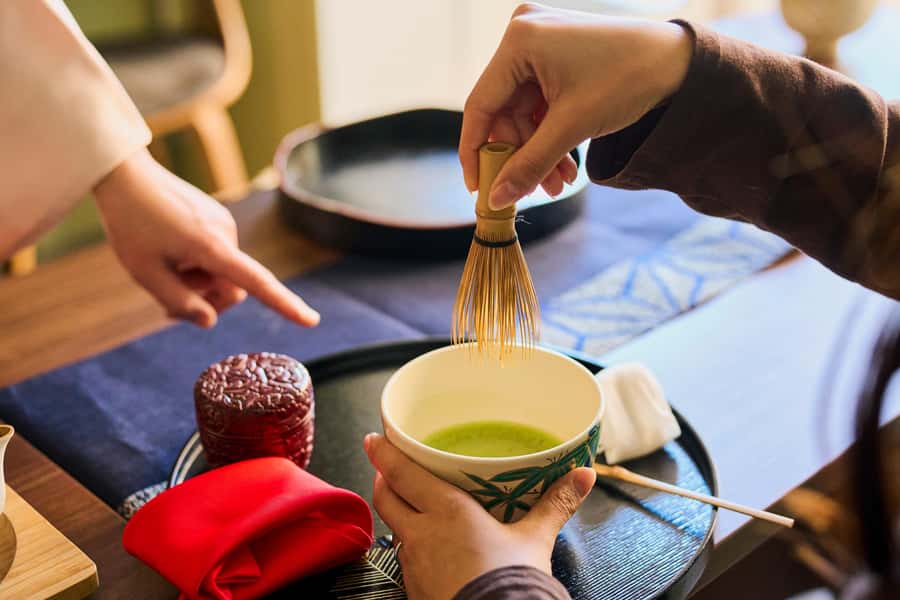
After the demonstration, you get to prepare your own bowl. You will learn how to use the whisk, work the tea, and taste the result. Matcha has a strong, grassy flavor that can surprise anyone expecting ordinary green tea, so this is a good chance to try it in the traditional form rather than from a sweetened café drink.
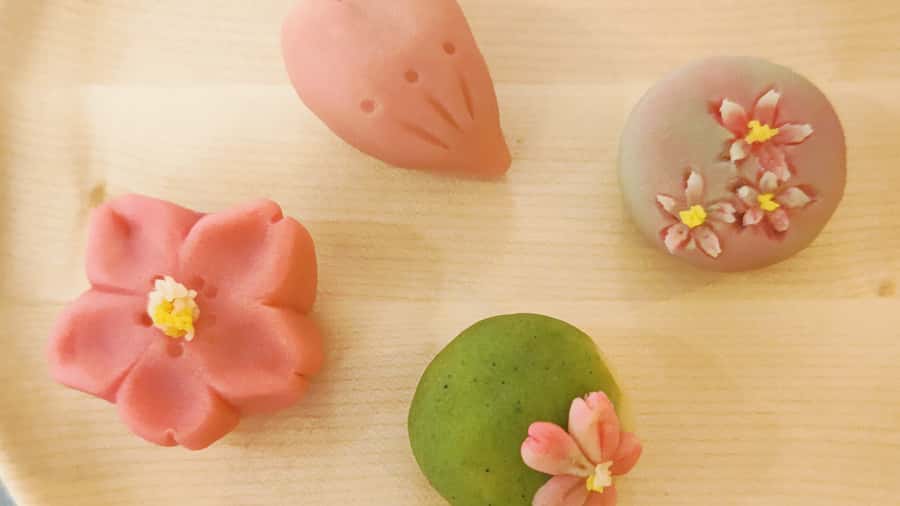
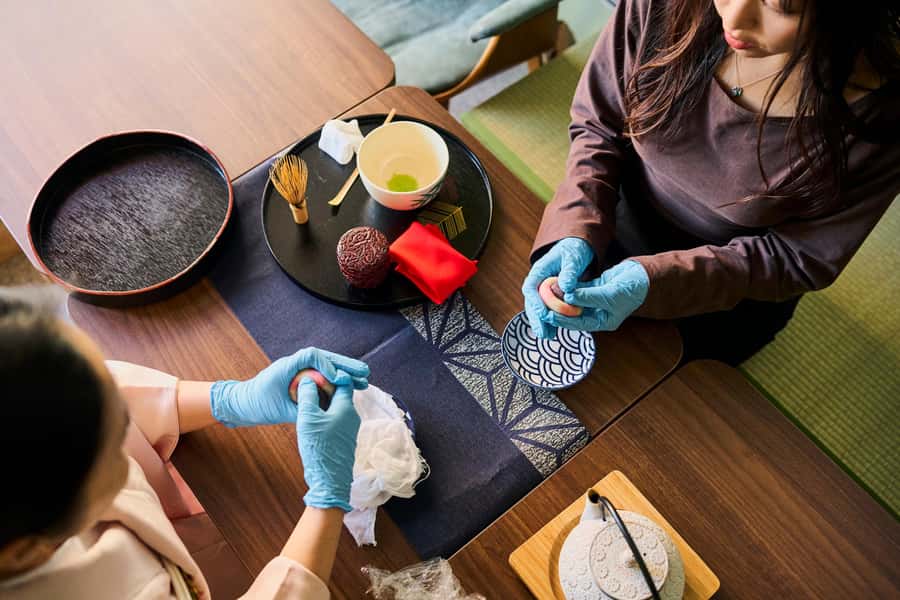
The final part focuses on nerikiri. These handmade sweets are shaped to reflect the season, often through flower forms or other familiar motifs. You create your own confection, then eat it with the matcha you prepared.
That pairing matters. Japanese tea sweets are designed to balance the tea, not compete with it. The sweetness of the nerikiri gives your palate a counterpoint to the firm taste of matcha. You are not simply making two separate items. You are learning why they are served together.
The otemae demonstration gives the ceremony its shape
A tea ceremony can seem mysterious if you only see it as a series of quiet gestures. The otemae demonstration gives those gestures a clear structure.
You will see how the tea master handles the utensils and prepares the bowl with care. The ceremony’s appeal comes partly from this precision. Each movement has a purpose, and the slow pace encourages you to notice the work involved in serving something as simple as a bowl of tea.
This is not presented as a silent performance with no explanation. The English host helps you follow what is happening and can answer questions as you go. That makes the experience much easier for a first-time participant.
I would not book this expecting a long lecture on Japanese history. The information provided focuses on the tea ceremony, matcha preparation, and sweets. For a one-hour activity, that is a sensible balance. You get enough explanation to understand what you are doing without turning the session into a classroom.
Making matcha is more satisfying than just drinking it
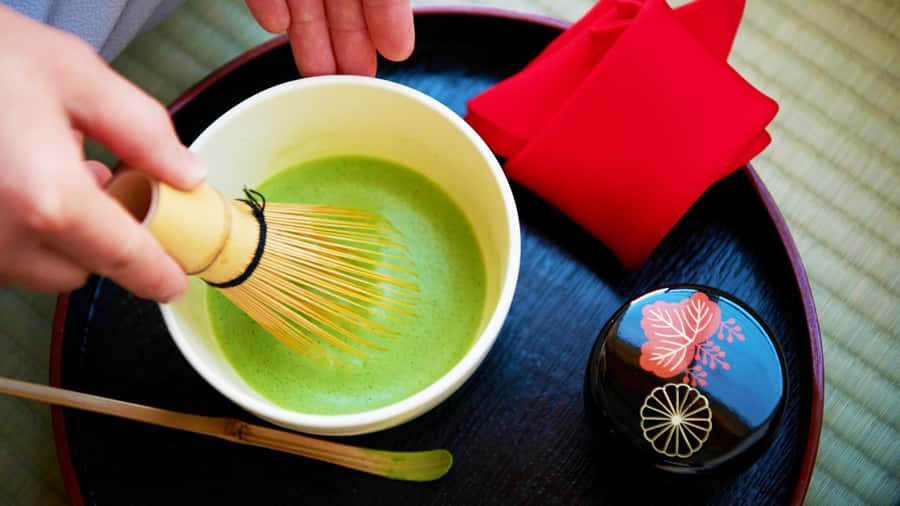
The hands-on tea preparation is one of the strongest reasons to choose this activity. Watching a tea master whisk matcha is graceful, but trying it yourself makes the process memorable.
You will need to pay attention to the movement and follow the instructions closely. The point is not to produce a perfect bowl on your first attempt. It is to understand the steps and experience the texture and taste of freshly prepared matcha.
That distinction is useful for families, couples, and solo visitors who want more than a staged cultural display. You leave with a better sense of how much care goes into the drink, even though the actual preparation is compact enough to fit into a one-hour session.
The tea has a firm flavor, so it may not suit you if you dislike unsweetened green tea. The handmade sweet helps balance it, but matcha remains the focus. If you enjoy trying local foods in their traditional form, this is a good introduction.
Nerikiri turns a sweet into a seasonal lesson
The nerikiri activity adds color and craft to the tea ceremony. These sweets are not ordinary snacks. Their shapes and colors are chosen to suggest seasonal flowers and other motifs.
You will have the chance to craft one yourself, using the guidance provided during the session. The finished result may not look as precise as a confection made by a trained artisan, and that is part of the fun. You get a direct sense of the patience and hand skill behind the sweets served in Japan.
This part also makes the experience appealing to people who are more interested in food craft than in ceremony alone. You are working with a small edible object that carries a seasonal idea. Then you taste it with your matcha, putting the lesson into practice right away.
The available information does not specify which seasonal design will be offered on your date. That is normal for an activity tied to the calendar, but you should not book expecting one particular flower or shape.
Why the small group matters
The group is limited to 10 participants. That is small enough for the host to offer individual help while you whisk the tea and shape the nerikiri.
This matters because the activity has practical steps. You may want someone to correct your whisking motion, explain a gesture again, or answer a question about the sweet’s design. A large class would make those moments harder.
One strong point in the feedback is the guide’s patient help and clear answers. That matches the format well. You are not left to work out every step alone, and the experience is designed to be accessible even if you have never attended a tea ceremony before.
There is no guide name provided, so I cannot point you toward a particular instructor. The important detail is the pairing of an experienced tea master with an English-speaking host. The tea master leads the traditional elements, while the host helps you follow the explanation.
English support is useful, but language limits apply
The instructor language is English, and the experience is conducted in English only. That is helpful if you want to understand the ceremony without relying on translation apps or guesswork.
The English host provides explanations throughout the activity and helps make the instructions clear. For first-time participants, that support is likely to be one of the main reasons the experience feels approachable.
You should also take the language notice seriously. Japanese support is not available. If you need Japanese-language instruction, this is not the right choice. If you are comfortable with English, the format should be straightforward.
The strong 4.9 rating from 21 ratings supports the idea that the teaching style works well for participants. The most praised points are the kind instruction, clear information, and the calm break this activity offers from Tokyo’s busy streets.
A calm break from a packed Tokyo itinerary
This experience fits neatly into a day of sightseeing. It lasts one hour, so you do not need to give up half a day for it. You can place it between visits around Bunkyo-ku or use it as a quiet change of pace after more active sightseeing.
The short duration is also a limitation. You will get an introduction and a practical lesson, not an extended tea-school course. If you want a long, highly formal ceremony with a large amount of cultural discussion, you may find this session too brief.
For most visitors, the compact format is an advantage. You learn the central ideas, prepare the tea, make a sweet, and taste both. That is enough to create a clear memory without demanding too much time or energy.
I especially like the activity for a middle day in Tokyo. It gives you a place to sit, concentrate, and do something with your hands. One participant described it as a calm break from the busy pace of the rest of a Tokyo visit, and that is exactly how I would think about its role in your schedule.
Getting to the Hakusan meeting point
The venue is about a five-minute walk from Hakusan Station on the Toei Mita Line. The address is:
2nd Floor, Phil Park Hakusan Hills
1-26-17 Hakusan, Bunkyo-ku, Tokyo
You should go to the second floor as shown on Google Maps. The meeting point is not described as a major public attraction, so check the map before you leave and avoid arriving at the last second.
Comfortable clothing is recommended. You do not need special equipment, and the activity provides the tea ceremony and traditional sweets. Comfortable clothes are sensible because you will be sitting and working with utensils and confectionery during the session.
The venue is listed as wheelchair accessible. If access is important for your visit, confirm the current arrangements when booking, but the stated accessibility is a useful advantage.
Is $27 a fair price?
At $27 per person, this is fairly priced for a guided cultural activity in Tokyo. Your fee covers the English guide, the tea ceremony, the matcha preparation, and the traditional sweets activity.
The value comes from participation. You are not paying only to watch a tea master perform. You receive instruction, prepare your own tea, make nerikiri, and taste the finished combination.
The one-hour length keeps the price reasonable, though it also means the lesson is an introduction rather than a detailed course. I would consider it good value if you want a clear, friendly first look at tea ceremony traditions without spending a large part of your day.
The small group adds to the value. With a limit of 10 people, you have a better chance of receiving help than you would in a large cultural show. That is especially important for the practical parts of the session.
You can reserve now and pay later, which helps if your Tokyo schedule is still changing. Free cancellation is available up to 24 hours before the start time for a full refund. Check the available starting times when choosing your date.
Who will enjoy this tea ceremony most?
I would recommend this activity to first-time visitors who want an accessible introduction to Japanese tea culture. The English explanations and hands-on format remove much of the uncertainty that can come with a formal ceremony.
It also suits you if you enjoy food, craft, and small cultural details. Making nerikiri gives the session a creative side, while the matcha preparation gives it a clear practical focus.
Families may appreciate the short length and the chance to create something edible. Couples can treat it as a quiet shared activity, and solo visitors should find the small group helpful for conversation and questions.
You may want to skip it if you are looking for a long ceremony, Japanese-language instruction, or a major sightseeing venue. The attraction here is the focused lesson, not a grand setting or a full-day cultural program.
Should you book this Tokyo tea ceremony?
Book it if you want to understand matcha by preparing it yourself, watch a skilled otemae demonstration, and make a seasonal Japanese sweet in a small English-speaking group. The experienced tea master, patient instruction, and calm pace give the session a clear purpose.
Think twice only if one hour feels too short or if you need Japanese-language support. For everyone else, $27 buys a practical taste of tea ceremony culture and a pleasant pause in the Tokyo schedule. I would place it high on the list for anyone who prefers doing over merely watching.
FAQ
How long does the tea ceremony experience last?
The experience lasts one hour.
How much does the activity cost?
The price is $27 per person.
Where does the experience take place?
It takes place on the second floor of Phil Park Hakusan Hills, at 1-26-17 Hakusan, Bunkyo-ku, Tokyo.
How far is the meeting point from Hakusan Station?
The meeting point is about a five-minute walk from Hakusan Station on the Toei Mita Line.
Is the activity conducted in English?
Yes. The experience is conducted in English, and Japanese-language support is not available.
What will I make during the session?
You will prepare your own matcha and craft nerikiri, a traditional Japanese sweet linked to seasonal flowers and motifs.
How many people can join the group?
The group is limited to 10 participants.
Is the venue wheelchair accessible?
Yes. The activity is listed as wheelchair accessible.
Can I cancel for a full refund?
Yes. You can cancel up to 24 hours in advance for a full refund. You can also reserve now and pay later.
Tea Ceremony & Matcha, compared.
 ★ 5.0Matcha Making Class in Tokyo with Authentic Japanese Sweets SetFrom $21
 ★ 5.0Tokyo: Traditional Tea Ceremony with a Tea MasterFrom $381 hour
 ★ 4.5Dynamic Tokyo: Tokyo Tower, Tea Experience, Bay Cruise Day TourFrom $99
 ★ 4.9Tokyo: Matcha Making Experience with Mochi Sweets in AsakusaFrom $221 hour
 ★ 4.7Tokyo: Matcha and Kimono ExperienceFrom $57
 ★ 5.0Tea Ceremony Workshop in Tokyo by the Experienced InstrucorFrom $38