
Reviewed · TOKYO
Discover Japanese Coffee Brewing Experience at Tokyo
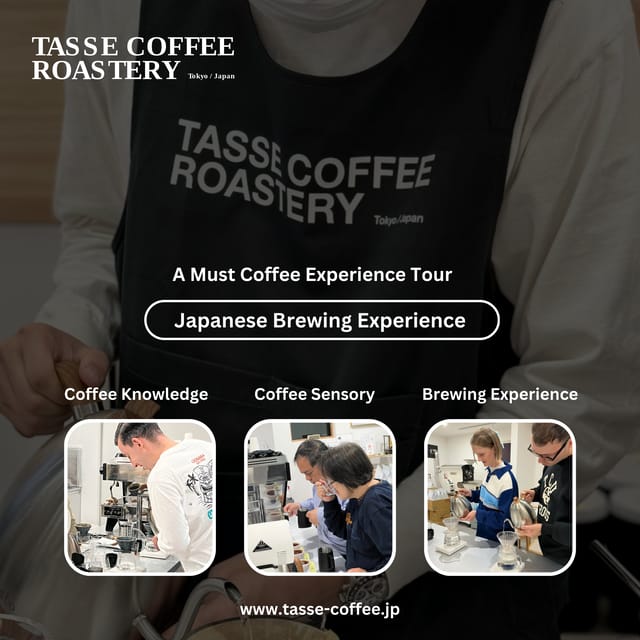
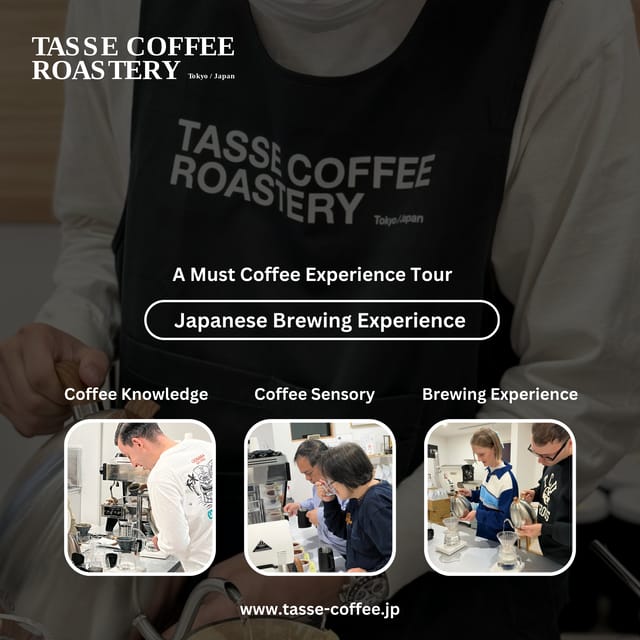
Japanese coffee brewing is less about rushing toward a caffeine hit and more about giving each cup careful attention. At Tasse Coffee Roastery in Tokyo, you learn three distinct methods: the theatrical siphon, the traditional Kyūsu teapot, and precise hand drip. You also taste the coffee at several stages, so the lesson is not just a demonstration.
I like the way this workshop connects technique with Japanese coffee culture, rather than treating brewing as a set of random instructions. I also like the private-group format, English and Japanese instruction, and the chance to compare several blends side by side. The main consideration is price: at $116 per person for two hours, this is a specialist experience, not a casual coffee stop.
In This Review
- Key points at a glance
- Entering Tokyo’s coffee culture through the bean
- Cupping makes coffee tasting less mysterious
- The siphon brings theater to the brewing table
- Brewing with a Kyūsu adds a distinctly Japanese touch
- Hand drip turns small details into clear results
- Comparing the three cups is the real lesson
- The private format keeps the session personal
- What the two-hour schedule feels like
- Is $116 per person good value?
- Who should book this workshop?
- Booking details worth knowing
- Should you book the Tasse Coffee Roastery workshop?
- FAQ
- Where does the coffee workshop take place?
- How long does the experience last?
- What brewing methods will I learn?
- Is the workshop available in English?
- Is this a private activity?
- Are coffee and brewing equipment included?
- Can children join the workshop?
Key points at a glance
- Three brewing methods in one session: Compare siphon, Kyūsu, and hand-drip coffee.
- Cupping before brewing: Learn to notice aroma, acidity, body, and aftertaste.
- A private workshop: The small private-group setup allows room for questions and hands-on practice.
- Coffee from farm to cup: Start with beans, roasts, processing, and the path to the final drink.
- Bilingual instruction: Sessions are offered in English or Japanese.
- A serious coffee lesson: The experience is intended for people aged 16 and older, with a two-hour format and a 4.9 rating from eight bookings.
Entering Tokyo’s coffee culture through the bean
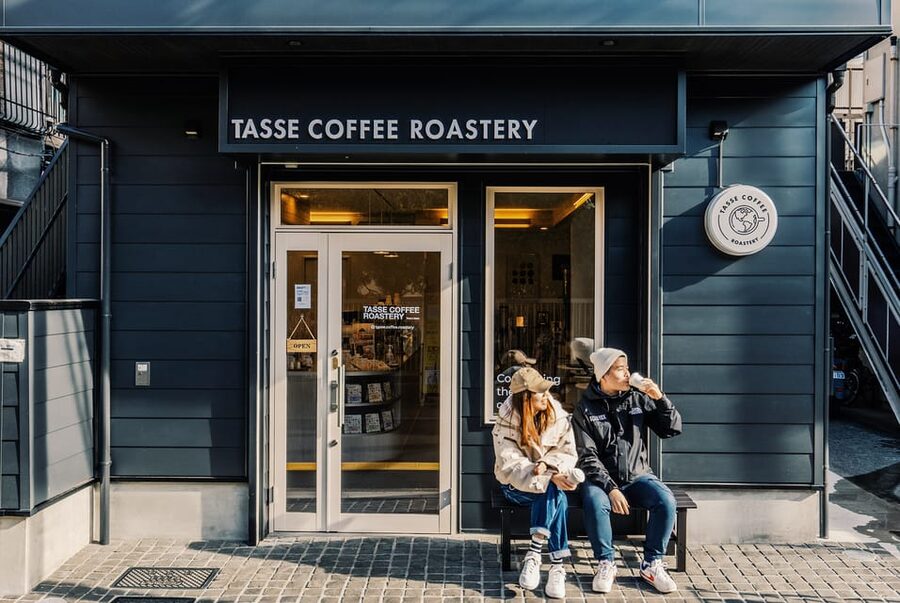
The workshop begins with the basic question behind every good cup: what exactly are you tasting? Your instructors explain coffee history and culture in Japan, then move into bean types, roast levels, and the journey from farm to cup.
That opening matters because brewing equipment can distract from the coffee itself. A siphon looks dramatic, and a Kyūsu feels distinctly Japanese, but neither method can rescue a poor bean or an unsuitable roast. By starting with the raw material, the class gives you a useful framework for understanding why the same brewing method can produce very different results.
You should expect practical coffee education rather than a broad sightseeing talk about Tokyo. The focus stays on coffee selection, preparation, and taste. If you already brew at home, the first section helps you put familiar habits into a wider context. If you are new to specialty coffee, it gives you the vocabulary needed for the tasting that follows.
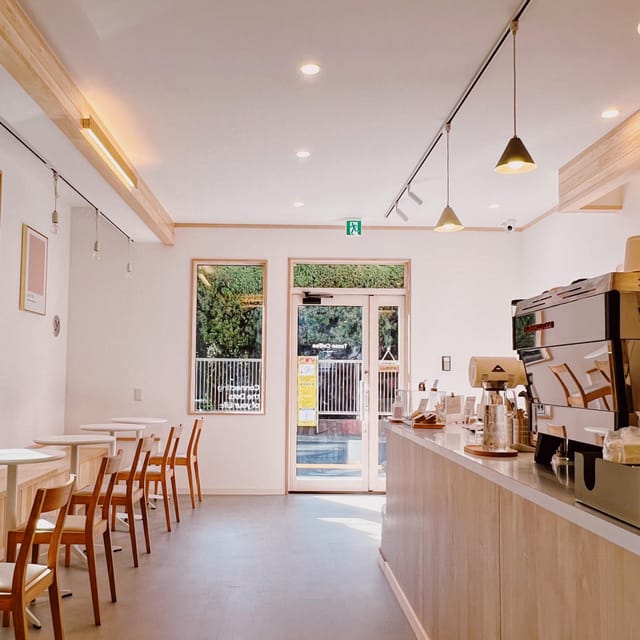
The roastery’s natural wooden interior is designed to feel calm and uncluttered. That suits the subject. Coffee preparation rewards patience, and a quiet setting makes it easier to pay attention to small changes in smell and flavor.
A few more Tokyo tours and experiences worth a look
Cupping makes coffee tasting less mysterious
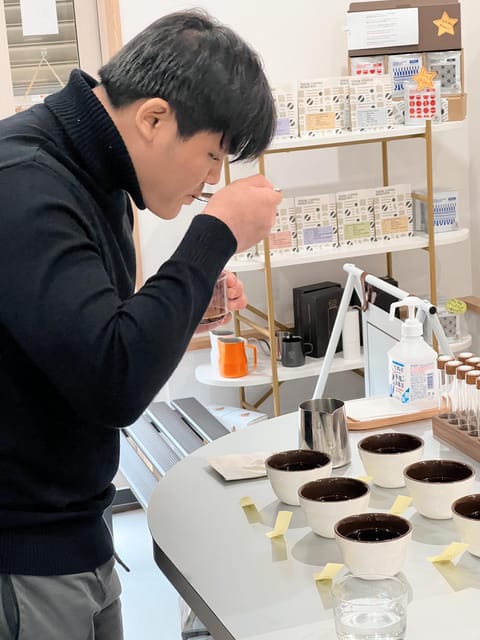
Cupping is the workshop’s bridge between coffee theory and brewing practice. You are introduced to the method, then guided through tasting several coffees and identifying their aroma, acidity, body, and aftertaste.
These terms can sound fussy when you first hear them. In practice, they give you a simple checklist. Aroma is what reaches your nose before and during the sip. Acidity describes the lively, bright quality in the cup, not whether the coffee is unpleasantly sour. Body is the weight or texture, while aftertaste is what remains once you have swallowed.
I like this part because it encourages you to slow down. Instead of deciding that you simply like or dislike a coffee, you can ask what is causing that reaction. One blend may feel light and bright, another fuller and heavier. The value is not in memorizing tasting notes. It is in learning how to compare.
The session uses premium beans and several Tokyo coffee blends. Since the tasting is guided, you do not need previous experience or a trained palate. You receive the equipment needed for both tasting and brewing, so you can focus on the coffee rather than on preparing materials.
The siphon brings theater to the brewing table
The siphon is the most visually striking method in the workshop. It uses heat and pressure between two glass chambers, giving the brewing process a clear, almost scientific quality. You learn about its place in Japanese coffee practice, watch a demonstration, and then take part in the technique yourself.
This method is valuable even if you never buy a siphon for home use. It shows how water movement, timing, and temperature affect the final cup. You can see the stages instead of watching them disappear inside an opaque machine.
The hands-on element is important. A demonstration can look easy because the instructor has already mastered the motions. Practice gives you a better sense of how much attention the process requires. It also lets you compare the siphon brew with coffee made by the other methods during the same session.
The drawback is that the siphon may be more interesting as a lesson than as a practical everyday tool. It requires dedicated equipment and a careful setup. If your main goal is a fast morning brew, hand drip will likely be more useful. If you enjoy coffee rituals and visual technique, the siphon is a strong reason to book.
Brewing with a Kyūsu adds a distinctly Japanese touch
The Kyūsu is a traditional Japanese teapot, usually associated with tea. Here it is adapted for coffee, giving the workshop one of its most unusual features. You learn how to brew with the teapot and then compare the result with siphon and hand-drip coffee.
This is not simply a souvenir-style use of Japanese equipment. The point is to see how the vessel changes the brewing process and taste. The shape, pouring technique, and contact between water and coffee all influence the cup.
For you, the Kyūsu lesson offers a useful cultural connection. It shows how coffee in Japan can borrow from older traditions without copying Western coffee routines exactly. The method also gives you a reason to think about the vessel in your hand, not just the beans inside it.
You should keep your expectations realistic. The workshop provides instruction and practice, but it does not promise that the Kyūsu method will become your favorite. That is part of the value. You get to compare instead of being told that one technique is best.
Hand drip turns small details into clear results
Hand drip is the most familiar method for many home coffee makers, but good results depend on several details. The instructor covers water temperature, pouring technique, and the pace of extraction, then gives you time to practice.
This is where the earlier coffee lesson becomes immediately useful. Bean choice, roast level, grind, water, and pouring all work together. Change one part and you may change the balance in the cup. A hand-drip lesson can help you understand why coffee sometimes tastes thin, bitter, flat, or overly sharp.
I especially like that you taste the results rather than simply following steps. A recipe on paper cannot tell you how a change in pouring affects the coffee. Tasting gives the instructions a purpose.
The workshop is also suited to people who already own a dripper. You may leave with a better sense of where to focus your attention. The class does not promise a formal barista qualification, and it should not be treated as professional training. It is a focused introduction with enough practice to make the method more understandable.
A few more Tokyo tours and experiences worth a look
Comparing the three cups is the real lesson
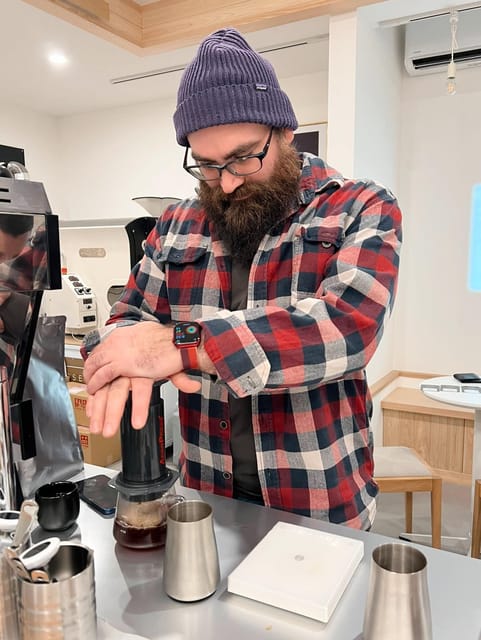
The best part of the format is the comparison. Siphon, Kyūsu, and hand drip are not taught as isolated tricks. You brew and taste across methods, which lets you notice how equipment and technique shape the same basic ingredient.
Here is how I would think about the three:
- Siphon: Best for visual appeal, precise attention, and a more ceremonial brewing process.
- Kyūsu: Best for its Japanese connection and its unusual approach to coffee preparation.
- Hand drip: Best for home use, control, and a method you can practice without specialized machinery.
The workshop also includes several coffee blends, so the comparison is not limited to equipment. Different beans and roasts can reveal different strengths in each method. That makes the session more than a lesson in gadgets.
The tasting can also help you decide what to buy later. You may prefer the body of one blend or the brighter character of another. An optional coffee tasting kit is available for purchase, but it is not required. I would wait until the end before buying anything, since the class gives you a better basis for deciding what suits your taste.
The private format keeps the session personal
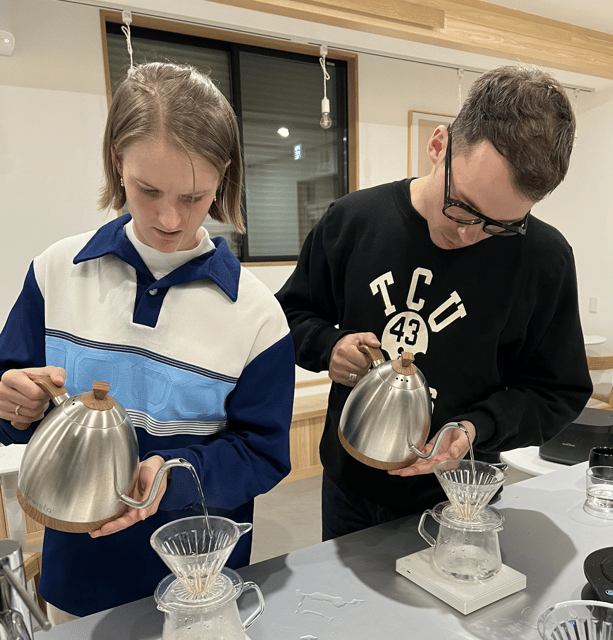
This is a private-group activity, with a limited number of participants and all brewing and tasting equipment supplied. That matters in a practical way. Coffee practice requires time at the table, and a crowded class can turn hands-on learning into watching someone else work.
A private format should also make it easier to ask basic questions without feeling out of place. You can ask why a particular roast was chosen, what changed between pours, or how the three methods differ. The instructors speak English and Japanese, which makes the workshop accessible to international visitors and Japanese residents who want the lesson in English.
One Japanese participant described the English-language setting as unusual even while living in Japan. That is a useful clue about the experience’s appeal. You do not need to be an overseas visitor to find this workshop distinctive. It can also suit local residents, coffee hobbyists, and mixed-language groups.
The age limit is 16 and older. This is sensible given the hot water, heating equipment, glassware, and tasting focus. It is not set up as a family activity for younger children.
What the two-hour schedule feels like
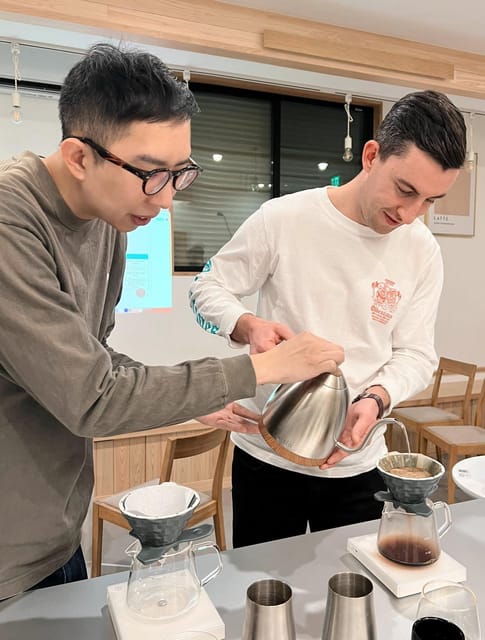
Two hours is enough time for a proper introduction without turning the workshop into an all-day course. The pace is likely to be steady: coffee background first, cupping next, then the three brewing methods and comparisons.
You should arrive ready to participate. The experience includes hands-on brewing, not just listening to a barista explain the process. Wear something comfortable for a session at a worktable, and expect to spend much of the time concentrating on aromas, pouring, and tasting.
The class covers a lot for its length. You receive background on Japanese coffee culture, an introduction to coffee types and roasts, a cupping exercise, and practice with three methods. The trade-off is that no single method can receive the same attention as it would in a full-day technical course.
That makes the experience a good fit for a Tokyo itinerary with one free morning or afternoon. It gives you a focused local activity without requiring a full day away from the city. Starting times vary, so you need to check availability when booking.
Is $116 per person good value?
At $116, this is expensive for coffee by ordinary café standards. You are not paying for a single drink or a short demonstration. The fee covers two hours of instruction, premium beans, tasting samples, equipment, multiple brewing methods, and a private-group setting.
I see the value most clearly if you are already interested in coffee, Japanese preparation, or hands-on food experiences. You get instruction that would be difficult to reproduce by simply ordering coffee at a café. The cupping and method comparisons also give you a clearer understanding of what you are tasting.
The value is weaker if you only want to sample Japanese coffee or take a short break between Tokyo sights. A café visit will cost far less and require less time. This workshop asks you to pay for learning, practice, and access to specialist equipment.
The optional coffee tasting kit can add to the cost. Since it is available for purchase rather than included, treat it as an extra choice, not part of the basic value calculation.
The activity has a 4.9 rating from eight bookings, with praise focused on useful information, kindness from the tutors, and practical coffee preparation. One participant who had attended in Japan appreciated learning in English, while another highlighted the hands-on tasting and hand-drip work. Those strengths match what the workshop promises: clear instruction paired with practice.
Who should book this workshop?
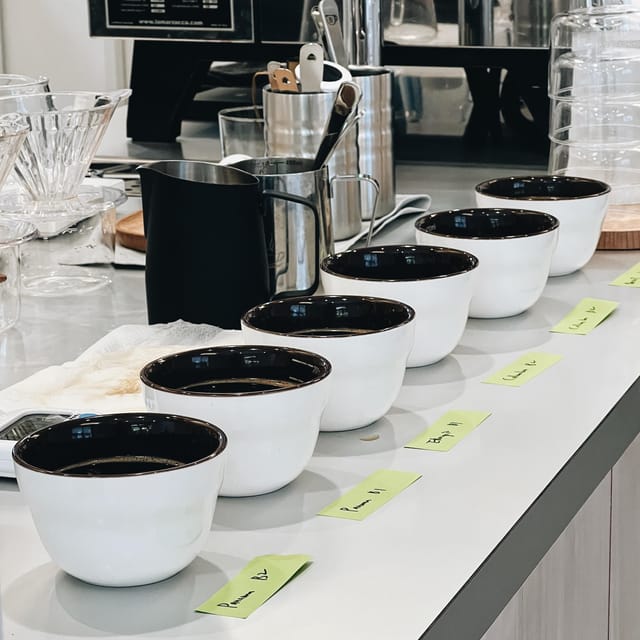
I would recommend it to coffee drinkers who want more than a tasting. It is especially suitable if you want to understand why different brewing methods produce different cups, or if you are considering improving your home hand-drip routine.
It also fits visitors looking for a quieter Tokyo activity with a strong local connection. Japanese coffee culture has its own habits, equipment, and traditions, and this workshop presents those through the act of brewing rather than through a general city talk.
You should also consider it if you enjoy learning in small groups. The private format gives the session a more personal feel and allows the instruction to stay practical. English and Japanese language options make it workable for mixed-language parties.
I would skip it if you dislike coffee, cannot take part in a hot-water brewing session, or want a broad tour of Tokyo. The workshop stays inside the roastery and centers on coffee from start to finish.
Booking details worth knowing
The activity lasts two hours and is offered at Tasse Coffee Roastery in Tokyo, on Honshu. Instruction is available in English and Japanese, and the group is private.
You can cancel up to 24 hours before the activity for a full refund. A reserve-now, pay-later option is also available, which is useful if your Tokyo plans may change.
Should you book the Tasse Coffee Roastery workshop?
Book this experience if you want to understand Japanese coffee by making it yourself. The strongest features are the cupping session, the comparison of siphon, Kyūsu, and hand drip, and the chance to practice with guidance instead of only watching.
At $116, it is a considered purchase, but the price makes sense for coffee enthusiasts and curious food-focused visitors who value instruction. It is less suitable for a quick café stop or a family outing with younger children.
For the right person, this is two calm, useful hours with plenty to taste and several techniques to take home. You may not adopt all three brewing methods, but you will leave better able to judge a bean, understand a brew, and decide which coffee ritual suits you.
FAQ
Where does the coffee workshop take place?
The workshop takes place at Tasse Coffee Roastery in Tokyo, on Honshu, Japan.
How long does the experience last?
The workshop lasts two hours.
What brewing methods will I learn?
You will learn siphon brewing, the Kyūsu Japanese teapot method for coffee, and hand-drip brewing.
Is the workshop available in English?
Yes. The instructor languages are English and Japanese.
Is this a private activity?
Yes. The activity is offered as a private group experience.
Are coffee and brewing equipment included?
Yes. The experience includes coffee beans, beverage samples, brewing and tasting equipment, and all fees and taxes.
Can children join the workshop?
No. The activity is not suitable for children under 16 years old.
More Coffee Experiences in Tokyo
More Breweries in Tokyo
More tours in Tokyo we've reviewed











Tokyo, compared.
 ★ 5.0Mt Fuji and Hakone 1-Day Bus Tour Return by Bullet TrainFrom $163
 ★ 5.01-Day Tokyo Bus TourFrom $129
 ★ 4.6Tokyo: teamLab Planets TOKYO Digital Art Museum Entry TicketFrom $251 day
 ★ 4.0Mt Fuji & Hakone Cruise, Drum Show Bullet Train 1 Day from TokyoFrom $149
 ★ 5.0Tokyo: Shinjuku Food Tour (13 Dishes at 4 Local Eateries)From $86
 ★ 4.4Tokyo Mt Fuji 5th St & Hakone Cruise Bus Tour w/Bullet TrainFrom $15410 hours