
Reviewed · TOKYO FOOD TOURS
Tokyo: Classic Tsukiji Food Tour
Tsukiji is best understood with your appetite switched on. This three-hour morning tour takes you through the Outer Market’s narrow lanes, beginning with a Japanese breakfast and continuing with seafood, tamagoyaki, regional foods, seasonal treats, and traditional sweets. The food is only half the story. Your guide explains how to approach stalls, what you are eating, and why the market matters.
I like the small group of no more than 10, which makes it easier to move through crowded lanes and ask questions. I also like the mix of a sit-down breakfast, market tastings, and cultural stops, including a shrine with more than 300 years of history. The main drawback is the price: at $181 per person, it is a serious splurge, and the advanced walking level may be tiring for some people.
In This Review
- Key points at a glance
- Tsukiji before the crowds take over
- A Japanese breakfast with more than miso soup
- The Outer Market, one stall and story at a time
- Sashimi, oysters, wasabi, and the less familiar bites
- Tamagoyaki, sweets, and food from around Japan
- A shrine and 300 years of local context
- What the $181 price really buys
- Who will enjoy this morning most
- Practical details for a smooth start
- Should you book the Classic Tsukiji Food Tour?
- FAQ
- Where does the Tokyo Classic Tsukiji Food Tour meet?
- How long does the tour last?
- What food is included?
- What might be served for breakfast?
- Is seafood a major part of the tour?
- Is transportation included?
- Is the tour suitable for children?
- How many people are in the group?
- What should I bring, and what is the cancellation policy?
Key points at a glance
- Start with a substantial Japanese breakfast: Expect dishes such as grilled mackerel, black cod, rice, and miso soup.
- Taste beyond standard sushi: The route can include fresh sashimi, oysters, tamagoyaki, wasabi, regional foods, and Japanese sweets.
- Learn how to shop the market: Guides may select ingredients and help create a casual sashimi lunch from market purchases.
- Meet Tsukiji through local stories: Guides such as Yappy, Kay, Sandra, and Shigeki add context about food, customs, and the market’s past.
- Walk through the Outer Market, not the old wholesale hall: The experience centers on Tsukiji’s public market area and nearby streets.
- Plan for a costly but generous morning: Food is included in ample portions, but drinks, extra purchases, transportation, and gratuity are not.
Tsukiji before the crowds take over
The tour meets at Turret Coffee Shop in Tsukiji, near Exit 2. Your guide will be holding an Arigato Travel sign, so the meeting point should be straightforward to find if you allow a little time for Tokyo’s station corridors and street crossings.
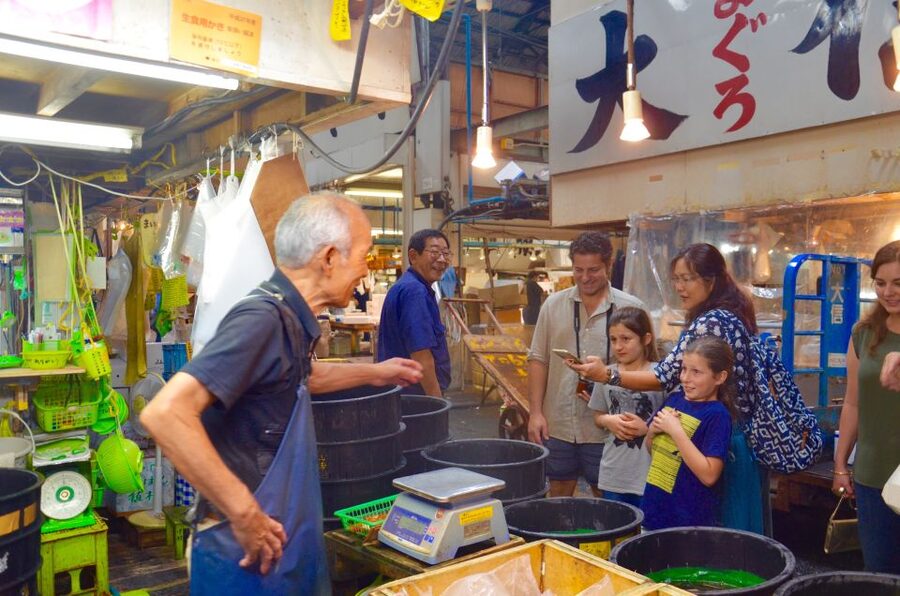
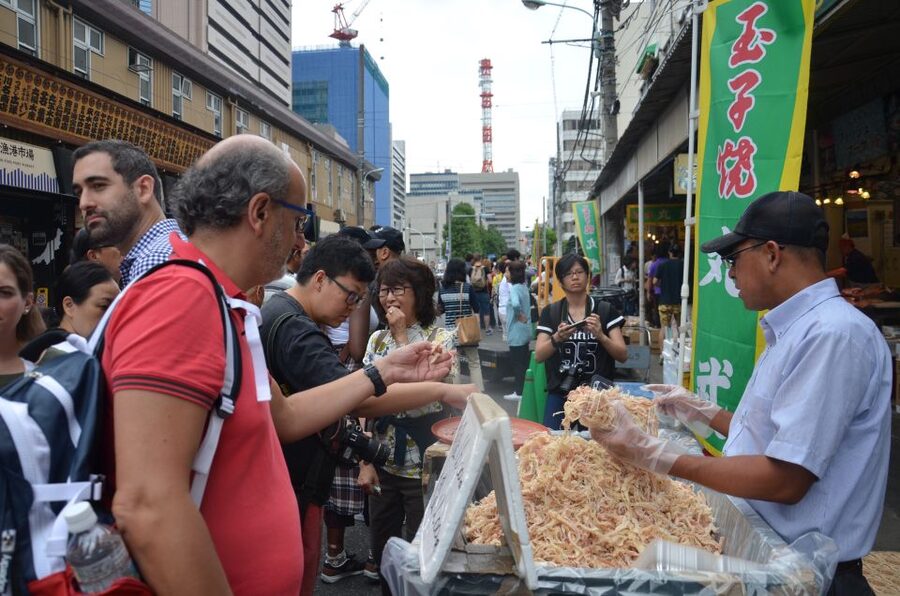
Morning is the right time for this outing. Tsukiji is a working food district, and the market makes the most sense when stalls are displaying fresh seafood and prepared foods. You will walk through rustic lanes filled with fish, pickles, spices, sweets, and cooking supplies while vendors call out to customers and restaurant workers move goods through tight spaces.
That setting is part of the appeal, but it also shapes the pace. Tsukiji can be crowded, and the lanes are not made for leisurely strolling side by side. A guide is useful here because you can focus on the food and surroundings instead of constantly wondering where to turn.
The walking requirement is listed as advanced. You should wear comfortable shoes and be ready to stand, walk, stop, and squeeze through busy areas for much of the three hours. Baby strollers are not allowed, and children must be accompanied by an adult.
A few more Tokyo tours and experiences worth a look


A Japanese breakfast with more than miso soup
The first food stop is a local restaurant for breakfast. This gives you a proper meal before the market tastings begin, which matters because the tour includes enough food to fill you well before the finish.
Specific breakfast dishes described by past participants include grilled mackerel, black cod, rice, and miso soup. The meal offers a useful introduction to the Japanese idea of breakfast as a balanced combination of rice, soup, fish, and small accompaniments rather than a sweet pastry or large plate of eggs.
I like this opening because it gives the rest of the tour a clear reference point. You are not simply sampling isolated bites. You first get a traditional meal, then see ingredients in their market setting, and then taste more foods with an explanation of how they fit into Japanese cooking.
The breakfast may also be the best part of the tour for anyone who wants a gentle start. You sit down, eat at a local restaurant, and learn how to approach familiar items such as rice and miso soup. If you have a strong dislike of fish, though, this is not the ideal food tour. Seafood is central to the experience, and several tastings are likely to be fish-based.
The Outer Market, one stall and story at a time
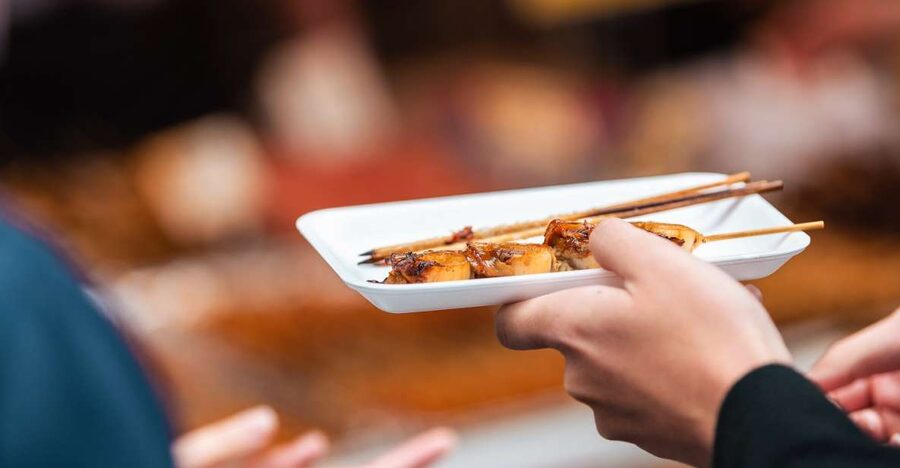
After breakfast, your guide leads you around the Tsukiji Outer Market. The old wholesale fish market moved to Toyosu, but Tsukiji’s Outer Market remains a popular place for food shops, small restaurants, cooking supplies, and prepared specialties.
This tour is not just a walk past storefronts. The guide helps you understand what you are seeing and points out foods you might otherwise pass without trying. The market includes ingredients from around Japan, so the focus is broader than Tokyo seafood alone.
A good guide can make a major difference in this setting. Yappy is repeatedly praised for his humor, clear English, market connections, and ability to select food for the group. Kay is described as an engaging host who showed people how the market works. Sandra, Shigeki, Michie, Josh, Norma, and other guides have also led highly rated outings.
Guide assignments can vary, so you should not book on the assumption that you will receive a particular person. Still, the repeated strengths are clear: expect cultural explanation, help with food choices, and practical advice about what to buy and how to eat it.
One useful detail is that the guide may have some items ready and then shop for additional foods with the group. That can lead to a picnic-style spread of sashimi and other market products. It also lets you see the buying process instead of receiving every tasting as a prearranged sample.
Sashimi, oysters, wasabi, and the less familiar bites
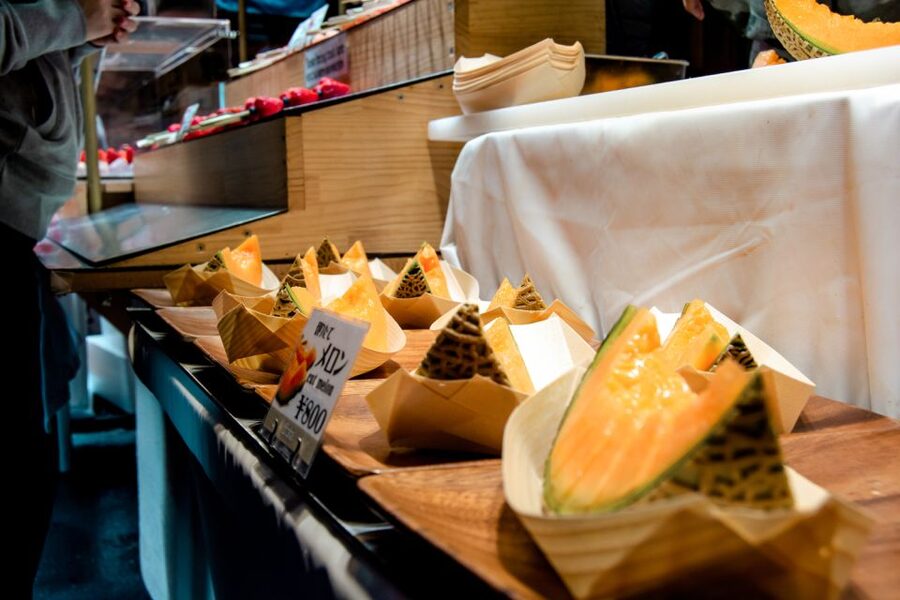
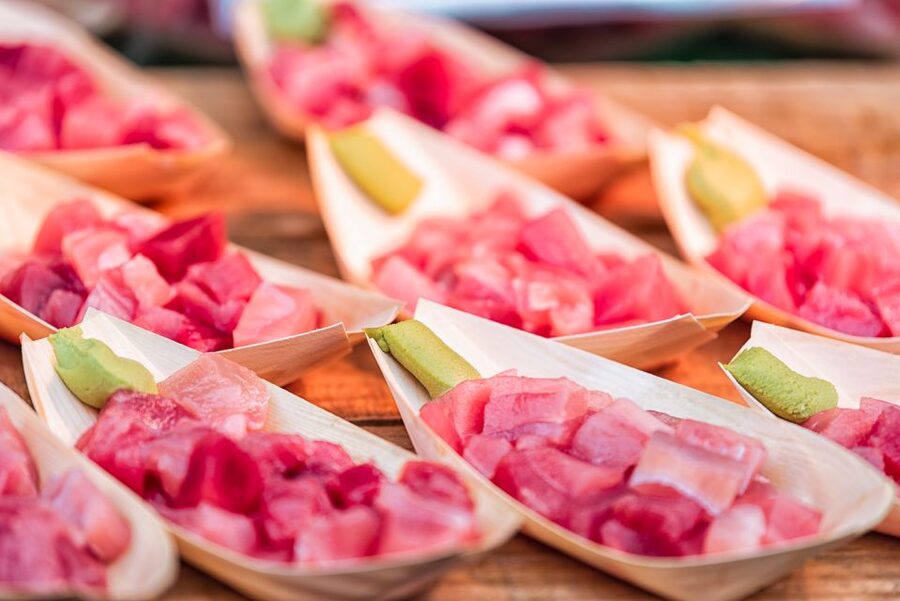
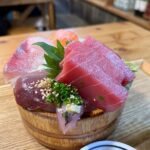
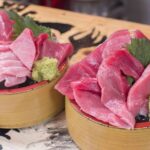
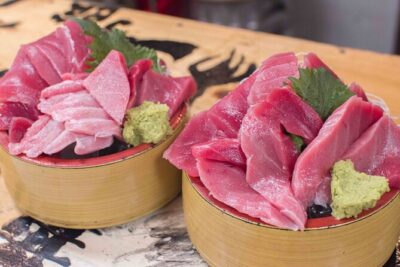
The seafood tastings are the heart of the tour. Fresh sashimi is a frequent highlight, and the selection can include unusual foods that many first-time visitors would not order alone. Oysters have also been part of the experience, along with other seasonal products.
The appeal is not simply freshness. Your guide explains what you are eating and can steer you toward specialties that are hard to identify from a sign written in Japanese. That support is valuable in Tsukiji, where the best choice is not always the most familiar one.
Fresh wasabi is another memorable detail. One outing included a lesson in grating fresh wasabi, a small activity that shows the difference between freshly prepared wasabi and the common green paste served outside Japan. It is exactly the kind of detail that turns a food sample into a useful cultural lesson.
You should arrive hungry, but not so hungry that you skip breakfast beforehand if you need coffee or a small snack. The included meal and tastings are described as ample. Extra drinks and additional food are not included, though you can buy them at your own expense.
Food preferences deserve some thought before booking. The supplied information does not promise vegetarian, vegan, allergy-friendly, or seafood-free substitutions. Since fish is a major part of the route, contact the provider before reserving if you have dietary restrictions.
Tamagoyaki, sweets, and food from around Japan
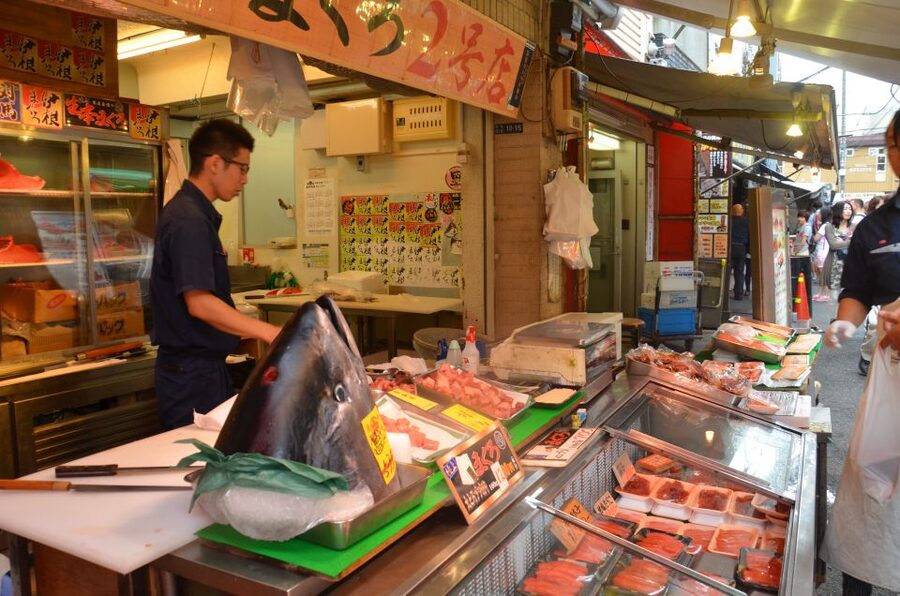
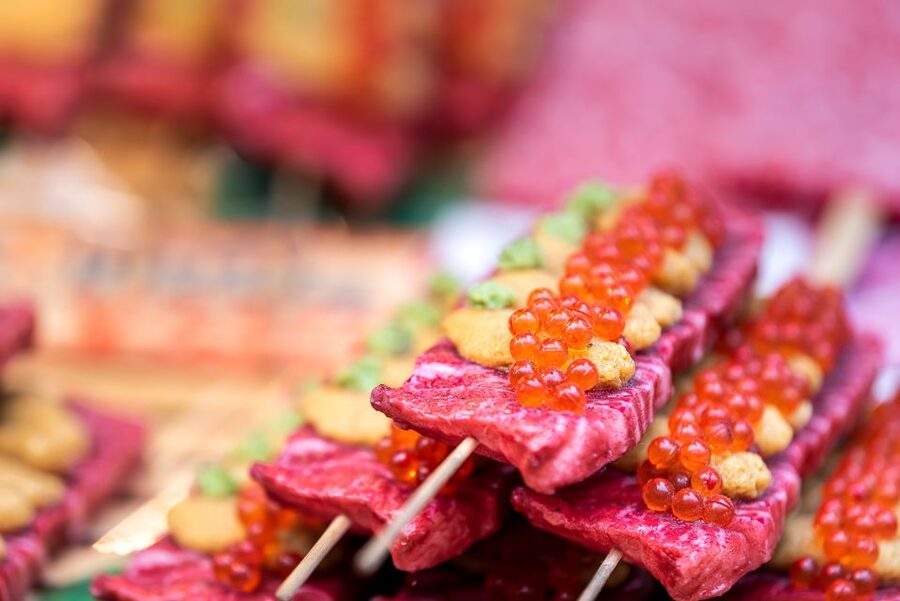
Tsukiji is not only about raw fish. The market is known for prepared foods and Japanese pantry staples, and the tour includes traditional sweets as well as regional and seasonal foods from other parts of Japan.
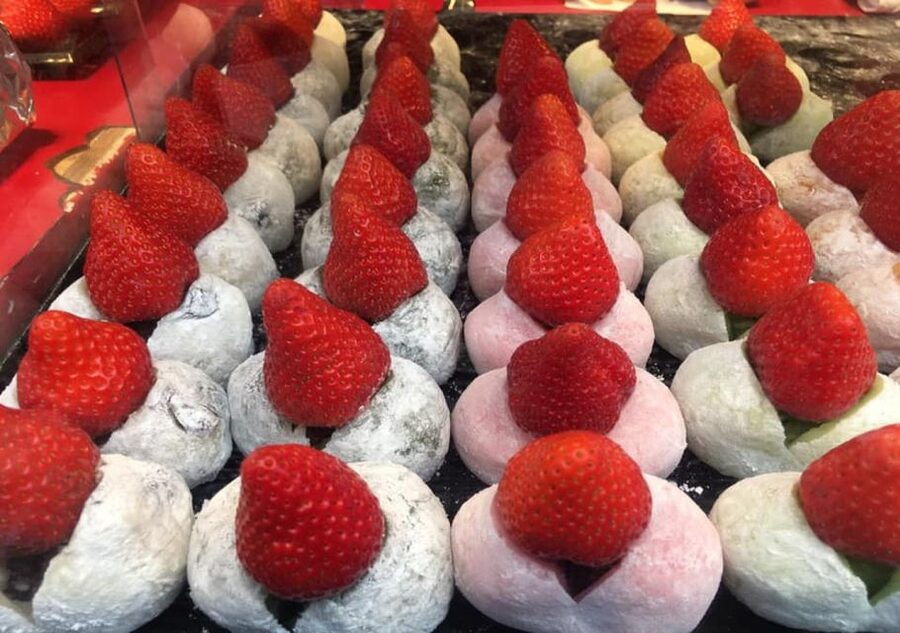
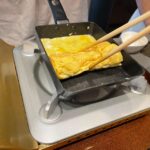
Tamagoyaki, the rolled Japanese omelet, is one of the scents you may notice as you walk. Its soft texture and lightly sweet flavor offer a pleasant change from seafood. Fish-shaped custard pastries have also been included on past tours, providing a simple dessert that is both easy to enjoy and visually distinctive.
The regional food element adds range to the morning. Japan has strong local food traditions, and a market in Tokyo can bring products from many prefectures into one compact area. Your guide can explain where foods come from and how they are used, giving you a better sense of Japan beyond the standard sushi and ramen checklist.
I especially like the balance between serious food education and small treats. You might learn about fish quality one moment and sample a sweet snack the next. That keeps the morning lively without making it feel like a restaurant crawl.
One limitation is time. Three hours sounds generous, but breakfast, tastings, explanations, and crowded walking conditions use it quickly. One participant wanted more time to browse the market’s kitchen shops. If you are especially interested in knives, ceramics, or cooking tools, you may want to return independently after the tour.
A few more Tokyo tours and experiences worth a look


A shrine and 300 years of local context
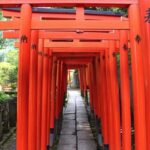
The itinerary includes a shrine with more than 300 years of history. This stop gives the market a wider setting and shows that Tsukiji is not just a place to eat. Food, commerce, neighborhood life, and religious tradition sit close together here.
The shrine visit also helps break up the tastings. You get a chance to listen, look around, and understand how the area developed over time. Guides explain Japanese culture and history throughout the morning, so the shrine is part of a broader story rather than an isolated sightseeing stop.
This cultural layer is one reason the tour works for people who have already visited Japan. A first-time visitor gets help reading the scene, while a repeat visitor may find new details in the market’s food customs and neighborhood traditions.
The tour’s English-speaking guides are a practical advantage. Several guides have been praised for clear English, humor, and willingness to answer questions about Japan beyond Tsukiji. Some have also offered suggestions for later meals, nearby Ginza visits, and other places to see.
What the $181 price really buys
At $181 per person, this is not a budget breakfast. You are paying for a small group, a local English-speaking guide, a restaurant meal, multiple tastings, sweets, and three hours of help in a crowded market.
The food quantity improves the value. You receive a full breakfast and enough additional food that the morning can function as both breakfast and lunch. If you would otherwise pay for a quality Japanese breakfast, several seafood samples, and a guided market visit, the gap is smaller than the headline price first suggests.
The strongest value is the access and judgment of the guide. You can walk through Tsukiji alone for free, but you may not know which stalls to trust, what a particular food is, how to order it, or where the market’s important stories are found. A good guide also reduces the stress of narrow lanes and language barriers.
Still, I would not call this good value for every budget. Transportation to the meeting point, extra food and drinks, and gratuity are separate. Hotel pickup is not included, though it can be arranged for an added charge. A private meal-focused splurge may be worthwhile for food lovers, but a casual sightseer may prefer to explore the market independently.
The high rating of 4.9 from 78 reviews supports the tour’s consistency, especially for the food, guide quality, and cultural explanations. The one lower rating shown is still positive, and the repeated praise centers on the same practical strengths: fresh seafood, generous tastings, clear English, and guides who make the market easier to navigate.
Who will enjoy this morning most
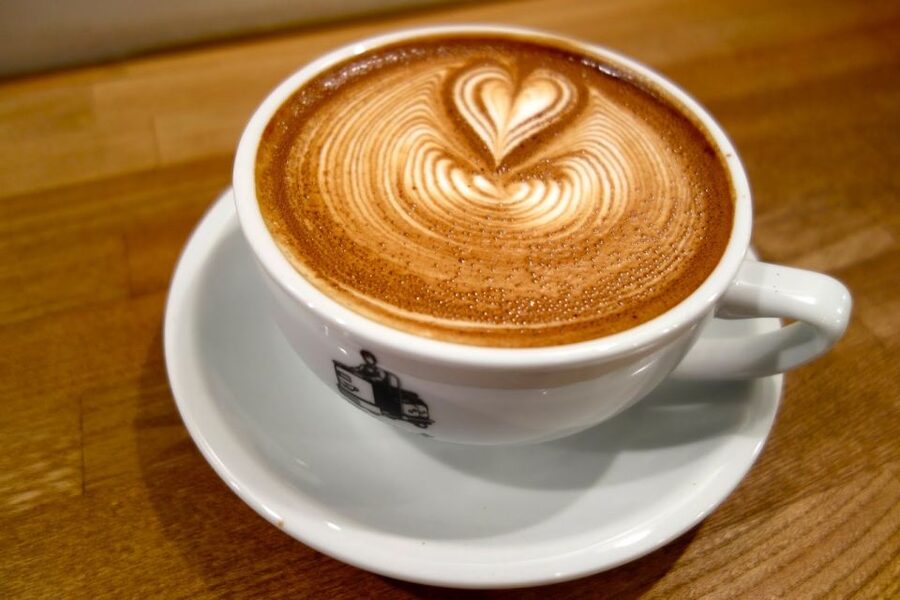
This is a strong choice for a first visit to Tokyo. You get an introduction to Japanese food, a lesson in market manners, a local breakfast, and a useful orientation to Tsukiji in one compact outing.
It also suits repeat visitors who want to look past famous restaurants. The regional foods, seasonal ingredients, fresh wasabi, and vendor stories give the tour more depth than a simple sushi sampling.
Families with older children may enjoy it, especially because guides such as Yappy have connected well with teenagers. Children must have an adult with them, and anyone aged 10 or above must provide a copy of a passport. Unaccompanied minors are not allowed.
This is less suitable if you dislike seafood, have serious dietary restrictions, use a stroller, or find advanced walking difficult. It is also not the right choice if your main goal is to shop slowly for knives and kitchen goods, since the three-hour schedule gives priority to eating and guided exploration.
The minimum booking requirement is two people. The maximum group size is 10, which keeps the experience more personal than a large coach excursion.
Practical details for a smooth start
Meet at Turret Coffee Shop in Tsukiji, using Exit 2. Look for the guide holding an Arigato Travel sign. Bring your passport and wear shoes suited to sustained walking on busy streets and market surfaces.
Transportation is not included, so plan your route to Tsukiji in advance. Hotel pickup is also separate unless you arrange and pay for it. Since the tour begins in the morning, do not assume you can arrive at the last minute and still find the meeting point without stress.
The activity is offered in English with a live guide. Starting times vary, so check availability when booking. You can reserve now and pay later, and cancellation is free up to 24 hours before the start time for a full refund.
Should you book the Classic Tsukiji Food Tour?
Book it if you want Tsukiji explained through food rather than viewed as a quick photo stop. The combination of a traditional breakfast, sashimi, sweets, regional products, market stories, and a shrine visit gives you a well-rounded morning.
I would especially recommend it for first-time visitors, seafood fans, and anyone who feels unsure about ordering at Japanese food stalls. The guide’s help is the real advantage, and names such as Yappy, Kay, Sandra, and Shigeki appear often in connection with warm, funny, well-informed guiding.
Skip it if $181 feels too high for a food outing, if you need a slow shopping pace, or if seafood is not your thing. For everyone else, come hungry, wear good shoes, and leave room for one more bite than you think you can manage.
FAQ
Where does the Tokyo Classic Tsukiji Food Tour meet?
Meet at Turret Coffee Shop in Tsukiji. Use Exit 2, where your guide will be holding an Arigato Travel sign.
How long does the tour last?
The tour lasts three hours. Starting times vary, so check availability when you book.
What food is included?
The tour includes breakfast at a local restaurant, food tastings from the Tsukiji Outer Market, traditional Japanese sweets, and regional food from around Japan.
What might be served for breakfast?
Breakfast may include dishes such as grilled mackerel, black cod, rice, and miso soup. The exact menu can vary.
Is seafood a major part of the tour?
Yes. Seafood and sashimi are central to the Tsukiji experience, and tastings may include fresh fish and oysters.
Is transportation included?
No. Transportation costs are not included, and hotel pickup requires an additional charge.
Is the tour suitable for children?
Children must be accompanied by an adult. Unaccompanied minors are not allowed, and a copy of a passport is required for children aged 10 and above.
How many people are in the group?
The tour is a small-group experience limited to 10 participants. At least two people are required per booking.
What should I bring, and what is the cancellation policy?
Bring your passport and comfortable shoes. You can cancel up to 24 hours in advance for a full refund, and the reserve-now, pay-later option lets you delay payment until later.
More Food Experiences in Tokyo
More Tokyo Food Tours in Tokyo
More Tsukiji Market Tours in Tokyo
More tours in Tokyo we've reviewed






Tokyo Food Tours, compared.
 ★ 5.0Tokyo: Shinjuku Food Tour (13 Dishes at 4 Local Eateries)From $86
 ★ 4.9Tokyo: Shinjuku Food Tour (15 Dishes and 4 Eateries)From $853 hours
 ★ 5.0Best of Shinjuku: Izakaya Food Tour (4 Stops, 14+ Tastings)From $92
 ★ 5.0Tokyo Night Foodie Tour in Shinjuku – Seasonal Sushi, Wagyu BeefFrom $111
 ★ 5.0Eat and Drink Like a Local: Tokyo Ueno Food Tour-Taverns&RamenFrom $95
 ★ 5.0Tokyo: Shibuya Food Tour (13 dishes and 4 Eateries)From $77