
Reviewed · ASAKUSA TOURS
Full Tokyo: Meiji Shrine, Imperial Palace, Asakusa & Skytree
Tokyo Skytree gives this seven-hour Tokyo tour a strong finish: after shrines, palace views, pop culture, and old Asakusa, you can look across the city from one of its highest observation decks. I like the way the route connects very different sides of Tokyo, from the quiet forest around Meiji Shrine to the neon energy of Akihabara.
I also like having train tickets handled between stops and the choice to add a traditional lunch and Skytree admission. The main caution is pace: several stops are short, and the time around Senso-ji can feel rushed if you want a careful look at the temple.
In This Review
- Key points at a glance
- Six Tokyo districts and landmarks in one day
- Meeting Hachiko in Shibuya
- Meiji Shrine and its quiet forest path
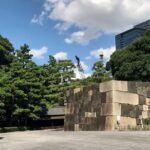
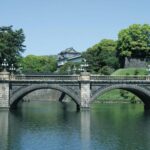
- Photographing the Imperial Palace exterior
- Akihabara’s electric pop culture district
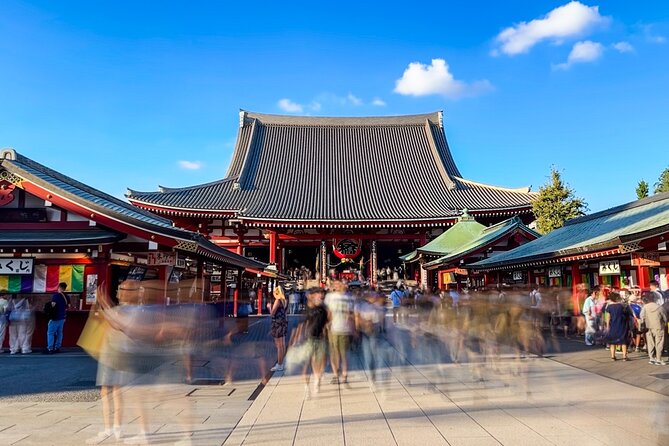
- Senso-ji and two hours in Asakusa
- Tokyo Skytree and the final city view
- The train rides are useful, but they take time
- Guide quality and language options
- Who gets the best value for $69
- Pace, walking, and practical preparation
- Should you book Full Tokyo?
- FAQ
- Where does the tour meet?
- How long does the tour last?
- Which languages are available?
- Are train tickets included?
- Is lunch included?
- Is Tokyo Skytree admission included?
- Where does the tour finish?
- Can wheelchair users join the tour?
Key points at a glance
- Seven hours across central Tokyo: Cover Shibuya, Meiji Shrine, the Imperial Palace area, Akihabara, Asakusa, and Tokyo Skytree in one day.
- Local trains are part of the experience: Transfers take a large share of the day, but your bilingual guide handles the included tickets.
- Meiji Shrine offers the calmest stop: Allow about 70 minutes for the forest path, shrine grounds, and Shinto customs.
- Asakusa gets the most open time: You have up to two hours for Senso-ji, lunch if selected, and independent exploring.
- Skytree admission is optional: You can finish at the tower only if you have bought the appropriate ticket.
- The pace suits first-time visitors: It is useful for orientation, but less suited to anyone wanting long, slow visits at each sight.
Six Tokyo districts and landmarks in one day
This tour is built around contrast. You begin at the Hachiko Statue in Shibuya, pass through the quiet grounds of Meiji Shrine, stop for photographs near the Imperial Palace, see Akihabara’s electronic and anime culture, and finish in Asakusa with the option of Tokyo Skytree.
That is a lot of Tokyo in one sitting. You will not get a full museum-style treatment of every place, but you will come away with a clear sense of how different the city’s central districts feel.
The price is $69 per person before optional additions. For that amount, the value rests on the guide, the included train fares, and the number of major places covered. If you already know Tokyo’s rail system and prefer to set your own pace, you can visit most of these districts independently for less. If you want a guided first look without sorting out every transfer, the price is easier to justify.
A few more Tokyo tours and experiences worth a look


Meeting Hachiko in Shibuya
The day begins beside the Hachiko Statue at Hachiko Square. This is a practical meeting point, but it can be busy, so give yourself enough time to locate the statue and your guide.
Hachiko is more than a meeting marker. The statue honors the loyal dog remembered in one of Tokyo’s best-known stories, and the surrounding square puts you right in the middle of Shibuya’s constant movement.
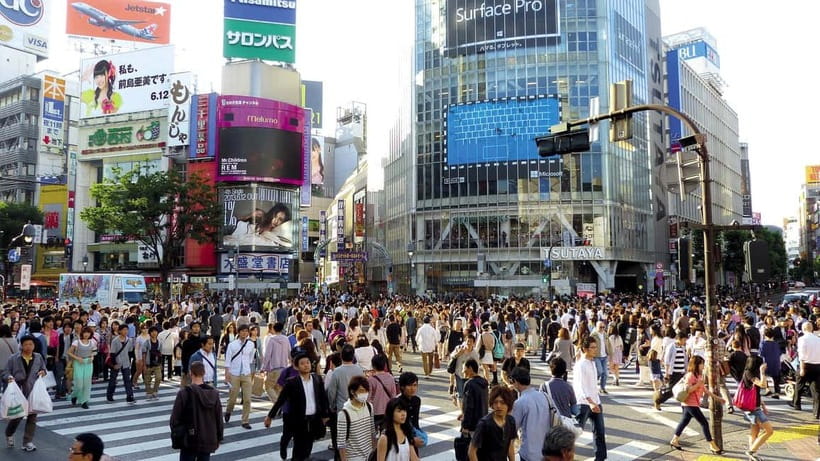
The tour then takes you to Shibuya Crossing. The supplied schedule describes this as a scenic drive, while the stop itself may be brief. That matters. You should expect a look at the crossing and a chance for photographs, not an extended Shibuya neighborhood walk.
If you want the classic view of people crossing from several directions, stay alert and follow your guide’s timing. This first stop works best as an orientation to the district rather than a full visit.
Meiji Shrine and its quiet forest path
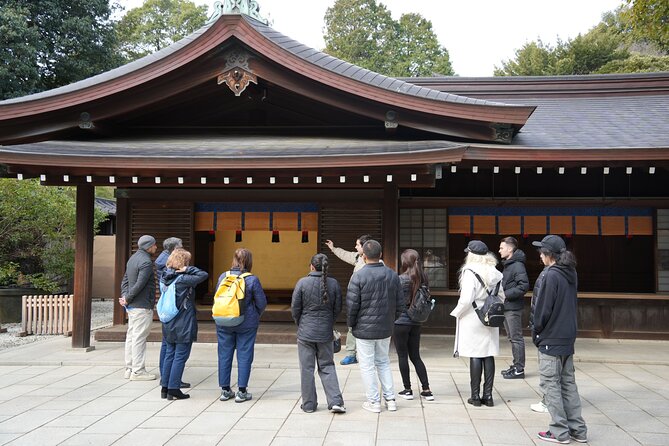
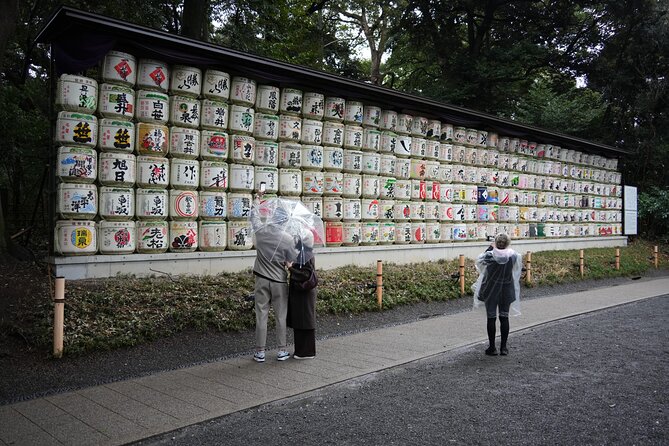
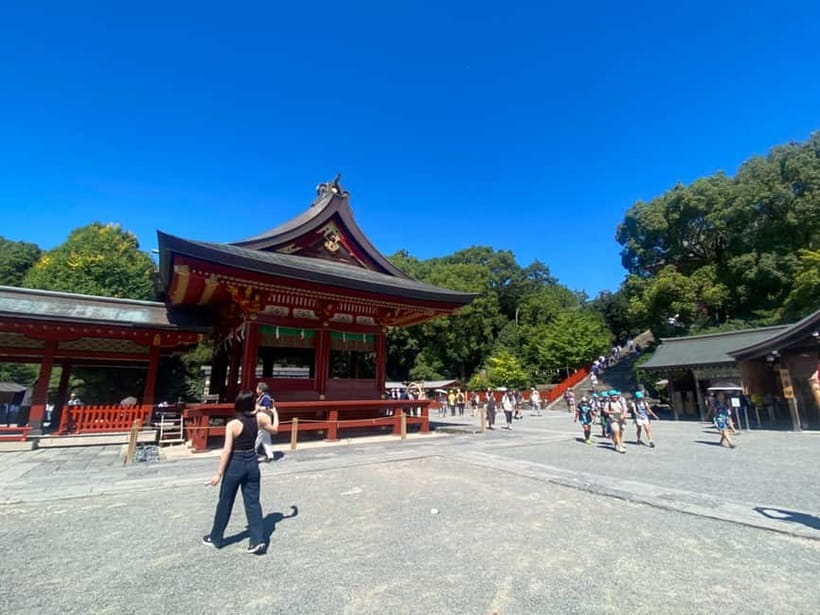
Meiji Shrine is likely to be the most peaceful stop of the day. The shrine sits among broad woodland paths in the middle of the city, creating a sharp change from Shibuya’s crowded streets.
You have about 70 minutes here with the guide. That is enough time for a measured walk, a look at the shrine buildings, and an introduction to Shinto customs. You may see visitors bowing, washing their hands, or offering prayers, but the important point is to follow local etiquette and let the guide explain what you are seeing.
The early start can make a real difference. One morning group began at 8 a.m. and found Meiji Shrine pleasantly quiet before the crowds grew. If you have a choice of starting times, an earlier departure should give this part of the day its best atmosphere.
Wear shoes that are comfortable for walking. The route includes train stations, urban sidewalks, shrine paths, and later temple grounds, so this is not a day for delicate footwear.
Photographing the Imperial Palace exterior
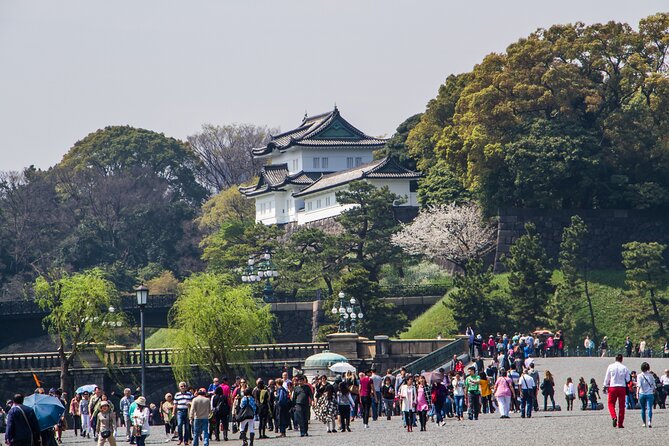
After Meiji Shrine, you travel by train toward the Imperial Palace area. The listed guided portion is about 30 minutes, though the promotional description refers to palace exterior photographs and nearby gardens rather than an interior visit.
Keep your expectations clear: this is a photo stop, not a palace tour. You will see the impressive exterior surroundings and have time to take pictures, but you should not expect access to royal rooms or a long exploration of the palace grounds.
This shorter visit can still be worthwhile because it adds a national and political landmark to a day otherwise focused on shrines, temples, shopping districts, and city views. The contrast helps you understand Tokyo as more than a collection of commercial neighborhoods.
Timing is the weak point here. One account of the day found the palace visit much shorter than expected. Since the tour has several train transfers and fixed meeting times, you may need to settle for a quick look rather than a leisurely walk.
Akihabara’s electric pop culture district
The route continues toward Akihabara, Tokyo’s famous technology and pop culture district. The schedule describes this as a scenic drive, so do not assume you will have free time to enter shops or browse arcades.
Akihabara is best understood through its visual energy: bright signs, electronics, manga, anime, games, and specialty stores. A passing view gives you the flavor of the area, but it will not satisfy you if Akihabara is one of your main reasons for visiting Tokyo.
If you want to shop for electronics, character goods, or collectibles, plan a separate visit. Here, Akihabara functions as a quick look at another side of the city before the tour moves to the older streets of Asakusa.
A few more Tokyo tours and experiences worth a look

Senso-ji and two hours in Asakusa
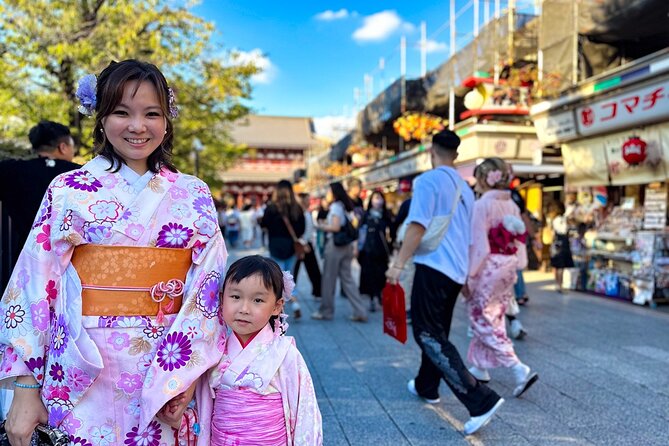
Asakusa is the day’s best chance to slow down. You have up to two hours for lunch, Senso-ji, and free time, making this the longest stop on the route.
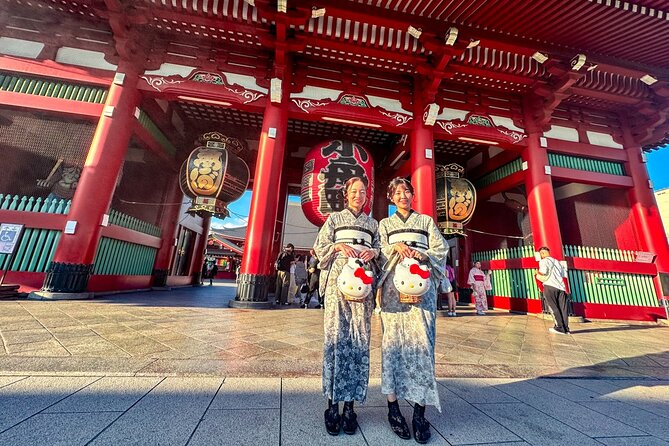
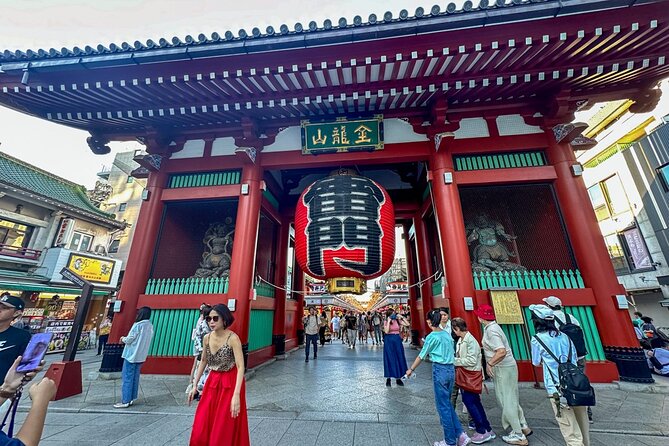
Senso-ji is Tokyo’s oldest and best-known Buddhist temple. The approach leads through a famous shopping street toward the temple’s large entrance gate and main hall. Your guide can help explain the religious customs and point out what deserves your attention, but the amount of guided explanation may vary with the day’s schedule and the group’s walking speed.
This is where the tour’s pace becomes most noticeable. One account found there was not enough time for Senso-ji and that lunch felt hurried because the group had to regroup. You should treat the two hours as a shared block, not two guaranteed hours inside the temple complex.
The optional lunch can be a good choice if you want a set meal without spending time looking for a restaurant. A traditional Japanese meal is included when you select that option, and one diner found the food delicious and well served. The trade-off is less freedom and a fixed meeting schedule.
If you skip lunch, you can use the time to explore Asakusa more independently. Look around the approach to Senso-ji, browse the local shops, and return to the agreed meeting place on time. Drinks are not included, so carry water or plan to buy one during a break.
Tokyo Skytree and the final city view
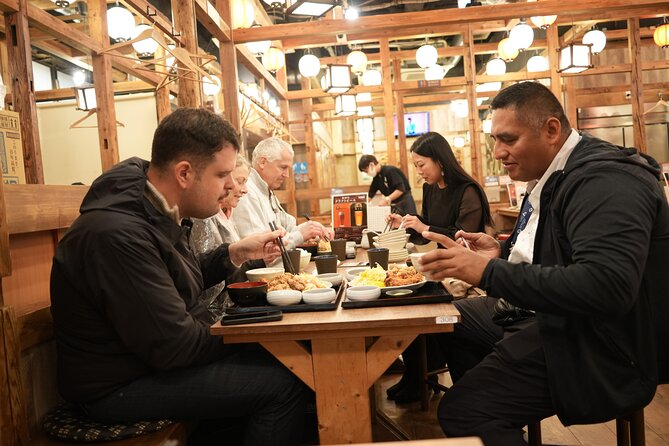
The tour concludes at Tokyo Skytree, but admission is not automatic. You need to select the Skytree option or have purchased the correct ticket beforehand. The day ends at Skytree if you enter, or at Asakusa if you do not choose that option.
The observation deck is the natural payoff for a day spent moving through Tokyo’s districts. From above, the city’s scale becomes easier to grasp. You can connect the dense central areas you have visited with the wider spread of Tokyo beyond them.
A previous visitor found the view from Skytree fantastic, and that is easy to understand as a reason to add the ticket. Still, check the booking details carefully. The guide cannot simply include you at the last moment if you have not arranged admission.
The finish is also useful logistically. If you are staying near Asakusa, being dropped there may suit you better than going up the tower. If you want the view, select the tower option and plan for the tour to end there.
The train rides are useful, but they take time
The tour uses trains for transfers between the main stops, with listed travel periods of about 40 minutes, 45 minutes, 35 minutes, and 30 minutes. That adds up to a substantial part of the seven-hour day.
I see this as both a benefit and a limitation. Tokyo’s train system can be confusing on a first visit, especially when you are trying to match stations, platforms, tickets, and meeting times. Having the guide handle the included fares removes much of that work.
The downside is that train travel is not dead time, but it is not sightseeing time either. You may spend close to three hours moving between neighborhoods when station walks and transfers are included. The route covers a lot, but it does so by giving you short introductions instead of long visits.
One guide, Jorg, was especially helpful with practical advice about traveling by train in Japan. That kind of information can be as useful as the sightseeing itself, particularly if this is your first day in Tokyo.
Guide quality and language options
The tour offers live guiding in English or Spanish. The guide assignments vary, with Oliver, Jorg, Melody, Erik, George, and Burt among the named guides connected with different departures.
The strongest guide accounts describe warm, clear explanations and useful cultural context. Oliver handled a New Year’s Eve visit well, including the local shrine and temple celebrations. George was praised for explaining Japanese culture during the sightseeing, while Burt was described as easy to talk with and engaging.
The practical value of a good guide is highest during the shrine and temple visits. Tokyo can be visually impressive even without help, but a guide can explain how the places are used, what you are looking at, and how to behave respectfully.
You should still allow for variation. One account found the historical and cultural explanation too light, with little information beyond everyday points such as trash separation and the lack of public bins. If detailed history is your main goal, ask questions as you go and consider adding a more focused shrine, temple, or palace tour later.
Who gets the best value for $69
I would consider this tour a solid orientation day for a first visit to Tokyo. You get several famous districts, train support, a bilingual guide, and the option to add lunch and Skytree admission.
The price makes the most sense for you if:
- You are visiting Tokyo for the first time.
- You want to see several major sights in one day.
- You prefer a guide to manage train transfers.
- You want English or Spanish commentary.
- You like having lunch arranged in advance.
- You have limited time in central Tokyo.
The value is weaker if you already know the city or want to spend an hour or more at each landmark. Shibuya and Akihabara receive quick treatment, and the Imperial Palace portion is mainly for exterior views. Even Senso-ji, the longest cultural stop, can feel compressed when lunch and regrouping are included.
At $69, I would compare the base price with the cost of the lunch and Skytree additions before booking. The included train tickets help, but the real benefit is convenience and structure, not admission to every attraction.
Pace, walking, and practical preparation
Bring comfortable shoes, water, sunscreen, a hat, and a camera. You will walk through stations, city streets, shrine grounds, temple approaches, and open areas around the palace.
The tour is not suitable for wheelchair users. No group size is specified, so you should be ready to keep track of the guide and return promptly after free time.
The day can feel demanding because it combines walking with repeated train rides. A guide account praised the careful way one leader helped people who walked more slowly, but you should still expect a steady pace.
Keep your lunch and Skytree choices in mind before departure. If you want maximum freedom in Asakusa, skip the lunch add-on. If the observation deck is important, select its ticket in advance. You cannot decide at the end and assume entry will be available through the tour.
Should you book Full Tokyo?
Book this tour if you want a broad first look at Tokyo and value having a guide organize the trains, explain local customs, and keep the day moving. The mix of Meiji Shrine, Senso-ji, palace views, Akihabara, and Skytree gives you a useful picture of the city’s different sides.
Think twice if your priority is slow sightseeing or detailed historical teaching. The tour covers a great deal, but some stops are quick, and the time at Senso-ji may not satisfy temple enthusiasts.
My practical choice would be to book the tour with Skytree admission if the view matters to you, then decide on lunch based on your preference for convenience. Start early if possible, ask the guide direct questions, and treat Shibuya, Akihabara, and the Imperial Palace as introductions rather than complete visits.
FAQ
Where does the tour meet?
Meet your guide next to the Hachiko Statue at Hachiko Square in Shibuya.
How long does the tour last?
The tour lasts seven hours. Starting times vary, so check availability when booking.
Which languages are available?
The live guide is available in English or Spanish.
Are train tickets included?
Yes. Train tickets for transfers between the scheduled stops are included.
Is lunch included?
Lunch is included only if you select the lunch option when booking. Drinks are not included.
Is Tokyo Skytree admission included?
Tokyo Skytree admission is included only when you select the Skytree option. You can enter at the end only if you have purchased the required ticket.
Where does the tour finish?
The tour finishes at Tokyo Skytree if you have selected admission. Otherwise, the available drop-off location is Asakusa.
Can wheelchair users join the tour?
No. The activity is not suitable for wheelchair users.
More Tickets & Passes in Tokyo


More Imperial Palace & Shogun Tours in Tokyo
More Asakusa Tours in Tokyo
More tours in Tokyo we've reviewed




Asakusa Tours, compared.
 ★ 4.8Tokyo: Japanese Dance Cabaret Theater Asakusa-Kaguwa TicketFrom $492 hours
 ★ 4.7Tokyo: Meiji Shrine, Asakusa, Skytree Bus Tour and CruiseFrom $12210 hours
 ★ 4.9Tokyo: Roll and Authentic Sushi Making Class in AsakusaFrom $581h 40m
 ★ 4.8Tokyo: Asakusa Walking Tour with Sensoji Temple VisitFrom $222 hours
 ★ 5.0Tokyo Asakusa Rickshaw TourFrom $42
 ★ 4.5Tokyo Panoramic 1 Day: Meiji Shrine, Asakusa, Odaiba and SKYTREE®From $85