
Reviewed · TOKYO FOOD TOURS
NO DIET CLUB – Unique local food tour in Tokyo !
Tokyo has plenty of famous food districts, but this tour takes you to Sangenjaya, an older neighborhood just one station from Shibuya. Here, the appeal is not a checklist of grand sights. It is the chance to eat the Japanese comfort foods you might miss while moving between temples, department stores, and major attractions.
I like two things right away: five or more tastings are included, and the route uses small local eateries rather than places aimed mainly at overseas visitors. The three-hour format also gives you time to walk between bites, which matters when the food comes in generous portions.
The main consideration is simple: drinks other than water are not included, and the food selection changes with the seasons. If you want a fixed menu or a formal restaurant meal, this may feel too flexible. If you want a relaxed neighborhood walk with plenty to eat, it is a strong choice.
In This Review
- Key points at a glance
- Why Sangenjaya makes a better food stop than another famous district
- A three-hour walk built around generous tastings
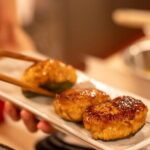
- Takoyaki, omurice, and curry pan: what the food tells you
- Local alleys and old shops between bites
- Guides Valentin and Marie keep the experience personal
- How the $68 price works out
- Who will enjoy this food tour most
- Who may want a different Tokyo food experience
- Booking details worth knowing
- Should you book NO DIET CLUB in Sangenjaya?
- FAQ
- How long is the NO DIET CLUB Tokyo food tour?
- Where does the food tour take place?
- How many food tastings are included?
- Is all food included in the price?
- Are drinks included?
- Is the tour available in English?
- What is the maximum group size?
- Are pescatarians welcome?
Key points at a glance

- Sangenjaya near Shibuya: Reach an older, calmer side of Tokyo only one station from the city’s famous crossing.
- Five or more food tastings: Expect both savory and sweet dishes, with all food included in the $68 price.
- Classic Japanese comfort food: Tastings can include takoyaki, omurice, curry pan, and other local favorites.
- Small groups of up to 10: The group size gives the guide room to answer questions and respond to food preferences.
- English or French guidance: Valentin and Marie lead tours in the two listed languages.
- Pescatarians welcome: The tastings may change by season, so the exact food lineup is not fixed.
Why Sangenjaya makes a better food stop than another famous district
Sangenjaya gives you a useful break from Tokyo’s biggest visitor zones without sending you far from the action. It is just one station from Shibuya, yet the tour description presents it as an older part of the city, with narrow alleys, nostalgic shops, and long-running local eateries.
That contrast is the heart of the outing. You still get Tokyo convenience and easy access, but the setting is less dominated by major names and photo stops. The focus shifts to everyday food and the small details of a neighborhood: where people eat, how old shops fit beside newer ones, and how Japanese comfort food appears in ordinary life.
I would choose this tour early in a Tokyo stay. It can help you get your bearings in a part of the city you might otherwise pass through on the train. It also gives you a list of foods to look for later, from familiar dishes such as takoyaki to less obvious local specialties.
A few more Tokyo tours and experiences worth a look
A three-hour walk built around generous tastings
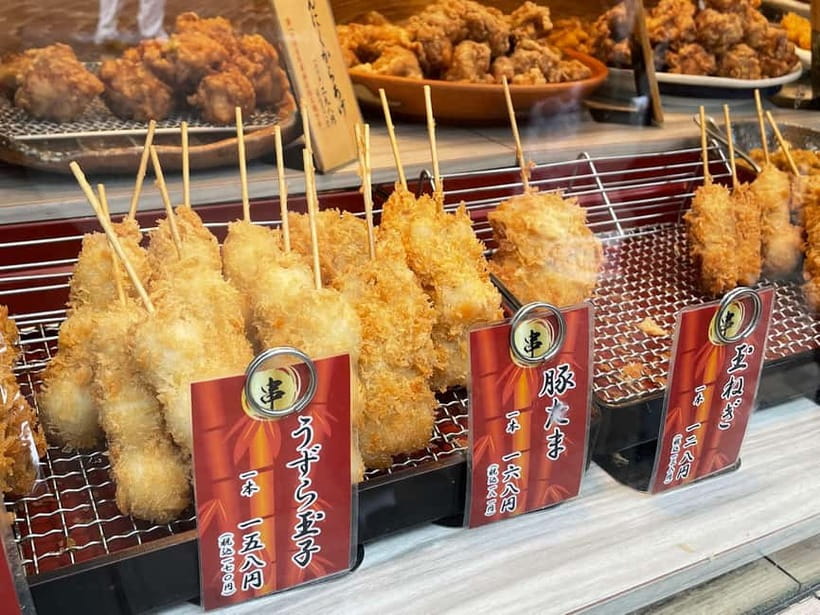
The experience lasts three hours, so this is not a quick market snack stop. You move through the neighborhood from one food location to the next, with walking time between tastings. That spacing is practical, since the food is described as offering both quality and quantity.
The exact route and menu are seasonal. You should think of the published dishes as examples rather than a promise of every single item. Takoyaki, omurice, curry pan, and sweet treats may all feature, but the final selection can vary.
That flexibility is useful in Tokyo, where food shops may have limited opening hours or changing specialties. It also means you should not book this expecting a rigid, printed sequence. The strength is the range of stops and the guide’s local judgment. The tradeoff is that two departures at different times of year may not taste exactly alike.
A three-hour food tour can also be more filling than the price first suggests. With at least five tastings, you are not paying for one sample at each stop. You are getting a substantial introduction to the area, plus enough walking to keep the pace comfortable.
Takoyaki, omurice, and curry pan: what the food tells you
The named foods are a useful clue to the character of this experience. These are not presented as rare luxury dishes. They are familiar Japanese comfort foods, the kind of cooking that helps you understand daily eating habits better than a single expensive dinner might.
Takoyaki gives you the street-food side of Osaka-inspired Japanese cooking, with hot batter and a casual format that works well during a walk. It is usually served fresh and can be messy, so keep your pace relaxed when eating it.
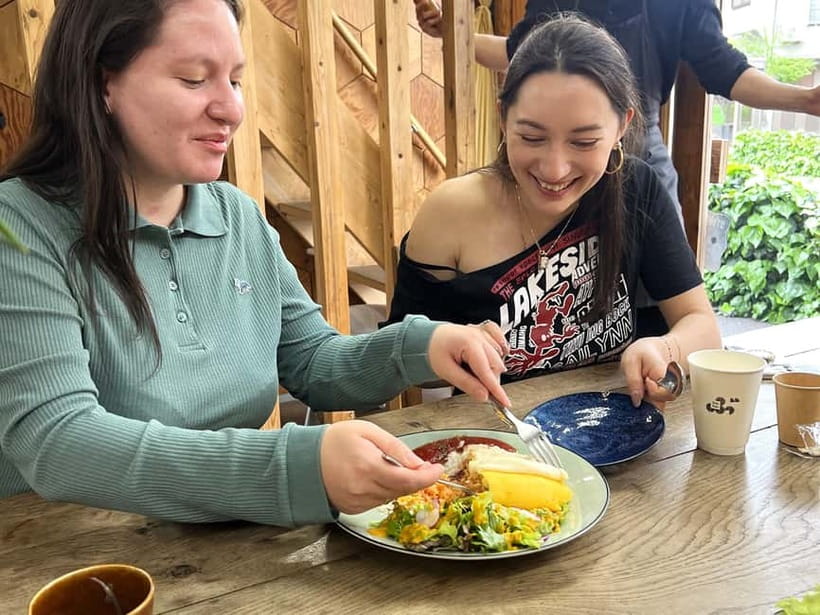
Omurice brings a softer, more filling dish into the mix. The name combines omelet and rice, and it is a classic example of Japanese comfort food shaped by both Western influence and local taste. It is the sort of dish that can tell you more about modern Japanese home-style cooking than a plate chosen only for appearance.
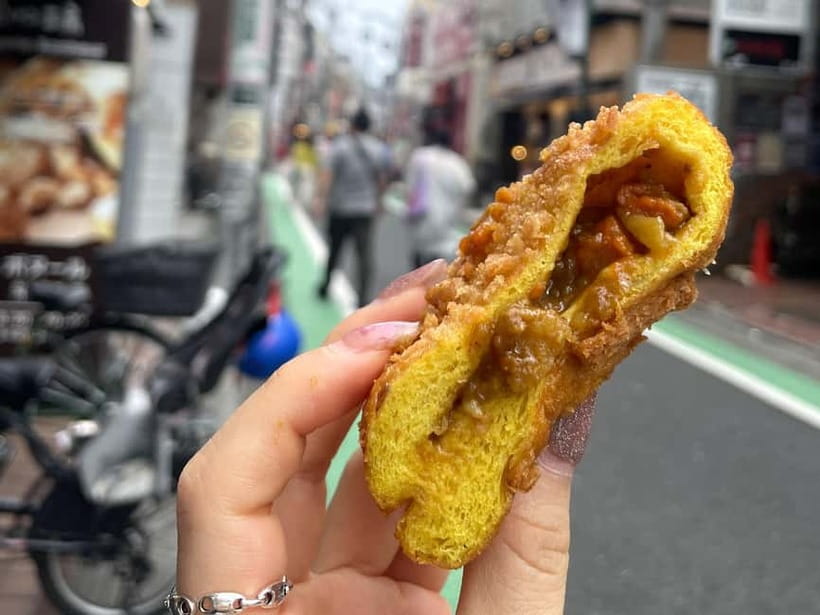
Curry pan offers another everyday favorite: bread filled with Japanese curry, often eaten as a quick snack. Including it helps keep the tour from becoming a parade of the same kind of food. You get different textures and formats, from handheld bites to more substantial plates.
Sweet tastings round out the route. Since the exact sweets are not specified, I would treat them as part of the seasonal surprise rather than plan your whole decision around one dessert. The important point is that the food covers savory and sweet stops.
Local alleys and old shops between bites
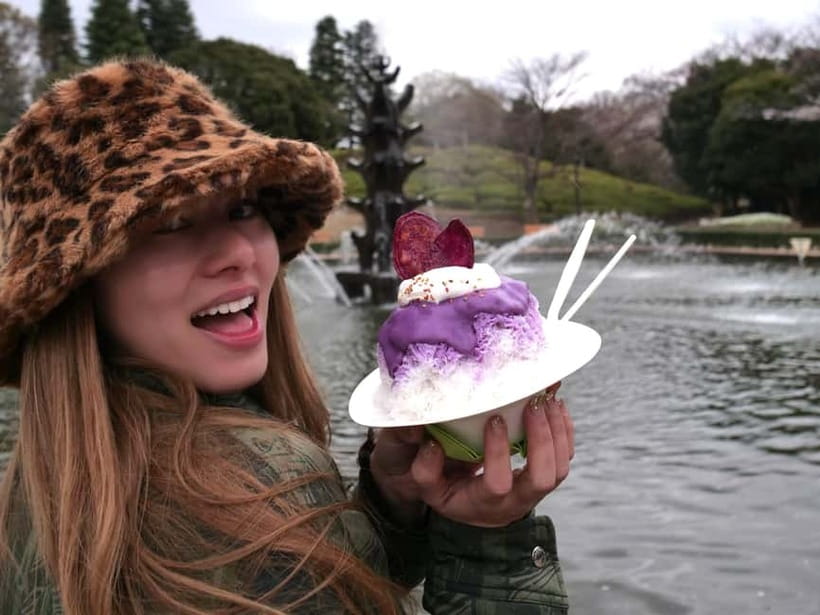
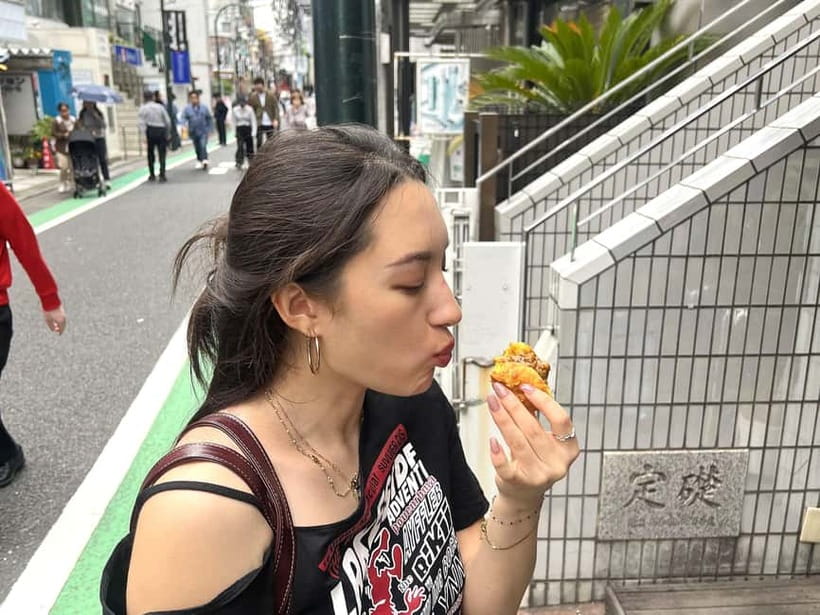
The walking matters as much as the eating. Sangenjaya’s alleys and older shops give the tour a sense of place that a restaurant-only food event cannot provide. You are not simply seated while dishes arrive. You see the neighborhood as you move through it.
The area is described as nostalgic, with eateries that have served food for generations. That does not mean every shop is an elaborate historic site. The value is more ordinary and more useful: you get a look at the small-scale streets where food businesses have remained part of local life.
I especially like this format for first-time visitors who want context with their meal. The guides explain what you are eating and add background about dishes you may already know. That helps you notice the difference between a dish’s name, its typical role, and the way a particular shop prepares it.
The walking also creates a natural pause between stops. One detailed account praised having time to move around the neighborhood and let the food settle. That is a real advantage over a seated tasting menu, especially when the tour promises quantity as well as quality.
Guides Valentin and Marie keep the experience personal

The tour runs in English and French, with Valentin and Marie named as guides. The available feedback points to a guide-led experience that is attentive rather than rushed. Valentin is described as showing visitors small food spots and the quieter side of Sangenjaya, while Marie is praised for explaining unfamiliar foods and offering thoughtful advice.
That distinction matters. A food tour guide does more than point at a plate. You want someone who can explain what you are eating, answer questions, and help you understand why a simple snack matters. The comments about both guides suggest that this explanatory side is central to the experience.
The small-group limit of 10 supports that style. It is not a private tour, but it is small enough for the guide to hear questions and keep track of food needs more easily than on a large coach outing. If the group fills to the maximum, you should still expect a shared experience rather than a one-to-one food lesson.
The language choice is also practical. English and French tours make the outing accessible to a wide range of visitors, while the small group should make conversation easier than on a large public walk.
A few more Tokyo tours and experiences worth a look



How the $68 price works out
At $68 per person, the price is not a bargain snack crawl in the narrow sense. You are paying for at least five food tastings, a three-hour guided walk, local explanations, and the chance to find places you might not reach on your own.
The value improves if you count the food as part of your lunch or dinner rather than as a few small samples before another meal. The description emphasizes both quality and quantity, and the tastings include savory and sweet items. Depending on the day’s lineup, you may be able to treat this as a major meal.
Drinks are the clear extra cost. Water is included, but other drinks are not. If you enjoy pairing food with beer, tea, soft drinks, or other beverages, budget for those separately. That is not a serious flaw, but it is easy to overlook when comparing tour prices.
I would compare this $68 experience with the cost of several independent meals, not with the price of a single snack. If you are confident navigating Japanese menus and already know Sangenjaya, you can spend less on your own. If you want explanations, a planned route, and multiple stops without doing the research yourself, the cost is easier to justify.
Who will enjoy this food tour most
This is a good match for you if you want:
- Japanese comfort food instead of only high-profile restaurants
- A neighborhood experience close to Shibuya
- A guided walk with plenty of eating
- Explanations about familiar and unfamiliar dishes
- A small group rather than a large organized outing
- Both savory and sweet tastings
- An English or French tour
- A pescatarian-friendly option
It also suits repeat visitors who have already seen Tokyo’s major sights. Sangenjaya offers a different kind of city experience, and the route may introduce you to food shops you would not find through the usual guidebook circuit.
Families and cautious eaters may appreciate the guide’s attention, but the available information does not specify child pricing, age limits, or a detailed allergy policy. If you have a serious allergy or strict dietary need, contact the provider before booking rather than relying on the general pescatarian option.
Who may want a different Tokyo food experience
I would hesitate to recommend this if you need an exact menu in advance. Seasonal variation means the food can change, and the tour is built around local judgment rather than a fixed restaurant reservation.
It may also be a poor fit if you want drinks included. Only water is covered, so drink costs can add up if you order something at several stops.
Finally, this is not the tour for someone who wants Tokyo’s most famous landmarks to fill every minute. You may be close to Shibuya, but the point is to spend time in Sangenjaya’s side streets and food shops. The sightseeing is informal and tied to the neighborhood, not a major attraction list.
Booking details worth knowing
The tour lasts three hours, and starting times depend on availability. The group is limited to 10 people, with English and French guides available.
All food is included, with a minimum of five tastings in many spots. Water is included, but other drinks are not. Pescatarians are welcome, though the food may change with the seasons.
The booking terms are flexible: you can reserve now and pay later, and cancellation is free up to 24 hours before the activity for a full refund. Those terms are useful if your Tokyo plans are still shifting.
Should you book NO DIET CLUB in Sangenjaya?
I would book this tour if you want a filling, local food walk rather than a polished restaurant tasting. The strongest reasons are the five or more included tastings, the easy-to-reach Sangenjaya setting, and the guides’ focus on explaining the food and neighborhood.
Choose it early in your trip if you want help finding Japanese dishes beyond the obvious choices. Choose it later if you already know Tokyo’s food scene and want a quieter area with small shops and less familiar stops.
Skip it if you require a fixed menu, included drinks, or a major-sights itinerary. For everyone else, $68 is a fair price for three hours of food, walking, and useful local direction, especially when Valentin or Marie can help turn each dish into more than just another snack.
FAQ
How long is the NO DIET CLUB Tokyo food tour?
The tour lasts three hours.
Where does the food tour take place?
The tour takes place in Sangenjaya, an older Tokyo neighborhood located one station from Shibuya.
How many food tastings are included?
At least five tastings are included in many spots, with both savory and sweet food.
Is all food included in the price?
Yes. All food tastings are included.
Are drinks included?
Water is included, but drinks other than water are not included.
Is the tour available in English?
Yes. The tour is offered in English and French.
What is the maximum group size?
The tour is limited to 10 participants.
Are pescatarians welcome?
Yes. Pescatarians are welcome, though the tastings may vary with the seasons.
More Food Experiences in Tokyo
More Tokyo Food Tours in Tokyo
More tours in Tokyo we've reviewed




Tokyo Food Tours, compared.
 ★ 5.0Tokyo: Shinjuku Food Tour (13 Dishes at 4 Local Eateries)From $86
 ★ 4.9Tokyo: Shinjuku Food Tour (15 Dishes and 4 Eateries)From $853 hours
 ★ 5.0Best of Shinjuku: Izakaya Food Tour (4 Stops, 14+ Tastings)From $92
 ★ 5.0Tokyo Night Foodie Tour in Shinjuku – Seasonal Sushi, Wagyu BeefFrom $111
 ★ 5.0Eat and Drink Like a Local: Tokyo Ueno Food Tour-Taverns&RamenFrom $95
 ★ 5.0Tokyo: Shibuya Food Tour (13 dishes and 4 Eateries)From $77