
Reviewed · MT FUJI DAY TRIPS
From Tokyo: Mount Fuji and Hakone Private Day Trip
Mount Fuji and Hakone in one day is a big ask, but this private tour makes the plan workable. You can move between Fuji viewpoints, old shrines, Oshino Hakkai, Lake Ashi, Owakudani, and the Hakone Open Air Museum without wrestling with several trains and buses. The flexible routing is the real star.
I like two things here: first, the private vehicle lets your guide respond to clouds and traffic, rather than forcing you to follow a fixed route. Second, the guides often add practical help, from taking family photos to finding the right lunch stop. The main catch is time. You cannot visit every suggested stop in 10 hours, and boat, ropeway, museum, lunch, and some Fuji fees cost extra.
In This Review
- Key points at a glance
- Why a private Fuji and Hakone day works
- The road to Mount Fuji and the Subaru 5th Station
- Chureito Pagoda and the classic Fuji photograph
- Kitaguchi Hongu Fuji Sengen Shrine
- Oshino Hakkai and the Fuji Five Lakes area
- Hakone National Park, Owakudani, and volcanic views
- Lake Ashi and the pirate cruise
- The Hakone Open Air Museum
- What the private vehicle adds
- Timing, weather, and the limits of one day
- Who should book this Fuji and Hakone tour?
- Should you book it?
- FAQ
- How long does the Mount Fuji and Hakone tour last?
- How many people can join for $438?
- Is hotel pickup and drop-off included?
- Is there an extra pickup charge outside Tokyo’s 23 wards?
- Can I visit every place listed in the itinerary?
- Are the Lake Ashi cruise and Hakone Ropeway included?
- Is lunch included?
- Can I visit the Fuji Subaru 5th Station during hiking season?
- What languages can the guide speak?
Key points at a glance
- Weather-smart planning: Guides such as Ali, Hadi, David, Khan, and Usman have adjusted the route when clouds or holiday traffic threatened the best views.
- A true private tour: The $438 rate covers a group of up to five, making the cost more reasonable for families or small groups than for solo visitors.
- Many possible Fuji viewpoints: Chureito Pagoda, Lake Kawaguchi, Oshino Hakkai, Kitaguchi Hongu Fuji Sengen Shrine, and Subaru 5th Station each show a different side of the mountain.
- Hakone options cost extra: Lake Ashi’s pirate cruise, the ropeway or cable car, and the Open Air Museum are not included in the base price.
- Comfort matters: Hotel pickup, a clean air-conditioned vehicle, bottled water, and smooth driving make this a good choice for families.
- Plan your priorities: The itinerary is a menu of choices, not a promise that every listed attraction fits into one day.
Why a private Fuji and Hakone day works
Mount Fuji is not one single viewpoint. It rises above lakes, shrines, towns, forests, and volcanic valleys, and the best place to see it changes with the weather. A cloud bank can hide the mountain from Hakone while leaving a clear view near Lake Kawaguchi, or the reverse.
That is where a private driver and guide help. Several guides have shifted the order of stops after checking the weather, sometimes visiting Lake Kawaguchi first so the group could catch a clear view before clouds arrived. On busy Saturdays and holidays, an early pickup can also save valuable time.
You are not joining a large coach with a fixed script. You can ask for Fuji-focused sightseeing, more Hakone, cultural stops, or a gentler day with less walking. The guide will help shape the route, but you need to be realistic about distances and opening hours.
The outing lasts about 10 hours. That sounds generous until you add Tokyo traffic, mountain roads, queues, meals, photo stops, and the time needed to cross between the Fuji Five Lakes area and Hakone. I would choose four or five priorities before pickup and treat the rest as optional.
A few more Tokyo tours and experiences worth a look
The road to Mount Fuji and the Subaru 5th Station
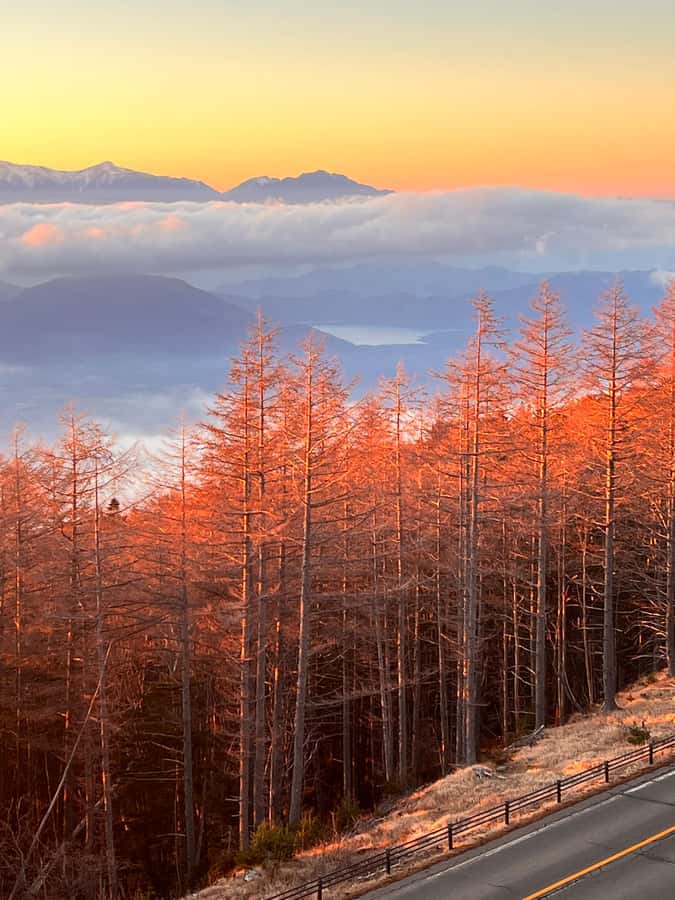
The Subaru 5th Station sits at about 2,300 meters and is the highest point on Mount Fuji reachable by regular road under normal conditions. It gives you broad views toward the surrounding mountains, the Fuji Five Lakes area, and, from the nearby Tenjosan Komitake Shrine, Lake Yamanaka and Fujiyoshida City.
The stop is useful even if you are not hiking. You get a sense of the mountain’s scale, cooler mountain air, and a high viewpoint that feels quite different from the lakeside stops below. Clear weather is essential for the full reward. On a cloudy day, you may see only fragments of the view.
There is an important seasonal restriction. From July 1 through September 30, private vehicles cannot drive onto the Fuji Subaru Line to the 5th Station during the hiking season. You can take a shuttle bus instead, at an additional cost of ¥2,500 per person. The tour also lists a Mount Fuji entrance fee of ¥2,100 per group.
Because these charges are separate, ask your guide early in the day what is operating and what the current access plan will be. If the summit road is restricted or visibility is poor, the lower lakes and shrines may offer a better use of your time.
Chureito Pagoda and the classic Fuji photograph
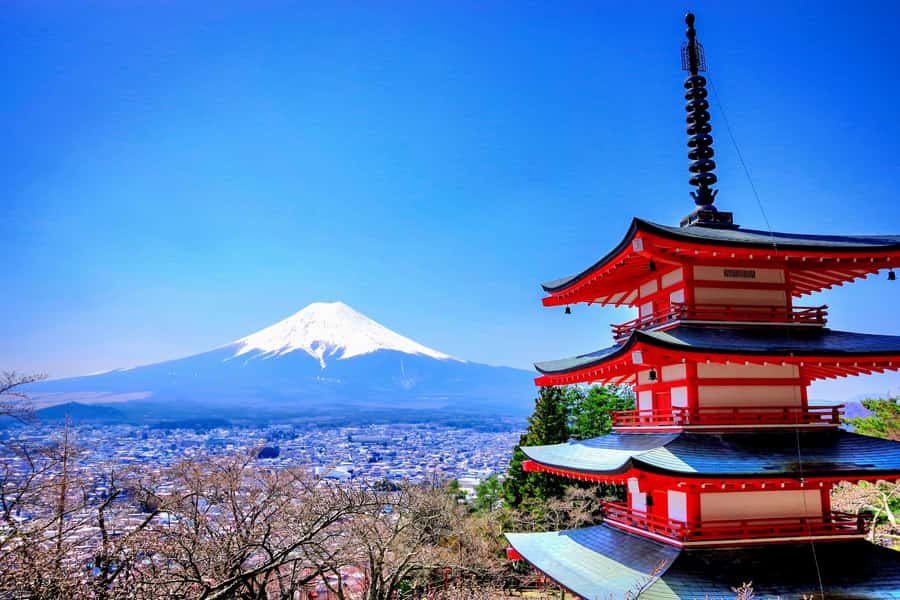
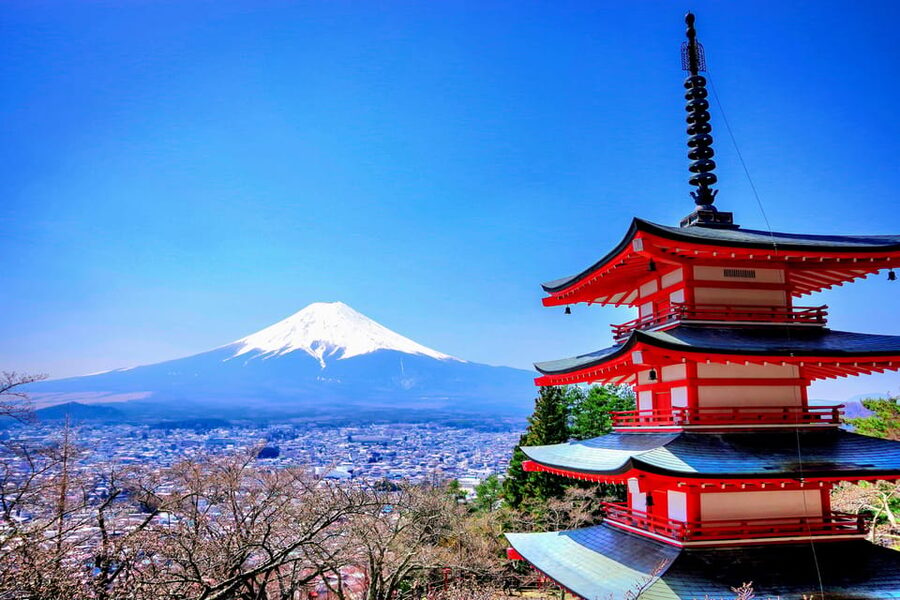
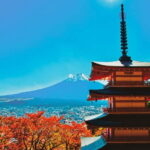
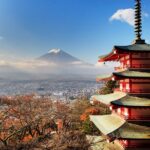
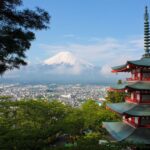
Chureito Pagoda is the five-story red pagoda at Arakurayama Sengen Park in Fujiyoshida City. When cherry blossoms or autumn leaves frame the pagoda and Mount Fuji rises behind it, this is one of Japan’s most recognizable views.
The tradeoff is the climb. The stop involves walking uphill and stairs, so it may not suit everyone in your group. The tour is not designed as a slow walking day, and you should tell the guide if anyone needs to limit stairs or extended walks.
I like this stop because it combines a strong view with a clear sense of place. You are not looking at Fuji in isolation. The pagoda, park, city, and mountain come together in one photograph, though clouds can easily hide the mountain.
Bring comfortable shoes. You may also want to carry cash, since some stops do not accept cards. Guides often help with family photos here and at other viewpoints, which is useful when you want the whole group in the picture.
Kitaguchi Hongu Fuji Sengen Shrine
Kitaguchi Hongu Fuji Sengen Shrine offers a quieter pause between the more famous viewpoints. Its red torii gates, stone lanterns, and enormous cedar trees create a shaded approach that feels calm and ceremonial.
The cedar-lined path is described as being more than 1,000 years old. That detail gives the visit weight, but the appeal is also physical: after crowded viewpoints and long drives, the cool forest and slower pace feel welcome.
This is a good choice if you want culture as well as scenery. Guides including Ali have added the shrine to routes when there was time, and it can be a memorable stop for people who would rather not spend the entire day chasing photographs.
Do not assume it will fit alongside every other attraction. If you want the 5th Station, Chureito, Oshino Hakkai, Lake Ashi, the ropeway, and the museum, your guide may need to remove one or two stops.
Oshino Hakkai and the Fuji Five Lakes area
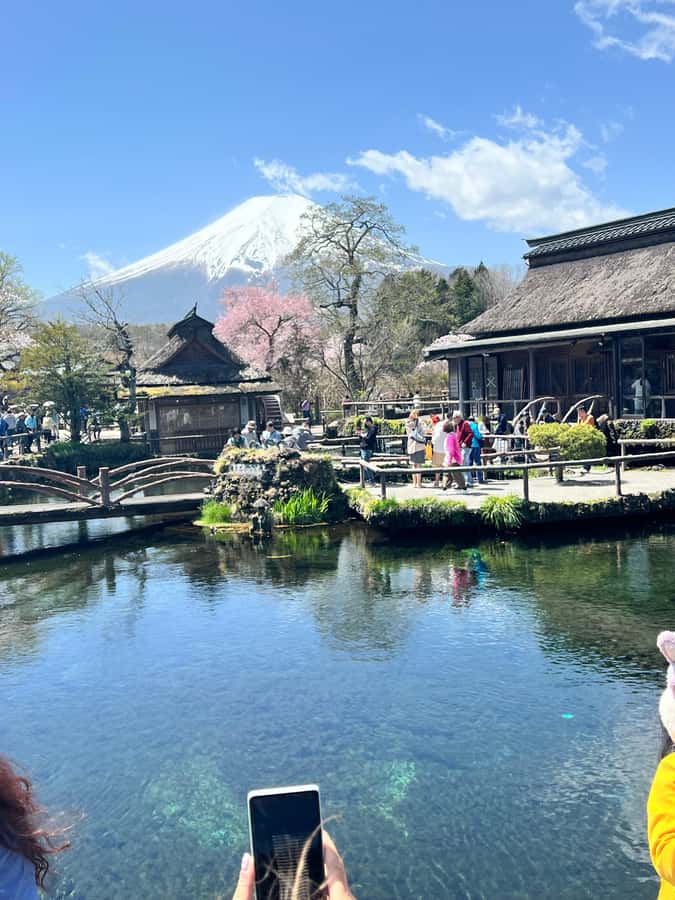
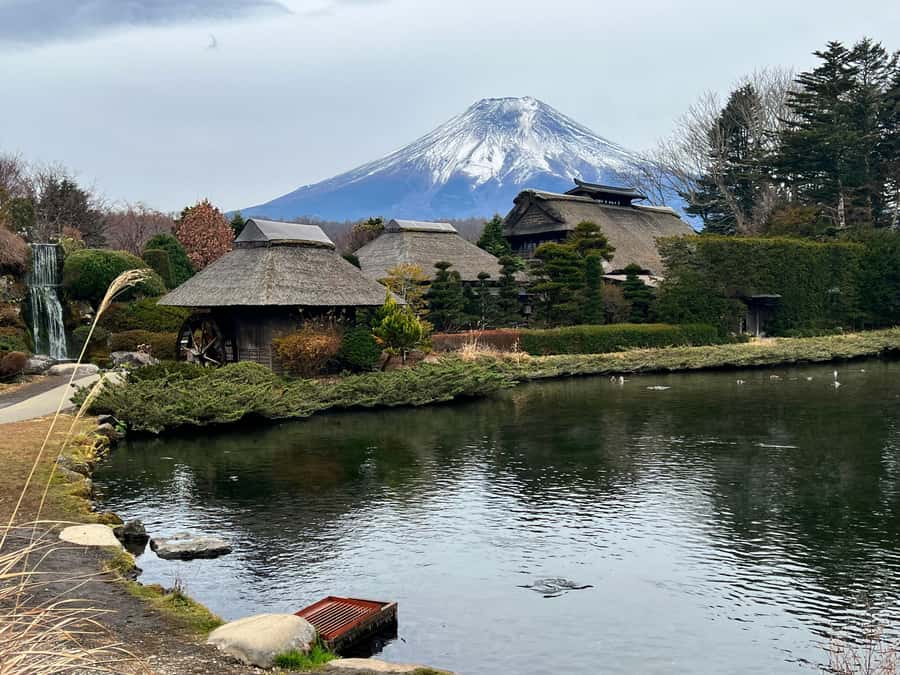
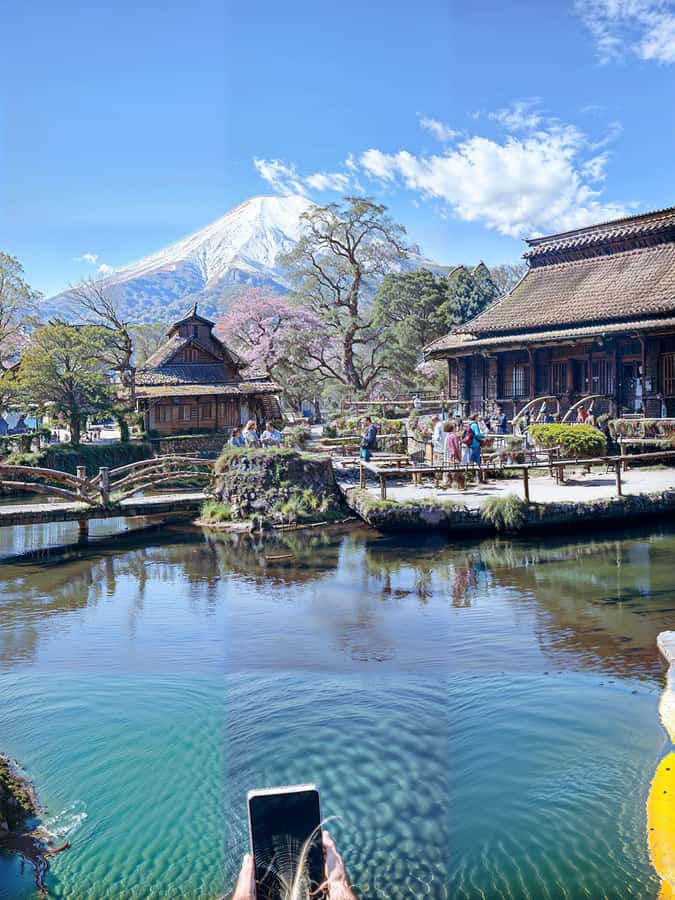
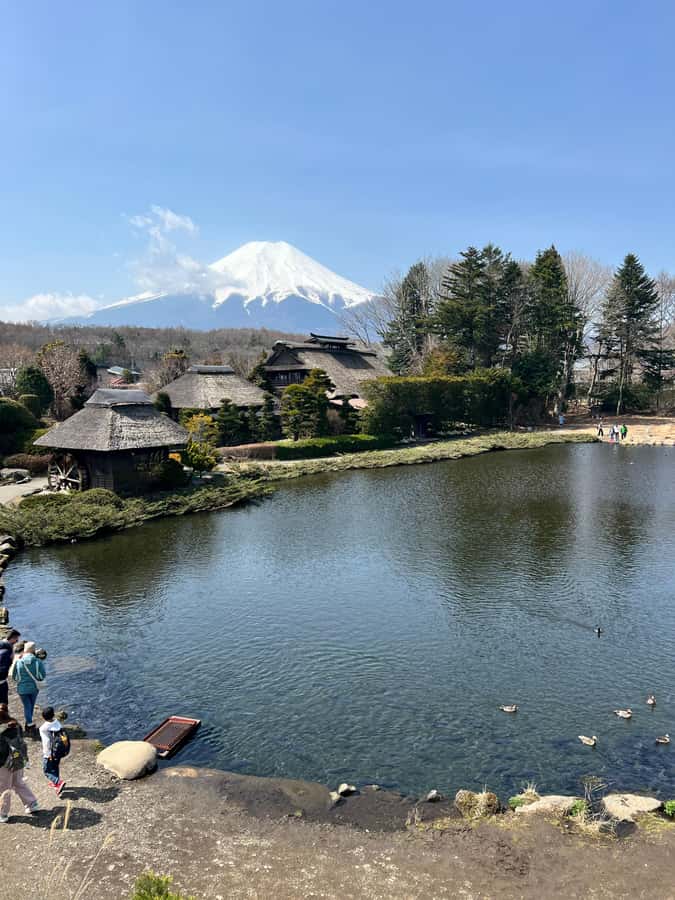
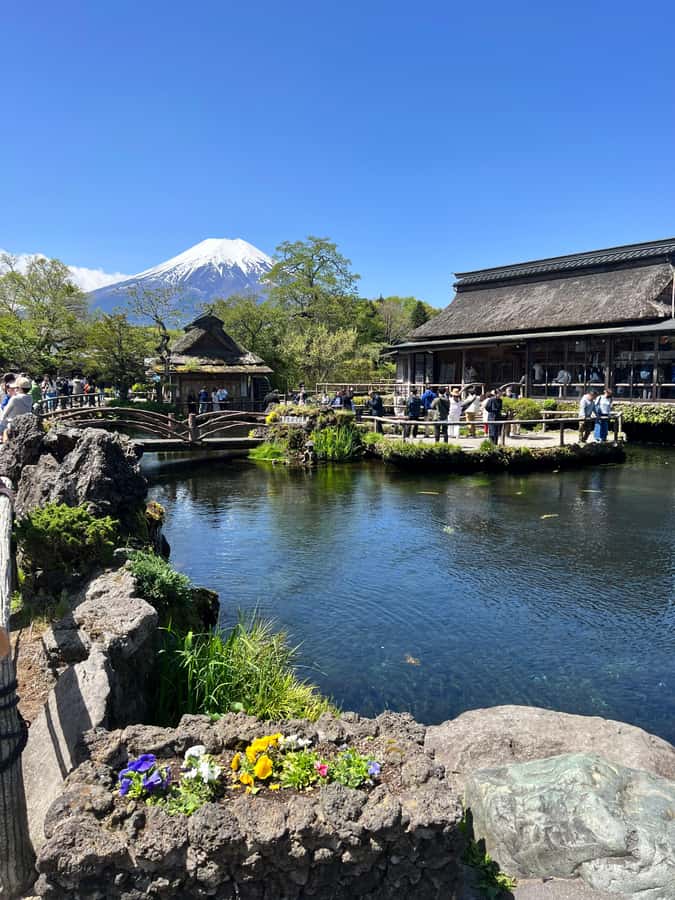
Oshino Hakkai is a traditional village known for eight ponds fed by snowmelt from Mount Fuji. The clear water, old-style houses, small paths, and mountain backdrop make it a pleasant place to slow down.
It is also a practical food stop. Some guides have recommended local treats such as melon bread and ice cream, while other routes include a seafood lunch. Lunch is not included, so your guide can suggest a place, but you pay separately.
Oshino Hakkai works especially well for families. There are short walks, food stalls, traditional architecture, and water features without requiring a major hike. The village can also give you a Fuji view from a lower, more intimate setting than the 5th Station.
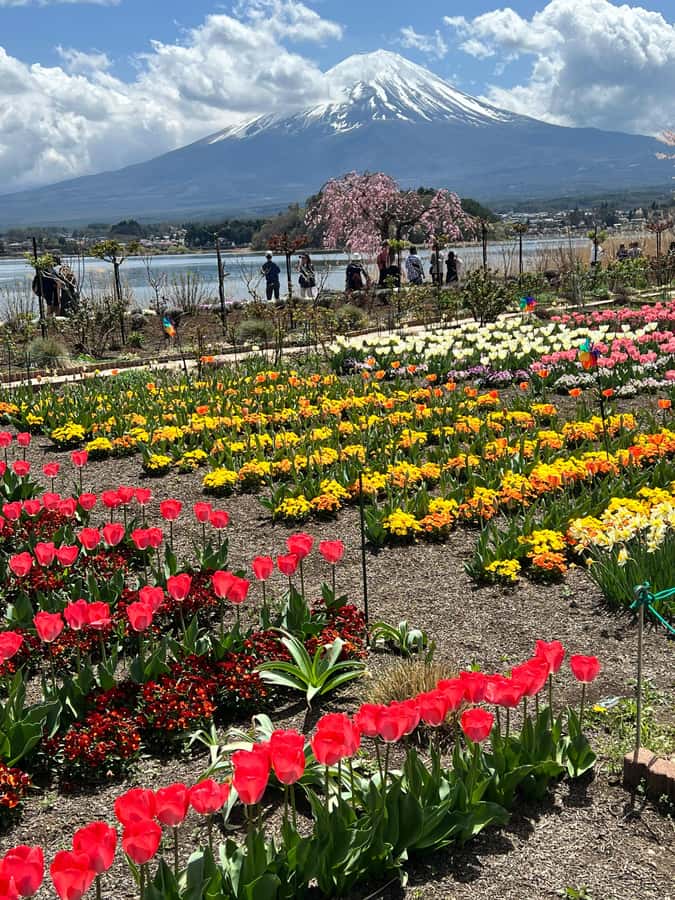
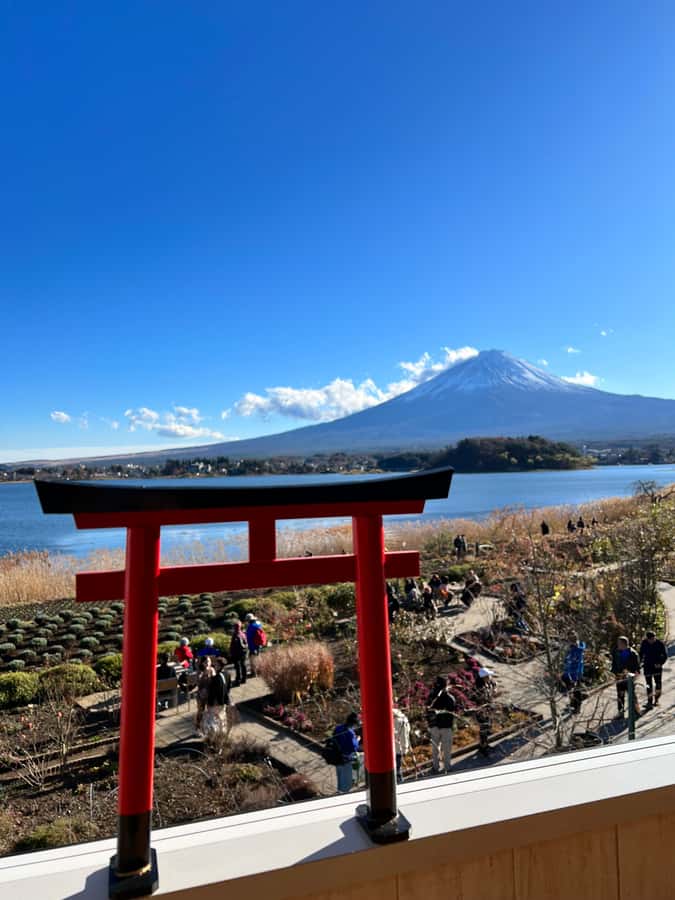
Lake Kawaguchi and Oishi Park are other useful stops in this area. One family route included the lake, Oishi Park, the shrine, Oshino Hakkai, and the pagoda. If Fuji is visible, seeing it reflected across the lake or framed by gardens gives you a different photograph from the high mountain viewpoint.
A few more Tokyo tours and experiences worth a look

Hakone National Park, Owakudani, and volcanic views
Hakone brings a different mood. The area is known for hot springs, Lake Ashi, volcanic valleys, and views shaped by steaming geothermal activity. The most striking stop is Owakudani, where sulfurous air and volcanic scenery replace the quiet lakes and shrines around Fuji.
The black eggs sold at Owakudani are a popular local snack, and the surrounding shops offer themed sweets and souvenirs. Expect an active sightseeing stop rather than a peaceful one. The sulfur smell may be strong, and conditions can change if volcanic activity affects access.
The Hakone Ropeway is the usual way to see the volcanic valley from above. The supplied details also refer to a Hakone cable car that can take you toward Mount Komagatake, with an observation deck overlooking Lake Ashi and the surrounding area. These are optional paid activities, so confirm which ride is planned and what ticket you need.
I would not try to squeeze every Hakone ride into the afternoon after a full Fuji circuit. Pick the ride that matters most to you. The ropeway is the better choice if Owakudani and aerial views are your priority. The Komagatake cable car suits you if the main goal is a high view over Lake Ashi.
Lake Ashi and the pirate cruise
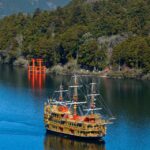
Lake Ashi is Hakone’s broad scenic centerpiece, surrounded by mountains and volcanic country. The optional pirate-style sightseeing boat gives you a comfortable way to take in the lake, with possible views toward Mount Fuji, the Hakone Ropeway, and the surrounding peaks.
The cruise is one of the easiest activities to enjoy after a long day in a vehicle. You can sit, look across the water, and take photographs without adding much walking. Several routes have included the boat ride, and it was a favorite part for families and groups.
The word optional matters. The boat ticket is not included in the $438 price, and you need cash because some locations may not accept cards. Weather also affects the view. The lake remains attractive in cloudy conditions, but Fuji may disappear behind the clouds.
The tour information also mentions a cable car to the summit of Mount Komagatake. Do not confuse that ride with the Lake Ashi cruise. They are separate activities, and fitting both into the same day may require giving up another stop.
The Hakone Open Air Museum
The Hakone Open Air Museum blends sculpture, gardens, and gentle hills. It is a strong choice when you want art and fresh air rather than another shrine or lookout.
The setting gives the museum its appeal. You walk among large works with mountain scenery around you, and the open spaces provide a change from the tight schedule of roadside viewpoints. The hills are described as gentle, but you still need comfortable shoes and enough time to explore.
Entry is not included. If art is a major reason for your Hakone visit, place this high on your list and allow it to replace one of the less important stops. If your priority is seeing Fuji itself, a clear-weather viewpoint may deserve the time instead.
Several well-planned routes have included the museum alongside Hakone’s other sights, but that does not mean it can always fit. Traffic, seasonal restrictions, and the time spent at Lake Ashi or Owakudani can quickly shorten your museum visit.
What the private vehicle adds
Hotel pickup and drop-off, an air-conditioned vehicle, parking fees, a driver-guide, and bottled water are included. For a family of five, the base price works out to about $87.60 per person. For three people, it is about $146 each, before entrance fees, transport extras, lunch, and optional activities.
That is not a bargain for a solo visitor, but it can compare well with several individual fares and taxi rides for a group. More important, you avoid changing between trains, buses, cable cars, and local transport while carrying day bags.
The vehicle also gives children a place to rest between stops. Parents have specifically valued the clean car, smooth driving, and help with translating and choosing food. Guides such as Hadi, Ali, David, Khan, Mike-san, Nomi, and Pomi have been praised for safe driving, punctual pickup, photography, and practical suggestions.
Guide quality will shape your day. Ask your guide at the start to confirm your must-see stops, the order of the route, walking limits, and paid activities. The best use of the private format is not trying to see everything. It is changing the plan when the mountain, road, or group energy calls for it.
Timing, weather, and the limits of one day
Mount Fuji is famously changeable from a sightseeing point of view. A clear morning can turn cloudy, and a hidden mountain may appear later. Guides have made smart changes, such as visiting a lake first, delaying a Fuji viewpoint, or replacing a stop when holiday traffic became too heavy.
Still, no guide can guarantee a view of Fuji. Cloudy days can remain rewarding because the shrines, ponds, gardens, volcanic valleys, and lake cruise do not depend entirely on a perfect mountain photograph.
An early start is worth considering, especially on weekends. The tour allows pickup within Tokyo’s 23 wards without an extra fee. Pickup outside those wards costs an additional ¥5,000, paid in cash to the driver on the day.
The listed places are suggestions, not a fixed promise. You and your guide create the final plan on the day, and it is not possible to visit all of them in 10 hours. That wording is important. Book this for flexibility and access, not for a checklist of every attraction.
Who should book this Fuji and Hakone tour?
I would recommend it most strongly to families, small groups, and anyone staying in Tokyo or Yokohama who wants Fuji and Hakone in one day. It is especially useful if you value hotel pickup, a private car, fewer transport changes, and the ability to adjust the plan.
It suits first-time visitors who want a guide to explain shrines, local customs, Japanese history, and daily life along the way. Several guides have also helped with photos, food ideas, translation, and plans for the next day.
You may want a different arrangement if you are traveling alone, have a strict budget, or prefer to spend a whole day in one place. You should also be comfortable paying extra for the cruise, ropeway, museum, lunch, Fuji access, and seasonal shuttle.
Wear comfortable clothes and shoes, bring a camera, and carry cash. Smoking is not allowed in the vehicle, and the tour is not suitable for people over 95 years old. Cancellation is allowed up to 24 hours before departure for a full refund, and you can reserve now and pay later.
Should you book it?
Book this tour if you want a private, adaptable day and have at least three people to share the price. The strongest reasons are the clean vehicle, smooth driving, hotel pickup, and guides who can rearrange stops around weather and traffic.
Set your expectations carefully. You may not reach every place listed, Mount Fuji may hide behind clouds, and the most appealing activities cost extra. If you choose two or three main goals, this can deliver a comfortable and varied day that combines mountain views, shrines, village scenery, volcanic valleys, art, and Lake Ashi without the strain of arranging the transport yourself.
FAQ
How long does the Mount Fuji and Hakone tour last?
The tour is planned as a full day of about 10 hours.
How many people can join for $438?
The price covers one private group of up to five people.
Is hotel pickup and drop-off included?
Yes. Hotel pickup and drop-off are included for locations within Tokyo’s 23 wards.
Is there an extra pickup charge outside Tokyo’s 23 wards?
Yes. Pickup outside Tokyo’s 23 wards costs an additional ¥5,000, paid in cash to the driver on the tour day.
Can I visit every place listed in the itinerary?
No. The listed locations are suggested options, and it is not possible to visit all of them within 10 hours. You and your guide choose the best route on the day.
Are the Lake Ashi cruise and Hakone Ropeway included?
No. The boat tour and cable car or ropeway tickets are not included in the base price.
Is lunch included?
No. Lunch is not included, so bring money for food.
Can I visit the Fuji Subaru 5th Station during hiking season?
From July 1 through September 30, private vehicles cannot enter the Fuji Subaru Line to the 5th Station. You can use a shuttle bus for an additional ¥2,500 per person.
What languages can the guide speak?
Guides are available in English, Hindi, and Japanese.
More Private Tours in Tokyo


More Hakone Day Trips in Tokyo
More Mt Fuji Day Trips in Tokyo
More tours in Tokyo we've reviewed




Mt Fuji Day Trips, compared.
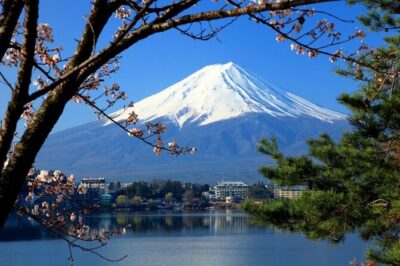 ★ 5.0Mt Fuji and Hakone 1-Day Bus Tour Return by Bullet TrainFrom $163
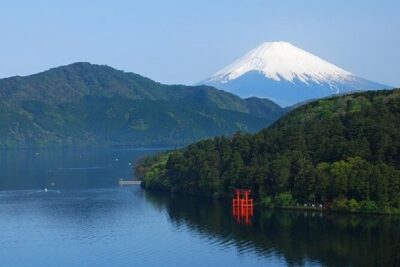 ★ 4.0Mt Fuji & Hakone Cruise, Drum Show Bullet Train 1 Day from TokyoFrom $149
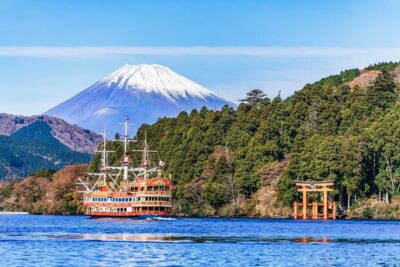 ★ 4.4Tokyo Mt Fuji 5th St & Hakone Cruise Bus Tour w/Bullet TrainFrom $15410 hours
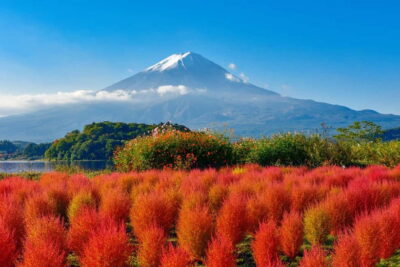 ★ 4.5From Tokyo: Mount Fuji Full-Day Sightseeing TripFrom $6810 hours
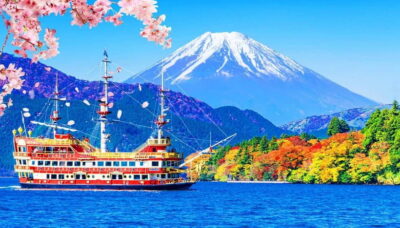 ★ 4.7Tokyo: Mt. Fuji Tour, Hakone Ropeway, Owakudani, Lake AshiFrom $5410 hours
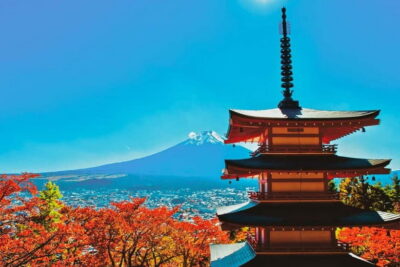 ★ 4.4Tokyo:Mt.Fuji,Kawaguchiko Oishi Park,Arakurayama Sengen ParkFrom $5410 hours