
Reviewed · WALKING TOURS
Goshuin Collecting & Garden Walk in Local Tokyo
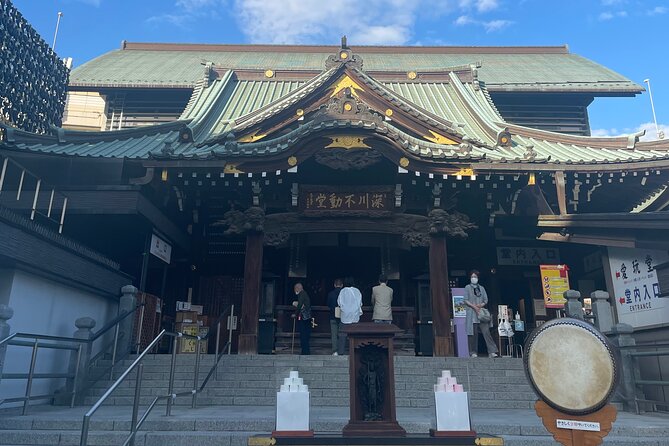
Tokyo’s goshuin tradition gives you a reason to slow down. With Ma-chan, also known as Masami, you visit several quieter temples and shrines in Koto, learn how Shinto and Buddhist customs differ, and collect calligraphy stamps that turn a sightseeing day into a personal record of your trip.
I like the private format, which lets you ask questions without holding up a large group. I also like the sweets, garden visit, small gifts, and help with etiquette. The main drawback is that the actual goshuin fees are not included, and the precise sites are kept secret, so you cannot plan around named landmarks in advance.
In This Review
- Key points
- Why Goshuin Makes a Different Kind of Tokyo Souvenir
- Starting at Monzennakacho at 10:00
- Four Koto Stops With the Details Kept Quiet
- Learning the Difference Between Shrines and Temples
- The Garden Walk Adds a Welcome Change of Pace
- What the $35.14 Price Really Buys You
- Finishing at Kiyosumi-Shirakawa Station
- Who Will Enjoy This Experience Most
- Small Gifts and the Personal Touch
- Booking Timing and Practical Details
- Should You Book This Goshuin Walk?
- FAQ
- Where does the tour start?
- What time does the experience begin?
- Where does the tour end?
- How long does the tour last?
- Are the goshuin stamps included in the price?
- Is this a private activity?
- What happens if the weather is poor?
Key points
- Quiet Koto-area sites: Visit temples and shrines that many first-time Tokyo visitors skip.
- Goshuin guidance: Learn how to request stamps respectfully and feel more at ease with temple and shrine customs.
- Private, flexible pace: Your group travels with Ma-chan, leaving room for questions and short breaks.
- More than stamp collecting: The experience includes Japanese sweets, a garden entrance, a souvenir, and a 1-day bus pass.
- Convenient finish: The walk ends at Kiyosumi-Shirakawa Station, where the guide helps you continue your day.
- Extra for larger groups: Groups of three or more receive another small souvenir.
Why Goshuin Makes a Different Kind of Tokyo Souvenir
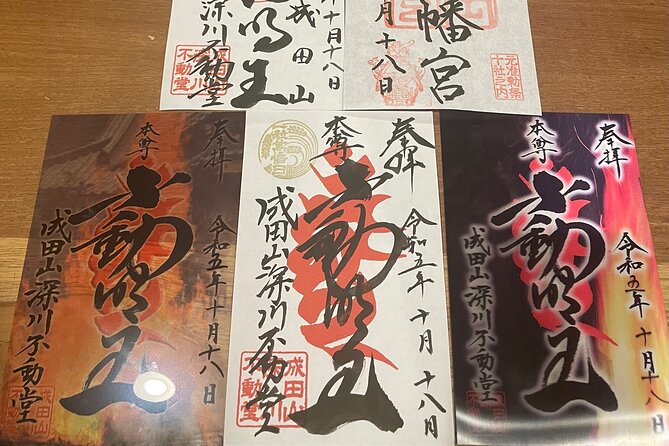
A goshuin is a calligraphic stamp or inscription connected with a temple or shrine visit. It is not simply a tourist sticker. The writing, seal, and place you receive it from create a record of where you went and how you spent part of your day.
That makes this experience especially appealing if you already collect goshuin or want a more thoughtful souvenir than a shop purchase. One participant arrived as a new collector and left feeling more comfortable with the etiquette and process. Another filled a goshuin book during the outing.
You should understand one practical point before booking: the stamps themselves cost extra. The tour includes guidance and access to the sites, but the goshuin fees are not part of the listed price. Bring cash suitable for these separate payments, although the exact amount per stamp is not provided.
Ma-chan’s role matters here. You are not only being led from one address to another. She explains the customs around Shinto and Buddhism, shows you how to request a goshuin, and gives you time to take in the setting. That can remove the awkwardness many first-time collectors feel when they are unsure what to do.
Other walking tours we've reviewed in Tokyo

Starting at Monzennakacho at 10:00
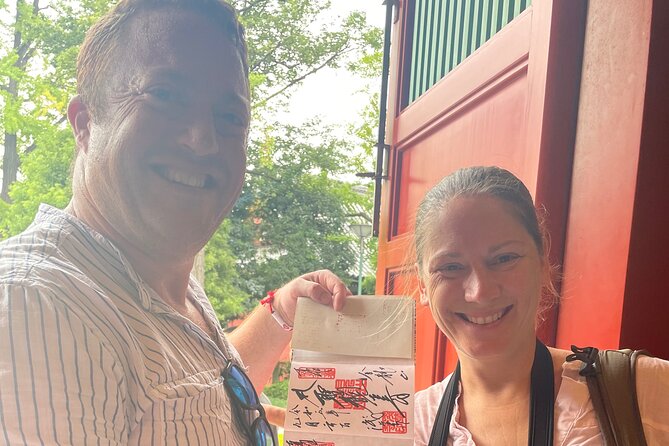
The meeting point is at 1-chōme-9-10 Tomioka in Koto City, near Monzennakacho. The start time is 10:00 a.m., and the area is close to public transportation, which makes it a sensible place to begin a morning in eastern Tokyo.
The first listed stop is a 15-minute Japanese sweets break. This is a small part of the tour, but it sets the tone well. You are not rushing from one religious site to the next with a camera in hand. You have a chance to eat something local, chat with Ma-chan, and prepare for the walking portion.
The exact sweet is not specified, so you should treat this as a tasting rather than a full meal. Eat breakfast before arriving. The included snack is a pleasant extra, not a replacement for lunch.
Monzennakacho also gives the outing a local neighborhood feel. You begin away from Tokyo’s best-known sightseeing corridors, then move through Koto rather than spending the morning among the major crowds around places such as Sensō-ji.
Four Koto Stops With the Details Kept Quiet
After the snack, the experience continues through Koto with four further stops. The published schedule gives these visits as roughly 30 minutes, 45 minutes, 40 minutes, and 20 minutes. The individual temples and shrines are not named ahead of time.
That secrecy has two sides. It keeps the outing focused on discovery and allows Ma-chan to shape the route, but it also means you cannot check each site in advance or choose the ones most important to you. If a particular temple, shrine, or religious tradition is essential to your plans, ask about it before booking.
The time allotments suggest a balanced walk rather than a single long temple visit. You may have enough time at some places for an explanation, a goshuin request, and quiet observation. Other stops are shorter, so you should not expect a detailed tour of every building or a long period at each altar.
The focus is on learning how the sites work and collecting stamps along the way. You might see small, peaceful places that would be easy to pass without knowing their meaning. That is the real point of the route.
Learning the Difference Between Shrines and Temples
One of the strongest reasons to choose this experience is the chance to ask questions in the moment. Shinto shrines and Buddhist temples have different customs, visual markers, and religious roles, yet a first-time visitor can easily mix them up.
Ma-chan explains both traditions and helps you understand what to do when requesting a goshuin. That practical coaching is more useful than a long lecture. You learn by standing at the site, watching the process, and asking about what you see.
If you are new to goshuin, the private setting should feel reassuring. You can ask about etiquette, request clarification, and take your time without worrying that a large group is waiting. One participant specifically appreciated becoming more confident with temple and shrine manners after the tour.
The experience also makes space for simple human details. Ma-chan has provided breaks and even a UV umbrella during hot summer weather for one outing. The umbrella is not formally listed as an inclusion, so do not rely on it being available every time. Still, the guide’s attention to heat and comfort is worth noting, especially if you visit Tokyo in summer.
Wear comfortable walking shoes. This is a walking tour, and the route includes several stops rather than one compact attraction.
The Garden Walk Adds a Welcome Change of Pace
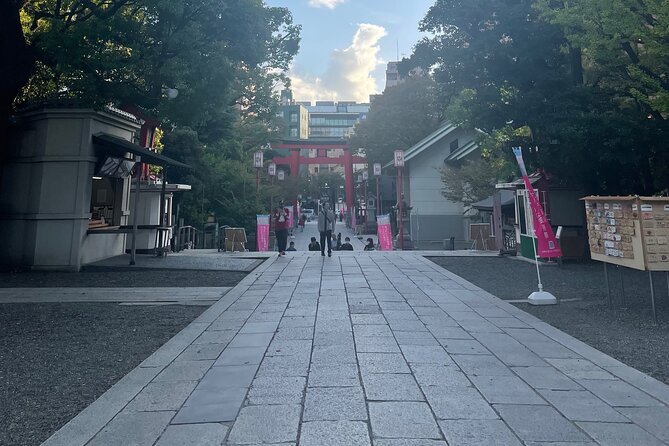
The tour includes entrance to a garden, and one of the stops allows time for a local Japanese garden visit. The supplied schedule does not name the garden, so you should not book this expecting a particular famous garden.
That uncertainty is less of a problem here because the garden is part of the wider rhythm. After several religious sites, a garden gives you a quieter place to look around, rest, and notice the connection between cultivated scenery and Japanese ideas of calm and order.
The garden entrance fee is included. This adds real value to the price, especially when combined with the snack, bus pass, private guide, and small gift. You will still need to pay separately for goshuin.
The schedule gives one stop 40 minutes and another 20 minutes, but it does not say exactly which stop is the garden. Allow the full two to three hours and avoid making a tight reservation immediately afterward.




What the $35.14 Price Really Buys You
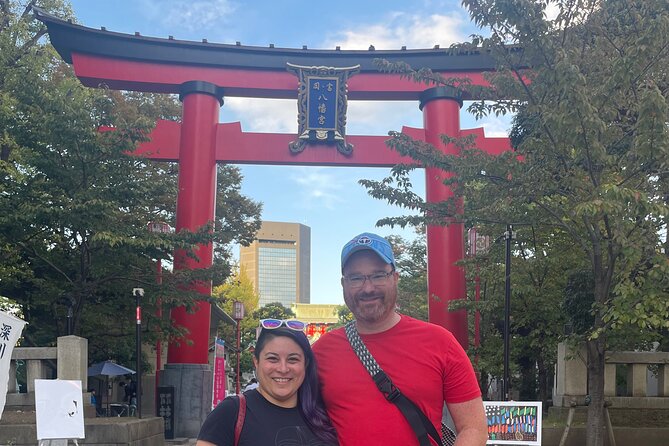
At $35.14 per person, this is priced as an accessible half-day experience rather than an expensive private sightseeing package. The value comes less from admission tickets and more from personal guidance.
You receive:
- A private walk for your group
- Guidance at several temples and shrines
- A 1-day bus pass
- Japanese sweets
- Entrance to the garden
- Small surprise gifts
- An additional small souvenir for groups of three or more
The bus pass is useful because the route moves through Koto rather than staying at one address. The details provided do not explain exactly how much of the route uses buses, so consider it a convenience rather than a guaranteed major saving.
The private format is the biggest value factor. A large group tour can explain basic facts, but it rarely gives each person much time to ask about etiquette or personal collecting goals. Here, the pace can be adjusted for your group, and Ma-chan can answer questions as they come up.
You should budget extra for each goshuin. The listing specifically excludes stamps, and the number of stamps you collect can depend on the route, the sites, and your own choices. The price also does not mention lunch, so plan to eat before or after.
Finishing at Kiyosumi-Shirakawa Station
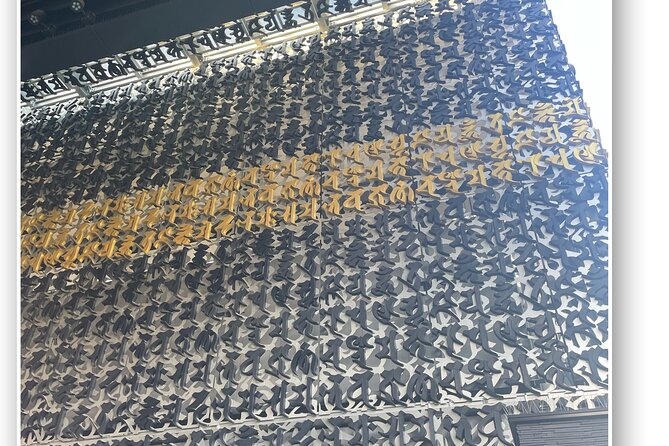
The experience ends at Kiyosumi-Shirakawa Station, at 1-chōme-6-13 Shirakawa in Koto City. This is useful planning. You are not left at an unfamiliar temple with no clear next step.
Ma-chan offers to help you get where you want to go after the tour at Kiyosumi-Shirakawa Station. That is a thoughtful finish, particularly if eastern Tokyo is new to you or you want to continue exploring after the walk.
The end point also gives you flexibility. You can continue sightseeing, find food nearby, or return to your hotel using public transportation. Since the tour lasts about two to three hours and begins at 10:00, you should finish around midday or early afternoon, though the exact timing can vary.
Do not schedule a major timed attraction across Tokyo immediately afterward. The route involves walking, several stops, stamp requests, and transport, so a little breathing room is wise.
Who Will Enjoy This Experience Most
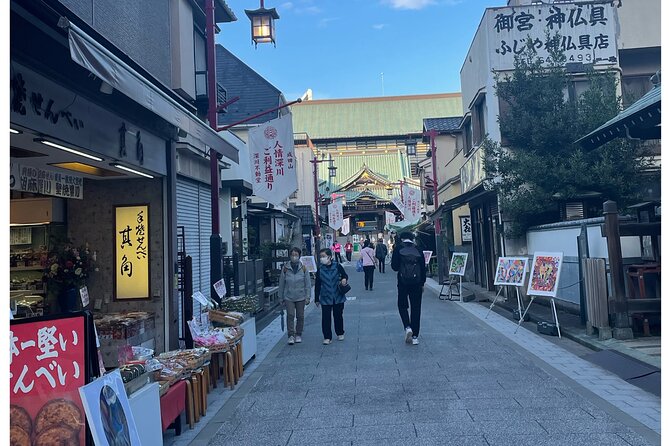
I would choose this tour if you want a slower, more personal side of Tokyo. It suits people who are curious about religious practice, enjoy collecting meaningful souvenirs, or prefer neighborhood discoveries to famous sights.
It is especially good for:
- First-time goshuin collectors
- Visitors interested in both Shinto and Buddhism
- Solo visitors who want a private guide
- Couples or families who like asking questions
- Small groups looking for a quieter morning
- Anyone who has already seen Tokyo’s major sights and wants a different angle
The experience can also work well for someone who has just started collecting goshuin. You do not need to arrive as an expert. In fact, the route and instruction are most useful when you want help understanding the basics.
It may be less suitable if you dislike walking, want a fixed list of famous landmarks, or need a highly predictable schedule. The sites are not named in advance, and the tour is built around local discovery rather than headline attractions.
Most people can participate, and service animals are allowed. The tour requires good weather. If poor weather causes cancellation, you are offered another date or a full refund.
Small Gifts and the Personal Touch
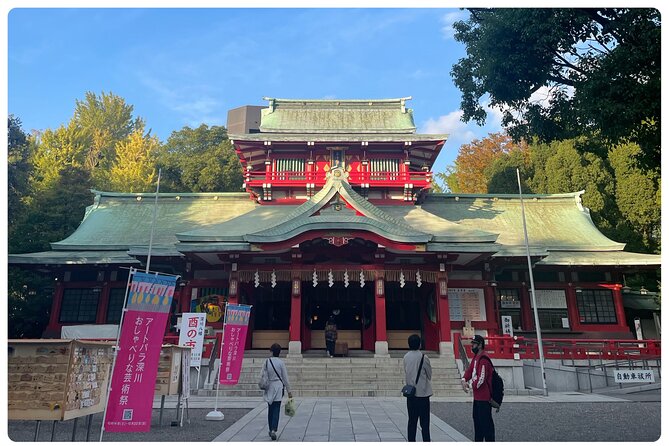
The souvenirs are modest, but they fit the nature of the experience. You receive a few small surprise gifts to remember the outing, with an extra small souvenir for groups of three or more.
Do not book this expecting a large merchandise package. The meaningful keepsake is likely to be the goshuin book you build during the walk, along with the memories connected to each stop.
That personal focus comes through in the way Ma-chan guides. Her replies to participants are warm and informal, and she clearly enjoys the subject herself. She has even said that a guest’s passion for goshuin encouraged her to look for more stamps, which tells you this is not a generic route delivered without feeling.
The best experiences here will come from your curiosity. Ask why a site matters, how the customs differ, and what the calligraphy means. The more you engage, the more the private format pays off.
Booking Timing and Practical Details
The experience is often booked well ahead, with an average booking lead time of about 74 days. That does not guarantee every date will sell out, but it suggests you should reserve early if your Tokyo schedule is fixed.
Confirmation is sent within 48 hours of booking, subject to availability. The ticket is mobile, so you can keep the booking on your phone.
Free cancellation is available if you cancel at least 24 hours before the local start time. Changes or cancellations inside that window are not accepted for a refund. Since the experience depends on good weather, check your messages before leaving and keep some flexibility in your plans.
Bring comfortable shoes, water, and room in your day for the walk. If you plan to collect several goshuin, bring your goshuin book if you already own one. The tour does not state that a book is provided.
Should You Book This Goshuin Walk?
Book it if you want Tokyo to feel less like a checklist and more like a conversation. For $35.14, you get a private guide, several lesser-known religious sites, a garden visit, Japanese sweets, a bus pass, and a few souvenirs. The instruction on etiquette is the part that can make the experience worth far more than a self-guided route.
Skip it if you only want famous Tokyo landmarks, do not want to pay separate goshuin fees, or need every stop named before you commit. For everyone else, especially new collectors, this is a gentle and practical way to understand a tradition while seeing a quieter part of Koto.
FAQ
Where does the tour start?
It starts at 1-chōme-9-10 Tomioka, Koto City, Tokyo 135-0047, near Monzennakacho.
What time does the experience begin?
The scheduled start time is 10:00 a.m.
Where does the tour end?
It ends at Kiyosumi-Shirakawa Station, at 1-chōme-6-13 Shirakawa, Koto City, Tokyo 135-0021. The guide will help you continue to your next destination from the station.
How long does the tour last?
The experience lasts approximately two to three hours.
Are the goshuin stamps included in the price?
No. The goshuin stamps are not included, so you pay those fees separately.
Is this a private activity?
Yes. Only your group participates in the private tour.
What happens if the weather is poor?
The experience requires good weather. If it is canceled because of poor weather, you will be offered a different date or a full refund.
More Walking Tours in Tokyo


More tours in Tokyo we've reviewed






Walking Tours, compared.
 ★ 5.0Tokyo Tsukiji Fish Market Food and Culture Walking TourFrom $99
 ★ 5.0Tokyo: Imperial Palace and Shogun Historical Walking TourFrom $22
 ★ 4.9Tokyo: Shinjuku Local Bar and Izakaya Guided Walking TourFrom $343 hours
 ★ 5.0Tokyo: Tsukiji Fish Market Food and Walking tourFrom $30
 ★ 4.8Tokyo: Asakusa Walking Tour with Sensoji Temple VisitFrom $222 hours
 ★ 4.9Tokyo: Tsukiji Fish Market Guided Walking TourFrom $222 hours