
Reviewed · NIKKO DAY TRIPS
1 Day Nikko Walking Tour, Toshogu and Kanmangafuchi from Tokyo
Nikko gives you a very different Japan from the one you see in central Tokyo. This full-day trip pairs the ornate Toshogu Shrine with the quiet river gorge of Kanmangafuchi Abyss, and it takes care of the long train ride, local buses, shrine admission, and English guidance.
I like the small group, capped at 15, and the direct rail connection from Shinjuku. I also like the mix of grand religious art and a short walk through nature. The main catch is time: you will spend about 11 hours on the outing, walk at least 5 kilometers, and may spend more than two hours on trains.
In This Review
- Key points at a glance
- Why Nikko makes a good break from Tokyo
- Meeting in Shinjuku and riding north
- Kanmangafuchi Abyss and the stone Jizo
- A 50-minute lunch choice in Nikko
- Toshogu Shrine and its famous details
- The long ride back to Shinjuku
- What the $169.75 price really buys
- Weather, fitness, and seasonal changes
- Who should book this Nikko day trip?
- Should you book it?
- FAQ
- How long does the Nikko tour take?
- Is lunch included?
- How much walking is involved?
- Are train tickets included?
- What happens if Kanmangafuchi is unsafe?
- How large is the group?
Key points at a glance
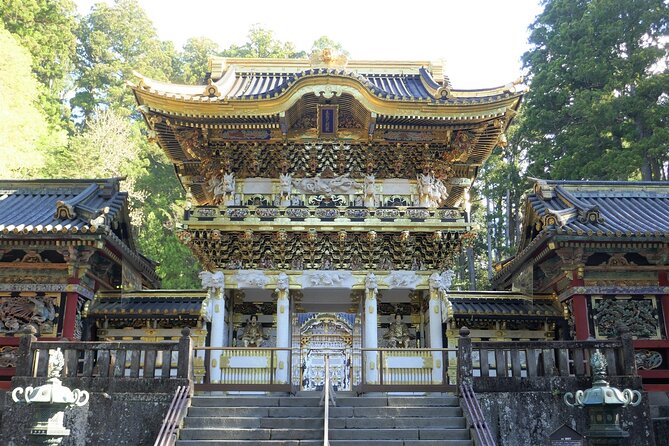
- Toshogu Shrine brings Nikko’s famous carvings to life: See the sleeping cat, the three monkeys, and the shrine dedicated to Tokugawa Ieyasu.
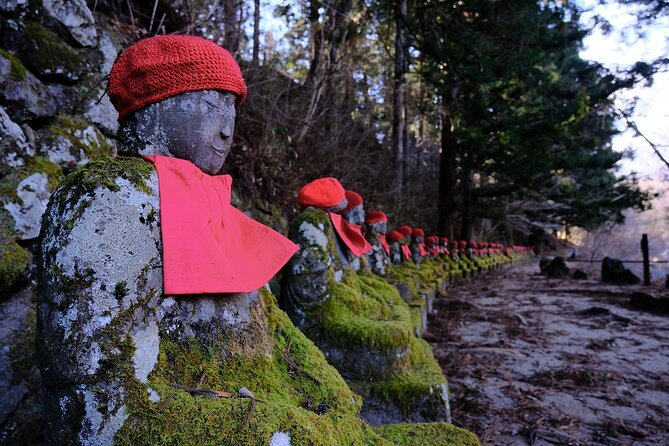
- Kanmangafuchi offers a quieter side of Nikko: Follow the river past about 70 stone Jizo figures in a wooded gorge.
- The train makes this practical from Tokyo: Round-trip rail tickets are included, with the usual route running from Shinjuku to Tobu Nikko.
- Small-group guiding keeps the day personal: The maximum group size is 15, and some groups may be much smaller.
- Lunch is an important choice: Standard and vegetarian lunch options include a Japanese-style meal, while the no-lunch option requires advance planning.
- Expect real walking: Slopes, stairs, changing weather, and shoes that must come off at parts of Toshogu make good footwear essential.
Why Nikko makes a good break from Tokyo
Nikko is close enough for a long day trip, yet it feels far removed from Tokyo’s towers and crowds. The town is known for sacred sites set among mountains and forest, with Toshogu providing the visual drama and Kanmangafuchi supplying a calmer, more local-feeling walk.
I especially like that this is not just a shrine visit. You get two sharply different experiences in one day: polished gates, carvings, and ceremonial buildings at Toshogu, then stone statues and rushing water at the abyss. That contrast helps you understand why Nikko has long been a major religious destination.
At $169.75 per person, the price is not low. But it covers round-trip train tickets, local transport noted in the schedule, a licensed English-speaking guide, audio support, and admission to Toshogu. Add the value of not having to work out the rail connection, bus route, and shrine layout yourself, and the cost can make sense for a first visit.
The value drops if you are already comfortable arranging Japanese trains and prefer to set your own pace. You will follow a fixed schedule, share public transport, and leave Tokyo early. I would book this for convenience and context, not for maximum independence.
A few more Tokyo tours and experiences worth a look
Meeting in Shinjuku and riding north
The day begins at 8:40am at the JTB Sunrise Tours Sales Office in Nishishinjuku. The office is at 2-chome-2-2 Nishishinjuku, a short walk from the major Shinjuku transport area. Give yourself extra time. Shinjuku Station is huge, and a calm arrival is worth more than squeezing in another coffee.
The standard arrangement uses a limited express train from JR Shinjuku to Tobu Nikko, then the same general route back. The return ride is about two hours. If schedules or operating conditions change, the transport may instead use the Tohoku Shinkansen with a conventional train, or a limited express from Tobu Asakusa with the subway. The relevant fare remains included.
This is one of the tour’s strongest practical points. You do not have to work out which station serves which train company, buy separate tickets, or decide how to reach Nikko once you arrive. The trade-off is that seats on public transport are not guaranteed.
The information supplied for the tour also notes a possible shared arrangement with people joining from Shinjuku. In that case, the guide may travel from Tokyo to the meeting location and participants may wait until around 11:35am. A departure time of 11:40am is also specified in the instructions, so read your confirmation carefully and follow the guide’s exact timing. If you arrive late for the departure, your booking can be canceled without a refund.
Kanmangafuchi Abyss and the stone Jizo
After meeting people joining in Nikko, you take a route bus toward the stop near Kanmangafuchi Abyss. Bus seats are not reserved, which matters on a busy day. Keep your ticket details easy to reach and expect ordinary public transport rather than a private coach.
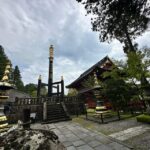
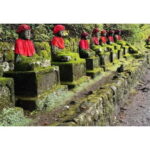
Kanmangafuchi is a small gorge formed by an eruption of Mount Nantai. The name sounds dramatic, but the appeal is quiet and atmospheric: a river, trees, rocks, and a line of roughly 70 stone Jizo figures. Jizo is a Buddhist protector of children, and local legend says the number of statues changes whenever someone counts them.
You have about 20 minutes at Jiun-ji and the gorge. That is enough for a look at the figures, a few photographs, and a short stretch beside the river, but it is not a long nature walk. If you want a leisurely stop with time to study every statue, the schedule may feel brisk.
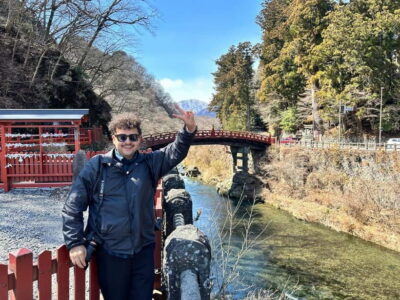
A botanical garden lies across from the Jizo row, adding seasonal scenery to the setting. The walk here helps balance the formal shrine visit later in the day. It also explains why comfortable shoes matter. The route includes slopes and uneven ground, and the full walking distance is advertised at about 5 kilometers, though one customer reported more than 7 kilometers on their day.
From April through November, land leeches can be present. Keep your legs covered, wear thick socks that reach above the ankles, and bring insect repellent. This is a small detail, but it is exactly the kind of detail that can save a pleasant day from an unpleasant surprise.
A 50-minute lunch choice in Nikko
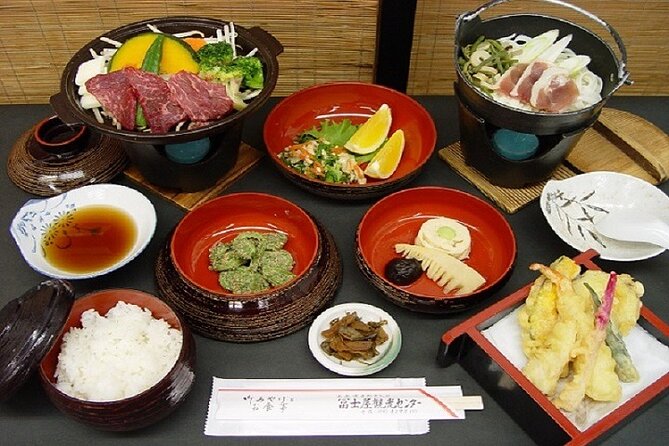
Lunch takes about 50 minutes. If you select the Standard Lunch or Vegetarian Lunch option, a Japanese-style meal is included. Vegetarian meals must be selected when booking, since same-day changes are not available.
The meal adds ease to a packed day. You can sit down, eat something local, and avoid searching for a restaurant while keeping an eye on the clock. One point worth weighing is that the meal quality may not be the main reason to book the tour. One customer found lunch only average and suggested choosing another place.
The no-lunch option costs less in inclusions, but it needs planning. Cafes and restaurants near the rest area can be crowded, and the schedule leaves only 50 minutes. If you skip the provided meal, prepare food before departure rather than assuming you can find a quick table after arriving.
For me, the lunch decision comes down to priorities. Choose the included meal if convenience matters and you want the day managed for you. Choose no lunch if you have a strong preference for a particular restaurant or want to bring your own food, but accept that your choices may be limited by time and crowds.
Toshogu Shrine and its famous details
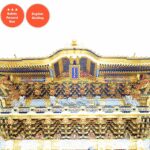
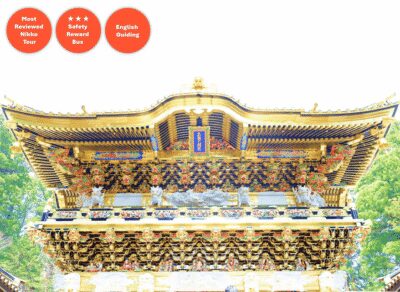
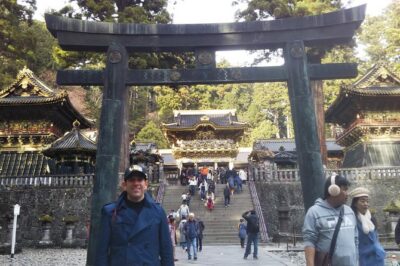
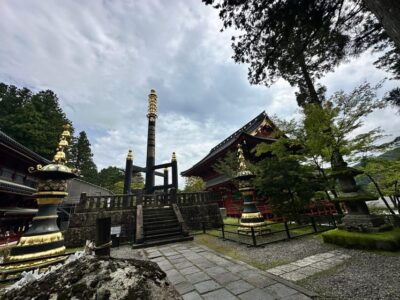
Toshogu is the centerpiece of the day. This UNESCO World Heritage Site is more than 400 years old and serves as the mausoleum of Tokugawa Ieyasu, founder of the Tokugawa Shogunate. The shrine’s decorated buildings and careful craftsmanship give you a concentrated look at Japan’s early modern religious art.
You have about 1 hour and 20 minutes inside the shrine area. That is a useful amount of time for a guided visit, though the site contains enough gates, halls, carvings, and steps to keep you occupied far longer. The guide helps you focus on details instead of wandering past them without context.
Three details are singled out for attention: the sleeping cat, the three monkeys, and the main hall. The monkeys represent the familiar see-no-evil, hear-no-evil, and speak-no-evil theme. The sleeping cat is a small carving with a large reputation, so listen carefully when the guide points it out.
Toshogu is ornate and can be crowded. The tour provides an audio service so you can hear explanations even when people are packed around the guide. That will not remove the crowd, but it should make the visit easier to follow.
Prepare for stairs and slopes. Shoes must be removed in some parts of the shrine, so wear footwear that comes off and goes back on without a struggle. A backpack is more practical than a shoulder bag, especially when walking between transport stops and handling shoes.
The guide is a major part of the shrine visit. The tour uses a National Government Licensed English Guide Interpreter. Names vary by departure, but Shin is one guide associated with the experience, and Emi has also led groups. Shin was praised for professional, clear guidance and a traditional lunch, while Emi was described as attentive, friendly, and able to answer a wide range of questions. English ability can vary by guide, but the service includes both live explanations and audio assistance.
Other walking tours we've reviewed in Tokyo


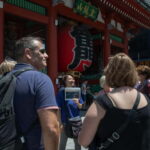

The long ride back to Shinjuku
The final scheduled transfer begins at Tobu Nikko Station. The train ride to Shinjuku takes about two hours, and the tour ends near Shinjuku West Station between roughly 6:30pm and 7:45pm.
That wide return window is worth noting. Traffic, rail schedules, public transport connections, and the order of stops can affect the finish. Do not book a tight evening reservation or airport transfer immediately afterward.
The train is also a useful part of the experience rather than dead time. After several hours of walking, you can rest and watch the city change as you return toward Tokyo. Seats are not guaranteed, and the guide may leave participants headed to the station area with instructions on how to return, so ask before separating from the group.
What the $169.75 price really buys
The headline price includes the big logistical pieces:
- Round-trip train tickets from Shinjuku
- Local transportation listed for the day
- Toshogu admission
- A licensed English-speaking guide
- Audio guide service
- Lunch only with the Standard or Vegetarian Lunch selection
At $169.75, you are paying for structure as much as for sightseeing. Nikko is simple once you understand the rail and bus connections, but a first-time visitor can lose time at the wrong station or miss the best details at Toshogu. The guide also helps connect the gorge, Buddhist statues, and Tokugawa shrine into one clear story.
The small group improves the value. The maximum is 15 people, and one reported group had only six. A smaller group makes it easier to ask questions and may give the guide more room to help someone who walks slowly.
Still, you should not mistake small-group for private. You use public trains and buses, seats are not reserved, and the route may change for road conditions, ceremonies, events, or safety concerns. The price is fair for a managed day, but not a bargain for someone who already knows Nikko and wants free time.
Weather, fitness, and seasonal changes
This is a moderate-fitness outing. The published walking distance is about 5 kilometers, and a customer reported more than 7 kilometers. Add stairs, slopes, station walking, and standing on public transport, and you should treat this as an active day.
Winter brings a special condition. From around December to mid-March, and during bad weather when the gorge route is unsafe, Kanmangafuchi may be replaced by another Nikko sight. Possible alternatives include Futarasan Shrine, Taiyuuin Mausoleum at Rinno-ji Temple, Tamozawa Imperial Villa, Toshogu Museum, Kanaya Hotel History House, or Nikko Botanical Gardens.
That policy protects the group, but it means you should not book this expecting one fixed set of stops in every season. The shrine remains the main draw, while the second Nikko visit can change.
Who should book this Nikko day trip?
I would choose this tour if you have limited time in Tokyo and want to see Nikko without handling several rail and bus decisions yourself. It suits first-time visitors, couples, families with older children, and anyone who wants English explanations at Toshogu.
It is also a good fit if you prefer a clear schedule and like moving through a small group. The guide can point out details such as the Jizo figures and famous carvings that are easy to miss on your own.
I would think twice if you dislike early starts, fixed meal arrangements, crowded public transport, or long train rides. It is not ideal for anyone who needs a slow pace or guaranteed seating. Children five and under may join free, but lunch is not provided for them. Participants under 18 need written parental permission, and anyone under 15 or not yet in middle school must be accompanied by a parent or guardian.
The tour can be canceled for a full refund up to 24 hours before the start time. Changes or cancellations inside that window are not accepted.
Should you book it?
Book this Nikko tour if your priority is a well-organized day with the major shrine, a short gorge walk, rail tickets, and an English-speaking guide. The best parts are the small-group format, the contrast between Toshogu and Kanmangafuchi, and the way the guide removes much of the transport guesswork.
Skip it if you want a relaxed, self-directed day or if $169.75 feels high for a schedule with only 20 minutes at the gorge and 80 minutes at Toshogu. If you do book, wear sturdy shoes, cover your ankles in warmer months, decide on lunch in advance, and keep your evening free until at least 7:45pm.
FAQ
How long does the Nikko tour take?
The experience lasts about 11 hours. It starts at 8:40am in Shinjuku and usually ends near Shinjuku West Station between about 6:30pm and 7:45pm.
Is lunch included?
Lunch is included only when you select the Standard Lunch or Vegetarian Lunch option. The no-lunch option does not include food, and you should prepare lunch in advance because nearby cafes and restaurants may be crowded.
How much walking is involved?
The stated walking distance is about 5 kilometers, or 3 miles. Slopes and stairs are found around Kanmangafuchi Abyss and Toshogu Shrine, and the actual distance may be higher depending on the route and group.
Are train tickets included?
Yes. Round-trip train tickets from Shinjuku are included. The usual service is a direct limited express between JR Shinjuku and Tobu Nikko, but the route may change because of timetable or operating conditions.
What happens if Kanmangafuchi is unsafe?
In winter, bad weather, or other conditions that affect road safety, the group may visit an alternative Nikko attraction. Options can include Futarasan Shrine, Taiyuuin Mausoleum, Tamozawa Imperial Villa, Toshogu Museum, Kanaya Hotel History House, or Nikko Botanical Gardens.
How large is the group?
The tour has a maximum of 15 participants. Public transport is used during the day, and seating is not guaranteed.
More 1-Day Tours in Tokyo


More Walking Tours in Tokyo
More Nikko Day Trips in Tokyo
More tours in Tokyo we've reviewed
Nikko Day Trips, compared.
 ★ 4.6Nikko: Kegon Falls, Lake Chuzenji & Toshogu TempleFrom $8911 hours
 ★ 4.5Tokyo: Nikko Toshogu Shrine and Kegon Waterfall TourFrom $8410h 30m
 ★ 5.0Nikko Full-Day Private Tour with Government-Licensed GuideFrom $155
 ★ 4.9From Tokyo: Nikko World Heritage Site Private Full-Day TripFrom $4831 day
 ★ 4.3Nikko: Edo Wonderland Edomura Cultural Theme Park TicketFrom $351 day
 ★ 4.8Tokyo: Nikko World Heritage Private Day Trip Hotel Pick-upFrom $39011 hours - 1 day