
Reviewed · FULL-DAY
Tokyo Private Customizable Full Day Tour
Tokyo is too large for a one-size-fits-all sightseeing day. This private custom tour lets you choose four or five places, then puts an English-speaking guide in charge of the route, bookings, and city transport. You can mix old Tokyo, modern districts, gardens, food, and skyline views without spending your trip planning train connections.
I like the hotel pickup and drop-off, especially on a first day when Tokyo’s rail map can feel like a bowl of noodles. I also like the personal attention: one guide works only with your group, and a past guest had prepaid metro tickets ready and watched the group carefully throughout the day. The main drawback is cost. At $250.83 per person, this makes the most sense when several people share the private service and value saved time.
In This Review
- Key details that shape your Tokyo day
- Building an eight-hour Tokyo route that makes sense
- Tsukiji Outer Market for an early start
- Akihabara and the electric side of Tokyo
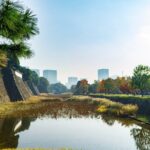
- Imperial Palace and the old Edo center
- Senso-ji and Nakamise-dori in Asakusa
- Tokyo Skytree for a high view
- Ueno Park and Yanaka for a slower Tokyo
- Ginza for polished shopping and dining
- Shibuya Crossing, Hachiko, and the western districts
- Meiji Shrine and Shinjuku Gyoen
- A private guide, transport, and the real value
- Timing, fitness, and what to organize first
- Who should book this private Tokyo day?
- FAQ
- How long does the Tokyo private custom tour last?
- What time does the tour start?
- How many sights can I choose?
- Is hotel pickup included?
- Is transportation included?
- Are meals included?
- Is the tour private?
- How far ahead should I book?
- Should you book it?
Key details that shape your Tokyo day
- Choose four to five stops: You do not try to cram every district into eight hours. You build a day around your priorities.
- Start at 8:00 a.m.: An early beginning gives you the best chance of fitting in major sights before the day runs away.
- Hotel pickup is included: You begin with help at your accommodation instead of finding a meeting point across town.
- Transport is arranged for you: Your booking uses public transportation or a private vehicle, depending on the arrangement.
- Lunch can become part of the day: A traditional Japanese restaurant may be arranged, but meals are not included in the price.
- Book well ahead: The operator recommends about three months in advance, especially if you want restaurant or venue reservations.
Building an eight-hour Tokyo route that makes sense
The best part of this experience is not simply having a guide. It is having someone shape Tokyo into a workable day. You select the places you care about, explain what you have already seen, and receive a route designed around those choices.
That matters in Tokyo because distance can fool you. Two sights that look close on a map may require several train changes, a long walk, or a careful timed booking. A private guide can organize the order so you are not zigzagging across the city.
You are asked to complete a custom tour form after booking. Fill it out carefully and at least seven days before your date. Include places you have already visited, foods you want to try, mobility concerns, and sights you do not want repeated. The more useful your answers, the more useful the day should be.
The tour begins at 8:00 a.m. and lasts about eight hours. That sounds generous, but Tokyo can swallow time quickly. I would pick one main theme and two supporting themes rather than request every famous sight. For example, combine Tsukiji, Asakusa, and Tokyo Skytree for an old-to-new day, or pair Meiji Shrine, Shibuya, and Shinjuku for a west Tokyo route.
Other private tours in Tokyo

Tsukiji Outer Market for an early start
Tsukiji Outer Market is a strong choice for the morning. It is known for fresh seafood and its former tuna auction connection, though the wholesale tuna auction itself moved elsewhere. The outer market remains useful for browsing food stalls and seeing a working retail side of Tokyo.
This stop suits you if food is a main reason for visiting Japan. It also fits the 8:00 a.m. start better than many nightlife or shopping districts. You can ask your guide to help organize a food stop, but food and drinks are not included, so plan to pay separately.
The market can be crowded, and narrow lanes are not ideal for a slow, quiet stroll. If you want a relaxed garden visit or grand views instead, Tsukiji may not be your best use of one of only four or five stops.
Akihabara and the electric side of Tokyo
Akihabara is the stop for electronics, manga, anime, and Japan’s otaku culture. It gives your day a very different mood from the Imperial Palace or Meiji Shrine.
Choose it if you already know you want to browse specialist shops or understand this part of modern Japanese culture. A private guide is useful here because the district can feel like a maze of stores, signs, and side streets. You can explain your interests in advance rather than simply being dropped into the middle of it.
The trade-off is time. Akihabara is not a quick photo stop if you want to shop. If you are not interested in electronics or manga, use one of your five choices elsewhere.
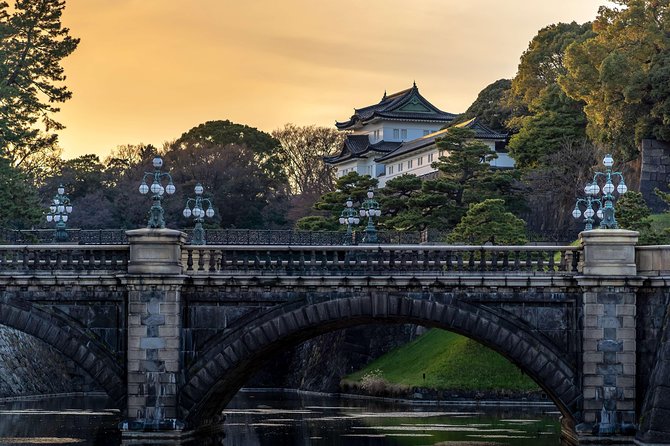
Imperial Palace and the old Edo center
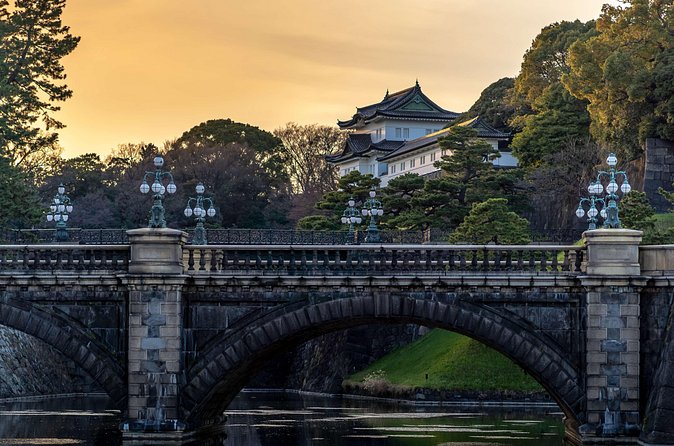
The Imperial Palace occupies the former Edo Castle site and remains the residence of Japan’s Imperial Family. The setting gives you a useful introduction to Tokyo’s political and historical center.
This works well for visitors who want a broad sense of the city rather than only shopping districts. You may find the grounds and surrounding spaces more rewarding when your guide explains what you are seeing and how the former castle shaped Tokyo.
Do not expect this stop alone to fill an entire day. It is best paired with nearby central Tokyo sights or used as part of a route that also includes a garden, market, or modern district. Ask in advance what areas your planned visit will include, since the tour only promises selected stops, not every part of the palace site.
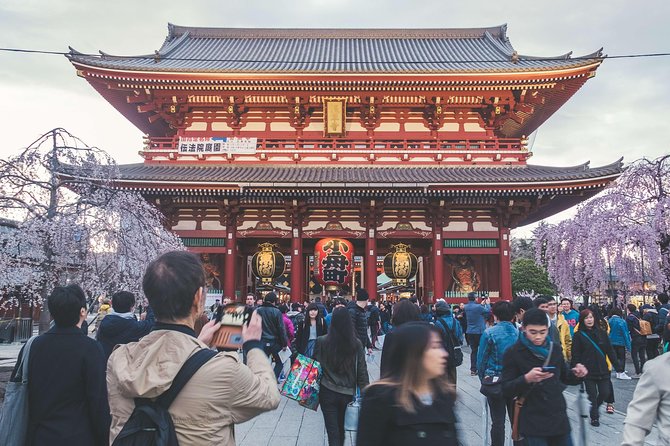
Senso-ji and Nakamise-dori in Asakusa
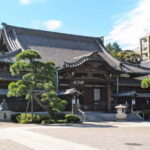
Senso-ji is Tokyo’s oldest and most important Buddhist temple, with origins dating to 645. The approach along Nakamise-dori adds another layer, with shops that have been operating for more than a century.
I would choose Asakusa if you want the clearest first look at traditional Tokyo. The temple, shopping street, and surrounding district give you more texture than a single monument. You can take in architecture, incense, souvenirs, and the steady flow of temple visitors in one compact area.
The drawback is that this is one of Tokyo’s best-known sights, so it can feel busy. Go early if you want a calmer visit. If you combine it with Tokyo Skytree, the two stops create a natural contrast between historic Asakusa and modern height.
A few more Tokyo tours and experiences worth a look
Tokyo Skytree for a high view
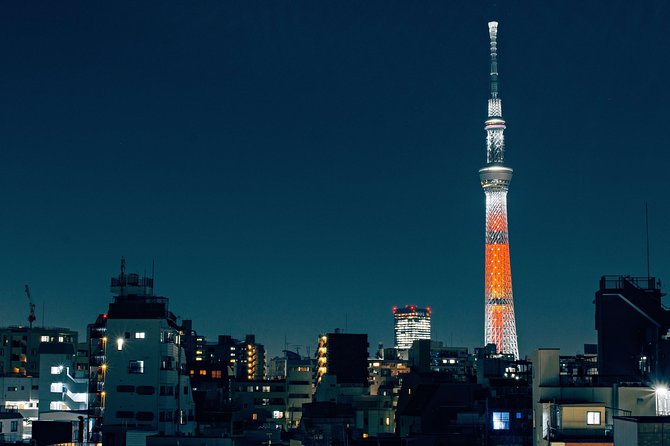
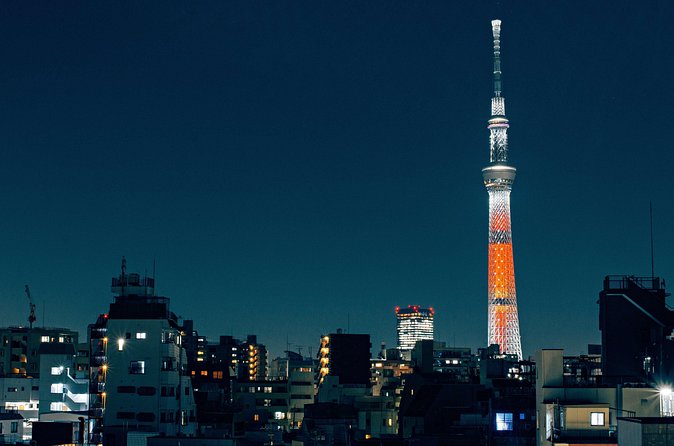
Tokyo Skytree is Japan’s tallest structure and offers city views from an observation level at 450 meters. It is the obvious pick if getting above Tokyo matters to you.
A guide can help with the practical side, including timing and bookings when needed. Optional tours and activities are not included, so check whether observation tickets are part of your custom arrangements or an extra cost. This is one reason the custom form matters: tell the operator clearly if Skytree is a must-have rather than a passing preference.
A tower visit can take longer than expected once transport, entry, elevators, and the observation deck are counted. I would not combine it with too many distant districts. Pair it with Asakusa or another nearby choice if you want a less rushed day.
Ueno Park and Yanaka for a slower Tokyo
Ueno Park is a large green space that was once owned by the ruling Tokugawa clan. It offers a change of pace from stations, shopping streets, and tall buildings.
Nearby Yanaka has a pleasant old Tokyo atmosphere and sits within walking distance of Ueno Park. Choosing both gives you a more residential-feeling side of the city, with a route that can be less focused on headline attractions.
This combination is a good fit if you want local texture and a gentler walking day. It may be less satisfying if your first Tokyo visit is driven by famous landmarks. You should also keep your physical condition in mind. The tour requires a moderate fitness level, and walking between neighborhoods, stations, and sights can add up.
Ginza for polished shopping and dining
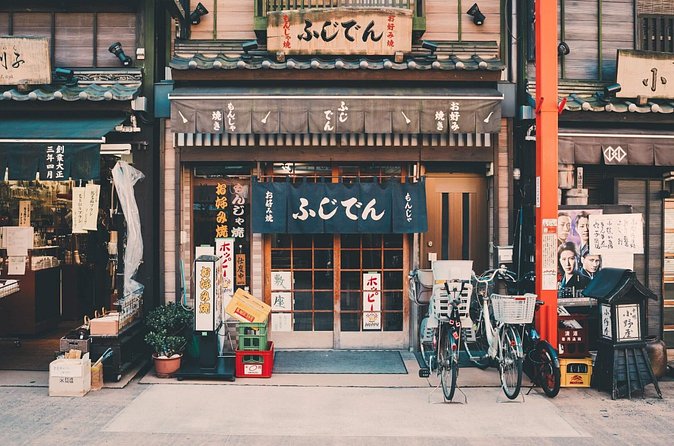
Ginza is Tokyo’s premier shopping district. It is the right choice for department stores, luxury brands, polished streets, and a more formal side of the capital.
I would add Ginza when shopping or dining matters as much as temples and views. It can also make sense for a lunch reservation, since the operator can arrange bookings on your behalf when requested and available. A traditional Japanese restaurant was the most memorable part of one completed day, particularly for a food-focused guest.
Meals are not included, though. You will pay for lunch yourself, along with any meal ordered for the guide if that arrangement is required. Ask about this before confirming a restaurant plan.
Ginza is not a substitute for traditional Tokyo. If you have only one day and want history, choose Asakusa or the Imperial Palace first. If you want food and shopping, Ginza earns its place.
Shibuya Crossing, Hachiko, and the western districts
Shibuya Crossing and the Hachiko statue offer Tokyo’s famous modern-city snapshot. The crossing is easy to recognize, but the surrounding district gives you more reason to stay: shopping, signs, pedestrian traffic, and one of the city’s major rail hubs.
Shinjuku is another possible choice, built around what is described as the world’s busiest railway station. This is where a guide can be especially useful. Stations and districts of this scale can consume time if you are trying to locate the right exit or connect to the next stop.
Shibuya and Shinjuku are both strong choices for a first visit, but putting both into one day may leave little room for slower sightseeing. Pick one if you also want a temple, garden, market, or tower.
Meiji Shrine and Shinjuku Gyoen
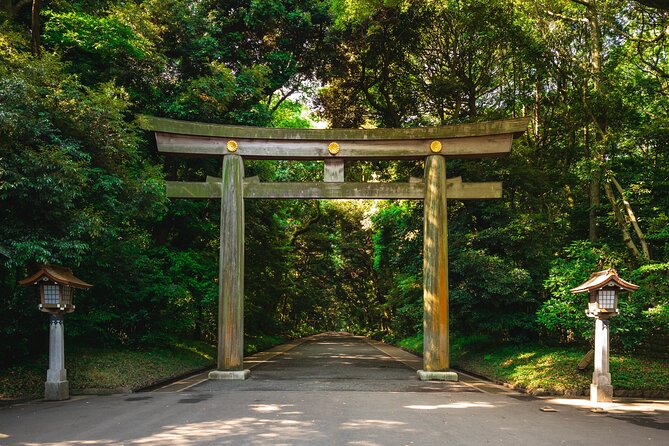
Meiji Shrine is Tokyo’s most important Shinto shrine. Its wooded approach and religious setting give you a break from the commercial center, even though the shrine is in the middle of the city.
Shinjuku Gyoen National Garden is one of Tokyo’s largest and most popular parks. It suits you if you want gardens, open space, and a pause from station crowds. Together, Meiji Shrine and Shinjuku Gyoen can create a west Tokyo day with a good balance of culture and greenery.
There is still a practical limit. Both are walking-oriented stops, and gardens need time to appreciate. Do not ask for both plus Tsukiji, Asakusa, Skytree, and Shibuya in the same eight hours. The point of this tour is to reduce that kind of overstuffed schedule.
A private guide, transport, and the real value
The price is $250.83 per person. That is not a bargain for a solo visitor, but the comparison changes when you are traveling as a family or small private group. You are paying for eight hours of planning, a private English-speaking guide, hotel pickup and drop-off, transport within Tokyo, and help with reservations.
The biggest value is time. You do not need to study every rail route, decide which sight comes first, or handle every booking alone. A guide can also adjust the pace around your interests, which is hard to buy on a fixed group tour.
Transport may be by public transit or private vehicle, based on your booking. Confirm which option applies before you go, since the experience and total costs can feel different. One completed tour included prepaid metro tickets, which made the day easier, but you should not assume that detail applies to every booking.
The guide’s undivided attention is another advantage. You can ask questions as they come up, change the balance between shopping and sightseeing, and get help with practical matters. Still, the guide is not covering optional entrance fees, food, drinks, gratuities, or optional activities in the stated price.
Timing, fitness, and what to organize first
Start early, arrive at least 10 minutes before the agreed pickup time, and dress for the weather. The guide waits up to 30 minutes after the start time, after which the tour may be cancelled.
You receive the guide’s phone number before the tour. Keep it available in case you have trouble meeting at the hotel or need help during the day. Passports may be required to verify age on the day.
Book as early as possible. The operator recommends about three months ahead, or at least one month before your visit, especially if you want restaurants or venues reserved. Requests within seven days may not be possible to arrange.
The cancellation terms are strict. The final policy says the experience is non-refundable and cannot be changed, while the additional booking information also describes fees of 25 percent within 30 days, 50 percent within 21 days, and 100 percent within 14 days, plus a nonrefundable 15 percent service fee after a custom itinerary is sent. Because those terms do not fully match, confirm the exact rule that applies before paying.
Who should book this private Tokyo day?
I would recommend this tour to first-time visitors who want several major sights without managing Tokyo’s transport alone. It is also a good match for families, small groups, food-focused visitors, and anyone with a clear list of places they want to see.
You should book it if you value a personal route more than the lowest possible price. The private format makes the cost easier to justify when divided among several people.
I would choose another option if you enjoy planning rail routes, prefer wandering without a timetable, or want to spend a full day in one neighborhood. I would also avoid booking it at the last minute if your plans depend on popular restaurants or timed attractions.
FAQ
How long does the Tokyo private custom tour last?
The tour lasts approximately eight hours.
What time does the tour start?
The scheduled start time is 8:00 a.m.
How many sights can I choose?
The tour includes a personalized selection of four to five Tokyo sites.
Is hotel pickup included?
Yes. Hotel pickup and drop-off are included, with the activity ending back at the meeting point.
Is transportation included?
Transportation within Tokyo is included. It may use public transportation or a private vehicle, based on your booking.
Are meals included?
No. Meals, food, and drinks are not included unless specifically stated. Optional restaurant reservations may be arranged on your behalf.
Is the tour private?
Yes. Only your group participates in the private activity.
How far ahead should I book?
Booking about three months ahead is recommended, or at least one month before travel. Requests made within seven days may not be possible to arrange.
Should you book it?
Book this Tokyo tour if you want a well-organized day built around your own priorities, especially if you are comfortable paying for convenience and personal attention. Choose four or five contrasting stops, complete the custom form early, and tell the operator exactly what you have already seen.
The strongest plan is a focused one: Tsukiji and Asakusa for food and tradition, Asakusa and Skytree for old and new Tokyo, or Meiji Shrine, Shibuya, and Shinjuku for the city’s modern west side. Keep the route realistic, confirm transport and cancellation terms, and this private day can give you a useful first map of Tokyo without turning your vacation into a rail-planning exercise.
More Full-Day in Tokyo
More Private Tours in Tokyo

More tours in Tokyo we've reviewed
Full-Day, compared.
 ★ 4.5From Tokyo: Mount Fuji Full-Day Sightseeing TripFrom $6810 hours
 ★ 4.9Mount Fuji Full-Day Private Tour from Tokyo (Customizable)From $393
 ★ 5.0Tokyo Private Full-Day Tour by Car or VanFrom $321
 ★ 4.7From Tokyo: Must-Visit Mount Fuji Highlight Full-Day TourFrom $6911 hours
 ★ 4.5Mt. Fuji, Hakone Full-Day Private Tour with English Driver GuideFrom $495
 ★ 4.8From Tokyo: Mount Fuji Full-Day Customizable Private TourFrom $48310 hours