
Reviewed · GO-KARTS
Official Japan Go-Kart Shibuya / Tokyo Tower (IDP Required)
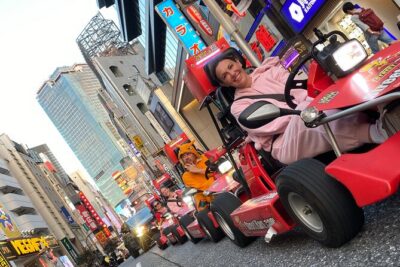
Tokyo sightseeing usually means trains, sidewalks, and packed buses. This tour puts you on the road in a go-kart, following a guide through Shibuya Crossing, Tokyo Tower, and central Tokyo. It is less a race than a moving photo stop, with city views and a small convoy that keeps you from getting lost.
I like the easy sightseeing plan and the cheerful staff, who explain the driving clearly and take photos along the way. I also like that the kart rental is included, and that the route links several famous districts in one outing. The big catch is serious: you need the correct physical International Driving Permit, your home license, and passport, or you can be turned away without a refund.
In This Review
- Key points before you book
- What this Tokyo go-kart tour really feels like
- Starting at the JAPANKART Kanda branch
- The route: a moving tour of central Tokyo
- Imperial Palace
- Shibuya Crossing
- Roppongi
- Tokyo Tower
- Tokyo Station
- The staff and the safety briefing
- Photos, costumes, and the social side
- The most important issue: your driving documents
- Price and what the $145.35 buys you
- Weather, comfort, and the limits of the experience
- Who should book this experience?
- Booking advice and cancellation rules
- Should you book the JAPANKART Tokyo drive?
- FAQ
- Where does the go-kart tour begin and end?
- How long does the experience last?
- What sights are included on the route?
- Is Tokyo Tower admission included?
- What driving documents must I bring?
- Are digital copies of the IDP accepted?
- What if my license was issued in Germany, France, Switzerland, Taiwan, Belgium, or Monaco?
- What happens if bad weather cancels the tour?
Key points before you book
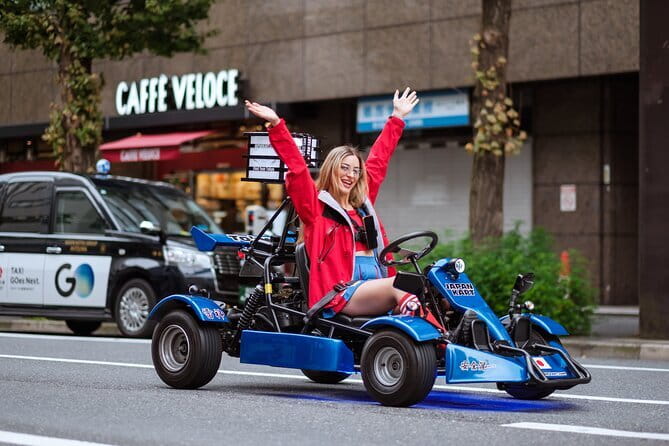
- Tokyo from the driver’s seat: See Shibuya Crossing, Roppongi, Tokyo Tower, the Imperial Palace, and Tokyo Station while moving through the city streets.
- A guided convoy, not a race: You follow staff through the route, so you do not need to read a map or plan the roads yourself.
- The paperwork matters: Japan accepts a 1949 Geneva Convention IDP booklet, not a 1968 Vienna Convention permit, a phone image, or an unofficial document.
- Photos are part of the fun: Staff take pictures during the outing, and some bookings include the photos afterward at no extra charge.
- Allow nearly three hours: The advertised duration is about 2 hours 30 minutes to 3 hours, with the tour returning to the Kanda branch.
- Weather can change the plan: Heavy rain and thunderstorms may shorten or cancel the drive, with a refund or new date offered for a cancellation.
What this Tokyo go-kart tour really feels like
The appeal is simple: you see Tokyo from street level while doing something playful. You are not sitting behind a tour-bus window. You are part of a small line of karts, moving through major neighborhoods under the direction of staff.
That makes the experience feel more like a city outing than a driving lesson. You will need to pay attention to traffic, follow the convoy, and keep your kart under control. Still, the staff give instructions before departure, and the outing is designed as a guided drive rather than a competition.
Do not book this expecting a racetrack or high-speed contest. One of the most useful points to understand is that it is not a race. The fun comes from driving on Tokyo roads, seeing the city from a low open vehicle, and sharing the odd spectacle with your group.
The company receives a 4.9 rating from 84 reviews, with 98 percent recommending it. That strong response lines up with the main strengths I see here: friendly support, clear explanations, plenty of pictures, and a route that covers a lot of ground.
A few more Tokyo tours and experiences worth a look
Starting at the JAPANKART Kanda branch
You meet at the JAPANKART Kanda Branch in Chiyoda City, at Kanda Higashimatsushitacho 42, second floor. The activity ends back at this same meeting point.
Arrive 15 minutes before your booking time. That buffer matters because the staff need to check your documents, prepare the kart, and explain the rules. Arriving late would be a poor way to start an activity with a strict departure schedule.
You can expect a preparation period before the drive, including instructions and the chance to choose a costume if you want one. The supplied accounts make clear that costumes add to the fun, but they are not the reason to book. The real event is driving through Tokyo.
Wear practical clothes. Long skirts, high heels, and sandals are not allowed. Alcohol before the tour is prohibited, and you should treat that rule as a safety requirement, not a minor suggestion.
The group is described as capped at 10 people, although the additional information also lists a maximum of 15 participants. Since kart availability can force the operator to adjust bookings, it is sensible to confirm the group arrangement if a very small convoy matters to you.
The route: a moving tour of central Tokyo
The exact order and timing of the stops can vary, but the advertised route includes the Imperial Palace, Shibuya Crossing, Roppongi, Tokyo Tower, and Tokyo Station. You pass the major sights from the road rather than stopping for long museum-style visits.
That distinction is important. You get a broad look at Tokyo, but this is not the right choice if you want extended time inside each attraction. Tokyo Tower, for example, receives about 10 minutes in the listed schedule, and the observation deck ticket is not included.
Imperial Palace
The Imperial Palace occupies the former site of Edo Castle and remains the primary residence of Japan’s emperor. Its moats, stone walls, gardens, and traditional buildings offer a sharp contrast to the office towers and traffic around central Tokyo.
From a go-kart, you get a quick visual impression rather than a full palace visit. That can still be worthwhile because the road route gives you a sense of how old castle grounds sit within modern Tokyo. If the palace is a top priority, plan a separate visit for the gardens and grounds. This tour is best for seeing it as one important piece of the city.
Shibuya Crossing
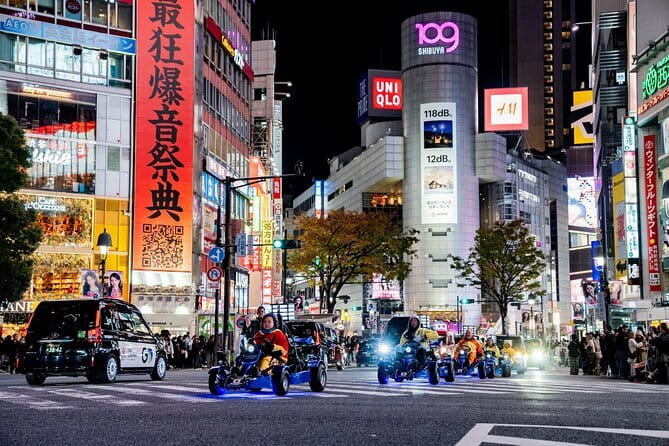
Shibuya Crossing is likely the route’s most theatrical moment. When the lights change, pedestrians move across the intersection from several directions, surrounded by large screens, signs, and tall buildings.
A kart provides a memorable way to approach the area, but traffic and road conditions mean the experience is not a private photo session in the middle of the crossing. You see the famous scene as part of normal city movement.
The timing may affect what you see. A nighttime drive brings bright signs and illuminated buildings, while daytime offers clearer views of the streets and surrounding architecture. Several accounts specifically praise the night views, with Tokyo Tower mentioned as a highlight.
A few more Tokyo tours and experiences worth a look

Roppongi
Roppongi gives the route a different mood. It is known for nightlife, bars, clubs, international food, high-end shops, and cultural attractions such as the Mori Art Museum.
You are likely to appreciate Roppongi as a neighborhood to pass through rather than a formal stop. The value here is variety. In one outing, the route moves from palace walls to major city intersections, then into one of Tokyo’s best-known entertainment districts.
If you want to visit the Mori Art Museum or eat in Roppongi, allow separate time before or after the tour. The kart outing gives you a street-level introduction, not admission or a planned neighborhood walk.
Tokyo Tower
Tokyo Tower is the route’s clearest landmark. Painted orange and white and rising 333 meters above the city, it was modeled after the Eiffel Tower and remains one of Tokyo’s most recognizable sights.
The listed stop is about 10 minutes, and admission is not included. That makes the tower a photo opportunity during this outing, not a full observation-deck visit. You can frame the tower from the street, enjoy the sight from the kart, and return another time if you want the panoramic views.
Nighttime seems especially effective here. The tower’s lighting gives the drive a strong visual payoff, though weather can reduce the effect. Bring a jacket if the forecast is cool, since an open kart offers little shelter from wind.
Tokyo Station
Tokyo Station adds history and architecture to the route. Opened in 1914, its red-brick exterior contrasts with the high-rise center around it. Inside, the station is filled with shops and restaurants, but the tour focuses on seeing the building and area from the road.
This is another place where a quick pass gives you context, not a full visit. I like its inclusion because it rounds out the route. Shibuya gives you modern spectacle, Tokyo Tower gives you a landmark, the palace gives you older Tokyo, and Tokyo Station shows how the city’s rail network anchors the center.
The staff and the safety briefing
The staff are one of the strongest parts of this activity. The feedback consistently highlights friendly, attentive service, clear explanations, and a strong focus on keeping the group comfortable and safe.
That matters more here than it would on a standard walking tour. You are operating a motorized vehicle on public roads, so the quality of the briefing and the guide’s instructions affects the whole outing. Staff lead the convoy, help you understand the process, and keep the group together.
The experience also includes an instructional video in the confirmation email. Watch it before arrival. You will save time at the branch and have a better idea of what is expected before you climb into the kart.
The drive can still feel exciting. One description compares the mood to a slower version of a car-chase film, which is a fair way to picture the energy, provided you remember that this is sightseeing under traffic rules. The karts are not a license to speed, drift, or race.
Photos, costumes, and the social side
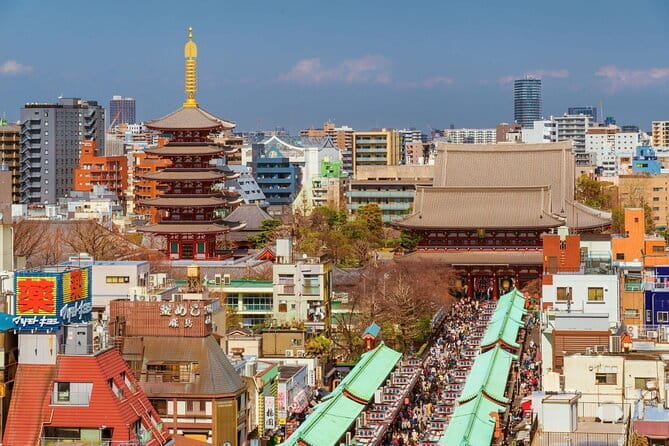
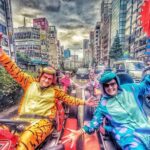
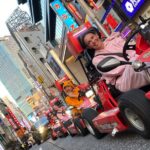
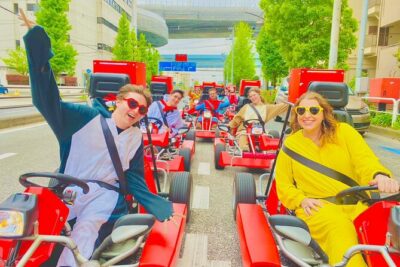
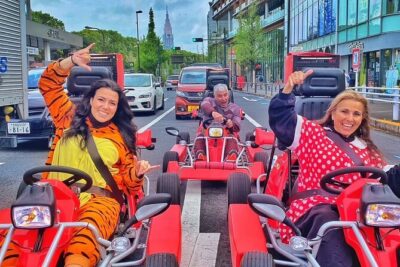
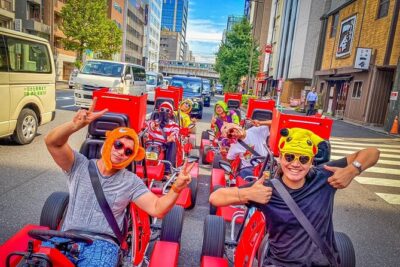
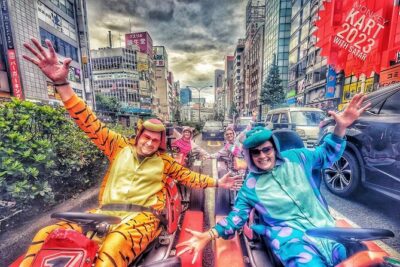
Staff take plenty of photos during the drive. Some experiences include the pictures afterward at no extra charge, which adds real value because it is difficult to photograph yourself while driving.
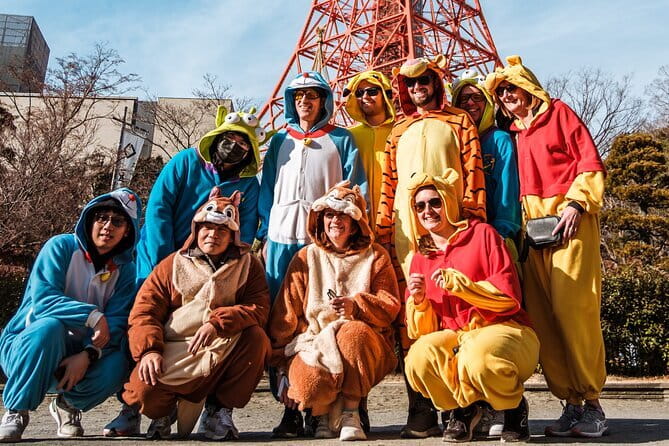
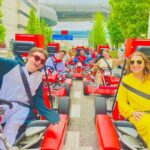
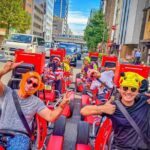
Costumes are another optional layer. Dressing as a tiger or another character can make the outing more visible and more amusing, especially for birthdays or group trips. You should think of the costume as a fun extra, not a substitute for practical clothing.
The small convoy also helps the social side of the outing. You are driving with a limited group rather than joining a large bus. That makes it easier to share the experience with the people around you, although the exact group size can vary because the information gives both a 10-person cap and a 15-person maximum.
This tour works especially well for couples, friends, families with eligible drivers, and anyone celebrating a birthday. One account describes the outing as a memorable birthday gift, while another praises it as enjoyable even on a chilly day.
The most important issue: your driving documents
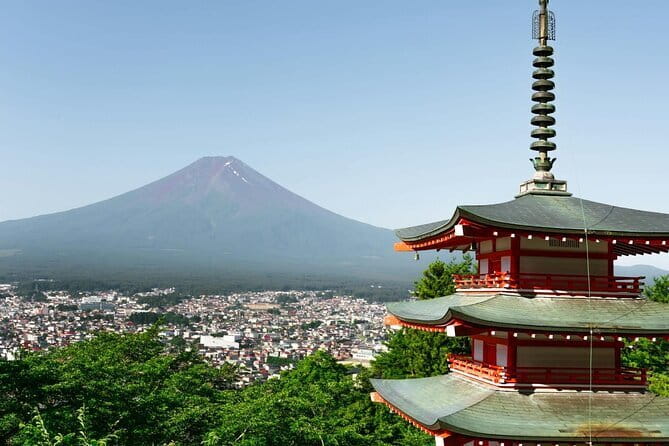
Check this before paying. You must bring:
- Your home-country driver’s license
- Your passport
- A physical International Driving Permit issued under the 1949 Geneva Convention
The IDP must be an official booklet. A paper printout, A4 document, phone photograph, or digital copy is not accepted. Japan also does not accept IDPs issued under the 1968 Vienna Convention.
Some online businesses sell unofficial permits. Do not rely on one. The permit must come from a government-authorized association, and the operator warns that improper paperwork can cancel your tour with no refund.
There is an exception for licenses issued in Switzerland, Germany, France, Taiwan, Belgium, or Monaco. In those cases, you need a Japanese translation from the Japan Automobile Federation, also called JAF, plus your original driving license.
Bring the actual documents to the meeting point. A digital image is not enough, even if it clearly shows your permit. This is the one issue most likely to turn an exciting booking into an expensive disappointment.
Price and what the $145.35 buys you

The price is $145.35 per person. That is not cheap for a sightseeing outing, but the comparison is not simply kart rental versus a train ticket.
The price includes the kart rental, a guided route, staff support, and access to a moving sightseeing experience that covers several central Tokyo landmarks. You also avoid the planning work of linking Shibuya, Roppongi, Tokyo Tower, the Imperial Palace, and Tokyo Station on your own.
The value is strongest if you want an unusual activity and would otherwise pay for a separate attraction or entertainment outing. It is weaker if your main goal is simply to photograph Tokyo landmarks, since most stops are brief and Tokyo’s trains are much cheaper.
The photos can improve the value, especially because you cannot safely take your own pictures while driving. Admission to Tokyo Tower is not included, so budget separately if you want to go up the tower.
I would call this a special-event purchase rather than a basic sightseeing bargain. For a birthday, first trip to Tokyo, or group outing, the price may feel justified. For a museum-focused trip or a tight budget, a conventional city tour will give you more time at each sight.
Weather, comfort, and the limits of the experience
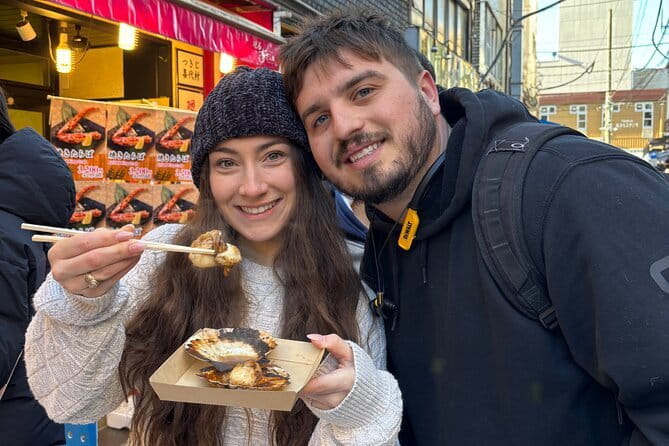
This is an outdoor activity in an open vehicle. Weather has a direct effect on comfort and safety. Heavy rain and thunderstorms can shorten the drive, and poor weather can lead to cancellation.
If the operator cancels because of weather, you can receive a full refund or request a different date, depending on availability. A ride that starts in uncertain weather may not deliver the full planned route, so keep your schedule flexible if rain is forecast.
Chilly conditions are manageable for some people, but you should dress sensibly. Avoid unsuitable footwear and clothing, and remember that the kart offers less protection than a car or bus.
The tour is also not a substitute for a driving excursion outside Tokyo. You stay on an urban route, sharing the road with normal traffic. The fun comes from being visible, low to the ground, and close to the city activity, not from speed or open-road scenery.
Who should book this experience?
You are a good match if you:
- Hold the correct driving documents and are comfortable driving on public roads
- Want an active alternative to a bus or walking tour
- Like taking photos and being part of a playful group activity
- Have limited time and want to connect several famous Tokyo areas
- Are celebrating a birthday or planning a memorable evening
- Can accept short stops instead of long visits inside attractions
You may want another tour if you do not drive, dislike traffic, need a fully sheltered activity, or want extended time at the Imperial Palace, Tokyo Tower, or Tokyo Station. You should also skip it if you cannot obtain the correct IDP before arriving in Japan.
Booking advice and cancellation rules
You can cancel for a full refund up to 24 hours before the local start time. Inside that 24-hour window, cancellations and changes are not accepted, and the paid amount is not refunded.
There is also no refund if you arrive without your license, passport, IDP, or required Japanese translation. Watch the instructional video in your confirmation email, arrive 15 minutes early, and check every document before leaving your hotel.
The operator may adjust bookings when kart capacity is reached because the activity depends on working mechanical equipment. That is another reason not to build an important flight, dinner, or attraction reservation too tightly around the return time.
Should you book the JAPANKART Tokyo drive?
Book it if you want Tokyo sightseeing with a dose of silliness and motion. The route gives you several major sights, the staff receive strong marks for care and clear instruction, and the photos help preserve an experience you cannot easily recreate on foot.
I would not book it casually without checking the documents first. The physical 1949 Geneva Convention IDP rule is strict, and the no-refund policy leaves no room for a last-minute mistake.
For the right person, this is a memorable way to see central Tokyo. It is not the cheapest or most efficient sightseeing option, but it offers something a train, taxi, or bus cannot: you become part of the street scene as you pass through one of the world’s most exciting cities.
FAQ
Where does the go-kart tour begin and end?
The tour begins at the JAPANKART Kanda Branch in Chiyoda City, Tokyo, at Kanda Higashimatsushitacho 42, second floor. It ends back at the same meeting point.
How long does the experience last?
The approximate duration is 2 hours 30 minutes to 3 hours.
What sights are included on the route?
The route includes views of the Imperial Palace, Shibuya Crossing, Roppongi, Tokyo Tower, and Tokyo Station.
Is Tokyo Tower admission included?
No. The listed Tokyo Tower stop is about 10 minutes, and admission is not included.
What driving documents must I bring?
You must bring your home-country driver’s license, passport, and a physical International Driving Permit issued in the 1949 Geneva Convention format. The IDP must be an official booklet.
Are digital copies of the IDP accepted?
No. Photos, digital copies, paper versions, and A4 forms are not accepted. The physical booklet is required.
What if my license was issued in Germany, France, Switzerland, Taiwan, Belgium, or Monaco?
You need your original driving license plus a Japanese translation issued by the Japan Automobile Federation, also known as JAF.
What happens if bad weather cancels the tour?
If the experience is canceled because of poor weather, you can receive a full refund or request another date, depending on availability.
More Go-Kart Tours in Tokyo
More Shibuya Tours in Tokyo

More tours in Tokyo we've reviewed











Go-Karts, compared.
 ★ 5.0Flagship 2-Hours Official Street Go-Kart Tour – Tokyo Bay ShopFrom $642 hours to 2 hours 30 minutes (approx.)
 ★ 5.0Official Street Go-Kart in ShibuyaFrom $76
 ★ 5.0Official Street Go-Kart Tour – AkihabaraFrom $61
 ★ 5.0Tokyo Go Kart: Asakusa, Skytree, and Akihabara **IDP MUST**From $99
 ★ 5.0Shibuya Official Street Go-Kart in Shibuya AnnexFrom $69
 ★ 4.7Tokyo: Asakusa, Skytree & Akhihabara Go-Kart City ExperienceFrom $961h 10m