
Reviewed · MT FUJI DAY TRIPS
Tokyo: Mt. Fuji 5th St, Gotemba & Hakone by Luxury Bus
Mt. Fuji is the headline, but this 12-hour coach tour gives you a full sampler of the region: mountain views, outlet shopping, volcanic springs, a cable car, and a pirate ship on Lake Ashinoko. It is a lot of Japan in one day, with the comfort of round-trip transport from Shinjuku.
I like the easy mix of nature and free time, especially the Hakone Ropeway and pirate ship combination. I also like the practical value of including both admissions and transport for $93. The catch is simple: this is a long day, traffic can eat into sightseeing time, and clouds may hide Fuji completely.
In This Review
- Key points to know before booking
- Why this Tokyo day trip works
- Starting early in Shinjuku
- Mt. Fuji’s Fifth Station in 40 minutes
- Gotemba Premium Outlets and the lunch question
- The Hakone Ropeway and Ōwakudani Valley
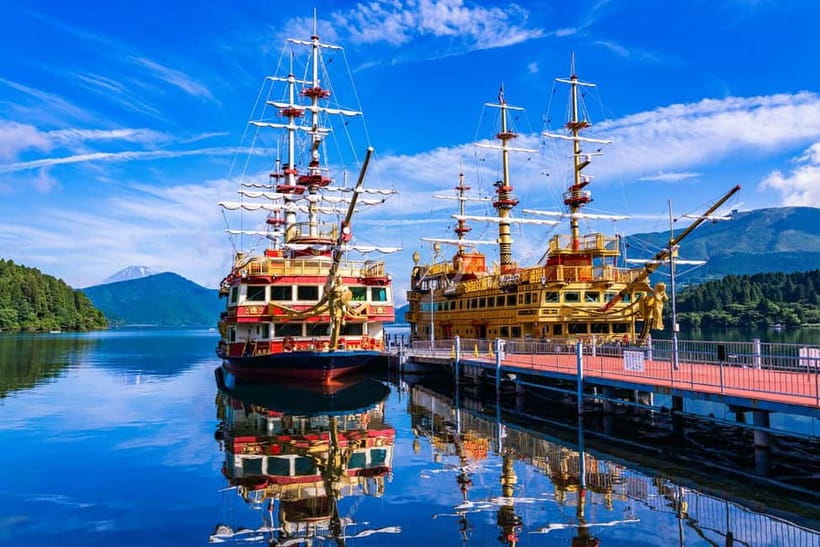
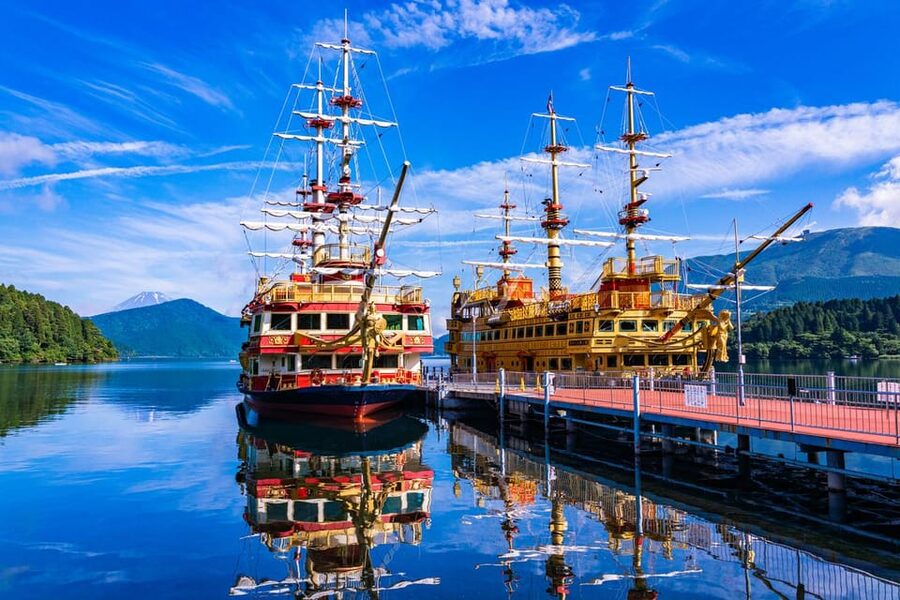
- Cruising Lake Ashinoko on a pirate ship
- Guides, drivers, and language support
- Is $93 good value?
- Timing, comfort, and who should book
- Should you book this Mt. Fuji and Hakone tour?
- FAQ
- Where does the tour meet in Tokyo?
- How long does the tour last?
- Is lunch included?
- What admissions are included?
- What happens during winter?
- Is the tour available in English?
Key points to know before booking
- Mt. Fuji’s Fifth Station is a quick scenic stop: You get about 40 minutes for views, photos, and a short walk.
- Gotemba Premium Outlets gets the longest break: Allow 105 minutes for shopping, sightseeing, and finding lunch at your own cost.
- Hakone packs several sights into a short window: The ropeway, Ōwakudani Valley, and pirate ship are all included, but each stop is brief.
- Winter changes the Fuji stop: From late December to mid-March, snow sledding takes place at Mt. Fuji’s Second Station.
- The guides earn strong marks for care: Yui, Yoko, Ayumi, Ikuko, and others are named for friendly, helpful service, while drivers such as Emiko and Naosan are praised for safe, smooth driving.
- Weather and traffic matter: Fuji may disappear in cloud, and the schedule can be shortened or rearranged when roads are crowded.
Why this Tokyo day trip works
This tour is built for you if you want to see Mt. Fuji and Hakone without figuring out several trains, buses, tickets, and transfers. The route begins at the Shinjuku Center Building, then heads out by coach for roughly two and a half hours before reaching the Fuji area.
That long first ride is the price of leaving central Tokyo. On a clear day, the reward is a broad view around the mountain and, at times, a sea of clouds below. On a cloudy day, you may get little more than mist at the Fifth Station. The tour cannot control the weather, so I would treat Fuji as a welcome bonus rather than a guarantee.
The itinerary also gives you variety. You are not spending the whole day at one viewpoint or one shopping center. You get a mountain stop, a retail stop, volcanic scenery, and a lake cruise. That range makes the day appealing for first-time visitors who want a taste of several famous places in the Fuji and Hakone area.
The trade-off is pace. A coach tour can connect these places efficiently, but you will not have much time to wander deeply at any one of them. I would choose this trip for breadth and convenience, not for long walks, quiet exploration, or a slow meal.
A few more Tokyo tours and experiences worth a look
Starting early in Shinjuku
Meet on the sidewalk in front of the main entrance of the Shinjuku Center Building at 7:15 a.m. The coach leaves at 7:30. Look for the GetYourGuide logo, which is the stated meeting landmark, and arrive early. Late arrivals and no-shows are not refundable.
Shinjuku is a useful departure point because it is well connected, but the meeting location matters in a busy district with large buildings and many streets. I would allow extra time to find the exact entrance, especially if you are carrying luggage, traveling with children, or navigating Tokyo for the first time.
The coach ride out takes about 2.5 hours. Traffic is a serious part of this excursion, not a minor footnote. The return ride is listed at about 2.75 hours, and heavy congestion can shorten or rearrange parts of the sightseeing schedule.
The operator provides a live guide in English or Japanese, with English and Japanese audio support. Even when you select English, the spoken guide may sometimes be in Chinese or Japanese, with English information delivered through an interpreter device. That arrangement is worth understanding before you book.
Mt. Fuji’s Fifth Station in 40 minutes
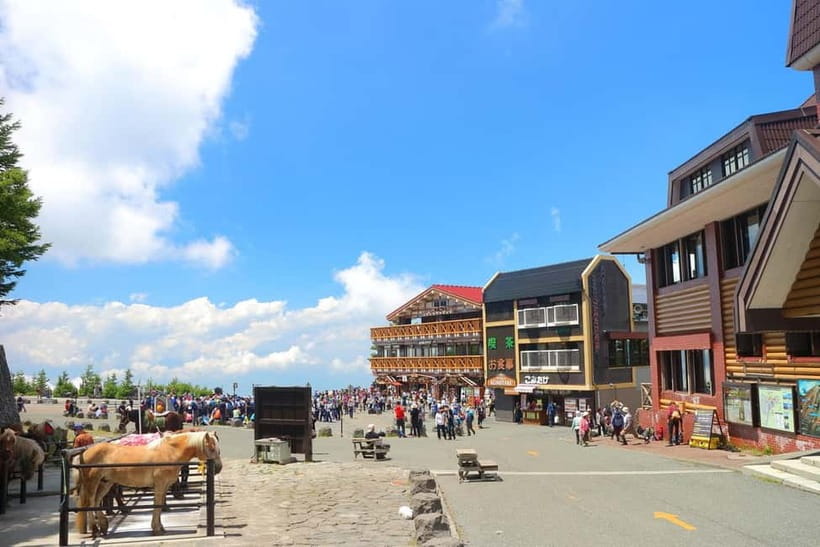
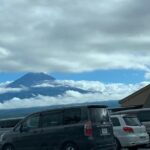
The Fifth Station is the tour’s most anticipated stop. At this elevation, you are close to Mt. Fuji’s upper slopes and get a different view from the familiar scenes photographed around the lakes and foothills. The surrounding area can feel dramatic, especially when clouds sit below you.
You have about 40 minutes here for a guided visit, photos, sightseeing, and a short walk. Bring a charged camera. The stop is short enough that I would take your main photos first, then use any remaining time for a quick look around.
The main limitation is visibility. One guest described missing Fuji because of weather, while still enjoying the rest of the day. Another found there was not enough time at the Fifth Station, and cloudy conditions made the stop less satisfying. Those are fair warnings. Even under good conditions, 40 minutes gives you a snapshot, not a full mountain visit.
The tour may use a snow resort at Mt. Fuji’s Second Station from late December through mid-March. Snow sledding is included when that seasonal activity operates. The supplied information does not promise a particular amount of snow or a fixed length of time there, so winter conditions can change the experience.
For a first visit, I like the convenience of reaching the mountain by coach. If your main goal is a long hike, a quiet mountain walk, or a serious photography session, this is not the right format. If you want a manageable Fuji viewpoint without planning your own transport, it makes sense.
Gotemba Premium Outlets and the lunch question
The stop at Gotemba Premium Outlets lasts about 105 minutes, making it the longest single break on the route. You can shop, walk around, see the mountain area, and find lunch during this period.
The outlet center gives the day a useful change of rhythm. After the early start and the Fuji stop, you can spread out, browse shops, and take a break from guided sightseeing. It is especially practical if you want Japanese or international brands and prefer having some independent time during an organized excursion.
The outlet is also a fallback on a cloudy Fuji day. You may not get the mountain view you hoped for, but the shopping stop still provides a clear activity rather than leaving you with only a disappointing photo stop.
Lunch is not included in the tour information, so budget separately for food. One experience account refers to enjoying a bento, but you should not assume lunch comes with the booking. With only 105 minutes, I would avoid a slow meal and keep enough time for shopping and the return-to-coach meeting point.
A little discipline helps here. The shopping area can easily absorb the entire break, but Hakone follows. If you are not interested in outlet shopping, use the time for lunch and a rest. This is one of the few portions of the day where you have a bit of freedom.
The Hakone Ropeway and Ōwakudani Valley
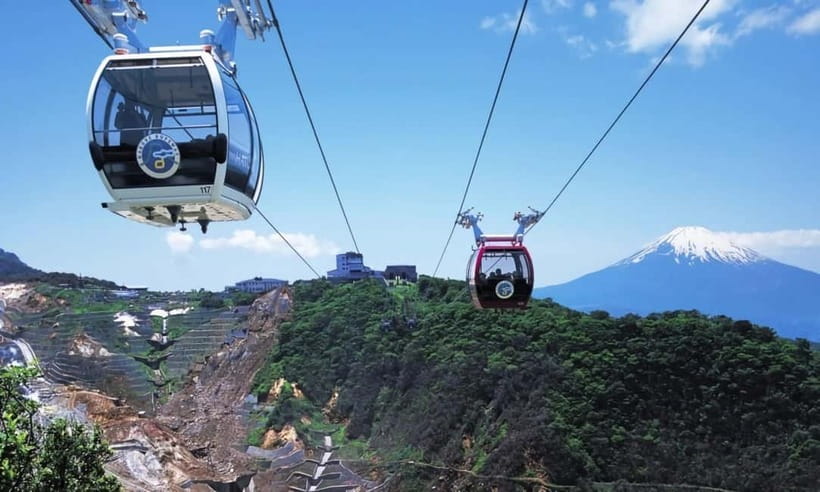
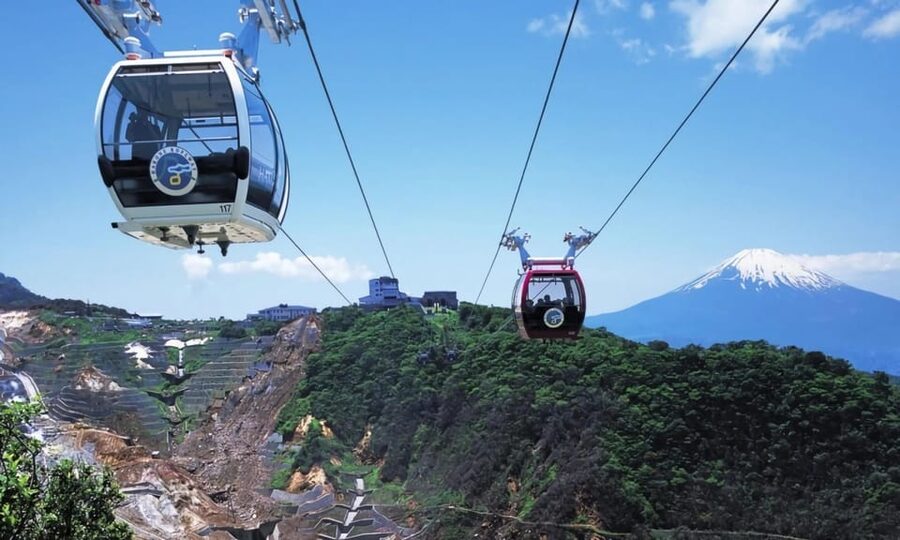
After Gotemba, the tour moves into Hakone, a resort area known for hot springs, mountain views, and Lake Ashinoko. The ropeway ride is included, so you do not need to buy a separate ticket or work out the local transport connection.
The listed ropeway visit is about 10 minutes. That is brief, but the cable car gives you a bird’s-eye view toward Ōwakudani, a volcanic valley shaped by geothermal activity. You may see steaming ground and hot springs below as the car crosses the area.
The following stop at Ōwakudani lasts about 20 minutes. You get time for sightseeing, a short walk, and photos. This is a good place to notice the contrast with Mt. Fuji: Fuji is a grand mountain viewpoint, while Ōwakudani feels active, rugged, and earthbound.
Do not expect a long volcanic walk. Twenty minutes goes quickly, particularly if the group needs to move together or conditions slow the route. The available information does not promise a particular food tasting or a long independent visit, so focus on the views and the unusual volcanic setting.
I like this section because the ropeway and valley are more than another lookout. They show you a different side of the Hakone area. Still, the short timing means you should be ready to leave when asked. This is a stop for a clear impression, not a detailed exploration.
A few more Tokyo tours and experiences worth a look
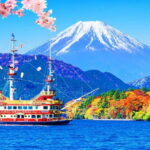
Cruising Lake Ashinoko on a pirate ship
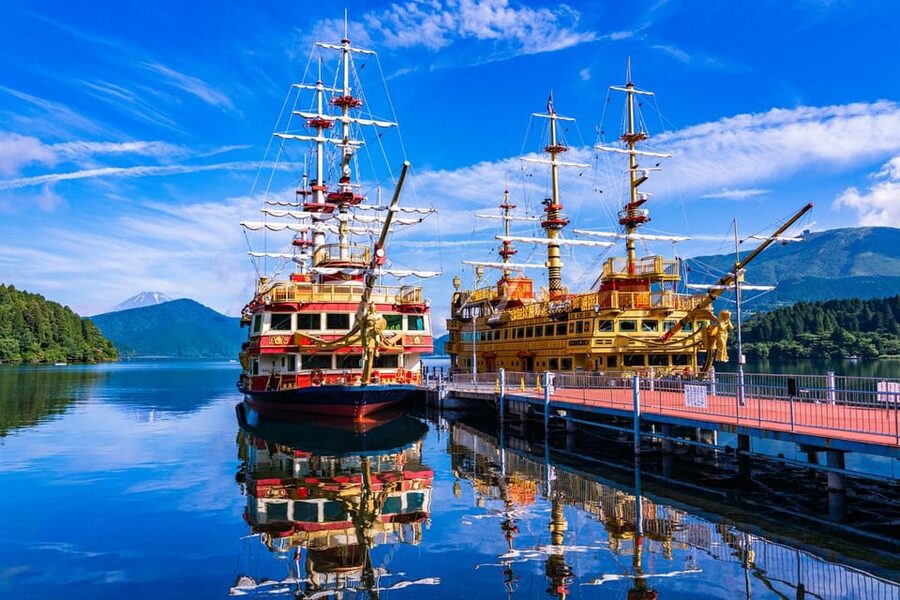
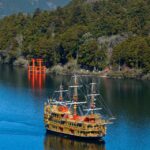
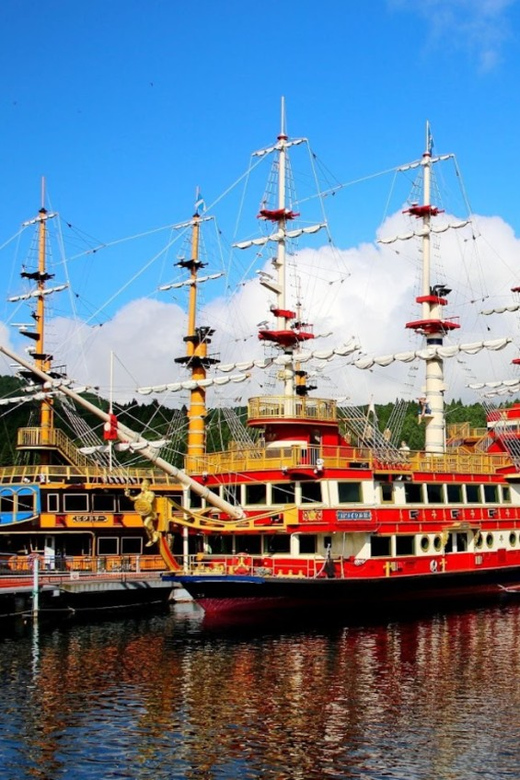
The final major attraction is a cruise aboard the Hakone Pirate Ship from Tōgendai Port on Lake Ashinoko. The cruise visit lasts about 30 minutes, and admission is included.
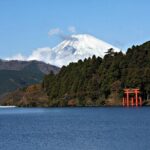
The ship gives you a restful finish after a day of quick stops. From the water, you can look back toward Hakone’s hills and enjoy a quieter view of the surrounding nature. The pirate styling adds a playful touch, though the real appeal is the lake ride itself.
Thirty minutes is enough to enjoy the setting without committing to a long boat excursion. It is also short enough to fit into a tightly planned coach route. I would use this time to sit, take photos, and simply slow down before the return journey.
The cruise is not a private boat ride, and you should not expect a long, silent voyage. It is one included segment in a busy sightseeing day. Even so, the change from bus and cable car to open water helps the itinerary feel varied rather than repetitive.
Guides, drivers, and language support
The human side of the tour appears to be one of its strongest features. Guides named Yui, Yoko, Ayumi, Ikuko, and Yusu are singled out for being friendly, funny, caring, and clear when explaining each destination. Yui is specifically praised for explaining the stops in detail and checking that the group was managing well.
Drivers also receive frequent praise. Emiko is described as superb and careful, while Naosan is praised for professional driving. One account notes that the driver stopped at an earlier point so the group could catch a glimpse of Mt. Fuji. That sort of small adjustment cannot be guaranteed, but it shows how a good guide and driver can improve a weather-sensitive day.
The language setup is worth keeping in mind. English and Japanese are available, and an interpreter device supplies English information when the spoken guide is in another language. This should help, but it may feel less direct than a tour led entirely in English.
The operator also provides insurance. Wheelchair access is listed, though the route includes walking and sightseeing at several outdoor sites. If you need specific assistance, confirm the practical details before booking rather than relying only on the general accessibility label.
Is $93 good value?
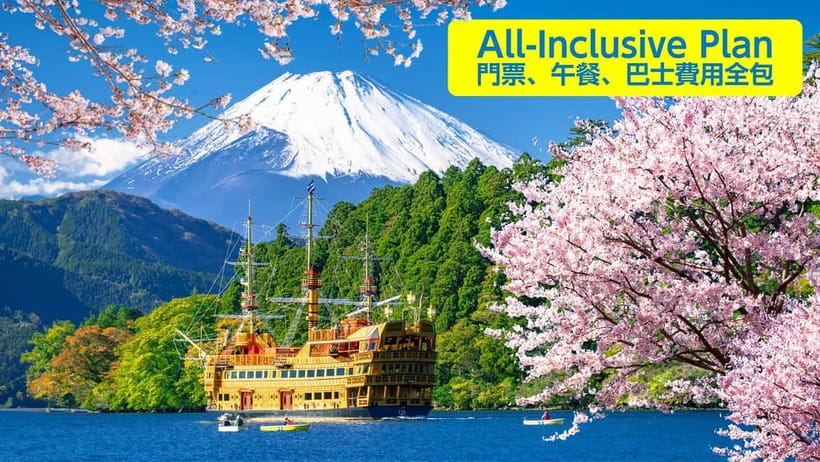
At $93 per person, the tour offers solid value if you want all the main transport and admissions handled for you. The price includes round-trip coach transfers from Shinjuku, the Hakone Ropeway, the Hakone Pirate Ship, seasonal snow resort admission when applicable, operator-provided insurance, and language support.
You are paying for convenience as much as for tickets. Reaching Mt. Fuji, Gotemba, Ōwakudani, and Lake Ashinoko independently would require careful planning and several transport connections. The coach also lets you return to the same central Tokyo meeting area without changing trains late at night.
The price does not include personal expenses, and lunch is not included in the supplied tour details. Add money for food, shopping, and any items you buy at Gotemba. The value is strongest when you plan to visit several of these places anyway.
The value weakens if you mainly want a guaranteed Fuji photograph. Weather can hide the mountain, and traffic can reduce time at the stops. No day tour can fix either problem. For a clear Fuji-focused experience, you would want a more flexible plan with extra time in the area. For a broad, no-fuss day outside Tokyo, $93 is reasonable.
Timing, comfort, and who should book
You should expect an early start, a full 12-hour day, and nearly five and a quarter hours of coach travel when the listed ride times are combined. That is a lot of sitting, so this tour suits you if you value door-to-door convenience more than a relaxed pace.
I would recommend it to first-time Tokyo visitors, families who want a simple plan, shoppers interested in Gotemba, and anyone who wants to combine Fuji and Hakone in one day. It also suits you if you are comfortable taking photos quickly and moving on.
I would hesitate if you dislike organized groups, need long meal breaks, or want to spend half a day at one mountain viewpoint. The 40-minute Fuji stop and 20-minute Ōwakudani stop are enough for highlights, but not enough for a leisurely visit.
Weather deserves its own planning rule. Check the forecast, but book only if you will still enjoy the day without a clear Fuji view. The ropeway, volcanic valley, lake cruise, and outlet stop give the excursion other reasons to succeed, and the strongest accounts praise the guides and drivers for keeping the day pleasant even when conditions are not perfect.
Free cancellation up to 24 hours before departure and reserve-now, pay-later booking make it easier to keep your plans flexible. Those terms are useful for a weather-sensitive outing, but check the exact booking conditions before you pay.
Should you book this Mt. Fuji and Hakone tour?
Book it if you want maximum variety with minimum planning. The tour links four very different experiences, includes the main Hakone admissions, and gives you a comfortable coach back to Shinjuku.
Skip it if your priority is guaranteed Fuji visibility, long time at the Fifth Station, or independent exploration. For everyone else, this is a practical first taste of Mt. Fuji and Hakone, with helpful guides such as Yui and Yoko, careful drivers such as Emiko, and enough variety to make the long day worthwhile.
FAQ
Where does the tour meet in Tokyo?
Meet on the sidewalk in front of the main entrance of the Shinjuku Center Building. The meeting time is 7:15 a.m., with departure at 7:30 a.m. Look for the GetYourGuide logo.
How long does the tour last?
The full experience lasts 12 hours. The listed coach ride takes about 2.5 hours going out and about 2.75 hours returning to Shinjuku.
Is lunch included?
No. Personal expenses are not included, and the tour information states that lunch is not included. Plan to buy lunch during the 105-minute stop at Gotemba Premium Outlets.
What admissions are included?
The price includes admission to the Hakone Ropeway cable car and the Hakone Pirate Ship cruise. Snow resort admission is included when the seasonal activity operates.
What happens during winter?
From late December to mid-March, snow sledding takes place at Mt. Fuji’s Second Station. Snow resort admission is included if that activity is part of the tour.
Is the tour available in English?
English and Japanese live guides and audio support are available. Even when English is selected, the spoken guide may sometimes be in Chinese or Japanese, with English information supplied through an interpreter device.
More VIP Experiences in Tokyo




More Hakone Day Trips in Tokyo
More Mt Fuji Day Trips in Tokyo
More tours in Tokyo we've reviewed


Mt Fuji Day Trips, compared.
 ★ 5.0Mt Fuji and Hakone 1-Day Bus Tour Return by Bullet TrainFrom $163
 ★ 4.0Mt Fuji & Hakone Cruise, Drum Show Bullet Train 1 Day from TokyoFrom $149
 ★ 4.4Tokyo Mt Fuji 5th St & Hakone Cruise Bus Tour w/Bullet TrainFrom $15410 hours
 ★ 4.5From Tokyo: Mount Fuji Full-Day Sightseeing TripFrom $6810 hours
 ★ 4.7Tokyo: Mt. Fuji Tour, Hakone Ropeway, Owakudani, Lake AshiFrom $5410 hours
 ★ 4.4Tokyo:Mt.Fuji,Kawaguchiko Oishi Park,Arakurayama Sengen ParkFrom $5410 hours