
Reviewed · JDM & CAR CULTURE
Tokyo : Kamikaze Street Drift Ride
The first thing to understand is that this is not a driving school. You do not come here to learn heel-and-toe technique or practice your own line. You ride shotgun with Japanese drifters who make the car move sideways, lap after lap, while you take in the smoke, noise, speed, and wonderfully excessive JDM machinery.
I like two things right away: you ride in real Japanese drift cars, not tame demonstration vehicles, and the crew treats the day as a shared car-culture event, with music, conversation, photographers, and fellow drift fans. The main drawback is that the exact number and length of your laps are not stated, so ask for those details before paying $387.
In This Review
- Key points at a glance
- What the Kamikaze Drift Day Really Is
- From Shinjuku to the Circuit
- Choosing Between Ebisu, Fuji Speedway, and Nikko
- Sitting in the Passenger Seat of a Skyline
- How the Passenger Rides Work
- The Social Side of a Track Day
- Photos and Videos Worth Having
- Is $387 a Fair Price?
- Who Will Enjoy This Most
- What to Bring and What to Ask
- Should You Book Kamikaze Street Drift?
- FAQ
- How much does the Kamikaze Street Drift Ride cost?
- How long does the activity last?
- Where does the transport leave from?
- Which drift circuits might I visit?
- What cars can I ride in?
- Is this a drifting lesson?
- How many laps are included?
- What clothing should I wear?
- Who cannot take part?
Key points at a glance
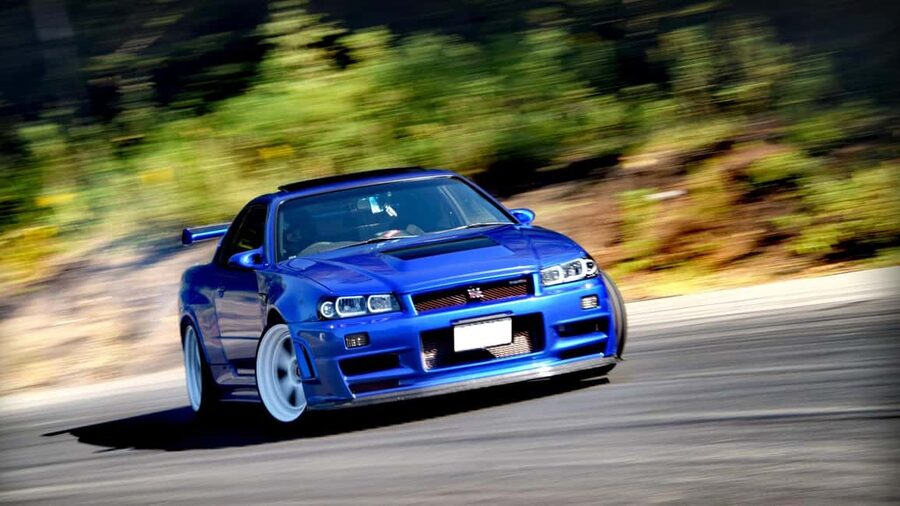
- Ride in JDM icons: Possible cars include Nissan Skyline R34 and R33, Silvia S14 and S15, Toyota Chaser, Supra, and other Japanese performance cars.
- Meet in Shinjuku: Complimentary transport takes you from central Tokyo to the selected circuit and back.
- Choose the right expectation: This is a passenger ride with skilled drifters, not a lesson or a self-drive course.
- Capture the action: On-site photographers and videographers record the cars, smoke, and your reactions.
- Plan for a full day: Pickup is around 8:30 a.m., with a return to Tokyo at about 5:30 p.m.
- Dress for safety: Long sleeves, long pants, and sports shoes are mandatory.
What the Kamikaze Drift Day Really Is
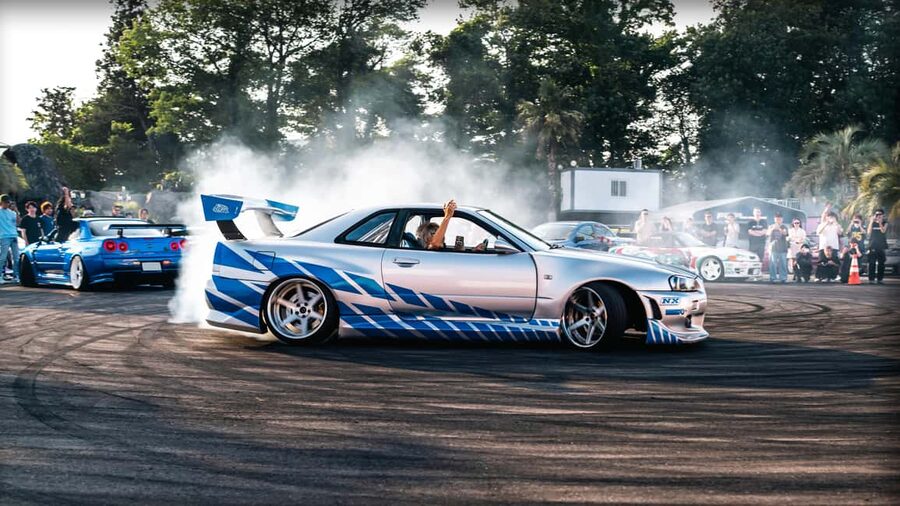
This is a motorsport outing wrapped in a car meet. You spend the day with the Kamikaze Wild Drifters Crew, a group of Japanese street drifters presented as skilled drivers rather than instructors. Their role is to show you the feeling of a proper drift from the passenger seat.
That difference matters. If your goal is to learn how to control a slide, this is the wrong booking. If your goal is to feel a car snap into oversteer while an experienced driver holds the angle, it fits much better.
The setting is also part of the appeal. Instead of watching a polished indoor performance or looking at parked cars in a showroom, you go out to a real drift circuit. The possible venues include Ebisu, Fuji Speedway, Nikko, and other Japanese tracks. The final circuit is not specified in advance here, so do not book around the assumption that you will visit one particular track.
You can expect engines running, tires producing smoke, and cars moving sideways at close range. That creates a loud, active day. It also means this is not a quiet sightseeing trip with plenty of time for casual Tokyo exploration.
A few more Tokyo tours and experiences worth a look
From Shinjuku to the Circuit
The day begins at roughly 8:30 a.m. in Shinjuku. Complimentary transport is available from the central Tokyo meeting point, which removes one of the harder parts of reaching a circuit outside the city.
You receive the pickup details the day before. Pay attention to them, since the included transport applies to the Shinjuku meeting point, not a personal pickup at your hotel or another neighborhood. If you are staying far from Shinjuku, allow time to reach the meeting spot on your own.
The ride out of Tokyo is useful in another way. You leave the city with the crew and other participants, rather than arriving alone at an unfamiliar motorsport venue. That helps set the social tone of the day. Expect a group built around shared interest in Japanese cars, not a standard sightseeing group.
Meals and drinks are not included. Bring food and water, or confirm what is available at the circuit before departure. With a day that runs from morning until late afternoon, this is a practical detail, not an afterthought.
Choosing Between Ebisu, Fuji Speedway, and Nikko
The listed circuits carry different associations for car fans, but the booking information does not promise one fixed venue. The track may depend on the day, conditions, or the crew’s schedule.
Ebisu is closely linked with Japanese drift culture and is likely to appeal most to someone who wants the strongest connection to the sport’s local scene. Fuji Speedway is a famous motorsport name, while Nikko is another well-known Japanese circuit used for driving events. The important point is that each venue offers a track environment, not a Tokyo street ride.
The phrase Kamikaze Street Drift refers to the style and car culture surrounding the activity. It does not mean you will be drifting through public Tokyo streets. Your rides take place at a circuit, with a safety briefing and equipment provided.
Because the exact track is not confirmed in the supplied details, ask these questions before departure:
- Which circuit is scheduled for your date?
- How many passenger laps are included?
- How long is each ride?
- Are rides spread across the day or grouped into one session?
The package promises multiple laps with experienced Japanese drivers, but it does not give a fixed lap count or ride duration. That is the clearest point you should settle before booking.
Sitting in the Passenger Seat of a Skyline
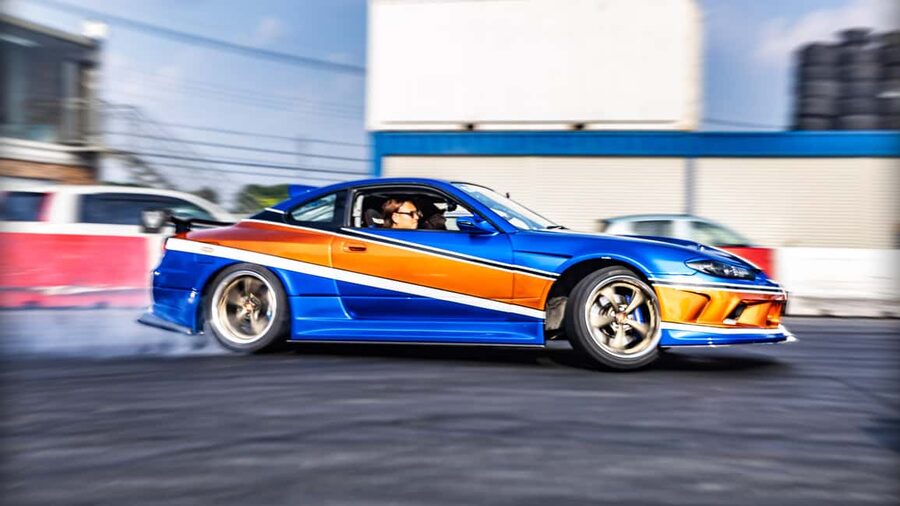
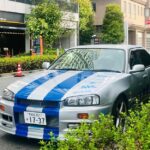
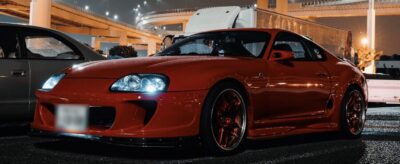
The cars are a major reason to choose this activity. The fleet may include a Nissan Skyline R34 or R33, Silvia S14 or S15, Toyota Chaser, Supra, and other JDM performance cars.
For many people, the Skyline R34 is the headline act. It is one of the most recognizable Japanese performance cars ever built, helped along by its place in global car culture. The Silvia S14 and S15 have their own following, especially among people who associate them with drift builds and rear-wheel-drive control.
Still, you should not assume you can request a specific car. The details say you ride in real JDM drift cars, but they do not promise a particular model for every participant. You might ride in one of the named icons, or in another car from the crew.
The passenger-seat format keeps things simple. You do not need a Japanese driving license, racing background, or technical training. After the safety briefing, you get in, secure yourself, and let the driver work.
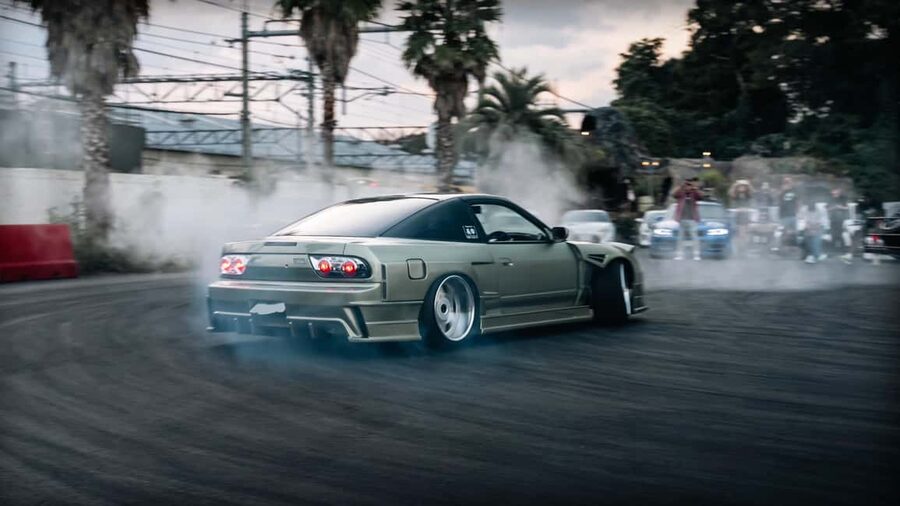
The sensation is less about top speed than about changing direction while the rear of the car loses traction. You feel the car rotate, hear the engine work, and watch the track slide across your view at an angle. Smoke and tire noise are part of the package, not an occasional extra.
How the Passenger Rides Work
A safety briefing comes before the rides. The available information does not give a full equipment list, but safety equipment is included, and the crew guides you through the activity.
You should follow the clothing rules closely. Long sleeves, long pants, and sports shoes are mandatory. This is not the time for sandals, loose beachwear, or a stylish outfit that restricts movement. You can still dress for the photographs, but make sure the outfit is suitable for a motorsport setting.
The drivers are described as practiced Japanese drifters, not teachers. That means you can expect a demonstration of their skill, but not a classroom explanation of every control input. If you are curious about technique, ask questions between rides. English and Japanese are available, so basic conversation is possible, though the activity is centered on riding rather than formal instruction.
The number of laps is not stated clearly in the available details. One description includes unfinished placeholders for the number and duration of laps, so treat that as missing information. A careful buyer will confirm it directly before booking.
The ride may also be intense. The activity is not suitable for children under 15, pregnant women, people with heart problems, people with high blood pressure, or people over 70. Those limits tell you something about the physical nature of the ride. Even from the passenger seat, sudden movement and repeated cornering can be demanding.
The Social Side of a Track Day
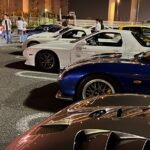
Between rides, you spend time around the crew and the other participants. Music, conversation, and shared enthusiasm give the day the feeling of a car gathering rather than a series of isolated rides.
That group atmosphere is valuable if you already enjoy Japanese cars. You can compare impressions, look at the vehicles, and talk about the cars with people who came for the same reason. The international mix also makes it easy to find common ground, even if you do not share much beyond a love of drifting.
If you are not a car person, the social side may be less useful. The schedule centers on cars, track action, and the crew. There is no separate cultural tour of Tokyo, no sightseeing stop, and no broad introduction to Japanese history or food.
The provider, BIZAKURA Co Ltd, lists English and Japanese as the available languages. The Kamikaze Wild Drifters Crew hosts and guides the day, but no individual guide names are provided. If meeting a particular driver is important to you, this package does not promise one by name.
Photos and Videos Worth Having
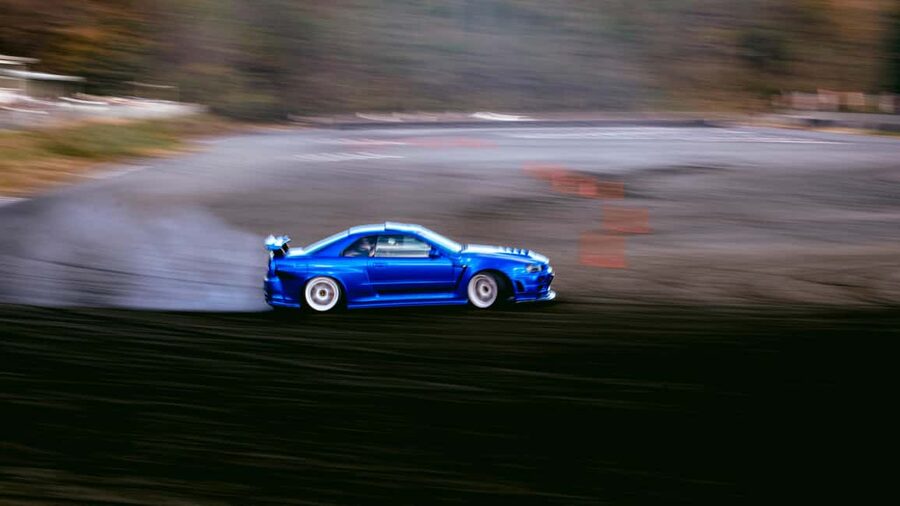
Professional photos and videos are included, which is a strong feature for this kind of activity. From the passenger seat, your attention will be split between the driver, the track, the smoke, and trying to hold on. You are unlikely to document the best moments well with your own phone.
The on-site team records the action, including the cars and your reactions. That gives you something more useful than a few blurry snapshots from inside the cabin. It also helps show friends and family what the day felt like.
The information does not specify how many photos or video clips you receive, the delivery method, or when they arrive. Ask about those details if the media package is a major reason for booking.
You should also remember that professional coverage does not turn the day into a private photo shoot. The crew is recording the event while the track action continues. Your exact camera angles and time in front of the lens may depend on the schedule.
Is $387 a Fair Price?
At $387 per person, this is a major activity purchase. It makes sense only if the car access and track time matter more to you than adding several ordinary Tokyo sightseeing stops.
The price covers the passenger rides, multiple drift laps, transport from Shinjuku, safety briefing and equipment, access to the selected circuit, crew hosting, and professional photos and videos. If you paid separately for transport, track access, and motorsport photography, the package could represent fair value for a serious car fan.
The value depends heavily on the actual ride time. Since the published details do not state the number or duration of laps, confirm those before booking. A full-day schedule does not automatically mean a full day in the passenger seat. Some time will be spent traveling, waiting, watching other rides, socializing, and handling the event’s schedule.
The price also excludes meals, drinks, personal travel costs, medical insurance, and optional extras. You should have suitable insurance in place, even though the activity includes safety instructions and equipment.
For a casual visitor who simply thinks drifting looks fun, $387 may feel steep. For someone who has wanted to ride in a Skyline or Silvia on a Japanese circuit, the cost may be reasonable, especially with transport and media included.
Who Will Enjoy This Most
I would point this activity toward a dedicated car enthusiast, a fan of Japanese performance vehicles, or someone who has already seen Tokyo’s car culture online and wants the real track version.
It also suits a person who prefers to watch and feel rather than operate the car. You get the excitement without needing to learn a new vehicle or manage a drift yourself. The passenger format makes the activity accessible to visitors who would not be comfortable driving on a circuit.
You should think twice if you dislike loud engines, smoke, fast cornering, or long group days. The package is focused. There is no gentle warm-up built around general sightseeing, and no promise that you will spend the day in one specific car.
It is also not suitable for anyone covered by the listed medical or age restrictions. Those rules should be taken seriously, not treated as fine print.
What to Bring and What to Ask
Wear long pants, a long-sleeved shirt, and sports shoes. Choose clothing that is safe and comfortable for sitting in a moving car, but feel free to add some personal style for the photographs.
Bring money or supplies for food and drinks, since they are not included. Keep your schedule open for the full seven hours, with pickup around 8:30 a.m. and a return to Tokyo at about 5:30 p.m.
Before booking, I would confirm four things:
- The exact circuit for your date
- The number of laps included
- The approximate length of each ride
- How and when the photos and videos are delivered
You can cancel up to 24 hours in advance for a full refund, and the reserve-now, pay-later option keeps your plans flexible. Pickup information arrives the day before, so check your messages carefully.
Should You Book Kamikaze Street Drift?
Book it if a passenger ride in a Japanese drift car is high on your Japan wish list. The strongest parts are the real JDM cars, skilled local drivers, track setting, and professional media that captures more than you could manage alone.
I would not book it simply because you need something different to do in Tokyo. The price is high, meals are extra, the day is car-focused, and the precise lap allowance needs confirmation. For the right person, though, this is a rare chance to experience Japanese drift culture from inside the car instead of behind a barrier.
FAQ
How much does the Kamikaze Street Drift Ride cost?
The price is $387 per person.
How long does the activity last?
The activity lasts about seven hours. Pickup is scheduled at around 8:30 a.m., with a return to Tokyo at approximately 5:30 p.m.
Where does the transport leave from?
Complimentary transport is available from a meeting point in Shinjuku. Personal pickup and drop-off outside Shinjuku are not included.
Which drift circuits might I visit?
Possible circuits include Ebisu, Fuji Speedway, Nikko, and other Japanese drift tracks. The exact circuit is not specified in advance in the provided details.
What cars can I ride in?
The cars may include Nissan Skyline R34 and R33 models, Silvia S14 and S15 models, Toyota Chaser, Supra, and other JDM drift cars.
Is this a drifting lesson?
No. This is a passenger-seat ride with skilled Japanese drifters, not a driving school or formal lesson.
How many laps are included?
The activity includes multiple drift laps, but the exact number and length of each lap are not specified. Confirm those details before booking.
What clothing should I wear?
You must wear a long-sleeved shirt, long pants, and sports shoes.
Who cannot take part?
The activity is not suitable for children under 15, pregnant women, people with heart problems, people with high blood pressure, or people over 70.
More JDM & Car Culture in Tokyo
More tours in Tokyo we've reviewed
JDM & Car Culture, compared.
 ★ 4.7FAST&FURIOUS EXPERIENCE Tokyo Car Club membershipFrom $138
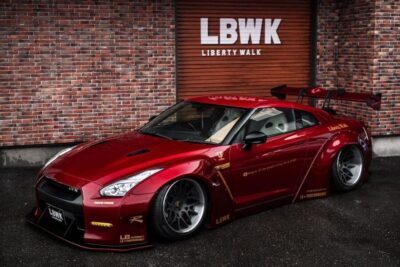 ★ 4.8GT-R35 800hp Club Membership – secret underground car meetFrom $205
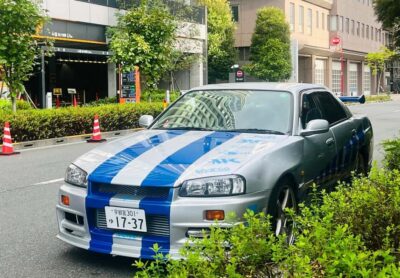 ★ 4.8Tokyo: Fast & Furious Tokyo Drift 3 Experience (Kaila Yu SP)From $157
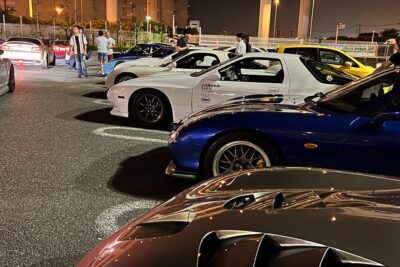 ★ 4.8Tokyo: Daikoku JDM Car Meet & Night Car Culture TourFrom $984 hours
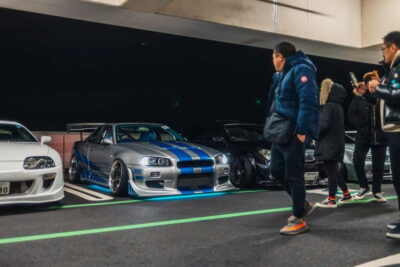 ★ 4.8Secret Car Meet: R34 Skyline Car Club MembershipFrom $236
 ★ 4.7Tokyo Drift: Daikoku PA Supreme Car Experience 大黒PAFrom $583 hours