
Reviewed · NIKKO DAY TRIPS
Nikko Full-Day Private Walking Tour with Government-Licensed Guide (Tokyo DEP.)
Nikko gives you an unusually good mix of lavish Tokugawa shrines and mountain scenery in one day. This private 9-hour outing lets you choose three or four stops from a menu of waterfalls, lakes, gardens, temples, and historic buildings instead of forcing you through one fixed route. I like that guides such as Seizo, Yoshii, Kazu, Yuki, and Nobu build the plan around your interests, and I like the chance to spend real time on a quiet riverside walk such as Kanmangafuchi Abyss. The main catch is that transport and entrance fees are not included, so the advertised price is only part of your final cost.
The private format is especially useful in Nikko, where the major sights spread from the temple area into the hills around Lake Chuzenji. Guides have helped families and couples adjust plans, manage public transport, and make the most of a short visit. You should also know that this is described as a walking tour with an on-foot meeting in Tokyo, not a private car excursion from your hotel.
In This Review
- Key points before you book
- Why a private day makes sense in Nikko
- Toshogu, Rinnoji, and the Tokugawa story
- The mountain route to Kegon Falls and Lake Chuzenji
- Senjogahara and Nikko’s quieter side
- Imperial architecture, gardens, and old hotels
- Shinkyo Bridge and the easiest central stops
- What the guides add to the day
- Price, transport, and what you really pay
- Who should choose this Nikko day?
- Should you book this private Nikko tour?
- FAQ
- How long is the Nikko private walking tour?
- Where does the tour begin?
- Is hotel pickup included?
- How many sights can I visit?
- Can I visit all 14 listed sights?
- Is transportation included in the price?
- Are entrance fees included?
- Is lunch included?
- Is this a private group tour?
- What happens if I need to cancel?
Key points before you book
- Choose only three or four sights: The 14 listed places form a menu for a custom day, not a promise that you will visit every stop.
- Expect a licensed local guide: English-speaking guides include Seizo, Yoshii, Kazu, Yuki, Nobu, Mari, Hiro, and others, with the actual assignment made for your date.
- Budget for the Nikko Pass: Transportation is extra, with the stated All Area Pass price at 4,520 yen per person.
- Mix culture with nature: You can pair Toshogu or Rinnoji with Kegon Falls, Lake Chuzenji, or Senjogahara.
- The meeting point is on foot: The listed starting point is near Asakusa Station, and the guide can drop you at your hotel or another place in Tokyo afterward.
- Timing matters: Autumn color, snow, road conditions, and the long distance between central Nikko and the mountain sights can affect the plan.
Why a private day makes sense in Nikko
Nikko is not one compact temple complex. Its central shrine and temple area is only one part of the outing. The famous mountain sights require more movement, and the choice between culture and nature can change your whole day.
That is where a private guide earns the fee. You can tell the guide that you care most about Japanese religious art, the Tokugawa shoguns, waterfalls, gardens, or mountain views. The guide then selects three or four places and works out a practical order.
The 30-minute time listed for each stop should be treated as a rough visit length, not a full description of your day. Moving between Tokyo, central Nikko, and the higher mountain area takes time, as does waiting for public transport and walking between entrances. A guide who knows the area can help you avoid wasting your limited hours.
I would give your guide a clear wish list before the day begins. If you want both Kegon Falls and Toshogu, say so. If a peaceful walk matters more than another ornate building, mention Kanmangafuchi Abyss or Senjogahara. The more specific you are, the more useful the custom format becomes.
A few more Tokyo tours and experiences worth a look
Toshogu, Rinnoji, and the Tokugawa story
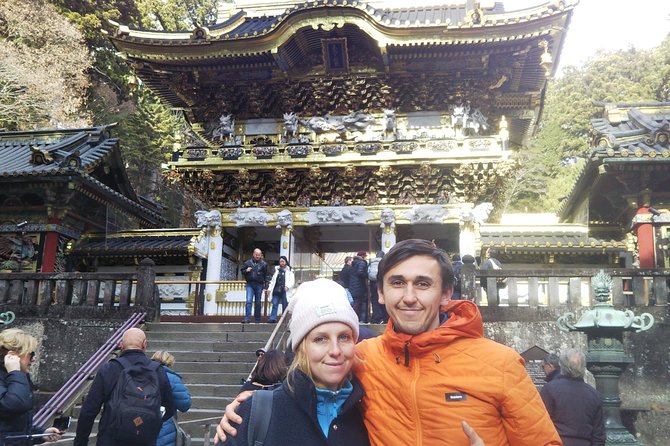
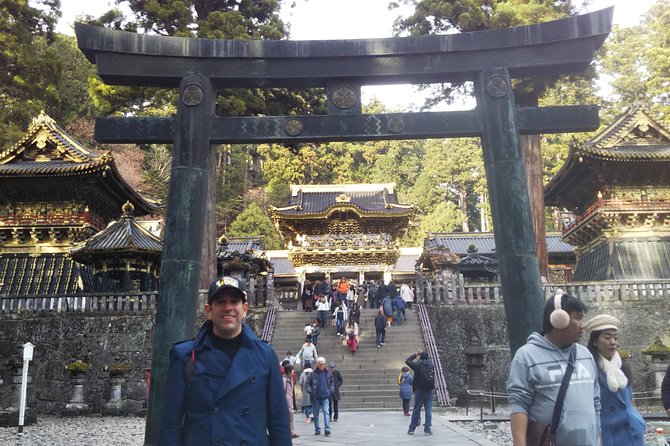
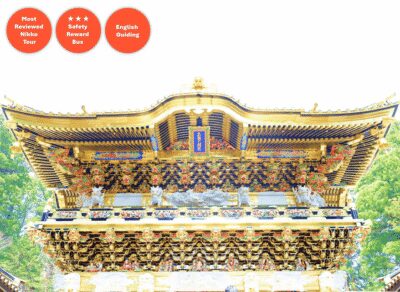
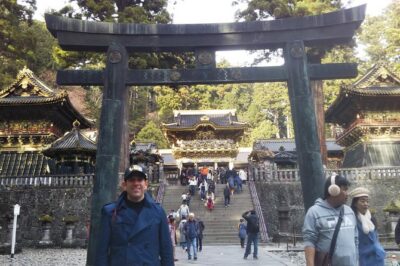
Nikko Toshogu is the headline sight. It is the mausoleum of Tokugawa Ieyasu, founder of the shogunate that ruled Japan for more than two centuries. The complex is known for elaborate decoration, famous carvings, and a setting among tall trees.
The advertised visit is only about 30 minutes, and that is not much time for a place with this much to see. If Toshogu is your priority, tell the guide early and ask how much time you can realistically give it. Entrance is not included, and your guide’s entry cost is covered only for sights listed in the tour details.
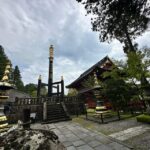
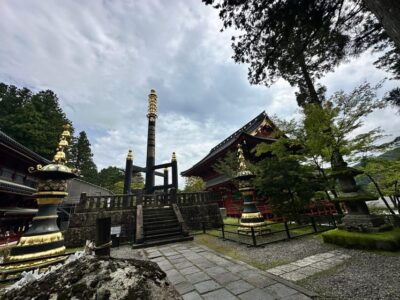
Nearby Rinnoji is Nikko’s most important Buddhist temple. It was founded by Shodo Shonin, the monk credited with bringing Buddhism to Nikko in the eighth century. The Sanbutsudo, or Three Buddha Hall, gives the temple a different feel from Toshogu, with a more restrained Buddhist focus.
Futarasan Shrine offers another useful contrast. Founded in 782, it is older than Toshogu and dedicated to the mountains around Nikko. It sits beside Toshogu, so combining the two makes geographic sense if you want a strong introduction to the religious center.
Taiyuin, the mausoleum of Tokugawa Iemitsu, is another worthwhile choice. Iemitsu was Ieyasu’s grandson and the third Tokugawa shogun. The complex echoes Toshogu in its layout and decoration, but many people find it calmer. Choosing both mausoleums can help you compare generations of Tokugawa style, though it may leave less time for nature.
The mountain route to Kegon Falls and Lake Chuzenji
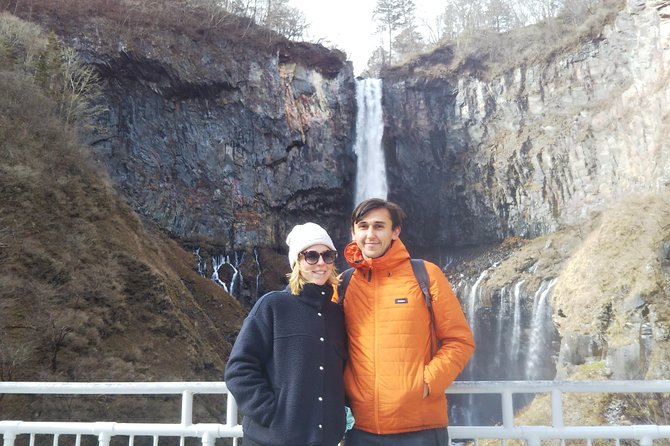
Kegon Falls is Nikko’s best-known waterfall. Water drops 97 meters from Lake Chuzenji to the rocks below, making it a dramatic stop even if you have seen many waterfalls elsewhere. A special lift carries visitors to a lower viewing area, and the admission fee is extra.
The 30-minute allotment gives you time to see the falls, but not necessarily to linger if the lift is busy or you want photos from several angles. Weather also matters. Mist, rain, snow, or bright autumn color can change the view from one visit to the next.
Lake Chuzenji is the source of Kegon Falls and the largest lake in Tochigi Prefecture. It is framed by 25 kilometers of natural scenery and was once a summer retreat for foreign residents in the late nineteenth and early twentieth centuries. French and other foreign villas remain part of the area’s story.
I like this pairing because the waterfall and lake explain each other. You see the water at its source, then watch it plunge from the outlet. Add Lake Chuzenji if you want open views and mountain air, but remember that the trip into the highlands takes time away from the central shrines.
A useful warning: the Akechidaira Ropeway is closed for maintenance from January 16, 2026, through August 31, 2027. The Akechidaira Observation Area may still be available, but you should not book this day expecting a ropeway ride during that period.
Senjogahara and Nikko’s quieter side
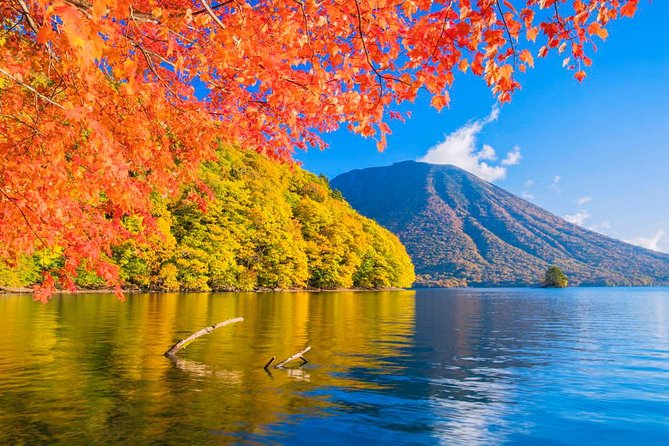
Senjogahara Field gives you a break from carved gates and crowded temple paths. Its name means battlefield, referring to a legend in which the gods of Mount Nantai and Mount Akagi fought over nearby lakes.
The attraction here is the open mountain setting and the chance to walk. The listed stop is 30 minutes, so you will get a taste rather than a long hike. If walking through nature is your main goal, ask the guide whether the itinerary can give Senjogahara more time by dropping another stop.
Kanmangafuchi Abyss is a particularly appealing choice for visitors who want something less formal. An eruption of Mount Nantai formed the gorge, which runs for only a few hundred meters near central Nikko. A pleasant riverside path follows the water, and the walk brings you close to the quieter side of town.
One guide, Seizo Kamiuto, specifically created an itinerary that included Kanmangafuchi Abyss, and the visit became a memorable part of the day. That detail points to the value of telling your guide what sort of experience you want. A custom tour does not have to mean collecting famous sights. It can mean choosing one excellent shrine, one beautiful walk, and enough time to enjoy both.
Imperial architecture, gardens, and old hotels
Tamozawa Imperial Villa Memorial Park is a fine choice if you enjoy buildings rather than only shrines. The villa combines Edo-period design with early modern Meiji architecture across 106 rooms. It was built in Nikko in 1899 using sections of a residence from Tokyo.
The villa helps you see how Japan’s ruling class lived during a period of change. It also adds variety after the heavily decorated religious complexes. Admission is extra, and you should confirm how much interior time fits your plan.
Nikko Botanical Garden is owned and maintained by the University of Tokyo. It is a branch of Koishikawa Botanical Garden and offers a different type of visit, with plants and research rather than monumental architecture. This would suit you if gardens, seasonal plants, and a slower pace matter more than checking off major landmarks.
The Kanaya Hotel History House was the predecessor of the famous Kanaya Hotel. It is open to the public and adds a glimpse of Nikko’s early foreign-resort era. Pairing it with Lake Chuzenji gives that part of Nikko’s story more context, since both connect to the period when foreign visitors came to the area for summer stays.
Other walking tours we've reviewed in Tokyo


Shinkyo Bridge and the easiest central stops
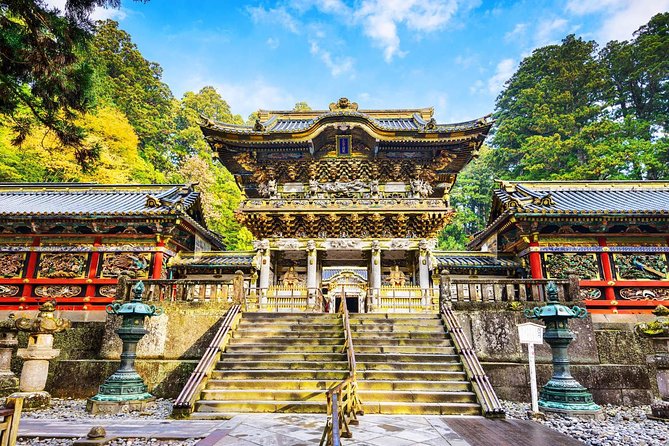
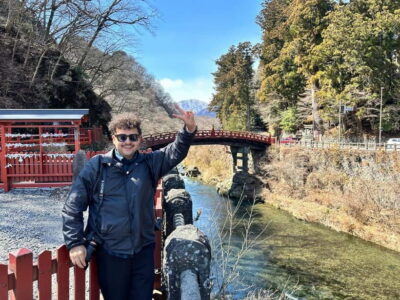
Shinkyo Bridge marks the entrance to Nikko’s shrines and temples. It belongs technically to Futarasan Shrine and is counted among Japan’s three finest bridges. Its vivid color and setting make it a natural first or last stop in the central area.
It is also one of the simpler choices when time is tight. Shinkyo, Toshogu, Rinnoji, Futarasan, and Taiyuin are all part of the central Nikko cluster, while Kegon Falls, Lake Chuzenji, Senjogahara, and Akechidaira require a mountain excursion.
Kirifuri Waterfall is another nature option, a 75-meter, two-tiered fall northeast of the central temples. It may be a better fit than Kegon Falls if you want a waterfall without committing to the Lake Chuzenji area, but the right choice depends on your guide’s transport plan and the other sights you select.
You can also ask for a balance such as Shinkyo Bridge, Toshogu, Kanmangafuchi Abyss, and Tamozawa Villa. That plan keeps you near central Nikko and gives you religious buildings, a historic bridge, a riverside walk, and a former imperial residence.
What the guides add to the day
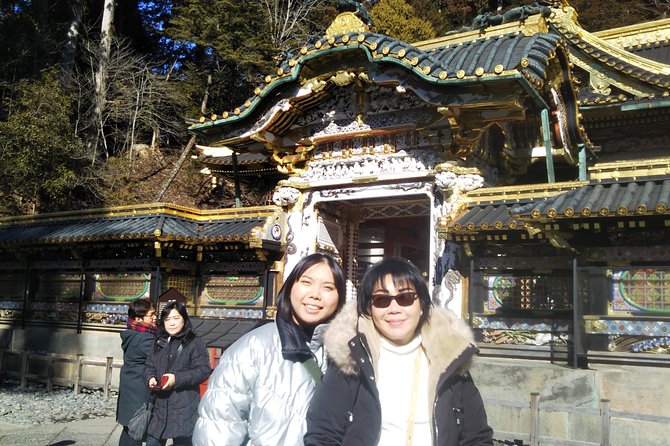
The strongest part of this experience is not a special vehicle or an included meal. It is the guide’s ability to shape the day and explain what you are seeing.
Seizo Kamiuto is described as polite, considerate, and strong in English. Yoshii Kenichi helped families feel comfortable and handled the details of a full day. Kazu has guided in English and French, while Yuki was praised for being pleasant company throughout the day.
Nobu has been especially useful with planning. He prepared an itinerary in advance based on specific interests and handled the public transport logistics between sights. Yusuke kept in touch before the visit and suggested changes based on preferences, which is exactly the sort of contact you want from a private guide.
Mari Noda organized a good mix of nature and culture, while Hiro offered practical suggestions about places to visit and how to use the train. These are not promises about the guide assigned to you, but they show the range of service you may receive. Ask for your guide’s name and share your priorities before the date if you want the custom element to work well.
The experience has a 5 out of 5 rating from 33 reviews, with 100 percent recommending it. One account describes snow and less-than-ideal walking conditions, so comfortable shoes and sensible seasonal clothing are important. Nikko can be beautiful in November when autumn leaves color the area, but that period can also bring more demand and road delays.
Price, transport, and what you really pay
The listed price is $224.02 per person. For a private 9-hour day with a licensed local guide, that can be reasonable for a couple or small family, especially if you value personal explanations and a flexible plan.
It is not an all-inclusive price. You pay for your own transportation, entrance fees, lunch, and personal expenses. The stated Nikko All Area Pass price is 4,520 yen per person. Private transportation is not included, so you should expect to use public transport and walk.
The meeting information needs careful reading. The listed start is Asakusa Station, at 1 Chome-4 Hanakawado, Taito City, and you meet the guide on foot within the designated Tokyo area. The description also refers to hotel pickup and says the guide can drop you at your hotel or another place in Tokyo. Since those details do not perfectly match, confirm the exact meeting arrangement before booking.
This is a private activity for your group only, and group discounts are offered. That makes the price easier to justify when shared by several people. It is less attractive if you mainly want a simple sightseeing ride or prefer to arrange every train and ticket yourself.
Who should choose this Nikko day?
I would choose this tour if you have one day for Nikko and want help making sensible choices. It is a good match for families, couples, and first-time visitors who do not want to lose hours sorting out the order of shrines, mountain sights, and public transport.
It also suits you if your interests are specific. Ask for a shrine-focused day, a nature-heavy route, an architecture plan, or a mix of all three. The private setup lets you avoid spending your whole day at sights that do not interest you.
I would think twice if you want to see all 14 places. That is not realistic within a nine-hour outing, particularly when Tokyo to Nikko transport is included in the day. I would also think twice if you expect a private vehicle, included admissions, or a hotel pickup without walking to a meeting point.
Free cancellation is available up to 24 hours before the start time. Changes or cancellations within 24 hours are not accepted for a refund, based on local time.
Should you book this private Nikko tour?
Book it if you want a human guide and a plan built around your priorities, not a rigid checklist. The best version of the day might combine Toshogu with Kanmangafuchi Abyss, or Kegon Falls with Lake Chuzenji and one central shrine.
Before you commit, decide which three or four sights matter most, confirm the Asakusa meeting details, and budget for the 4,520-yen transport pass plus admission fees. If you do that homework, this is a practical way to turn a complicated Nikko day into a focused one.
FAQ
How long is the Nikko private walking tour?
The experience lasts approximately nine hours.
Where does the tour begin?
The listed starting point is Asakusa Station at 1 Chome-4 Hanakawado, Taito City, Tokyo.
Is hotel pickup included?
The description refers to hotel pickup, but the included details say you meet the guide on foot within a designated Tokyo area. Confirm the exact pickup arrangement before booking.
How many sights can I visit?
The tour includes a customizable itinerary covering three or four sites from the provided list of Nikko attractions.
Can I visit all 14 listed sights?
No. The listed places are options for creating your itinerary, not a promise that all 14 will fit into one day.
Is transportation included in the price?
No. Transportation fees are extra, and private transportation is not included. The stated Nikko All Area Pass costs 4,520 yen per person.
Are entrance fees included?
No. Entrance fees are extra. The guide’s entry fees are covered only for sights listed in the tour details.
Is lunch included?
No. Lunch and other personal expenses are not included.
Is this a private group tour?
Yes. Only your group participates in the private activity, and multiple tour groups cannot be combined.
What happens if I need to cancel?
You can cancel up to 24 hours before the experience start time for a full refund. Cancellations or changes made less than 24 hours before the start time are not accepted for a refund.
More Guided Tours in Tokyo

More Walking Tours in Tokyo
More Nikko Day Trips in Tokyo
More tours in Tokyo we've reviewed


Nikko Day Trips, compared.
 ★ 4.6Nikko: Kegon Falls, Lake Chuzenji & Toshogu TempleFrom $8911 hours
 ★ 4.5Tokyo: Nikko Toshogu Shrine and Kegon Waterfall TourFrom $8410h 30m
 ★ 5.0Nikko Full-Day Private Tour with Government-Licensed GuideFrom $155
 ★ 4.9From Tokyo: Nikko World Heritage Site Private Full-Day TripFrom $4831 day
 ★ 4.3Nikko: Edo Wonderland Edomura Cultural Theme Park TicketFrom $351 day
 ★ 4.8Tokyo: Nikko World Heritage Private Day Trip Hotel Pick-upFrom $39011 hours - 1 day